Discover Exceptional Products and Unmatched Service.
Power up your kitchen with reliable cooking equipment for restaurants and catering services. Trusted brands, fast shipping, unbeatable prices.
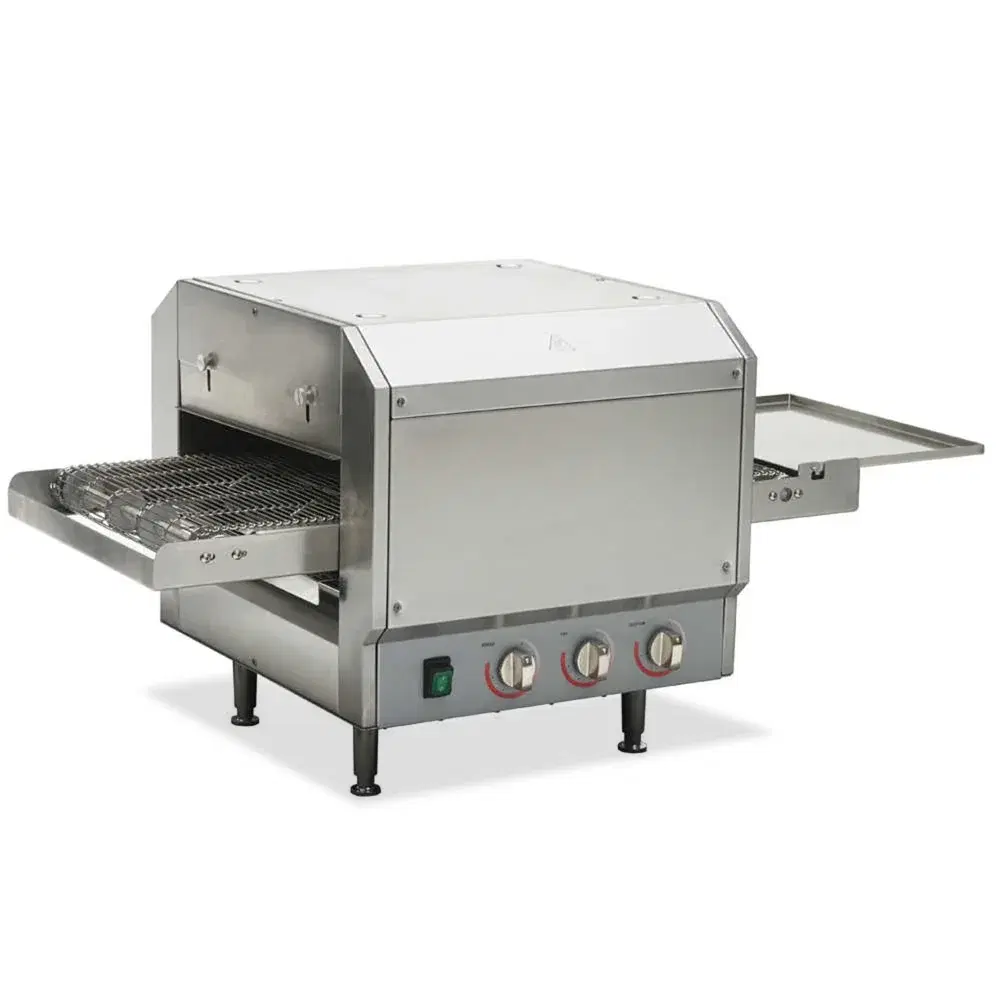
Cookline 41" Countertop Electric Conveyor Oven with 10.5" Belt - 120V, 1700W
Model No: OV12
⚡ Fast DeliveryShipping Fee
Mostly Ships in 5 to 7 Days
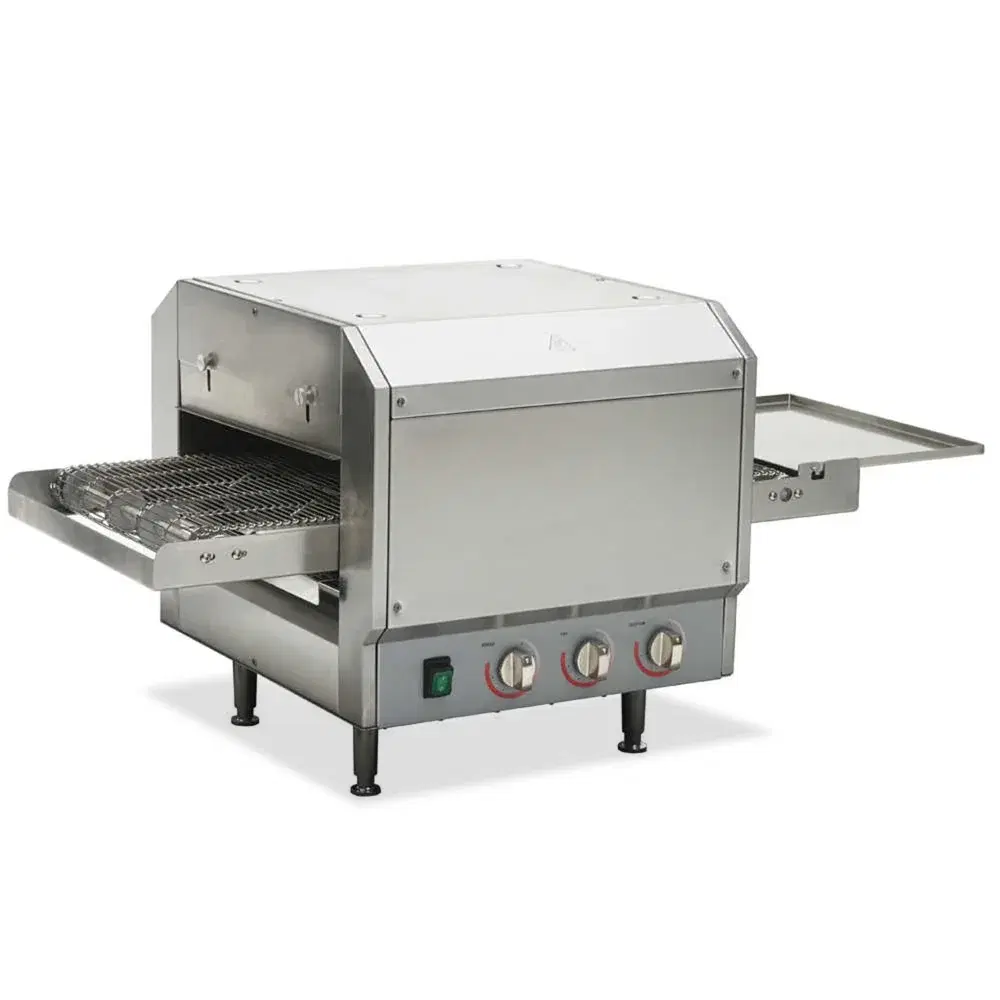
Cookline 41" Countertop Electric Conveyor Oven with 14" Belt - 240V, 3600W
Model No: OV14
⚡ Fast DeliveryShipping Fee
Mostly Ships in 5 to 7 Days
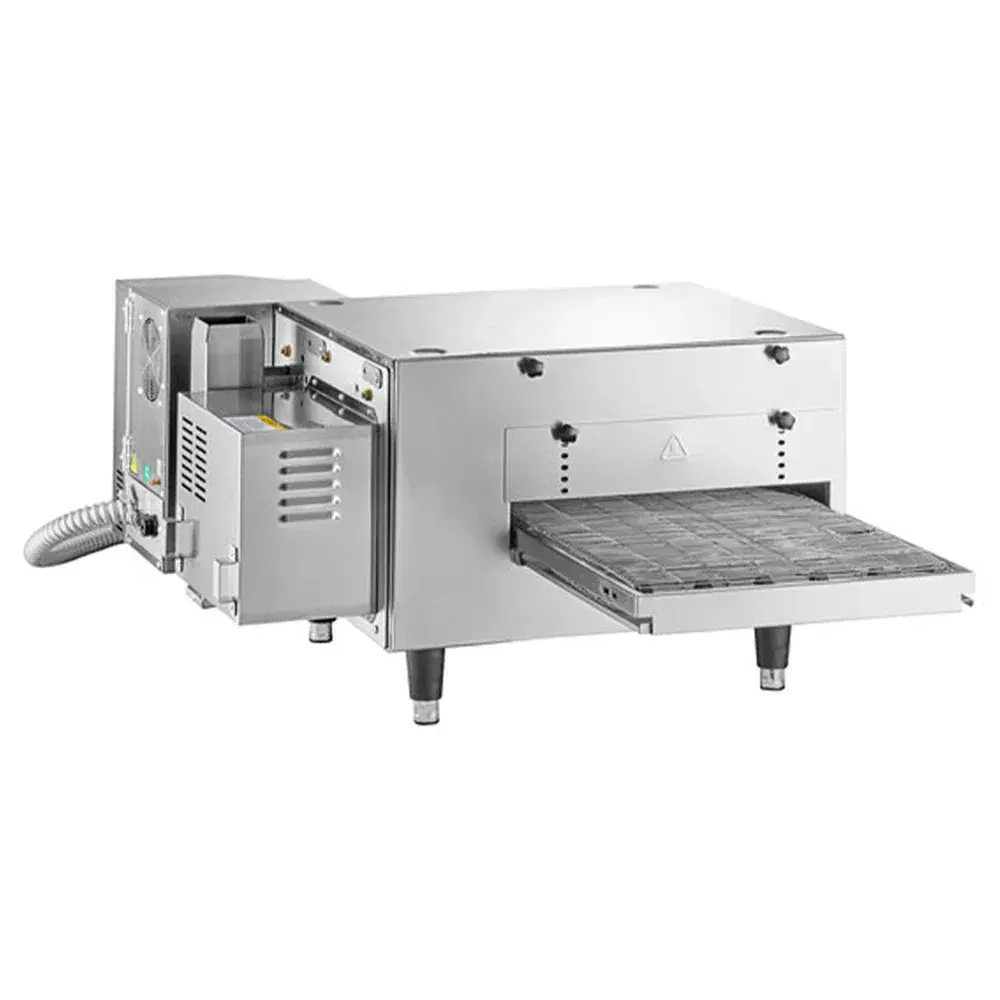
ChefPro Series 31-3/4" Countertop Impinger Electric Conveyor Oven with 50" Belt - 240V, 1 Phase, 6700W
Model No: CPECO31x32
⚡ Fast DeliveryShipping Fee
Mostly Ships in 5 to 7 Days
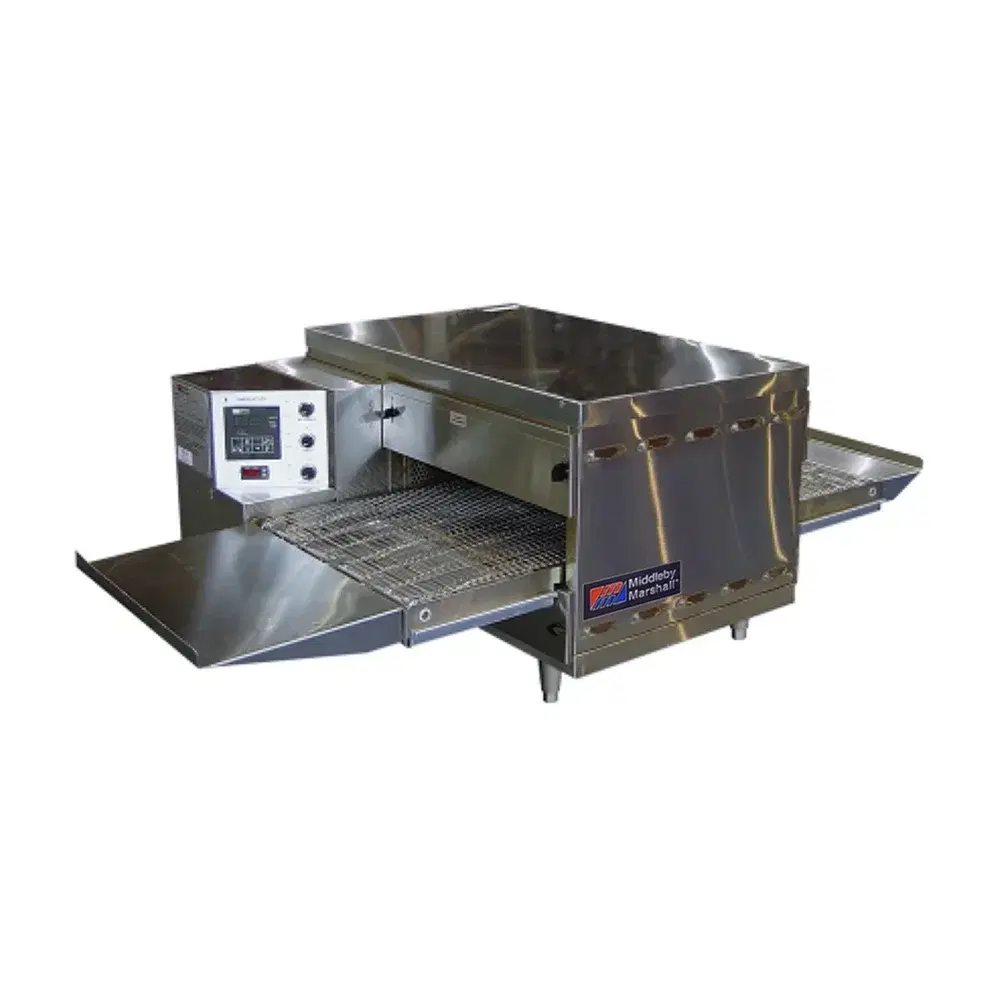
Middleby Marshall PS520G4NG 20" Countertop Conveyor Oven, 18"W x 42"L Belt, Natural Gas, 40,000 BTU, 240V/1ph
Model No: PS520G4NG
⚡ Fast DeliveryShipping Fee
Mostly Ships in 5 to 7 Days
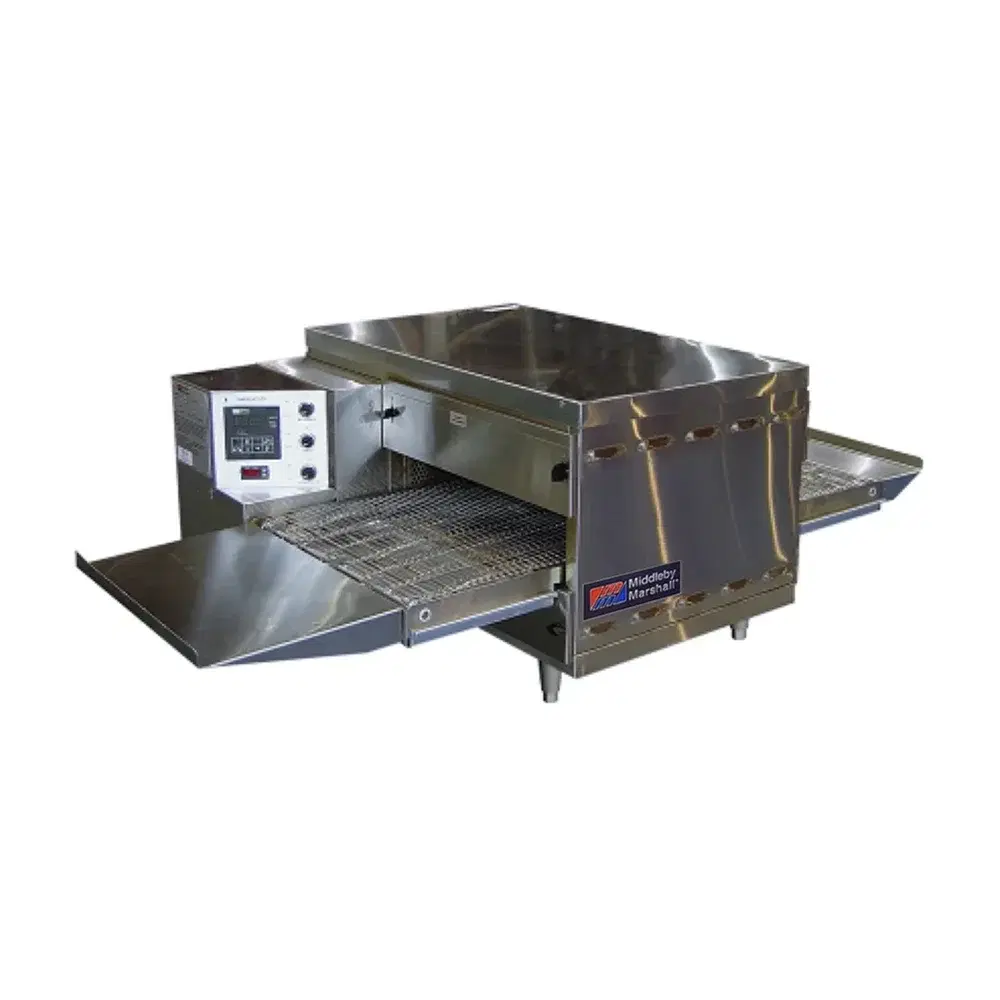
Middleby Marshall PS520G4LP 20" Countertop Conveyor Oven, 18"W x 42"L Belt, Liquid Propane, 40,000 BTU, 240V/1ph
Model No: PS520G4LP
⚡ Fast DeliveryShipping Fee
Mostly Ships in 5 to 7 Days
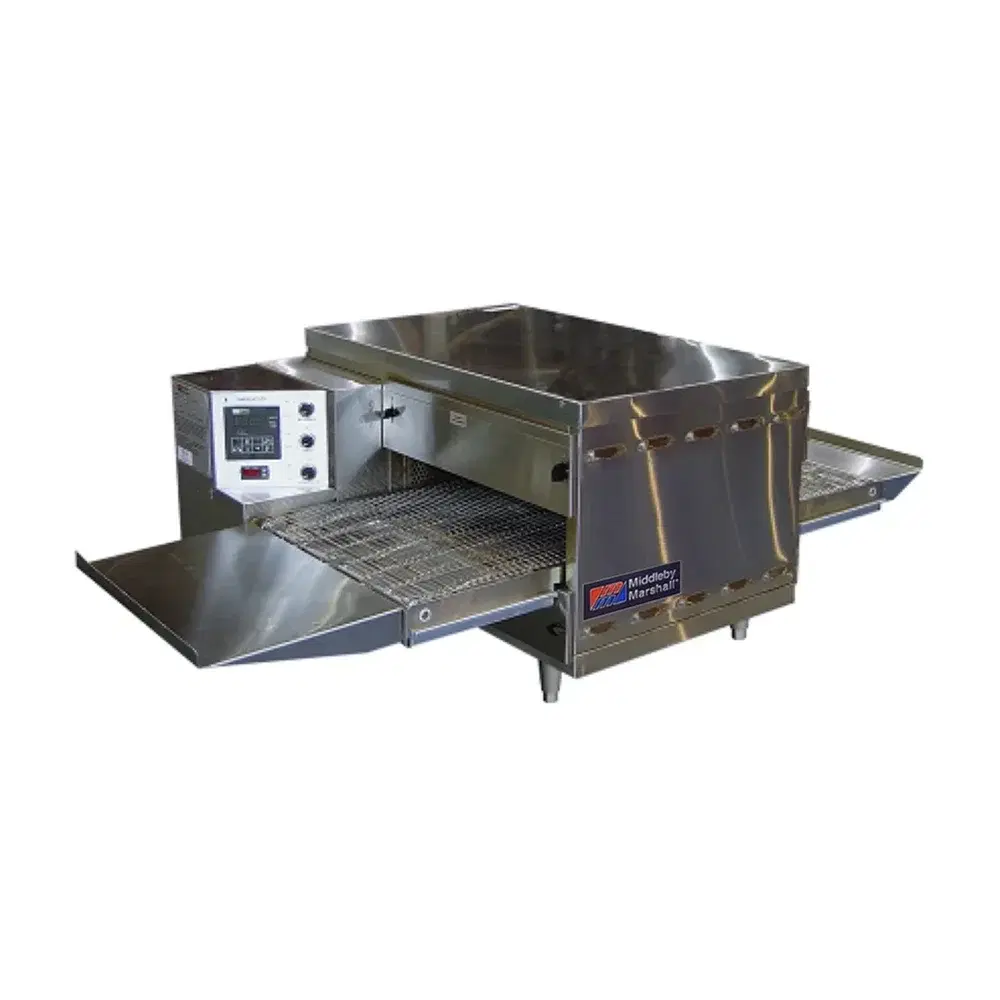
Middleby Marshall PS520G1NG 20" Countertop Conveyor Oven, 18"W x 42"L Belt, Natural Gas, 40,000 BTU, 240V/1ph
Model No: PS520G1NG
⚡ Fast DeliveryShipping Fee
Mostly Ships in 5 to 7 Days
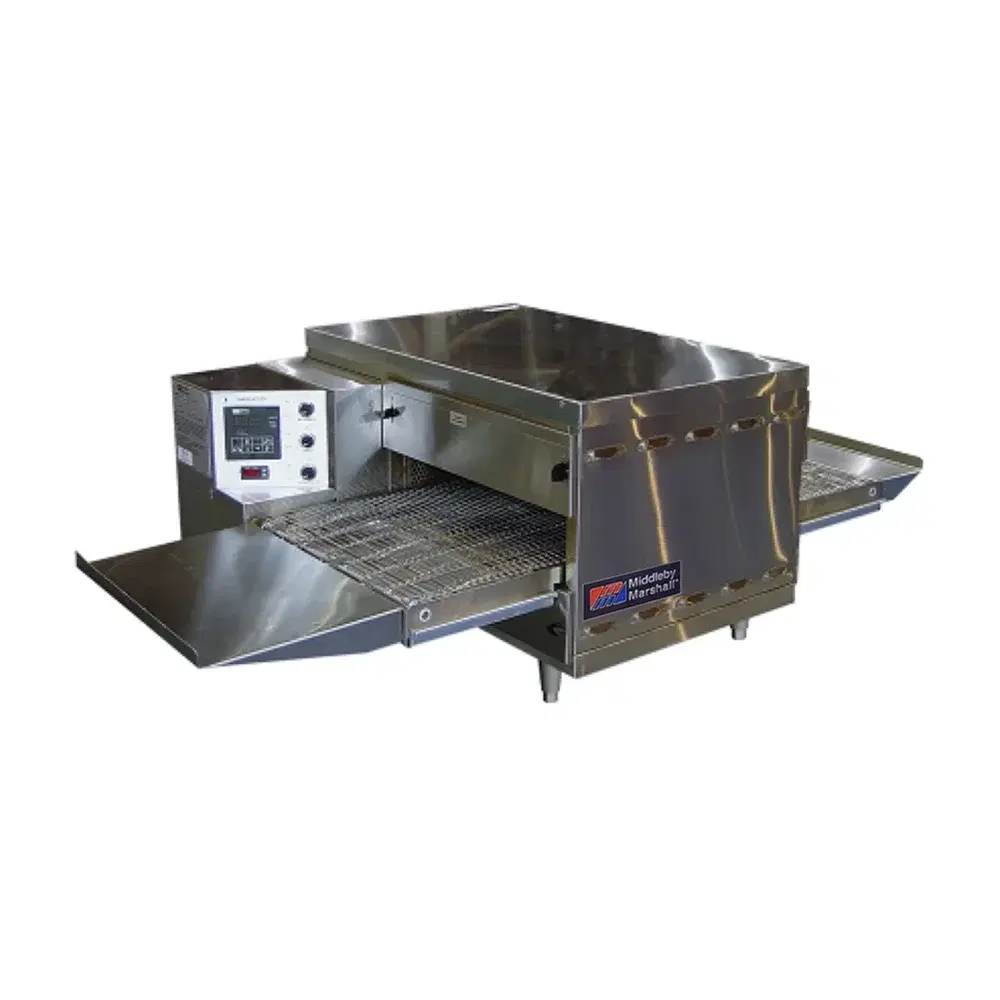
Middleby Marshall PS520G1LP 20" Countertop Conveyor Oven, 18"W x 42"L Belt, Liquid Propane, 40,000 BTU, 240V/1ph
Model No: PS520G1LP
⚡ Fast DeliveryShipping Fee
Mostly Ships in 5 to 7 Days
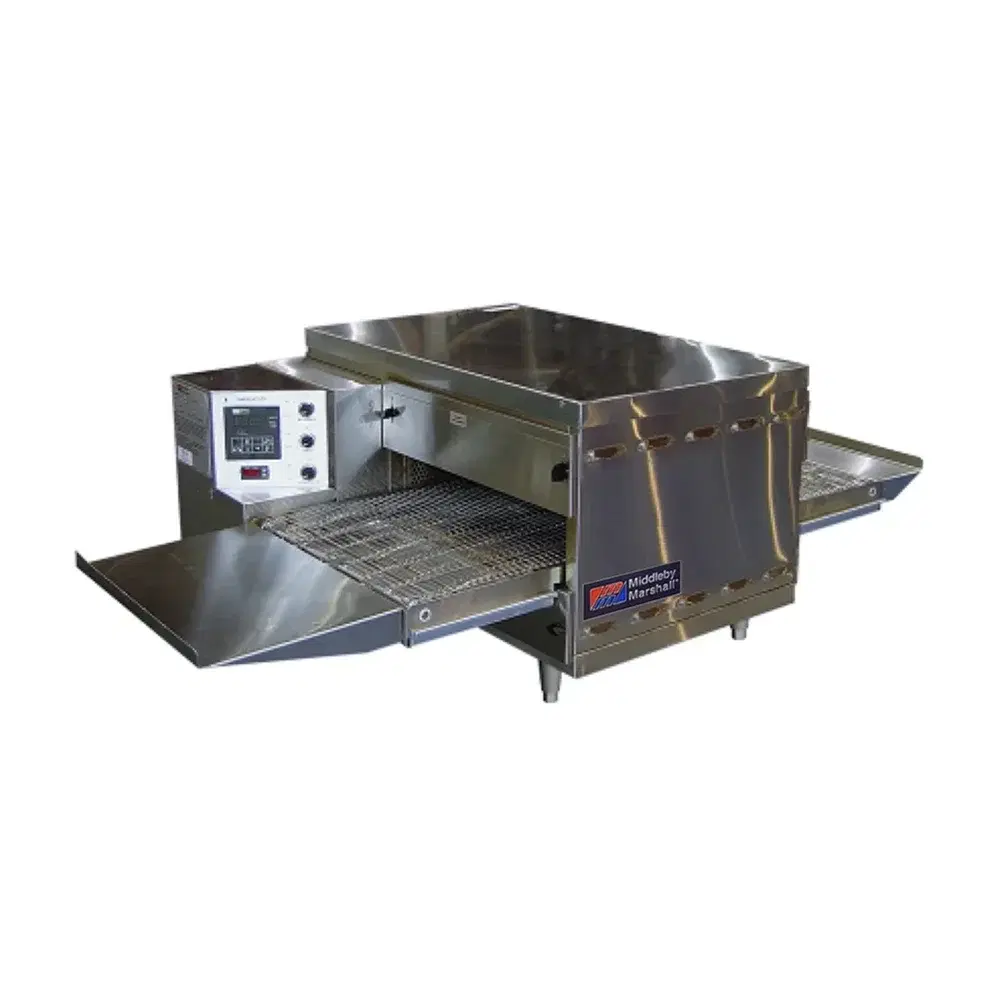
Middleby Marshall PS520E12401 20" Countertop Conveyor Oven, 18"W x 42"L Belt, Electric, 40,000 BTU, 240V/1ph
Model No: PS520E12401
⚡ Fast DeliveryShipping Fee
Mostly Ships in 5 to 7 Days
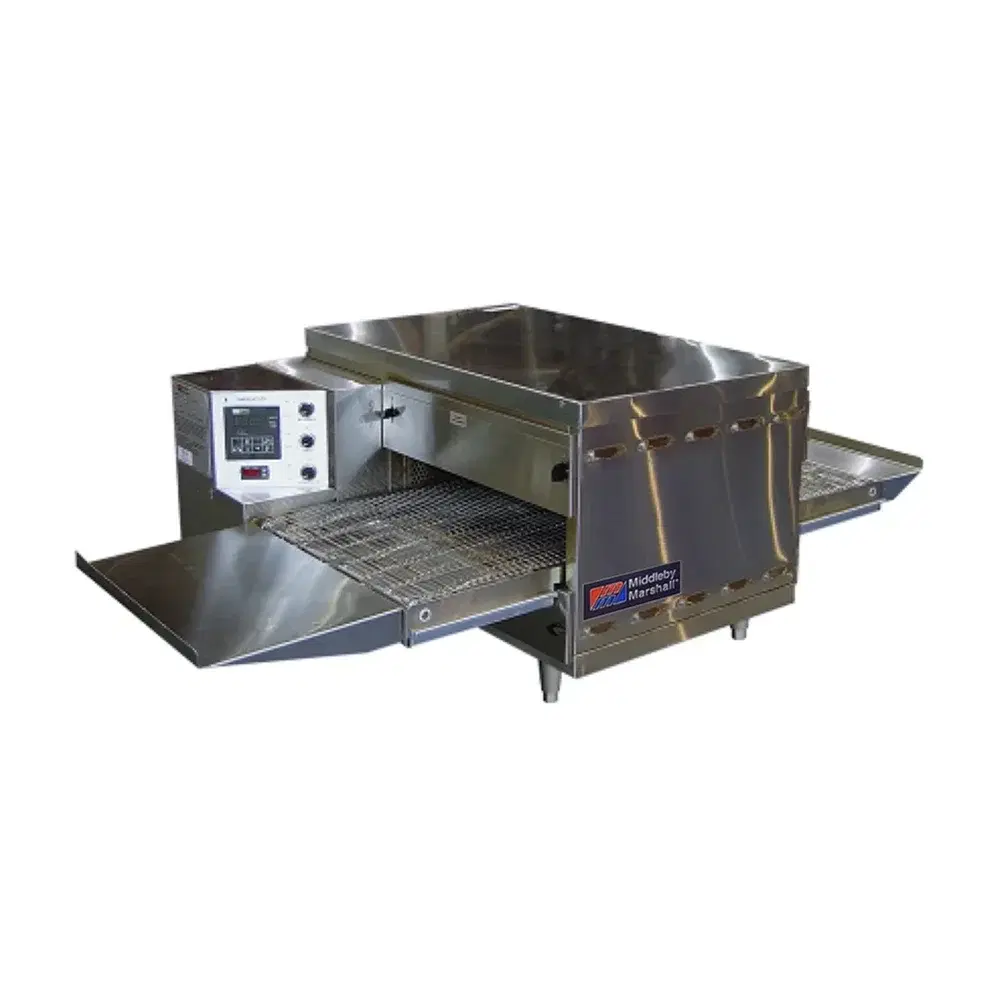
Middleby Marshall PS520E12081 20" Countertop Conveyor Oven, 18"W x 42"L Belt, Electric, 40,000 BTU, 240V/1ph
Model No: PS520E12081
⚡ Fast DeliveryShipping Fee
Mostly Ships in 5 to 7 Days

LincoIn V2500-4/1353 31" Electric Countertop Ventless Impinger Conveyor Oven - 208-240v/1ph
Model No: V2500-4/1353
⚡ Fast DeliveryShipping Fee
Mostly Ships in 5 to 7 Days

LincoIn V2500/1346 50" Electric Countertop Ventless Impinger Conveyor Oven - 208-240v/1ph
Model No: V2500/1346
⚡ Fast DeliveryShipping Fee
Mostly Ships in 5 to 7 Days

LincoIn V2500-4/1346 50" Electric Countertop Ventless Impinger Conveyor Oven - 208-240v/1ph
Model No: V2500-4/1346
⚡ Fast DeliveryShipping Fee
Mostly Ships in 5 to 7 Days

LincoIn V2500-4/1366 50" Electric Countertop Ventless Impinger Conveyor Oven - 208-240v/1ph
Model No: V2500-4/1366
⚡ Fast DeliveryShipping Fee
Mostly Ships in 5 to 7 Days
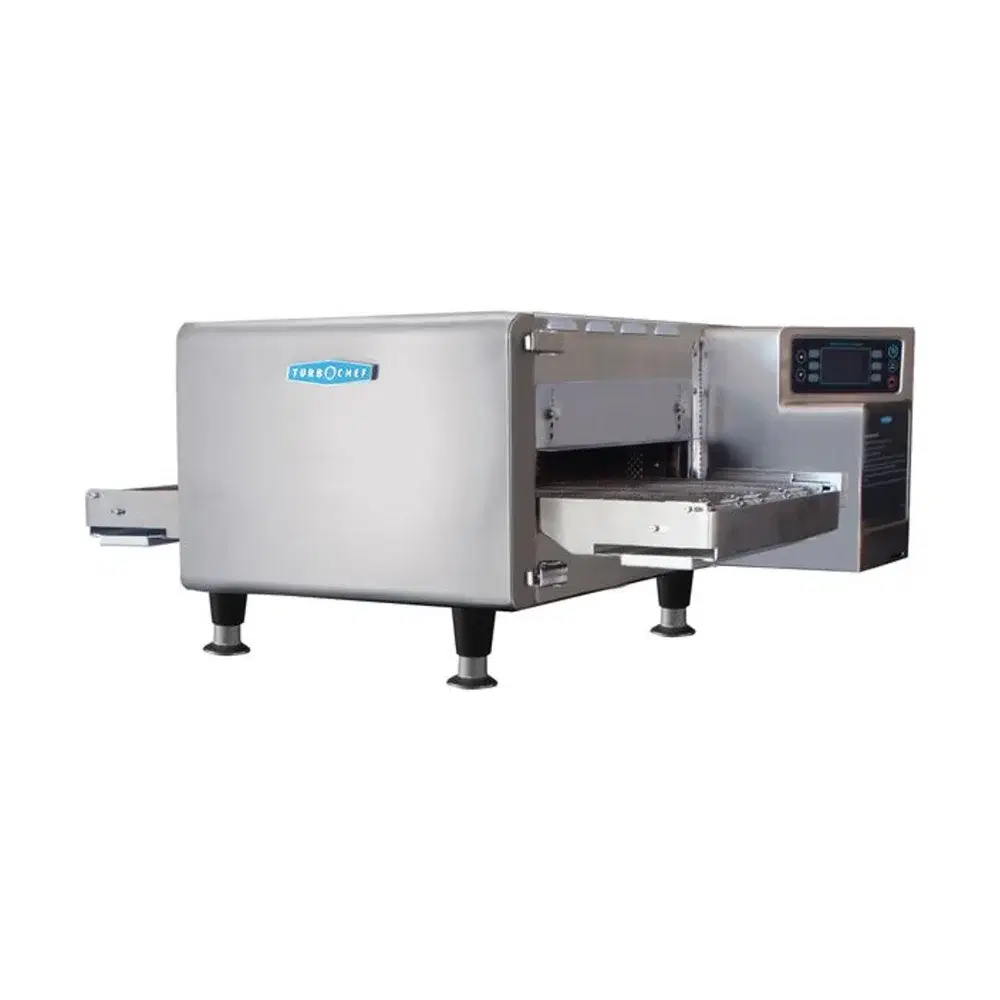
TurboChef HHC1618 STD-36 36" Electric Countertop Impingement Conveyor Oven- 208/240V, 1Phase
Model No: HCS-9500-501
⚡ Fast DeliveryShipping Fee
Mostly Ships in 5 to 7 Days
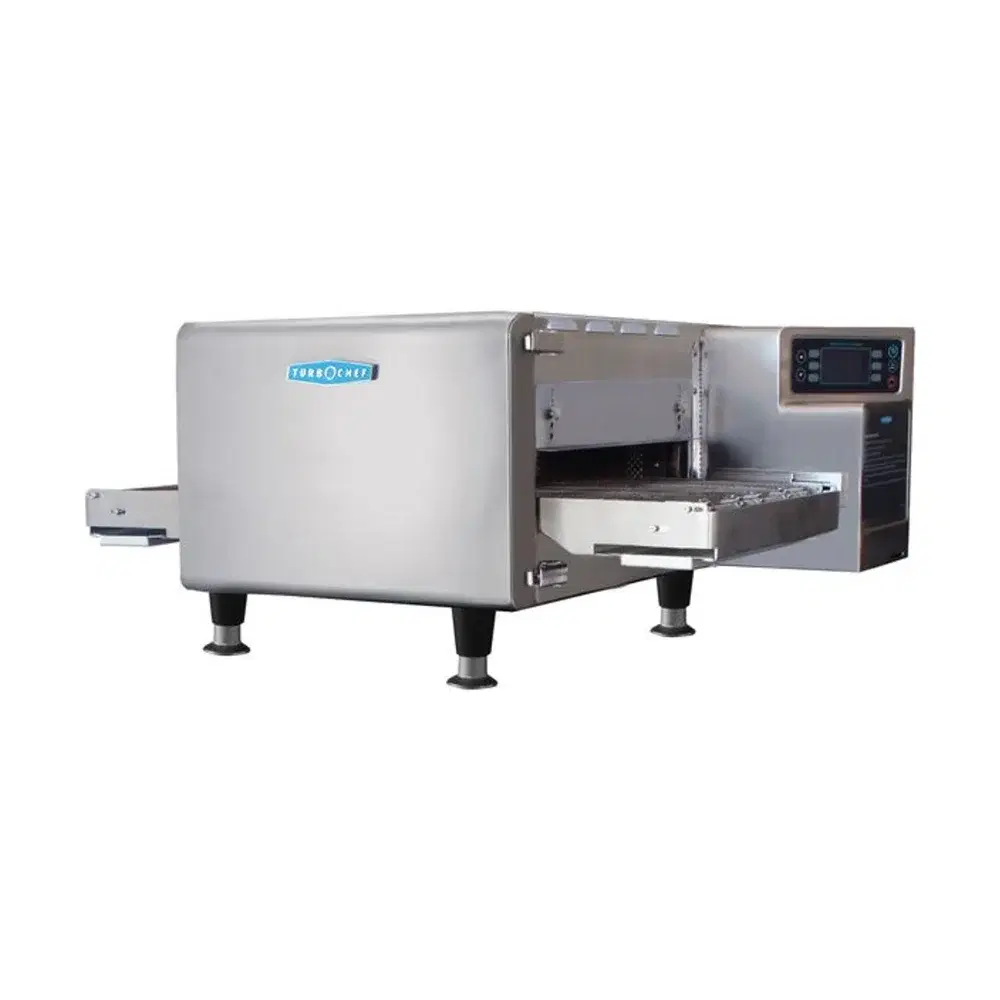
TurboChef HHC1618 STD-48 48" Electric Countertop Impingement Conveyor Oven- 208/240V, 1 Phase
Model No: HCS-9500-506
⚡ Fast DeliveryShipping Fee
Mostly Ships in 5 to 7 Days
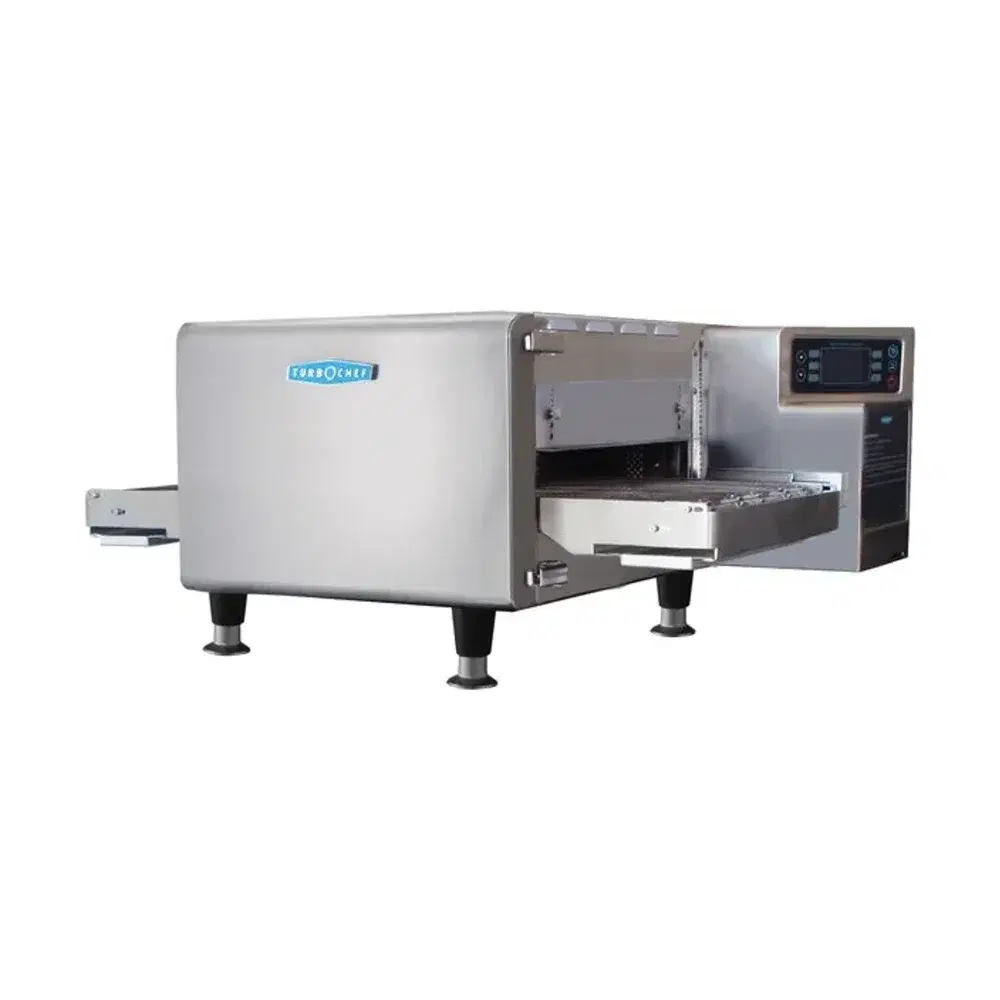
TurboChef HHC1618 VNTLS-36 36" Electric Countertop Impingement Conveyor Oven- 208/240, 1 Phase, 7,696-8,880W
Model No: HCS-9500-501-V
⚡ Fast DeliveryShipping Fee
Mostly Ships in 5 to 7 Days
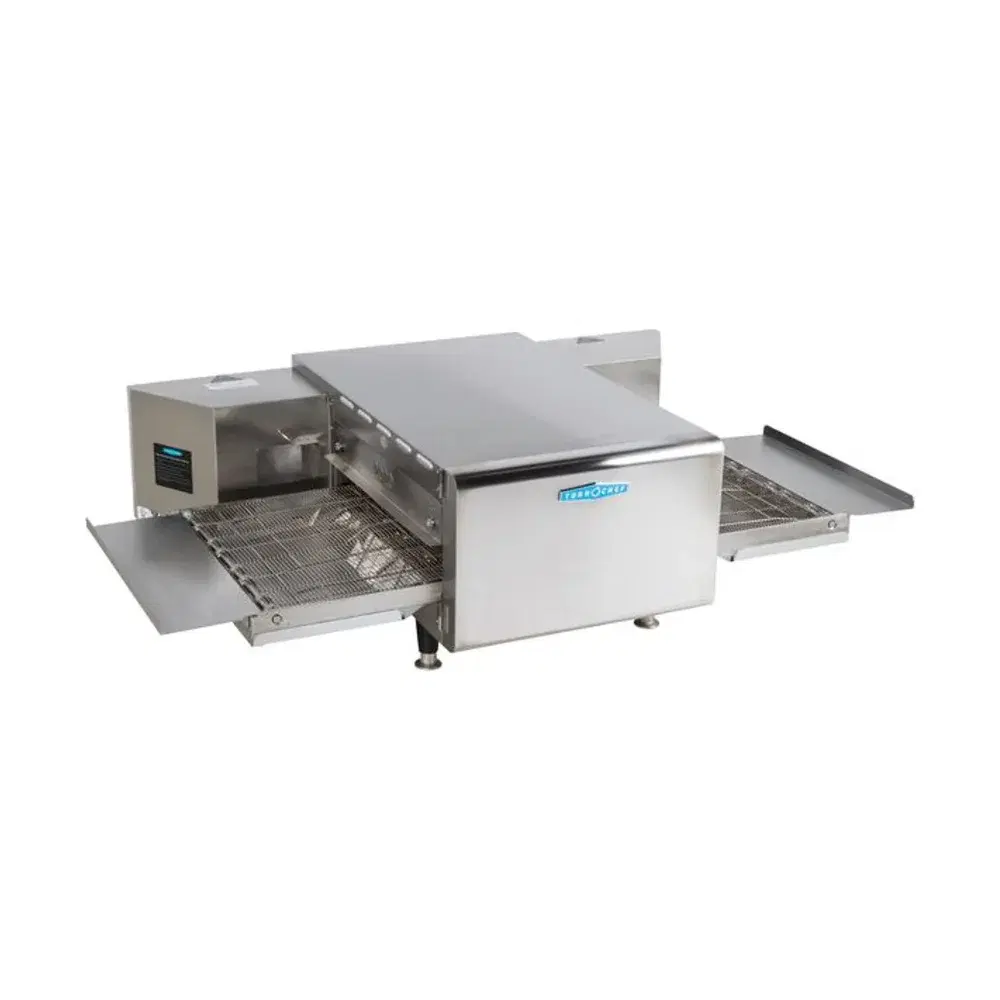
TurboChef HHC2020 STD-48" Electric Countertop Impingement Conveyor Oven- 208/240V, 3 Phase
Model No: HCT-9500-501
⚡ Fast DeliveryShipping Fee
Mostly Ships in 5 to 7 Days
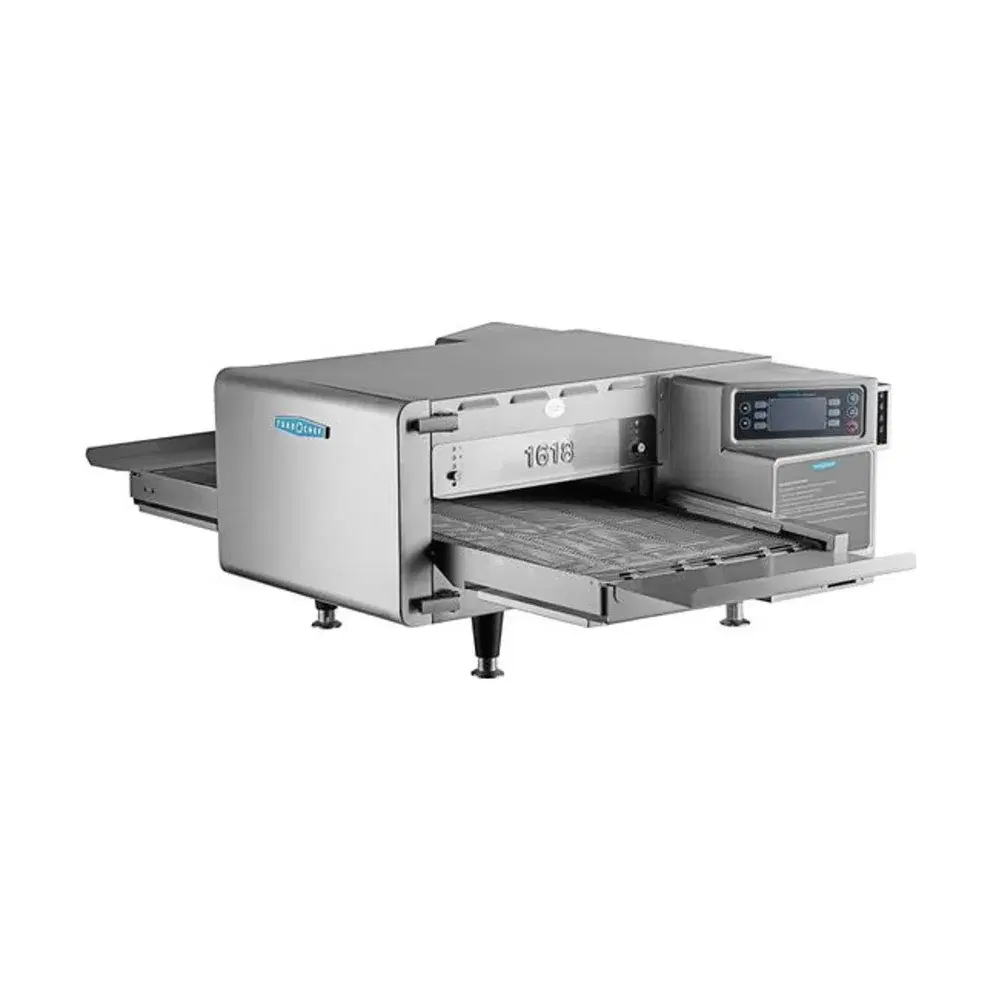
TurboChef HHC1618 VNTLS-48 48" Electric Countertop Impingement Conveyor Oven- 208/240, 3 Phase - 5,520-8,880W
Model No: HCS-9500-512-V
⚡ Fast DeliveryShipping Fee
Mostly Ships in 5 to 7 Days
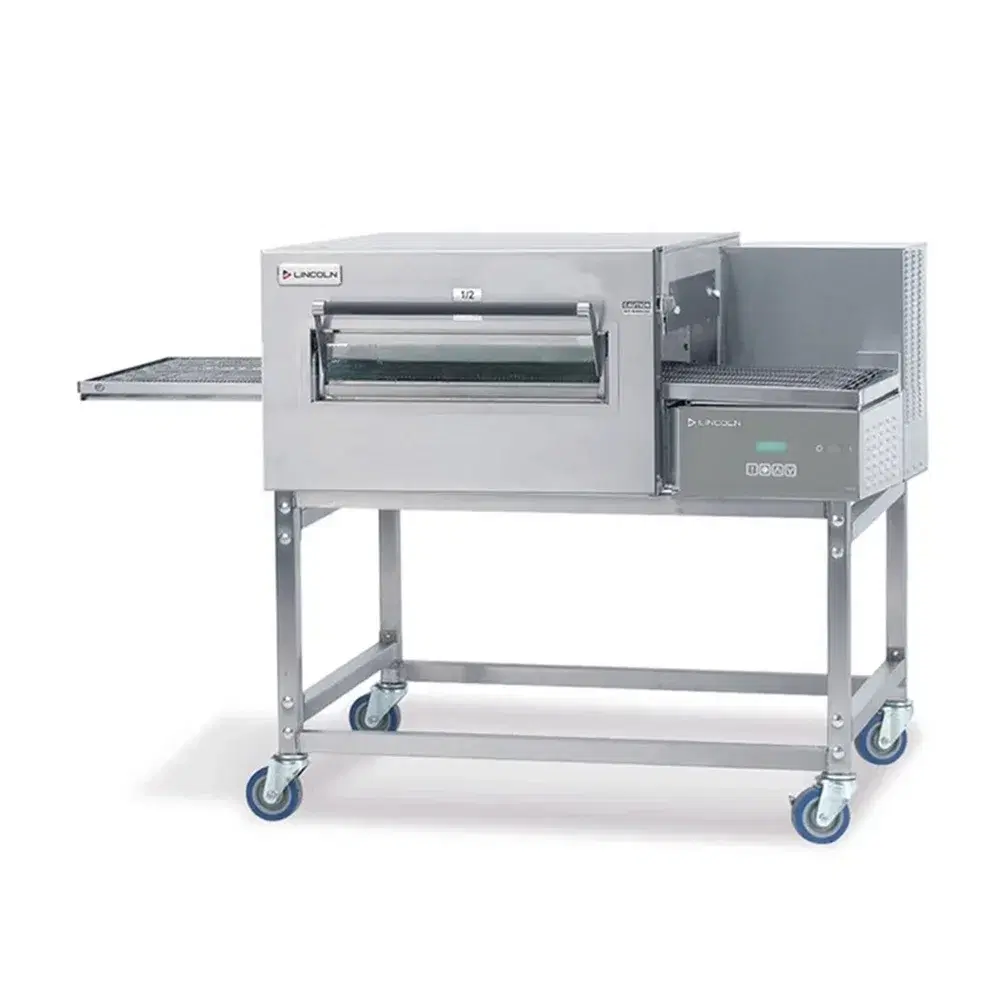
Lincoln 1116-000-U 56" Gas Impinger Conveyor Oven, 56"L x 18"W Belt, Natural Gas, 40,000 BTU, 120V/1ph
Model No: 1116-000-U
⚡ Fast DeliveryShipping Fee
Mostly Ships in 5 to 7 Days
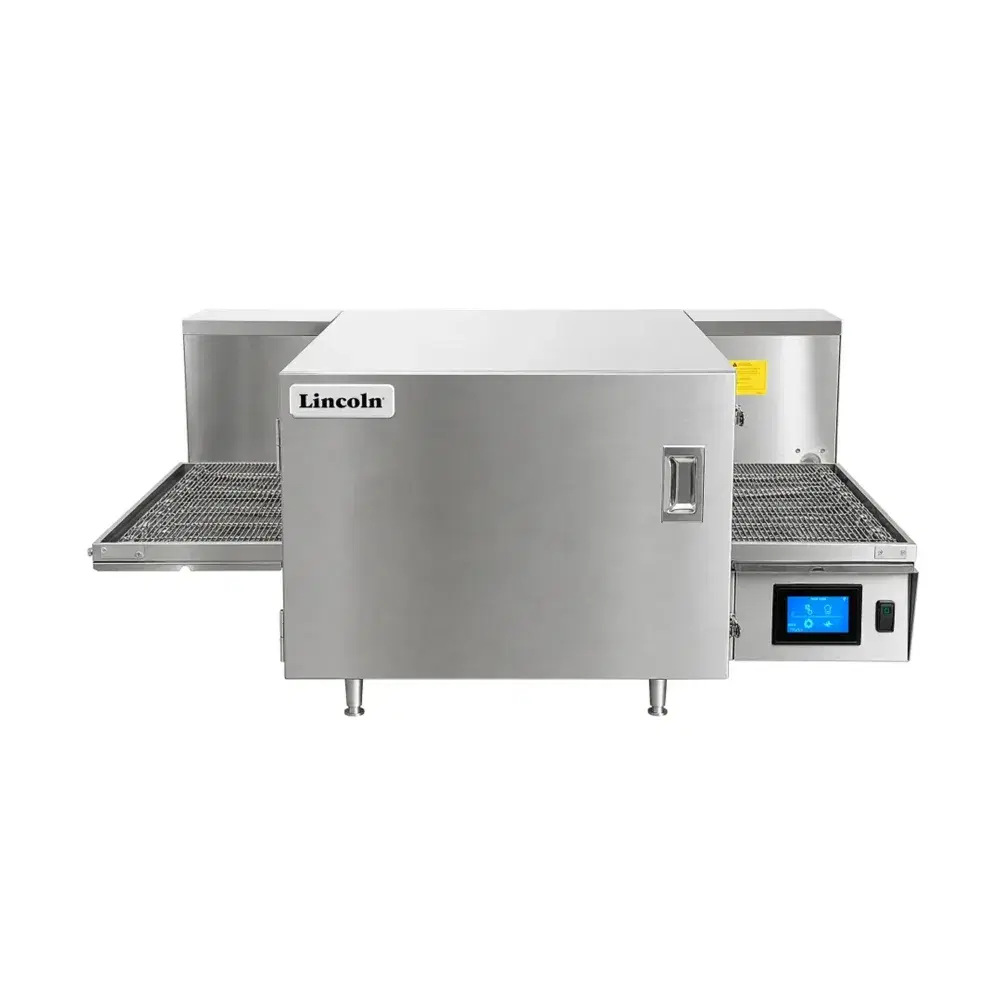
LincoIn 1624-LUH-0001 48" Aperion® Electric Countertop Impinger Conveyor Oven, 208-240v/1ph
Model No: 1624-LUH-0001
⚡ Fast DeliveryShipping Fee
Mostly Ships in 5 to 7 Days
A conveyor oven helps busy foodservice teams cook consistently while keeping orders moving. Instead of relying on repeated door opening, manual timing, and constant rotation, food travels through a heated chamber on a controlled belt for repeatable results. For pizzerias, cafés, hotels, catering kitchens, and production environments, the right model can support faster service, steadier quality, and easier staff training.
A conveyor oven moves food through a heated cooking chamber on a belt at a set speed and temperature. The direct benefit is control: once the settings are dialed in, staff can place items on the belt and let the oven manage the cooking cycle. That makes it especially useful for menu items with repeatable cook times, such as pizza, flatbreads, toasted sandwiches, baked snacks, and prepared food portions.
Unlike a deck oven or standard convection oven, a Conveyor Oven is designed for continuous flow. Food enters one side, passes through heat zones, and exits ready to serve or finish. In pizza service, a pizza oven conveyor belt reduces the need for constant turning and checking, which can be helpful during lunch rushes, delivery peaks, and high-volume event service.
This does not mean every oven cooks every product the same way. Belt speed, chamber size, heat source, airflow, and temperature range all affect the final result. A pizza oven with conveyor should be selected around the menu, average order volume, available space, and the texture you want from the finished crust.
Commercial conveyor ovens are available in several configurations, and the best choice depends on how the equipment will be used day after day. Smaller countertop models suit lower-volume venues or secondary cooking stations, while larger floor-standing models are designed for busier kitchens.
Common options include:
Before choosing a conveyor oven pizza setup, compare the practical details that affect daily performance. The right specification is not always the biggest or most powerful unit; it is the one that matches your product size, kitchen layout, and demand pattern.
Review these points carefully:
The main value of a conveyor oven is not only speed; it is predictable workflow. When the belt speed and temperature are set correctly, staff can focus on preparation, boxing, plating, and customer service instead of hovering over the oven. That can reduce bottlenecks during rush periods and help new team members follow a clear process.
For a pizza operation, a conveyor pizza oven commercial setup can also support more consistent bake timing from one order to the next. If your team currently struggles with uneven results during peak demand, moving to a belt-driven process may make service easier to manage.
A conveyor oven is a strong fit for businesses that prepare repeatable menu items in regular volume. It is often chosen by pizzerias, quick-service restaurants, hotel kitchens, cafés, food courts, pubs, ghost kitchens, bakeries, and catering operators.
It may also suit venues with mixed-experience staff because the cooking process is easier to standardize. Once recipes and settings are established, the oven supports a repeatable routine: load, cook, remove, finish, and serve.
Start with your menu and volume, not the machine. A small café selling toasted sandwiches has different needs than a delivery-focused pizza shop, and both differ from a production kitchen requiring a custom industrial conveyor oven.
Use this simple matching guide:
When comparing products, the horeca store can help buyers focus on the details that matter: capacity, utility type, footprint, installation needs, and after-sales support. Because available brands and models can vary, the smartest step is to review current product options against your site requirements rather than choosing from headline specifications alone.
For commercial conveyor ovens, ask for product guidance based on your actual service pattern. Share your menu, expected output, available power or gas connection, space limits, and cleaning expectations so the recommendation fits the operation.
A conveyor oven is best when consistency and throughput are priorities. A deck oven can deliver a traditional bake style and strong heat retention, but it usually demands more manual skill and attention. A convection oven is versatile for many kitchen tasks, yet it may not offer the same continuous loading workflow as a belt system.
For pizza, the choice often comes down to service style. If your business values artisan handling and batch control, another oven type may be better. If your priority is repeatable output with a clear process, a conveyor system is often easier to scale.
A good purchase decision balances performance, space, installation, staff use, and long-term service. Do not buy only on chamber size or price; an oversized unit can waste space, while an undersized unit can become a daily bottleneck.
Before requesting a quote, prepare:
Installation should be planned before purchase so the oven fits the kitchen, utilities, ventilation, and workflow. Maintenance usually includes regular cleaning of belts, trays, exterior surfaces, and accessible food-contact areas, plus scheduled service according to the manufacturer’s guidance. A well-supported oven is easier to keep reliable, especially in a kitchen where downtime affects orders immediately.
FAQ 1: Is a conveyor oven only for pizza? No. While conveyor oven pizza applications are common, these ovens can also be used for sandwiches, flatbreads, appetizers, baked snacks, and other repeatable menu items.
FAQ 2: Is gas or electric better? The better choice depends on your utilities, local installation requirements, operating preferences, and the model range available. Confirm site capacity before ordering.
FAQ 3: How do I choose the right belt size? Match belt width and chamber opening to your largest regular product, tray, or pizza size, while leaving enough room for smooth loading and unloading.
FAQ 4: Can settings be adjusted for different foods? Most commercial models allow temperature and belt-speed adjustments, making it possible to test settings for different menu items.
FAQ 5: What should I ask before buying? Ask about capacity, footprint, ventilation, cleaning access, warranty terms, service support, and whether the model can handle your busiest service periods.
Ready to streamline production? Share your menu, space, and volume needs with the horeca store and compare conveyor oven options built for your kitchen’s real workflow.