Discover Exceptional Products and Unmatched Service.
Power up your kitchen with reliable cooking equipment for restaurants and catering services. Trusted brands, fast shipping, unbeatable prices.

Cadco PCG-10C 21" Electric Countertop Griddle Light-Duty - 1,500W, 120V
Model No: PCG-10C
Shipping Fee
Mostly Ships in 5 to 7 Days
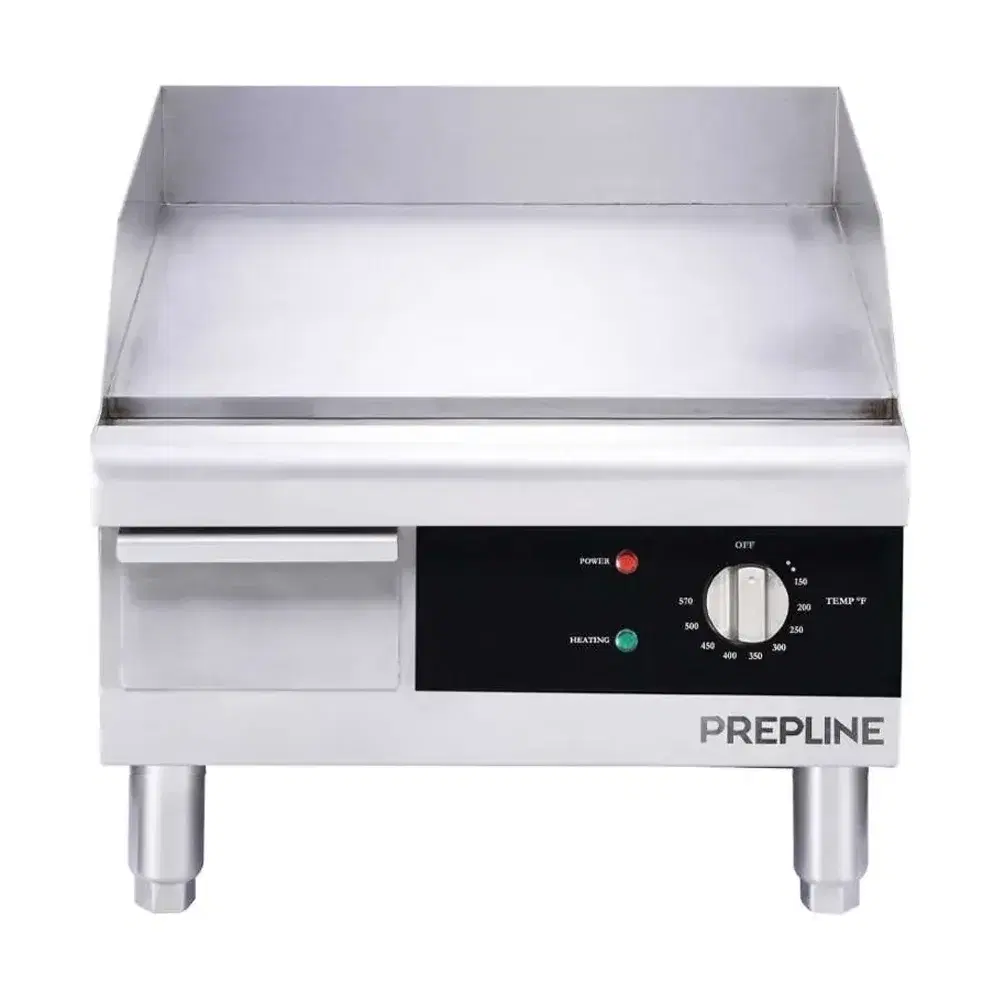
Prepline 16" Thermostatic Countertop Electric Griddle, 1750W, 120V, 1 Year Warranty
Model No: EGD16
⚡ Fast DeliveryShipping Fee
Mostly Ships in 5 to 7 Days
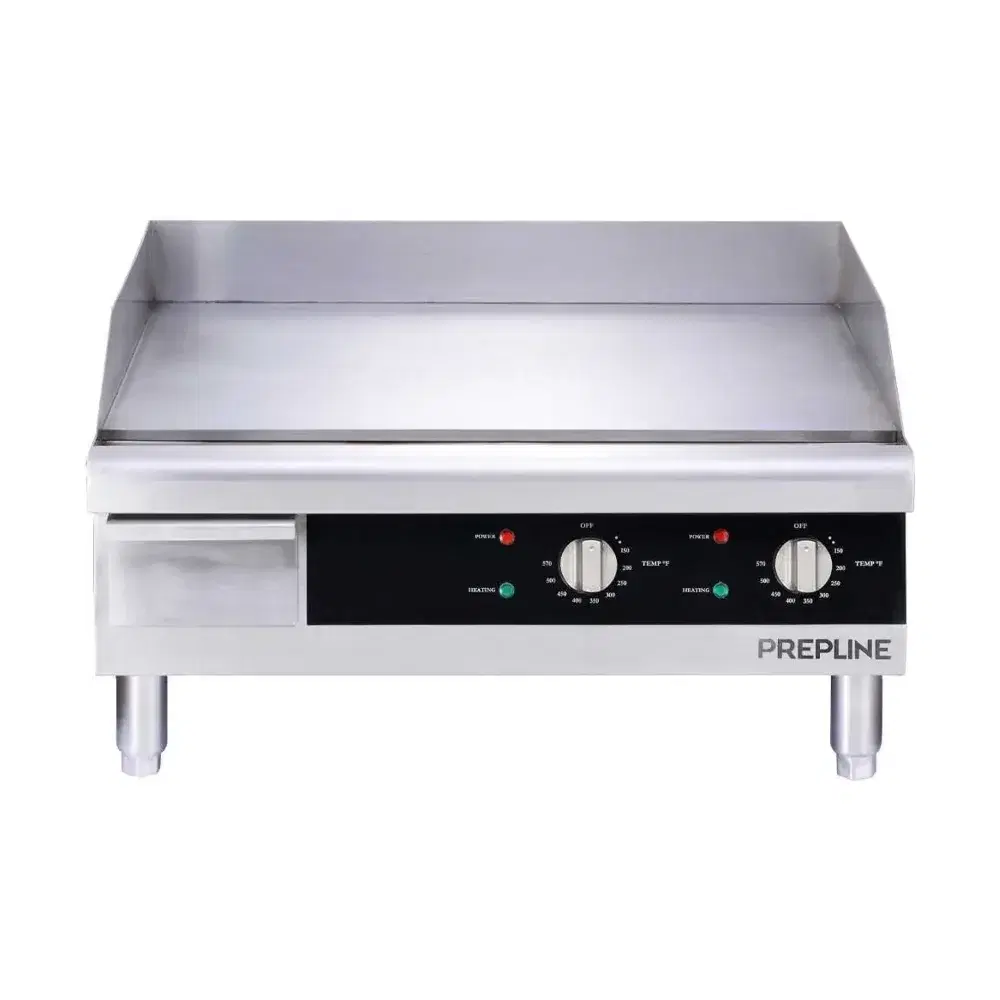
Prepline 24" Thermostatic Countertop Electric Griddle, 208/240V, 1 Year Warranty
Model No: EGD24
⚡ Fast DeliveryShipping Fee
Mostly Ships in 5 to 7 Days
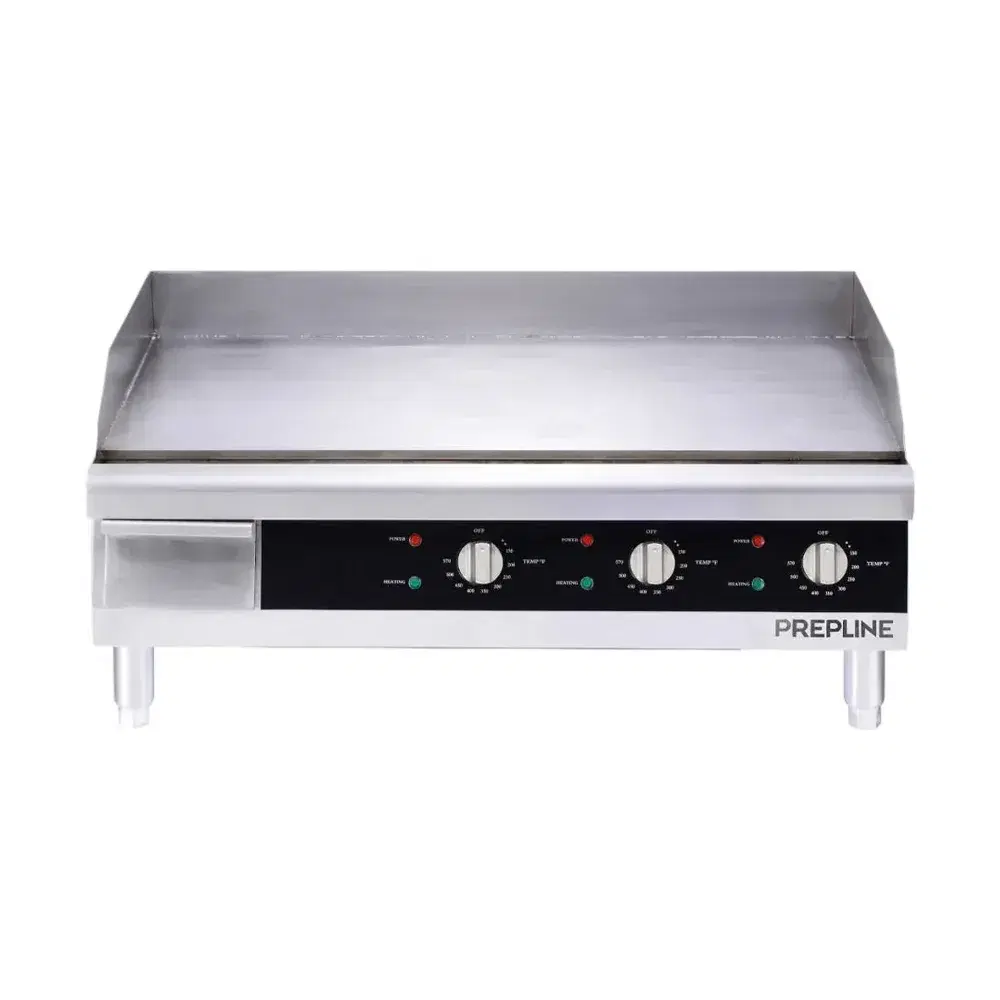
Prepline 30" Thermostatic Countertop Electric Griddle, 208/240V, 1 Year Warranty
Model No: EGD30
⚡ Fast DeliveryShipping Fee
Mostly Ships in 5 to 7 Days

Cadco CG-5FB 12" Electric Front-to-Back Countertop Griddle - 1,500W, 120V
Model No: CG-5FB
Shipping Fee
Mostly Ships in 5 to 7 Days
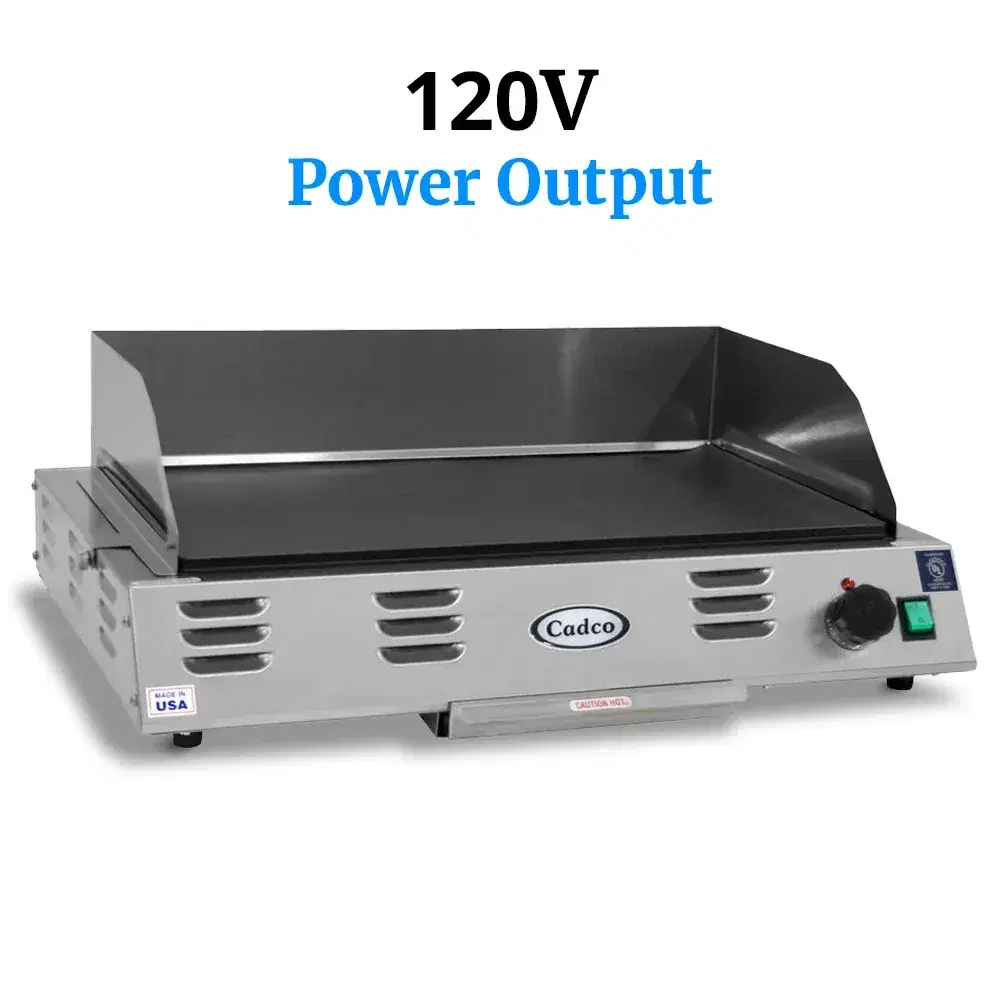
Cadco CG-10 21" Electric Countertop Griddle Stainless Steel
Model No: CG-10
Shipping Fee
Mostly Ships in 5 to 7 Days
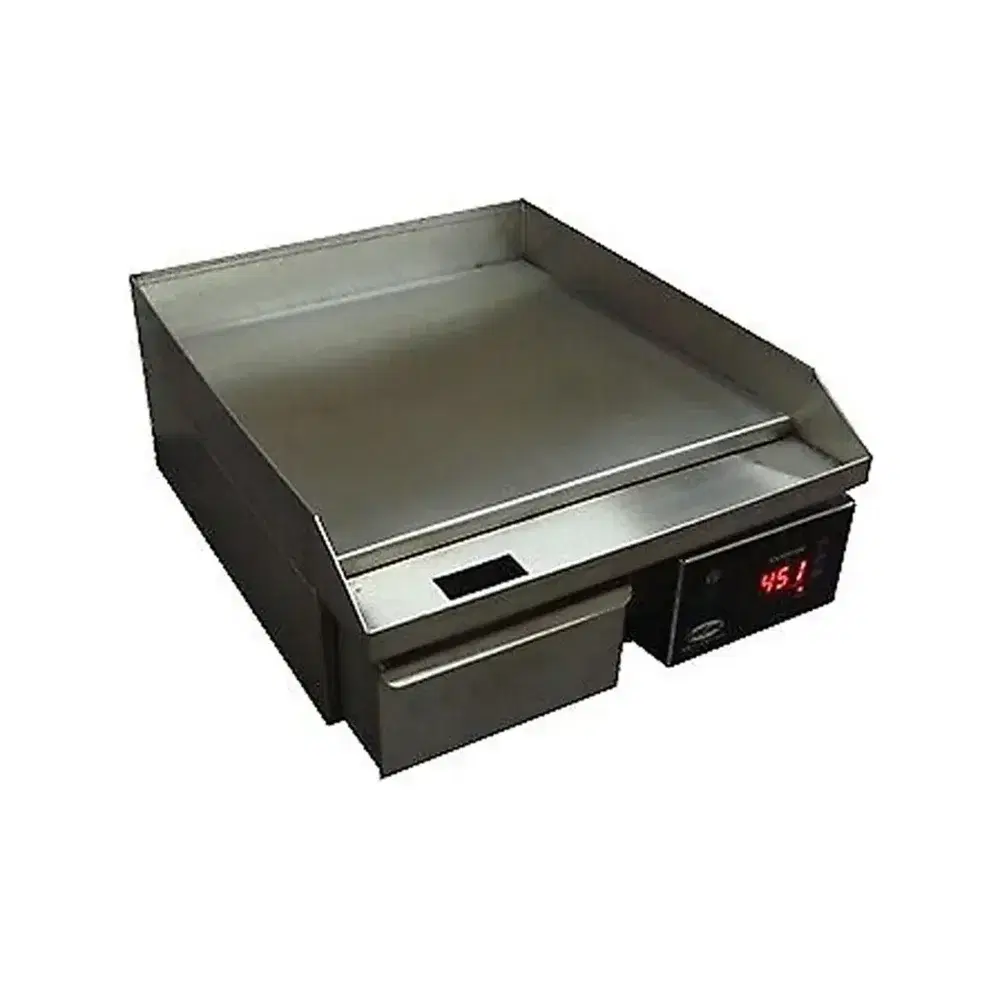
KitchenCore Series 14" Countertop Electric Griddle, Flat Top, 900W, Digital Control, 1 Year Warranty
Model No: KCCCEG14
⚡ Fast DeliveryShipping Fee
Mostly Ships in 5 to 7 Days

Winco ESG-1 Sandwich Grill with Single 14" Flat Plate, 120V
Model No: ESG-1
⚡ Fast DeliveryShipping Fee
Mostly Ships in 1 to 2 Days
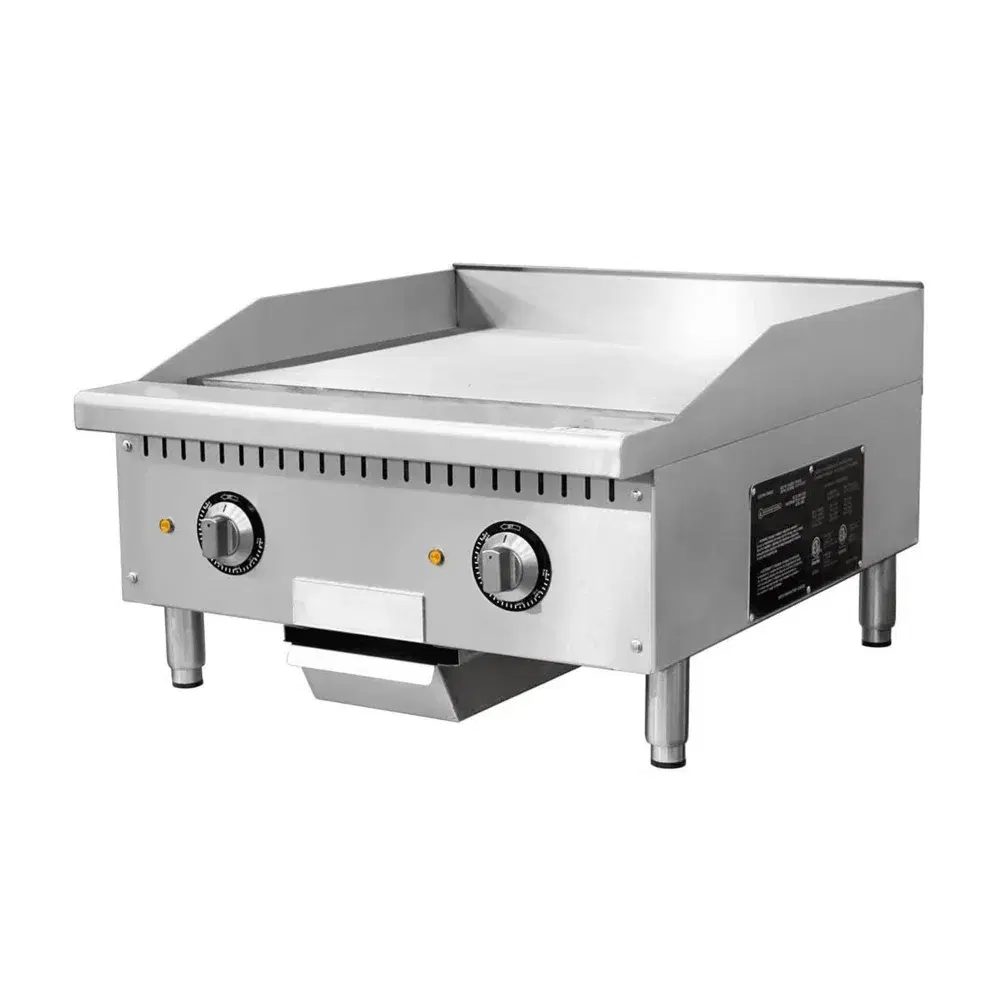
Standard Range 24" Countertop Electric Griddle, Thermostatic, 208/240V, 1 Year Warranty
Model No: SR-EG24
⚡ Fast DeliveryShipping Fee
Mostly Ships in 5 to 7 Days
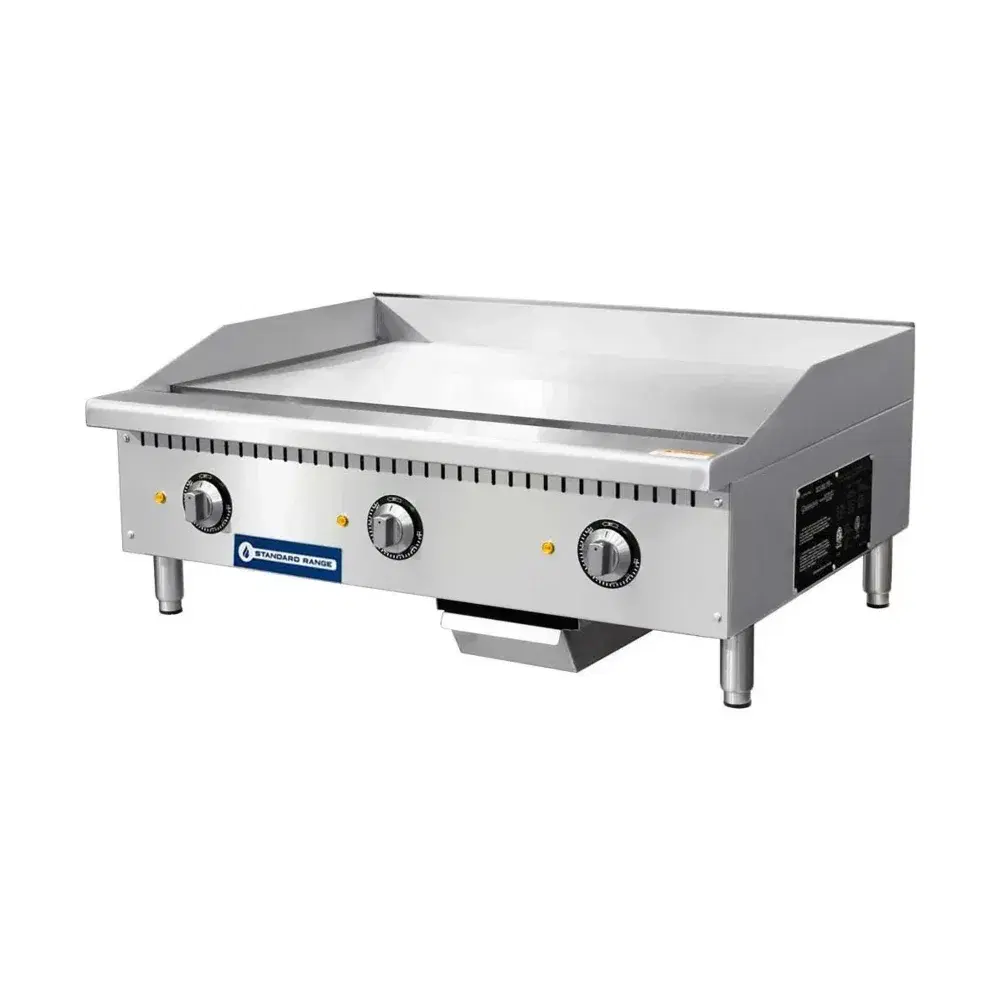
Standard Range 36" Thermostatic Countertop Electric Griddle, 208/240V, 1 Year Warranty
Model No: SR-EG36
⚡ Fast DeliveryShipping Fee
Mostly Ships in 5 to 7 Days

ChefPro 36" Electric Countertop Griddle, 208/2040V
Model No: CPCEG36
⚡ Fast DeliveryShipping Fee
Mostly Ships in 5 to 7 Days
ChefPro 48" Electric Countertop Griddle, 208/2040V
Model No: CPCEG48
⚡ Fast DeliveryShipping Fee
Mostly Ships in 5 to 7 Days
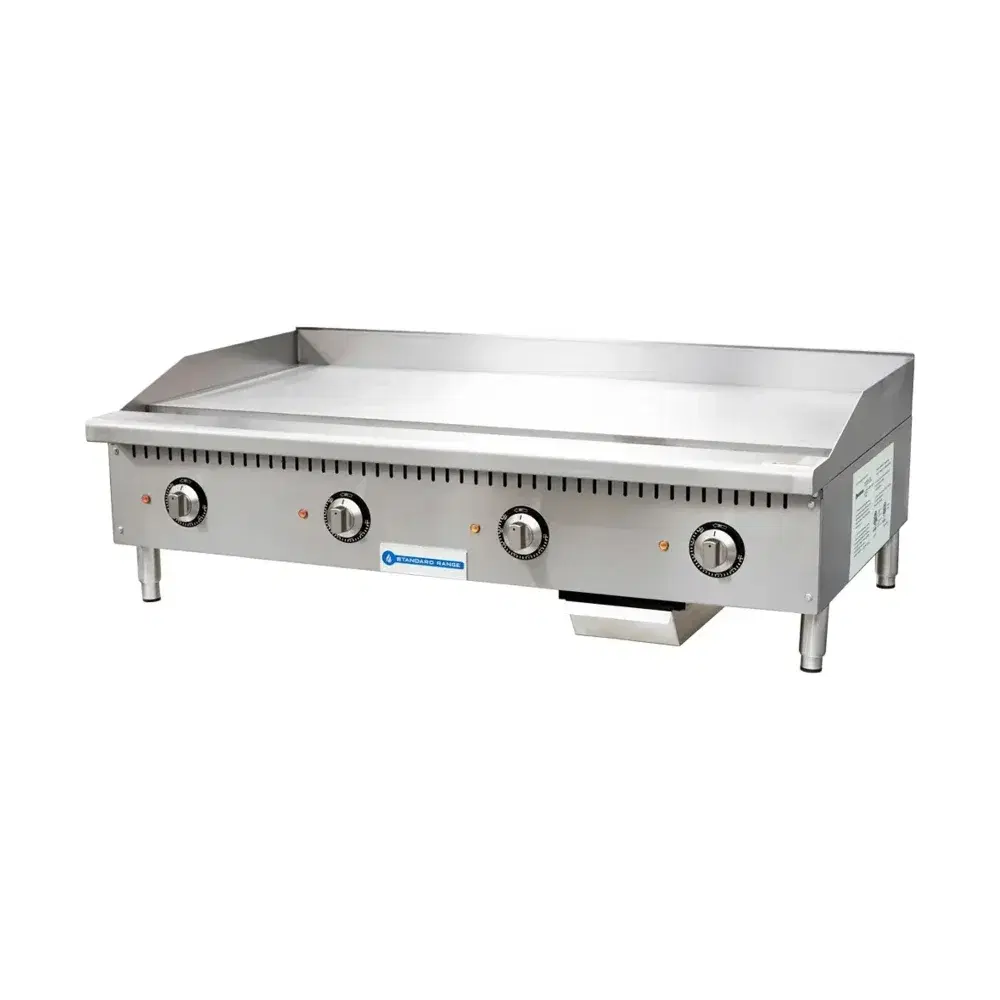
Standard Range 48" Thermostatic Countertop Electric Griddle, 208/240V, 1 Year Warranty
Model No: SR-EG48
⚡ Fast DeliveryShipping Fee
Mostly Ships in 5 to 7 Days

Pegasus GR-24ER 24" Electric Griddle, Thermostatic Controls, 208V
Model No: GR-24ER
⚡ Fast DeliveryShipping Fee
Mostly Ships in 5 to 7 Days

Pegasus GR-36ER 36" Electric Griddle, Thermostatic Controls, 208V
Model No: GR-36ER
⚡ Fast DeliveryShipping Fee
Mostly Ships in 5 to 7 Days

Pegasus GR-48ER 48" Electric Griddle, Thermostatic Controls, 208V
Model No: GR-48ER
⚡ Fast DeliveryShipping Fee
Mostly Ships in 5 to 7 Days
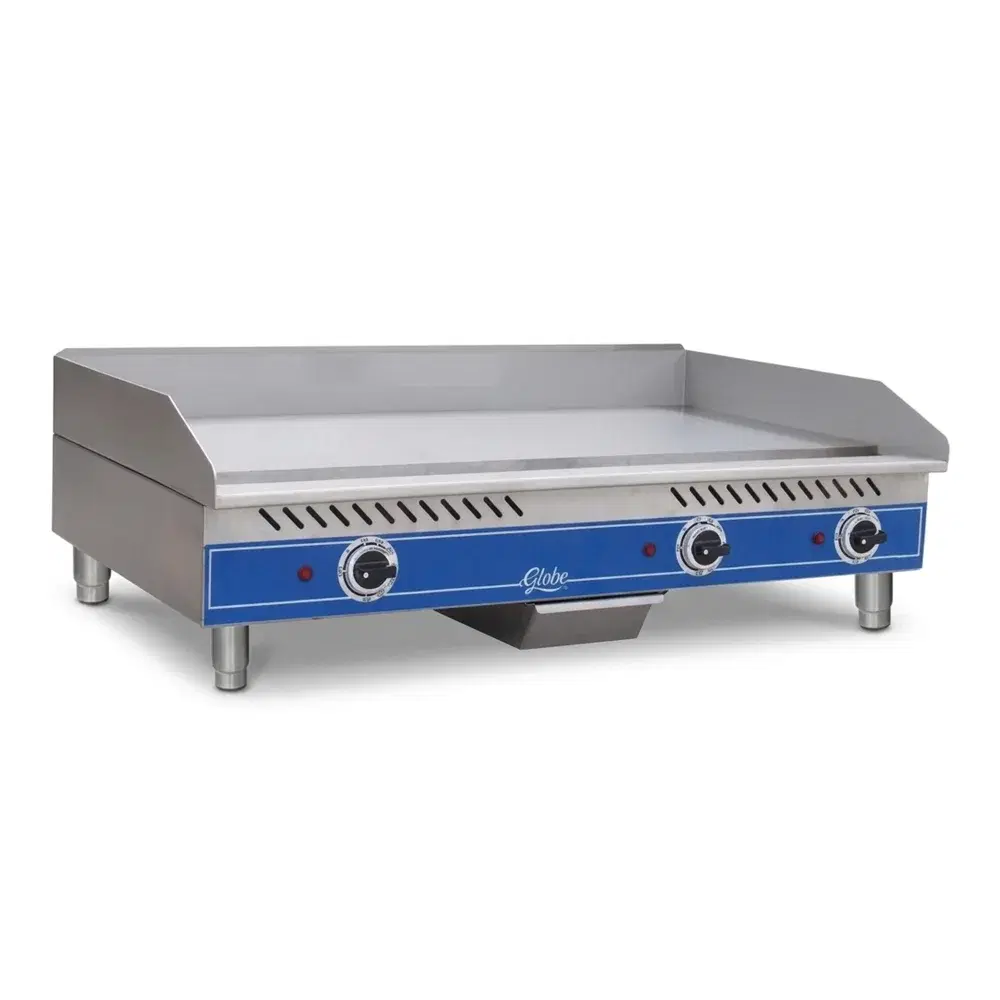
Globe GEG36 36" Electric Countertop Griddle, 3 Burners, 208/240V, 8400W
Model No: GEG36
⚡ Fast DeliveryShipping Fee
Mostly Ships in 5 to 7 Days
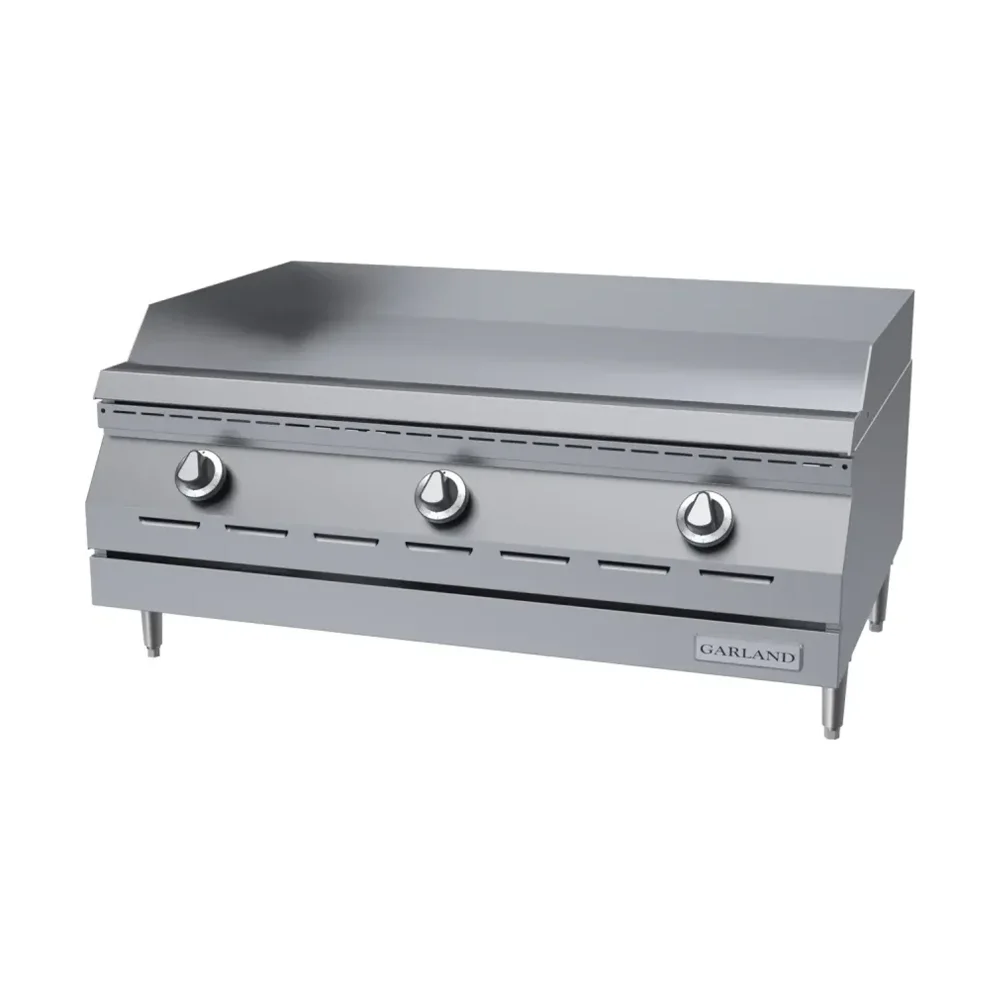
Garland ED-36G 36" Electric Griddle, Thermostatic Controls, 1/2" Steel Plate, 240V 1-Phase
Model No: ED-36G-240-1
⚡ Fast DeliveryShipping Fee
Mostly Ships in 5 to 7 Days
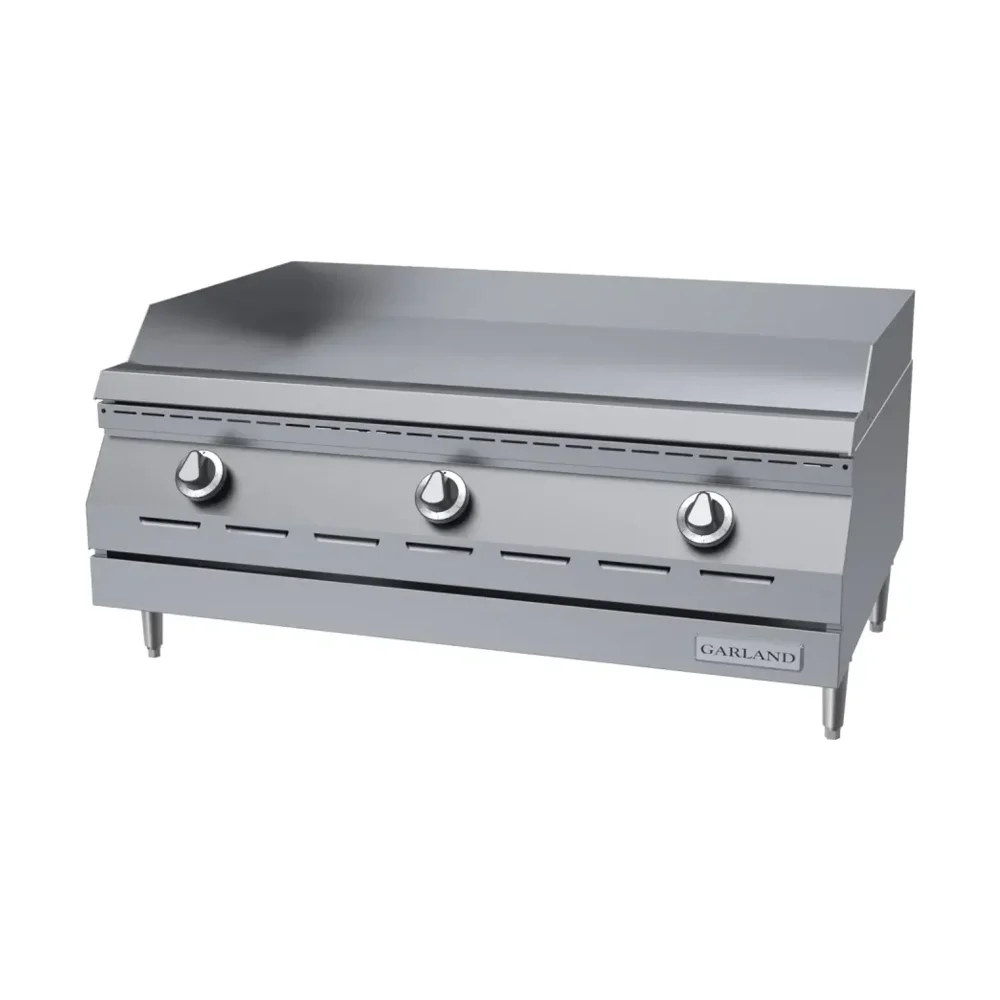
Garland ED-36G 36" Electric Griddle, Thermostatic Controls, 1/2" Steel Plate, 208V 3-Phase
Model No: ED-36G-208-3
⚡ Fast DeliveryShipping Fee
Mostly Ships in 5 to 7 Days
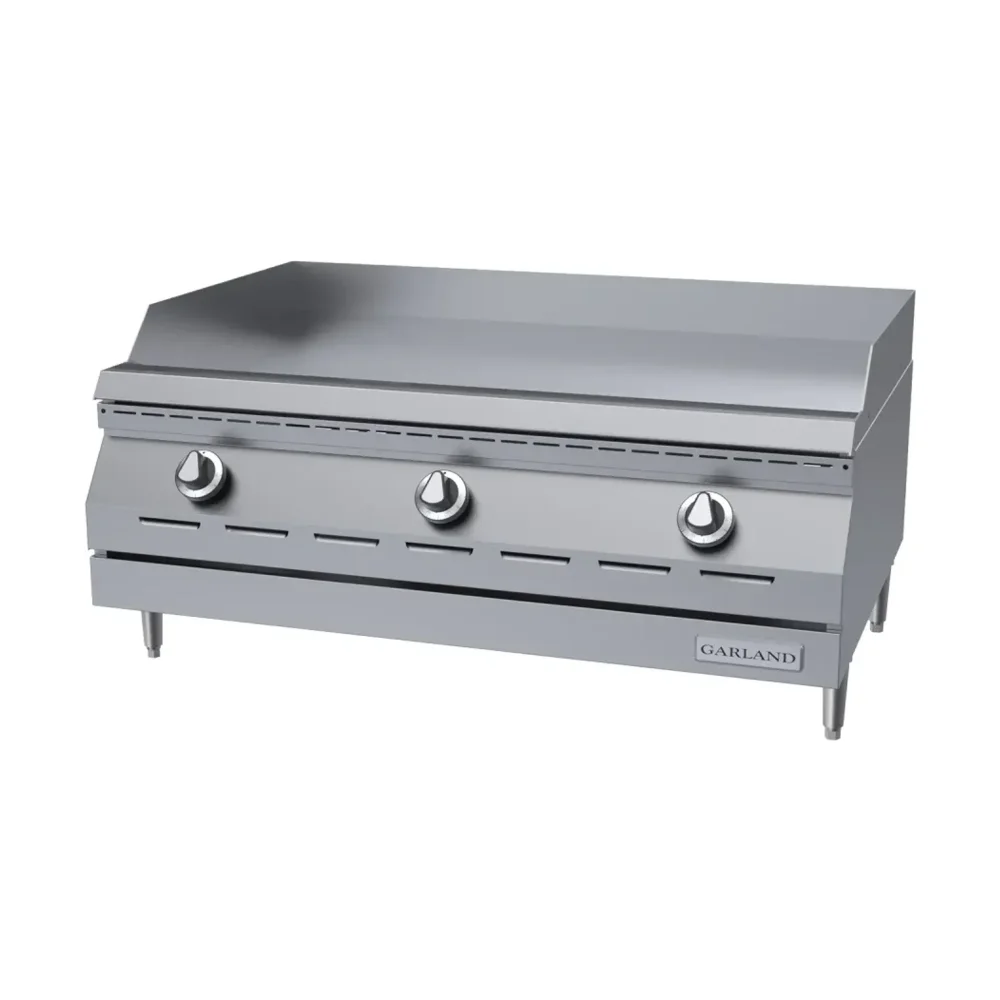
Garland ED-36G 36" Electric Griddle, Thermostatic Controls, 1/2" Steel Plate, 208V 1-Phase
Model No: ED-36G-208-1
⚡ Fast DeliveryShipping Fee
Mostly Ships in 5 to 7 Days
Professional kitchens across America increasingly rely on electric griddles to deliver precise temperature control, energy efficiency, and consistent cooking performance that meets the demanding requirements of modern foodservice operations. Electric griddles represent a sophisticated cooking solution that combines advanced heating technology with user-friendly operation, making them essential equipment for hotels, restaurants, and catering operations that prioritize consistent food quality, operational efficiency, and streamlined kitchen workflows. The evolution of electric griddle technology has transformed these units from simple cooking surfaces into precision cooking instruments that provide uniform heat distribution, instant temperature response, and easy maintenance characteristics that support high-volume food preparation while maintaining the exacting standards that HORECA professionals demand from their equipment investments.
The strategic advantages of electric griddles extend beyond basic cooking functionality to encompass energy management, space optimization, and operational flexibility that directly impact profitability and service quality in commercial kitchen environments. Modern electric griddles incorporate advanced heating elements, digital temperature controls, and non-stick cooking surfaces that eliminate the complexity of gas line installations while providing precise cooking control that enables kitchen staff to prepare diverse menu items with consistent results. Understanding the unique benefits and applications of electric griddle technology helps HORECA professionals make informed equipment decisions that support both immediate operational needs and long-term business objectives, ensuring that their investment in commercial cooking equipment delivers maximum value while enhancing their competitive position in the demanding foodservice marketplace.
Commercial electric griddles utilize sophisticated heating element configurations that deliver superior temperature consistency and energy efficiency compared to traditional cooking methods, making them particularly valuable for operations that require precise temperature control and predictable cooking results. The best electric griddle designs incorporate multiple heating zones with independent temperature controls, allowing kitchen staff to maintain different cooking temperatures across the cooking surface while optimizing energy consumption based on actual cooking requirements. Advanced heating element technologies include embedded ribbon heaters, infrared heating systems, and induction-based heating that provide rapid temperature response, even heat distribution, and enhanced energy efficiency that reduces operational costs while improving cooking performance.
The precision of electric heating systems enables consistent cooking results that are difficult to achieve with gas-powered alternatives, particularly for delicate cooking applications that require stable temperature maintenance over extended periods. Electric griddles respond instantly to temperature adjustments, providing the precise control that professional chefs require for optimal food preparation results. The elimination of open flames and combustion products creates a cleaner cooking environment while reducing ventilation requirements and improving kitchen air quality. Large electric griddle configurations can accommodate high-volume cooking demands while maintaining temperature consistency across extensive cooking surfaces, making them ideal for breakfast service, sandwich preparation, and high-volume protein cooking that requires uniform results regardless of cooking load variations.
Electric griddles excel in diverse commercial kitchen applications, from breakfast service operations that require consistent pancake and egg preparation to sandwich shops that depend on reliable temperature control for optimal results across varied menu items. The versatility of commercial electric griddle systems enables kitchen staff to prepare everything from delicate crepes and omelets to seared proteins and grilled vegetables, all while maintaining the precise temperature control that ensures consistent food quality and presentation. The non-stick cooking surfaces common in modern electric griddles reduce oil requirements, simplify food release, and minimize cleanup time, contributing to operational efficiency while supporting healthier cooking methods that appeal to health-conscious consumers.
Catering operations particularly benefit from the portability and flexibility that electric griddles provide, especially outdoor electric griddle configurations that enable off-site food preparation without the complexity of gas line installations or propane handling requirements. The ability to achieve consistent cooking results in diverse locations and environmental conditions makes electric griddles valuable assets for catering companies that serve multiple venues and require reliable cooking performance regardless of site-specific limitations. Hotel breakfast operations utilize electric griddles to maintain consistent food quality during peak service periods while minimizing the complexity of kitchen operations and reducing the skill level required for effective equipment operation, enabling efficient staffing while maintaining service quality standards.
Selecting the appropriate electric griddle size requires careful analysis of service volume, menu requirements, and kitchen space constraints that influence both immediate operational efficiency and long-term flexibility for menu expansion and service growth. Commercial electric griddles are available in various configurations, from compact countertop units suitable for limited-service operations to expansive floor-standing models designed for high-volume production environments. The cooking surface area must accommodate peak service demands while providing operational flexibility for diverse menu items and cooking techniques that support comprehensive foodservice offerings.
Large electric griddle installations require consideration of electrical supply capacity, as commercial units typically require dedicated electrical circuits with appropriate amperage to support full-power operation during peak cooking periods. The electrical requirements for commercial electric griddles can range from 208V to 480V configurations, with power consumption varying based on cooking surface area and heating element specifications. Kitchen layout planning must accommodate both the physical footprint of the griddle and the clearance requirements for safe operation and maintenance access. The modular nature of many electric griddle systems allows for customized configurations that optimize cooking capacity while fitting within specific kitchen layout constraints, enabling efficient workflow patterns that support smooth service operations during busy periods.
Professional installation of commercial electric griddles requires careful attention to electrical supply specifications, safety requirements, and local code compliance that ensures reliable operation while protecting both equipment and personnel. The electrical infrastructure must provide adequate power capacity to support full-load operation while maintaining voltage stability that ensures consistent heating performance and prevents equipment damage from power fluctuations. Professional electrical installation includes proper grounding, circuit protection, and disconnect switches that meet commercial kitchen safety standards while providing convenient operation and maintenance access for kitchen staff.
The installation process for electric griddles is generally less complex than gas-powered alternatives, eliminating the need for gas line installation, ventilation system modifications, and combustion air supply considerations that can complicate kitchen design and increase installation costs. However, the electrical requirements for high-capacity electric griddles can be substantial, requiring coordination with electrical contractors and utility providers to ensure adequate power supply capacity and proper load distribution that prevents circuit overloading and ensures reliable operation. Proper installation includes consideration of heat management, grease collection systems, and accessibility for cleaning and maintenance procedures that ensure long-term equipment performance while maintaining safe operating conditions.
Electric griddles offer significant maintenance advantages compared to gas-powered alternatives, with fewer moving parts, no combustion components, and simplified cleaning procedures that reduce both routine maintenance requirements and long-term service costs. The absence of gas burners, pilots, and combustion chambers eliminates many potential failure points while simplifying troubleshooting and repair procedures when service is required. The non-stick cooking surfaces common in modern electric griddles resist food buildup and simplify cleaning procedures, reducing labor requirements while maintaining sanitary conditions that meet health department standards and support food safety protocols.
Temperature control precision in electric griddles reduces the likelihood of food burning or sticking, minimizing waste while ensuring consistent cooking results that support food cost control and customer satisfaction objectives. The digital temperature controls and monitoring systems common in commercial electric griddles provide accurate temperature feedback and enable precise cooking control that reduces operator skill requirements while maintaining consistent food quality standards. Regular maintenance procedures for electric griddles focus primarily on cleaning, surface care, and electrical connection inspection, making them accessible to kitchen staff without specialized technical training. The reliability and simplicity of electric griddle systems contribute to reduced downtime, lower service costs, and improved operational predictability that supports efficient kitchen management and consistent service delivery in demanding commercial foodservice environments.
