Discover Exceptional Products and Unmatched Service.
Power up your kitchen with reliable cooking equipment for restaurants and catering services. Trusted brands, fast shipping, unbeatable prices.
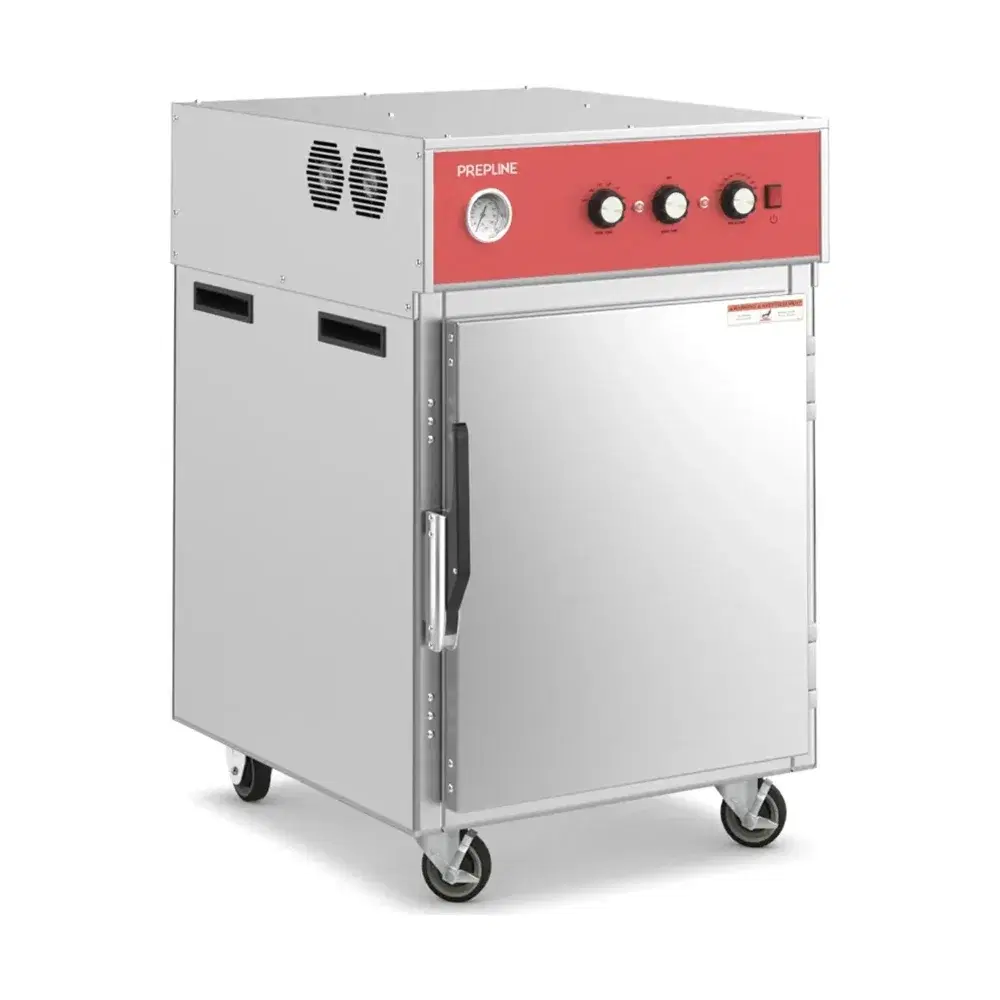
Prepline 27" Single Deck Cook and Hold Oven, 208/240V, 3000W, 1 Year Warranty
Model No: SLO-1
⚡ Fast DeliveryShipping Fee
Mostly Ships in 5 to 7 Days
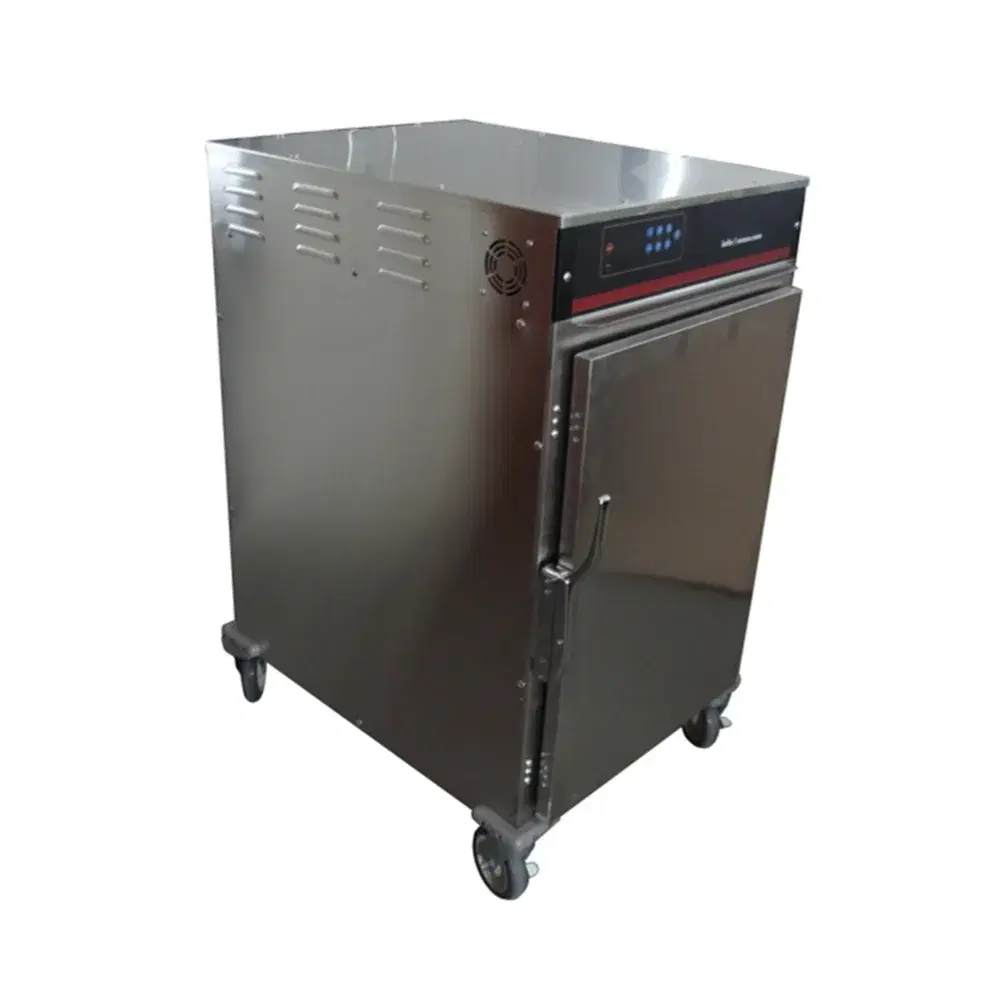
KitchenCore Series 25" Half Size Cook and Hold Oven, Solid Door, Stainless Steel, 208V, 1 Year Warranty
Model No: KCCHSCHO25
⚡ Fast DeliveryShipping Fee
Mostly Ships in 5 to 7 Days
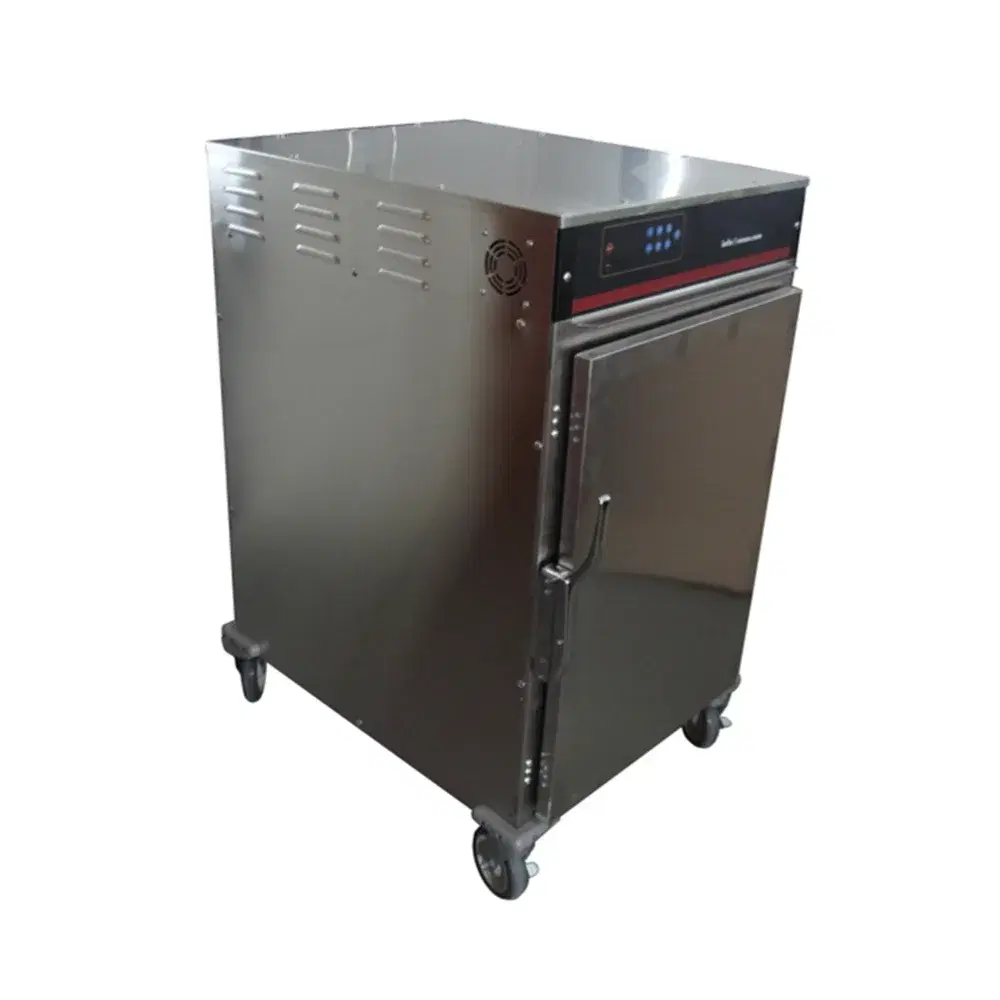
KitchenCore Series 25" Half Size Cook and Hold Oven, Solid Door, Stainless Steel, 208V, 1 Year Warranty
Model No: KCCHSCHO25-2
⚡ Fast DeliveryShipping Fee
Mostly Ships in 5 to 7 Days
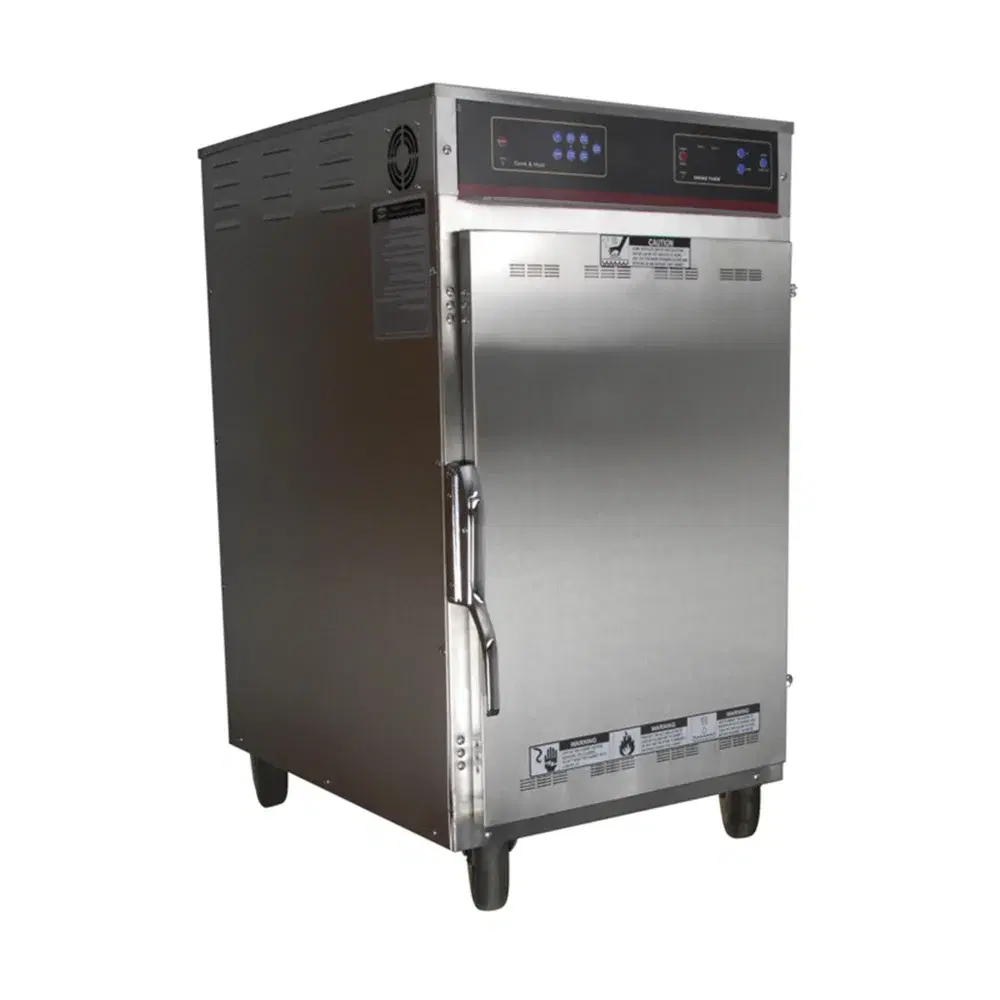
KitchenCore Series 25" Half Size Cook and Hold Smoker Oven, Solid Door, Stainless Steel, 208V, 1 Year Warranty
Model No: KCCHSCHSO25
⚡ Fast DeliveryShipping Fee
Mostly Ships in 5 to 7 Days
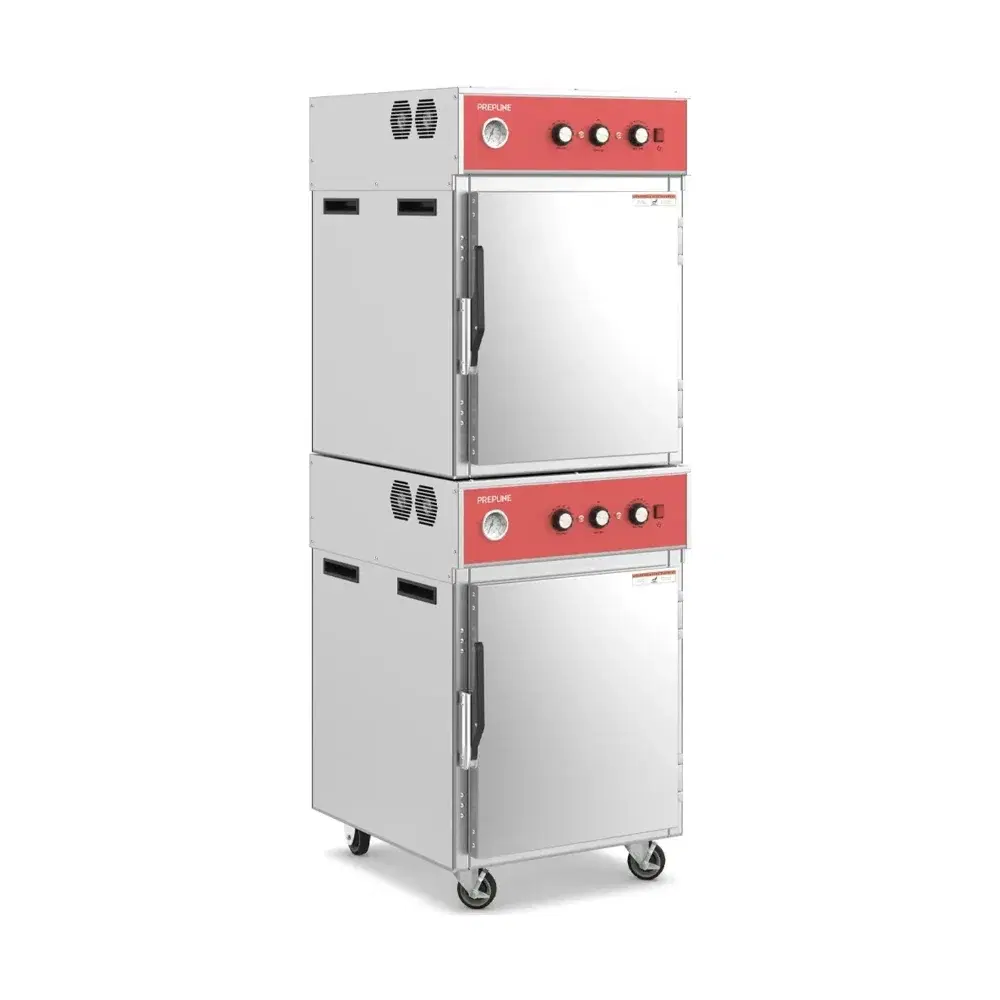
Prepline 27" Double Deck Cook and Hold Oven, 208/240V, 6000W, 1 Year Warranty
Model No: SLO-2
⚡ Fast DeliveryShipping Fee
Mostly Ships in 5 to 7 Days
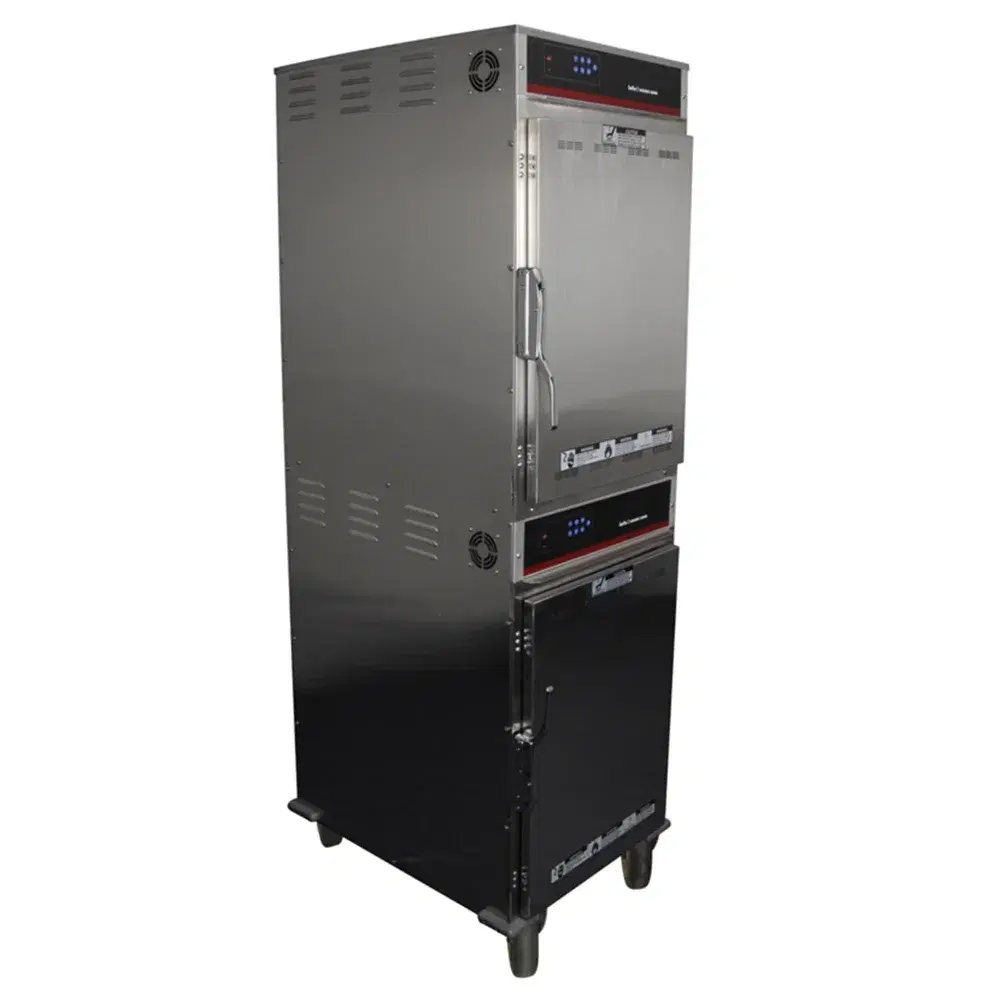
KitchenCore Series 25" Full Size Cook and Hold Oven, Solid Door, Stainless Steel, 208V, 1 Year Warranty
Model No: KCCFSCHO25
⚡ Fast DeliveryShipping Fee
Mostly Ships in 5 to 7 Days
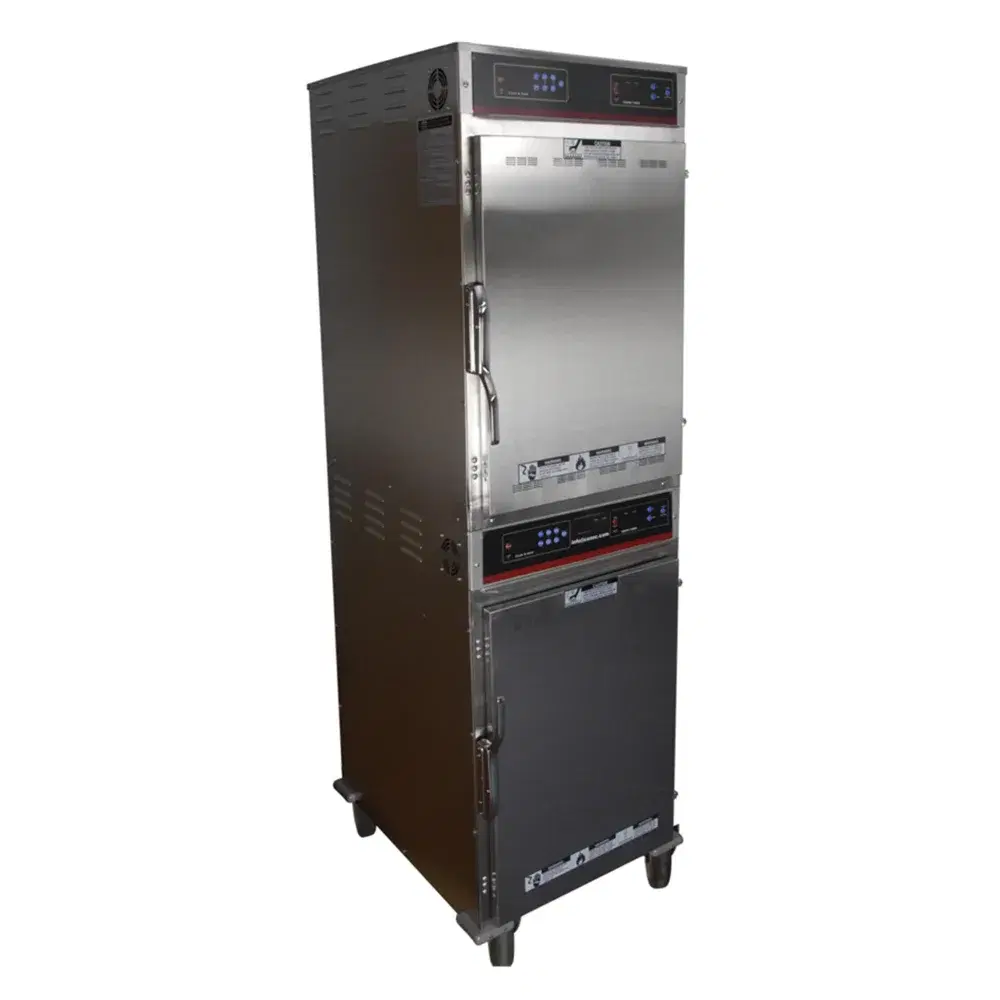
KitchenCore Series 25" Full Size Cook and Hold Smoker Oven, Solid Door, Stainless Steel, 208V, 1 Year Warranty
Model No: KCCFSCHSO25
⚡ Fast DeliveryShipping Fee
Mostly Ships in 5 to 7 Days
Cook and hold ovens are commercial ovens that slow-cook food at controlled temperatures, then automatically switch to a holding mode so meals stay ready for service without continual monitoring. For restaurants, hotels, caterers, and other food service operations, cook and hold ovens help protect texture, moisture, timing, and workflow in one piece of cooking equipment.
Unlike standard restaurant ovens that focus mainly on cooking speed or high heat, this category is built for low-temperature roasting, overnight production, and reliable heat retention. The result is a practical kitchen appliance for teams that need consistent proteins, vegetables, baked items, or prepared dishes ready across a long service window.
Cook and hold ovens are insulated commercial ovens designed to cook food slowly, often with gentle radiant or controlled heat, and then hold it at a serving-safe temperature after the cooking cycle ends. In daily use, a chef loads the product, sets a cook temperature, time, or probe target, and the oven transitions to holding automatically when the cycle is complete. That automatic shift is the key benefit: it reduces last-minute labor, protects food quality, and keeps production moving even when the dining room, banquet line, or catering schedule changes.
The main advantage of Cook And Hold Ovens is control. They are made for food that benefits from time, moisture protection, and even temperature—prime rib, brisket, turkey, pork shoulder, roasts, braised items, casseroles, and some proofing or reheating tasks. Alto-Shaam, for example, describes its cook-and-hold line as fanless and waterless, using Halo Heat technology to surround food with gentle heat; its 750-TH Simple Control model can cook by time or probe and store programmable recipes. (alto-shaam.com)
That matters operationally because kitchens rarely fail from one problem alone. Service gets difficult when ovens are full, staff are pulled to prep, proteins finish too early, or hot food dries out while waiting. A cook and hold unit gives the kitchen a buffer: cook ahead, hold with less quality loss, and free higher-heat commercial ovens for searing, baking, or finishing.
Choosing the right unit starts with matching the oven to your menu, space, and volume. Focus on features that change how the oven performs during real service, not just on the exterior size.
Cook and hold ovens are not one-size-fits-all. A chef-driven restaurant may want a compact unit for overnight pork shoulder, short ribs, or prime rib. A hotel or banquet venue may need a larger cabinet that can support multiple pans for staggered event service. Caterers often value mobility, durable construction, and the ability to hold food through transport and setup.
Common configurations include:
Alto-Shaam is widely associated with cook and hold ovens, especially its Halo Heat models. The 750-TH Simple Control is positioned as a 100 lb capacity unit with space for full-size hotel or GN pans, and the manufacturer highlights ventless, waterless operation plus time or probe cooking. (alto-shaam.com) It is a strong fit for restaurants and banquet kitchens that want gentle heat retention and programmable repeatability.
Vulcan is another relevant option for operators comparing commercial ovens for larger production. Its VCH16 is described by Vulcan as a commercial electric 16-pan cook and hold oven with solid doors, making it more appropriate for higher-volume kitchens that need a larger pan count. (vulcanequipment.com) If your priority is institutional durability, pan volume, and straightforward production, models like this belong on the shortlist.
Metro C5 heated holding and proofing cabinets are worth understanding as a comparison point, but they are not the same purchase as a true cook and hold oven. Metro’s C5 line focuses on holding and proofing configurations, which can be useful beside cook and hold equipment when a kitchen needs staging capacity rather than cooking capability. (metro.com)
Use your menu and service pattern to narrow the choice. If your restaurant cooks roasts overnight and serves sliced portions through lunch, choose a compact or mid-size unit with probe cooking and programmable recipes. If you run banquets, choose higher pan capacity, full-height construction, and easy loading. If your kitchen has limited ventilation or plumbing flexibility, prioritize ventless and waterless designs where approved for your application.
For operators replacing several aging kitchen appliances, the horeca store can help compare cook and hold ovens by capacity, configuration, controls, and installation needs. The right buying conversation should cover your peak portions, available space, electrical service, cleaning routine, and whether staff need simple manual controls or stored programs.
1. Are cook and hold ovens only for meat? No. They are especially useful for proteins, but many kitchens also use them for vegetables, braised dishes, casseroles, reheating, proofing, or holding prepared foods when the model supports those tasks.
2. Do they replace convection ovens? Usually, they complement them. Convection ovens are better for browning and fast baking, while cook and hold units are best for low-temperature cooking and extended holding.
3. Is a probe worth paying for? For roasts, poultry, and large cuts, yes. Probe cooking reduces guesswork because the oven reacts to internal product temperature.
4. What size should I buy? Base size on peak service, not average days. If you regularly run out of oven space before service, move up in capacity.
5. What should I check before ordering? Confirm dimensions, door swing, ventilation rules, voltage, plug type, pan compatibility, warranty support, and cleaning access.
Buy a compact cook and hold oven if space is tight and your main goal is better heat retention for limited batches. Choose a programmable mid-size model if consistency across cooks matters. Select a full-height or 16-pan style unit for hotels, catering, institutions, and high-volume food service. When comparing restaurant ovens, the best choice is the one that fits your menu, your electrical setup, your staff workflow, and the volume you need to serve without compromising food quality.