Discover Exceptional Products and Unmatched Service.
Power up your kitchen with reliable cooking equipment for restaurants and catering services. Trusted brands, fast shipping, unbeatable prices.
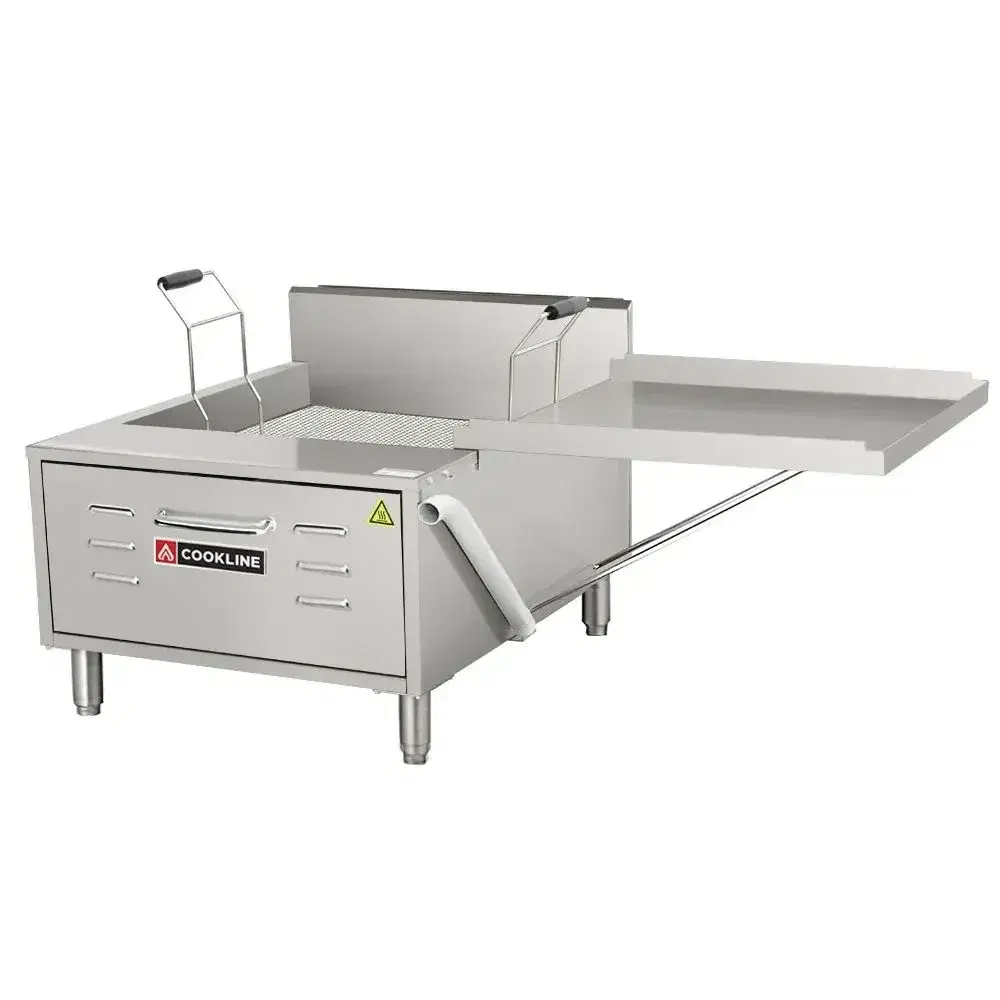
Cookline Flat Bottom Gas Countertop Funnel Cake / Donut Fryer, 30 lb., 50,000 BTU
Model No: DOF-30
⚡ Fast DeliveryShipping Fee
Mostly Ships in 5 to 7 Days
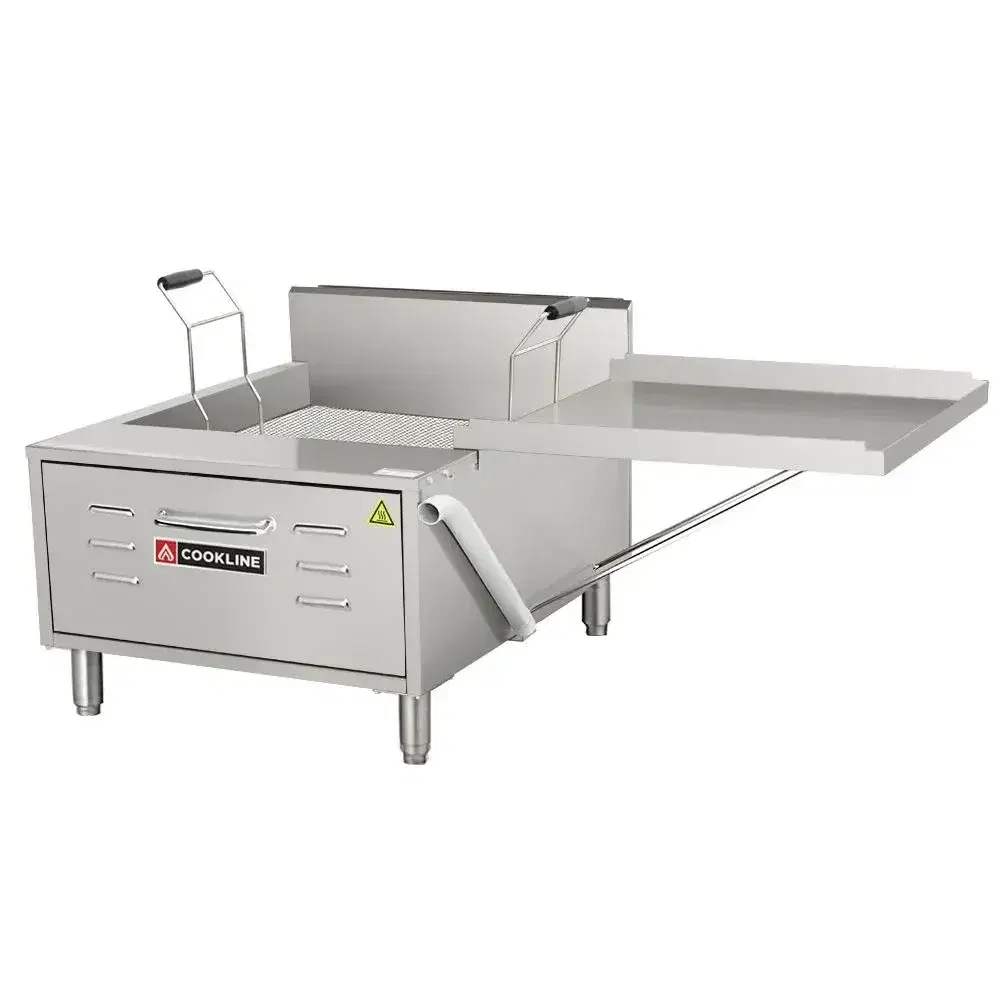
Cookline Flat Bottom Gas Countertop Funnel Cake / Donut Fryer, 40 lb., 81,000 BTU
Model No: DOF-40
⚡ Fast DeliveryShipping Fee
Mostly Ships in 5 to 7 Days
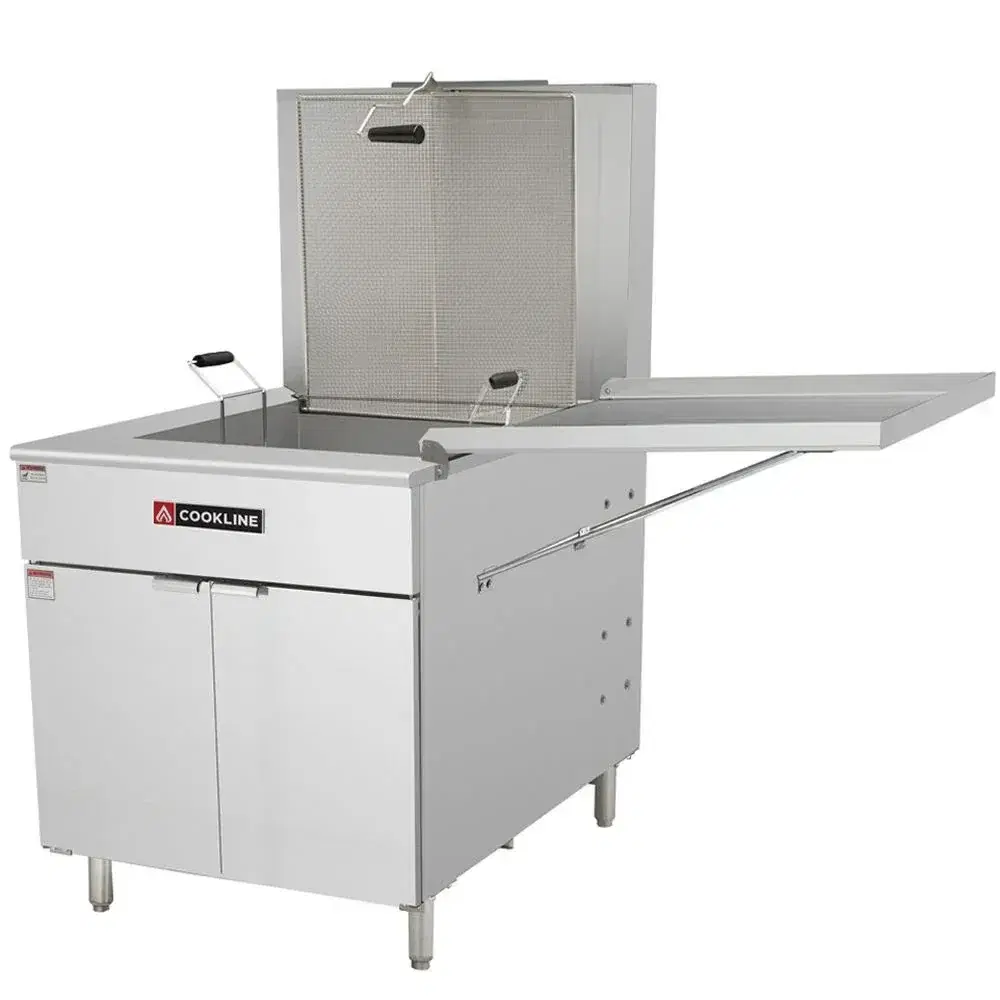
Cookline Flat Bottom Gas Countertop Funnel Cake / Donut Fryer, 125 lb., 90,000 BTU
Model No: DOF-125
⚡ Fast DeliveryShipping Fee
Mostly Ships in 5 to 7 Days
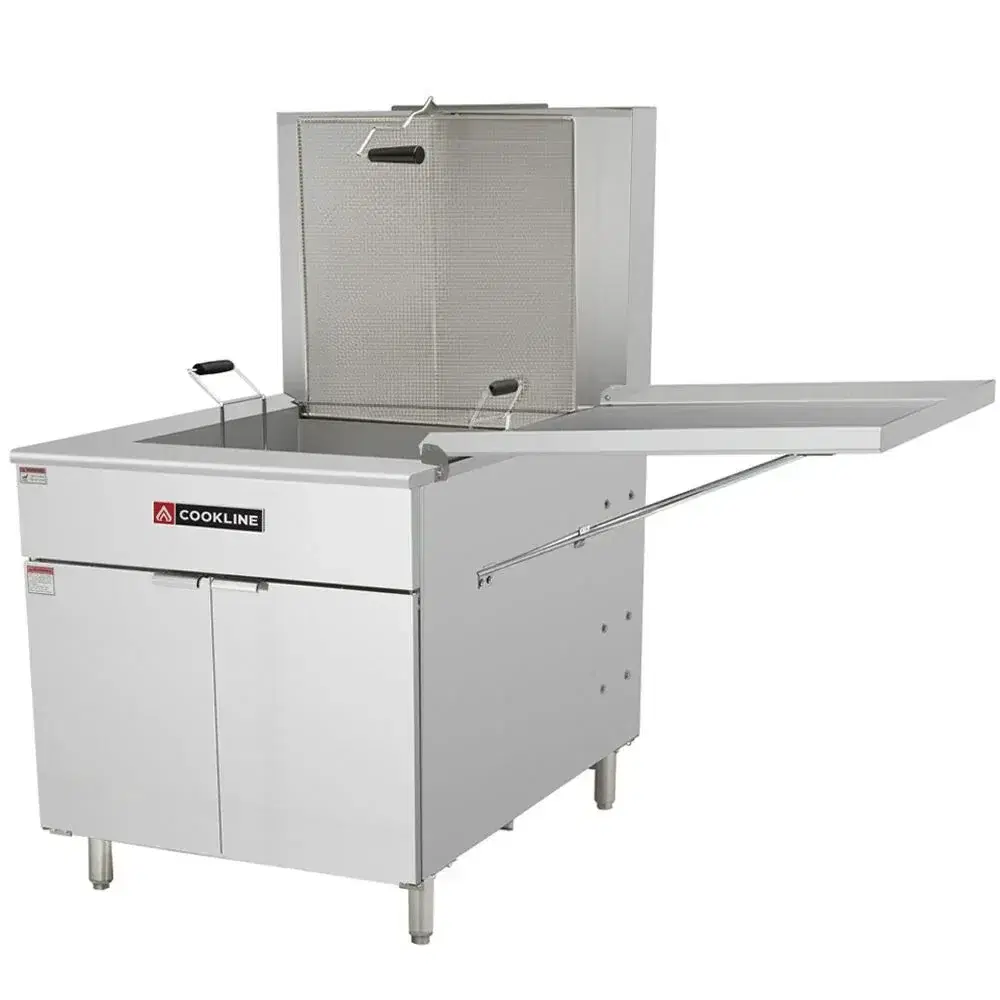
Cookline Flat Bottom Gas Countertop Funnel Cake / Donut Fryer, 170 lb., 120,000 BTU
Model No: DOF-170
⚡ Fast DeliveryShipping Fee
Mostly Ships in 5 to 7 Days
Donut fryers and funnel cake fryers help kitchens produce golden, consistent fried desserts without improvising with undersized equipment. Whether you need a compact countertop donut fryer for small batches or commercial donut fryers for busy service, the right machine gives you better oil control, easier workflow, and a more reliable finished product. This page helps you compare options, understand key features, and choose equipment that fits your menu and volume.
A donut fryer or funnel cake fryer is a dedicated deep-frying unit designed to hold oil at steady cooking temperatures while giving dough enough space to expand, float, and brown evenly. Unlike a general-purpose fryer, a donut fryer machine often uses a wider fry area so rings, mini donuts, long johns, or funnel cakes can cook without crowding.
For a small operation, a home donut fryer or electric donut fryer may be enough for testing recipes, pop-ups, or limited service. For bakeries, concessions, cafés, and dessert stands, a commercial donut fryer adds higher capacity, stronger recovery, and a layout built for repeated batches.
Different kitchens need different fryers. The best fit depends on batch size, space, power access, and whether donuts or funnel cakes are a core product or a seasonal add-on.
Common options include:
When comparing donut fryers for sale, focus on the specifications that shape daily performance rather than choosing by size alone. A fryer should match your menu, your staff workflow, and the pace of your busiest service window.
Look closely at:
Fried dough is sensitive to oil temperature. If the oil is too cool, donuts absorb more oil and can taste heavy. If it is too hot, the outside browns before the inside cooks properly. This is why a stable thermostat and good recovery matter so much.
Surface area is just as important. Funnel cakes need space for the batter pattern to spread, while donuts need room to float and turn. Crowding the fryer slows production and can lead to uneven shapes, pale spots, or dough pieces sticking together.
Cleaning access affects profit in a less obvious way. A fryer that is hard to drain, wipe, or filter can slow closing routines and shorten oil life. For any deep fryer donuts program, easier maintenance helps the team keep quality consistent over multiple batches.
These fryers suit businesses that want to add high-margin fried desserts or improve an existing production line. A bakery may use a commercial donut fryer for morning inventory, while a concession stand may rely on funnel cake fryers during peak event hours. A café may prefer mini donut fryers for made-to-order treats that pair with coffee.
They are also useful for operators testing a new concept. If you are starting with small batches, a donut fryers countertop setup may be a practical first step. If demand grows, a larger commercial donut fryer can help reduce wait times and support a broader menu.
Choosing equipment becomes easier when you match the fryer to the way you sell.
Home testing or recipe development
Home donut fryer
Keeps batches small before scaling
Coffee shop or dessert counter
Countertop donut fryer
Saves space and supports limited daily production
Event vendor or kiosk
Mini donut fryer
Produces small, quick-serve portions
Bakery or restaurant
Commercial donut fryer
Handles repeated batches and broader menus
Fair, carnival, or concession stand
Funnel cake fryer
Gives batter room to spread and cook evenly
If donuts are an occasional special, start with a smaller footprint. If fried desserts are a core revenue item, prioritize capacity, recovery, and cleaning efficiency.
Product availability can vary, so it is best to compare current models by specifications, not just by name. The right selection may include compact countertop units, electric donut fryer options, mini donut fryers, or larger commercial fryers suited for higher-volume production.
When reviewing a specific model, confirm the oil capacity, dimensions, electrical requirements, and recommended use case. If you are replacing an older fryer, also compare the work height, drain position, and available accessories so the new unit fits your current workflow.
A smaller fryer can be easier to place and less expensive to run for light production, but it may become a bottleneck during rush periods. A larger fryer can improve output, yet it needs more counter or floor space and more oil management. The right choice is not always the biggest machine; it is the one that supports your real batch volume.
Use this quick checklist before buying:
If you are comparing donut fryers for sale, begin with your menu and work backward. A mini donut concept, a bakery production line, and a funnel cake concession stand all need different oil capacity, fry space, and accessories. Choosing based on workflow helps avoid buying equipment that looks right online but slows your team in service.
For operators who want help narrowing the options, the horeca store can support the buying decision by focusing on fit: space, power, volume, menu type, and maintenance needs. The goal is simple—select a fryer that makes production easier from the first batch to the final cleanup.
Before installation, confirm the fryer’s placement, ventilation needs, clearances, and power connection. Staff should understand safe oil filling, temperature settings, batch loading, and shutdown procedures before the fryer enters daily service.
For maintenance, filter or replace oil as needed, skim crumbs during production, and clean the fry pot regularly. Keep controls dry, inspect cords or connections, and follow the manufacturer’s service guidance. A consistent maintenance routine protects flavor, equipment life, and food quality.
