Discover Exceptional Products and Unmatched Service.

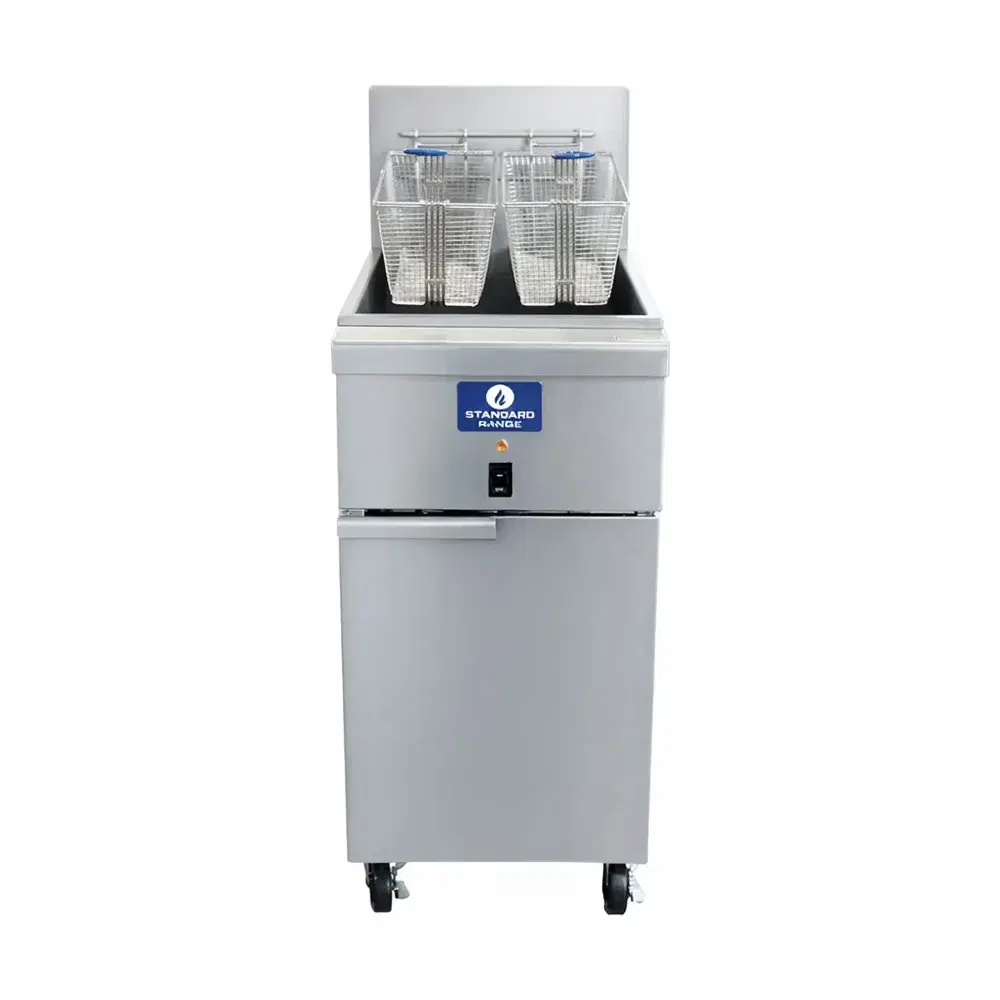
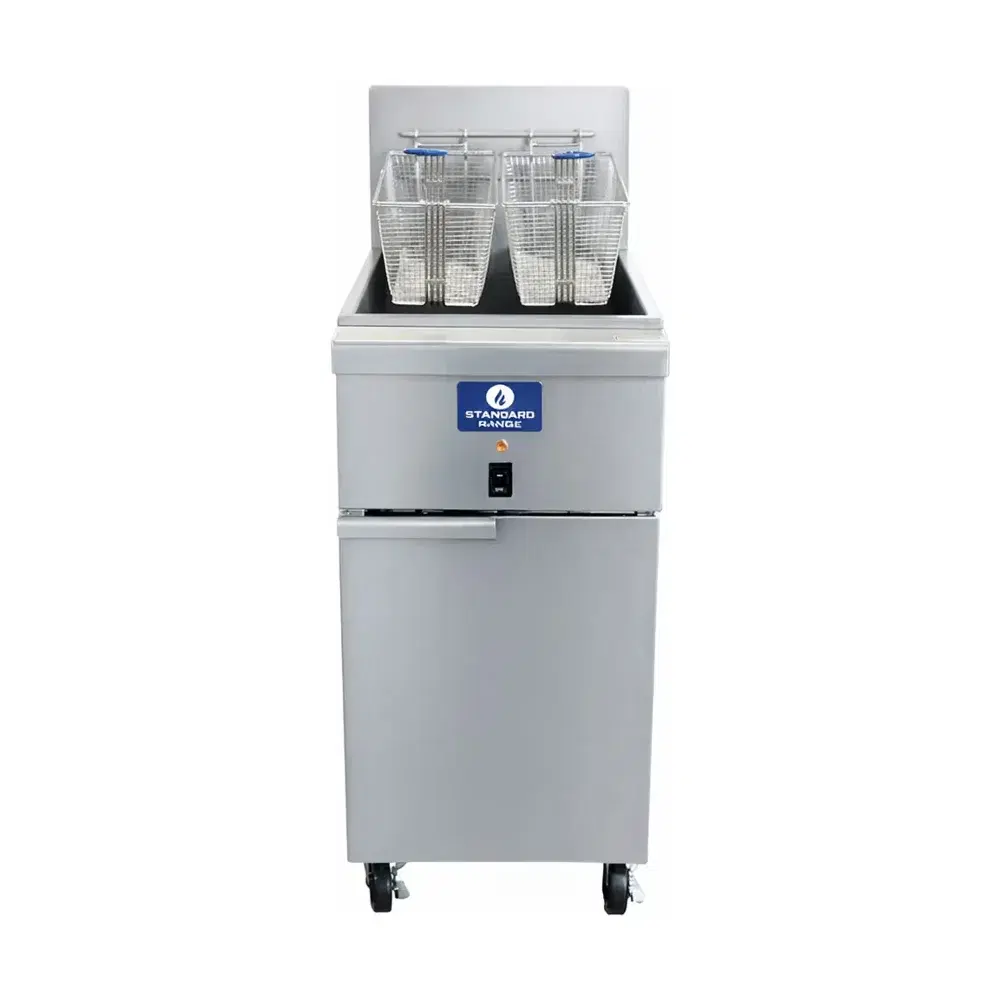
Standard Range 16" Electric Floor Fryer, 3 Phase, 50 Lbs Capacity, 208V, 1 Year Warranty
Model No: SR-EF50-208-3
⚡ Fast DeliveryShipping Fee
Mostly Ships in 5 to 7 Days
Standard Range 16" Electric Floor Fryer, 1 Phase, 50 Lbs Capacity, 208V, 1 Year Warranty
Model No: SR-EF50-208-1
⚡ Fast DeliveryShipping Fee
Mostly Ships in 5 to 7 Days
Standard Range 16" Electric Floor Fryer, 3 Phase, 50 Lbs Capacity, 240V, 1 Year Warranty
Model No: SR-EF50-240-3
⚡ Fast DeliveryShipping Fee
Mostly Ships in 5 to 7 Days
Standard Range 16" Electric Floor Fryer, 1 Phase, 50 Lbs Capacity, 240V, 1 Year Warranty
Model No: SR-EF50-240-1
⚡ Fast DeliveryShipping Fee
Mostly Ships in 5 to 7 Days
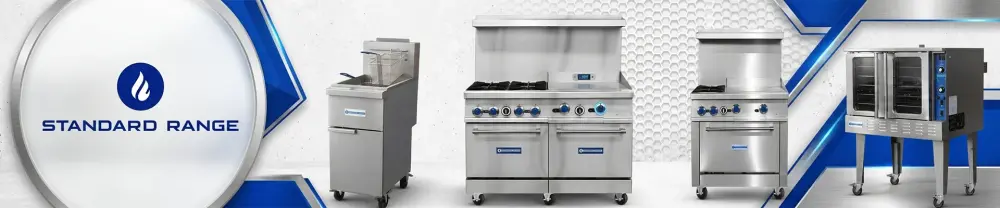
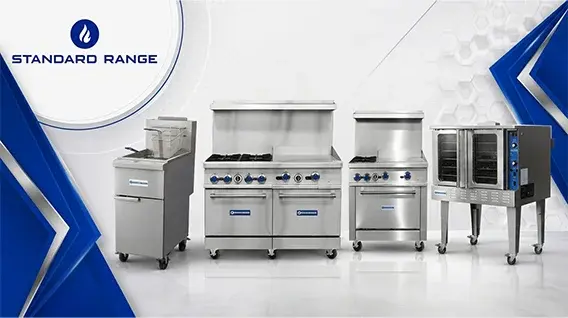
Standard Range Commercial Kitchen Equipment gives food service teams the core cooking power, capacity, and workflow support needed for daily production. This range of food service equipment covers the essential appliances used to fry, grill, boil, bake, broil, sear, and finish menu items in restaurants, cafés, hotels, catering kitchens, and institutional food operations. The Horeca Store helps businesses choose commercial cooking equipment that matches their menu, available utilities, kitchen footprint, and service volume.
Standard range commercial kitchen equipment refers to the main cooking appliances and commercial kitchen tools used in professional food preparation. Unlike domestic standard kitchen appliances, these units are selected for heavier use, faster recovery, consistent output, and compatibility with kitchen appliance standards for food safety, ventilation, cleaning, and daily operation. The goal is not just to buy a machine; it is to build a dependable cooking line that supports speed, consistency, and staff efficiency.
A complete kitchen line may combine several equipment categories depending on the menu. The right mix helps staff move from preparation to cooking to finishing without crowding stations or slowing service.
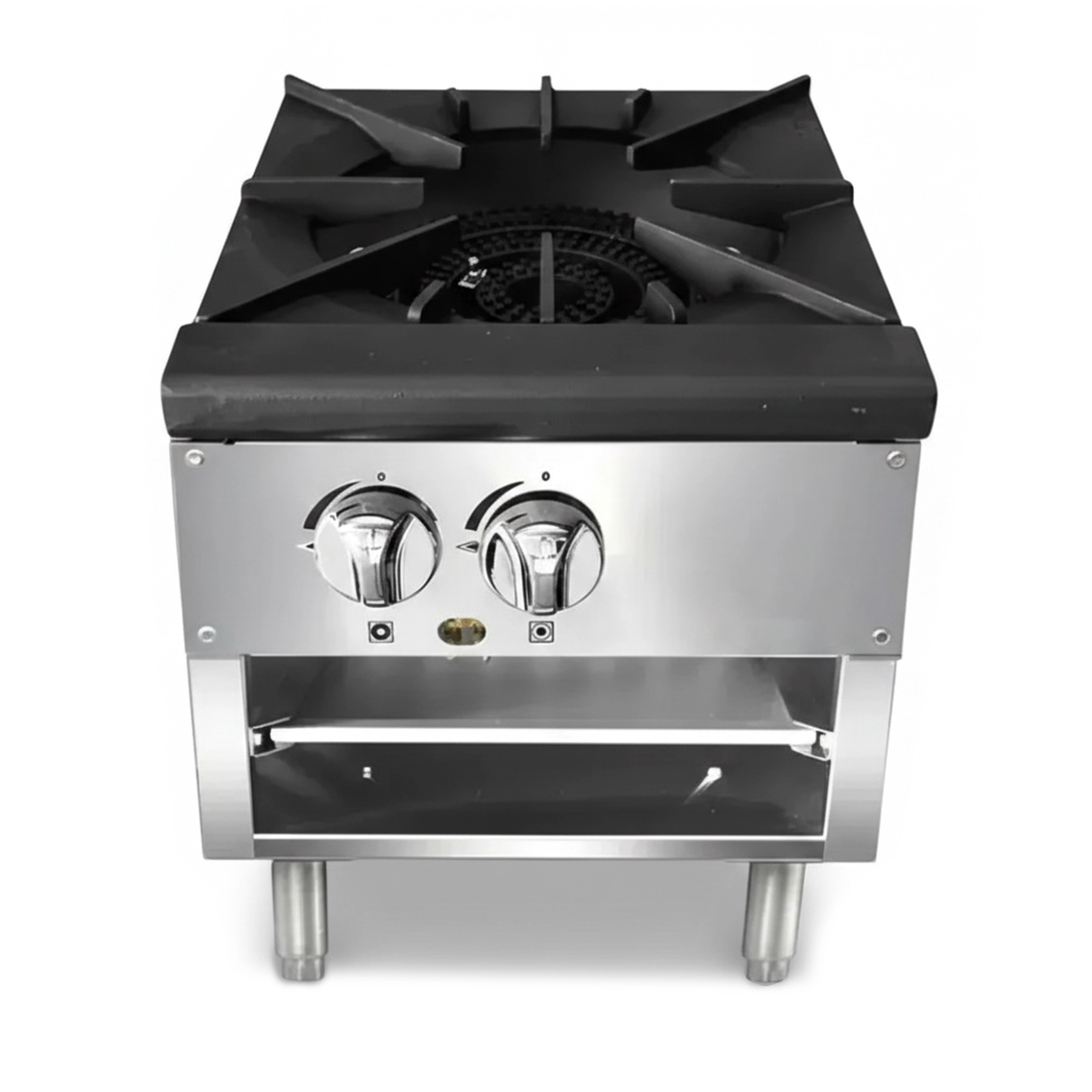
The available product categories include:
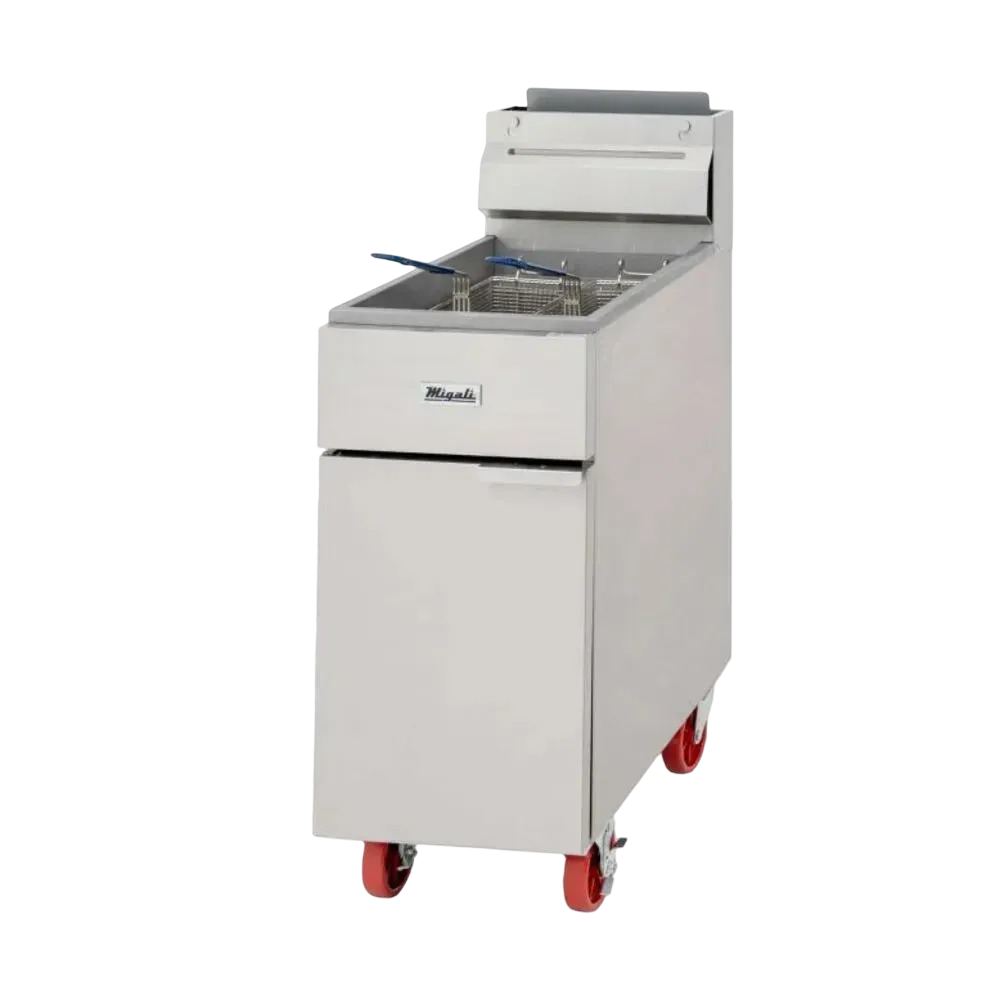
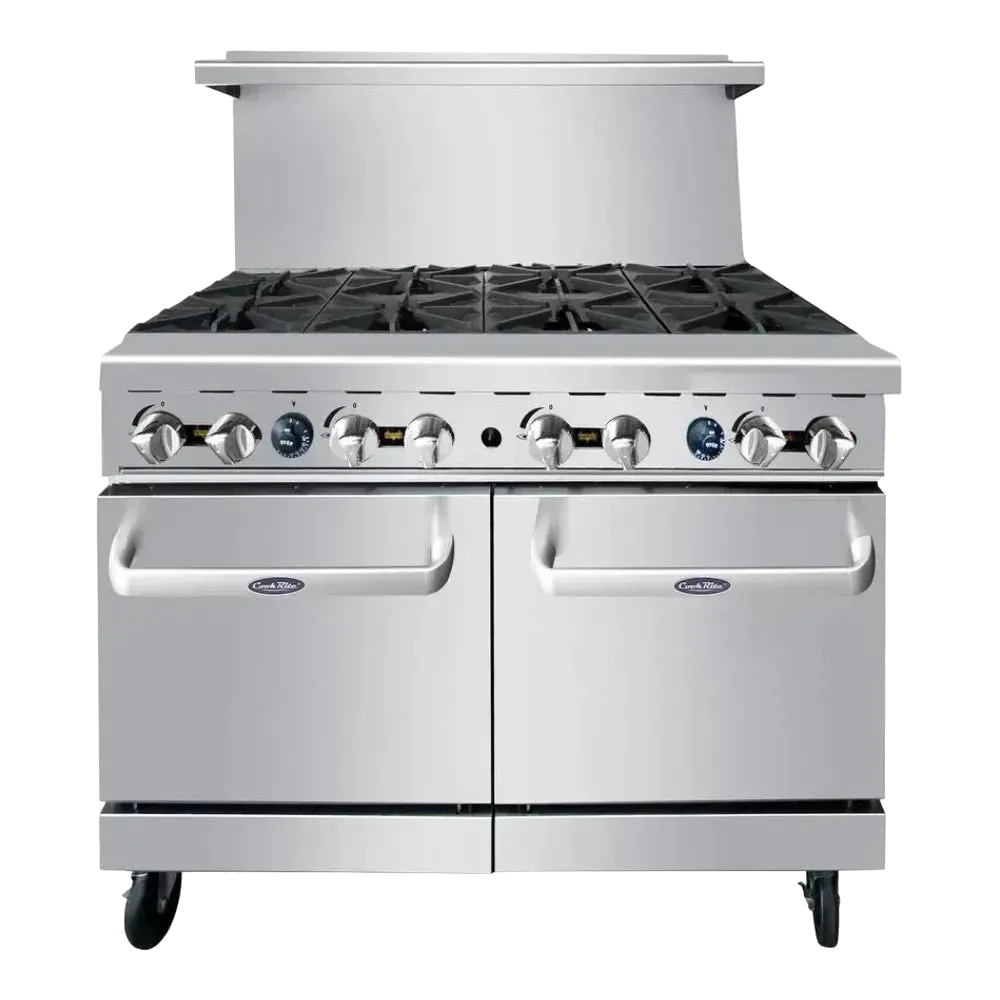
Choosing restaurant kitchen supplies should start with how the appliance will be used during peak service. Capacity, heat source, footprint, cleaning access, controls, and construction all affect day-to-day performance. A fryer, for example, should be assessed by oil capacity, basket setup, recovery speed, and drain design, while a range should be reviewed for burner layout, oven configuration, and pot clearance.
Key points to review before buying include:
The right specifications protect productivity. A unit that is too small creates queues during busy service, while oversized equipment can waste space and make the kitchen harder to move through. Reliable heat control helps chefs repeat textures, color, and timing, which matters when multiple staff members cook the same menu across different shifts.
Practical design also affects labor. Easy-clean components reduce closing time, accessible service points simplify maintenance, and a logical line layout limits unnecessary movement. When equipment is chosen around real workflow, the kitchen becomes faster, safer, and easier to manage.
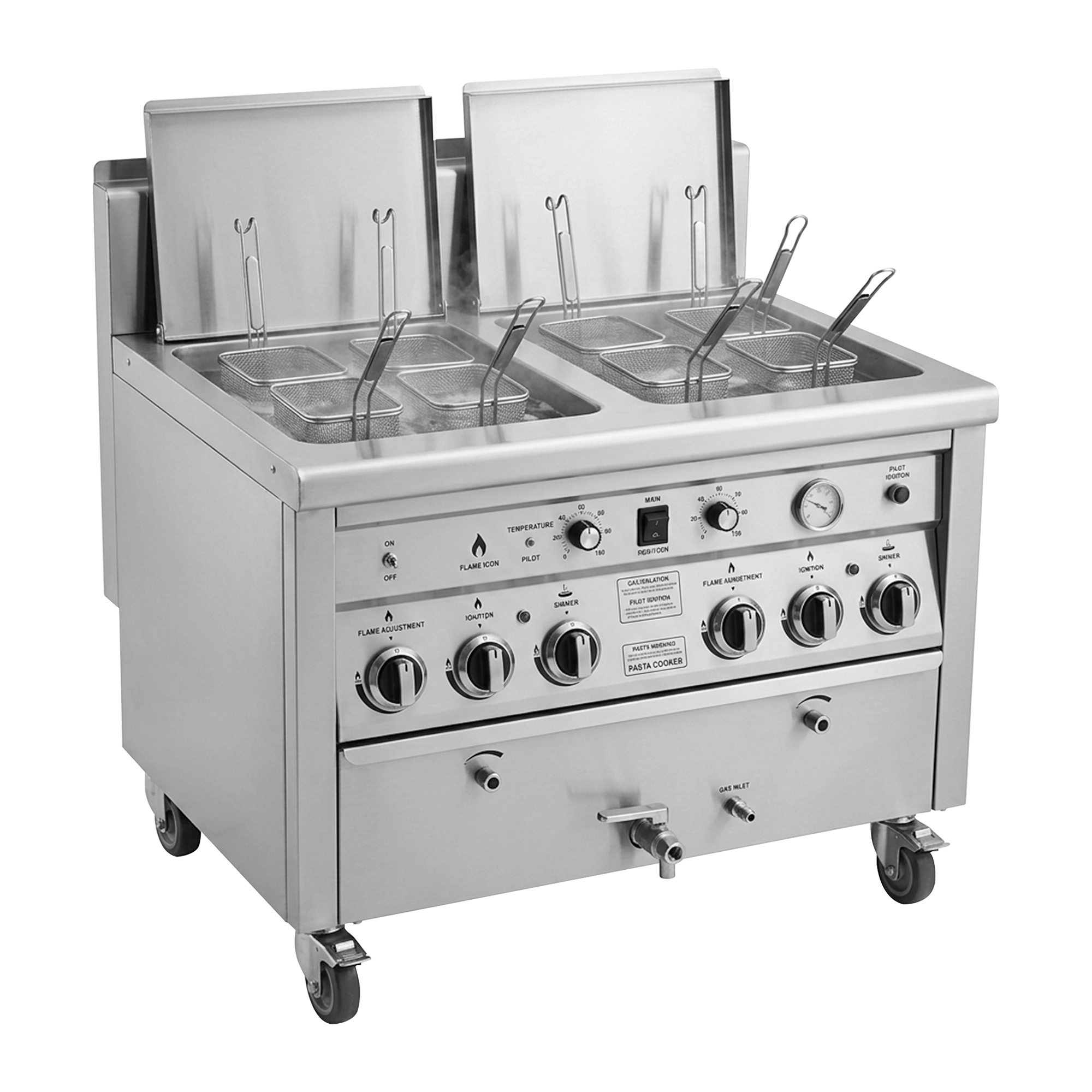
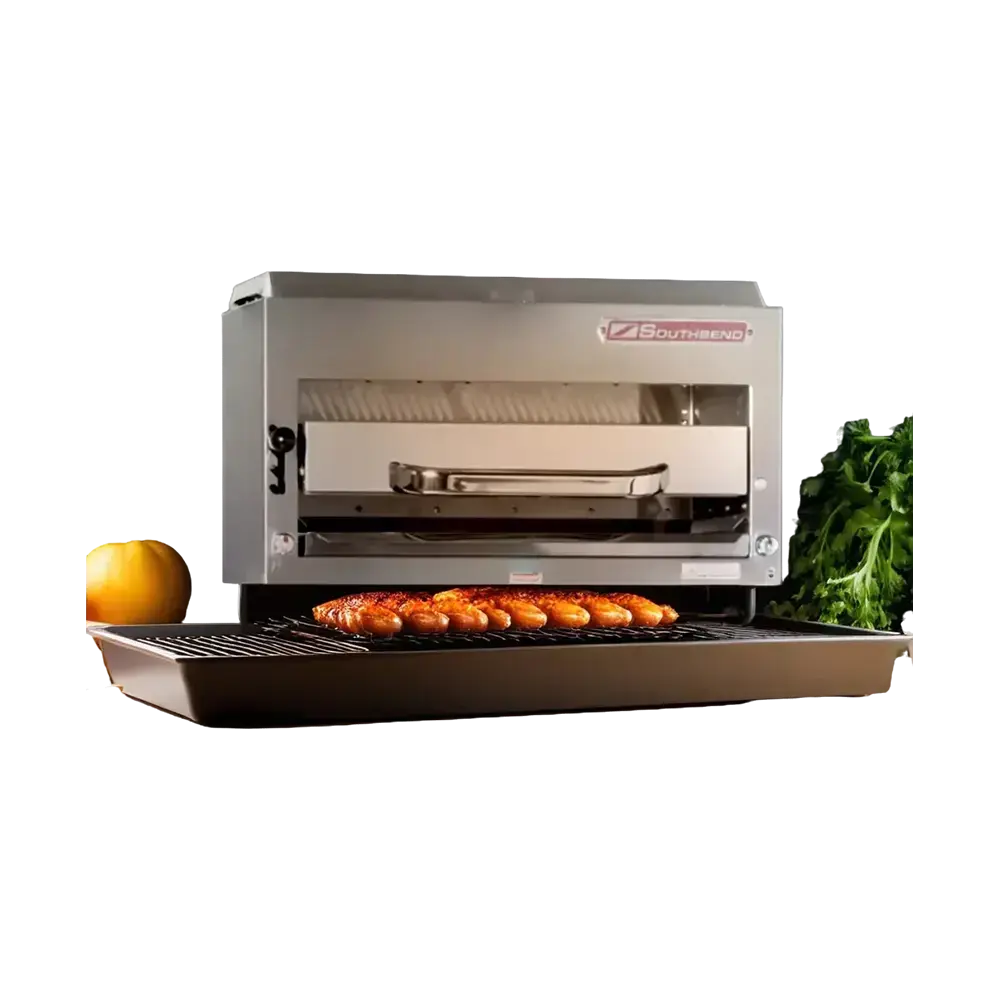
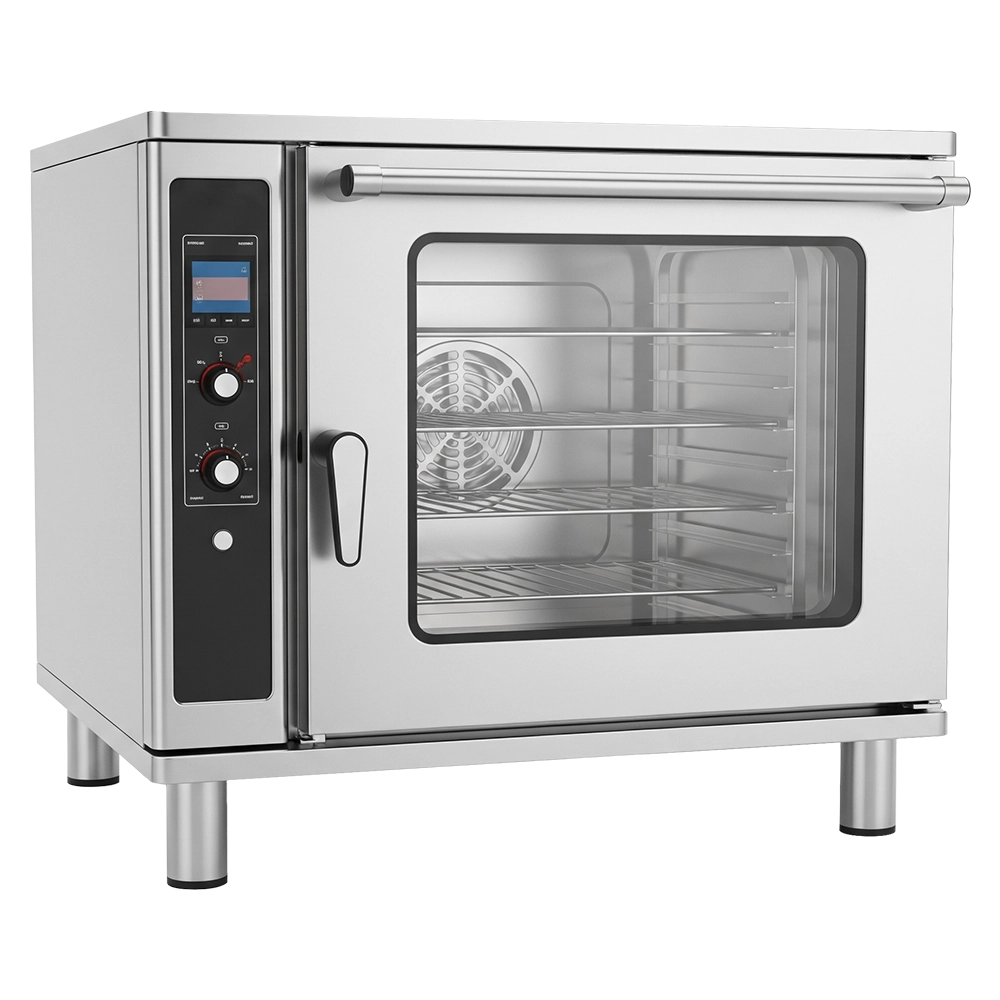
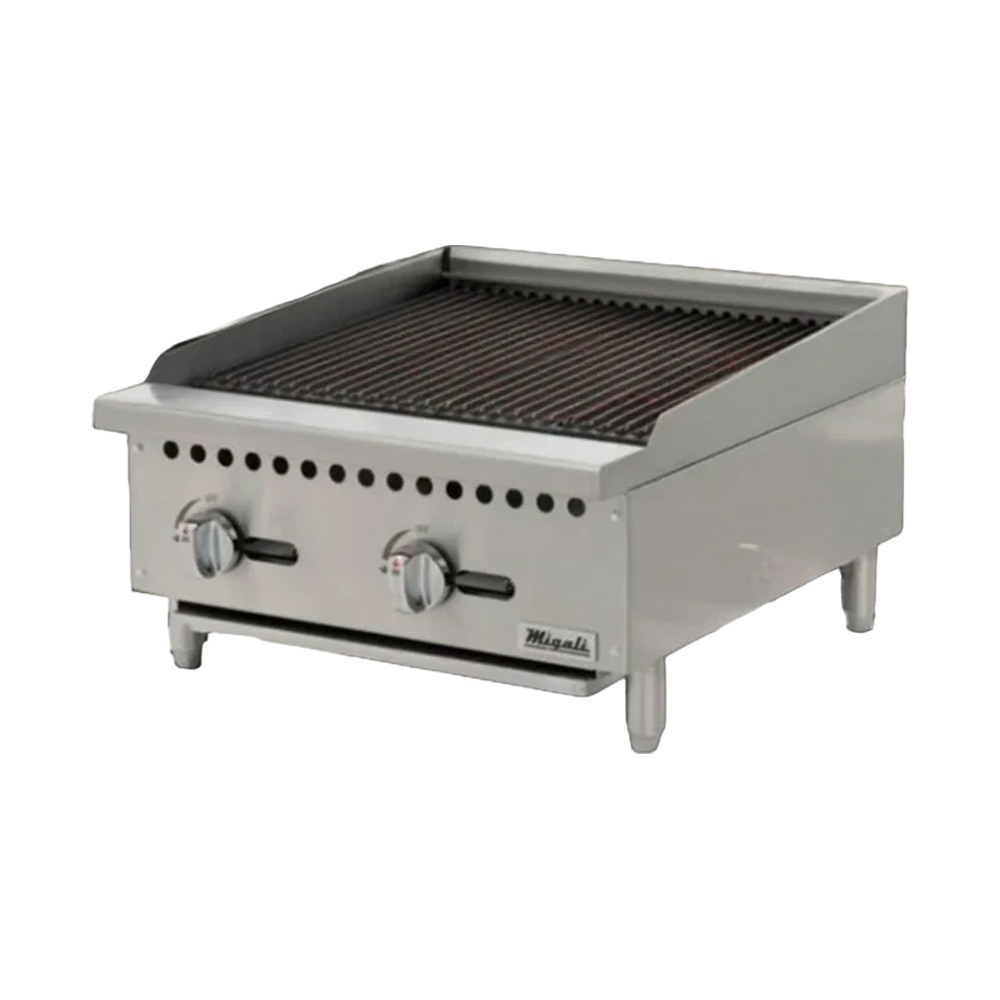
Different businesses need different combinations of standard range commercial kitchen equipment. A burger restaurant may prioritize a charbroiler, gas griddle, commercial gas fryer, and salamander broiler for fast finishing. A hotel kitchen may need a commercial convection oven, stock pot range, commercial gas range, and pasta cookers to support banquets, room service, and buffet production.
Smaller cafés may use an electric griddle and commercial electric range where ventilation or gas supply is limited. Catering operations often need flexible commercial cooking equipment that can handle batch preparation, reheating, and holding schedules. The best setup reflects the menu first, then the space, utilities, and staffing pattern.
A strong purchase decision starts with a clear kitchen plan. Before choosing models, list your main cooking methods, peak-hour volume, available floor space, and utility connections. Then decide which equipment must sit beside other units for the fastest workflow.
Use this simple planning checklist:
The best brand or model depends on your menu, service style, site conditions, and budget. Rather than selecting by appearance alone, compare each product by build quality, output, control type, warranty terms, spare-part access, and suitability for the intended workload. If a kitchen runs long service hours, durability and service support may matter more than optional features.
The Horeca Store can support product selection by helping buyers review available models across essential food service equipment categories. This is especially useful when replacing older standard kitchen appliances or designing a new cooking line from scratch.
Gas equipment is often chosen where quick heat response and high-output cooking are priorities. Electric equipment can be a strong fit for sites without gas supply, kitchens seeking precise control, or operations with specific installation limits. Neither option is automatically better; the right choice depends on infrastructure, menu, and operating style.
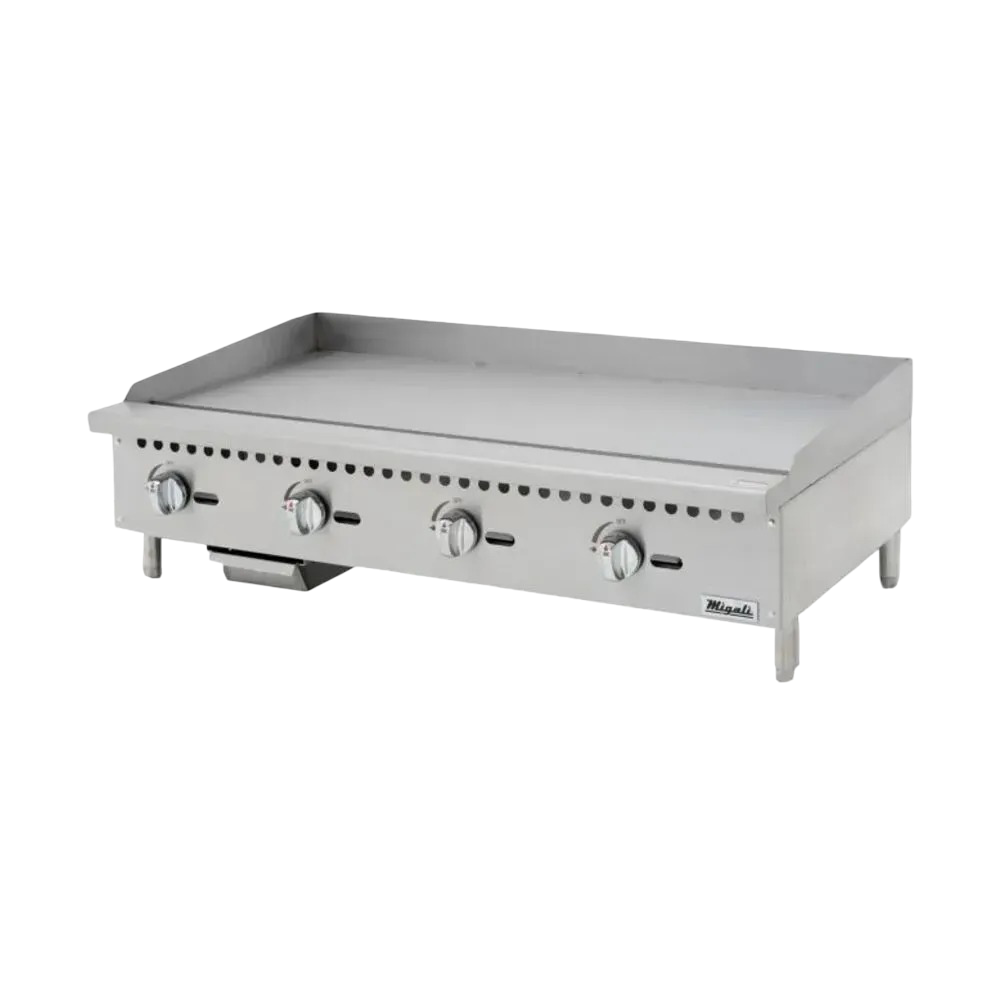
For surface cooking, a griddle provides broad contact heat, while a charbroiler adds grilled flavor and marks. For finishing, a salamander broiler is more targeted than a convection oven, while the oven is better for batch roasting or baking. For bulk liquid cooking, a stock pot range is more practical than using standard burners for oversized pots.
To choose confidently, focus on fit, not just price. The right commercial kitchen equipment should handle peak demand, suit the available utilities, meet applicable kitchen appliance standards, and make daily operation easier for the team. Pricing can vary by category, size, configuration, and model, so it is best to request product guidance based on your actual kitchen plan.
If you are building, upgrading, or replacing a cooking line, prepare your menu, measurements, utility details, and expected service volume. Then ask for recommendations across the categories you need, from fryers and ranges to ovens, broilers, griddles, and pasta cookers.
Commercial equipment should be installed according to the manufacturer’s instructions and local requirements for electrical, gas, ventilation, and safety compliance. Professional installation helps protect performance and reduces avoidable issues after delivery. Staff should also be trained on startup, shutdown, cleaning, and safe use.
Ongoing maintenance keeps equipment dependable. Clean cooking surfaces daily, empty and filter fryer oil as required, inspect burners or elements, and schedule service when performance changes. With the right planning and aftercare, standard range commercial kitchen equipment becomes a long-term foundation for smoother service and more consistent food quality.