Discover Exceptional Products and Unmatched Service.
Power up your kitchen with reliable cooking equipment for restaurants and catering services. Trusted brands, fast shipping, unbeatable prices.
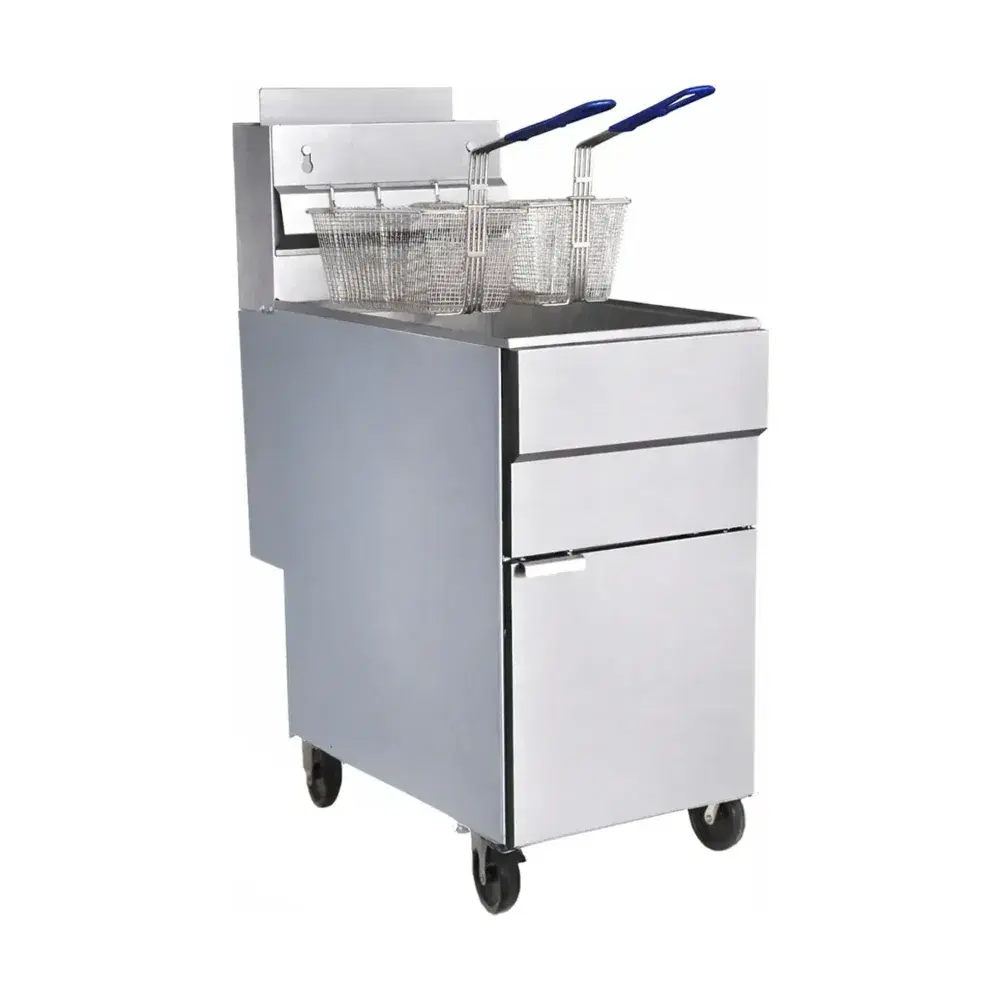
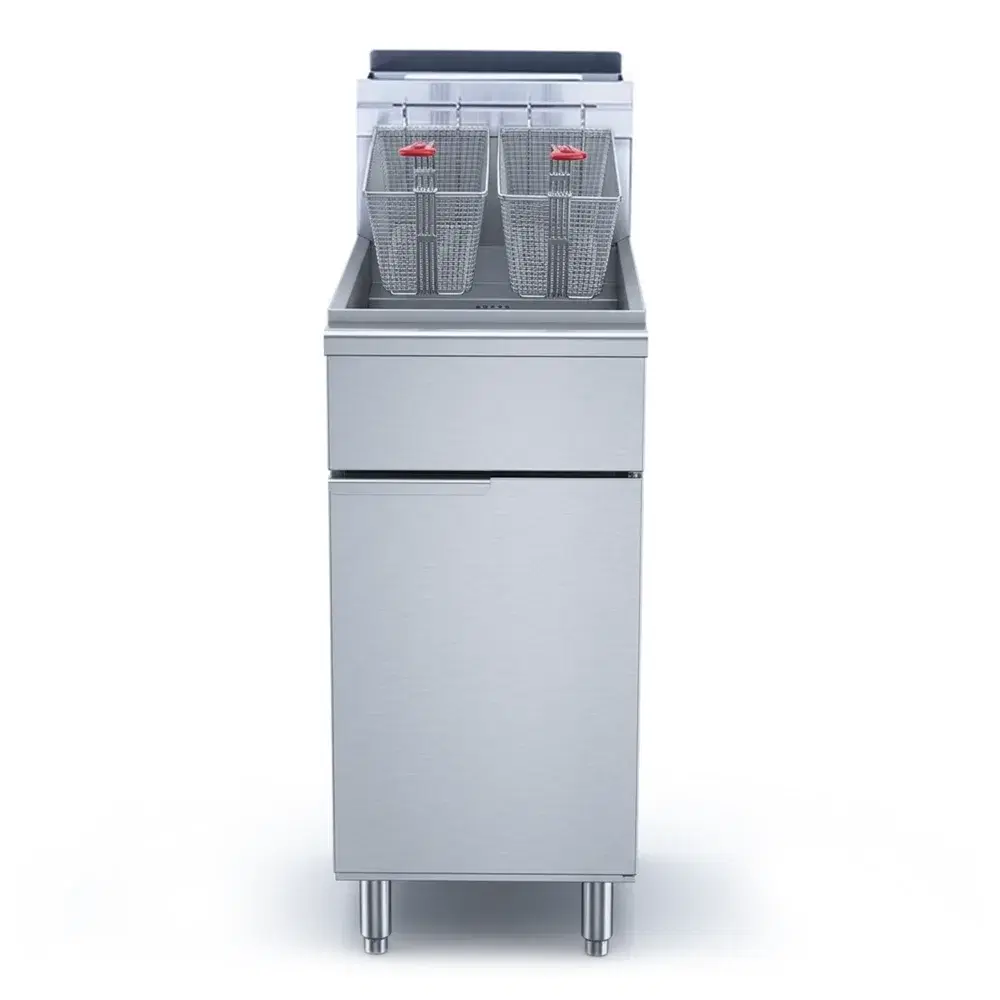
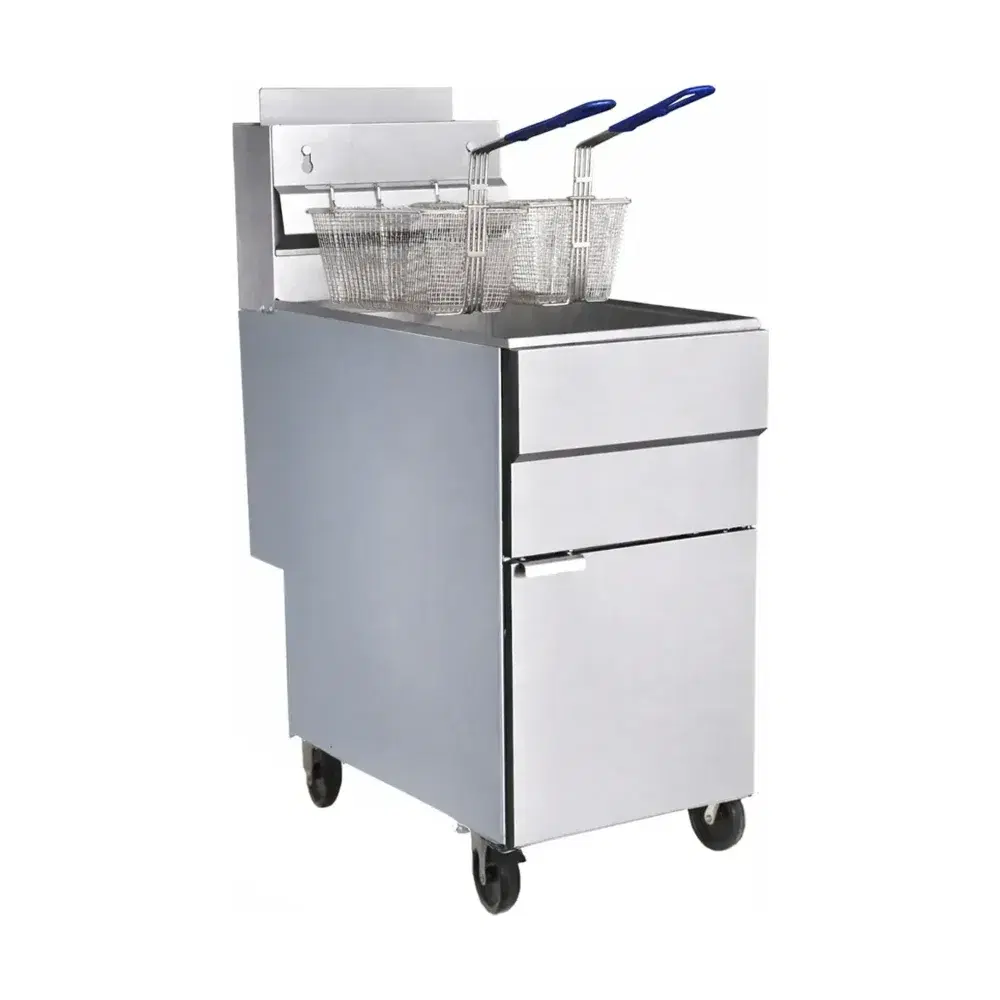
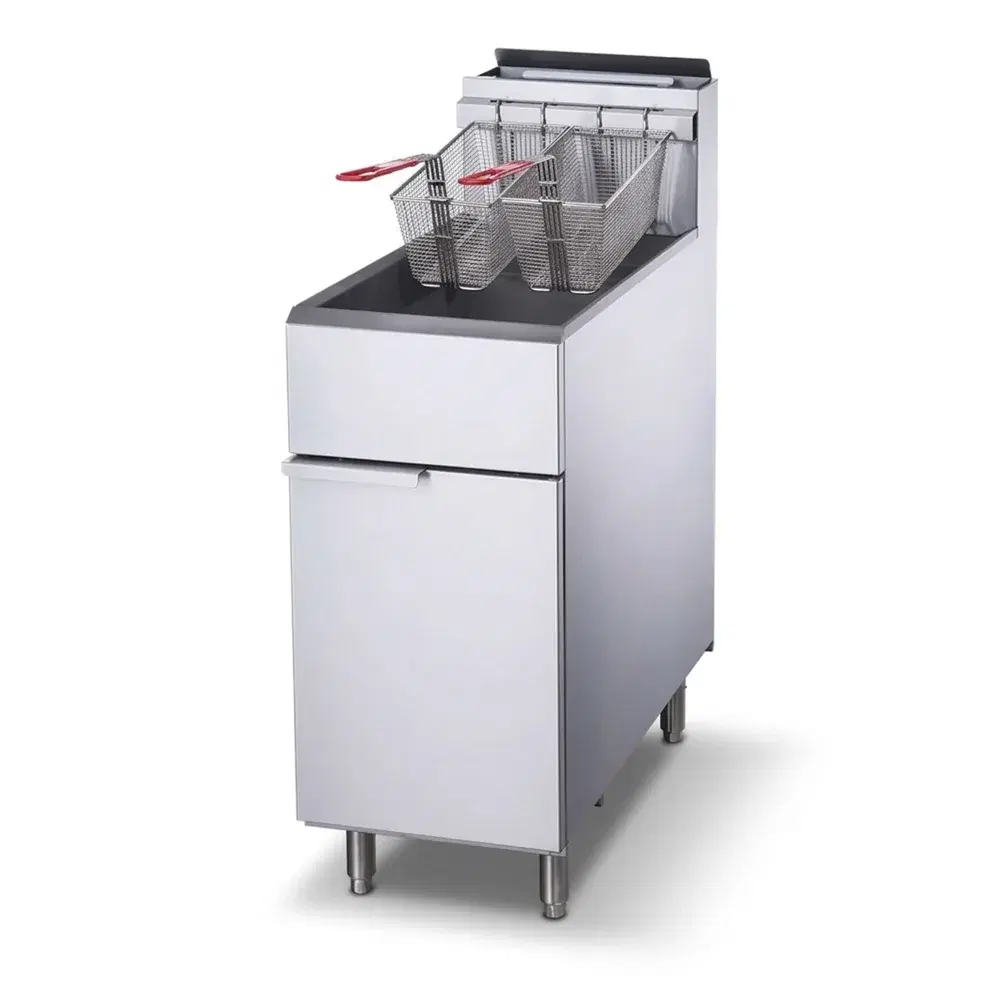
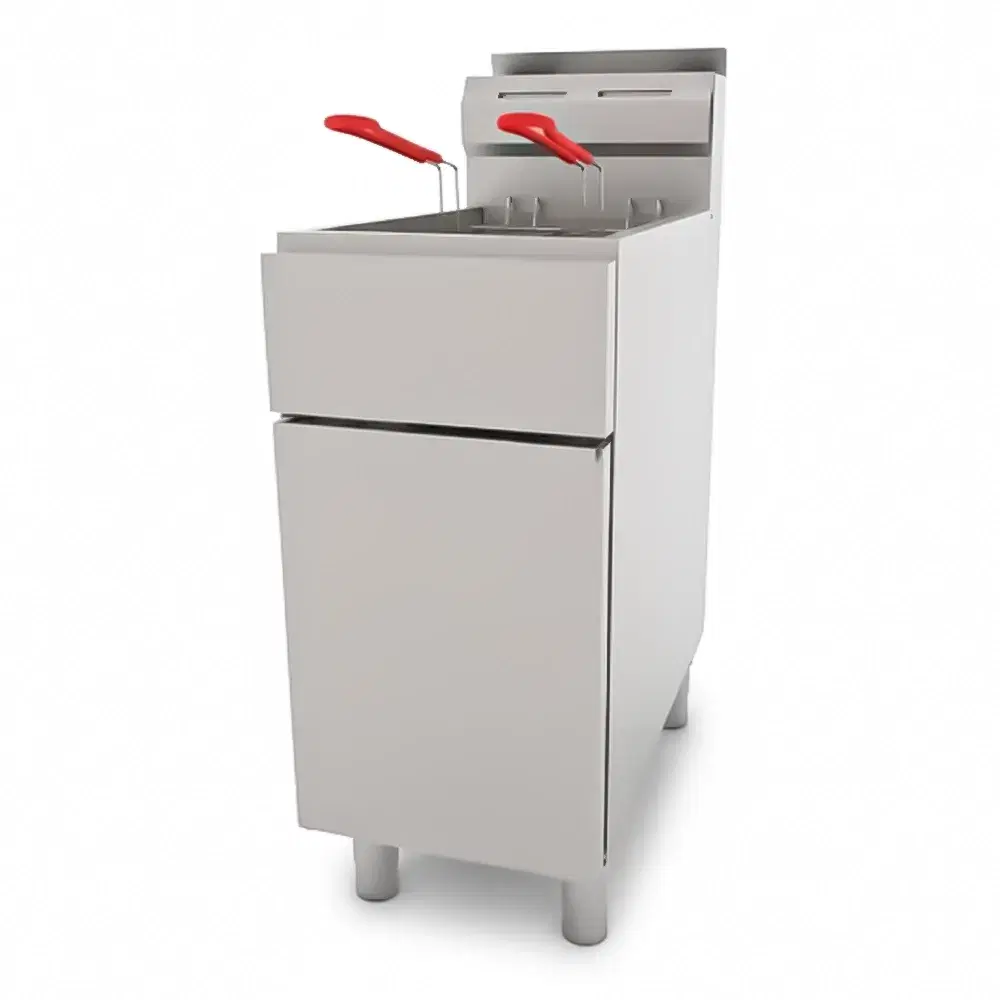
Prepline 16" Commercial Gas Fryer, 40 lbs Oil Capacity, Liquid Propane, 90,000 BTU
Model No: ENFF300L
⚡ Fast DeliveryShipping Fee
Mostly Ships in 5 to 7 Days
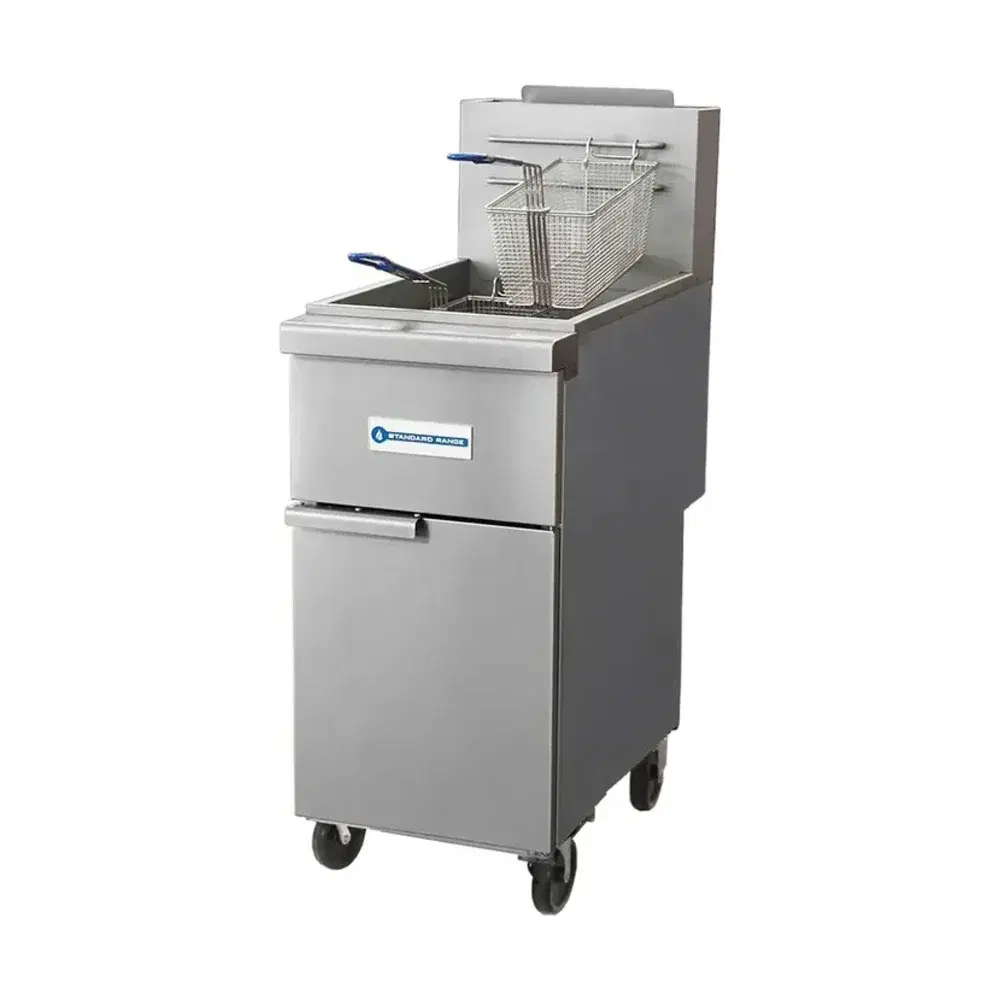
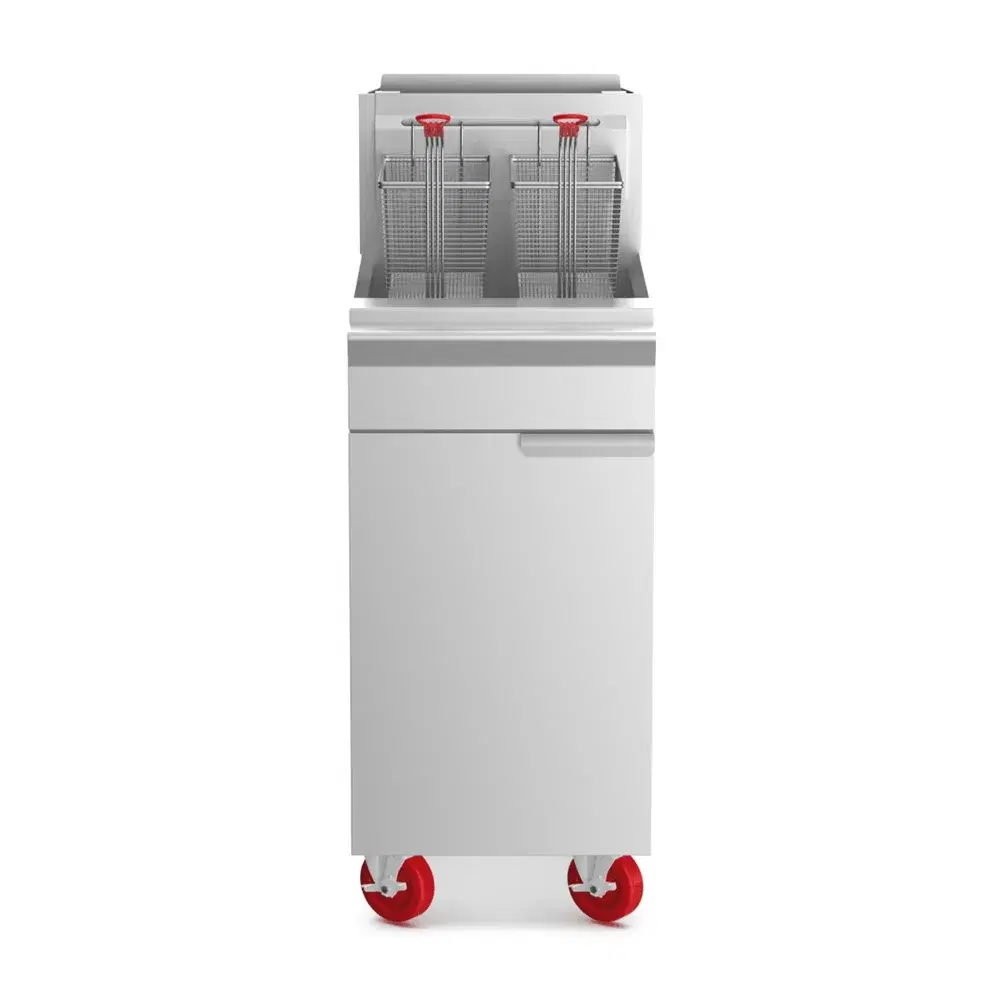
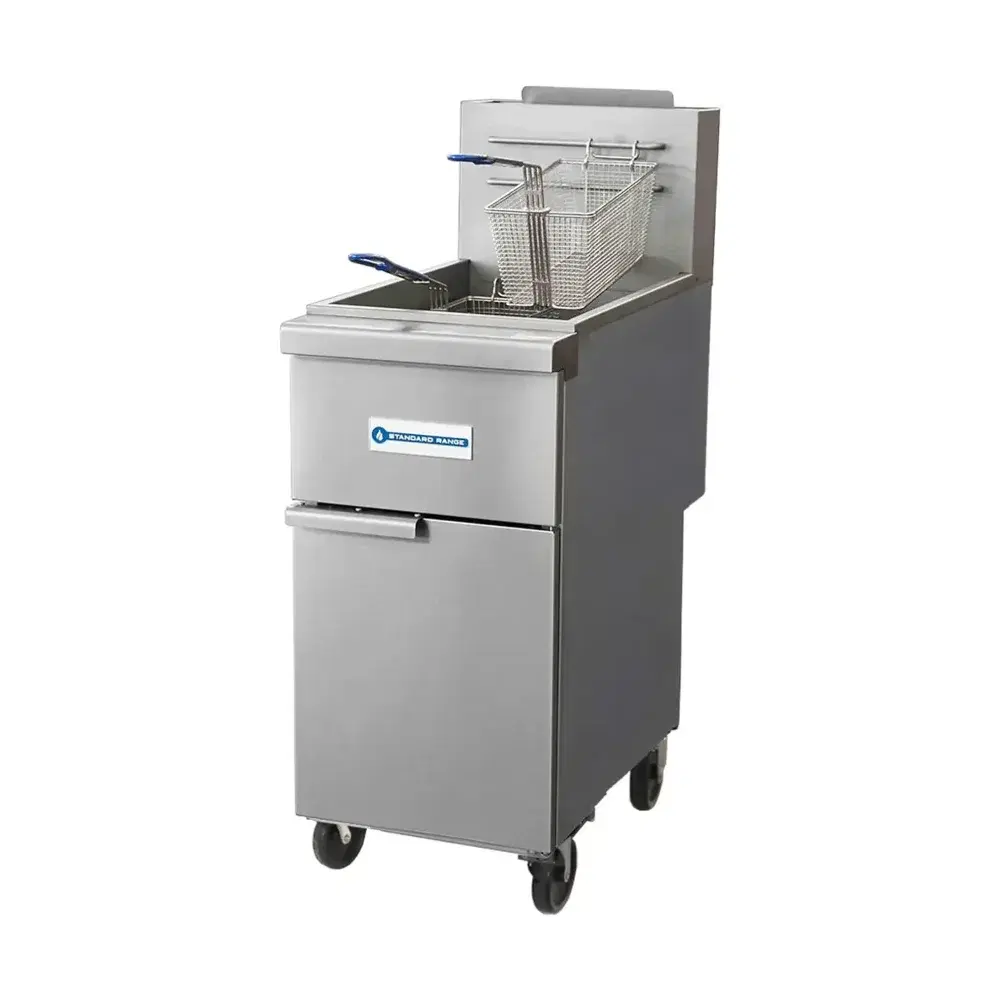
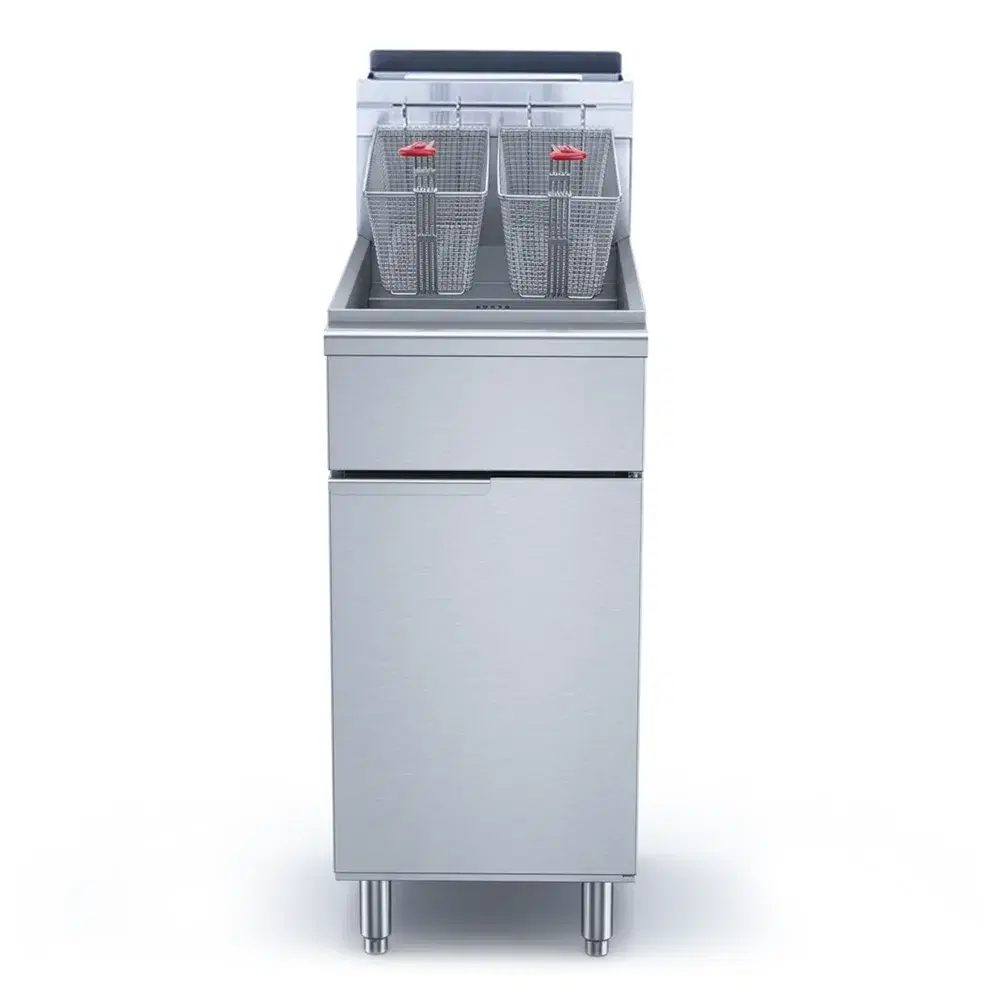
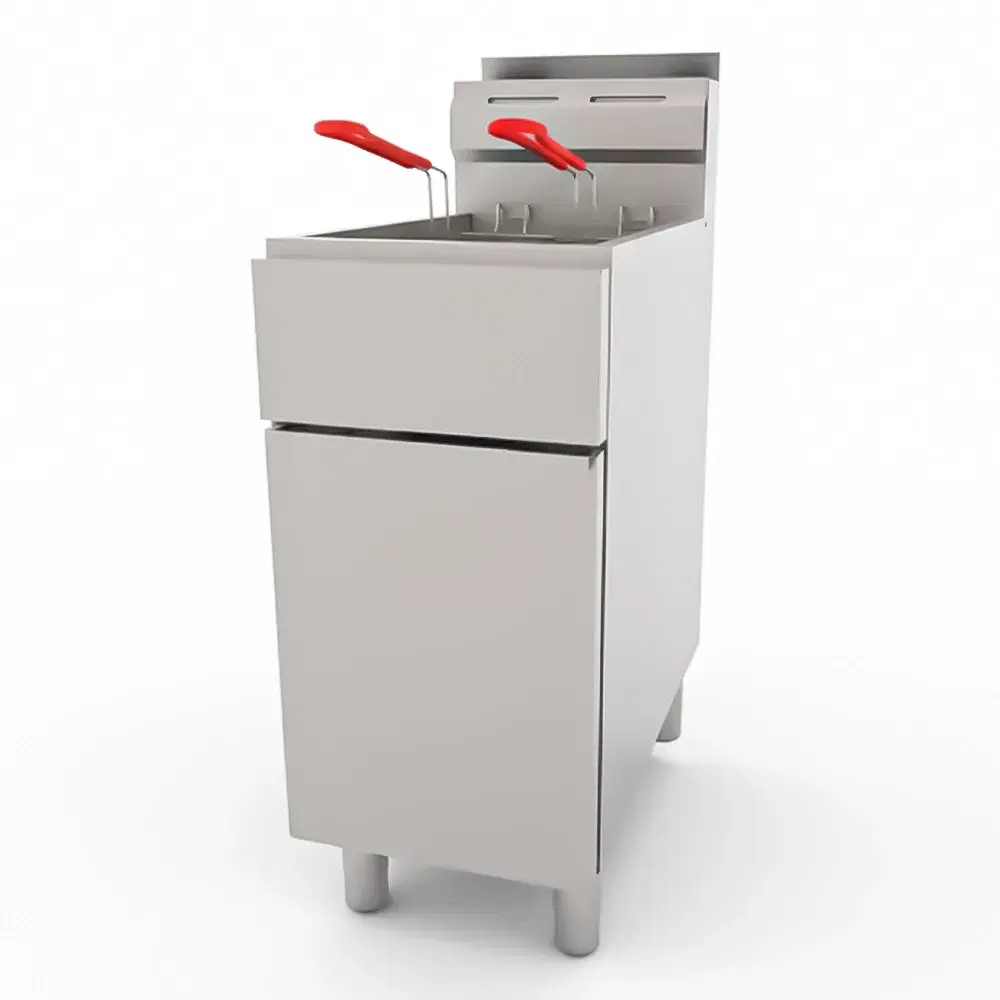
Standard Range 16" Commercial Gas Fryer, Stainless Steel, Natural Gas, 40 lbs Oil Capacity, 90,000 BTU
Model No: SR-F3-NG
⚡ Fast DeliveryShipping Fee
Mostly Ships in 5 to 7 Days
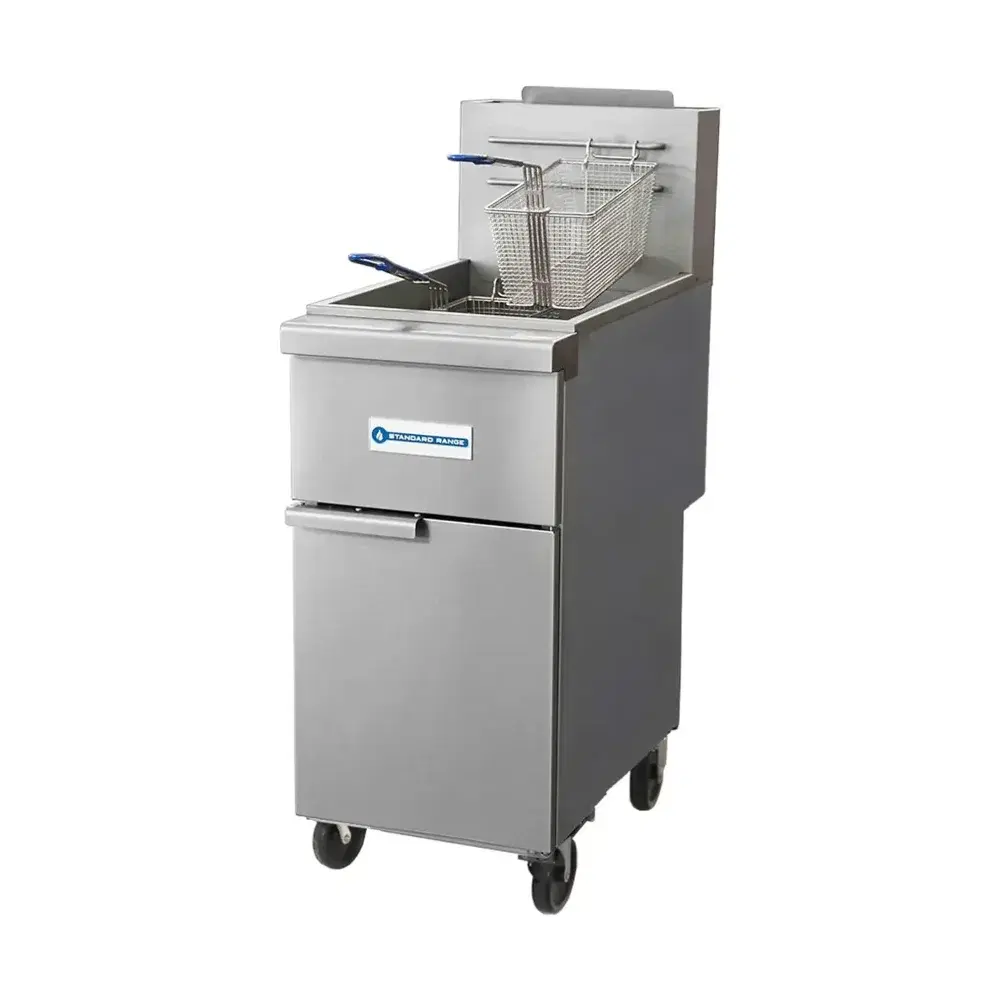
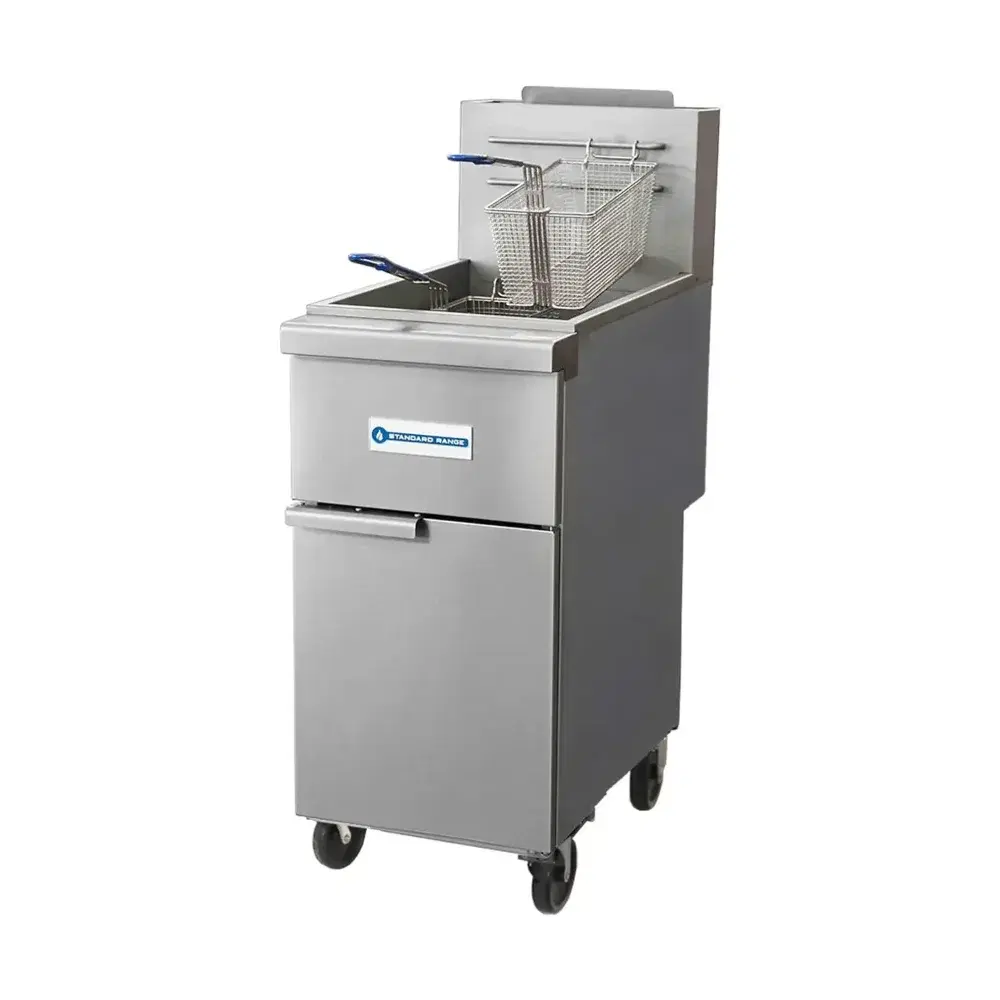
Standard Range 16" Commercial Gas Fryer, Stainless Steel, Liquid Propane, 40 lbs Oil Capacity, 90,000 BTU
Model No: SR-F3-LP
⚡ Fast DeliveryShipping Fee
Mostly Ships in 5 to 7 Days
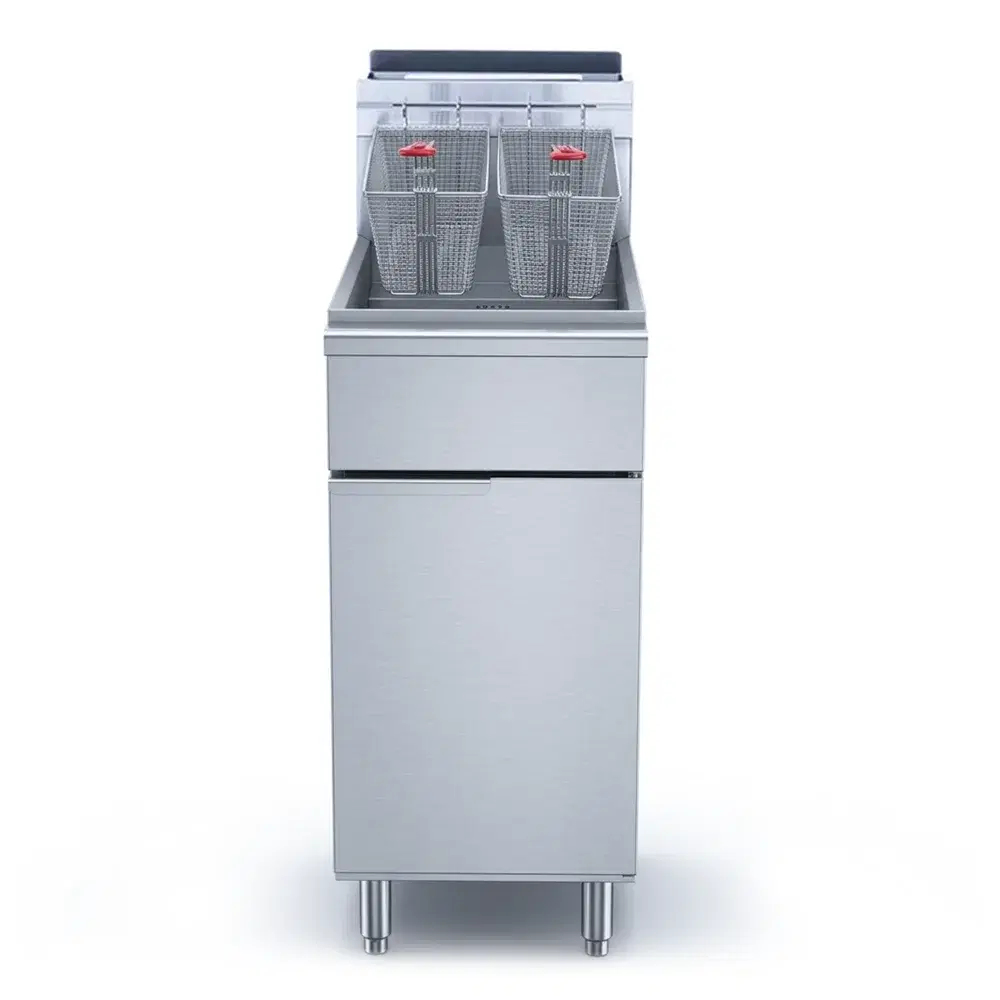
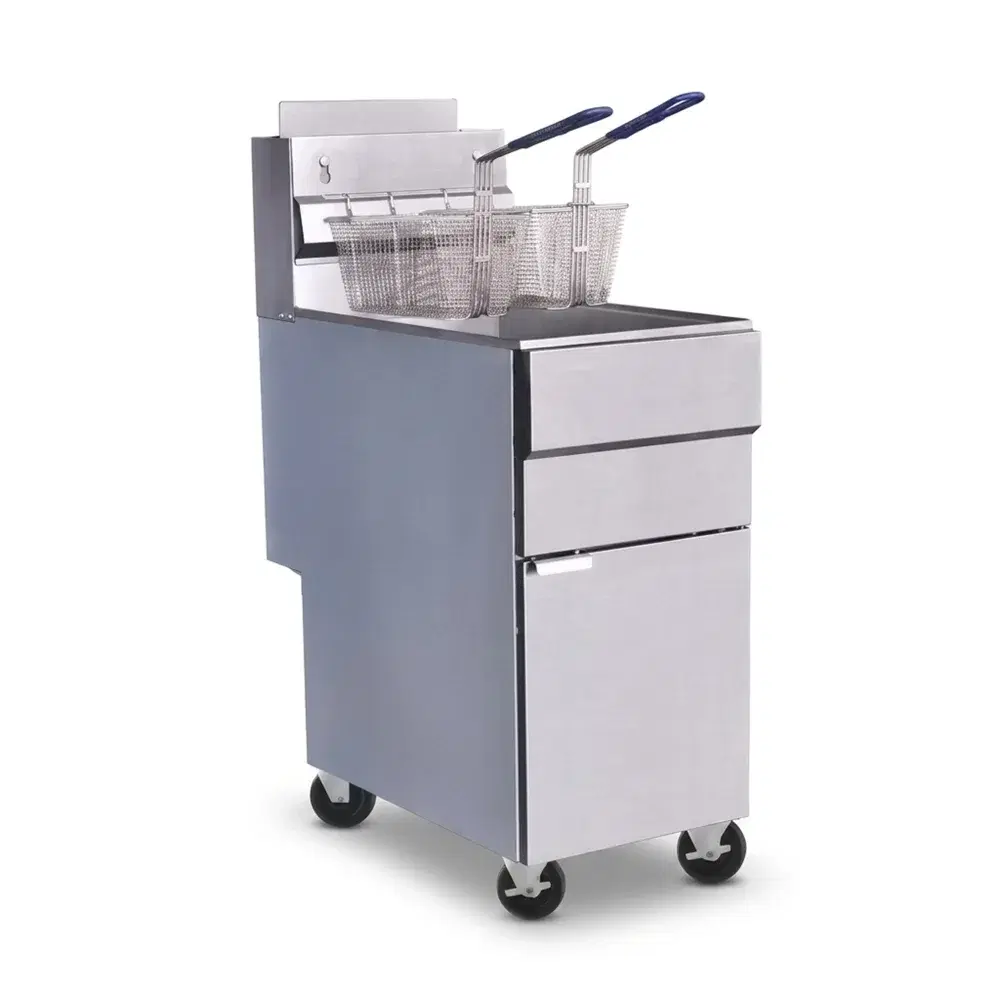
KitchenCore Series Commercial Gas Fryer, 3 Tube Burners, Natural Gas, 40 lbs Oil Capacity, 90,000 BTU
Model No: KWKGF40-NG
⚡ Fast DeliveryShipping Fee
Mostly Ships in 5 to 7 Days
KitchenCore Series Commercial Gas Fryer, 3 Tube Burners, Liquid Propane, 40 lbs Oil Capacity, 90,000 BTU
Model No: KWKGF40-LP
⚡ Fast DeliveryShipping Fee
Mostly Ships in 5 to 7 Days
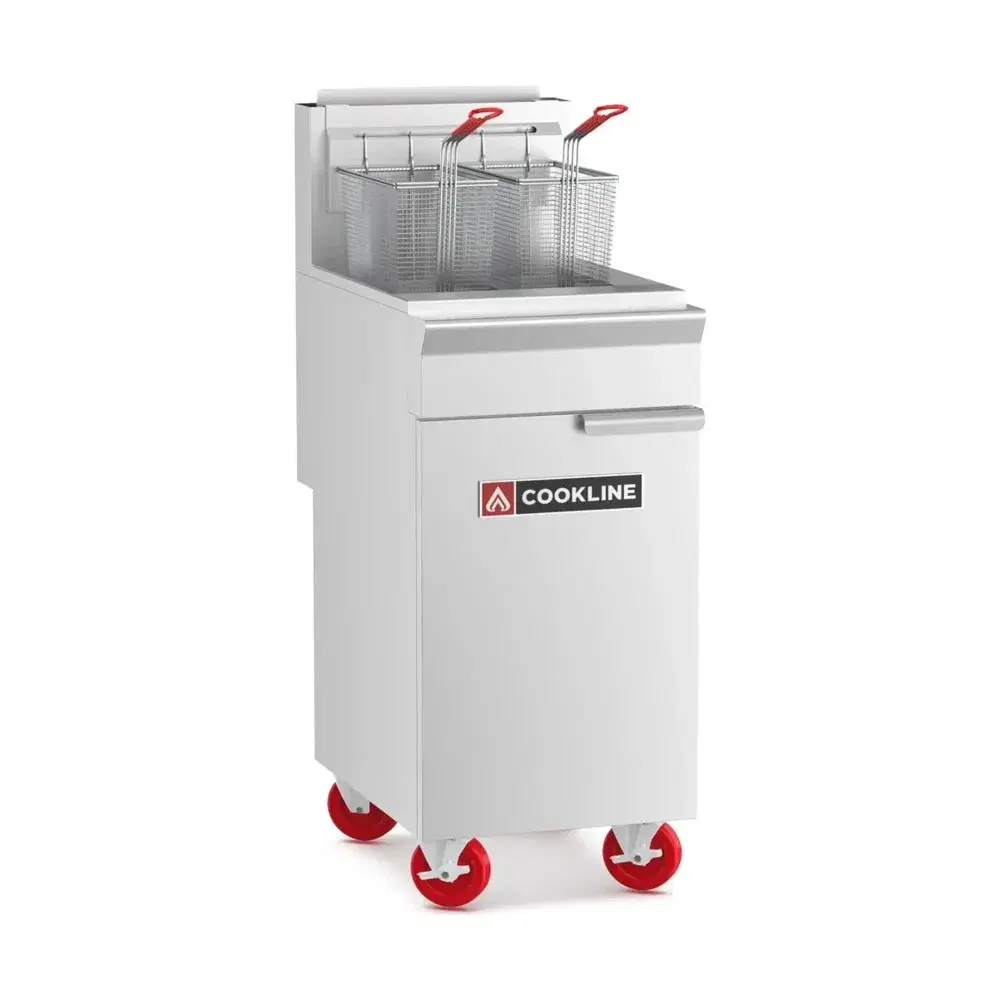
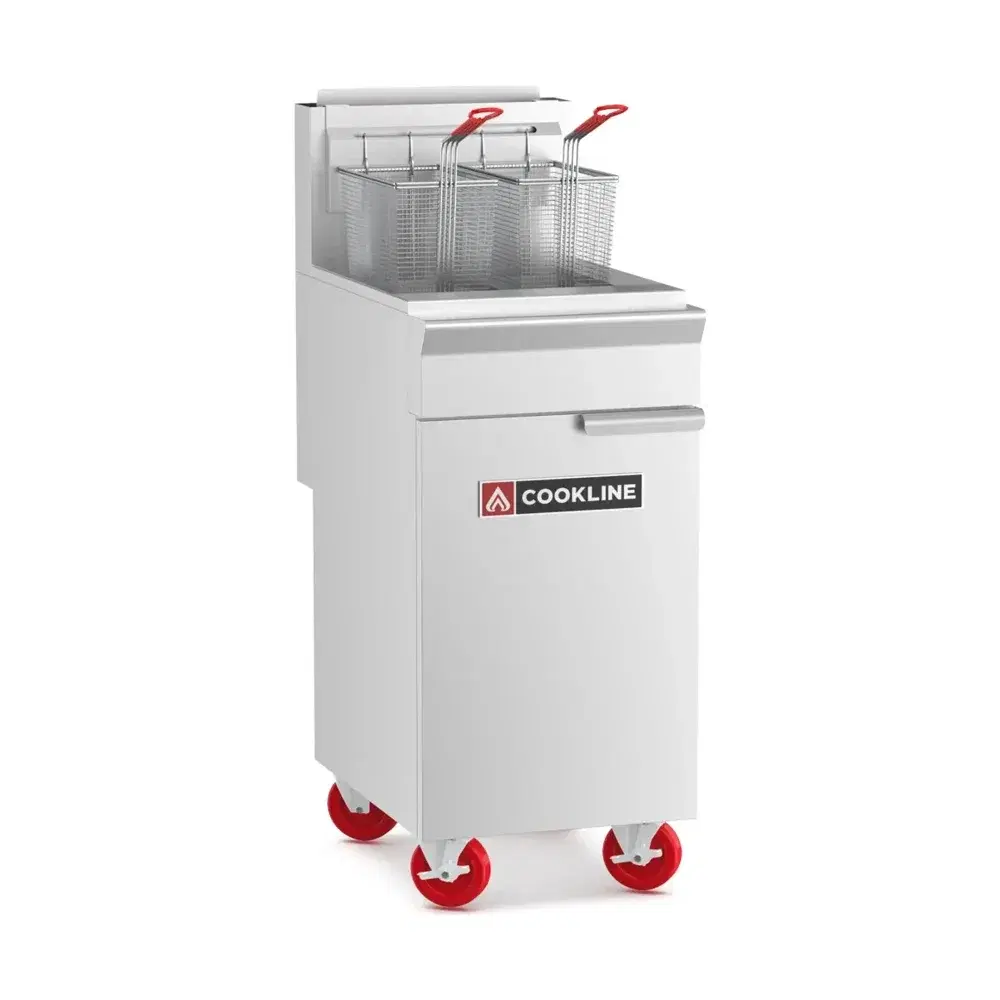
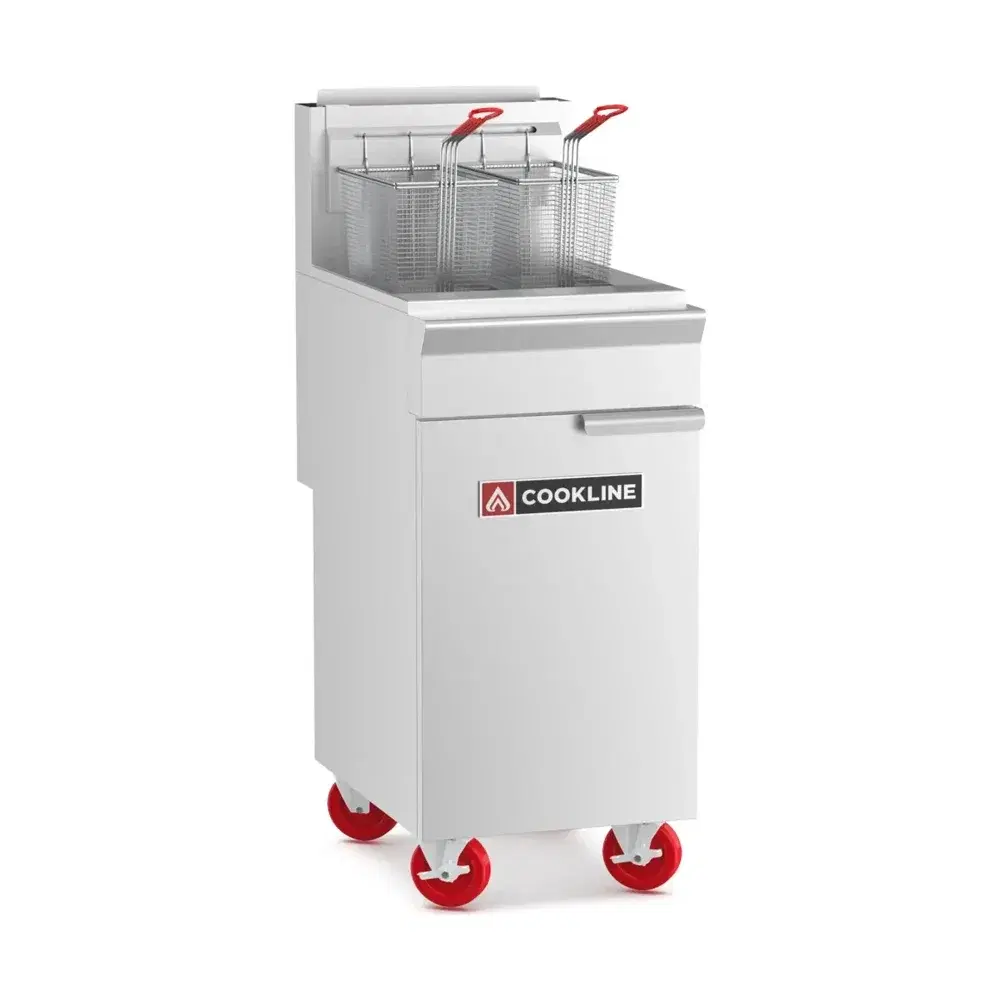
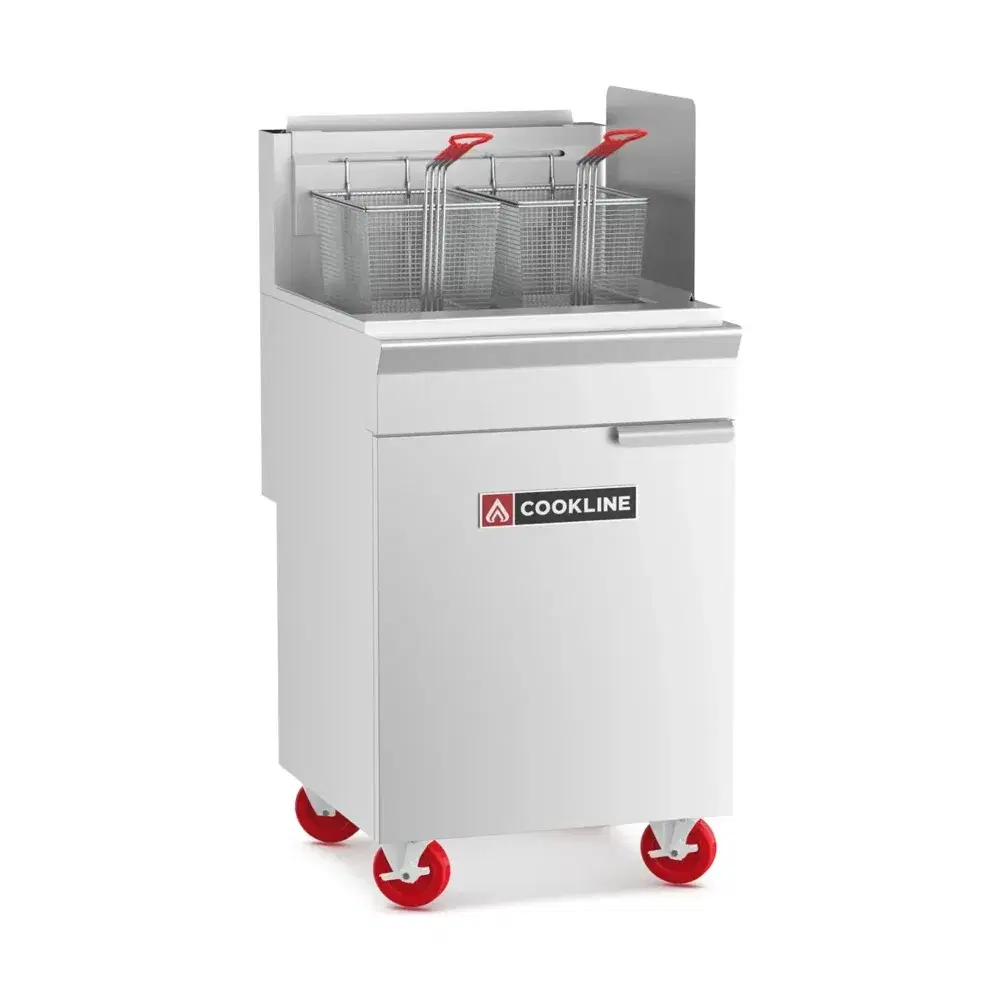
Cookline 16" Commercial Gas Fryer, Natural Gas, 40 lbs Oil Capacity, 90,000 BTU
Model No: CF40-NG
⚡ Fast DeliveryShipping Fee
Mostly Ships in 5 to 7 Days
Cookline 16" Commercial Gas Fryer, 40 lbs Oil Capacity, Liquid Propane, 90,000 BTU
Model No: CF40-LP
⚡ Fast DeliveryShipping Fee
Mostly Ships in 5 to 7 Days
Prepline Commercial Gas Fryer, 4 Tube Burners, Natural Gas, 50 lbs Oil Capacity, 120,000 BTU
Model No: ENFF400N
⚡ Fast DeliveryShipping Fee
Mostly Ships in 5 to 7 Days
Prepline 16" Commercial Gas Fryer, 50 lbs Oil Capacity, Liquid Propane, 120,000 BTU
Model No: ENFF400L
⚡ Fast DeliveryShipping Fee
Mostly Ships in 5 to 7 Days
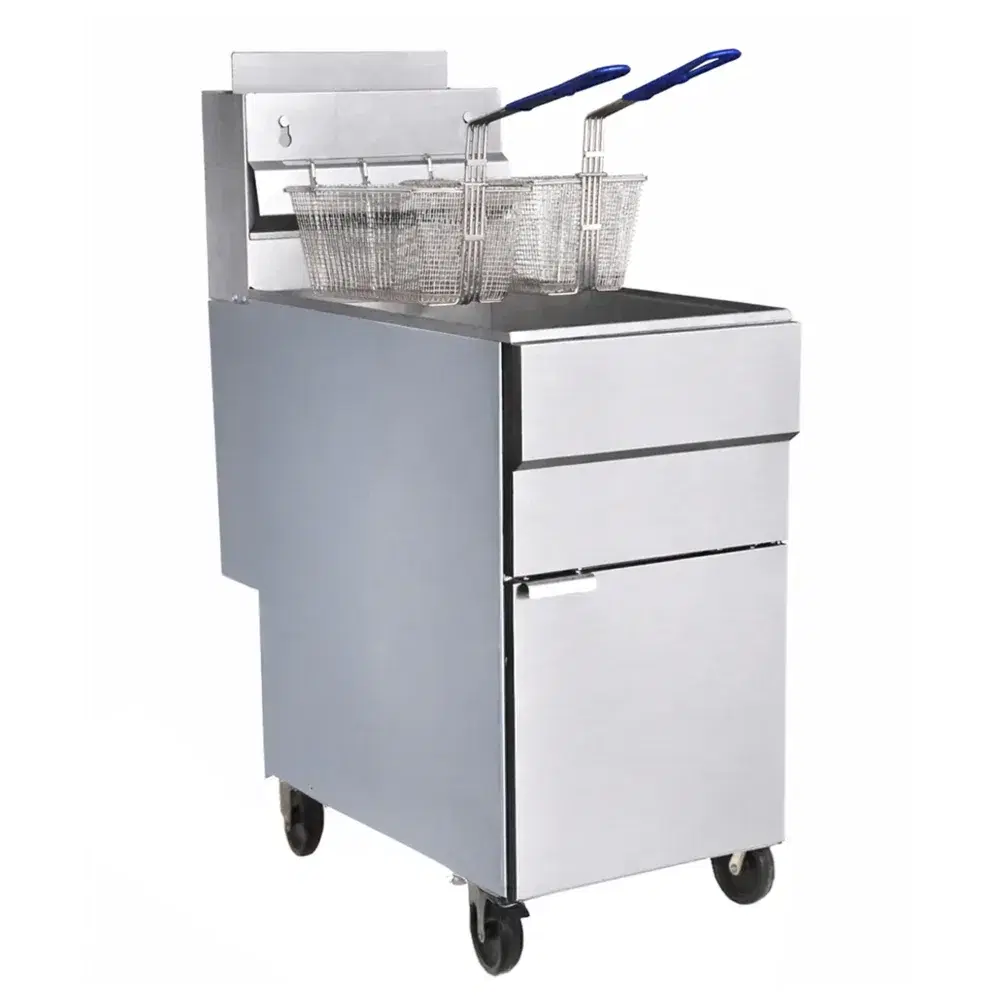
Prepline 16" Commercial Gas Fryer, Natural Gas, 40 lbs Oil Capacity, 90,000 BTU
Model No: ENFF300N
⚡ Fast DeliveryShipping Fee
Mostly Ships in 5 to 7 Days
Standard Range 16" Commercial Gas Fryer, Stainless Steel, Liquid Propane, 50 lbs Oil Capacity, 120,000 BTU
Model No: SR-F4-LP
⚡ Fast DeliveryShipping Fee
Mostly Ships in 5 to 7 Days
Standard Range 16" Commercial Gas Fryer, Stainless Steel, Natural Gas, 50 lbs Oil Capacity, 120,000 BTU
Model No: SR-F4-NG
⚡ Fast DeliveryShipping Fee
Mostly Ships in 5 to 7 Days
KitchenCore Series Commercial Gas Fryer, 4 Tube Burners, Liquid Propane, 50 lbs Oil Capacity, 120,000 BTU
Model No: KWKGF50-LP
⚡ Fast DeliveryShipping Fee
Mostly Ships in 5 to 7 Days
KitchenCore Series Commercial Gas Fryer, 4 Tube Burners, Natural Gas, 50 lbs Oil Capacity, 120,000 BTU
Model No: KWKGF50-NG
⚡ Fast DeliveryShipping Fee
Mostly Ships in 5 to 7 Days
Cookline 16" Commercial Gas Fryer, 50 lbs Oil Capacity, Natural Gas, 120,000 BTU
Model No: CF50-NG
⚡ Fast DeliveryShipping Fee
Mostly Ships in 5 to 7 Days
Cookline 16" Commercial Gas Fryer, 50 lbs Oil Capacity, Liquid Propane, 120,000 BTU
Model No: CF50-LP
⚡ Fast DeliveryShipping Fee
Mostly Ships in 5 to 7 Days
Platinum Flame Series 16" Commercial Gas Fryer, 3 Burners, 40 lb Vat, 90,000 BTU - Convertible
Model No: WKCGF90
⚡ Fast DeliveryShipping Fee
Mostly Ships in 2 to 3 Days
KitchenCore Series Commercial Gas Fryer, Liquid Propane, 40 lbs Oil Capacity, 105,000 BTU, 1 Year Warranty
Model No: KCGF40-L
Shipping Fee
Mostly Ships in 5 to 7 Days
KitchenCore Series Commercial Gas Fryer, Natural Gas, 40 lbs Oil Capacity, 105,000 BTU, 1 Year Warranty
Model No: KCGF40-N
Shipping Fee
Mostly Ships in 5 to 7 Days
Cookline 16" Commercial Gas Fryer, 75 lbs Oil Capacity, Natural Gas, 150,000 BTU
Model No: CF75-NG
⚡ Fast DeliveryShipping Fee
Mostly Ships in 5 to 7 Days

HorecaStore offers commercial gas fryers engineered for durability and peak performance in fast-paced kitchens. Our fryers meet rigorous UL safety and EPH Classified certifications, ensuring compliance and peace of mind. Designed for heavy-duty use, they deliver even heating and consistent cooking results every time. With trusted brands and expert advice, we help you find the perfect fryer tailored to your kitchen’s volume and menu needs. Competitive pricing and prompt delivery make upgrading your frying equipment hassle-free. Our reliable after-sales support and maintenance services keep your fryer running efficiently. Energy-efficient designs reduce operational costs while maintaining high output. Partner with HorecaStore for frying solutions trusted by thousands of hospitality professionals.
HorecaStore offers a wide range of top commercial gas fryer models designed to meet the diverse needs of professional kitchens. Our selection includes fryers with rapid heat recovery, adjustable temperature controls, and energy-saving technology to optimize cooking efficiency. Many models feature large oil capacities, ensuring longer frying cycles and less downtime for oil changes. Built with durable stainless steel construction, these fryers withstand heavy use while maintaining easy cleaning and maintenance. Advanced safety features such as automatic shut-off and cool-touch handles protect your staff during busy service hours. User-friendly digital controls allow precise temperature settings for consistent results. Whether you need countertop, floor model, or high-capacity fryers, HorecaStore has options to fit every kitchen layout. Experience enhanced performance and reliability with our best-in-class commercial gas fryers.
HorecaStore provides premium gas fryer equipment trusted by thousands of hospitality professionals for its reliability and performance. Our direct partnerships with top manufacturers enable us to offer competitive pricing without compromising on quality or safety certifications. We prioritize fast and secure delivery, ensuring your kitchen stays up and running with minimal downtime. Every fryer in our range is built to withstand the rigors of busy commercial kitchens, offering durability and ease of maintenance. Our knowledgeable support team assists you in selecting the right fryer to match your kitchen’s needs and volume. With energy-efficient designs, our fryers help reduce operating costs while maintaining consistent cooking results. Comprehensive warranties and after-sales service provide added peace of mind. Choose HorecaStore for trusted, long-lasting frying solutions that elevate your kitchen’s efficiency.
Lowest Pricing Guaranteed
Save 30–45% on high-quality gas fryer equipment through our direct relationships with leading manufacturers. We offer special volume pricing for restaurant chains, hotel kitchens, catering companies, and foodservice operations—helping you get top-tier fryers at unmatched value.
Fast & Reliable Delivery
Our logistics network is built for the foodservice industry. We deliver gas fryer units securely and quickly to major metro areas, with proper handling, sturdy packaging, and real-time shipping updates. Your equipment arrives ready for installation—no delays, no damage, and no downtime.
Engineered for Commercial Performance
Our gas fryers are designed for speed, safety, and high-volume output. From single and double tank models to floor-standing or countertop designs, each unit offers rapid heat recovery, precision temperature control, and consistent frying results—perfect for busy kitchens.
Certified for Safety & Efficiency
Every fryer we offer is rigorously tested and certified for commercial use, meeting industry standards for energy efficiency, food safety, and fire protection. Whether it’s a QSR, hotel kitchen, or central commissary, you can count on our equipment to deliver safe, efficient results.
Trusted by 5,000+ Foodservice Operators
With over years of industry experience, HorecaStore is the go-to source for reliable commercial kitchen equipment. Thousands of chefs, procurement heads, and hospitality professionals trust us for products that perform in the most demanding environments.
Q. Best commercial gas fryer for a small restaurant
Answer- The best commercial gas fryers for small restaurants include Serv-ware, Bakemax, Atosa, Dukers, Henny Penny, and Kitchencore Series, all offering reliable frying solutions perfectly scaled for compact operations. Serv-ware and Bakemax provide efficient gas fryers with appropriate oil capacities and BTU outputs ideal for cafes and small eateries serving moderate volumes of fried foods. Atosa and Dukers deliver dependable commercial gas frying equipment featuring durable construction and consistent temperature control suitable for limited kitchen spaces. Henny Penny offers quality gas fryers known for reliable performance and efficient operation in smaller foodservice environments. Kitchencore Series provides cost-effective gas frying solutions with solid construction perfect for startup restaurants and food trucks. All six brands offer small restaurant owners the professional frying capabilities, space-efficient designs, and reliable performance essential for producing quality fried menu items without overwhelming limited kitchen square footage or equipment budgets.
Q. Top-rated commercial gas fryers with energy efficiency
Answer- Top-rated commercial gas fryers with energy efficiency include Serv-ware, Bakemax, Atosa, Dukers, Henny Penny, and Kitchencore Series, all offering fuel-saving designs that reduce operational costs. Serv-ware and Bakemax provide gas fryers with efficient burner systems and improved insulation that minimize gas consumption while maintaining optimal frying temperatures. Atosa and Dukers deliver energy-conscious commercial fryers featuring optimized heat transfer and recovery systems that reduce fuel waste during high-volume operations. Henny Penny offers advanced gas frying technology with energy-efficient designs that lower utility expenses without compromising cooking performance. Kitchencore Series provides economical gas fryers with fuel-saving features suitable for budget-conscious operations. All six brands help restaurants reduce their gas consumption and environmental impact while maintaining the consistent frying temperatures and quick recovery times essential for producing quality fried foods efficiently in commercial kitchen environments.
Q. Where to buy commercial gas fryers with fast shipping in the US
Answer- HorecaStore is your premier online destination for purchasing commercial gas fryers with fast shipping services throughout the United States. Their efficient order processing system delivers gas fryers from trusted brands like Serv-ware, Bakemax, Atosa, Dukers, Henny Penny, and Kitchencore Series promptly to your restaurant location. HorecaStore provides expedited shipping options, order tracking capabilities, competitive pricing, and secure online ordering that minimizes equipment downtime. With streamlined logistics, responsive customer support, and commitment to timely delivery, HorecaStore ensures restaurants and foodservice operations receive their essential commercial gas frying equipment quickly, keeping kitchens operational and ready to serve customers without lengthy waiting periods.
Q. How to choose the right size commercial gas fryer for heavy use
Answer- Choosing the right size commercial gas fryer for heavy use requires calculating your peak hourly production needs by estimating how many pounds of food you'll fry during busiest service periods. Essential considerations include fry pot dimensions that accommodate your typical basket loads, whether single or multiple vat configurations better suit your menu variety and volume, floor space availability for the unit plus safe clearances, and recovery time specifications indicating how quickly the fryer returns to cooking temperature after loading. For heavy-use operations, prioritize commercial-grade construction with durable components, high-efficiency burner systems that maintain consistent temperatures during continuous operation, adequate filtration systems for oil longevity, and whether your gas supply and ventilation can support the fryer's requirements to ensure reliable performance during demanding service periods.
Q. Best commercial gas fryer models for high-volume frying
Answer- The best commercial gas fryer models for high-volume frying include Serv-ware, Bakemax, Atosa, Dukers, Henny Penny, and Kitchencore Series, all offering robust frying solutions designed for demanding production environments. Serv-ware and Bakemax provide heavy-duty gas fryers with large oil capacities, powerful BTU outputs, and rapid recovery times that maintain consistent frying temperatures during continuous operation. Atosa and Dukers deliver high-capacity commercial fryers featuring durable construction and efficient heating systems capable of processing substantial food volumes during peak service periods. Henny Penny offers professional-grade gas fryers renowned for reliability and performance in high-volume restaurant and institutional kitchens. Kitchencore Series provides dependable large-capacity frying equipment suitable for busy operations. All six brands deliver the oil capacity, heating power, and operational reliability essential for restaurants, fast-food establishments, and institutional kitchens processing hundreds of pounds of fried foods daily while maintaining quality and efficiency.