Discover Exceptional Products and Unmatched Service.

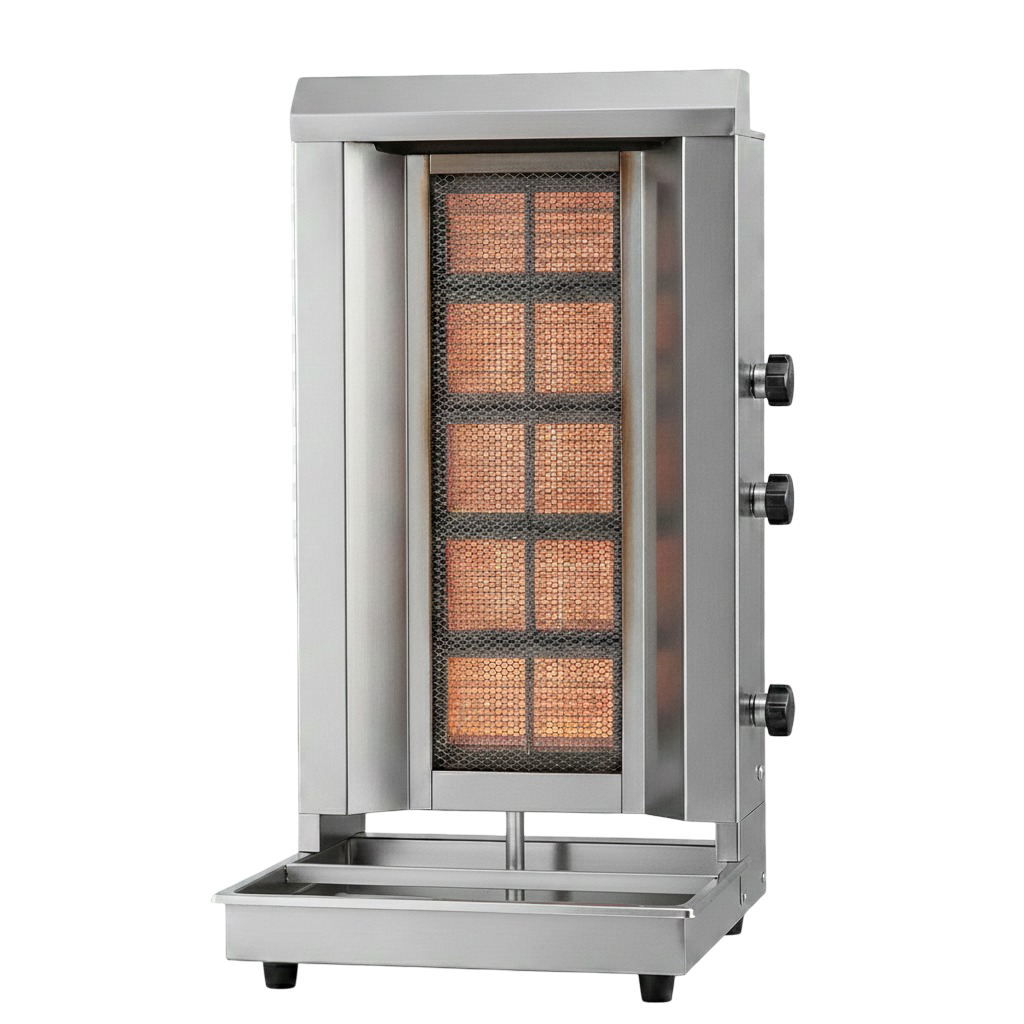
Gyro Machine
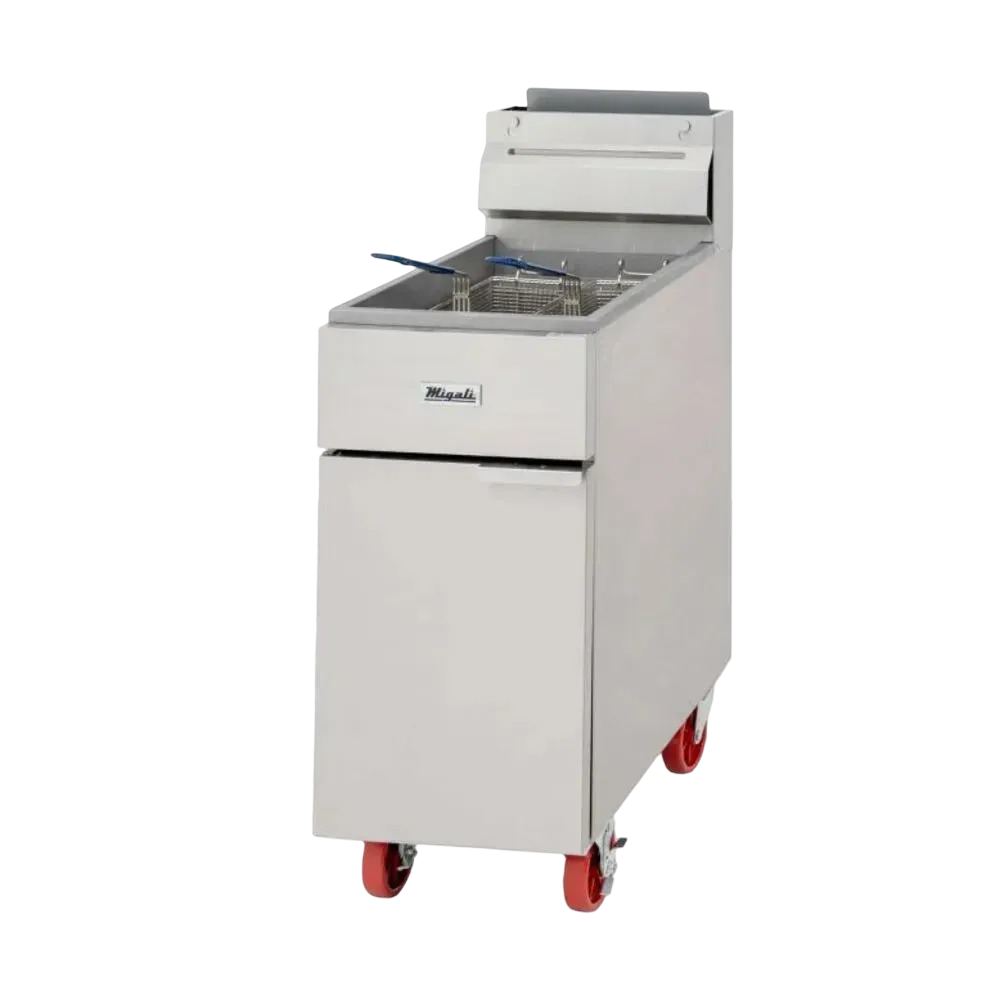
Commercial Gas Fryer
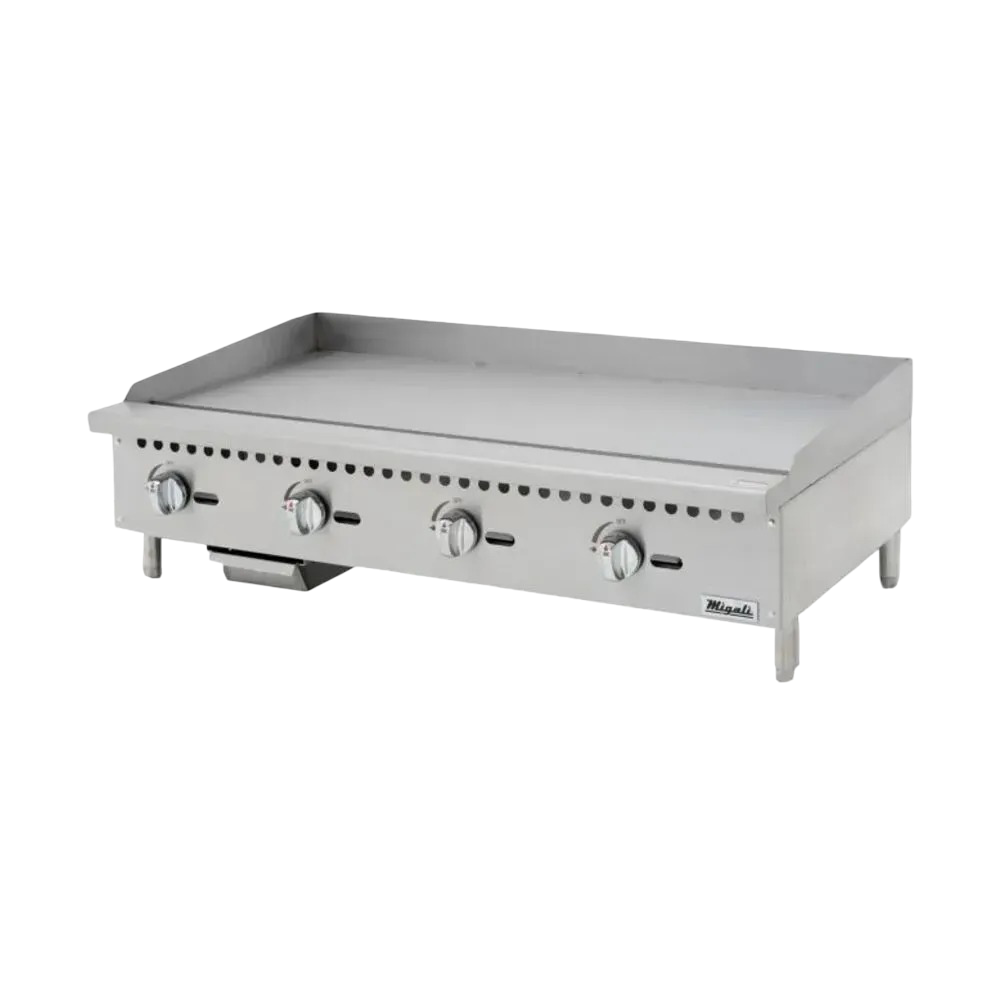
Gas Griddle
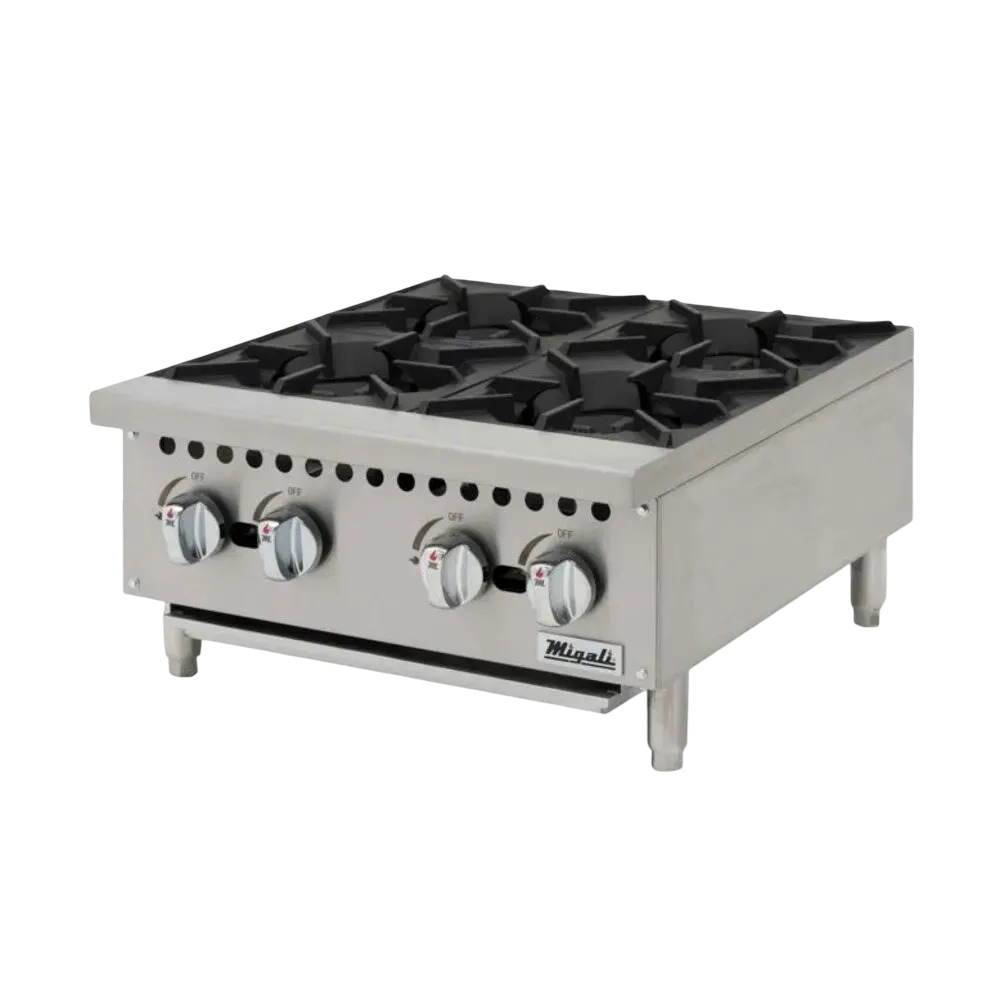
Countertop Gas Range
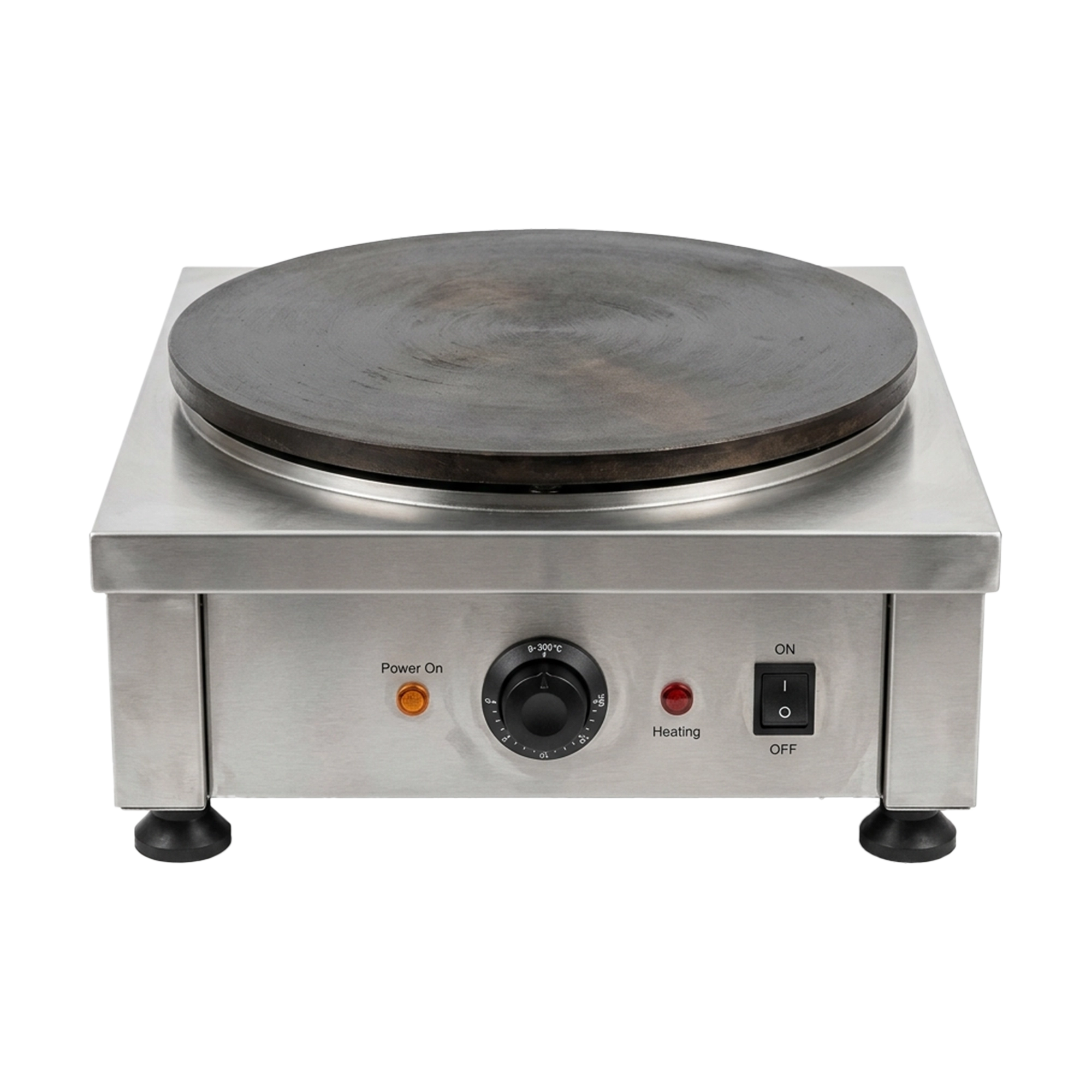
Crepe Makers
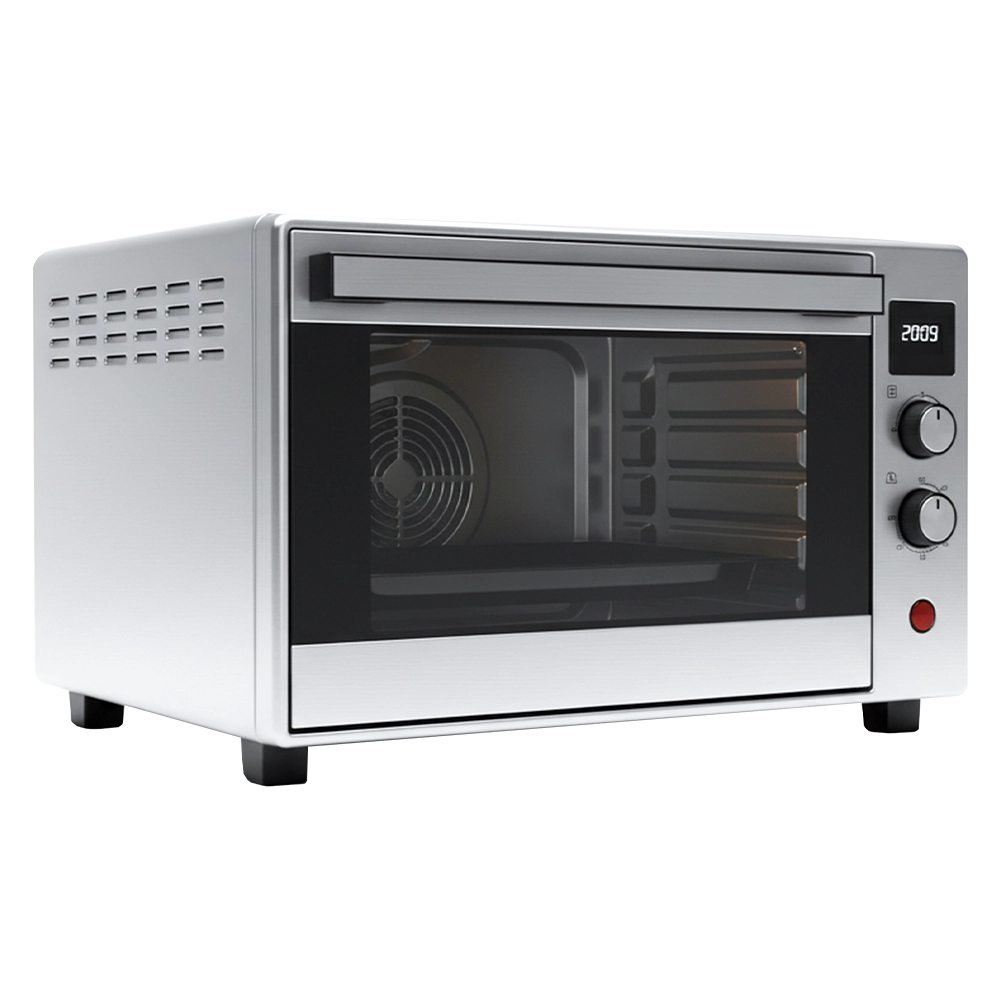
Countertop Convection Oven
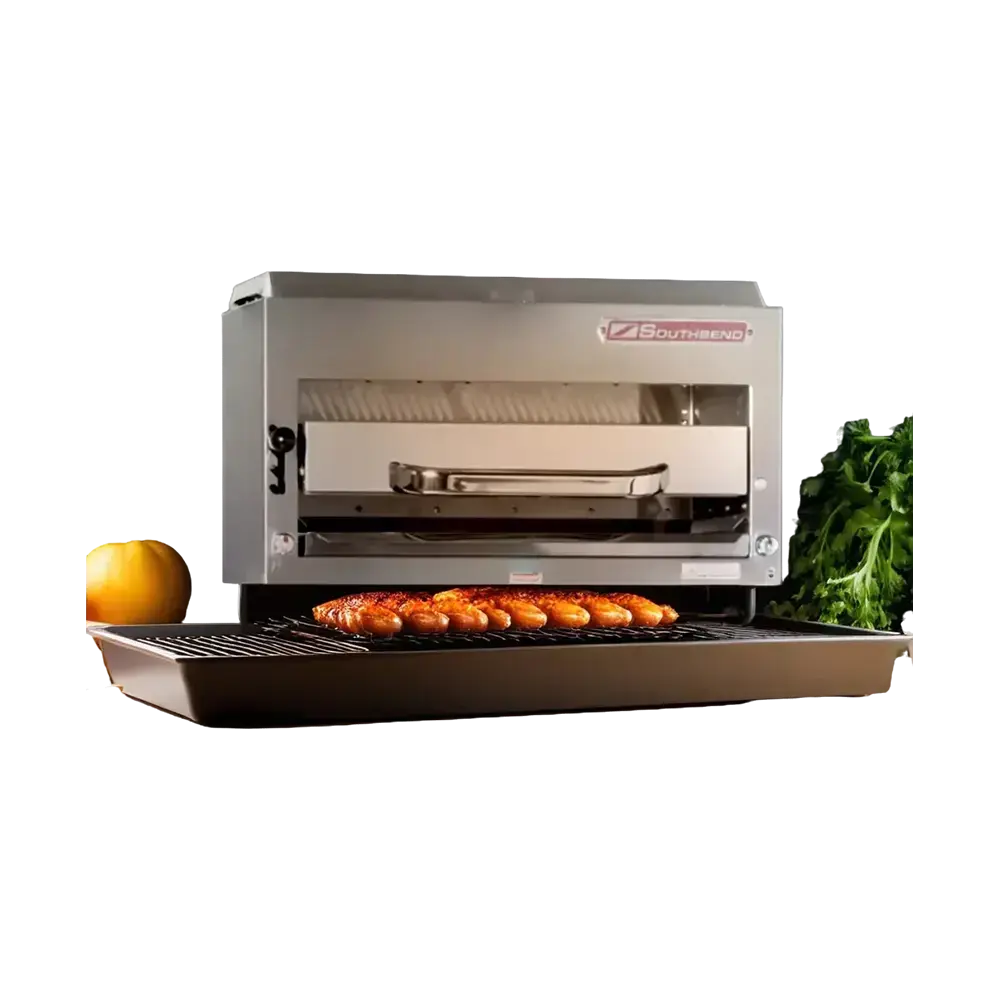
Salamander Broiler
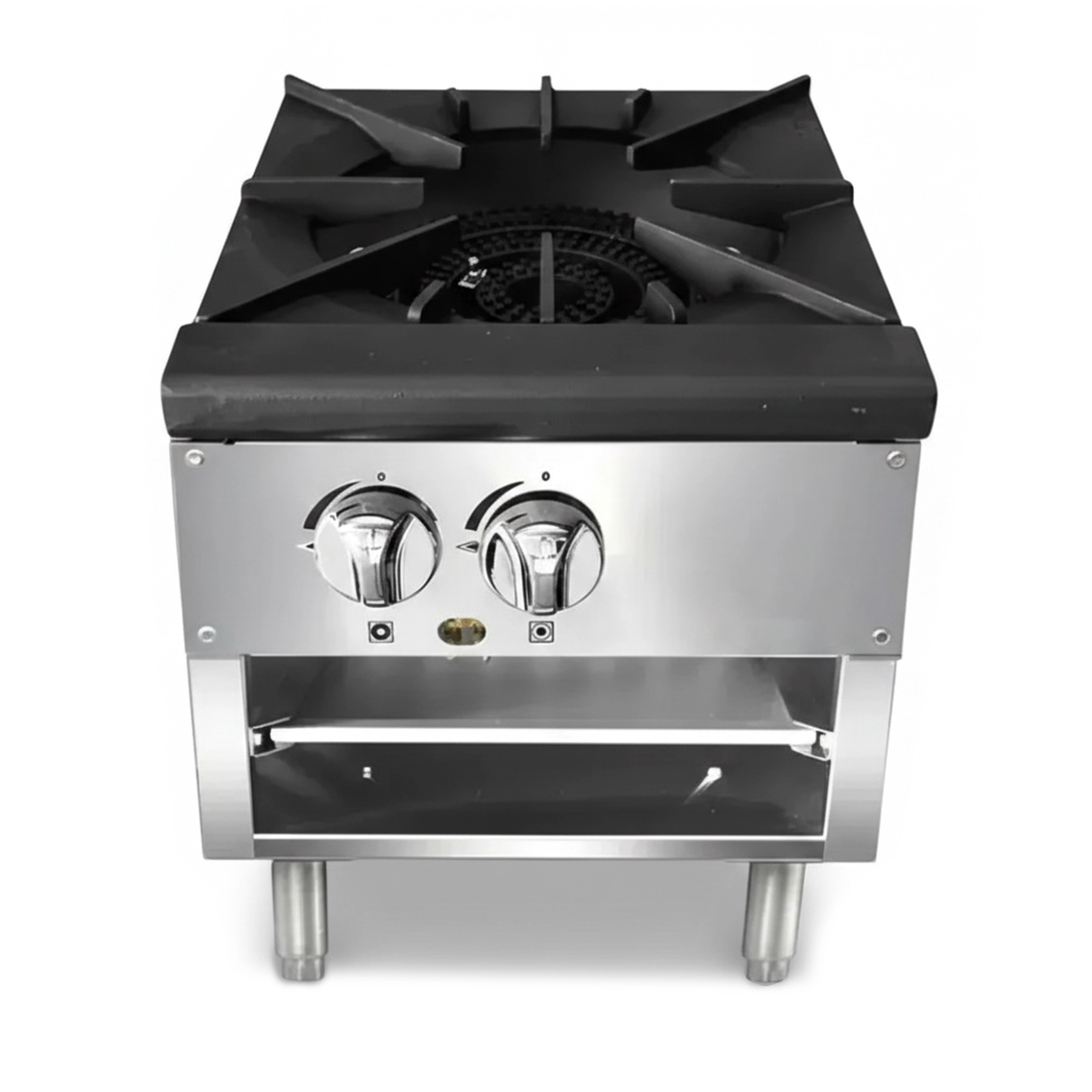
Stock Pot Range

Conveyor Toaster
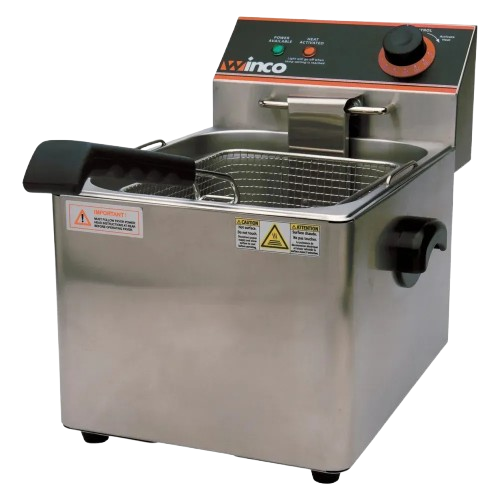
Commercial Electric Fryer
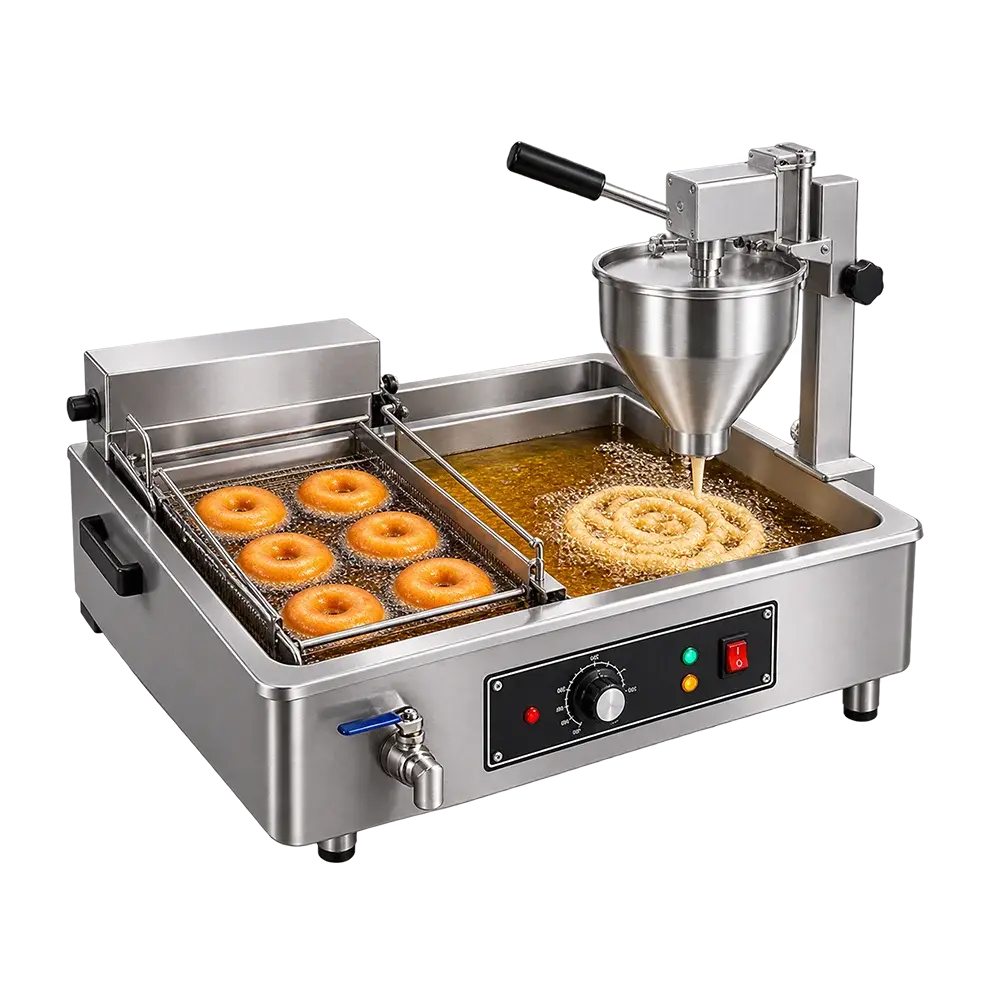
Donut Fryers & Funnel Cake Fryers
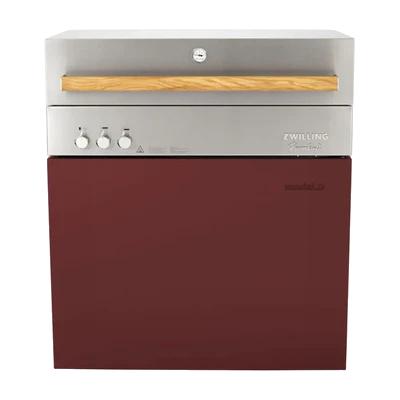
Rotisserie Ovens
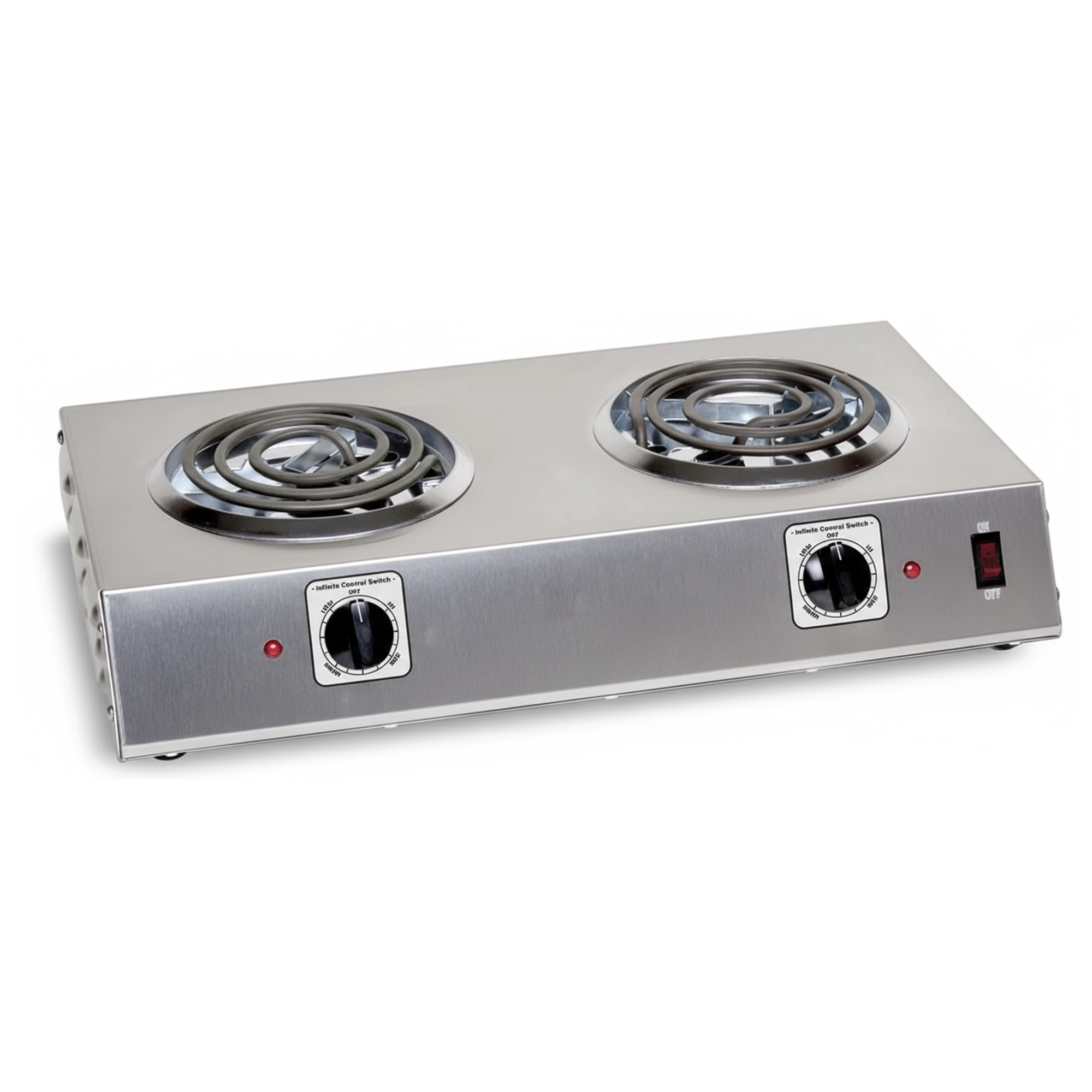
Countertop Electric Ranges and Hot Plates
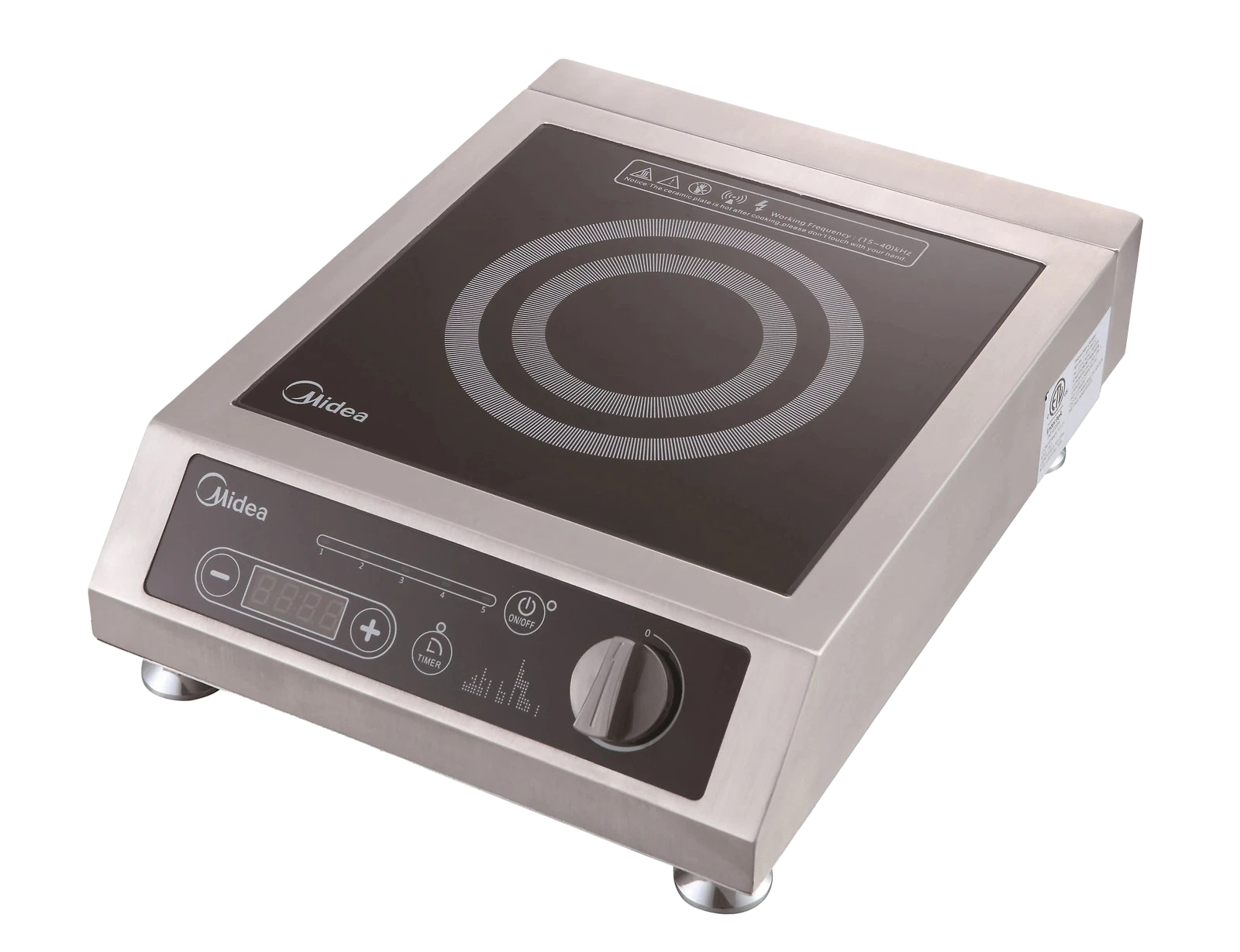
Induction Range
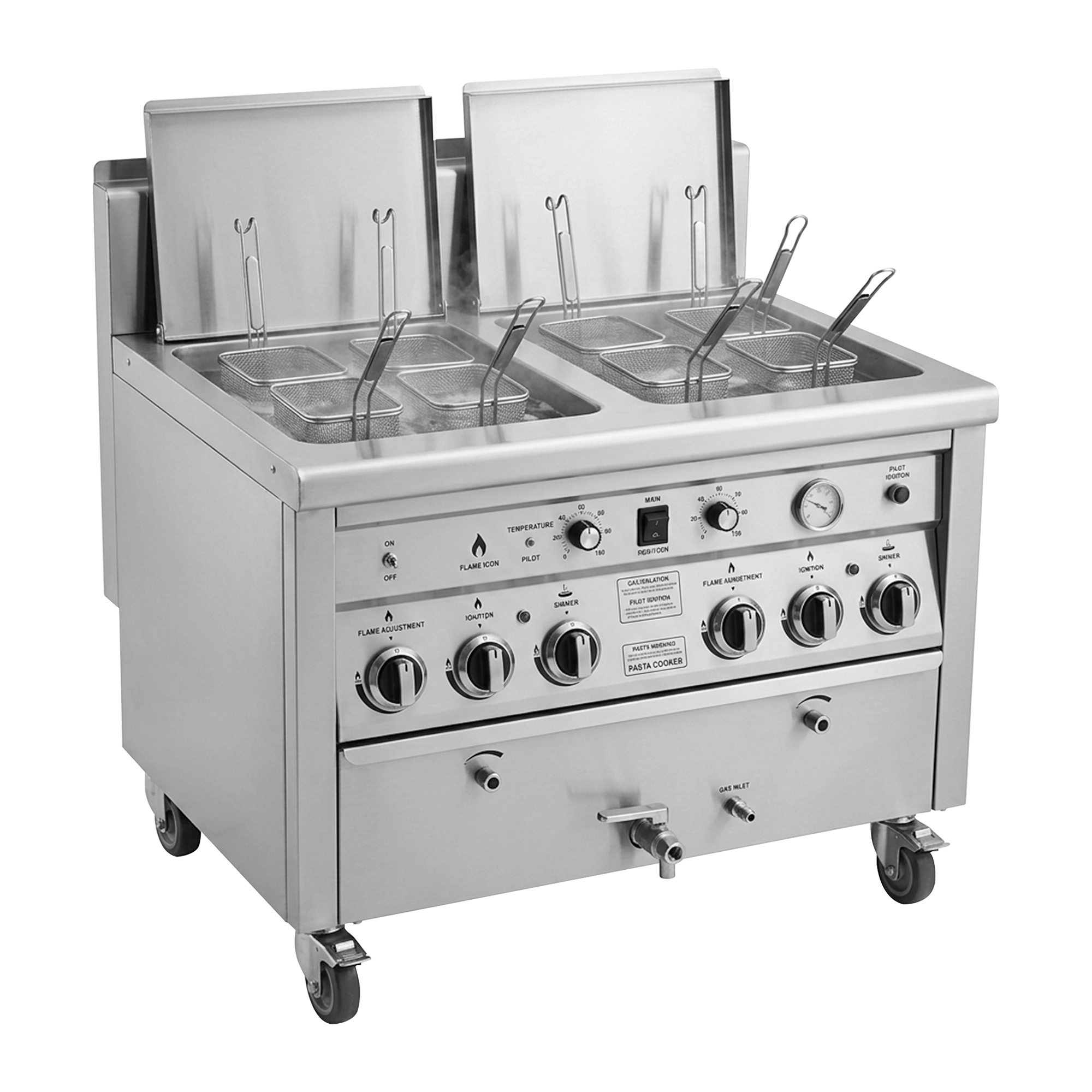
Pasta Cookers
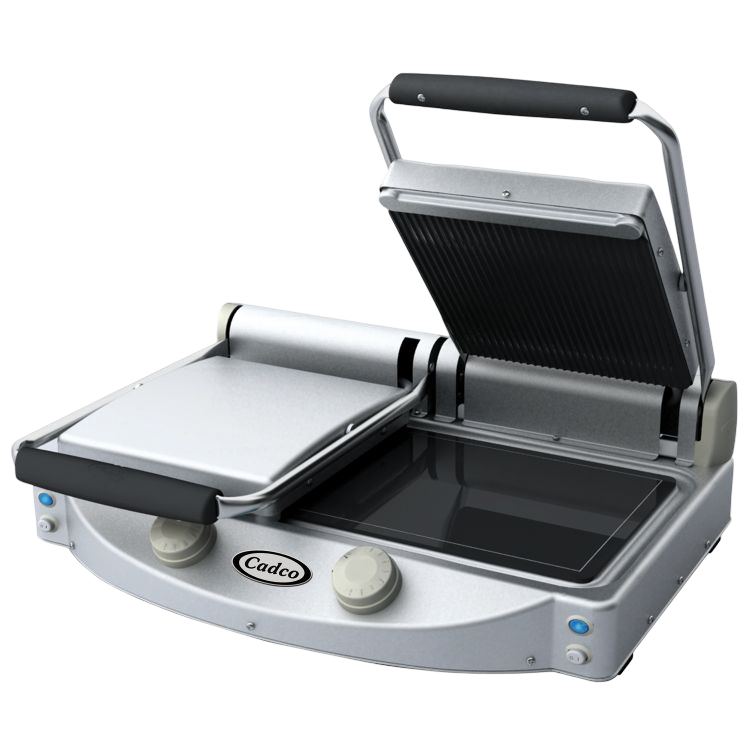
Sandwich Press & Panini Grill
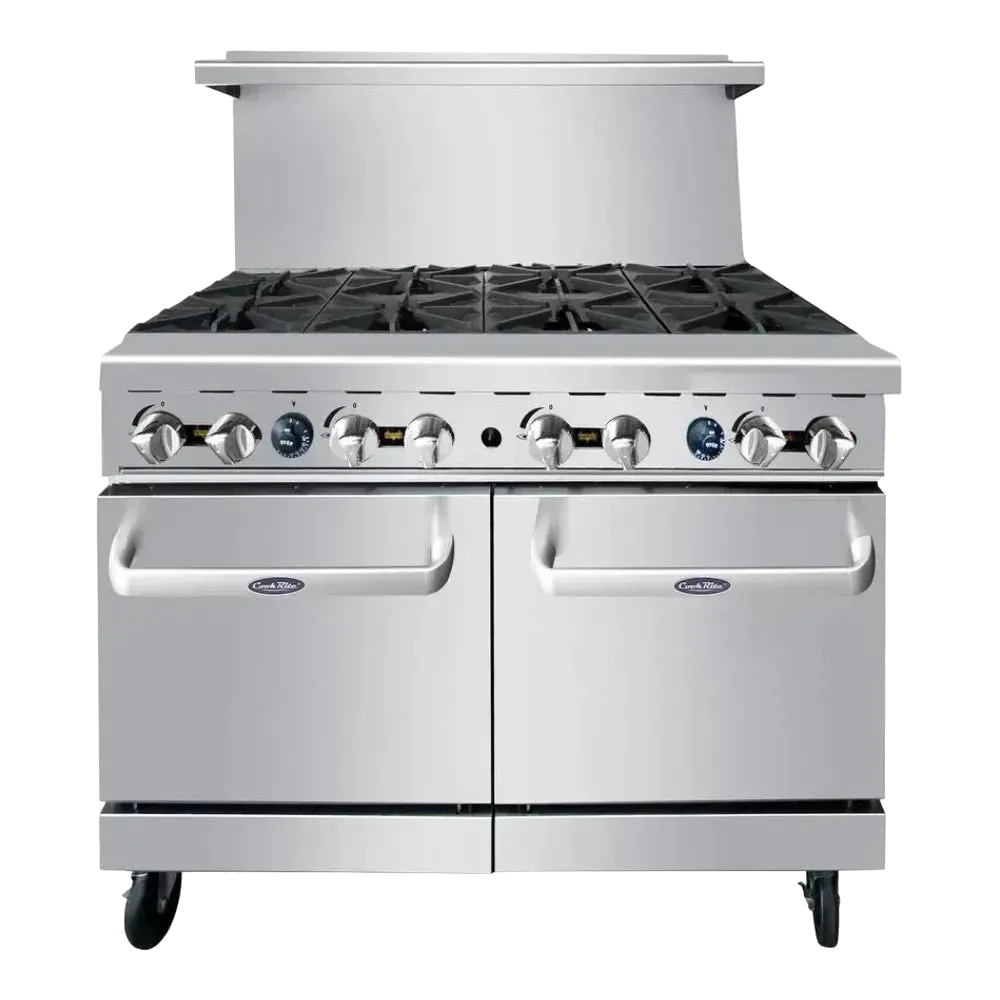
Commercial Gas Range
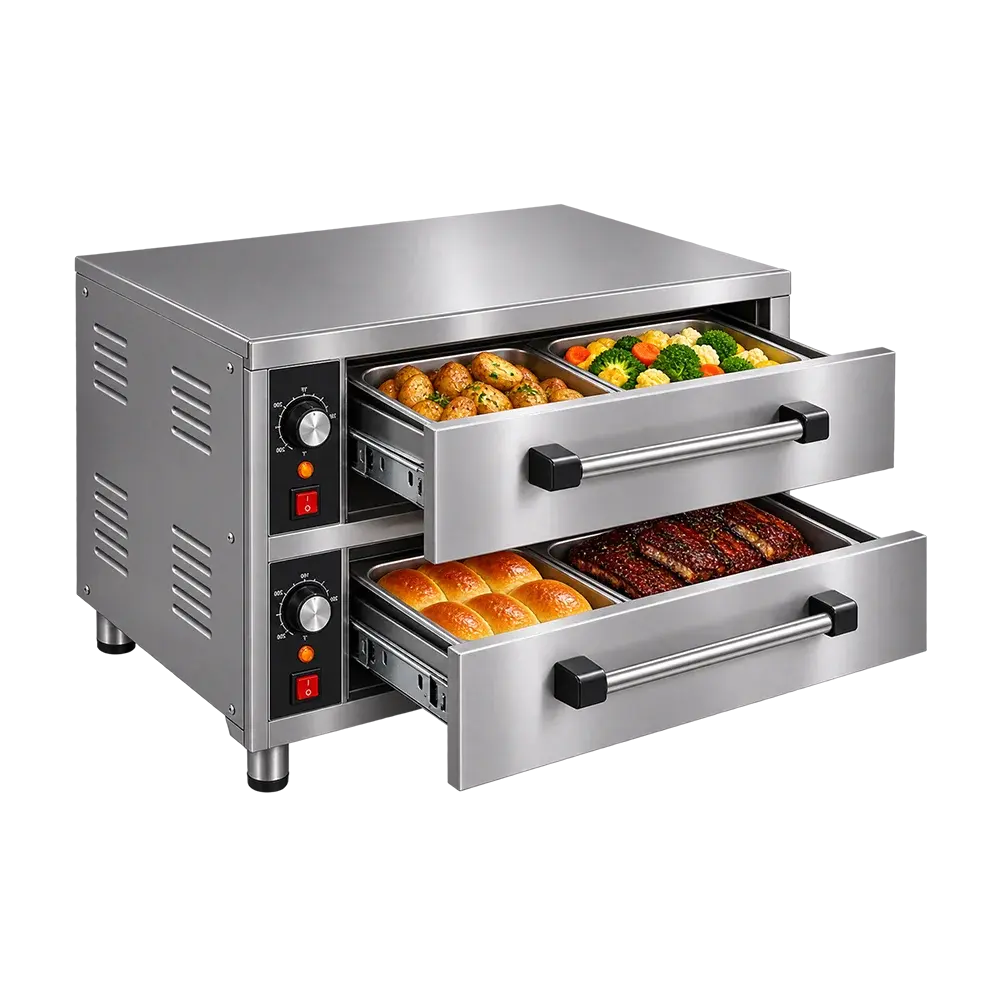
Drawer Warmers
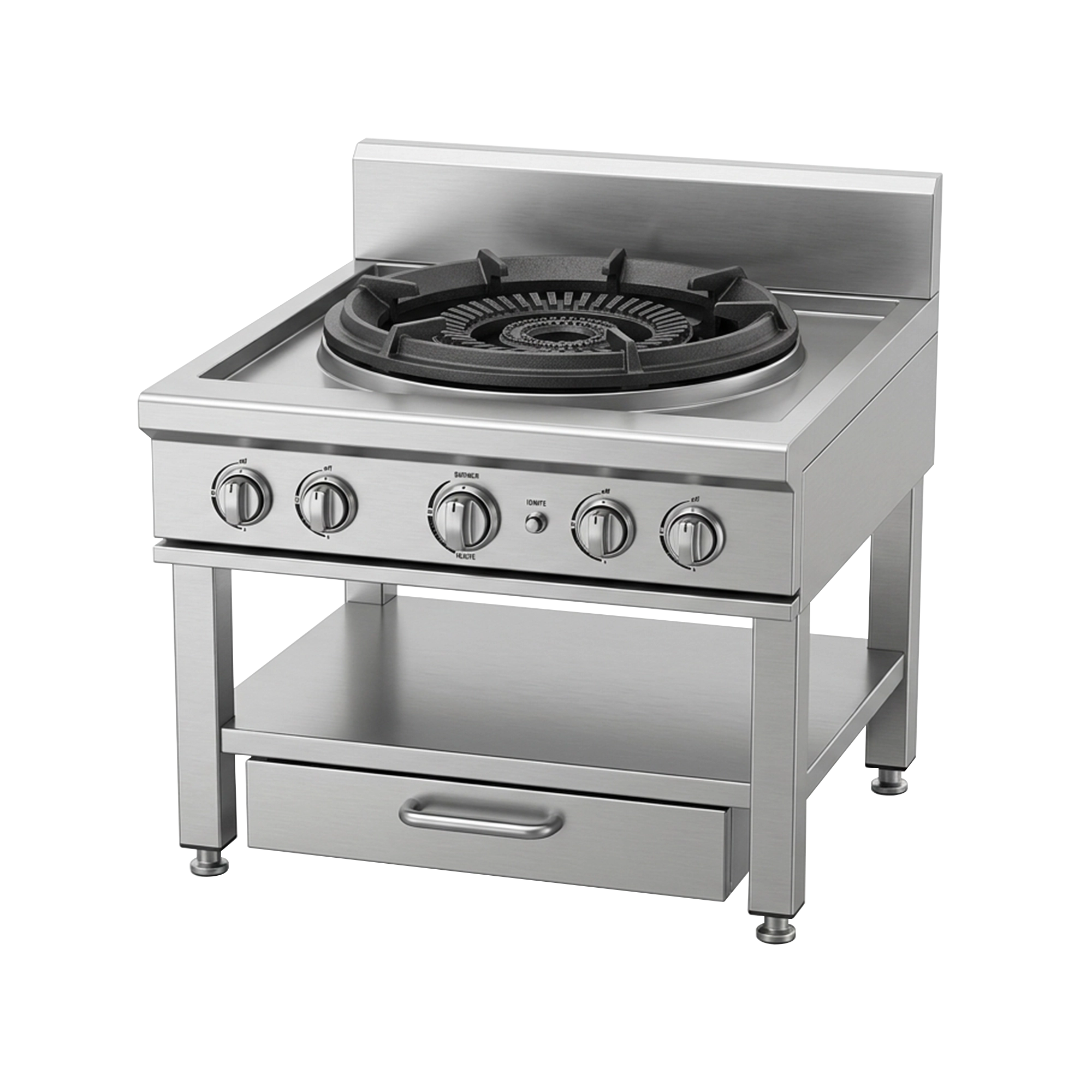
Wok Range
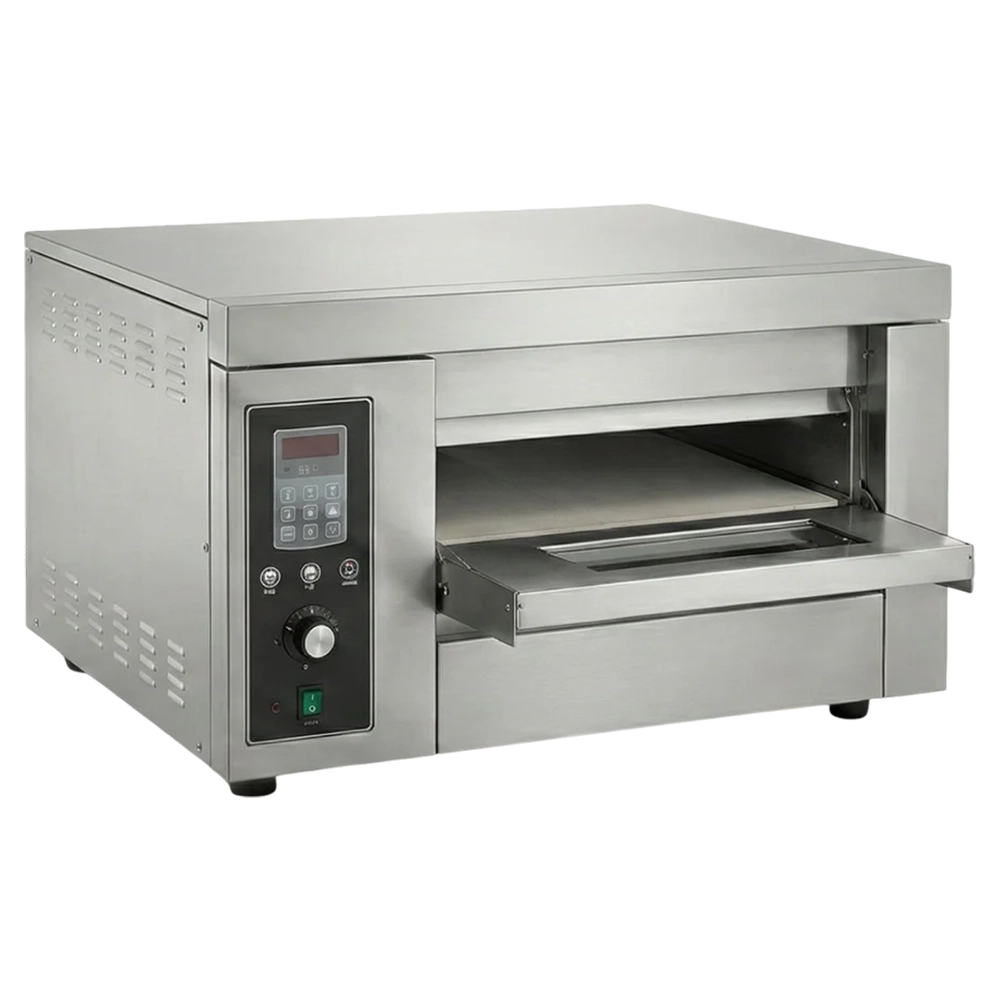
Conveyor Oven
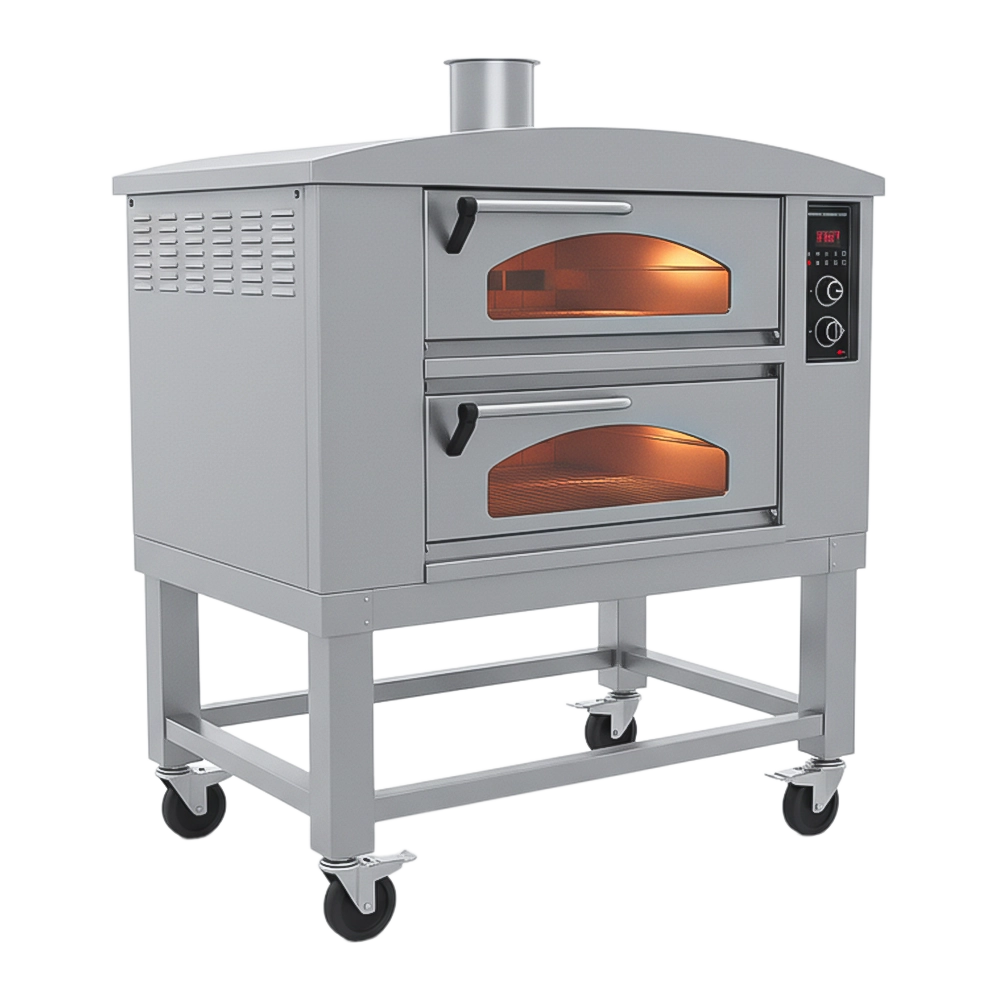
Commercial Pizza Oven
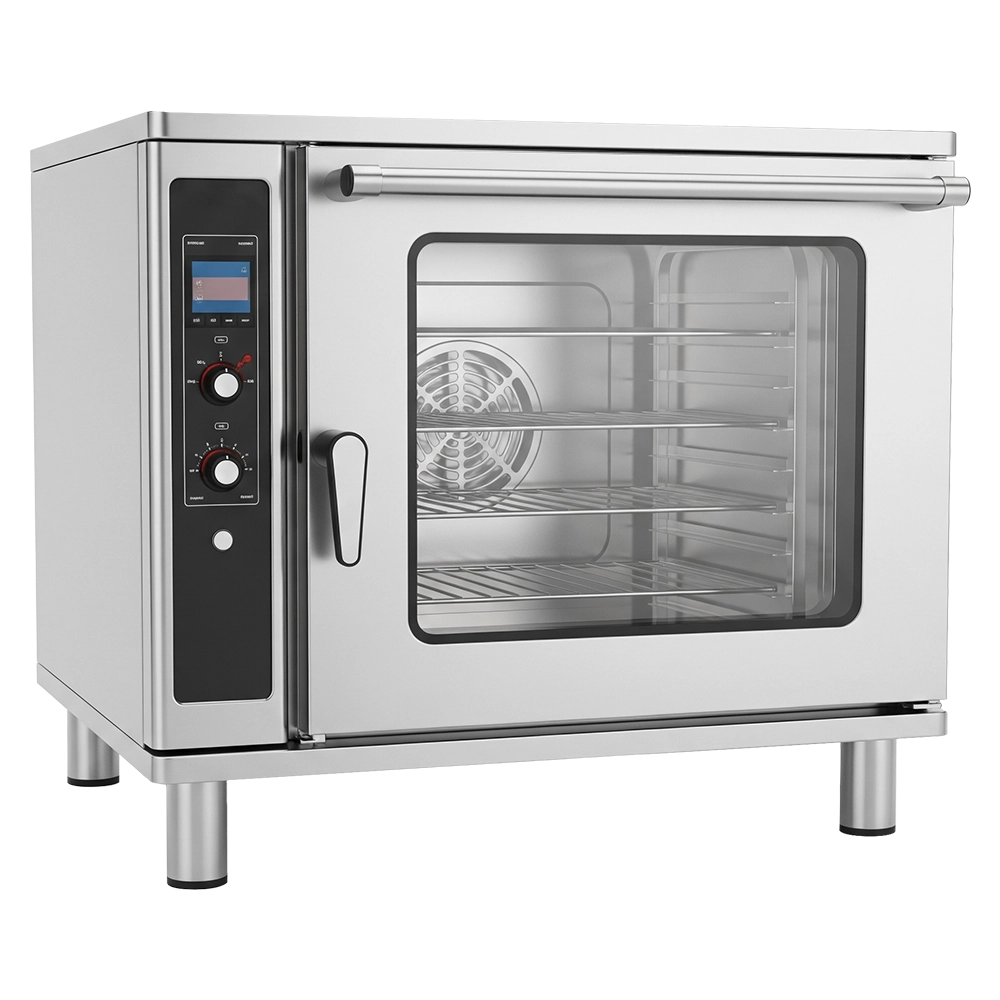
Commercial Convection Oven
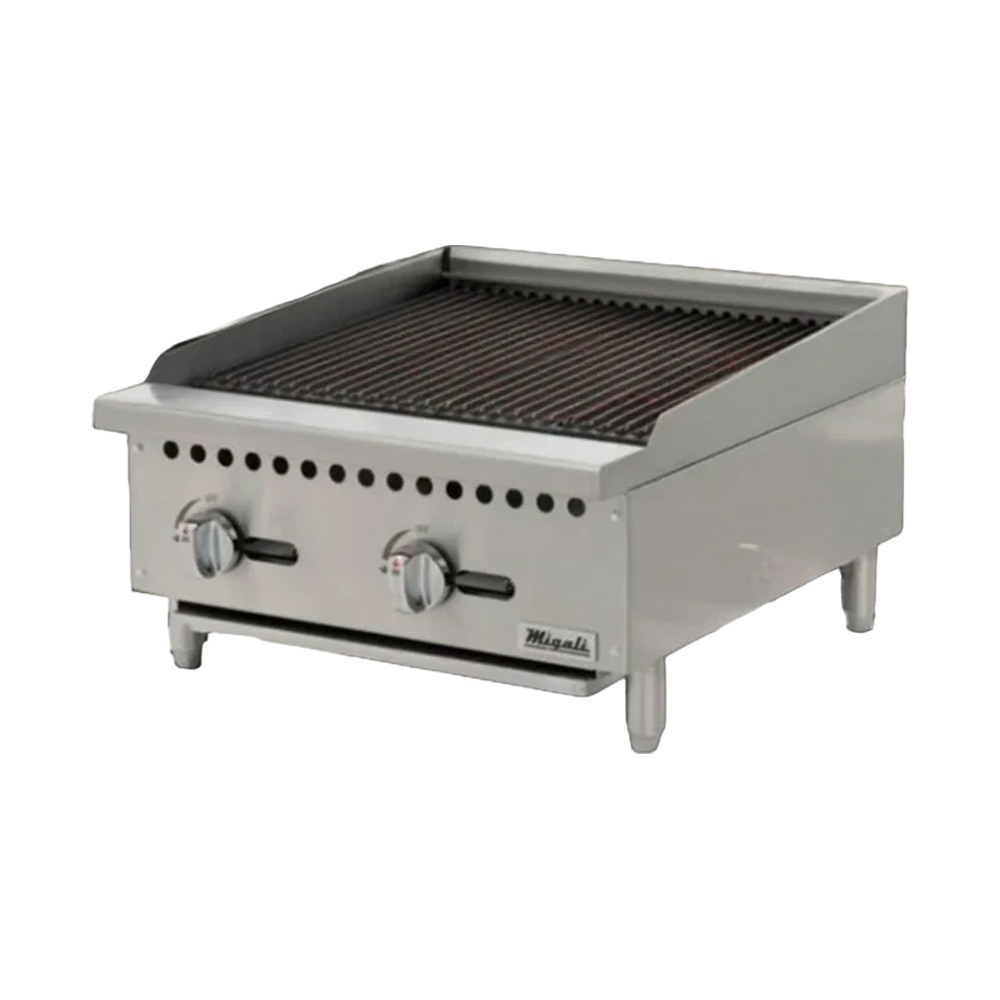
Charbroiler
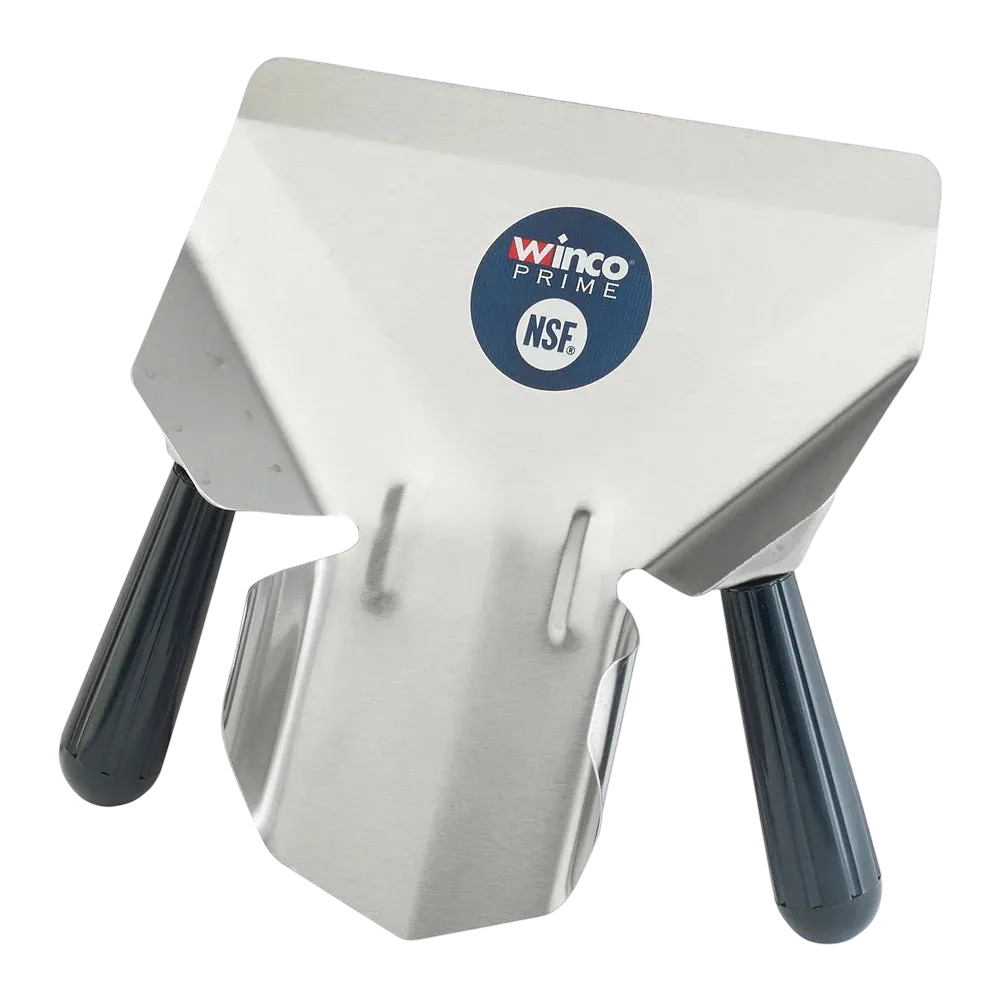
Fryer Accessories
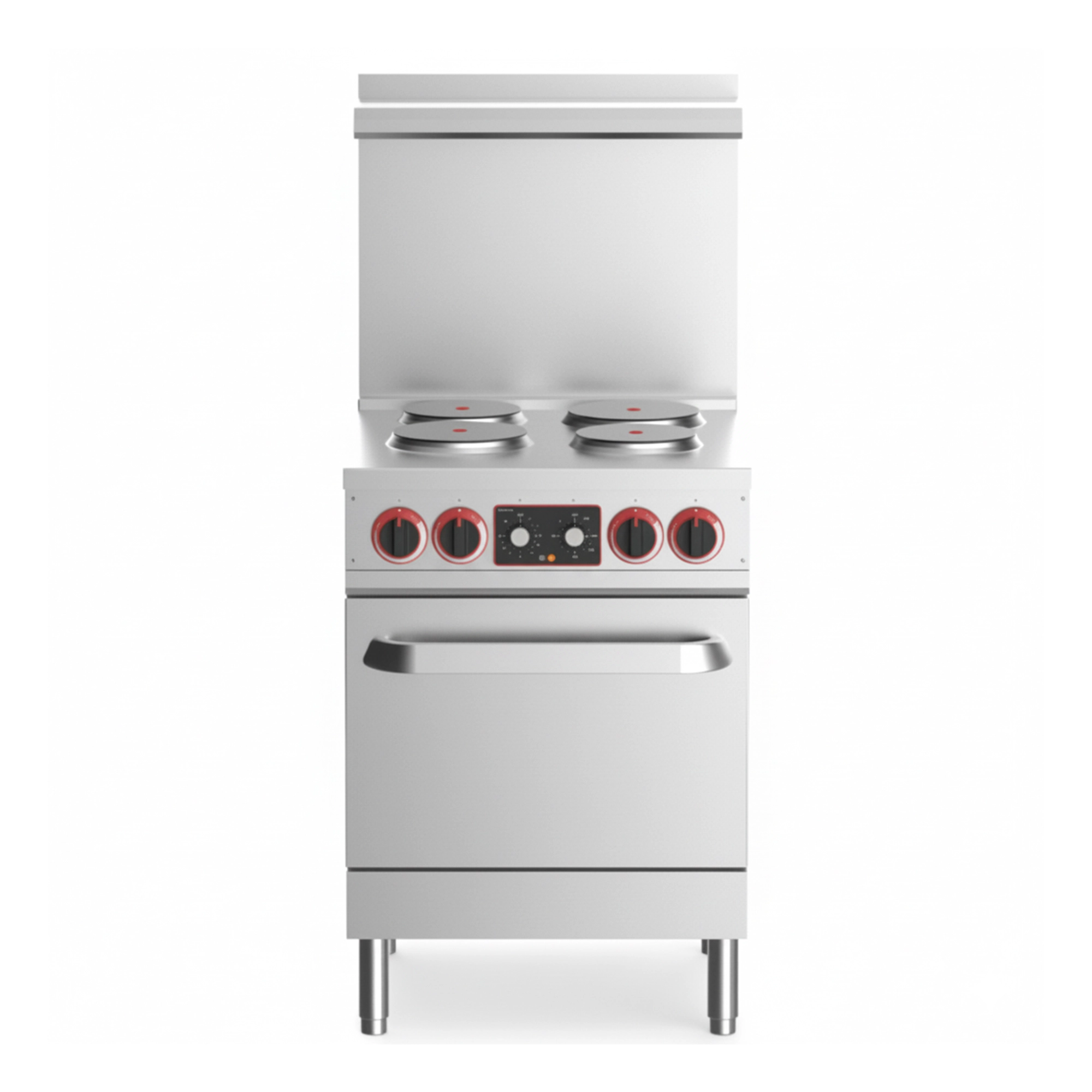
Commercial Electric Range

Cookline 24" Countertop Radiant Charbroiler, 2 Burners, Natural Gas, 60,000 BTU
Model No: CCB-24
⚡ Fast DeliveryShipping Fee
Mostly Ships in 5 to 7 Days
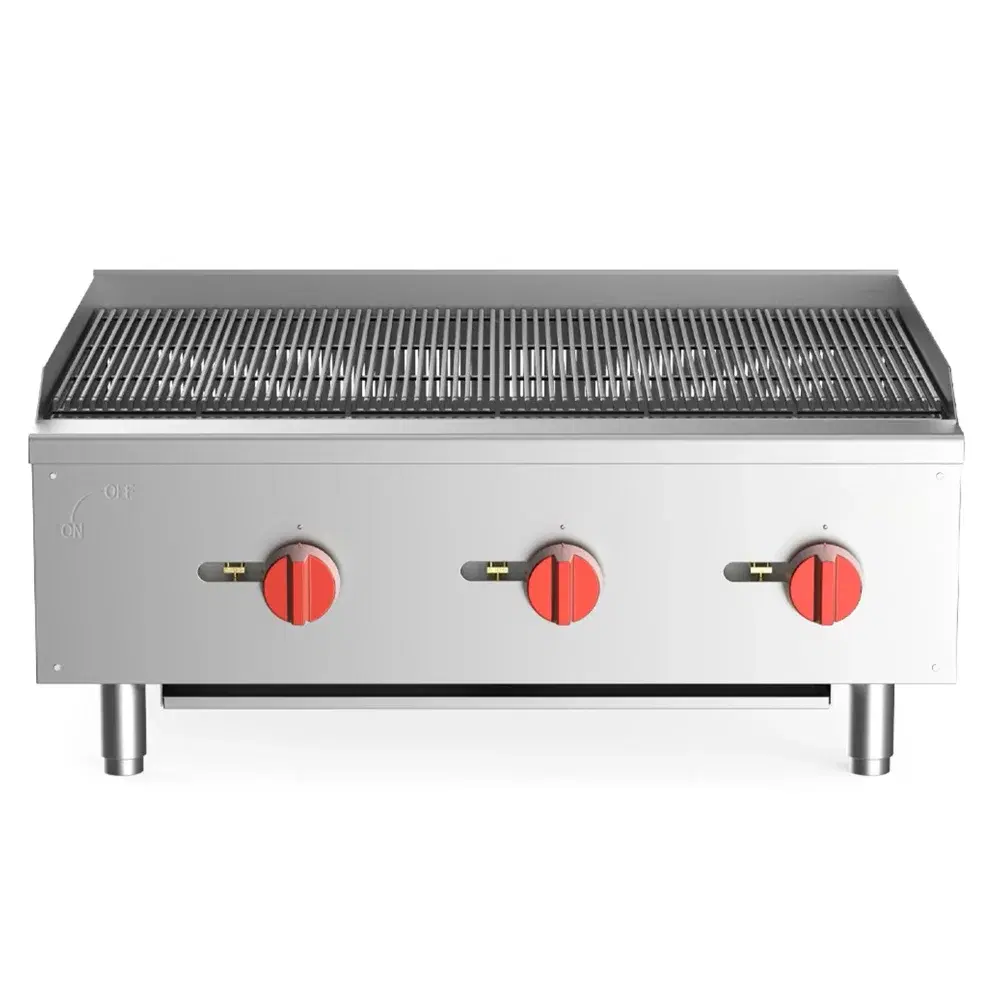
Cookline 36" Countertop Radiant Charbroiler, 3 Burners, Natural Gas, 90,000 BTU
Model No: CCB-36
⚡ Fast DeliveryShipping Fee
Mostly Ships in 5 to 7 Days
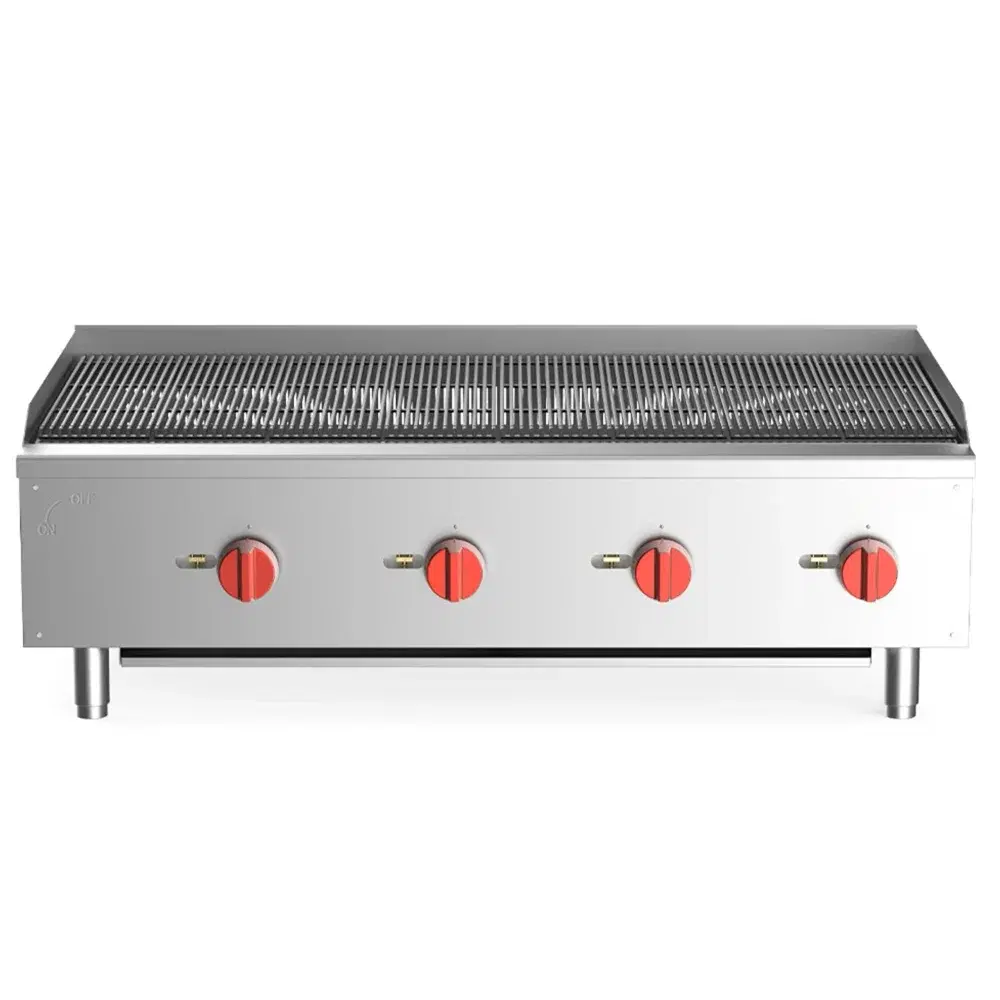
Cookline 48" Countertop Radiant Charbroiler, 4 Burners, Natural Gas, 120,000 BTU
Model No: CCB-48
⚡ Fast DeliveryShipping Fee
Mostly Ships in 5 to 7 Days
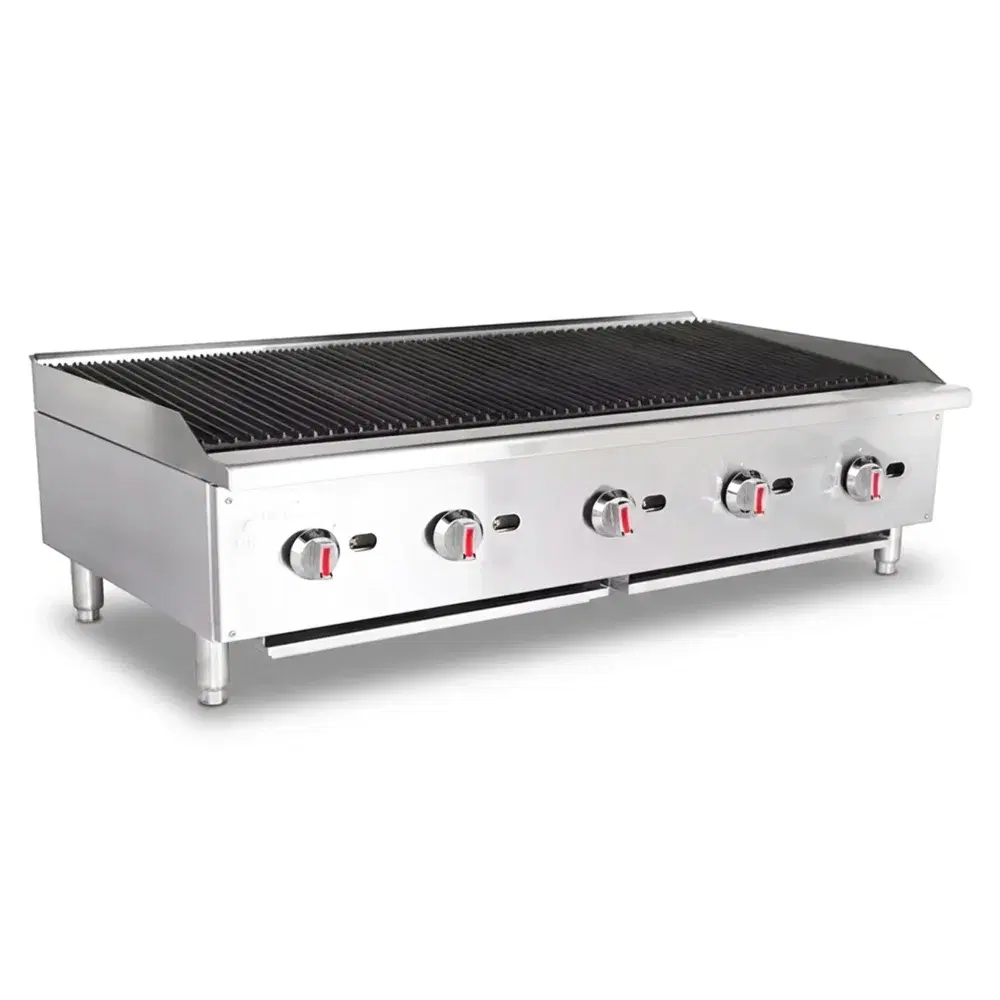
Cookline 60" Countertop Radiant Charbroiler, 6 Burners, Natural Gas, 150,000 BTU
Model No: CCB-60
⚡ Fast DeliveryShipping Fee
Mostly Ships in 5 to 7 Days
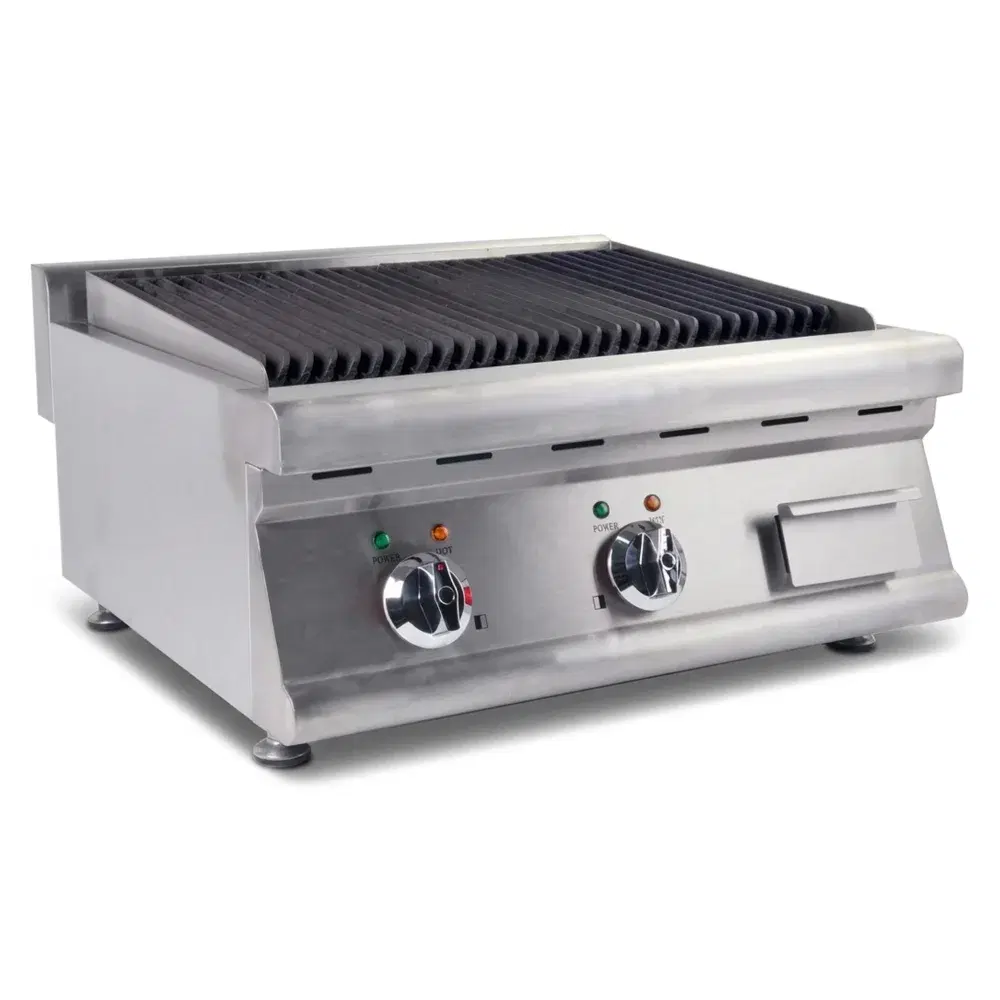
Cookline 26" Countertop Electric Lava Rock Charbroiler, 2 Burners, 7200W, 220V
Model No: LG2-E
⚡ Fast DeliveryShipping Fee
Mostly Ships in 5 to 7 Days
Cookline equipment is built for commercial kitchens that need dependable cooking stations, practical layouts, and equipment choices that support everyday production. At The Horeca Store, commercial foodservice operators can research and purchase restaurant cooking equipment, including Cookline options, while comparing categories that matter for fry, grill, range, and sandwich programs. Whether you are outfitting a new line or replacing a single workhorse unit, the right Cookline selection should match your menu, fuel access, space, and service volume.
Cookline equipment helps operators build a more functional cooking line by matching core tasks—frying, boiling, sautéing, grilling, warming, and pressing—to dedicated commercial appliances. A cookline fryer, gas range, griddle, charbroiler, or sandwich press can reduce bottlenecks when it is sized correctly and placed where staff naturally work. The benefit is not one single feature; it is the way the equipment supports repeatable prep, cleaner station flow, and faster movement from raw product to plated order.
For a restaurant, café, food truck, ghost kitchen, bar, or concession operation, Cookline commercial equipment is most useful when it is chosen around the menu first. A kitchen serving fries, wings, and appetizers will evaluate a Cookline commercial gas fryer differently than a deli evaluating sandwich and panini equipment. A high-output sauté station, meanwhile, may need a Cookline commercial gas range with the right burner count, oven base, and footprint.
“Technology” in commercial cooking equipment is not always about screens or complicated controls. In many kitchens, it is about practical engineering: heat delivery, durable cooking surfaces, serviceable components, stable frames, accessible controls, and a layout that makes sense during a rush. When operators talk about the cookline, they are often talking about the full production zone where every inch needs to earn its place.
Cookline construction should be evaluated through that lens. Look at the cooking surface, cabinet design, burner layout, grease management, control placement, and cleaning access. If a unit is hard to clean, difficult to reach, or poorly matched to the station, it can slow the kitchen even when it has enough power on paper.
Common operational benefits to look for include:
The Horeca Store includes Cookline equipment in its commercial restaurant equipment assortment, with examples such as Cookline gas ranges and sandwich or panini equipment for operators comparing practical cooking categories. Start with the dish list, then choose equipment around how each dish is cooked, finished, held, and served. That approach is more reliable than buying by brand name alone or selecting the largest unit that fits the budget.
For frying programs, explore commercial fryers and evaluate whether a Cookline commercial gas fryer suits your volume, available gas connection, and menu mix. A fry-heavy bar may need multiple baskets and enough recovery for frozen items, while a small café may only need a compact fryer for sides and limited appetizers. Also plan for landing space, filtration practices, oil handling, and nearby refrigeration.
For sauté, boiling, and oven work, compare commercial ranges and consider a Cookline commercial gas range if your menu depends on open-burner flexibility. Burner count, oven base style, overall width, and utility requirements all affect whether a range fits your line. A compact operation may prioritize a smaller footprint, while a full-service restaurant may need a larger range that can handle sauces, stocks, pans, and oven tasks at the same time.
For cafés, delis, bars, and fast-casual menus, sandwich and panini equipment can support pressed sandwiches, wraps, breakfast items, and limited hot food programs. Explore sandwich and panini grills when your menu needs crisp texture, branded grill marks, and compact finishing equipment. A good fit depends on plate size, cooking surface, temperature control style, and how many orders you expect during peak service.
A cookline fryer is most valuable when it is chosen for the actual pressure of the station. Frying looks simple from the customer side, but the back-of-house reality involves batch timing, basket rotation, oil recovery, draining, seasoning, holding, and plating. If the fryer is undersized, the station backs up. If it is oversized for the menu, it can take unnecessary floor space and require more oil management than the kitchen needs.
Before choosing a Cookline commercial gas fryer, map your fried items into groups. Fries, wings, seafood, breaded appetizers, and desserts may require different oil practices or separate fryers depending on flavor transfer and menu standards. Then consider how many baskets are needed during peak service and where the cooked product lands after draining.
A practical fryer setup may include:
Operators searching for terms such as cookline carrollton or cookline plano are often trying to solve a local equipment need quickly. Even then, the buying decision should come back to specifications, utilities, measurements, and menu fit. A fryer that matches the kitchen’s workflow will do more for service than a rushed purchase based only on availability.
A Cookline commercial gas range can become the anchor of a cooking line because it supports multiple techniques in one footprint. Open burners handle sauté pans, stockpots, sauces, and boiling tasks, while an oven base can add baking, roasting, warming, or finishing capacity depending on the model. That flexibility matters for restaurants that need one station to cover several menu functions.
When comparing ranges, look beyond width. Burner spacing affects the size of pans that can be used comfortably. Control placement affects how quickly cooks can respond during a rush. Oven base configuration affects what the station can produce beyond stovetop work.
Use this quick checklist before buying:
This is also where a broader “cookline 360” mindset is useful: evaluate the entire cooking zone, not just a single appliance. The fryer, range, griddle, refrigeration, prep table, shelving, and pass should work together as one production path.
Because Cookline models can vary by category and configuration, always review the individual product listing before purchasing. Pricing, dimensions, fuel type, burner output, capacity, electrical needs, included accessories, and installation requirements should be checked at the model level. Do not assume that two similar-looking units have the same utility requirements or production capacity.
Key details to compare include:
Pricing should be reviewed on the current product page or through a quote request because cost may change by model, configuration, freight needs, and related equipment. If you are comparing multiple Cookline products, build a complete project list rather than pricing one unit in isolation. A fryer, range, stand, hood requirements, connectors, landing shelves, and smallwares can all affect the final budget.
Cookline equipment can suit many foodservice environments, but the best fit depends on the role the unit will play. A neighborhood restaurant may use a range as the heart of the line. A sports bar may prioritize fryer capacity. A café may lean on panini equipment to expand a light food menu without building a full hot line.
Cookline may be worth considering if you need:
For a simple before-and-after example, imagine a café adding hot lunch service. Before the upgrade, staff may rely on a small countertop appliance that slows down when several sandwiches are ordered at once. After adding properly sized sandwich or panini equipment, the café can dedicate one station to pressing, finishing, and handing off hot items while the beverage and cold prep areas continue moving.
Before purchasing, confirm the exact job the equipment must do, the space it must occupy, and the utility connections it requires. The Horeca Store is a destination for commercial foodservice operators to research and purchase restaurant cooking equipment, including Cookline options alongside related commercial kitchen categories. Use product listings, category pages, and quote support to compare the equipment that fits your menu rather than forcing your menu to fit the wrong appliance.
A smart final check includes measuring the line, reviewing installation requirements, confirming fuel type, planning ventilation, and listing the accessories or adjacent equipment the station needs. If you are comparing Cookline commercial equipment across fryer, range, and sandwich categories, keep the full workflow in view from storage to cooking to plating. When the equipment supports that flow, the kitchen becomes easier to staff, easier to train, and better prepared for busy service.
Ready to evaluate your next cookline setup? Start with the category that solves your biggest bottleneck, compare the model details carefully, and build a purchasing list around the way your kitchen actually works.