Discover Exceptional Products and Unmatched Service.
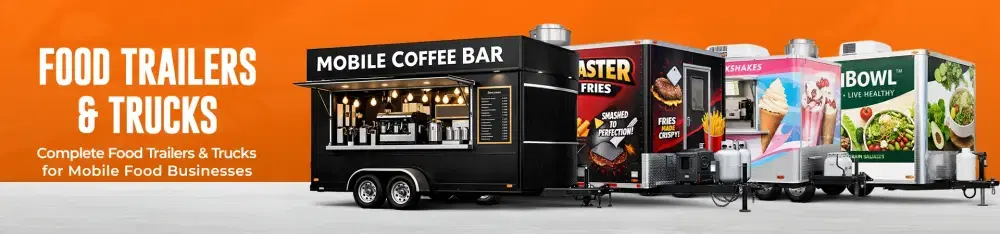
Whether you're starting a mobile food business or expanding your restaurant operation, this comprehensive guide will help you choose the best food lorry for your needs.
The foodservice industry has evolved rapidly over the last decade, with mobile dining becoming one of the fastest-growing segments. From street food vendors to large catering operations, food lorries are transforming how restaurants and chefs bring their cuisine directly to customers. These mobile kitchen vehicles allow businesses to serve fresh meals at events, festivals, construction sites, business parks, and busy urban areas without the cost of a traditional restaurant location.
For restaurant owners, chefs, and foodservice entrepreneurs, a food lorry offers flexibility, mobility, and a powerful way to reach new customers. Instead of relying solely on a fixed location, operators can move their kitchen wherever demand exists. This makes food lorries ideal for pop-up dining, catering services, and expanding restaurant brands into new markets.
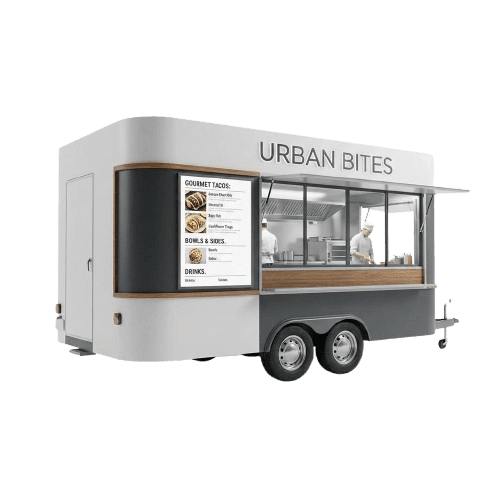
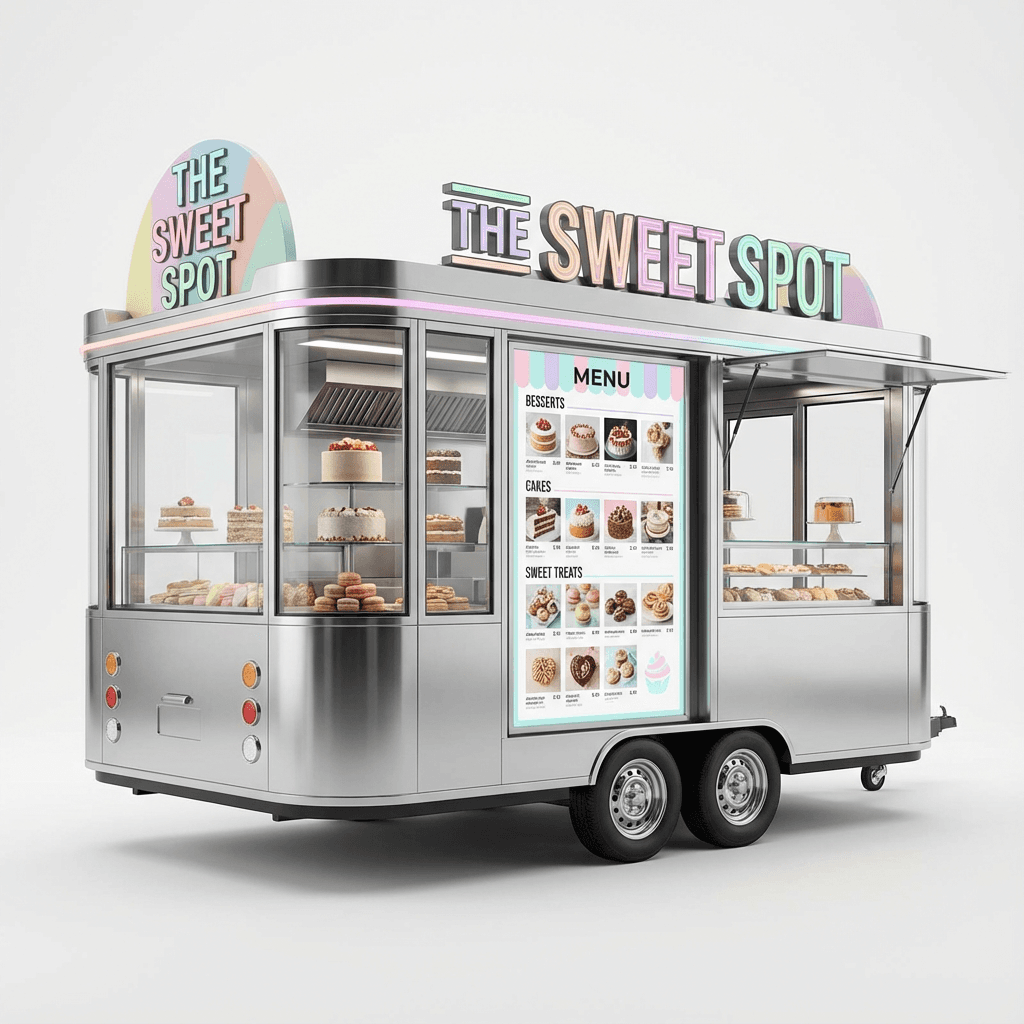
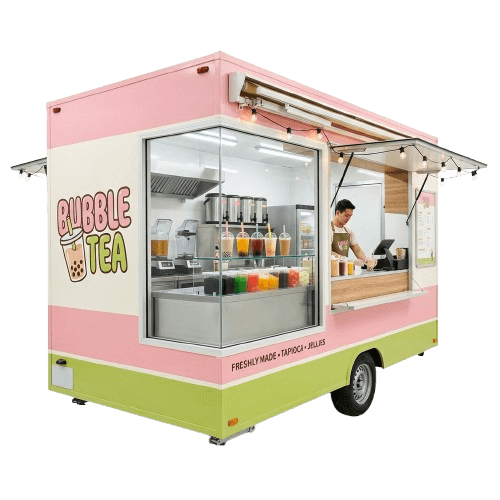
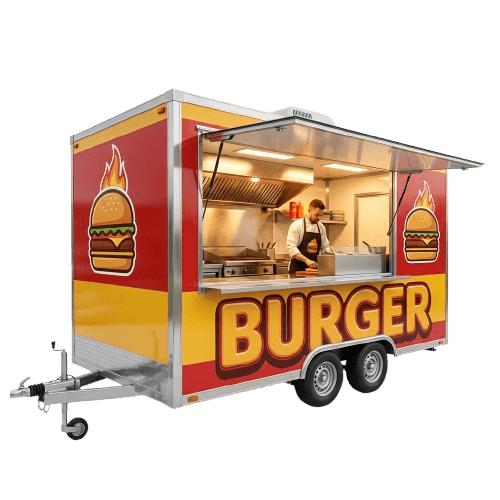
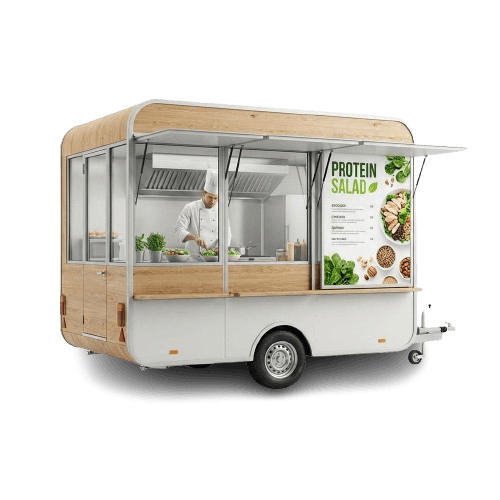
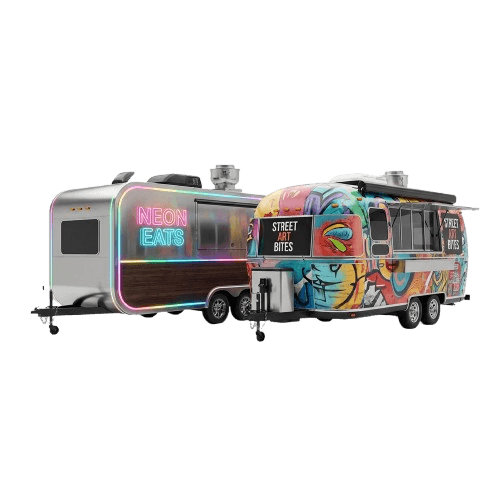
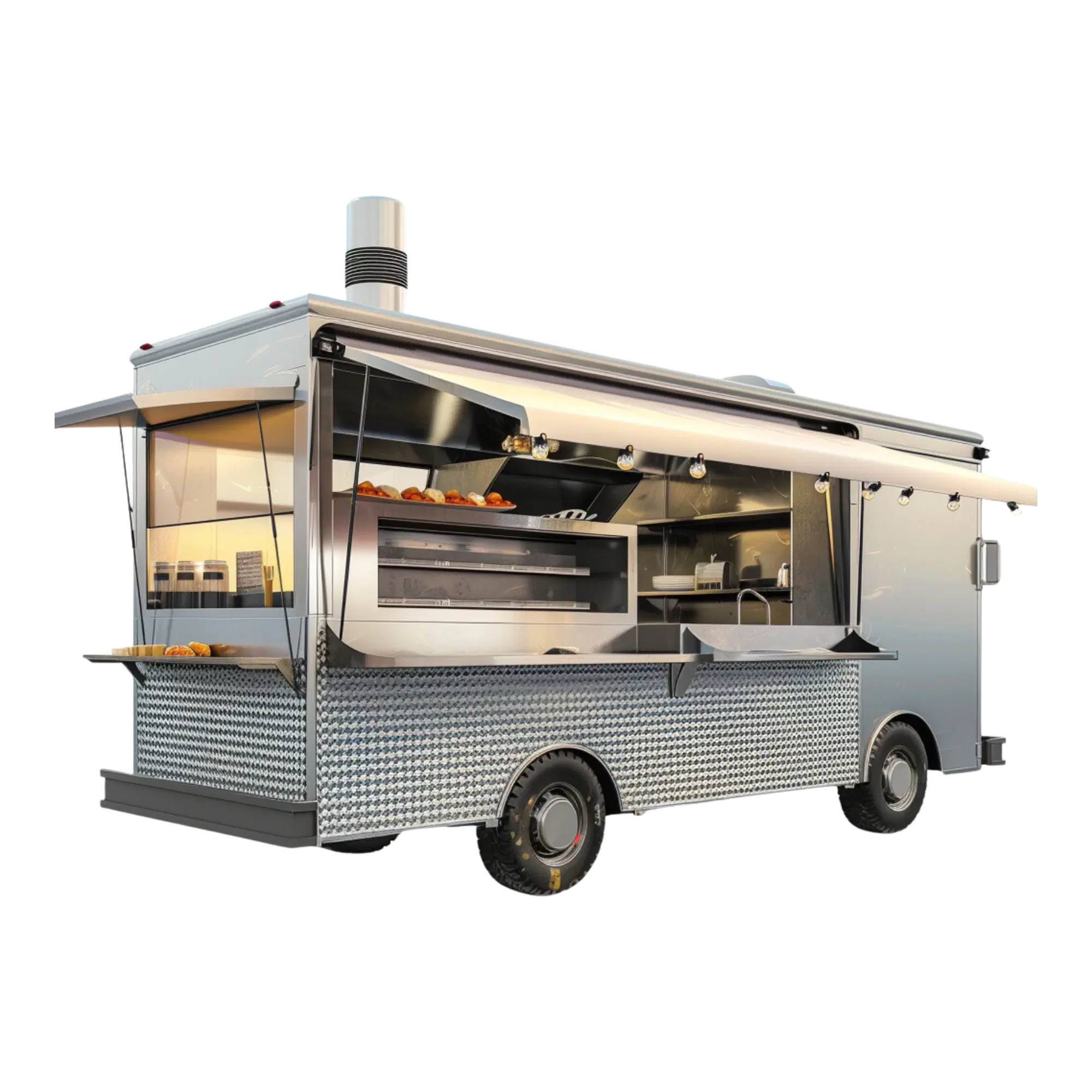
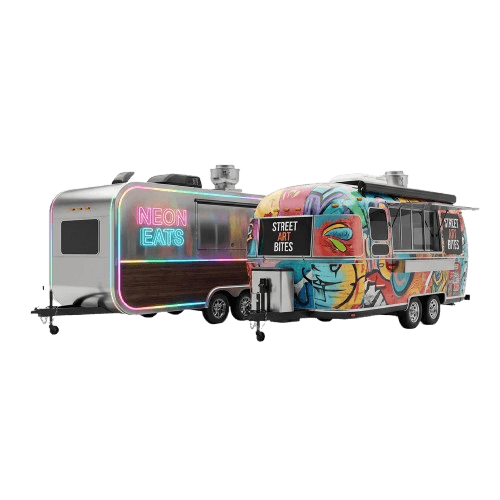
A food lorry is a specially designed vehicle equipped with commercial kitchen equipment used to prepare and serve food while traveling or stationed at different locations. These vehicles function as fully operational mobile kitchens and are commonly used for street food, catering, festivals, and mobile restaurant services.
Unlike traditional restaurants, food lorries allow businesses to operate in multiple locations, bringing fresh meals directly to customers. They typically include cooking appliances, refrigeration units, food preparation areas, storage compartments, and serving windows.
A well-equipped food lorry often contains:
Because they operate as compact kitchens, food lorries must be carefully designed to maximize efficiency and safety. Proper equipment selection is crucial for maintaining food quality and meeting health regulations.
Many restaurant owners also integrate professional-grade kitchen appliances similar to those used in commercial kitchens. Businesses exploring equipment options often review categories such as commercial refrigerators, food prep tables, and cooking equipment from suppliers like TheHorecaStore to outfit their mobile kitchens effectively.
Restaurants expanding into mobile service should look for food lorries with professional-grade features.
Ideal configurations include:
Stainless steel commercial kitchen interiors
High-capacity refrigeration systems
Efficient cooking appliances
Durable prep tables
Commercial exhaust hoods
Restaurants often install equipment similar to what they use in their main kitchens. For example, compact versions of commercial refrigerators, prep tables, fryers, and griddles are commonly used in mobile kitchens.
When building a food lorry kitchen, many operators explore professional equipment suppliers and commercial kitchen equipment categories available through industry retailers such as TheHorecaStore to ensure durability and performance.
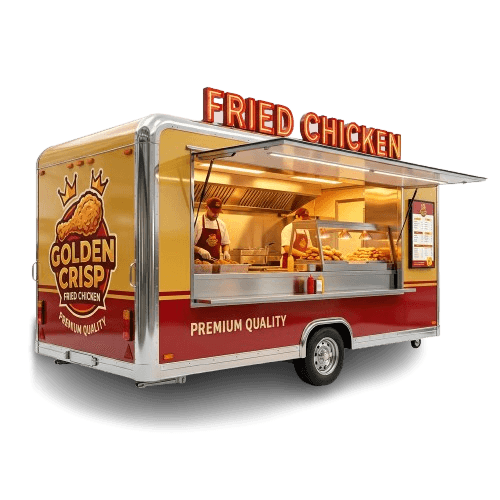
CrunchMaster™ 18 FT Fried Chicken Trailer – Fully Equipped Chicken, Tenders & Wings Food Trailer
Model No: FT-CHICKEN-18
Shipping Fee
Mostly Ships in 8 to 10 Weeks
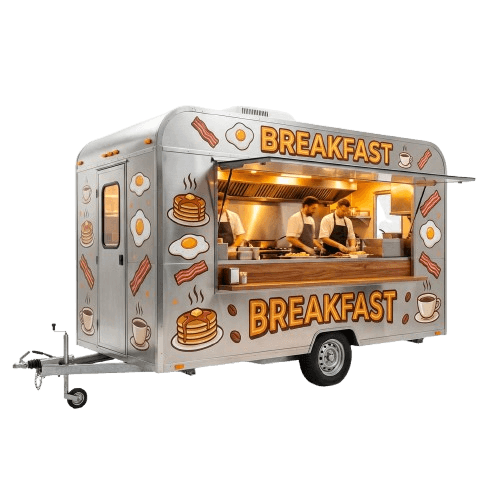
Sunrise™ 16 FT Breakfast Trailer – Fully Equipped Breakfast, Brunch & Coffee Food Trailer
Model No: FT-BREAKFAST-16
Shipping Fee
Mostly Ships in 8 to 10 Weeks
FreshBowl™ 16 FT Healthy Bowl Trailer – Fully Equipped Salad, Protein Bowl & Healthy Food Trailer
Model No: FT-HEALTH-16
Shipping Fee
Mostly Ships in 8 to 10 Weeks
Urban Espresso™ 14 FT Coffee Trailer – Fully Equipped Mobile Café
Model No: FT-COFFEE-14
Shipping Fee
Mostly Ships in 8 to 10 Weeks
SoftServe™ 14 FT Ice Cream Trailer – Fully Equipped Soft Serve, Sundae & Milkshake Food Trailer
Model No: FT-ICECREAM-14
Shipping Fee
Mostly Ships in 8 to 10 Weeks
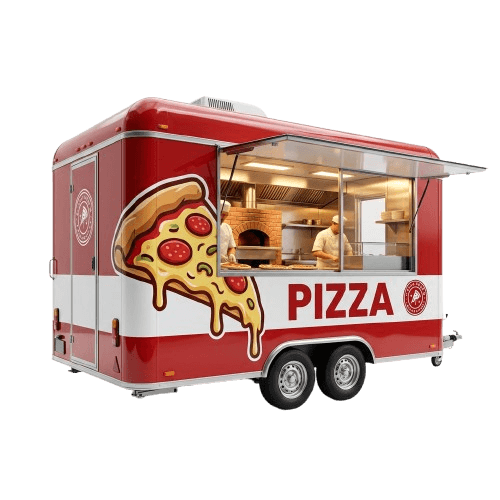
FireStone™ 16 FT Pizza Trailer – Fully Equipped Mobile Pizza Kitchen (Wood-Fired / Gas / Conveyor Options)
Model No: FT-PIZZA-16
Shipping Fee
Mostly Ships in 8 to 10 Weeks
SmashMaster™ 16 FT Burger Trailer – Fully Equipped Burger & Fries Food Trailer
Model No: FT-BURGER-16
Shipping Fee
Mostly Ships in 8 to 10 Weeks
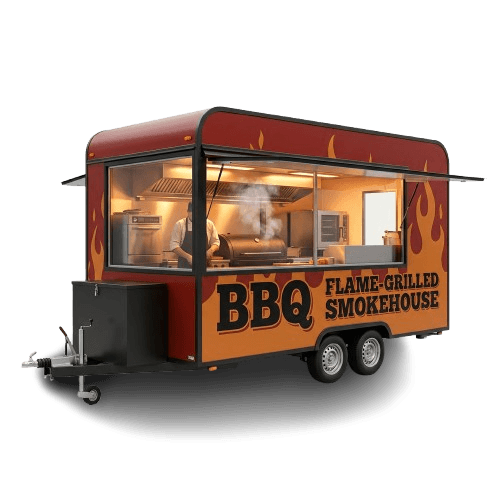
SmokePit™ 20 FT BBQ Trailer – Fully Equipped BBQ, Smoker & Grill Food Trailer
Model No: FT-BBQ-20
Shipping Fee
Mostly Ships in 8 to 10 Weeks
Boba Breeze™ 14 FT Bubble Tea Trailer – Fully Equipped Turnkey Concept
Model No: FT-BOBA-14
Shipping Fee
Mostly Ships in 8 to 10 Weeks
Vitality Bar™ 14 FT Juice & Smoothie Trailer – Fully Equipped Mobile Juice Bar
Model No: FT-JUICE-14
Shipping Fee
Mostly Ships in 8 to 10 Weeks
Everything you need to know about our products and services.