Discover Exceptional Products and Unmatched Service.
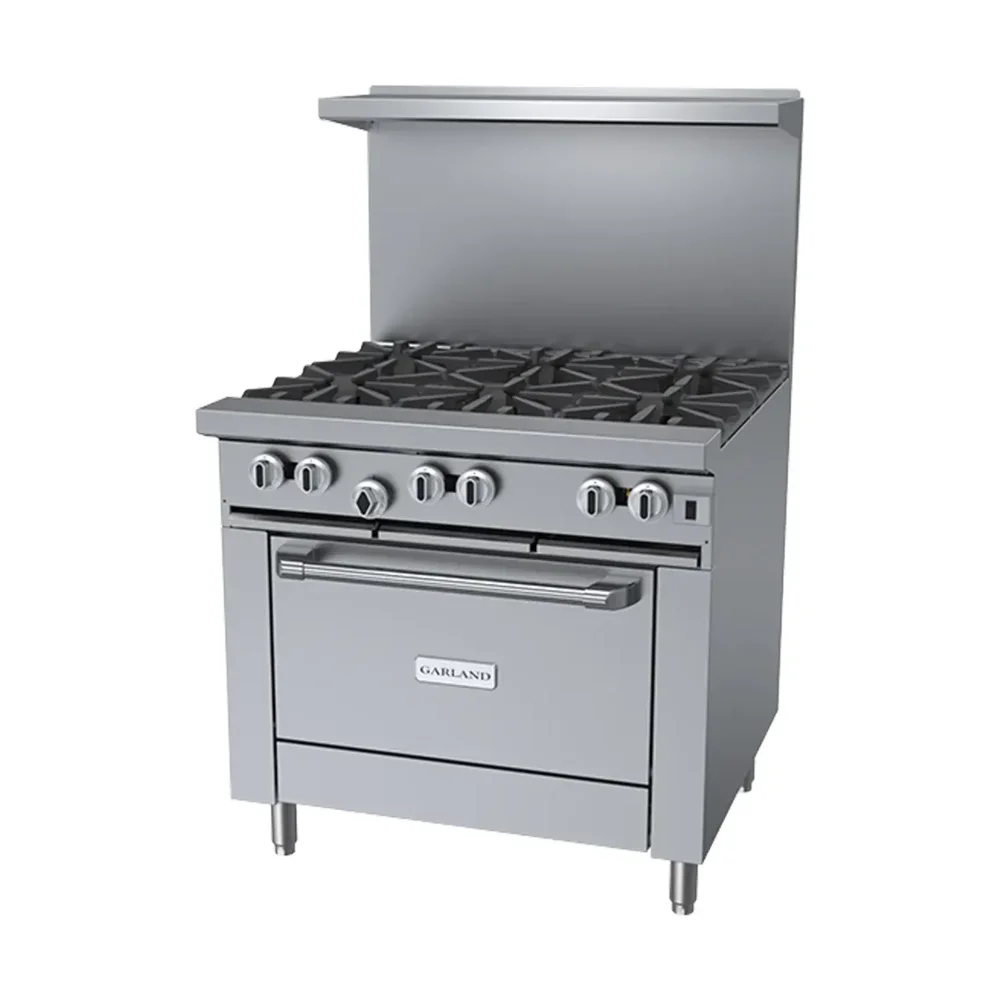
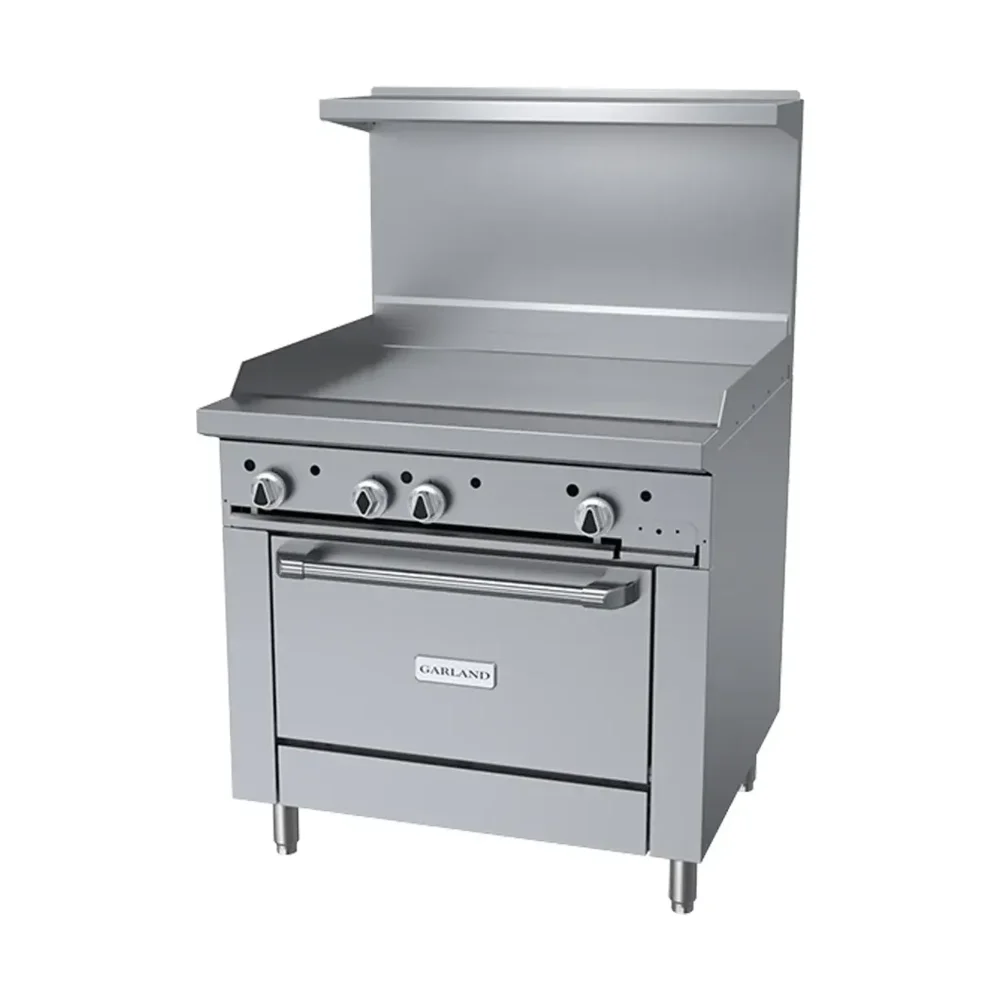
Garland G36-6R 36" Commercial Gas Range, 6 Burners, Standard Oven, Natural Gas
Model No: G36-6R-NG
⚡ Fast DeliveryShipping Fee
Mostly Ships in 5 to 7 Days
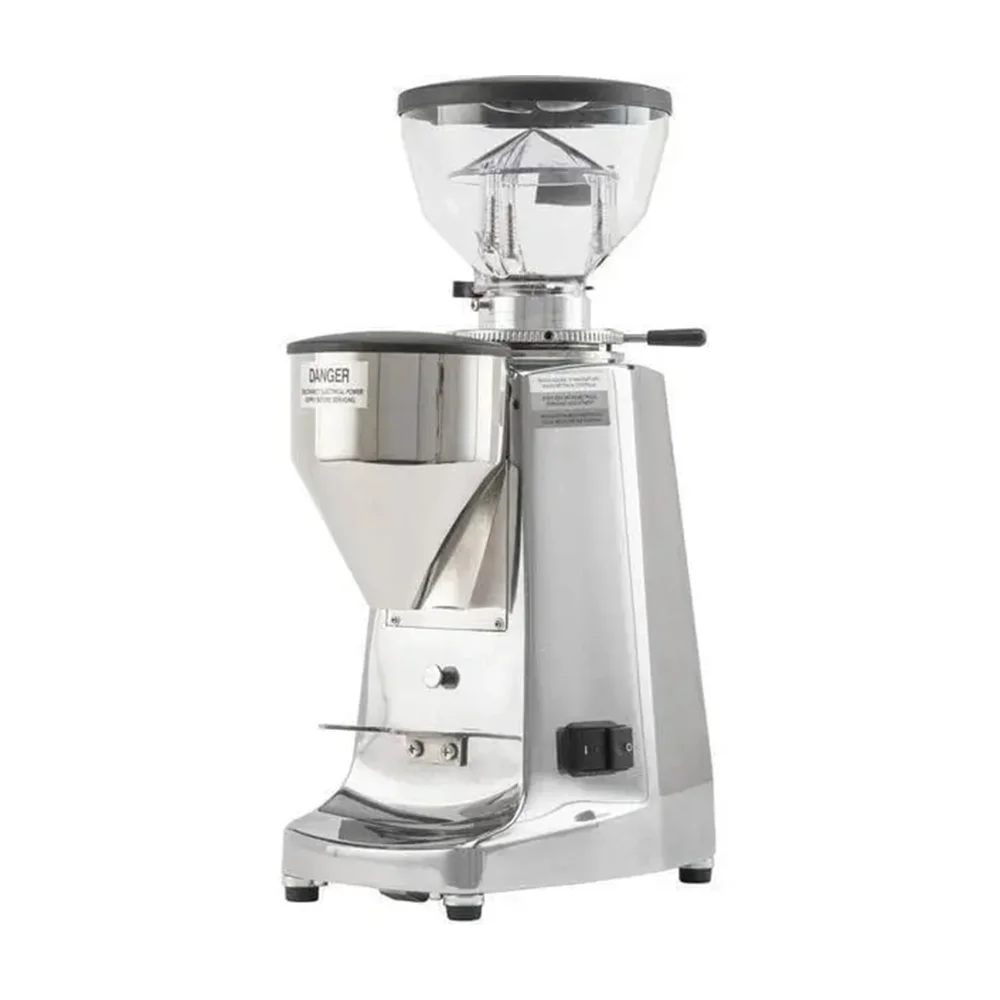
Mazzer LM Lux D 0.75 lbs On-Demand Commercial Espresso Grinder, 1600 RPM, Aluminum
Model No: LM-Lux-D-Aluminum
⚡ Fast DeliveryShipping Fee
Mostly Ships in 5 to 7 Days

ChefPro Series Double Pantry Faucet, Wall Mount, 8" Centers, 12" Swing Nozzle
Model No: CPDPFWM
⚡ Fast DeliveryShipping Fee
Mostly Ships in 5 to 7 Days
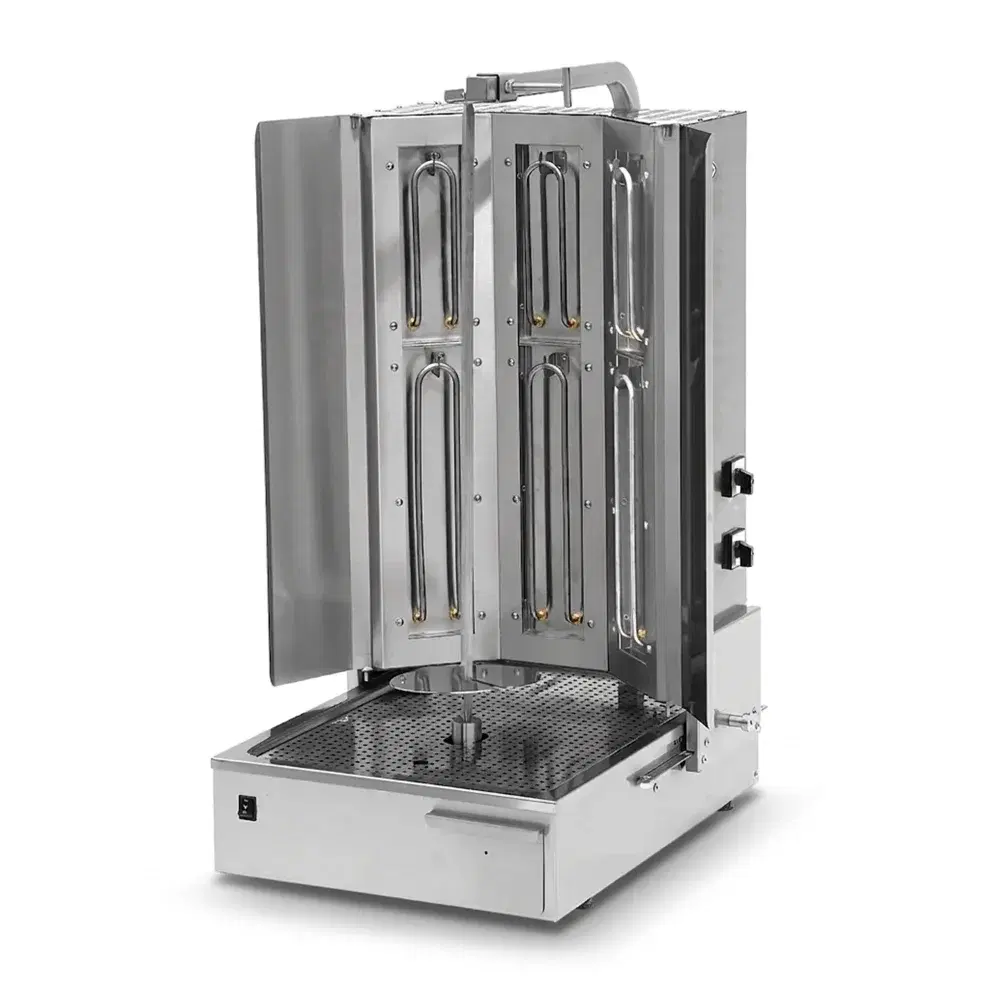
Pegasus V3C-6KE 25" Electric Vertical Gyro Machine, Heavy Duty, 3 Columns, 180 lb Meat Capacity, 208V, 3 Phase - Mega Series
Model No: V3C-6KE
⚡ Fast DeliveryShipping Fee
Mostly Ships in 5 to 7 Days
Hoshizaki HC1A-FS-FS 27.5" Steelheart Series Full Height Insulated Pass Thru Mobile Heated Cabinet, Stainless Steel, 115v
Model No: HC1A-FS-FS
Shipping Fee
Mostly Ships in 5 to 7 Days
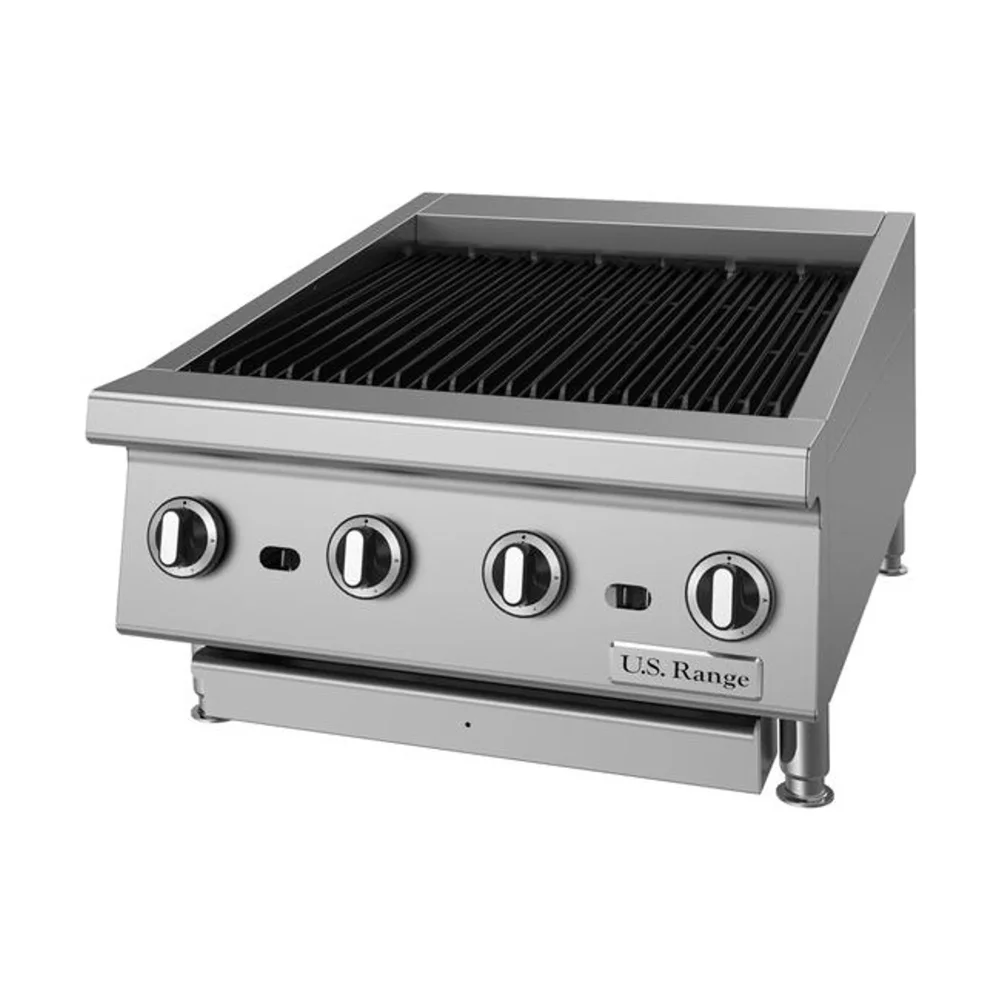
Garland UTBG24-NR24 24" Countertop Gas Charbroiler, Cast Iron Grates, Manual Controls, Liquid Propane
Model No: UTBG24-NR24-LP
⚡ Fast DeliveryShipping Fee
Mostly Ships in 5 to 7 Days
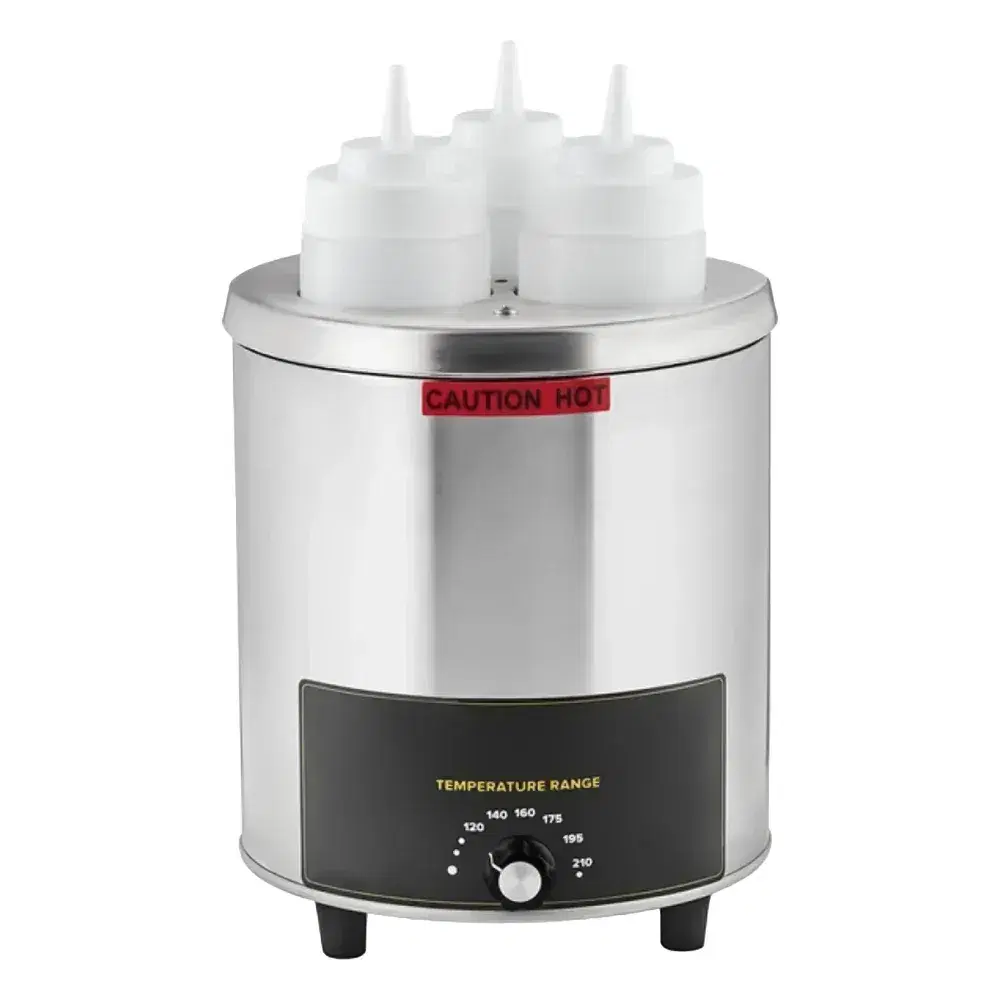
ChefPro Series Triple 16-24 oz. Sauce / Topping Bottle Warmer with 6 Squeeze Bottle - 550W, 120V
Model No: CPT24TB
⚡ Fast DeliveryShipping Fee
Mostly Ships in 5 to 7 Days

Twin-Steam Hot Dog Cart / Mobile Food Cart, 24" Griddle, 2 Steam Tables, Holds 12 Pans, Towable
Model No: RS-24
Click “Request A Quote” to receive your best prices.

Winco ALZK-20BK 20-Tier Sheet Pan Rack, Aluminium, 3" Spacing
Model No: ALZK-20BK
⚡ Fast DeliveryShipping Fee
Mostly Ships in 1 to 2 Days
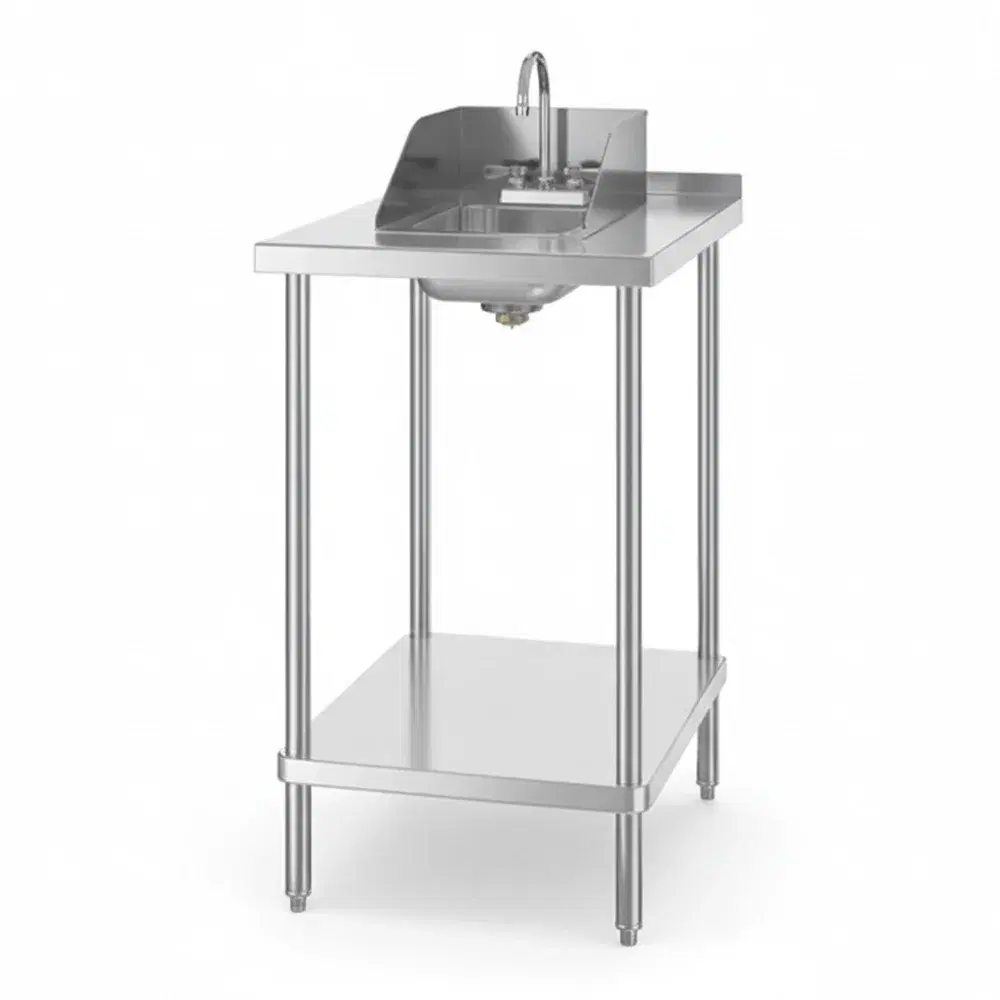
30" x 24" 18 Gauge Filler Table with Drop-In Sink and Faucet, 304 Stainless Steel
Model No: FTDF3024-18G
⚡ Fast DeliveryShipping Fee
Mostly Ships in 5 to 7 Days

Taylor TE50 50 lb. Digital Portion Control Scale with Built-In Handle, Stainless Steel
Model No: TE50
⚡ Fast DeliveryShipping Fee
Mostly Ships in 5 to 7 Days
Fetco CBS-1242-PLUS High-Volume Automatic Thermal Coffee Maker, 15.9 Gallon/hr, 240V
Model No: E1242US-1B230-MM110
⚡ Fast DeliveryShipping Fee
Mostly Ships in 5 to 7 Days
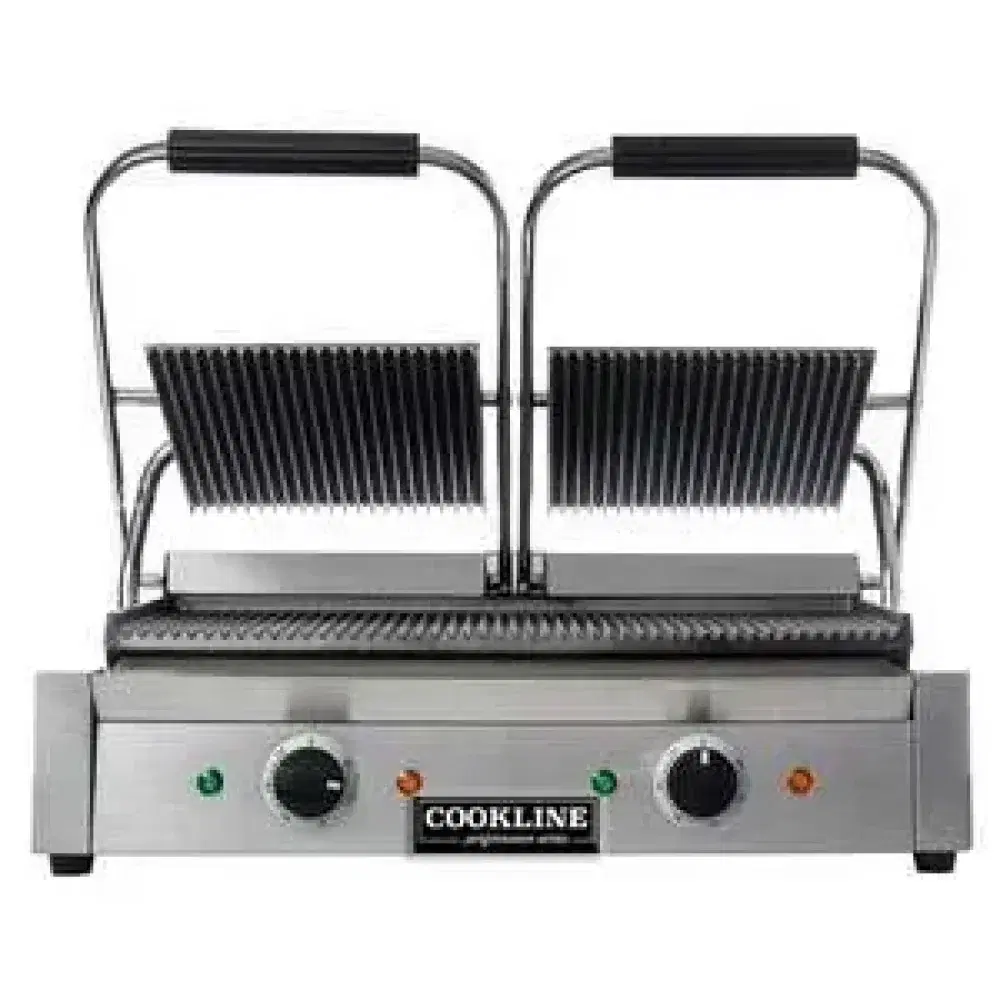
Cookline 22" Sandwich Press & Panini Grill, Grooved Top and Bottom, 120V, 1 Year Warranty
Model No: PG-2
⚡ Fast DeliveryShipping Fee
Mostly Ships in 5 to 7 Days
John Boos 72" Work Table with Right Prep Sink, Stainless Steel Top & Legs, NSF/CSA
Model No: EPT6R5-3072SSK-R-X
⚡ Fast DeliveryShipping Fee
Mostly Ships in 5 to 7 Days
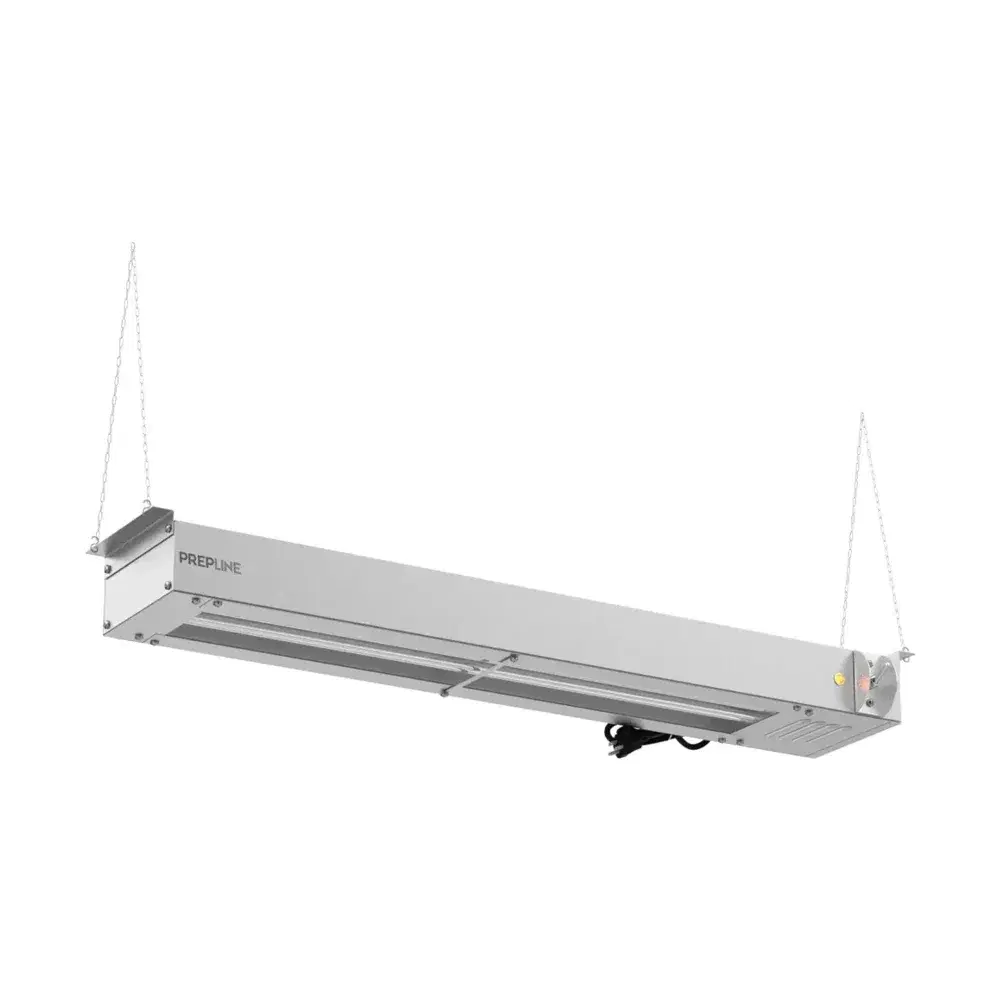
Prepline 24" Electric Strip Warmer with Chains, 120V, 500W, 1 Year Warranty
Model No: SW24
⚡ Fast DeliveryShipping Fee
Mostly Ships in 5 to 7 Days
Garland G36-G36R 36" Commercial Gas Range, Full Griddle, Standard Oven, Natural Gas
Model No: G36-G36R-NG
⚡ Fast DeliveryShipping Fee
Mostly Ships in 5 to 7 Days
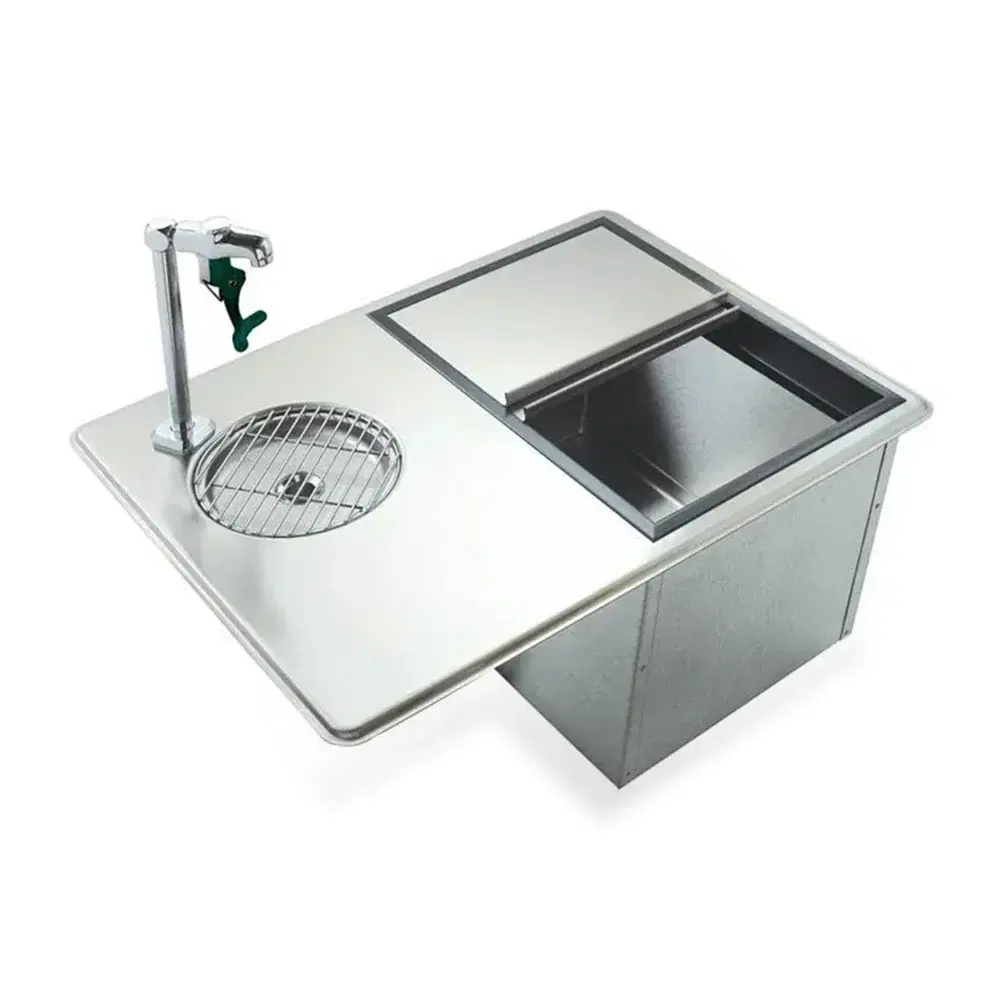
Krowne WS-2 27" x 20" Drop-In Water Station / Ice Bin
Model No: WS-2
⚡ Fast DeliveryShipping Fee
Mostly Ships in 5 to 7 Days
Pegasus CR-3G 47" Gas Chicken Rotisserie, 3 Spits, 23.61 Cuft, 120V
Model No: CR-3G
⚡ Fast DeliveryShipping Fee
Mostly Ships in 5 to 7 Days
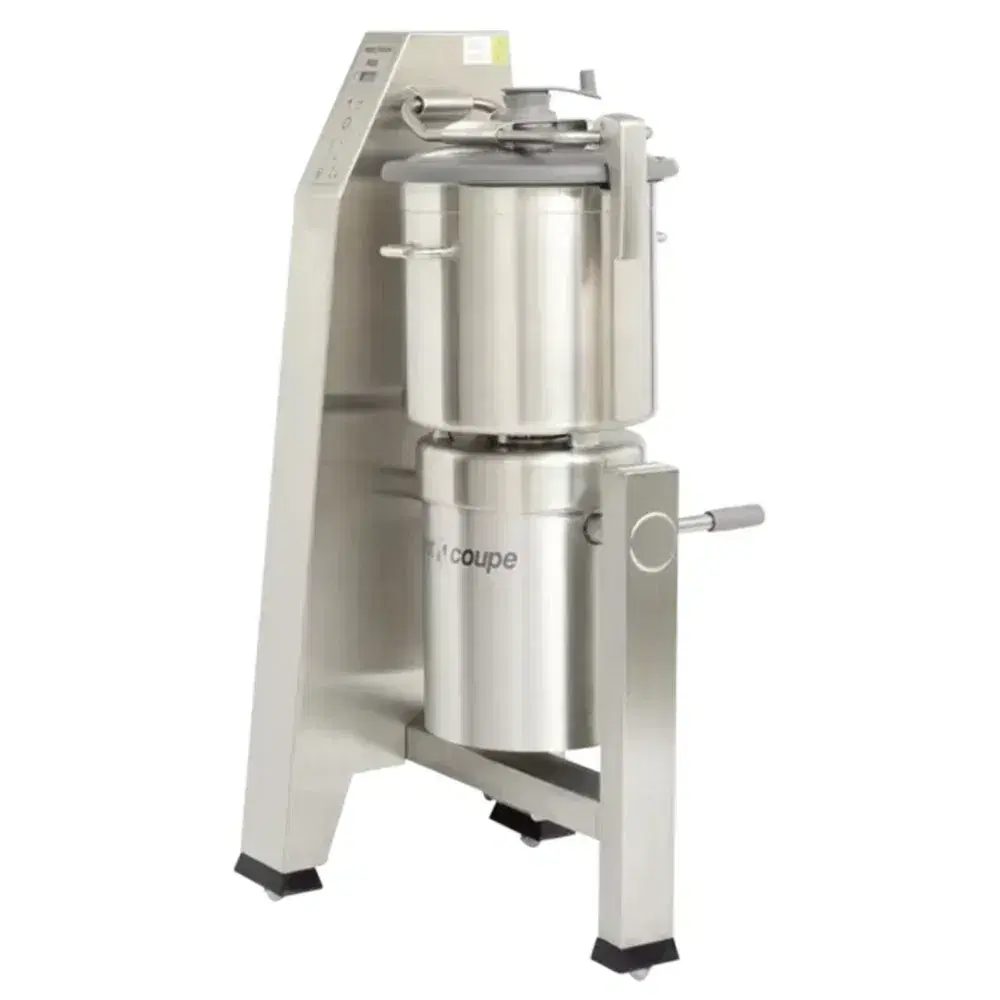
Robot Coupe R23T 2-Speed 23 L Vertical Cutter Mixer, 240V
Model No: R23T
⚡ Fast DeliveryShipping Fee
Mostly Ships in 5 to 7 Days
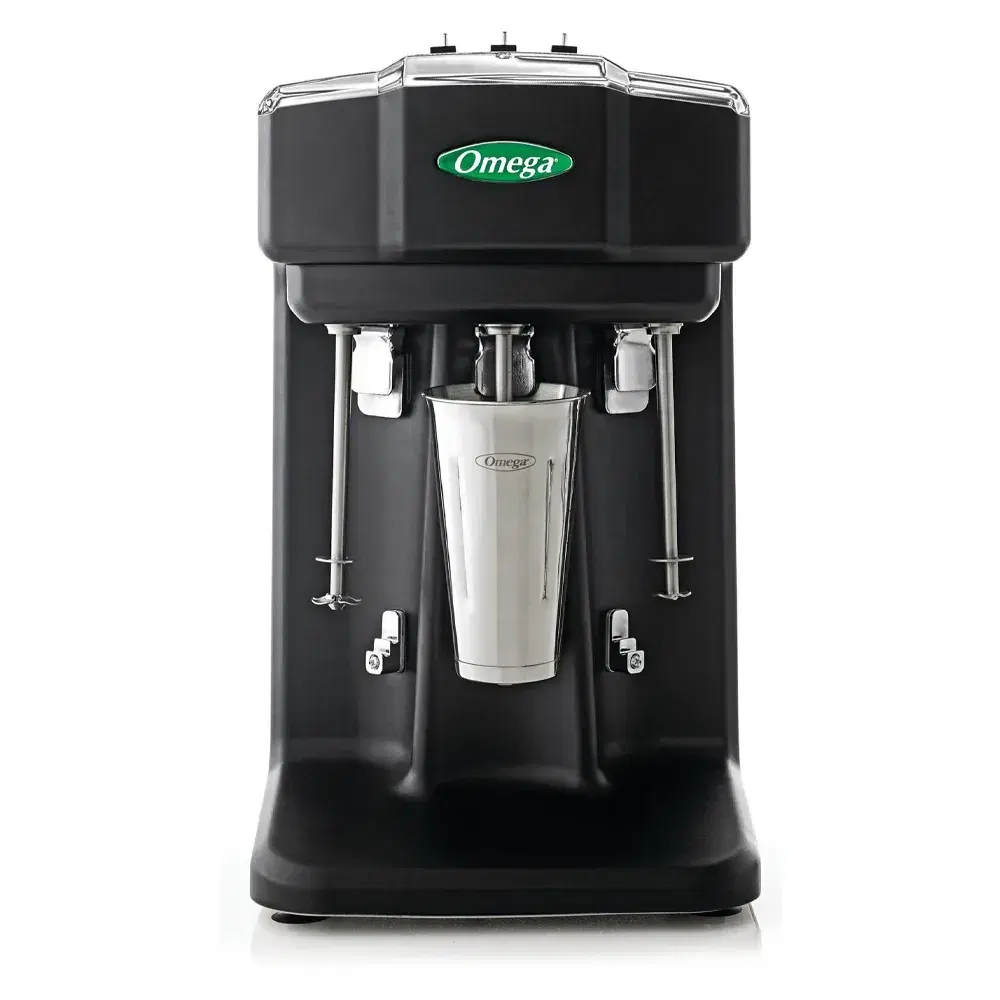
Omega M3000 Milkshake Mixer, Triple Spindle, Black, 120v
Model No: M3000
Shipping Fee
Mostly Ships in 5 to 7 Days
Commercial steamers are professional kitchen appliances that use controlled steam to cook, reheat, hold, or refresh food efficiently in a commercial kitchen. They matter because steam cooking helps teams prepare vegetables, seafood, rice, proteins, bakery components, and batch menu items with consistent moisture, repeatable timing, and less hands-on attention than many open-pan methods.
A commercial steamer is not the same as a janitorial steam cleaner, although buyers sometimes search for commercial steamers for cleaning. In foodservice, the equipment category includes food steamers, convection steamers, pressureless steamers, pressure steamers, boiler-based units, boilerless units, generator-based units, connectionless units, and direct-steam models designed for production cooking rather than surface sanitation.
The right commercial steamer depends on your menu volume, available utilities, kitchen footprint, service pattern, and maintenance plan. A small cafe or food truck may need a compact countertop electric steamer, while a hotel, hospital, school, or high-volume commissary may need stacked cavities, floor models, gas power, boiler-based recovery, or pressure steamers built for bulk output. Cleveland describes pressure steamers as suitable for much higher-volume output and lists applications such as hotels, hospitals, schools, nursing homes, industrial cafeterias, and correctional facilities.
Use this guide to narrow your purchase before requesting a quote, spec sheet, or site review.
Capacity is the first buying filter. A 3-pan countertop model can support sides, prep, or limited à la carte work, while 6-pan, 10-pan, stacked, or multi-compartment steamers suit banquet, institutional, and commissary production. Vulcan's current commercial steamer lineup includes examples such as C24EA3 and C24EA5 electric countertop models, C24ET10 electric floor models, and C24GA10 gas floor models, giving operators a practical way to match pan count to service volume.
Size and configuration affect workflow as much as capacity. Countertop units preserve floor space but use valuable prep area; floor models need clearance but can centralize production. Stacked cavities help teams cook different foods at the same time, and independent controls reduce bottlenecks when one menu item needs continuous steam while another needs timed cooking.
Power source should match your building, not just your preference. Electric models can suit locations without gas lines, while gas models may be attractive in kitchens already designed for gas cooking. Direct steam or steam coil models are specialized options for facilities with building steam; Cleveland lists electric, gas, direct steam, and steam coil pressure steamer configurations.
Steam technology determines recovery, cleaning, and ownership effort. Groen lists boiler-based, generator-based, boilerless, and connectionless designs, while its HyPerSteam line uses atmospheric steam generators and internal convection fans for faster cook times and more uniform results.
Temperature control, timers, and steam generation protect consistency from chef to chef and shift to shift. Look for clear controls, ready lights, continuous steam modes, independent cavities, automatic fill-and-drain, and easy access for deliming. Groen HyPerSteam models include 60-minute timers, continuous steam settings, exterior de-liming access, automatic fill-and-drain, and maintenance indicators.
Energy and water efficiency influence total cost of ownership. ENERGY STAR-qualified or low-water designs can reduce utility demand, especially in kitchens that steam throughout the day. Groen states its SmartSteam Pro boilerless design reduces water usage by more than 50% versus traditional generator and boiler steamers, and Vulcan describes boilerless technology as efficient open-reservoir technology designed for easier cleaning and service.
For compact or mid-volume kitchens, consider Vulcan C24EA3 PLUS or C24EA5 PLUS electric countertop convection steamers when you need 3-pan or 5-pan capacity without committing floor space. For larger electric production, Vulcan C24ET10-LWE offers dual cooking cavities, independent steam generators, timers, buzzers, constant steam, and ready lights.
For flexible professional steamers, Groen HyPerSteam HY-3E, HY-5E, HY-6E, and HY-6G configurations cover electric, gas, countertop, cabinet, and stand-mounted use cases. Groen positions HyPerSteam for batch, à la carte, retherm, and shellfish work, with 3-, 5-, and 6-pan cavity capacities.
For institutional volume, compare Cleveland pressure steamer models such as PEM electric, PGM gas, PDM direct steam, and PSM steam coil configurations. Cleveland lists 2- and 3-compartment models and per-compartment capacities for full-size steam table pans and sheet pans, making them relevant where hundreds of meals must move quickly.
Before purchase, confirm utilities, drainage, water quality, ventilation, door swing, service clearance, and floor or counter support. A steamer that fits the menu but not the site can create expensive delays, especially if electrical service, gas pressure, water filtration, or drain tempering is overlooked.
For maintenance, prioritize accessible deliming, cleanable interiors, replaceable gaskets, dependable controls, and documented parts support. Water treatment matters because scale can reduce steam performance and increase service calls. Ask about warranty terms, authorized service coverage, startup requirements, and parts availability before comparing the final price.
Total cost of ownership includes equipment price, installation, utilities, water treatment, cleaning labor, planned maintenance, downtime risk, and replacement parts. A lower-priced unit may not be the better value if it struggles during peak service or requires more frequent descaling.
Request a quote with your menu, meal counts, available utilities, and floor plan so the steamer you choose supports real service-not just a specification sheet.
Popular Searches