Discover Exceptional Products and Unmatched Service.
Power up your kitchen with reliable cooking equipment for restaurants and catering services. Trusted brands, fast shipping, unbeatable prices.

ChefPro Series 13" Countertop Fried Food Warmer, 120V
Model No: CPCFGW13
⚡ Fast DeliveryShipping Fee
Mostly Ships in 5 to 7 Days
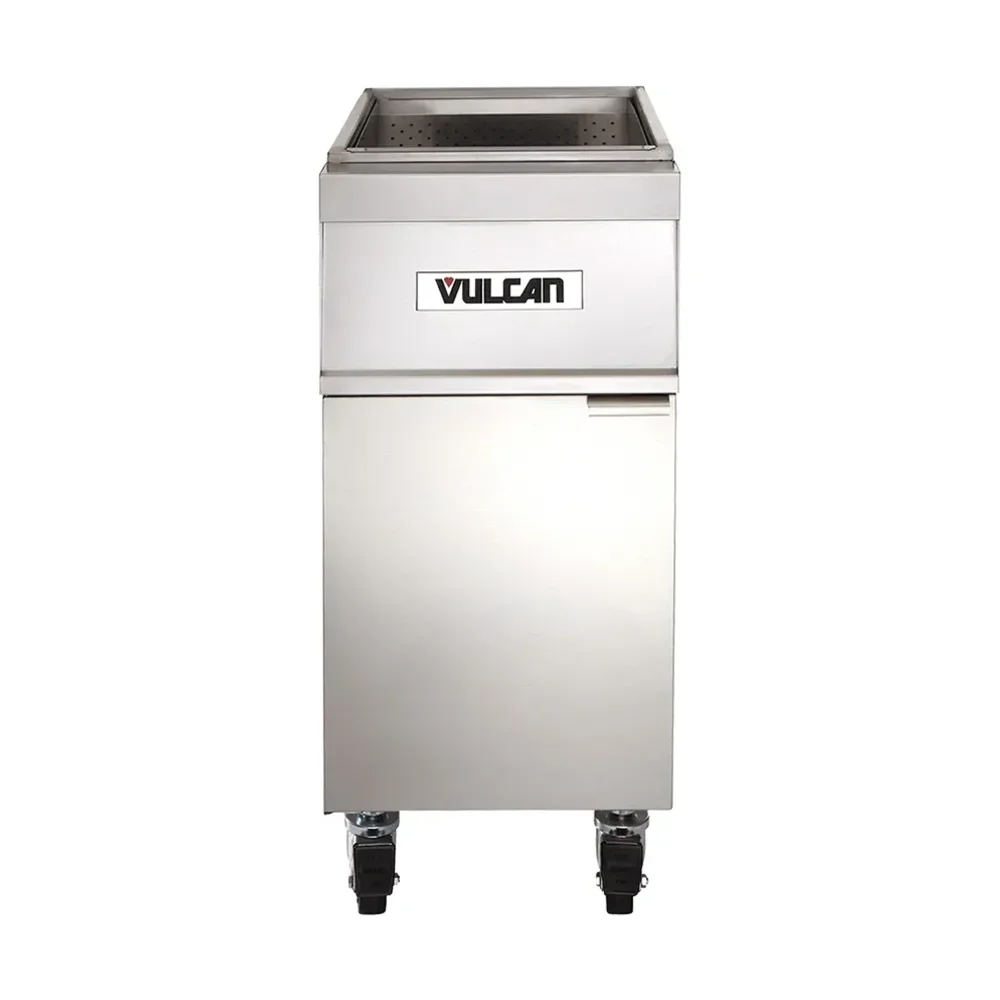
Vulcan FRYMATE VX15 15-1/2" Floor Model Fried Food Holding Station
Model No: FRYMATEVX15
⚡ Fast DeliveryShipping Fee
Mostly Ships in 5 to 7 Days

Hatco GRFHS-21 21" Fry Holding Station, Portable, Glo-Ray - 120V, 1200W
Model No: GRFHS-21
⚡ Fast DeliveryShipping Fee
Mostly Ships in 5 to 7 Days
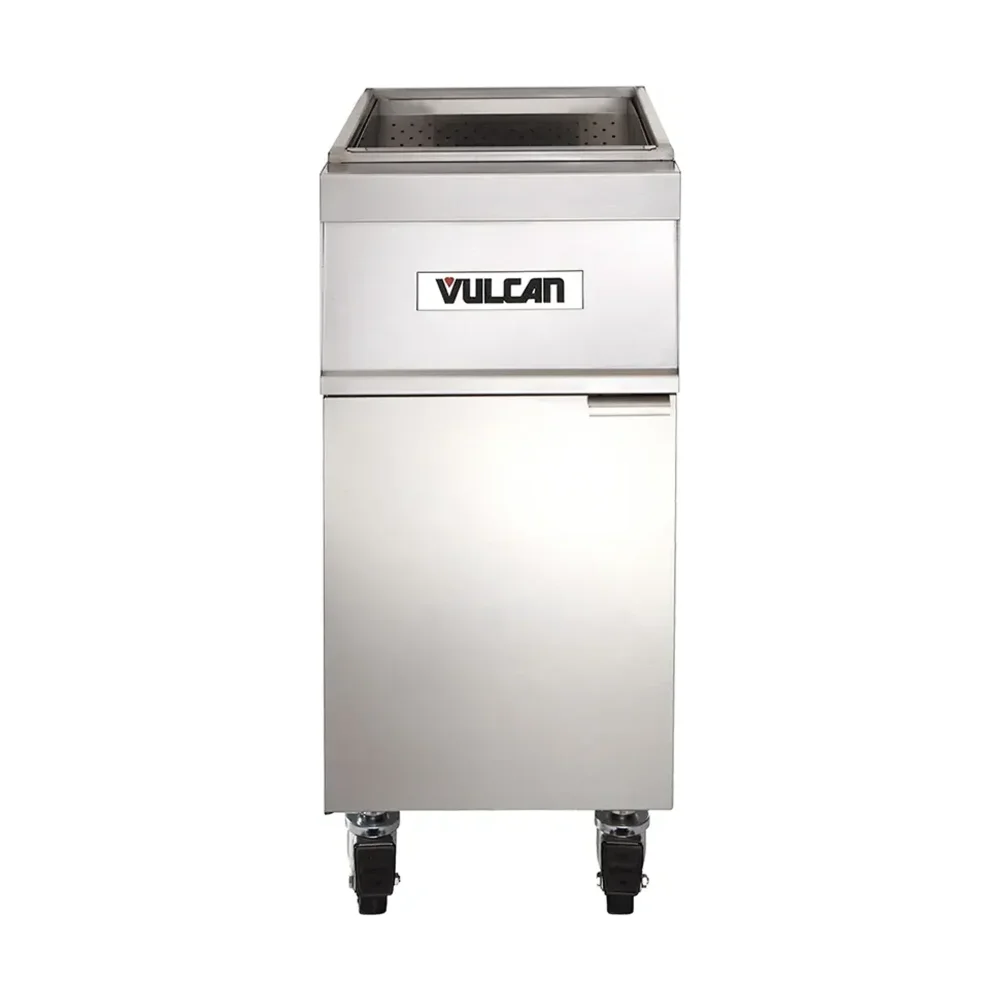
Vulcan FRYMATE VX21S 21" Floor Model Fried Food Holding Station
Model No: FRYMATEVX21S
⚡ Fast DeliveryShipping Fee
Mostly Ships in 5 to 7 Days

Vulcan VFDUMP 18" Floor Model Fried Food Holding Station
Model No: VFDUMP 120/1
⚡ Fast DeliveryShipping Fee
Mostly Ships in 5 to 7 Days
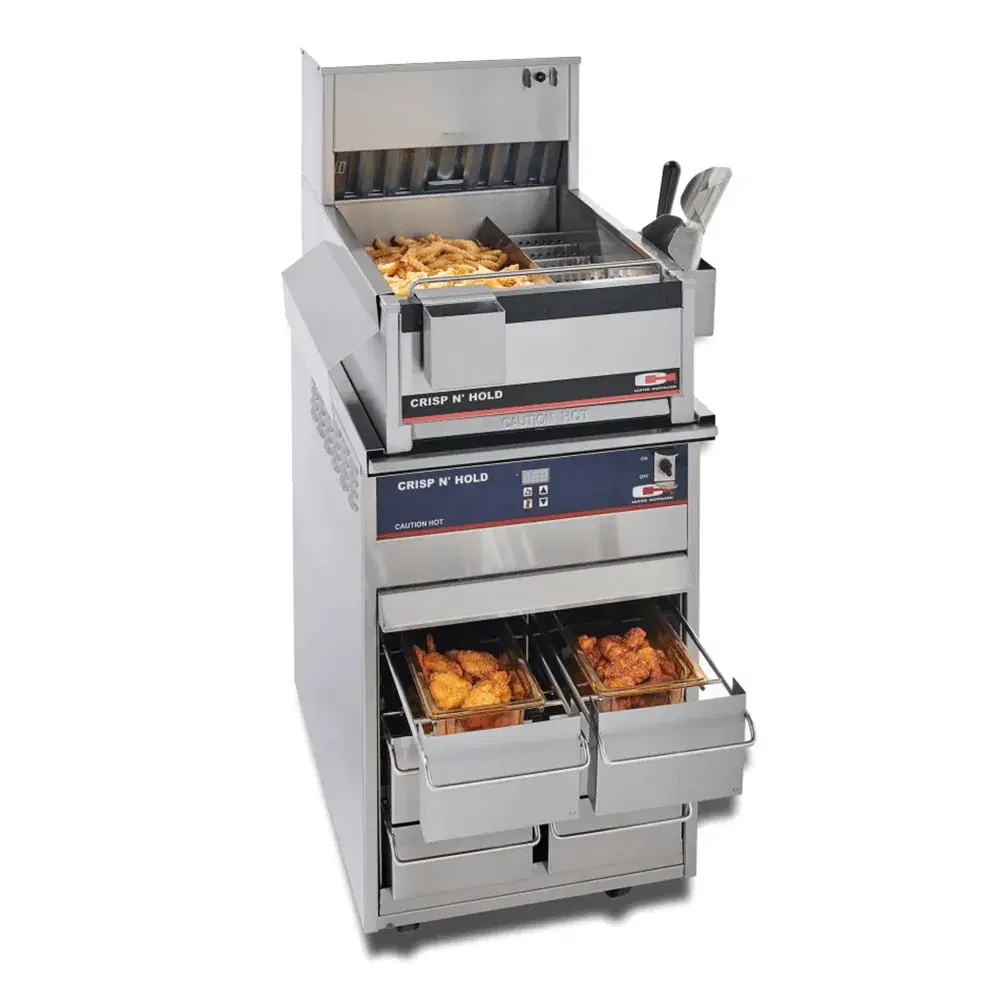
Carter-Hoffmann FFSTKPKG 20" Crisp 'N Hold Fried Food Warmer, Floor Model, 120V
Model No: CNH18XD
⚡ Fast DeliveryShipping Fee
Mostly Ships in 5 to 7 Days
Commercial fry dump stations help busy kitchens handle hot, used fryer oil with less mess, fewer unsafe lifts, and a clearer path to cooking oil disposal or oil recycling. Whether you run a restaurant, hotel, café, ghost kitchen, or catering operation, the right station supports cleaner fryer management and more consistent waste oil solutions. This page explains what to compare before you buy, what options are available, and how to choose equipment that fits your daily oil dumping routine.
Yes, commercial fry dump stations are right for any foodservice operation that regularly drains fryers and needs a safer, more controlled place to receive used cooking oil. A commercial fry dump station gives staff a designated transfer point instead of relying on open buckets, improvised pans, or awkward manual carrying. For kitchens planning a commercial fry dump station for restaurants, the biggest value is not just convenience; it is smoother workflow, cleaner floors, and better preparation for waste oil pickup, filtration, or recycling.
A fry dump station is a piece of commercial kitchen equipment designed to collect, hold, and help manage used fryer oil after draining. Depending on the model, it may function as a basic receiving tank, a mobile oil disposal station, a heated fry dump station, or part of a larger fryer oil management system. Its role is simple: move waste oil from the fryer into a purpose-built container that supports safer handling and cleaner back-of-house operations.
In practical terms, it sits between fryer accessories and waste oil solutions. It does not replace fryer cleaning, filtration, or oil recycling services, but it helps connect those steps. A well-chosen oil dump station can reduce spills, organize oil dumping, and give staff a predictable process during opening, closing, or oil-change tasks.
Different kitchens need different fryer oil disposal equipment. Smaller sites may need a compact manual unit, while high-volume kitchens often benefit from higher-capacity or heated designs.
Common options include:
This range is why a commercial fry dump station buying guide should always start with workflow, not just size.
A fry dump station helps commercial kitchens hold, drain, and present fried foods after they leave the fryer. Whether you serve french fry portions all day, batch onion rings for rush periods, or run a broad fried menu, the right setup keeps product organized and service moving. Use this guide to understand what to look for, how Fry Dump Stations fit into fryer operations, and when to pair them with waste oil solutions.
A fry dump station should create a practical landing zone between the fryer and the plate, bag, tray, or holding area. It gives staff a consistent place to drain excess oil, season product, portion orders, and keep fried foods accessible during busy service. For operators, that means fewer improvised steps, cleaner workflow, and a more predictable handoff from cooking to serving.
When fries, onion rings, chicken, seafood, or appetizers come out of the fryer, speed matters—but so does consistency. A dedicated station helps separate finished food from active frying, reducing congestion around hot equipment and giving team members a defined process to follow.
A well-planned setup can support:
Fry dump stations are not one-size-fits-all. A small café serving occasional fried sides may need a compact station, while a quick-service kitchen with constant french fry demand may need a larger, more durable layout. Operators comparing options such as Hatco fry dump stations should focus on fit, function, cleaning access, and how the station will sit within the cookline.
Before selecting equipment, review these practical points:
A fry dump station helps manage cooked product; it is not a complete fryer disposal system. For used oil, kitchens still need a safe process for draining, storing, fryer oil collection, and oil recycling. That may include scheduled pickup, closed containers, or other waste oil solutions suited to the operation.
Thinking about both areas together creates a cleaner plan. Food moves from fryer to station to customer, while spent oil moves through a separate disposal and recycling process. Keeping those tasks distinct helps staff understand what belongs in the food-service workflow and what belongs in the fryer disposal workflow.
The best fry station is the one your team will actually use correctly during a rush. Start with your menu, peak volume, cookline layout, and cleanup expectations, then choose equipment that supports those realities without adding unnecessary complexity.
Ready to improve your fried food workflow? Review your current fry line, note the bottlenecks, and choose a fry dump station setup that helps your team serve crisp, organized, better-handled fried foods from the first order to the last.
Knowing how to choose a fry dump station comes down to matching the equipment to your fryer volume, space, staff process, and disposal method. The best commercial fry dump station is the one your team can use correctly every time.
Before ordering, check:
Capacity matters because undersized equipment forces extra trips and increases the chance of spills. Mobility matters because many kitchens do not have the fryer, dump point, and waste oil storage in the same place. Heat retention matters because warm oil moves more easily than cooled oil, which can slow draining and create mess.
Cleaning access is just as important as specifications. If staff cannot clean the station quickly, residue builds up and the unit becomes harder to use. Good fryer management depends on routines your team can repeat under pressure, especially during closing when oil dumping is often done fast.
Fry Dump Stations are built for commercial kitchens that fry often enough for oil handling to become a real operational task. A commercial fry dump station for restaurants is ideal for burger shops, chicken restaurants, fish-and-chip concepts, diners, hotel kitchens, school kitchens, and catering teams.
It also suits kitchens upgrading from buckets or open containers. If staff are carrying hot oil by hand, walking across wet floors, or struggling with cooking oil disposal after peak service, a dedicated station can make the process more controlled and professional.
Small cafés and low-volume kitchens usually need a compact manual unit that fits beside existing fryer accessories. Casual restaurants with daily frying often need a mobile fry dump station so staff can move oil to a storage point without disrupting the cookline. High-volume kitchens, chicken shops, and hotel operations may prefer a heavy-duty or heated fry dump station because oil changes happen more frequently.
For businesses focused on sustainability, pairing the station with oil recycling services can create a cleaner waste stream. For operations with strict back-of-house procedures, an integrated fryer oil disposal station may be the better long-term choice.
Specific brands and models should be selected based on capacity, construction, compatibility, and available support rather than name alone. The horeca store can help foodservice buyers compare commercial fry dump stations, understand product options, and choose equipment that fits their layout and fryer volume.
Because specifications vary by model, confirm dimensions, tank capacity, materials, power needs for heated units, and warranty or service coverage before purchase. Pricing also varies by size, heating features, mobility, and configuration, so request a current quote for the exact unit you need.
Manual fry dump station
Small kitchens
Simple, controlled oil collection
Mobile oil disposal station
Medium restaurants
Easier transport to storage or pickup
Heated fry dump station
High-volume frying
Better flow and heat retention
Heavy-duty unit
Frequent oil changes
Stronger daily-use performance
Integrated disposal station
Systemized operations
Connects with broader waste oil solutions
This comparison keeps the buying decision practical. Start with how much oil you handle, where it moves, and who handles it.
Choose a commercial fry dump station that makes your current oil process safer and your future process easier to scale. If your kitchen changes oil weekly, a simple unit may be enough. If you drain multiple fryers daily, prioritize capacity, mobility, and temperature control.
A good buying process includes measuring the fryer area, confirming the disposal path, checking staff handling steps, and reviewing service access. The right station should feel like part of the kitchen workflow, not another obstacle in a crowded space.
Most stations require careful placement, staff training, and a clear cleaning schedule. Heated models may require suitable electrical access, while mobile units need safe routes and stable storage areas. Always follow the manufacturer’s instructions for temperature limits, draining, cleaning, and service intervals.
Routine maintenance should include checking valves, wheels, lids, filters if supplied, and contact points that handle hot oil. Staff should know when oil is ready to transfer, where it goes next, and how to report leaks or damage. That simple discipline protects the equipment and keeps fryer management consistent.
1. What is a commercial fry dump station used for? It is used to receive and manage used fryer oil after draining, helping kitchens handle cooking oil disposal with less mess and better control.
2. Do I need a heated fry dump station? Choose a heated unit if your oil cools before transfer, your kitchen handles frequent oil dumping, or you need better flow during busy fryer management routines.
3. Can a fry dump station support oil recycling? Yes. It can help collect oil cleanly before it is moved to storage or picked up by an oil recycling provider.
4. What size fry dump station should I buy? Match the size to your fryer capacity, oil-change frequency, available space, and disposal path.
5. Where can I buy commercial fry dump stations? Foodservice equipment suppliers such as the horeca store can help compare options, request pricing, and select a suitable model.