Discover Exceptional Products and Unmatched Service.
Power up your kitchen with reliable cooking equipment for restaurants and catering services. Trusted brands, fast shipping, unbeatable prices.

Dukers DCCM36 36" Cheese Melter, 1 Burner, 35,000 BTU, Convertible, 1 Year Warranty
Model No: DCCM36
⚡ Fast DeliveryShipping Fee
Mostly Ships in 5 to 7 Days
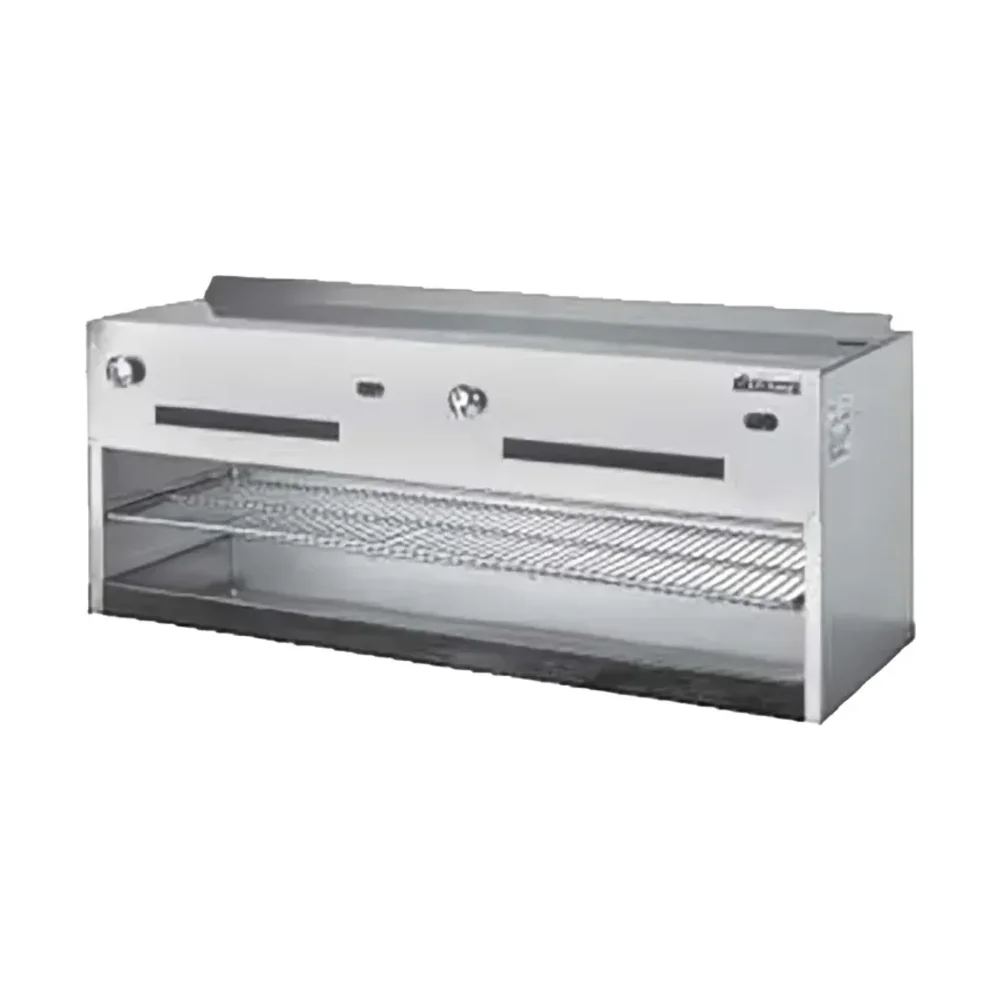
Garland IRCMA-24 24" Gas Cheese Melter, Infrared Burner, Natural Gas
Model No: IRCMA-24-NG
⚡ Fast DeliveryShipping Fee
Mostly Ships in 5 to 7 Days
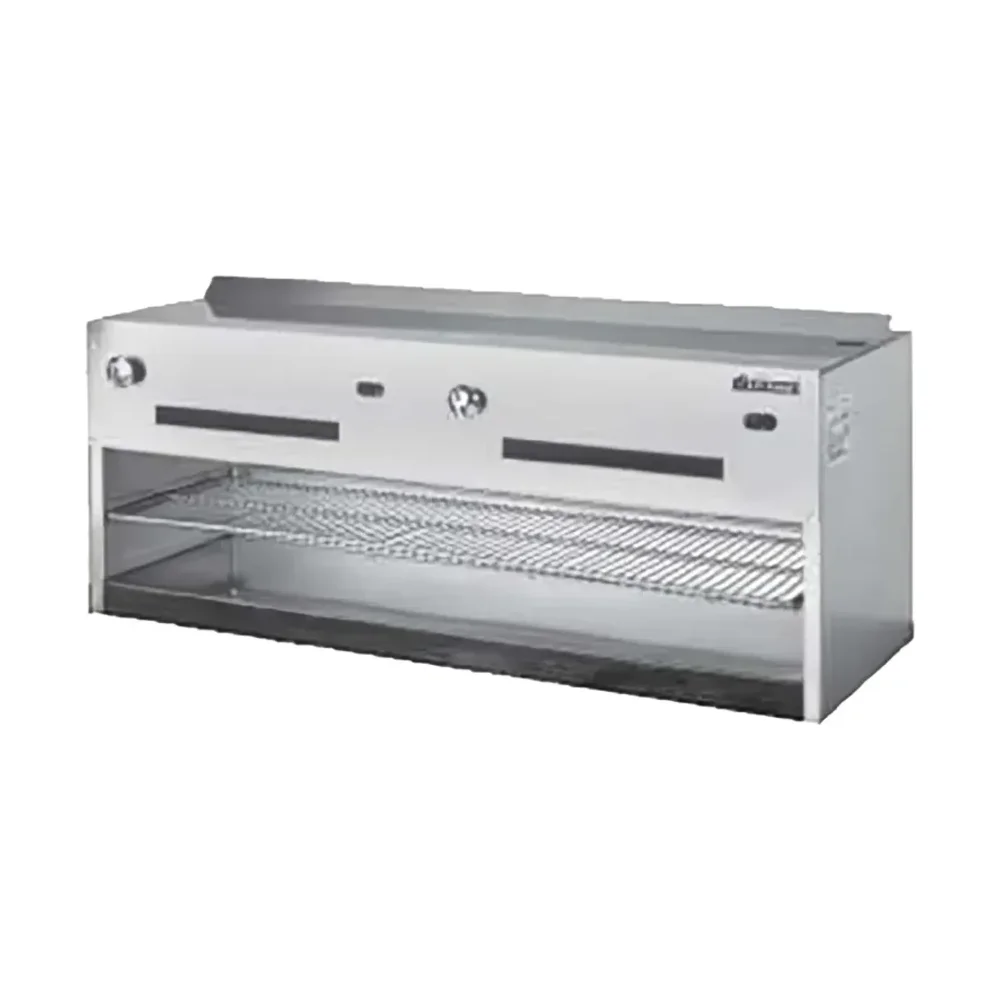
Garland IRCMA-36 36" Gas Cheese Melter, Infrared Burner, Natural Gas
Model No: IRCMA-36-NG
⚡ Fast DeliveryShipping Fee
Mostly Ships in 5 to 7 Days
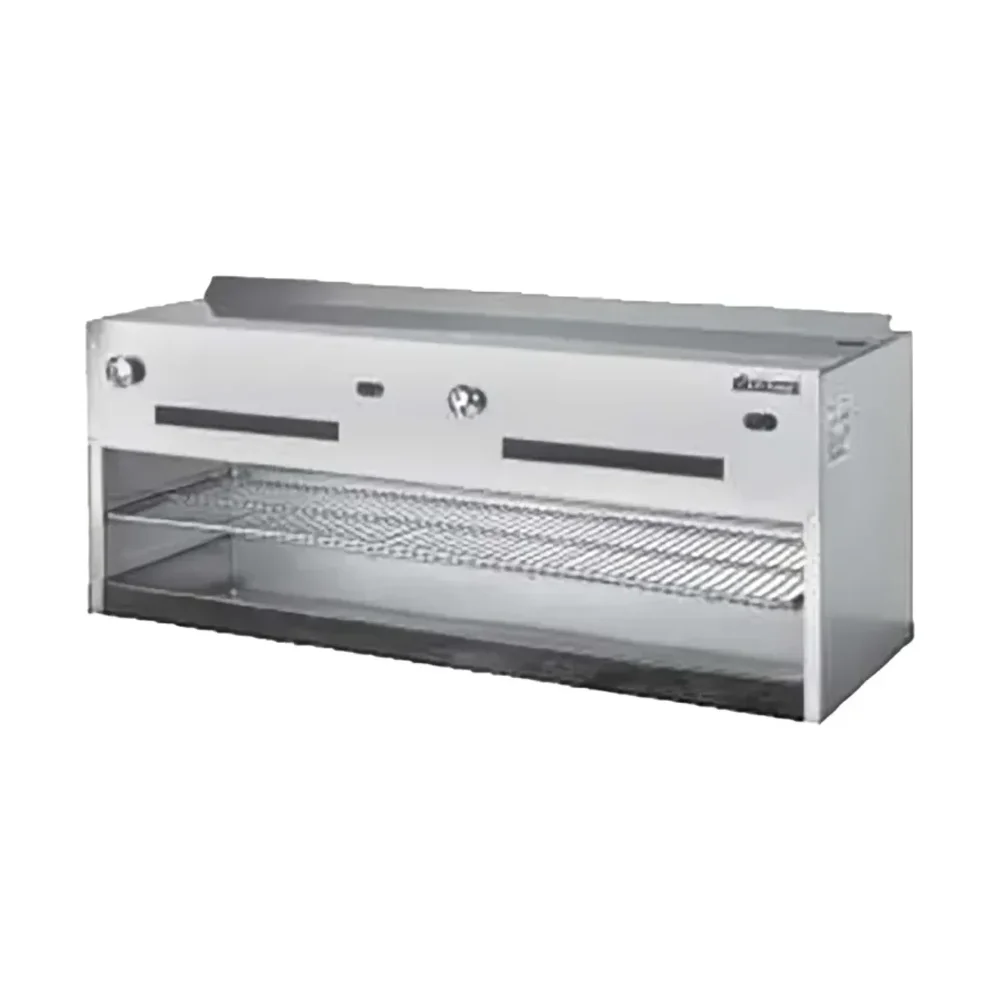
Garland IRCMA-36 36" Gas Cheese Melter, Infrared Burner, Liquid Propane
Model No: IRCMA-36-LP
⚡ Fast DeliveryShipping Fee
Mostly Ships in 5 to 7 Days
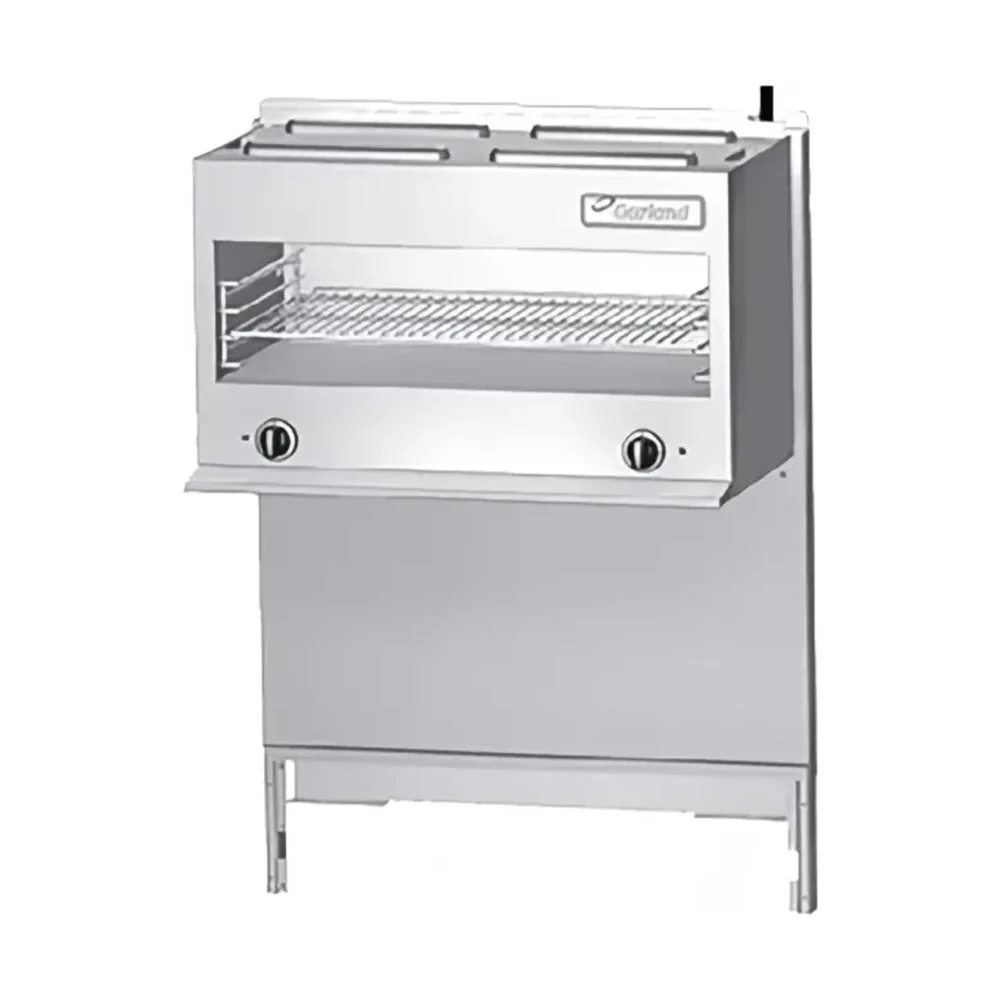
Garland GIRCM36 35 1/2" Gas Cheese Melter, Infrared Burner, Natural Gas
Model No: GIRCM36-NG
⚡ Fast DeliveryShipping Fee
Mostly Ships in 5 to 7 Days
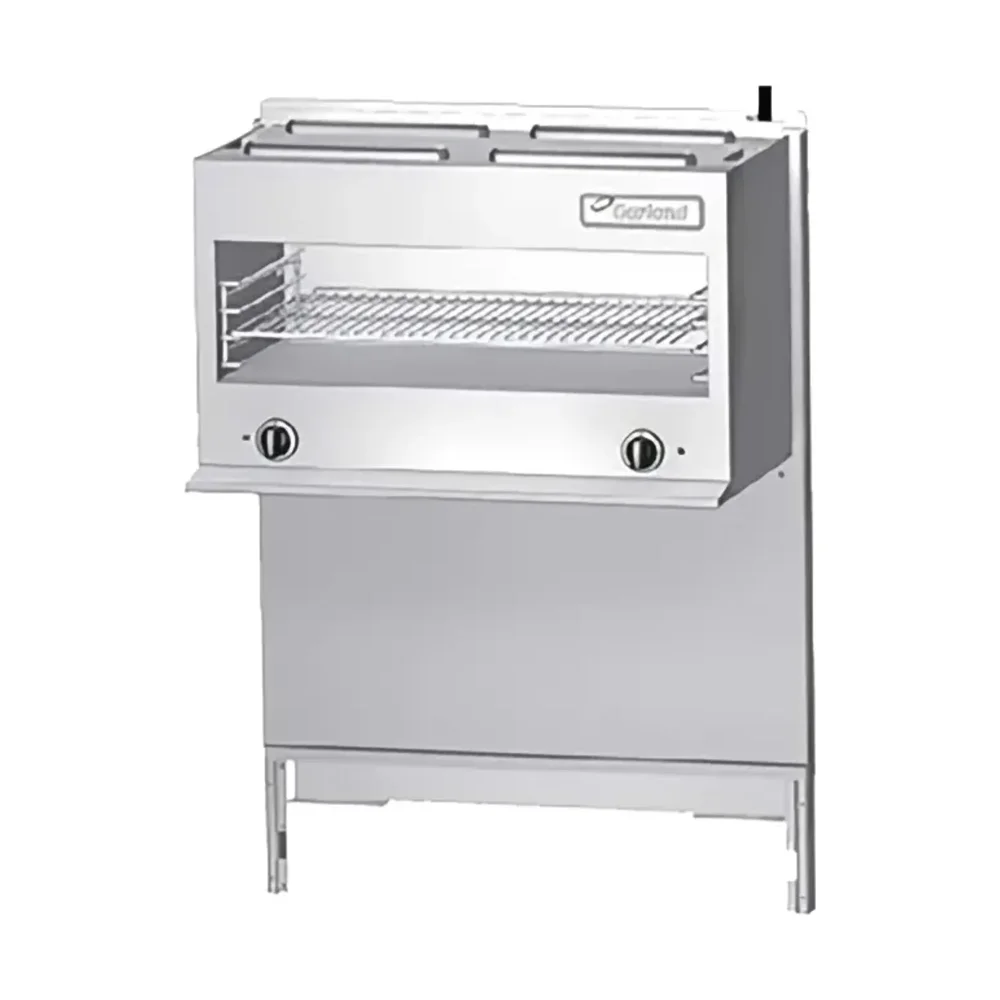
Garland GIRCM36 35 1/2" Gas Cheese Melter, Infrared Burner, Liquid Propane
Model No: GIRCM36-LP
⚡ Fast DeliveryShipping Fee
Mostly Ships in 5 to 7 Days
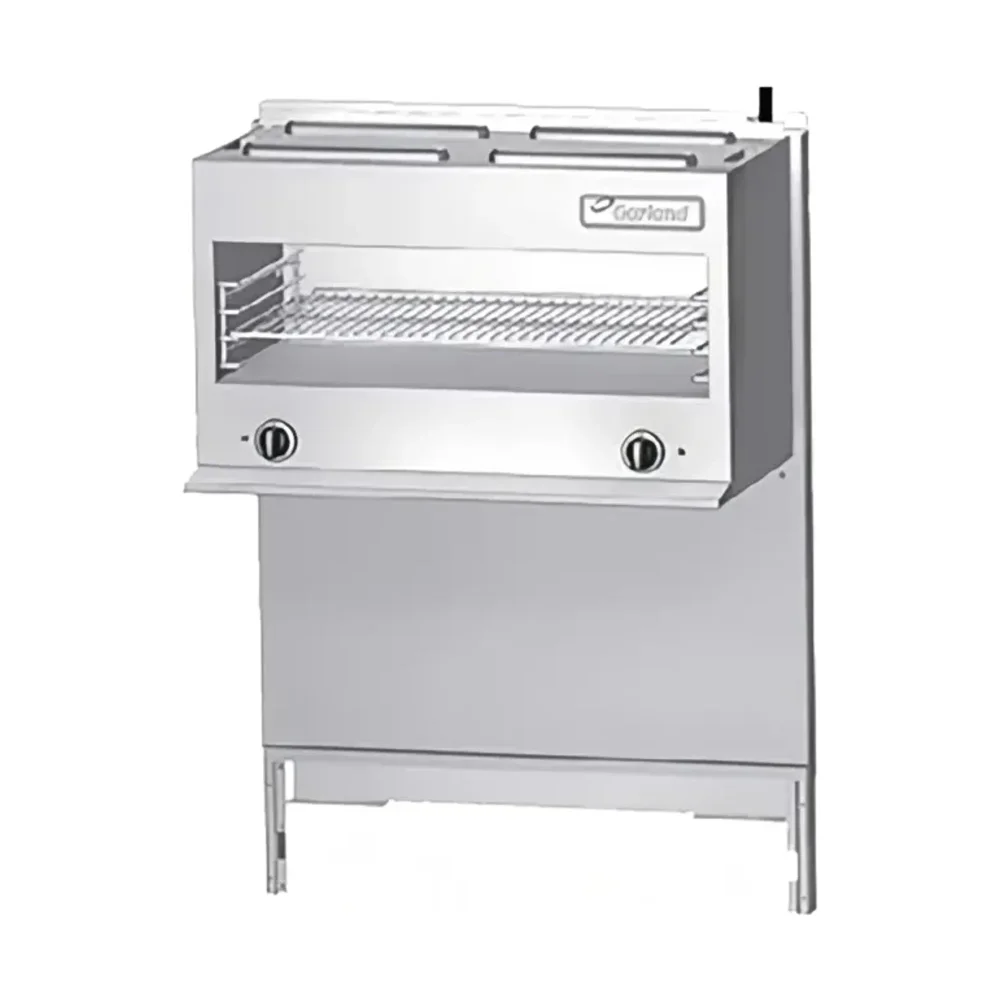
Garland GIRCM36C 34" Gas Cheese Melter, Infrared Burner, Natural Gas
Model No: GIRCM36C-NG
⚡ Fast DeliveryShipping Fee
Mostly Ships in 5 to 7 Days
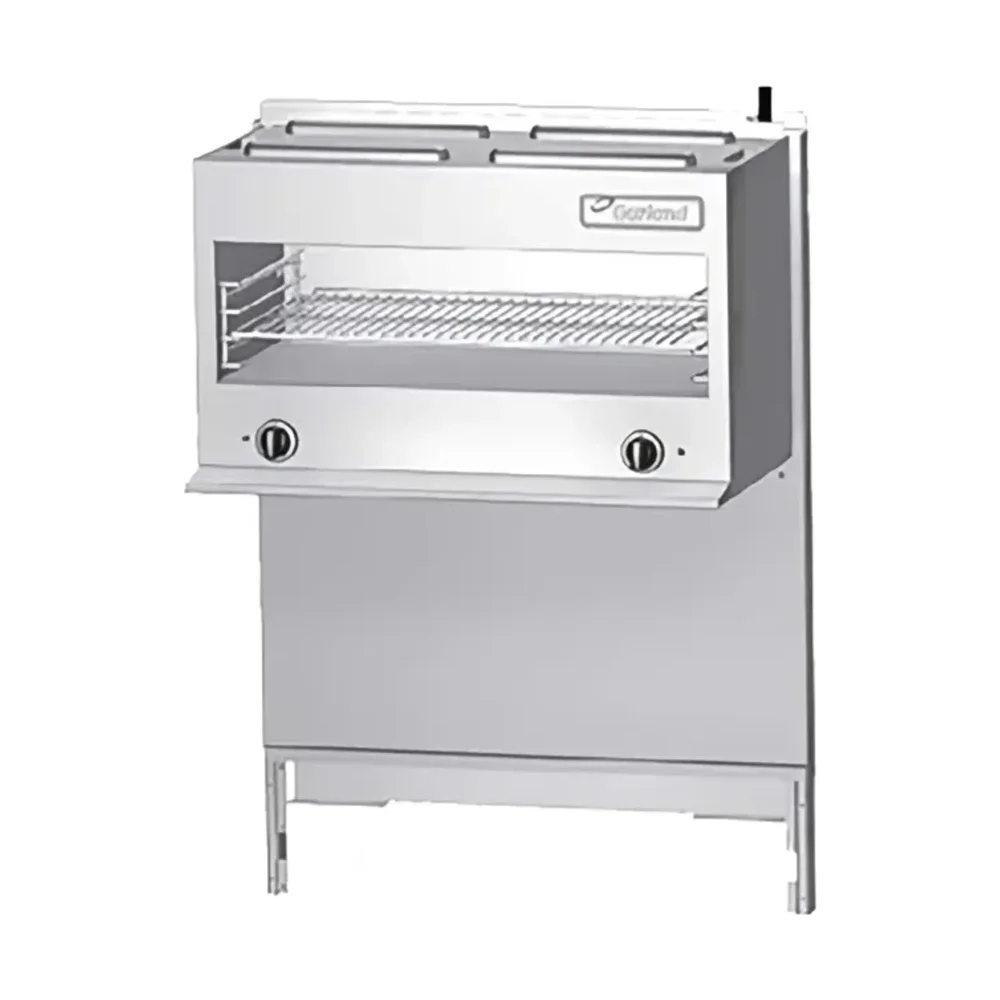
Garland GIRCM36C 34" Gas Cheese Melter, Infrared Burner, Liquid Propane
Model No: GIRCM36C-LP
⚡ Fast DeliveryShipping Fee
Mostly Ships in 5 to 7 Days
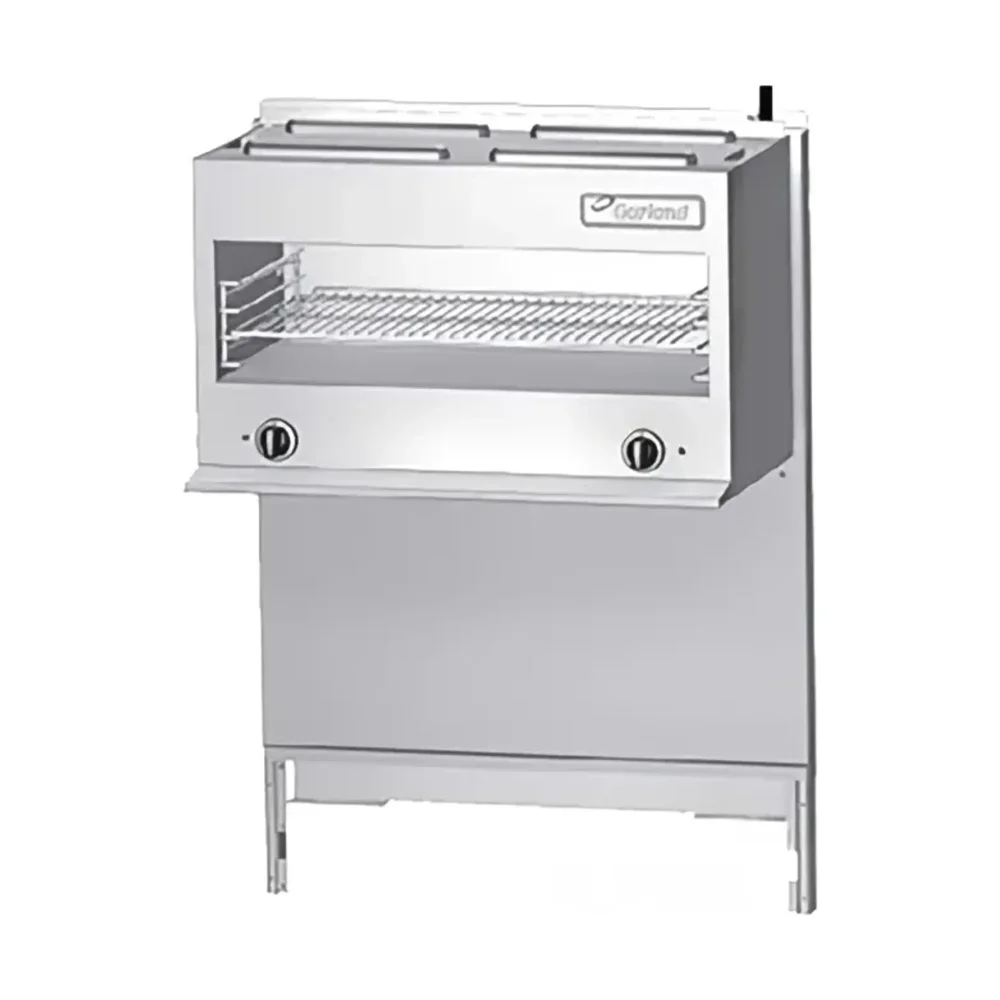
Garland GIRCM48 47 1/4" Gas Cheese Melter, Infrared Burner, Natural Gas
Model No: GIRCM48-NG
⚡ Fast DeliveryShipping Fee
Mostly Ships in 5 to 7 Days
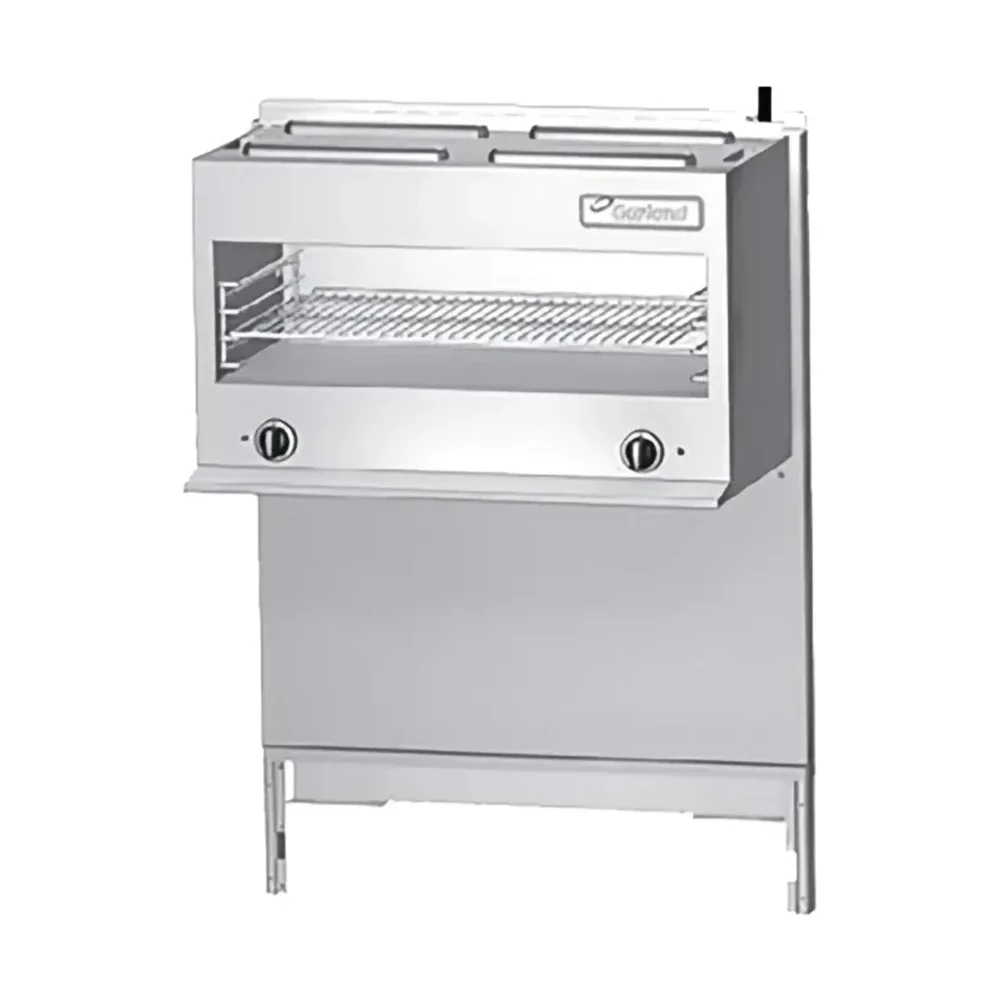
Garland GIRCM48 47 1/4" Gas Cheese Melter, Infrared Burner, Liquid Propane
Model No: GIRCM48-LP
⚡ Fast DeliveryShipping Fee
Mostly Ships in 5 to 7 Days
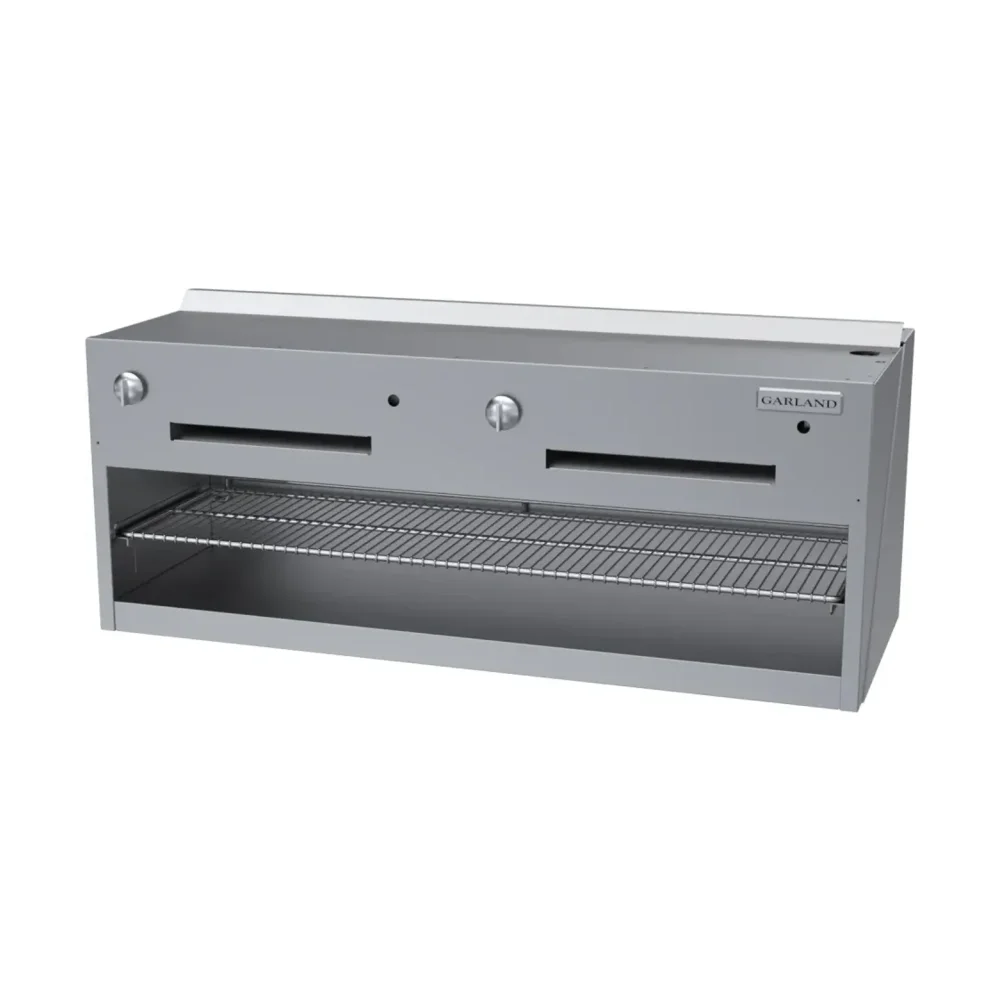
Garland IRCMA-48 48" Gas Cheese Melter, Infrared Burner, Stainless Steel, Natural Gas
Model No: IRCMA-48-NG
⚡ Fast DeliveryShipping Fee
Mostly Ships in 5 to 7 Days
Garland IRCMA-60 60" Gas Cheese Melter, Infrared Burner, Natural Gas
Model No: IRCMA-60-NG
⚡ Fast DeliveryShipping Fee
Mostly Ships in 5 to 7 Days
Garland IRCMA-60 60" Gas Cheese Melter, Infrared Burner, Liquid Propane
Model No: IRCMA-60-LP
⚡ Fast DeliveryShipping Fee
Mostly Ships in 5 to 7 Days
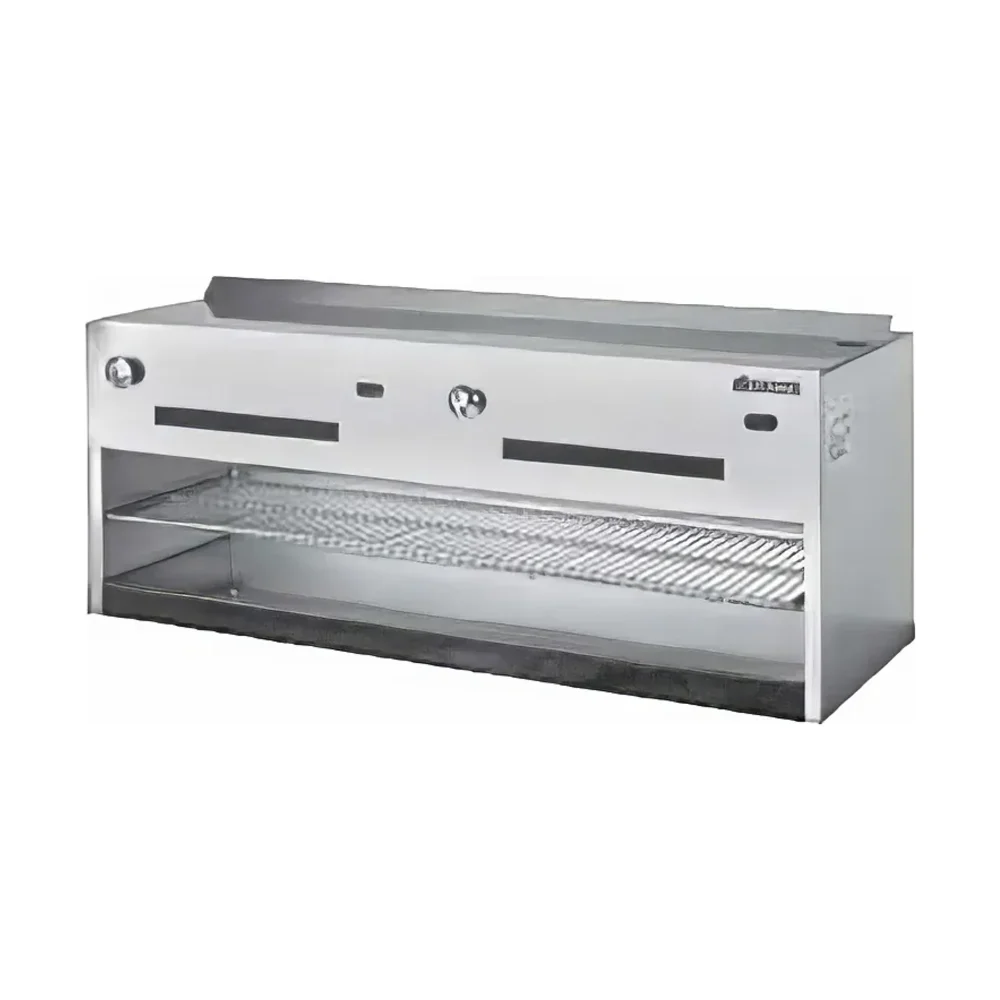
Garland IRCMA-72 72" Gas Cheese Melter, Infrared Burner, Natural Gas
Model No: IRCMA-72-NG
⚡ Fast DeliveryShipping Fee
Mostly Ships in 5 to 7 Days
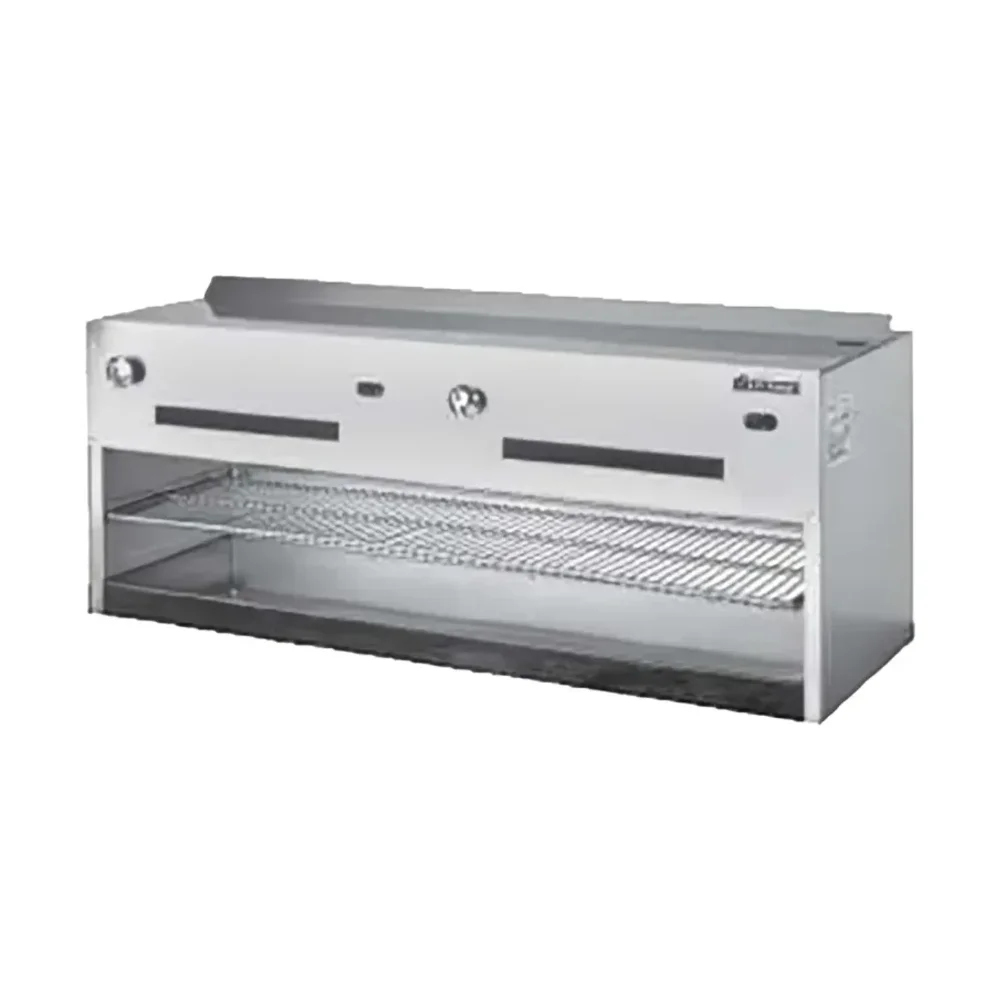
Garland IRCMA-72 72" Gas Cheese Melter, Infrared Burner, Liquid Propane
Model No: IRCMA-72-LP
⚡ Fast DeliveryShipping Fee
Mostly Ships in 5 to 7 Days

Professional kitchens across America rely on efficient cheese melting equipment to deliver consistent, high-quality dishes that keep customers coming back. Whether you're operating a bustling restaurant, managing a hotel's room service kitchen, or running a catering operation, having the right cheese melter can transform your food preparation process and elevate your menu offerings. These specialized appliances are designed to handle the demanding requirements of commercial food service, delivering precise temperature control and even heat distribution that ensures perfect cheese melting every time.
The importance of a reliable cheese melter in HORECA operations cannot be overstated. From creating the perfect nachos for your sports bar to preparing gourmet grilled cheese sandwiches for your upscale bistro, these versatile units provide the consistency and speed that professional kitchens demand. Unlike traditional ovens or stovetops, commercial cheese melters are engineered specifically for the unique properties of cheese, preventing burning while achieving that ideal melted texture that customers expect. Modern cheese melter units offer superior energy efficiency compared to conventional heating methods, making them a smart investment for cost-conscious operators looking to optimize their kitchen's performance while maintaining exceptional food quality.
Today's commercial cheese melter equipment incorporates advanced heating technologies that deliver unprecedented control over the melting process. Most professional-grade units utilize infrared heating elements or specialized radiant heat systems that provide consistent temperature distribution across the entire melting surface. This technology ensures that cheese melts evenly without the hot spots that can cause burning or uneven texture, which is crucial for maintaining the high standards that HORECA professionals demand from their equipment.
The engineering behind modern cheese melter commercial units focuses on maximizing efficiency while minimizing energy consumption. Advanced insulation materials and precise temperature controls allow operators to maintain optimal melting conditions without excessive energy waste. These units typically feature adjustable heat settings that accommodate different types of cheese, from delicate fresh mozzarella to harder aged varieties that require more intensive heating. The ability to fine-tune temperature settings makes these appliances invaluable for establishments that offer diverse menu items requiring different cheese preparations.
Professional cheesemelter designs also incorporate safety features that protect both operators and the integrity of the food being prepared. Automatic shut-off mechanisms prevent overheating, while ergonomic designs reduce the risk of burns during operation. Many units include removable drip trays and easy-clean surfaces that streamline maintenance procedures, ensuring that busy kitchen staff can maintain hygiene standards without disrupting service flow.
The versatility of commercial cheese melting equipment extends far beyond simple cheese melting, making these units essential tools for creative culinary applications. Professional chefs utilize cheese melters for preparing everything from traditional Mexican dishes like quesadillas and enchiladas to innovative fusion cuisine that combines melted cheese with unexpected ingredients. The precise temperature control available in commercial units allows for sophisticated techniques such as cheese crisping, where the surface of melted cheese is carefully caramelized to create textural contrast.
Restaurant operations benefit significantly from the speed and consistency that cheese melter commercial equipment provides during peak service hours. Unlike conventional ovens that require preheating time and may struggle to maintain consistent temperatures during busy periods, dedicated cheese melters reach optimal operating temperature quickly and maintain stable heat output regardless of kitchen ambient conditions. This reliability is particularly valuable for establishments that experience sudden rushes or need to prepare large quantities of cheese-topped items simultaneously.
Choosing the appropriate cheese melter for your specific HORECA operation requires careful consideration of several factors that directly impact both performance and return on investment. Volume requirements represent the primary consideration, as units designed for small cafes differ significantly from those needed for high-volume restaurant chains or large catering operations. Understanding your peak service demands helps ensure that your chosen equipment can handle maximum capacity without compromising food quality or service speed.
Power requirements and available electrical infrastructure play crucial roles in equipment selection. Commercial cheese melter units typically require dedicated electrical circuits and specific voltage requirements that may necessitate electrical upgrades in older facilities. Working with qualified electricians during the planning phase prevents costly delays and ensures that your new equipment operates at optimal efficiency from installation day forward.
Achieving optimal results from your cheesemelter equipment requires understanding proper operating techniques and maintenance procedures that extend equipment life while ensuring consistent food quality. Temperature management represents the most critical aspect of successful cheese melting, as different cheese varieties respond differently to heat application. Soft cheeses like brie or camembert require lower temperatures and shorter exposure times, while harder cheeses such as cheddar or swiss need higher temperatures to achieve proper melting consistency.
Timing control becomes particularly important during peak service periods when multiple orders require simultaneous preparation. Professional operators develop systematic approaches to loading and monitoring multiple portions, ensuring that each serving receives appropriate attention without compromising quality. This systematic approach reduces waste from overcooked items while maintaining the rapid service speeds that customers expect from professional establishments.
The financial benefits of investing in quality cheese melter commercial equipment extend well beyond initial purchase considerations to encompass operational efficiency gains and menu expansion opportunities. Professional-grade units typically offer superior durability compared to consumer-grade alternatives, resulting in lower replacement costs and reduced downtime over the equipment's operational lifetime. The reliability of commercial equipment becomes particularly valuable during peak business periods when equipment failure could result in significant revenue loss.
Energy efficiency considerations play increasingly important roles in equipment selection as utility costs continue rising across the United States. Modern cheese melters incorporate advanced insulation and heating element designs that minimize energy consumption while maintaining optimal performance levels. These efficiency improvements can result in substantial savings over the equipment's operational lifetime, often offsetting higher initial investment costs within the first few years of operation.