
Picture this: It is 7:00 PM on a Friday night, the kitchen printer is firing off tickets relentlessly, and half of the orders include fried calamari, mozzarella sticks, or a mountain of signature french fries. In this moment, your deep fryer is the beating heart of your kitchen. If it struggles to keep oil temperatures up, your food gets soggy, ticket times drag, and customers leave unhappy.
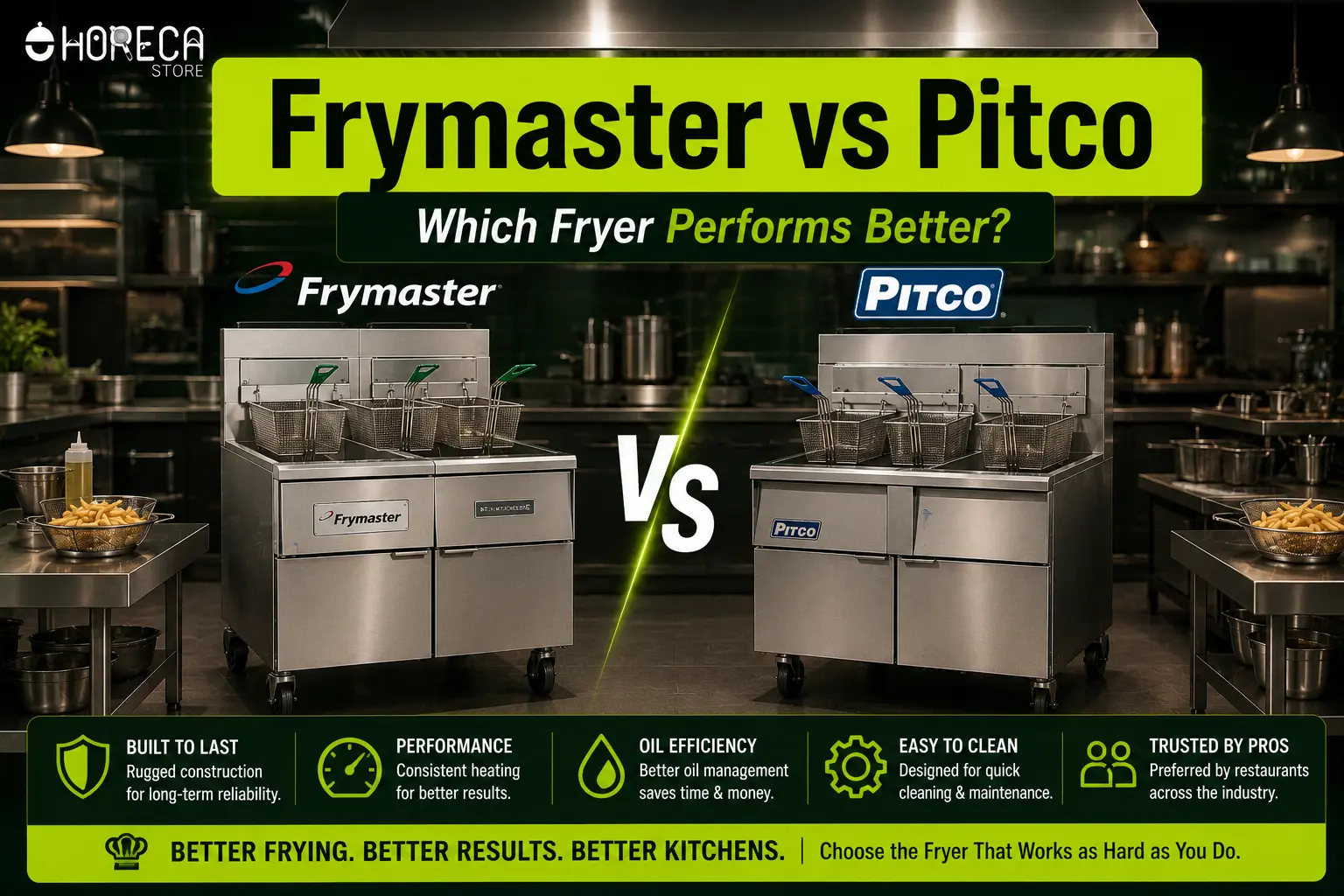
When outfitting a high-demand kitchen, operators eventually face the ultimate heavyweight matchup: Frymaster vs Pitco: Which Commercial Fryer Is Better for Busy Restaurant Kitchens?
Both brands have built formidable reputations over decades, becoming staples in fast-food chains, fine-dining establishments, and bustling sports bars. However, they approach the science of frying differently. Choosing the best commercial fryer for your operation is not just about brand loyalty; it is about analyzing your specific menu, your kitchen staff's workflow, and your long-term budget.
In this comprehensive guide, we will break down everything you need to know about these two industry giants, from heating mechanisms and oil filtration to maintenance and overall value.
The Foundation: Power, Fuel, and Heating Styles
Before we dive into the specific brand comparison of frymaster vs pitco, it is essential to understand the underlying technology that powers these machines. The best fryers are those matched perfectly to the environment they operate in.
Gas vs Electric Commercial Deep Fryers
One of the first decisions you will make is choosing your fuel source. When looking at gas vs electric commercial deep fryers, both have distinct advantages:
- Gas Fryers: Typically heat up faster and achieve higher maximum temperatures. They are ideal for high-volume settings and are usually cheaper to operate depending on local utility costs. However, they lose more ambient heat into the kitchen, which can increase your air conditioning bills.
- Electric Fryers: These are incredibly energy-efficient because the heating elements are submerged directly into the oil, meaning nearly 100% of the energy goes into heating the fat. They have quicker recovery times between batches but often come with a higher upfront purchase price.
Commercial Fryer BTU Rating Explained
If you opt for a gas fryer, you will encounter the term "BTU" (British Thermal Unit). Having the commercial fryer BTU rating explained is simple: it measures the amount of heat the fryer can output.
A higher BTU rating generally means the fryer can heat oil faster and recover its temperature more quickly after frozen foods are dropped into the vat. For standard operations, fryers range from 70,000 to 100,000 BTUs. High-volume models can exceed 120,000 BTUs. If you are frying heavy, frozen items (like bone-in chicken).
Open Pot vs Tube Fryers: The Ultimate Design Battle
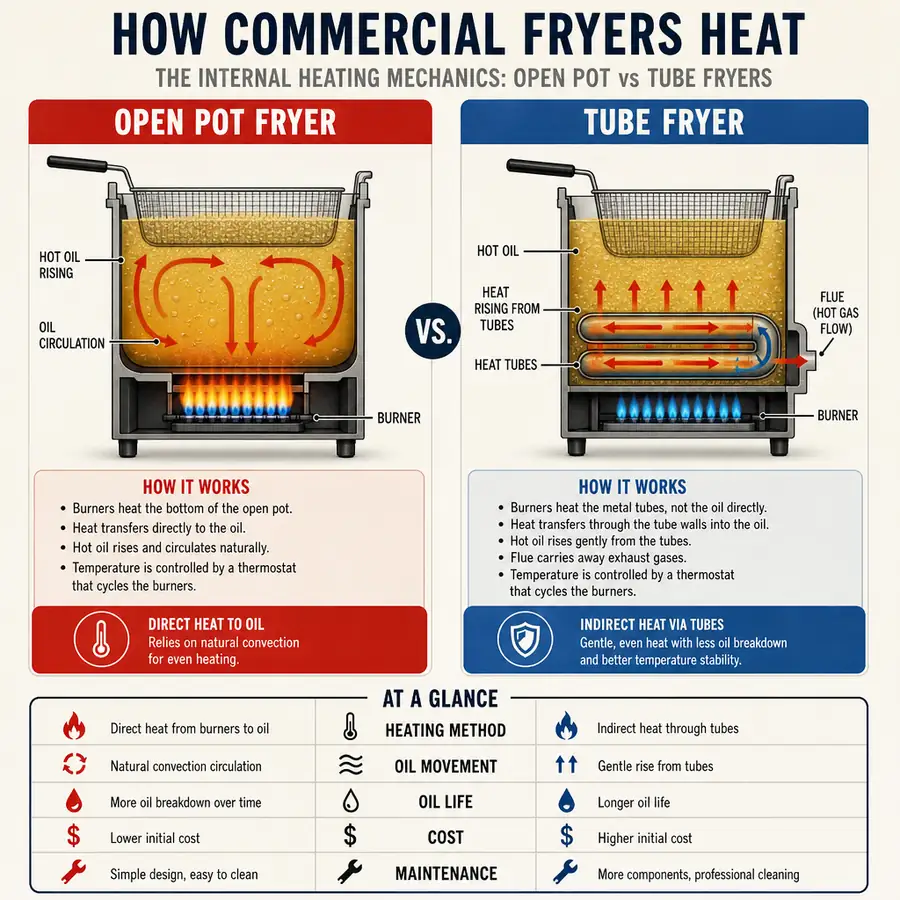
The most critical mechanical difference between fryers—and a major point of divergence when comparing a frymaster vs pitco commercial fryer—is the design of the fry pot itself.
- Tube Fryers: In this design, gas runs through tubes that cross the lower inside of the fry vat. This creates a large "cold zone" underneath the tubes. When heavy sediment (like breading or flour) falls off the food, it settles in this cooler area, preventing it from burning and ruining the oil flavor.
- Open Pot Fryers: These have heating elements located on the outside of the fry vat. The inside of the pot is completely smooth and unobstructed, tapering down to a narrow cold zone.
So, which fryer is easiest to clean? Hands down, the open pot design. Without tubes in the way, kitchen staff can quickly wipe down the interior walls, saving significant labor time at closing.
Brand Breakdown: Frymaster
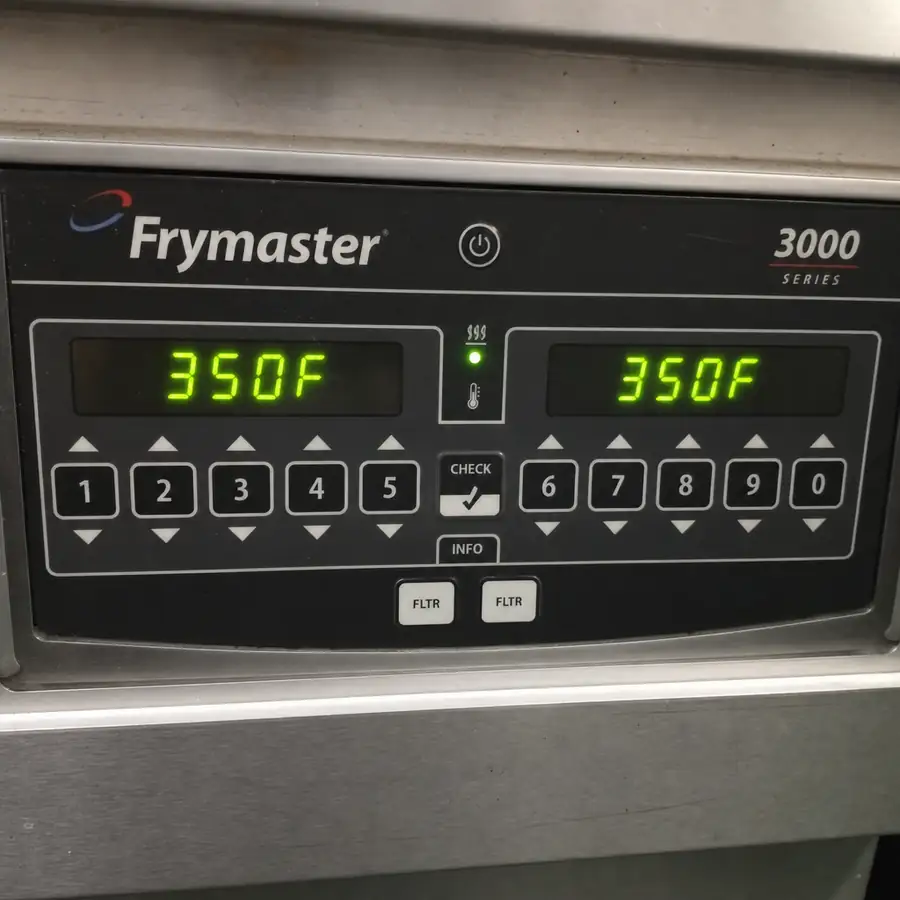
Founded in 1935, Frymaster has a long history of engineering excellence. They are largely credited with inventing the open-pot fryer design. Today, they are highly regarded for their smart technology, energy efficiency, and user-friendly interfaces.
The Power of the Open Pot
Because Frymaster leans heavily into the open pot design, their fryers are incredibly popular in kitchens that fry lightly breaded items, french fries, and chips. The lack of internal tubes means less physical scrubbing for your staff, boosting daily efficiency and morale.
Frymaster FilterQuick Technology Benefits
Where Frymaster truly shines is in its technological advancements, particularly regarding oil management. High-volume kitchens burn through cooking oil at an astonishing rate, making oil one of the highest ongoing expenses.
The Frymaster FilterQuick technology benefits are game-changing for large operations. This system features built-in, automated oil filtration systems that can filter a vat of oil in under five minutes at the push of a button—while other vats continue to cook.
- Auto Top-Off: Many Frymaster models include an automatic top-off feature that senses when the oil level is low and pumps fresh oil in from a jug stored in the fryer cabinet.
- Oil Quality Sensors: Advanced models use optical sensors to measure the exact health of the oil, telling your staff exactly when it needs to be changed rather than relying on guesswork.
By utilizing these features, restaurants excel at reducing restaurant oil costs, sometimes cutting their oil usage by up to 40%. Over a year, this can amount to thousands of dollars in savings.
Who Should Choose Frymaster?
Frymaster produces some of the best high-volume restaurant fryers for establishments focused on fries, wings, and appetizers. If your kitchen values high-tech interfaces, automated safety features, and simplified cleaning routines, Frymaster is an exceptional choice.
Brand Breakdown: Pitco
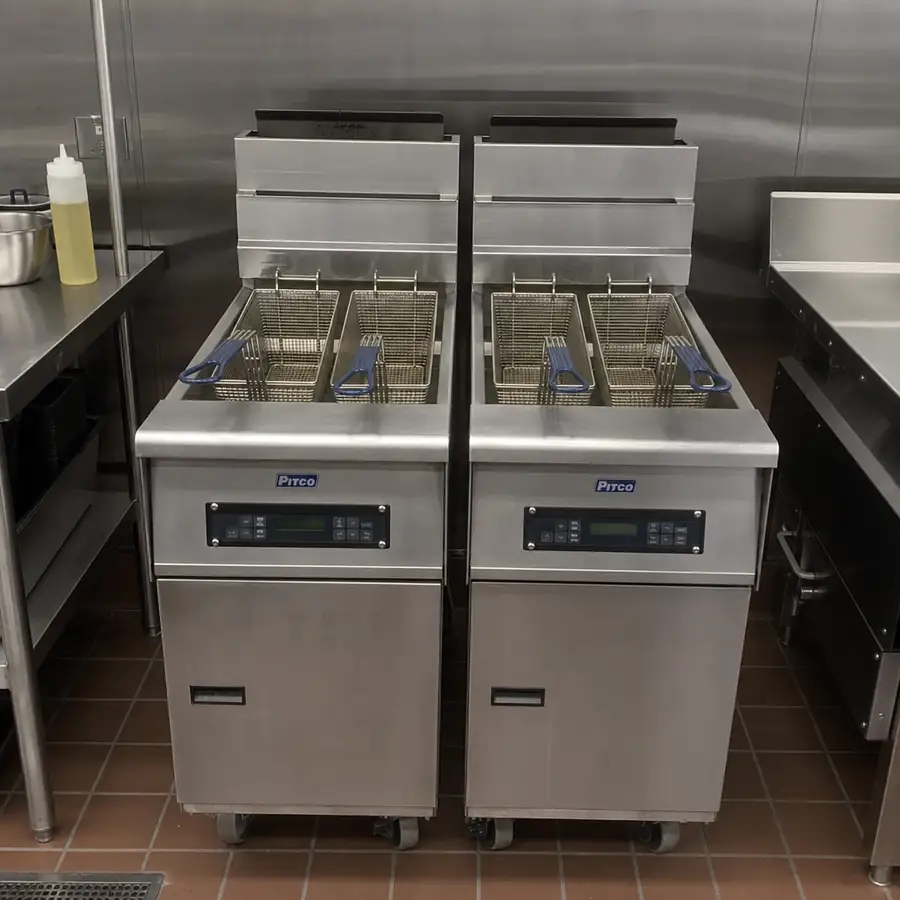
Pitco (originally the Pitman Company) has been building fryers since 1918. If Frymaster is the highly advanced sports car of the frying world, Pitco is the indestructible heavy-duty pickup truck. They are famous for their rugged build quality, raw power, and industry-leading tube fryer designs.
Pitco Solstice Series Features
When you read a modern pitco fryer review, the conversation inevitably turns to their legendary Solstice and Solstice Supreme lines. The Pitco Solstice series features are designed around high production and intense thermal efficiency without relying heavily on complex electronics that could fail in a greasy environment.
- Matchless Ignition: Solstice fryers utilize advanced solid-state controllers and matchless ignition systems, ensuring the fryer starts up reliably every time.
- Self-Cleaning Burners: Pitco’s patented Solstice burner technology runs cooler than traditional burners, drawing in more primary air. This prevents the burner orifices from clogging with dust and grease, severely reducing maintenance call-outs.
- Massive Cold Zones: Because Pitco is the king of the tube design, their fryers boast incredibly generous cold zones.
Built for Heavy Breading
Because of those large cold zones, Pitco fryers are the undisputed champions for cooking heavily battered and breaded items. Think Southern fried chicken, tempura, battered fish, and blooming onions. The heavy sediment falls safely past the burner tubes into the cold zone, preserving the oil's integrity and preventing the food from tasting burnt.
Furthermore, Pitco makes exceptional fast recovery time deep fryers. When you drop 10 pounds of frozen chicken into the vat, the Solstice burners kick into high gear immediately, returning the oil to the optimal 350°F (177°C) mark incredibly fast. This makes them ideal as high-efficiency deep fryers for fast food and heavy-duty frying operations.
Who Should Choose Pitco?
If your menu relies heavily on thick batters, heavy breading, or massive volumes of dense frozen proteins, Pitco is likely the best commercial fryer for you. Their straightforward, rugged designs are built to take a beating in the most intense kitchen environments.
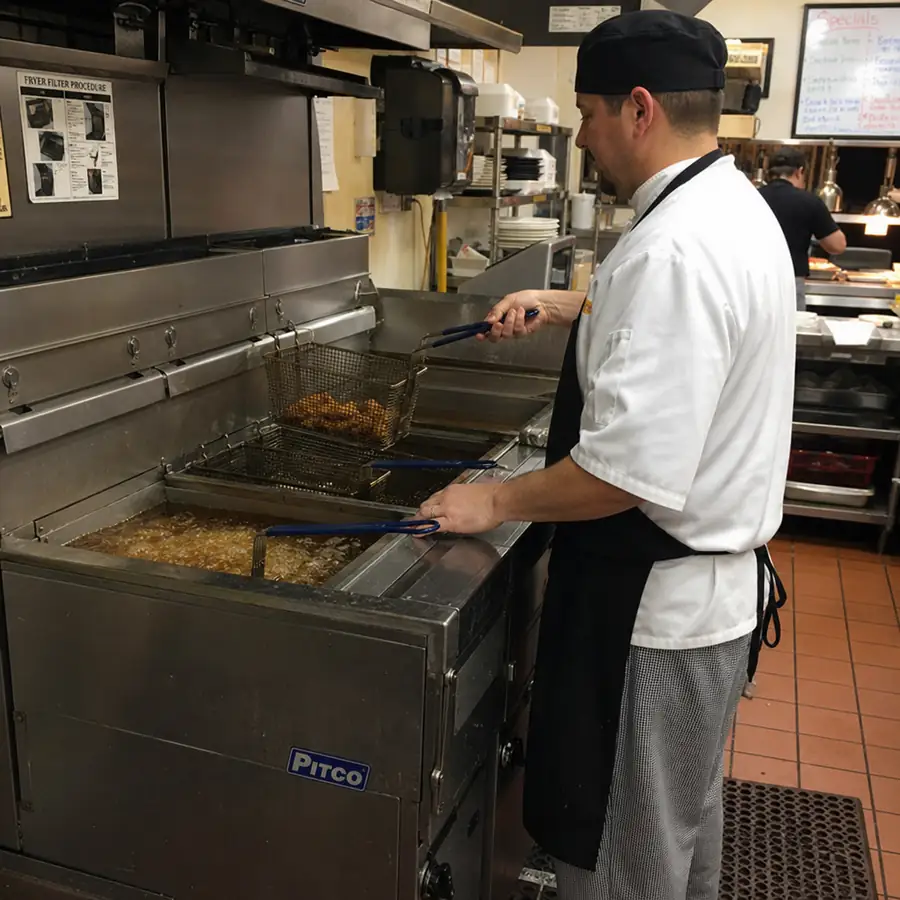
Head-to-Head: Frymaster vs Pitco Reliability and Cost
When comparing Frymaster vs Pitco reliability, you are looking at two highly dependable brands, but their reliability stems from different design philosophies.
- Pitco Reliability: Pitco’s reliability comes from mechanical simplicity and heavy-gauge stainless steel construction. There are fewer sensitive electronic parts that can be compromised by grease and heat. If something does break, Pitco parts are widely available, and almost any commercial kitchen technician can repair them blindfolded.
- Frymaster Reliability: Frymaster’s reliability comes from precision engineering. Their automated systems prevent human error. For example, because the FilterQuick system is so easy to use, staff actually filter the oil as directed, which keeps the internal pumps and lines cleaner over time. However, if a touchscreen or optical sensor goes down, you will likely need a specialized technician to fix it.
Total Cost of Ownership for Commercial Fryers
The sticker price of a commercial fryer is only a fraction of its true cost. When evaluating the total cost of ownership for commercial fryers, you must factor in:
- Initial Purchase Price: Pitco’s standard models are often slightly more budget-friendly upfront compared to Frymaster’s high-tech units.
- Energy Consumption: Both brands offer Energy Star-rated models, but Frymaster’s advanced electric models and highly insulated gas pots are notoriously efficient.
- Oil Consumption: This is the big one. Frymaster's built-in filtration and auto top-off systems give them a distinct edge in minimizing oil waste.
- Maintenance and Repairs: Pitco often wins on lower repair costs due to fewer proprietary electronic parts.
Maximizing Your Investment: Maintenance and Longevity
Regardless of whether you choose Frymaster or Pitco, commercial kitchen equipment longevity relies entirely on how well your staff treats the machinery. Even a top-of-the-line $15,000 frying station will fail in a few years if it is neglected.
How to Maintain a Commercial Fryer
Implementing a strict maintenance schedule is non-negotiable for busy kitchens. Here are the best practices to keep your fryers running at peak performance:
- Filter Daily (or Hourly): Oil should be filtered at least once a day, though high-volume fast-food kitchens should filter after every lunch and dinner rush. Automated oil filtration systems make this easy, but if you have a standard fryer, use a portable filter machine.
- Skim Constantly: Keep a skimmer on hand and instruct line cooks to remove floating debris between every single batch.
- The Weekly Boil-Out: Once a week, you must drain the oil and perform a "boil-out." Fill the vat with water and a specialized fryer cleaning chemical, then heat it (do not let it reach a rolling boil) to break down carbon deposits baked onto the vat walls and tubes.
- Inspect the Recovery Time: Keep a log of your fryer's recovery time. If you notice it takes significantly longer for the oil to reach cooking temperature after dropping a basket, it may indicate a failing thermostat or clogged burners.
- Clean the Area Around the Fryer: Grease buildup on the outside of the fryer and the surrounding exhaust hood restricts airflow, causing the fryer's internal components to overheat and fail prematurely.

Frymaster vs Pitco: Which Commercial Fryer Is Better for Busy Restaurant Kitchens?
When it comes to high-volume frying, Frymaster and Pitco are both well-established commercial fryer brands with models designed for demanding restaurant kitchens. Frymaster offers high-efficiency options such as the H55 gas fryer, which combines precise controls, efficient heat transfer, built-in filtration options, and a 7-year warranty covering the combustion chamber components. Its RE80 electric fryer is also designed for high-volume operations and can produce up to 84 pounds of French fries per hour. Pitco, meanwhile, offers a broad range of gas and electric fryers, from economy models to high-output systems. Its Solstice line provides high-production frying with features such as automatic self-cleaning burners and front-serviceable components, while the Megafry SGM24 is designed to deliver high output in a compact footprint.
For a busy restaurant, the better fryer depends on menu volume, energy costs, filtration requirements, available kitchen space, and service needs. Frymaster can be an excellent choice for operators prioritizing energy efficiency, advanced controls, and long-term durability, while Pitco offers strong flexibility across different price points and production requirements. Pitco's newer TorQ fryer, for example, combines forced-convection heating with continuous in-line filtration to reduce downtime and help extend oil life. Before choosing a model, compare oil capacity, recovery performance, BTU or electrical requirements, filtration system, warranty coverage, maintenance access, and local service availability—not just the purchase price. The Horeca Store can help restaurant owners compare commercial fryers and other kitchen equipment to find a solution that matches their cooking volume, workflow, and budget.
Conclusion: Which Fryer Wins?
The debate over Frymaster vs Pitco: Which Commercial Fryer Is Better for Busy Restaurant Kitchens? does not end with a single, universal winner. The "best" fryer is the one that directly addresses the unique challenges of your menu and operational flow.
Choose Frymaster if: Your menu consists primarily of french fries, lightly breaded appetizers, or wings. If you want a kitchen that utilizes smart technology, prioritizes effortless cleaning, and desperately needs to cut down on monthly cooking oil expenses, Frymaster’s open-pot designs and FilterQuick systems are unmatched.
Choose Pitco if: You are running a heavy-duty operation frying freshly battered fish, thick southern fried chicken, or massive volumes of dense frozen foods. If you value rugged durability, massive cold zones to manage heavy sediment, and blistering fast recovery times without the fuss of complicated touchscreens, a Pitco Solstice tube fryer is your ultimate kitchen workhorse.
Investing in commercial kitchen equipment is a major decision. By carefully weighing your menu needs against the strengths of these two legendary brands, you can ensure your kitchen runs smoothly, your food remains consistently delicious, and your Friday night rushes become a well-oiled machine.