Discover Exceptional Products and Unmatched Service.
Power up your kitchen with reliable cooking equipment for restaurants and catering services. Trusted brands, fast shipping, unbeatable prices.

Winco PS-64 64 Oz White Utility Plastic Scoop
Model No: PS-64
⚡ Fast DeliveryShipping Fee
Mostly Ships in 5 to 7 Days

Thunder Group PLIB005S 5 Gallon Polypropylene Shelf Ingredient Bin With Lid And Scoop
Model No: PLIB005S
Shipping Fee
Mostly Ships in 1 to 2 Days

Thunder Group PLIB010S 10 Gallon Polypropylene Shelf Ingredient Bin With Lid And Scoop
Model No: PLIB010S
Shipping Fee
Mostly Ships in 1 to 2 Days
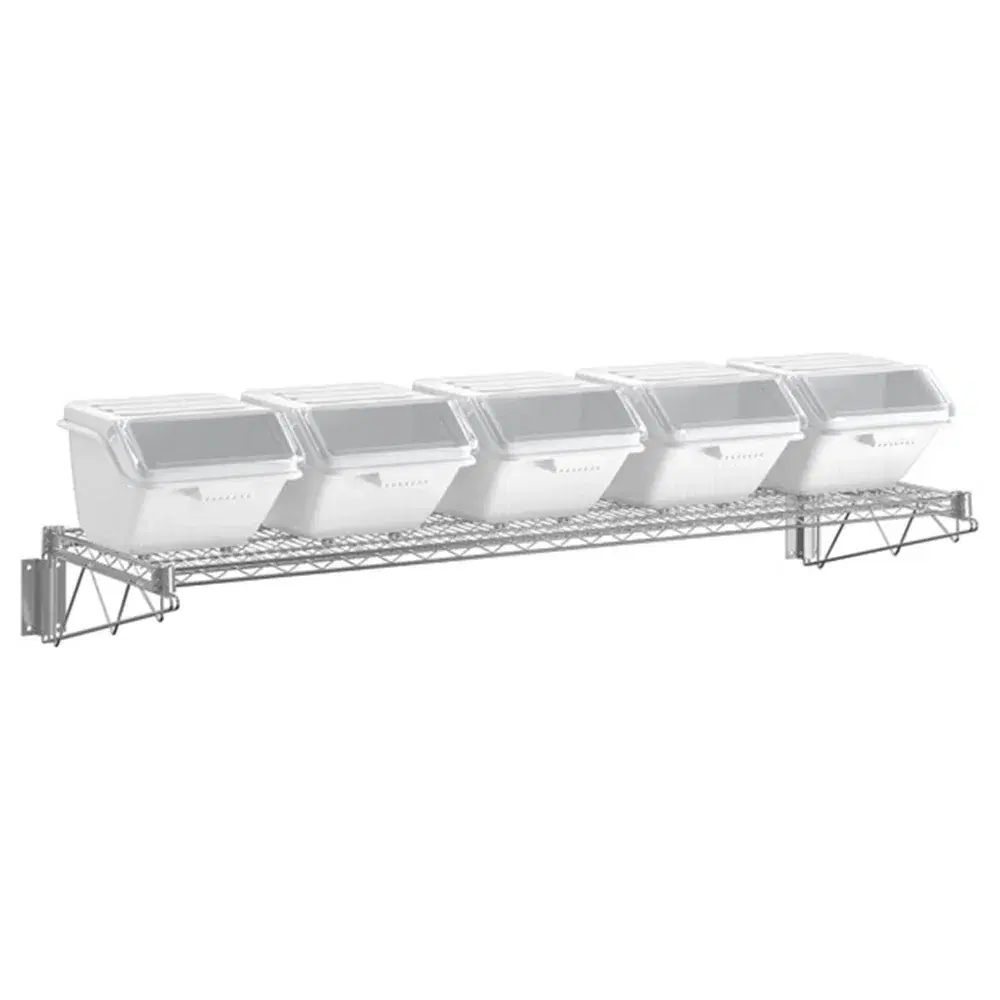
ChefPro Series 18" x 60" Wall Mounted Ingredient Bin Shelving Kit with 5 Clip-In Shelf Bins
Model No: CPWMIBSK1860
⚡ Fast DeliveryShipping Fee
Mostly Ships in 5 to 7 Days

Winco IB-21 21 Gallon Ingredient Bin with Brake Casters and Scoop
Model No: IB-21
⚡ Fast DeliveryShipping Fee
Mostly Ships in 1 to 2 Days

Thunder Group PLIB027C Ingredient Bin with Clear sliding lid and a Matching Color Scoop
Model No: PLIB027C
Shipping Fee
Mostly Ships in 1 to 2 Days

Winco IB-27 27 Gallon Ingredient Bin with Brake Casters and Scoop
Model No: IB-27
⚡ Fast DeliveryShipping Fee
Mostly Ships in 1 to 2 Days
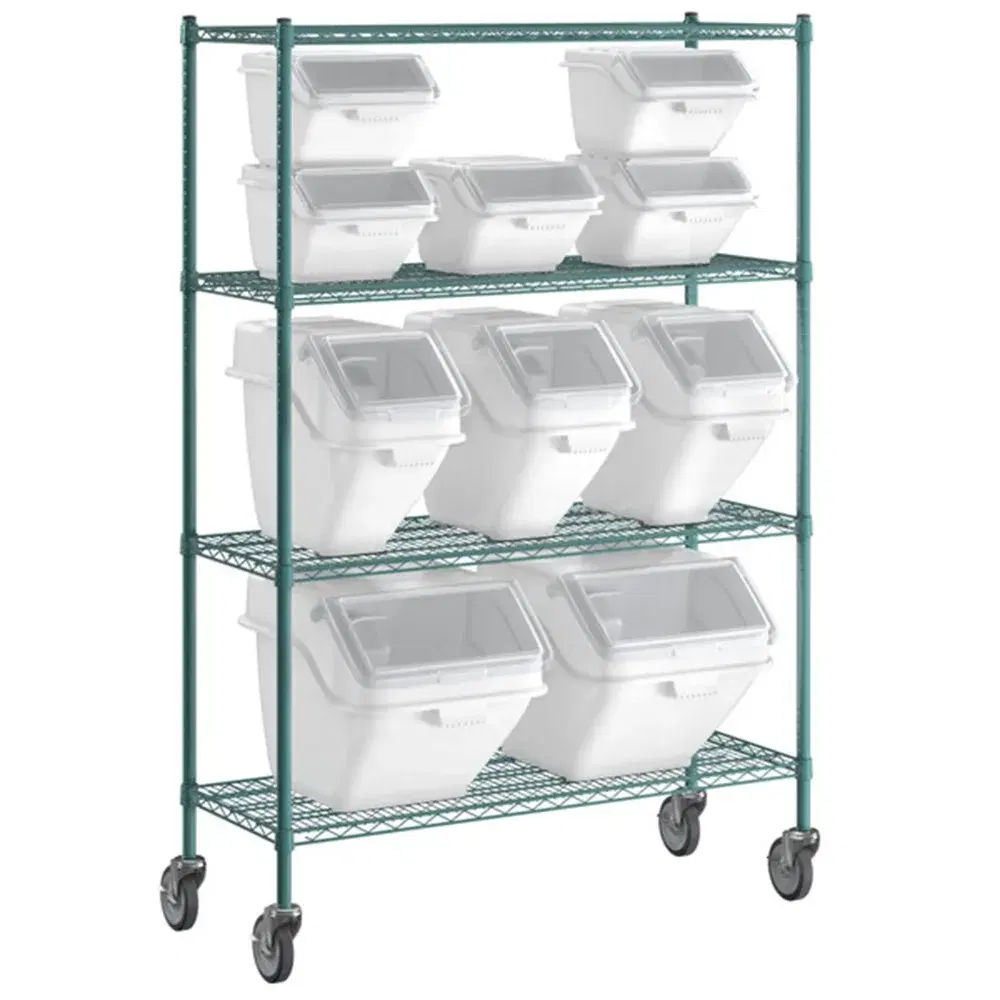
ChefPro Series 18" x 48" Ingredient Bin Epoxy Shelving Kit with 10 Clip-In Shelf Bins
Model No: CPIBESK1848
⚡ Fast DeliveryShipping Fee
Mostly Ships in 5 to 7 Days

A well-run kitchen, whether situated in a bustling commercial restaurant or a passionate home cook’s domain, thrives on immaculate order. At the heart of this operational harmony is a surprisingly simple yet indispensable tool: the Ingredient Bin.
Instead of fumbling through torn paper bags or constantly losing track of your essential cooking supplies, upgrading your ingredient storage can completely revolutionize your culinary workflow. Let’s dive into how you can maximize efficiency, streamline your food inventory, and keep your ingredients fresher for longer.
When managing a busy kitchen, throwing bags of dry goods onto a shelf simply won't cut it. Effective storage solutions are the backbone of culinary organization. By transferring your pantry essentials into a dedicated ingredient storage bin, you protect your food from pests, moisture, and premature spoilage.
For professional setups, investing in bulk dry food storage solutions is a non-negotiable step toward maintaining food safety compliance standards. Choosing NSF certified commercial containers guarantees that your equipment meets strict public health standards, offering peace of mind alongside unparalleled kitchen organization.
Not all bins are created equal. Finding the perfect Ingredient Bin requires a close look at your available space, the volume of ingredients you use, and the specific demands of your daily cooking or baking routine.
When browsing for the ideal container, you will likely encounter a choice between polypropylene versus polycarbonate material.
Whichever material you select for your ingredient storage, ensure you are purchasing BPA free industrial storage units to prioritize health and food safety.
The lid design you choose significantly impacts your workflow. When comparing a sliding lid versus hinged lid, consider your spatial constraints. Sliding lids are fantastic for tight, under-counter spaces since they don't require vertical clearance to open. Hinged lids, on the other hand, often provide a wider opening for fast, bulk scooping. Regardless of the opening mechanism, always look for lids featuring airtight seals for moisture protection to prevent your dry goods from clumping or staling.
To optimize your kitchen layout, rely on smart under-counter storage efficiency tips. Utilizing the space beneath your prep tables keeps ingredients accessible but out of the way. A recognized staple, such as a Cambro ingredient bin, is often designed with a slanted front specifically for this purpose.
If you are working with limited floor space, a compact shelf ingredient bin is ideal for spices, specialty flours, or smaller-volume items. Conversely, if your bakery goes through hundreds of pounds of product a week, mobile flour and sugar storage equipped with heavy-duty casters for food transport is an absolute must, allowing staff to easily glide heavy loads from the storeroom to the mixing station.
One of the biggest challenges in a commercial kitchen is knowing exactly how much product you have on hand. A high-quality bin makes this effortless if you know what to look for.
Always opt for bins equipped with a clear window for inventory management. This allows your team to perform quick visual checks without opening the container, preserving the internal environment and saving time.
Furthermore, understanding how to calculate storage capacity for baking is a game-changer. Keep in mind that volume and weight are not the same. For example, 50 pounds of flour requires more volume than 50 pounds of sugar because flour is less dense. As a general rule of thumb, a 50-pound bag of flour typically requires a bin with at least a 15 to 17-gallon capacity. Calculating this accurately before purchasing prevents the frustrating scenario of having leftover product that won't fit into your new bin.
An efficient kitchen is a clean kitchen. Proper ingredient management goes far beyond just putting food in a box; it requires rigorous hygiene routines.
To minimize waste and ensure peak freshness, you must practice FIFO organization for commercial kitchens. FIFO stands for "First-In, First-Out." When refilling your bins, never dump new ingredients on top of the old ones. Instead, remove the older ingredients, pour the new batch into the bottom, and place the older ingredients on top. This ensures that older stock is utilized first.
Preventing cross-contamination in bakeries is critical, especially with the rising prevalence of food allergies. Dedicated bins for specific ingredients—like keeping gluten-free flours strictly separated from standard wheat flours—are vital. Color-coding your bins or using clear, bold labels can prevent costly and dangerous mix-ups.
Never leave a scoop buried inside the ingredient! This is a major health code violation. Instead, practice proper scoop storage and sanitization. Use bins that feature built-in scoop holders or attach a dedicated, sanitized hook to the outside of the bin. Scoops should be washed and sanitized daily.
Speaking of cleaning, the bins themselves need regular maintenance. While manual washing works for smaller containers, high-volume operations often utilize a specialized ingredient bin washer. These commercial washing stations are designed to accommodate large, bulky bins, applying high-pressure sanitizing sprays to ensure every crevice is thoroughly disinfected before the next batch of dry goods is introduced.
While commercial spaces have strict requirements, you can scale these concepts down for smaller cafes, food trucks, or even ambitious home kitchens. Here are a few creative kitchen bin ideas to inspire your setup:
Maximizing your kitchen's efficiency doesn't necessarily require a massive, expensive remodel; sometimes, it just requires smarter storage. By investing in the right Ingredient Bin, paying attention to material quality, and enforcing strict organizational habits, you can dramatically improve your daily workflow.
Whether you are implementing mobile storage with heavy-duty casters or utilizing airtight seals to protect your pantry staples, the right approach to ingredient storage will save you time, reduce food waste, and elevate the overall professionalism of your culinary space. Take a moment today to evaluate your current setup, and take the first step toward a more organized, efficient, and compliant kitchen.
