Discover Exceptional Products and Unmatched Service.
Power up your kitchen with reliable cooking equipment for restaurants and catering services. Trusted brands, fast shipping, unbeatable prices.

Taylor 5248379 6" Fillet Knife with White Silicone Handle
Model No: 5248379
⚡ Fast DeliveryShipping Fee
Mostly Ships in 5 to 7 Days

Taylor 5248378 6" Fillet Knife with Black Silicone Handle
Model No: 5248378
⚡ Fast DeliveryShipping Fee
Mostly Ships in 5 to 7 Days
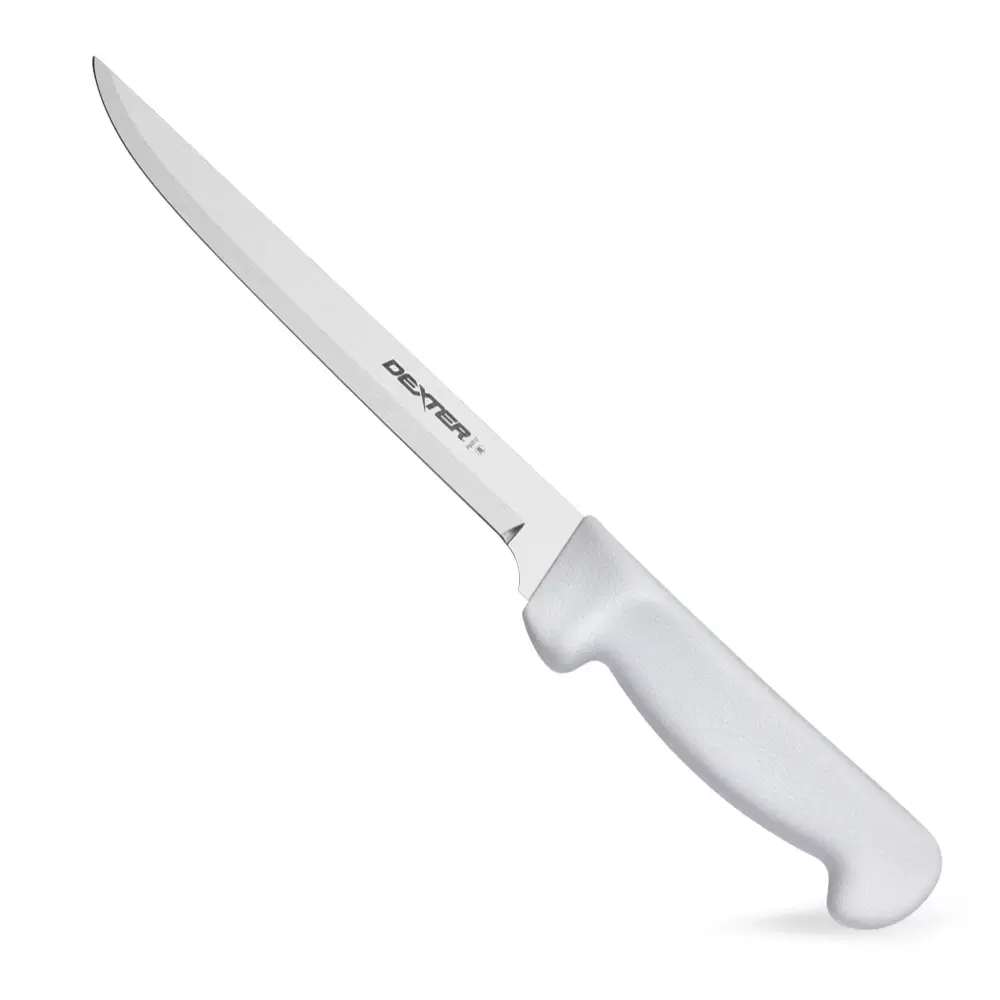
Dexter Russell P94812 7" Narrow Fillet Knife with White Handle
Model No: P94812
Shipping Fee
Mostly Ships in 1 to 2 Days
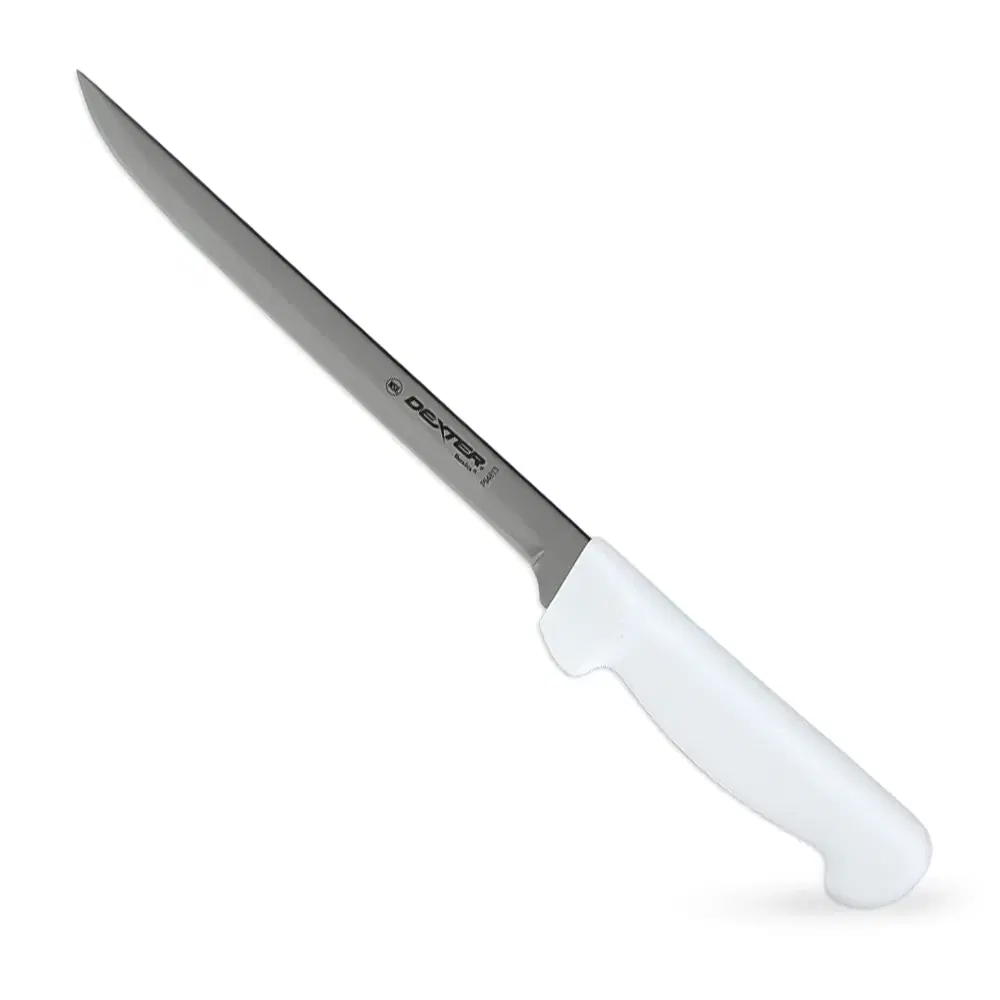
Dexter Russell P94813 8" Narrow Fillet Knife with White Handle
Model No: P94813
Shipping Fee
Mostly Ships in 1 to 2 Days

CAC China KFFL-G70 Schnell 7-1/4" Fillet Knife, Flexible Blade
Model No: KFFL-G70
⚡ Fast DeliveryShipping Fee
Mostly Ships in 5 to 7 Days
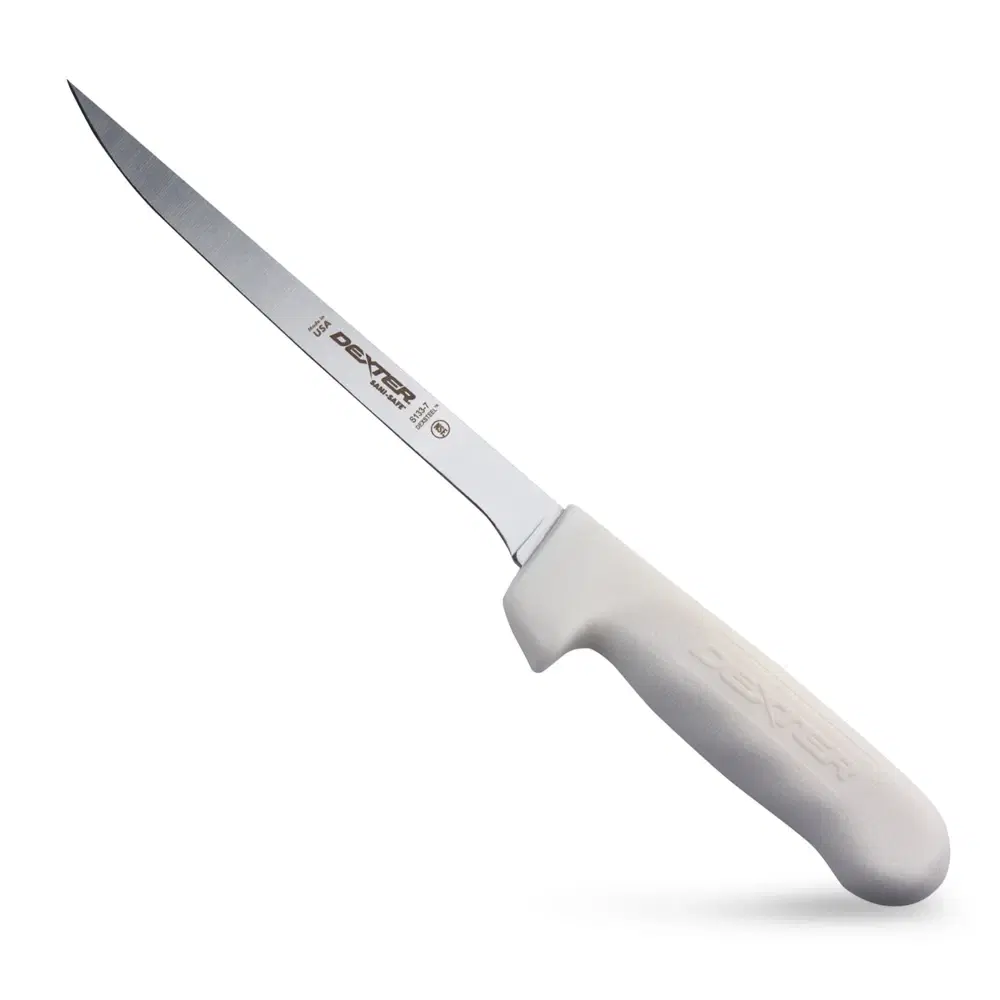
Dexter Russell S133-7 7" Sani-Safe Fillet Knife with White Handle
Model No: S133-7PCP
Shipping Fee
Mostly Ships in 1 to 2 Days
Whether you are an avid angler returning from a successful offshore trip or a home cook preparing a fresh seafood feast, having the right tools in your kitchen is non-negotiable. A dedicated Fillet Knife is arguably the most important instrument for preparing fish, allowing you to glide through meat and separate it from the bone with minimal waste. But with so many options on the market, how do you find the perfect match for your needs?
In this guide, we will explore the essential features of the best fillet knife, examine different variations, and share expert tips on how to use and care for your blade.
When shopping for cutlery, you will quickly notice that there are several distinct fillet knife types. While they all share a generally thin profile, their specific designs cater to different culinary and outdoor tasks.
Beyond simply breaking down a day's catch, everyday fillet knife uses are surprisingly diverse. For example, chefs highly recommend deboning poultry with flexible cutlery, as the thin blade easily maneuvers around chicken joints and breastbones without tearing the delicate meat.
When dealing with seafood, your choice often comes down to a stiff vs flexible blade for large fish. If you are breaking down massive, dense species like tuna, halibut, or swordfish, a stiffer blade provides the leverage needed to cut through thick flesh and tough cartilage. Conversely, a highly flexible blade is ideal for smaller, more delicate fish where you need to feel the backbone as you slice.
To choose a knife that will last for years, you need to understand the individual components that make up a premium piece of specialized cutlery.
A classic stainless steel fillet knife is the industry standard because it resists moisture well. However, to achieve optimal high carbon stainless steel rust prevention, you should look for blades that balance carbon (for sharpness) with chromium (for stain resistance). For offshore anglers, investing in blades with saltwater corrosion resistant coatings is a game-changer, preventing the rapid degradation caused by marine environments.
Have you ever wondered why use a trailing point blade? The signature upward curve of a traditional fillet knife creates a trailing point, which is specifically designed to pierce the skin of a fish easily while providing a long, sweeping belly that maximizes the cutting edge during long slices.
The size of the blade dictates what kind of fish you can comfortably process.
Regardless of length, you will want a flexible blade for deboning to ensure you can press the knife flat against the cutting board, leaving the skin behind and taking all the meat.
Fish are inherently slimy, and cleaning them is a messy job. Therefore, an ergonomic non-slip handle for wet conditions is an absolute necessity to prevent dangerous slips. Rubberized or textured synthetic handles offer the safest grip.
Furthermore, always look for full tang construction for durability. A full tang means the metal of the blade extends all the way through the handle, preventing the knife from snapping under pressure when cutting through tough rib bones.
As you shop, you will inevitably weigh the pros and cons of electric versus manual cleaning tools.
Electric knives are fantastic for high-volume fish processing. If you regularly catch limits of crappie or walleye, an electric blade will save your wrists and cut your cleaning time in half.
However, manual knives offer unmatched precision. A high-quality manual blade—like a legendary Dexter fillet knife, beloved by commercial fishermen and charter captains—allows for delicate, calculated cuts that an electric motor simply cannot replicate. Manual knives also require no power source, making them ideal for camping and remote fishing trips.
Owning premium cutlery is only half the equation; mastering the technique is where the magic happens.
Always start by establishing a proper grip for precision cutting. Wrap your fingers firmly around the handle and pinch the base of the blade (the bolster) with your thumb and index finger. This grip gives you ultimate control over the tip of the knife.
When removing skin from salmon and trout, place the fillet skin-side down on your board. Make a small cut at the tail end, just deep enough to reach the skin. Grip the tail firmly, angle the blade slightly downward, and wiggle the skin back and forth while pushing the knife forward. The blade should glide seamlessly along the skin, leaving you with a pristine, boneless fillet.
Maintaining specialized fishing cutlery requires a bit more care than standard kitchen knives. A dull blade is not only frustrating but also dangerous, as it requires more force and is more likely to slip.
Here are a few essential tips for keeping your edge in peak condition:
Finding the best fillet knife transforms the chore of cleaning fish into a satisfying, seamless experience. By prioritizing features like a comfortable non-slip grip, the correct blade length, and high-quality rust-resistant steel, you can ensure that your knife is ready for any culinary challenge. Take the time to practice your technique and maintain your edge, and your knife will reward you with perfect, restaurant-quality fillets for years to come.
Popular Searches
