Discover Exceptional Products and Unmatched Service.
Power up your kitchen with reliable cooking equipment for restaurants and catering services. Trusted brands, fast shipping, unbeatable prices.
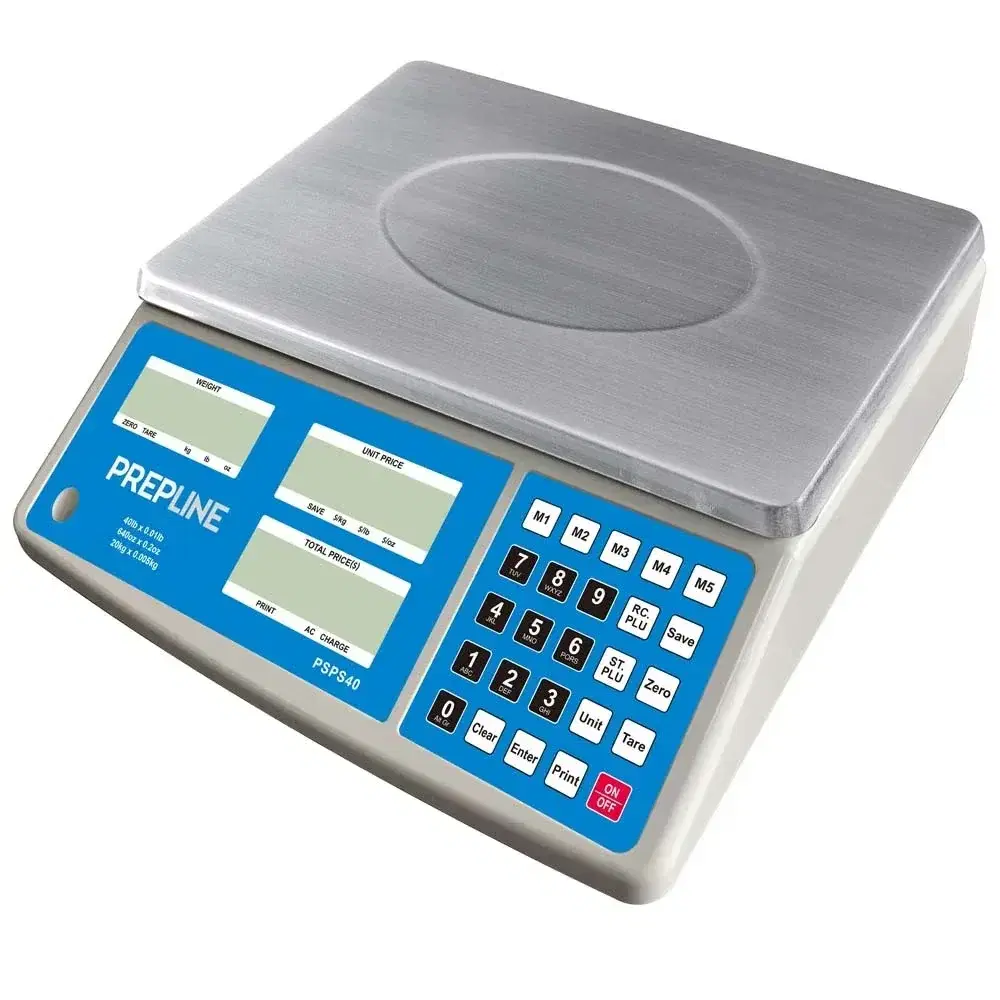
Prepline Legal for Trade / Digital Price Computing Scale, 40 lb.
Model No: PSPS40
⚡ Fast DeliveryShipping Fee
Mostly Ships in 5 to 7 Days
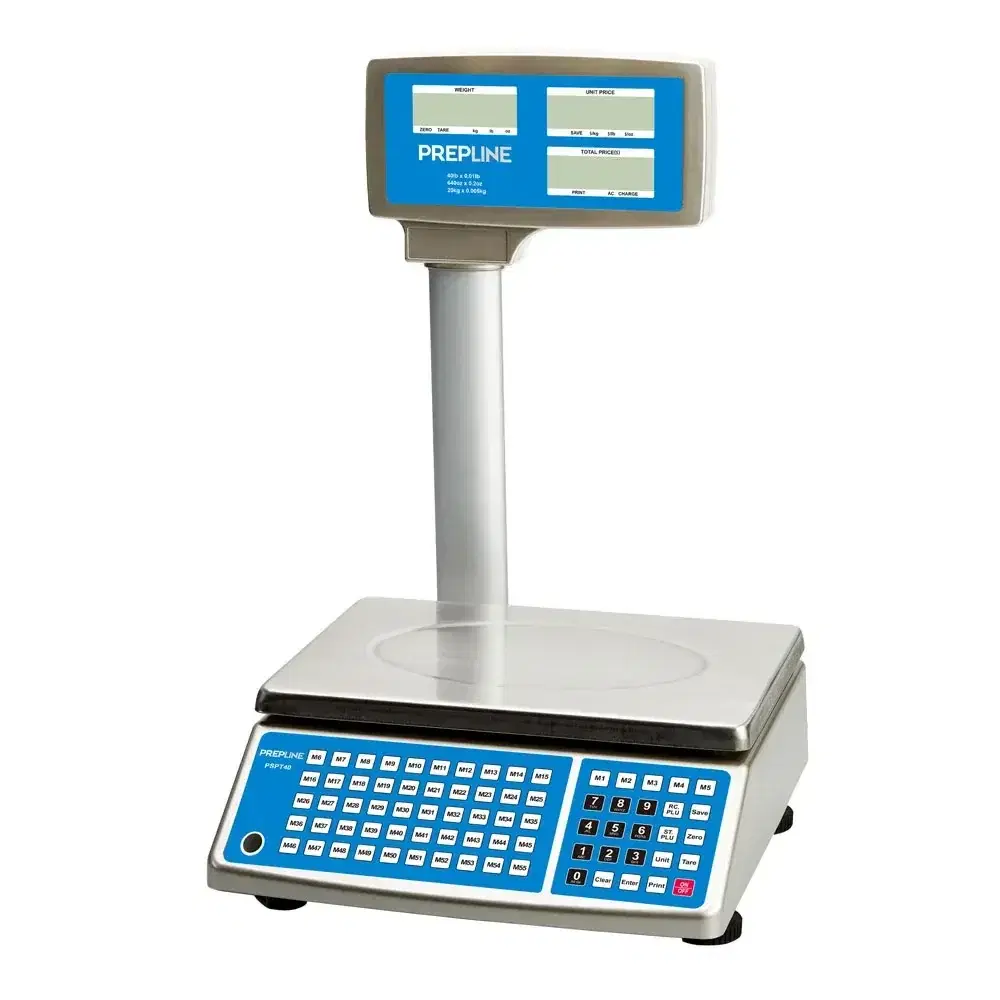
Prepline Legal for Trade / Digital Price Computing Scale with Tower, 40 lb.
Model No: PSPT40
⚡ Fast DeliveryShipping Fee
Mostly Ships in 5 to 7 Days
Legal for trade scales are weighing devices intended for commercial transactions where weight determines price, quantity, or compliance. The Horeca Store helps restaurants, commercial kitchens, markets, and foodservice buyers choose weighing equipment that supports accurate selling, portioning, and trade measurement without guesswork.
For U.S. buyers, legal-for-trade suitability is typically tied to NIST Handbook 44 requirements, NTEP evaluation, and state or local weights-and-measures approval before commercial use. Requirements can vary by jurisdiction, so the right purchase is not only a scale with the right capacity, but a device that can be inspected, sealed, calibrated, and used correctly in your business. (nist.gov)
The legal for trade scales meaning is simple: the scale is approved for transactions where money or declared quantity depends on weight. If you sell deli items by the pound, portion packaged foods for retail, weigh ingredients for labeled products, or charge customers based on measured weight, you likely need scales legal for trade rather than ordinary kitchen or shipping scales.
A non-trade scale may be useful for internal prep, but it should not be used to set a customer price. Legal scales are designed for commercial weighing conditions and may include features such as sealed calibration access, approved indicators, clear displays, and construction suitable for inspection. NIST notes that devices sold for legal-for-trade purposes in the United States must pass applicable type evaluations, while field approval is handled through the relevant authority. (nist.gov)
The Horeca Store offers weighing solutions for foodservice environments where speed, cleanliness, and dependable weighing accuracy matter. Legal For Trade Scales are especially useful in businesses that sell prepared foods, bulk ingredients, coffee, frozen goods, meat, produce, or bakery items by weight.
Common use cases include:
When staff can rely on accurate scales, they spend less time second-guessing portions and more time serving customers. The result is a cleaner workflow: weigh, price, label, sell, and document with confidence.
Different operations need different weighing equipment. A compact counter may need a small footprint, while a prep room may need higher capacity or a larger platform. The best choice balances readability, capacity, increment size, sanitation, power options, and whether the scale will face customers.
Consider these scale types before buying:
If your team weighs both small portions and larger containers, you may need more than one model. A single high-capacity scale may not provide the readability needed for small portions, while a fine-resolution counter scale may not handle receiving tasks.
Scale certification is not the same as occasional calibration. Certification generally refers to approval for legal-for-trade use, while calibration adjusts or verifies performance against known standards. Official inspection or sealing may be required before the device can be used in commerce, depending on your location.
NIST Handbook 44 covers specifications, tolerances, and technical requirements for weighing and measuring devices, and many jurisdictions use it as the basis for commercial equipment enforcement. NIST Handbook 130 addresses uniform laws and regulations for legal metrology and commercial weighing and measuring devices. (nist.gov)
Before you put a new scale into service, check:
Start with the transaction. Are you charging by the pound, ounce, kilogram, or another approved unit? Then match the scale to the product: coffee requires different readability than bulk produce, and a meat counter may need different sanitation features than a dry goods shop.
A smart buying checklist includes:
This approach keeps the purchase tied to real workflow instead of buying on capacity alone. It also helps avoid choosing a scale that looks suitable online but cannot legally support the sale you need to make.
The Horeca Store can help you compare certified scales, commercial weighing features, and foodservice-ready configurations before you buy. Because pricing, availability, and regulatory needs depend on model and location, request current options rather than relying on a generic recommendation.
Tell us what you sell, the typical weight range, where the scale will be used, and whether customers will see the display. We will help you narrow the choice to practical, accurate scales designed for your operation.
Do restaurants need legal for trade scales? They do when weight is used to determine customer price or declared quantity. If the scale is only for back-of-house recipe prep, requirements may differ, but commercial sales by weight generally call for approved equipment.
Are all digital scales legal for trade? No. Digital construction alone does not make a scale legal for trade. Look for the correct approval, intended use, capacity, and ability to pass local inspection.
What is the difference between calibration and scale certification? Calibration checks or adjusts weighing performance. Scale certification and legal approval relate to whether the device is acceptable for regulated commercial weighing.
Can I use one scale for portion control and customer pricing? Sometimes, but only if the scale is approved for the transaction and has the right capacity and readability. The Horeca Store can help you compare models for both prep and sales workflows.
How often should legal for trade scales be checked? Follow your local weights-and-measures rules, manufacturer guidance, and service schedule. Recheck after repairs, relocation, heavy impact, or any sign of inaccurate weighing.
