Discover Exceptional Products and Unmatched Service.
Power up your kitchen with reliable cooking equipment for restaurants and catering services. Trusted brands, fast shipping, unbeatable prices.
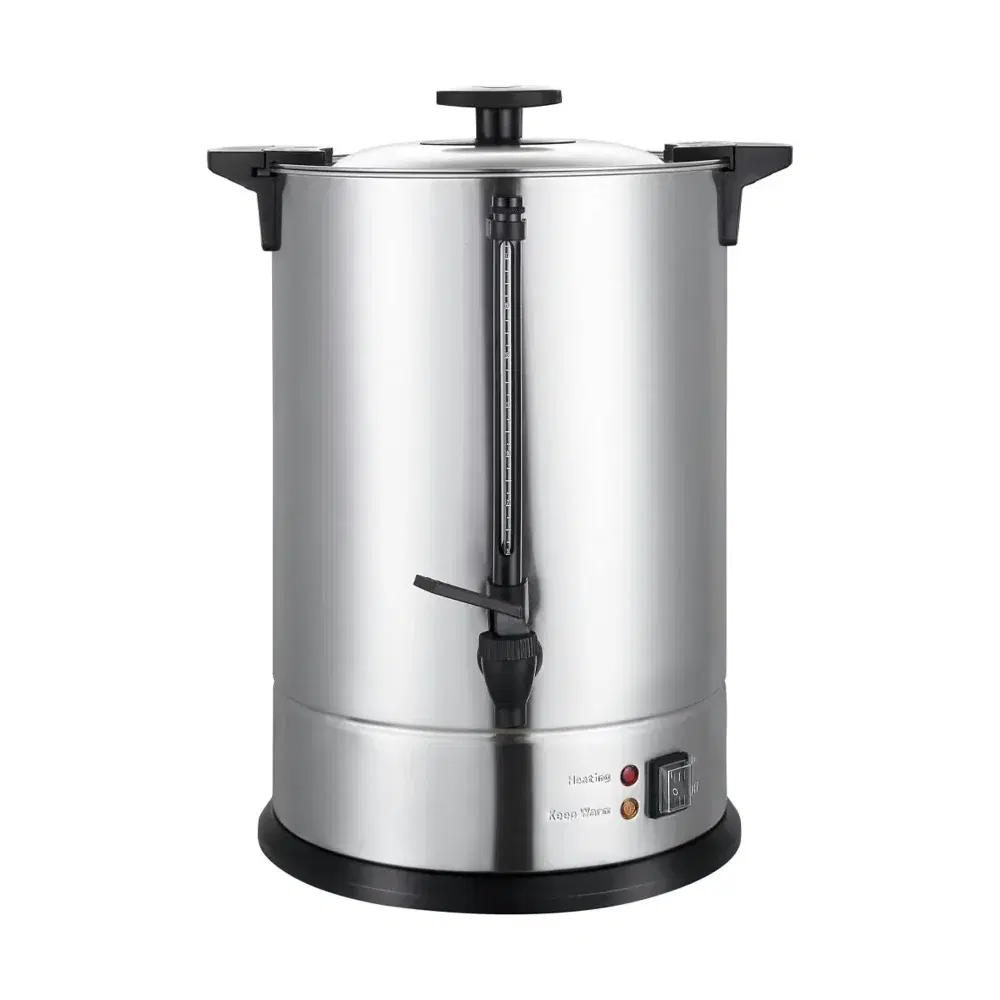
Prepline 4 Gallon / 103 Cup Water Boiler, 1500W, 120V
Model No: WB-15
⚡ Fast DeliveryShipping Fee
Mostly Ships in 5 to 7 Days
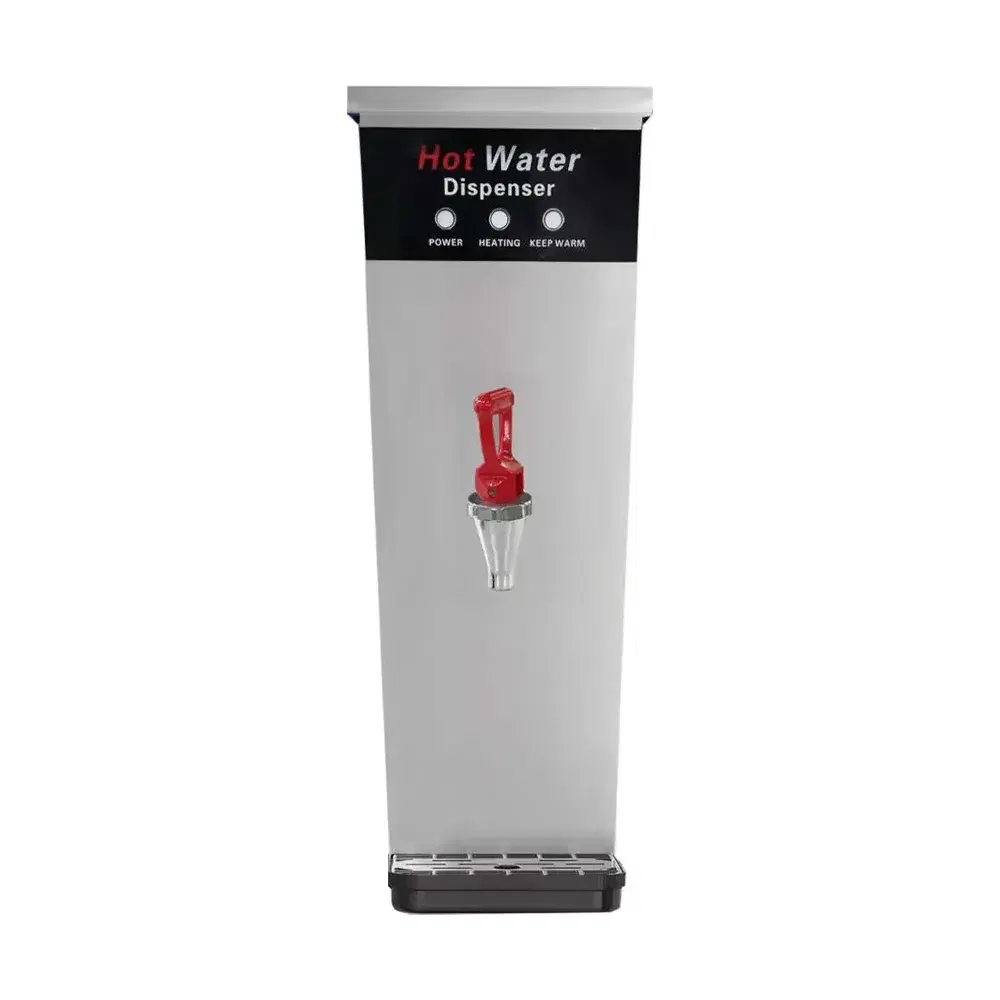
Prepline 2.6 Gallon Hot Water Dispenser, Stainless Steel, 120V
Model No: HWD-10
⚡ Fast DeliveryShipping Fee
Mostly Ships in 5 to 7 Days

Bunn OHW Low Volume Manual Fill Hot Water Dispenser, 1 gal, 120V
Model No: 2550.0003
⚡ Fast DeliveryShipping Fee
Mostly Ships in 5 to 7 Days

ChefPro Series 6" Hot Water Dispenser, 1300W, 2.5Qt
Model No: CPHWD6
⚡ Fast DeliveryShipping Fee
Mostly Ships in 5 to 7 Days

ChefPro Series 12" Hot Water Dispenser, 1300W, 2.5L
Model No: CPHWD12
⚡ Fast DeliveryShipping Fee
Mostly Ships in 5 to 7 Days

ChefPro Series 8" Hot Water Dispenser, Digital Hot & Cold, 2.5Qt
Model No: CPHWDDHC8
⚡ Fast DeliveryShipping Fee
Mostly Ships in 5 to 7 Days

ChefPro Series 8" Hot Water Dispenser, Digital Hot, 2.5Qt
Model No: CPHWDDH8
⚡ Fast DeliveryShipping Fee
Mostly Ships in 5 to 7 Days

ChefPro Series 6" Hot Water Dispenser, Compact Hot & Cold, 2.5Qt
Model No: CPHWDCHC6
⚡ Fast DeliveryShipping Fee
Mostly Ships in 5 to 7 Days

Bunn HW2 Low Volume Manual Fill Hot Water Dispenser, 2 gal, 120V
Model No: 2500.0001
⚡ Fast DeliveryShipping Fee
Mostly Ships in 5 to 7 Days

Fetco HWD-2102 Low-Volume Plumbed Hot Water Dispenser, 3.6 Gallon, 100-120V
Model No: HWD-2102(H210210)
⚡ Fast DeliveryShipping Fee
Mostly Ships in 5 to 7 Days
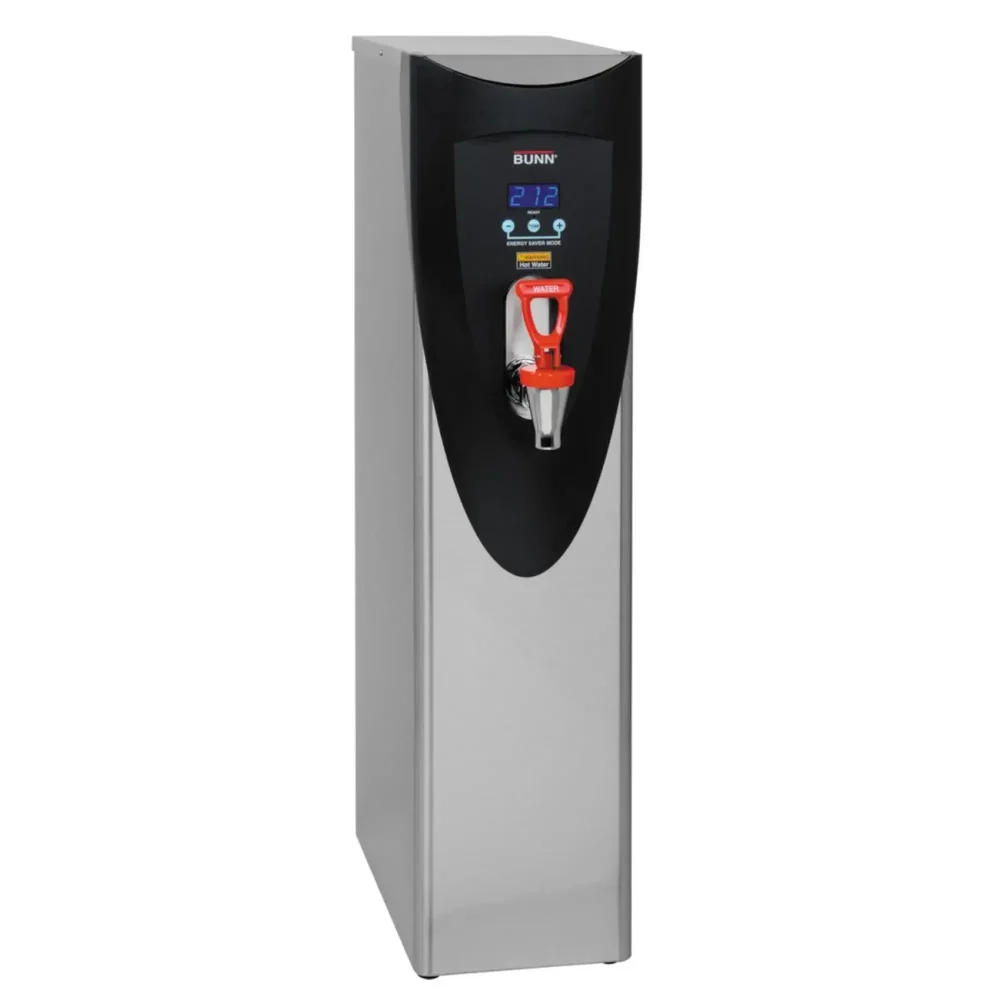
Bunn H5X Element Low Volume Plumbed Hot Water Dispenser, 5 gal, 240V 1-Ph
Model No: 43600.0003
⚡ Fast DeliveryShipping Fee
Mostly Ships in 5 to 7 Days
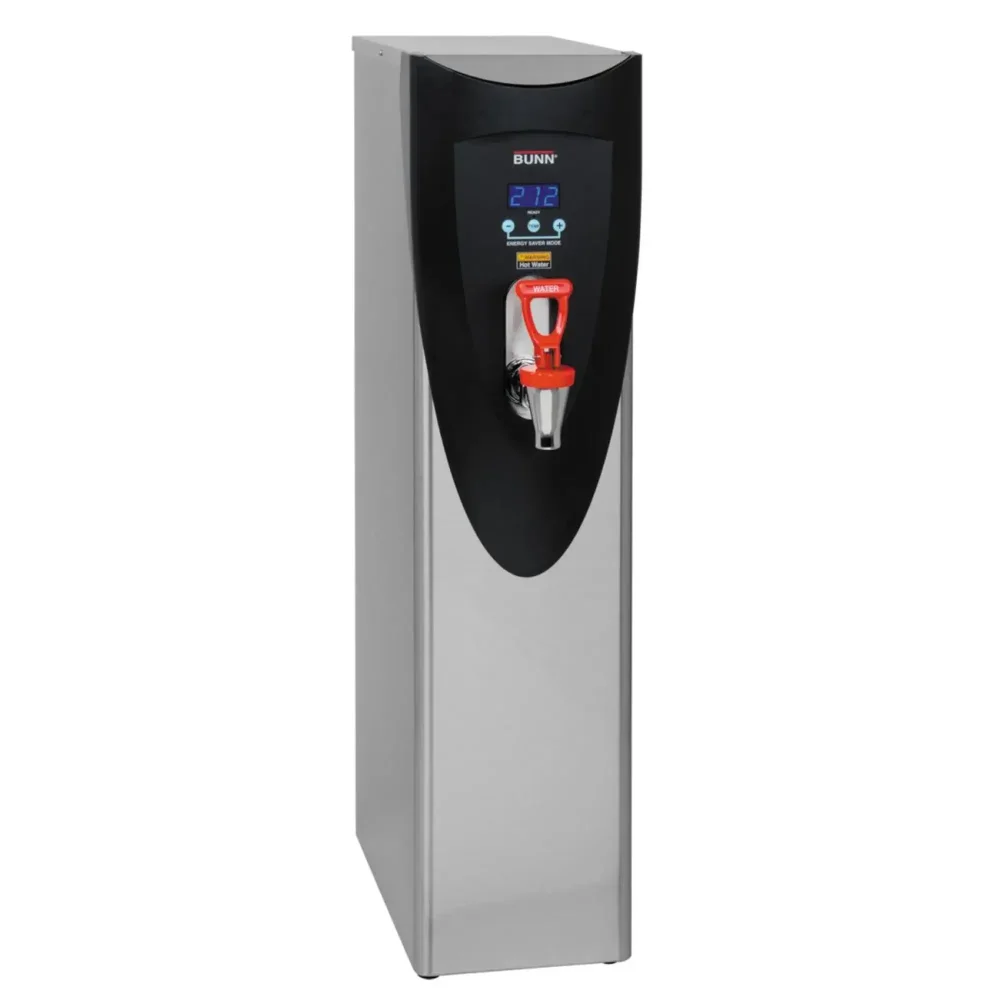
Bunn H5X Element Low Volume Plumbed Hot Water Dispenser, 5 gal, 120V
Model No: 43600.0026
⚡ Fast DeliveryShipping Fee
Mostly Ships in 5 to 7 Days
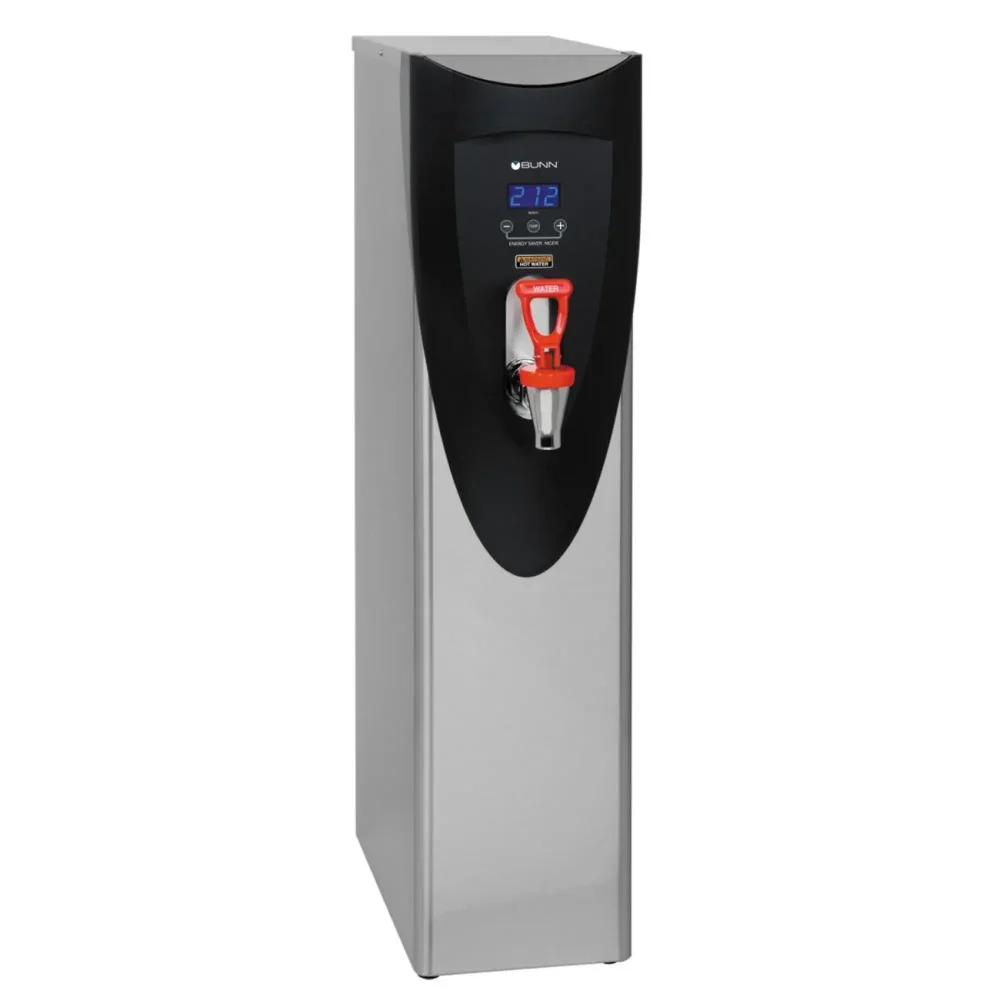
Bunn H5X Element Low Volume Plumbed Hot Water Dispenser, 5 gal, 208-240V 1-Ph
Model No: 43600.0002
⚡ Fast DeliveryShipping Fee
Mostly Ships in 5 to 7 Days

Fetco HWD-2105 Low-Volume Plumbed Hot Water Dispenser, 4 Gallon, 120V
Model No: HWD-2105(H210511)
⚡ Fast DeliveryShipping Fee
Mostly Ships in 5 to 7 Days

Fetco HWD-2110 Low-Volume Plumbed Hot Water Dispenser, 13.5 Gallon, 200-240V/1Ph
Model No: HWD-2110(H211011)
⚡ Fast DeliveryShipping Fee
Mostly Ships in 5 to 7 Days
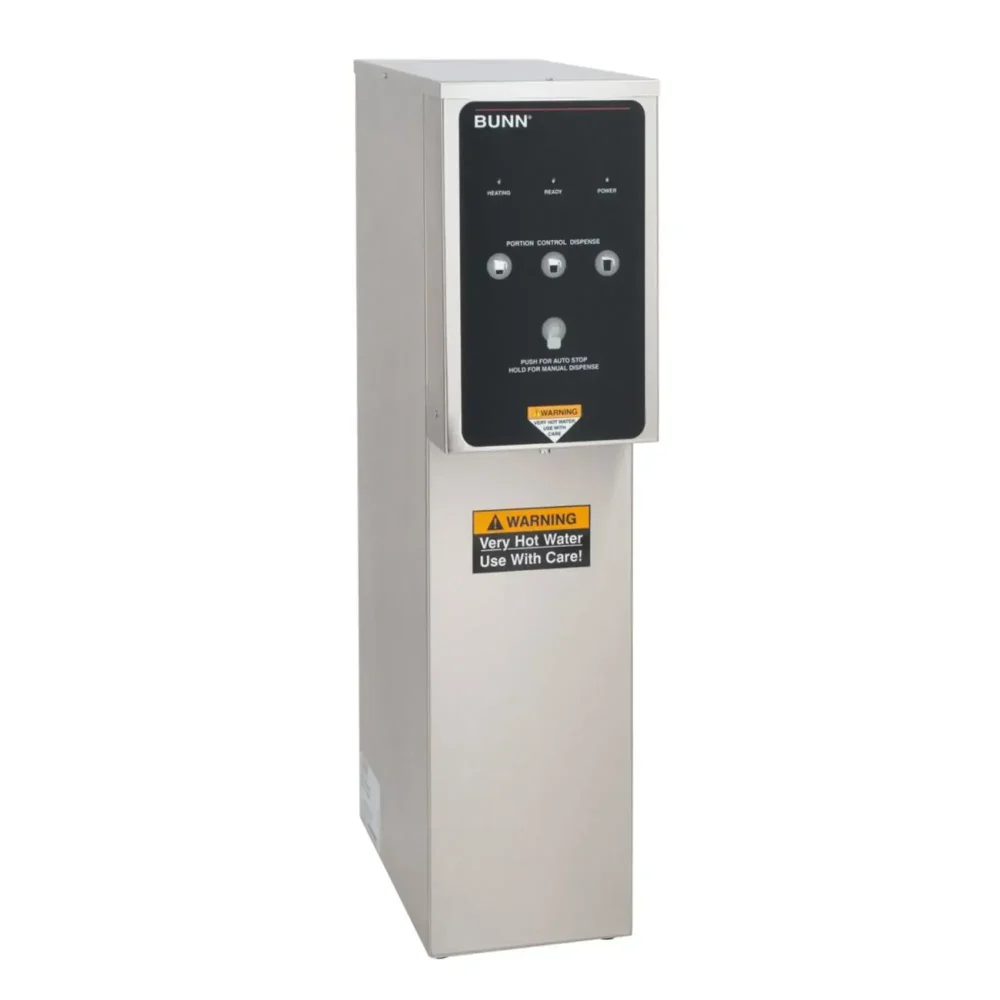
Bunn H5E-DV PC Low Volume Plumbed Hot Water Dispenser, 5 gal, 120V
Model No: 39100
⚡ Fast DeliveryShipping Fee
Mostly Ships in 5 to 7 Days

Fetco HWD-2105TOD Low-Volume Plumbed Hot Water Dispenser, 4 Gallon, 120V
Model No: HWD-2105TOD(H210510)
⚡ Fast DeliveryShipping Fee
Mostly Ships in 5 to 7 Days

Fetco HWB-2105 Low-Volume Plumbed Hot Water Dispenser, 7 Gallon, 208-240V/1Ph
Model No: HWB-2105(B210551)
⚡ Fast DeliveryShipping Fee
Mostly Ships in 5 to 7 Days

Fetco HWD-2110TOD Low-Volume Plumbed Hot Water Dispenser, 13.5 Gallon, 200-240V/1Ph
Model No: HWD-2110TOD(H211010)
⚡ Fast DeliveryShipping Fee
Mostly Ships in 5 to 7 Days

Fetco HWB-2110 Low-Volume Plumbed Hot Water Dispenser, 15 Gallon, 208-240V/1Ph
Model No: HWB-2110(B211051)
⚡ Fast DeliveryShipping Fee
Mostly Ships in 5 to 7 Days

Professional hot water dispensers have become essential equipment in modern commercial kitchens across the United States, transforming how HORECA establishments manage their hot water needs. These sophisticated systems deliver instant access to precisely heated water while maximizing energy efficiency, making them indispensable for hotels, restaurants, and catering operations that demand consistent performance throughout demanding service periods. Unlike traditional heating methods that waste energy maintaining large volumes of heated water, today's hot water dispenser technology provides on-demand solutions that align with both operational efficiency and sustainability goals that define successful foodservice operations in competitive markets.
The evolution of commercial hot water boiler systems reflects the industry's growing emphasis on speed, reliability, and cost control. Modern establishments cannot afford the delays associated with conventional heating methods, particularly during peak service hours when every second counts toward customer satisfaction. Professional-grade hot water dispensers eliminate waiting times while providing precise temperature control that ensures consistent beverage quality and food preparation standards. These systems integrate seamlessly into existing kitchen workflows, supporting everything from beverage service to food preparation tasks that require specific water temperatures for optimal results.
Contemporary hot water dispensers incorporate cutting-edge heating technology that delivers superior performance compared to traditional boiler hot water systems. Instantaneous heating elements provide rapid temperature achievement without the energy waste associated with maintaining large reservoir temperatures, while advanced insulation systems minimize heat loss during standby periods. Smart temperature controls ensure precise heating that meets specific operational requirements, whether preparing specialty teas that demand exact brewing temperatures or supporting food preparation processes that require consistent water heating.
The best hot water dispenser models feature multiple temperature settings that accommodate diverse operational needs within a single unit. Professional establishments benefit from systems that can simultaneously support different temperature requirements, from high-temperature sanitization needs to precise beverage brewing specifications. Digital controls provide intuitive operation that reduces training requirements while ensuring consistent results across different staff members and service periods.
Energy efficiency represents a crucial advantage of modern hot water dispensers over conventional heating methods. These systems activate only when hot water is needed, eliminating the continuous energy consumption required by traditional tank-based systems. Advanced heat exchange technology maximizes energy transfer efficiency while minimizing operational costs, contributing to improved profit margins that directly impact business sustainability. Smart energy management features automatically adjust heating cycles based on usage patterns, further optimizing energy consumption without compromising service reliability.
Hot water dispensers provide immediate operational advantages that translate into measurable business benefits for professional foodservice establishments. Rapid water heating eliminates service delays that can negatively impact customer experience, while consistent temperature delivery ensures beverage quality that meets professional standards. Kitchen efficiency improves significantly when staff can access hot water instantly without waiting for traditional heating systems to reach desired temperatures, enabling smoother workflow management during busy service periods.
Space optimization represents another significant advantage of professional hot water dispenser systems. Compact designs require minimal counter space compared to traditional hot water boiler installations, freeing valuable kitchen real estate for other essential equipment. Versatile mounting options allow installation flexibility that accommodates diverse kitchen layouts while maintaining easy access for service staff. This space efficiency becomes particularly valuable in urban establishments where kitchen space commands premium costs.
Reliability factors heavily into the value proposition of quality hot water dispensers, as equipment failures during service periods can severely disrupt operations. Professional-grade units feature robust construction designed to withstand demanding commercial environments while maintaining consistent performance over extended operational periods. Predictive maintenance features alert operators to potential issues before failures occur, enabling proactive service scheduling that prevents costly downtime during critical business hours.
Successful hot water dispenser implementation requires careful consideration of existing kitchen infrastructure and operational workflows. Professional installations ensure optimal performance while maintaining compliance with local health department regulations and safety standards. Proper electrical connections support consistent heating performance while built-in safety features protect both equipment and operators from potential hazards associated with high-temperature water systems.
Integration with existing beverage stations and food preparation areas maximizes operational efficiency while minimizing workflow disruption. Strategic placement considerations include proximity to primary usage points, accessibility for maintenance requirements, and compliance with accessibility standards that accommodate all staff members. Professional consultation during planning phases helps identify optimal configurations that support both current needs and future expansion requirements.
Water quality considerations play a crucial role in hot water dispenser performance and longevity. Filtration systems designed specifically for commercial applications remove impurities that can affect both equipment performance and beverage quality. Regular maintenance protocols ensure continued optimal performance while protecting equipment investments through proper care and preventive service scheduling.
Professional hot water dispensers deliver exceptional long-term value through durable construction and efficient operational characteristics that minimize total cost of ownership. Quality units feature easily accessible components that simplify routine maintenance while reducing service costs over the equipment's operational lifetime. Manufacturer support programs provide ongoing technical assistance and replacement parts availability that ensure continued reliable performance throughout the equipment's service life.
Routine maintenance requirements for professional hot water dispensers remain minimal compared to traditional heating systems, reducing operational overhead while maintaining peak performance. Simple cleaning procedures and periodic component inspections help maintain optimal efficiency while preventing issues that could disrupt service operations. Staff training on basic maintenance procedures enables proactive care that extends equipment life while ensuring consistent performance standards.
The investment in quality hot water dispensers pays dividends through reduced energy costs, improved operational efficiency, and enhanced customer satisfaction that directly impacts business success. Professional establishments that prioritize equipment quality benefit from reliable performance that supports their reputation for excellence while controlling operational costs that affect profitability. Smart purchasing decisions based on operational requirements and quality standards ensure maximum return on equipment investments while supporting long-term business growth objectives.