Discover Exceptional Products and Unmatched Service.
Power up your kitchen with reliable cooking equipment for restaurants and catering services. Trusted brands, fast shipping, unbeatable prices.
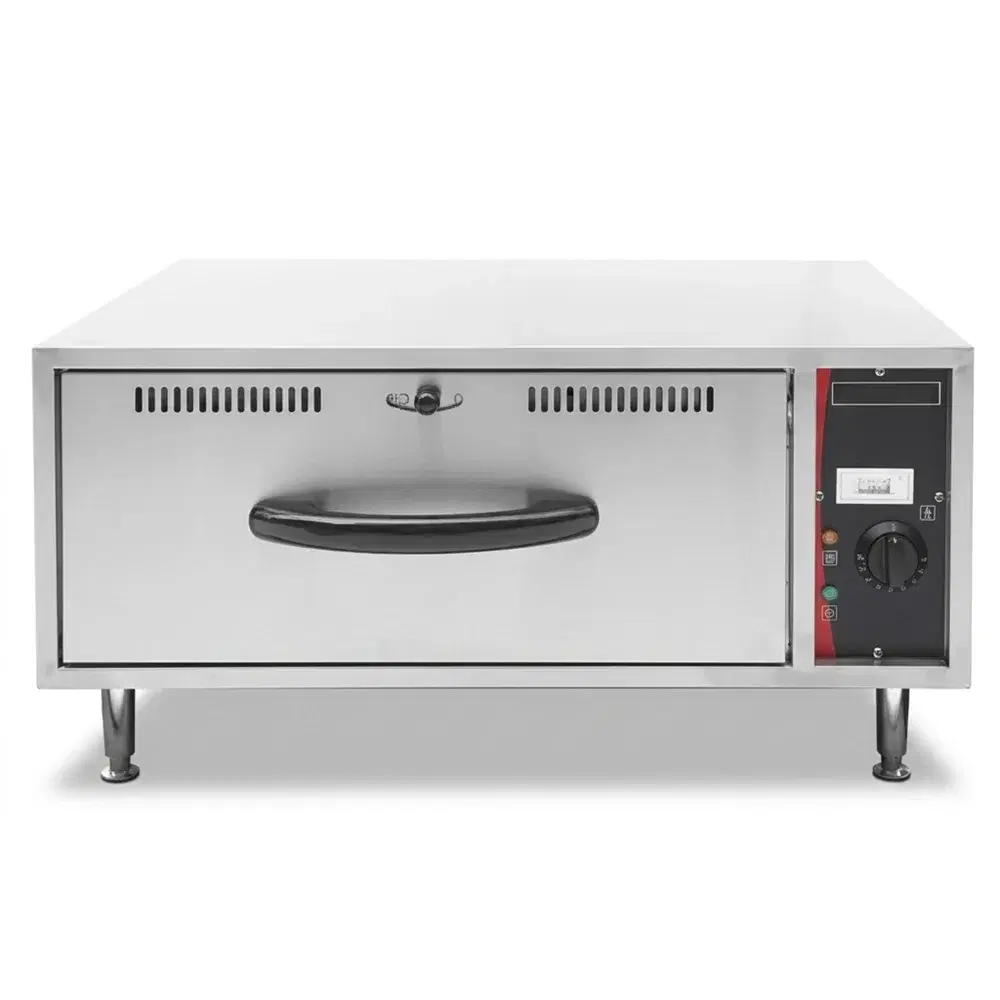
Cookline 30" Single Drawer Warmer, Heavy Duty, Stainless Steel, 120V
Model No: C-DW-1
⚡ Fast DeliveryShipping Fee
Mostly Ships in 5 to 7 Days
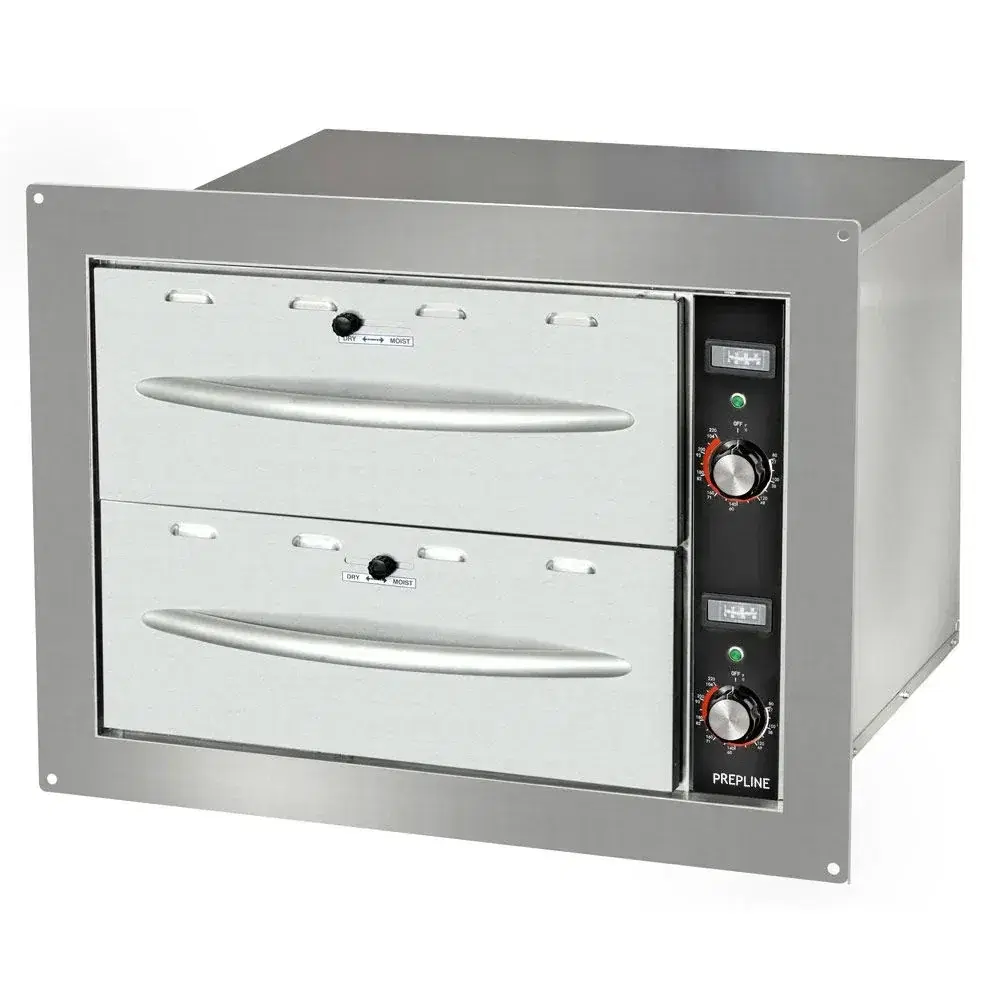
Prepline 31" Double Built-in Drawer Warmer, Stainless Steel, Heavy Duty, 900W, 120V
Model No: BDW2
⚡ Fast DeliveryShipping Fee
Mostly Ships in 5 to 7 Days
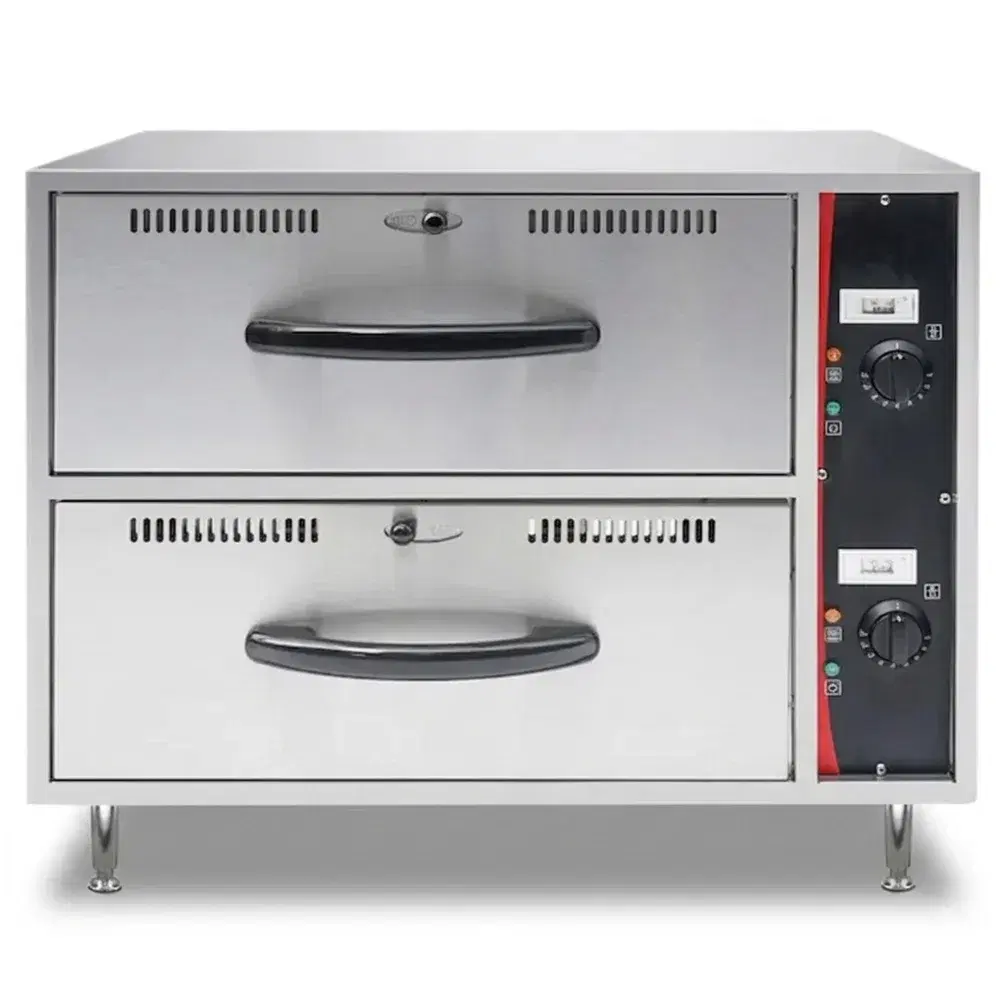
Cookline 30" Double Drawer Warmer, Heavy Duty, Stainless Steel, 120V
Model No: C-DW-2
⚡ Fast DeliveryShipping Fee
Mostly Ships in 5 to 7 Days
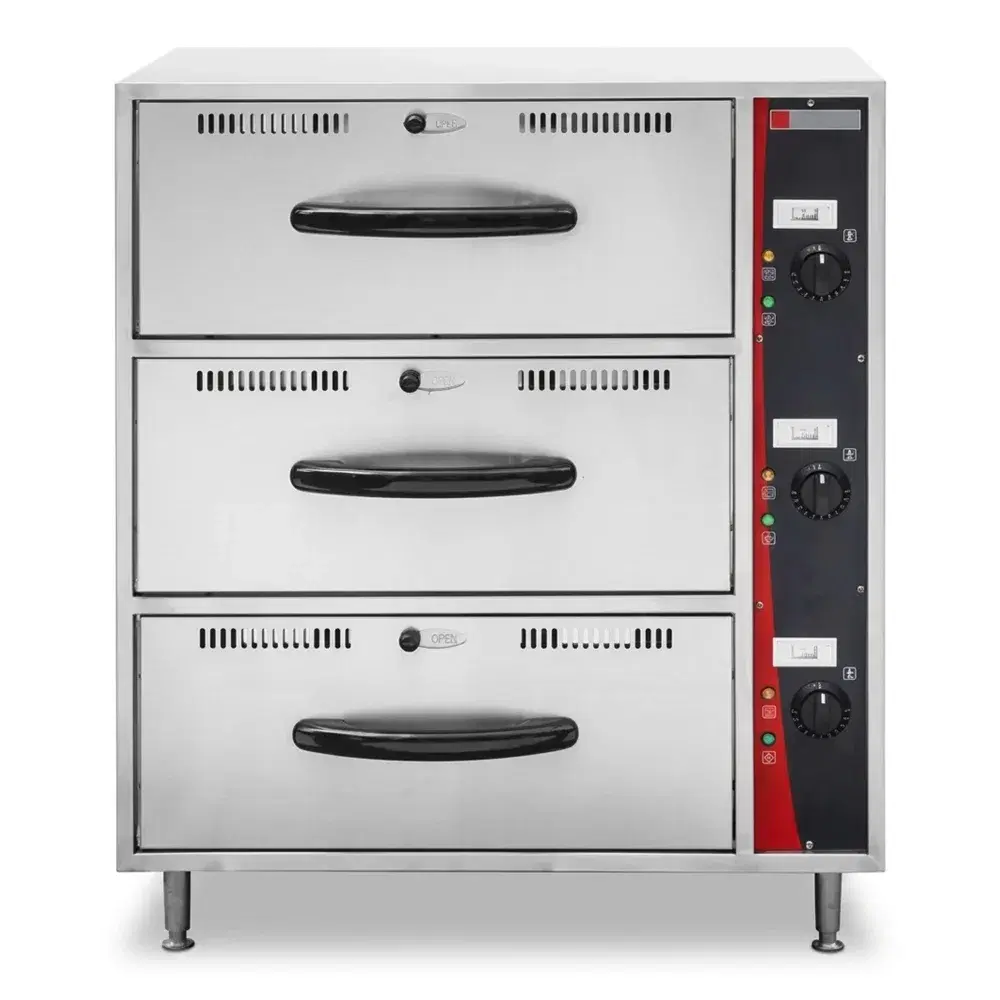
Cookline 30" Triple Drawer Warmer, Heavy Duty, Stainless Steel, 120V
Model No: C-DW-3
⚡ Fast DeliveryShipping Fee
Mostly Ships in 5 to 7 Days
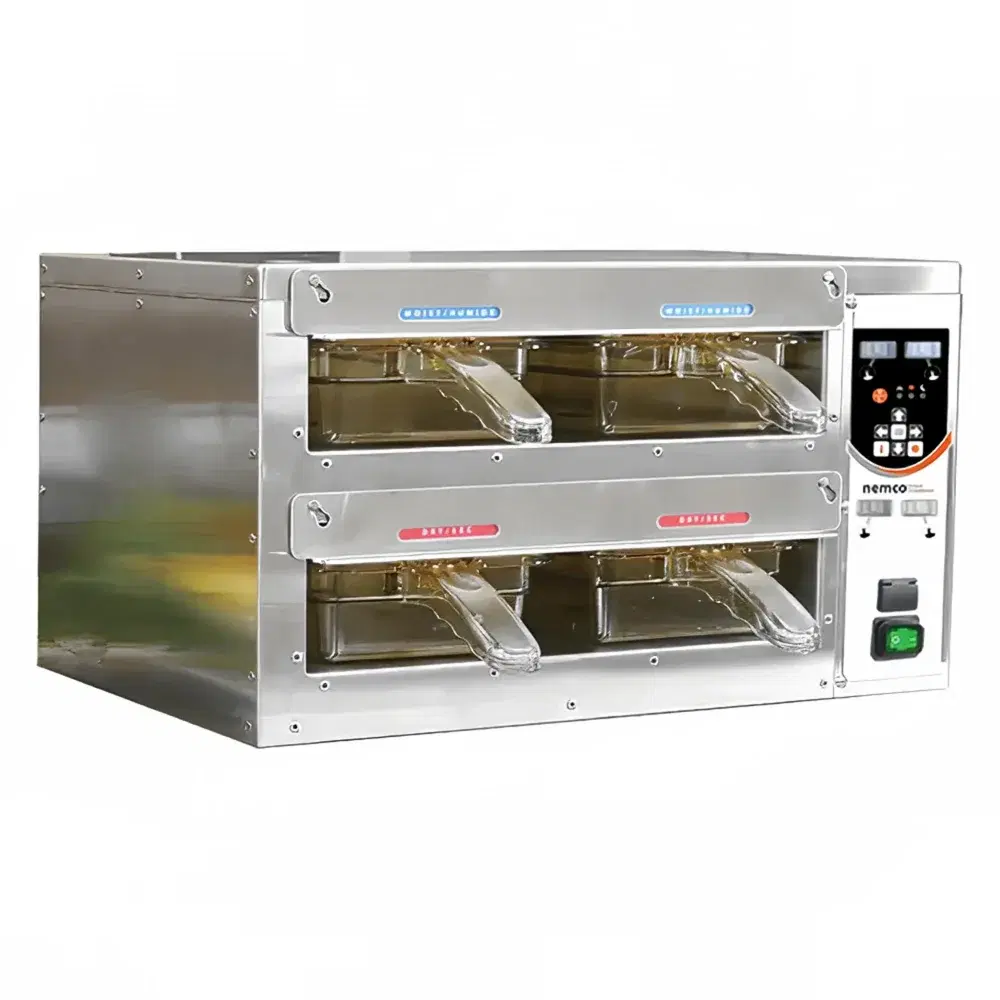
Nemco 6070-TT 20" Dry/Moist Food Warmer for (4) 1/3 Size Pans, Freestanding, 120V
Model No: 6070-TT
⚡ Fast DeliveryShipping Fee
Mostly Ships in 5 to 7 Days
Commercial drawer warmers help kitchens hold prepared food at serving temperature without crowding the cookline, drying out batches, or forcing staff to refire items during peak service. A warmer drawer, whether freestanding or built into a counter, gives restaurants, cafés, hotels, catering teams, and convenience food operations a controlled place to keep breads, meats, rice, sides, and plated components ready for service. If you are choosing between a countertop food warmer, a built-in warmer, or a dedicated heated drawer system, the right decision starts with menu volume, available space, and how long food needs to be held.
Commercial drawer warmers are enclosed holding units with one or more heated drawers that keep cooked food hot until it is served. Unlike an open heat lamp area, a drawer heater protects food from traffic, drafts, and unnecessary handling, while adjustable vents and individual controls help manage moisture for different menu items. In practical terms, they reduce bottlenecks: staff can cook in controlled batches before the rush, stage high-demand items safely, and pull portions quickly when orders come in.
A drawer warmer is not a cooking appliance; it is a holding solution. Its job is to preserve temperature, texture, and workflow after food is cooked. For kitchens that serve in waves, this is especially useful because the team can maintain speed without sacrificing consistency.
Key benefits include:
Most kitchens choose between built-in, freestanding, narrow, split-drawer, and specialty units. Hatco, for example, lists built-in models, freestanding HDW models, narrow versions for tighter layouts, split drawer options, and heated rice drawer warmers for rice-focused service. (hatcocorp.com)
A built-in warmer suits operations designing a clean counter line, service station, or pass-through area. It saves floor space and gives the kitchen a more permanent, integrated setup. Freestanding Drawer Warmers are better when flexibility matters, such as in catering prep rooms, temporary service zones, or kitchens that may reconfigure stations. Narrow models help when space is limited, while a split-drawer food warmer can support smaller pans or multiple products in a compact footprint.
The most useful specifications are not always the most dramatic ones. Capacity, drawer count, control layout, moisture adjustment, and construction quality affect daily performance more than decorative details.
Look for:
Capacity determines whether the unit supports service or becomes another bottleneck. Too few drawers can force staff to mix products that need different moisture levels; too many can waste space and energy. Moisture control matters because a dry roll, soggy fried item, or over-soft vegetable can hurt the guest experience even when the food is technically hot.
Controls also shape labor. A simple drawer heater may be enough for low-volume holding, but kitchens with timed batches often benefit from clearer control panels and timer functions. Hatco’s HDWTC freestanding model, for example, is described with a top touchscreen control panel, individual temperature settings, timers with audio and visual alerts, a USB port for software updates, and adjustable vent slides. (hatcocorp.com)
A restaurant can use a warmer drawer near the pass for rolls, sauces in covered pans, proteins, or high-turn sides. A hotel breakfast area may use Drawer Warmers to stage pancakes, breakfast meats, or service backup items away from the main buffet. Catering teams can use portable or freestanding options to protect food quality between finishing and service.
Convenience stores and grab-and-go counters may use a food warmer to hold prepared items for quick replenishment. Rice-heavy operations should consider a heated rice drawer warmer when rice holding is a daily priority; Hatco’s HRDW line is positioned specifically for holding rice and reducing transfer steps from pot to pan. (ma.hatcocorp.com)
Use this quick buying guide before choosing a model:
Hatco drawer warmers are a common commercial option because the range includes built-in, freestanding, narrow, split, touchscreen-control, and rice-specific models. The best model depends less on brand name alone and more on whether the configuration matches your menu, pan size, service volume, electrical setup, and available space.
The Horeca Store can help buyers compare commercial drawer warmers by drawer count, installation style, and intended food use. If exact pricing, delivery, or model availability matters, request a current quote rather than relying on generic online assumptions.
Built-in warmer
Fixed counters and service lines
Saves visible floor space
Requires planned installation
Freestanding warmer drawer
Flexible kitchens
Easier to place or relocate
Uses counter or floor footprint
Narrow Drawer Warmers
Tight layouts
Fits smaller stations
Lower capacity
Split heated drawer
Multiple small batches
Better portion separation
Confirm pan compatibility
Rice drawer heater
Rice-focused menus
Purpose-built holding
Less versatile
Are commercial drawer warmers the same as ovens? No. They are designed for hot holding after cooking, not for primary cooking.
Can one unit hold different foods? Yes, if it has separate drawers and individual controls, but foods with very different moisture needs should be separated.
Is a built-in warmer better than freestanding? It is better for permanent counters; freestanding is better when layout flexibility matters.
Do I need adjustable vents? For most commercial menus, yes. Vent control helps balance crispness and moisture.
Can the horeca store advise on installation? Yes, product support should include checking size, electrical needs, placement, and maintenance expectations.
Before ordering, confirm dimensions, voltage, plug or hardwiring needs, ventilation clearance, pan compatibility, and cleaning access. After installation, train staff to preheat the unit, use the correct drawer for each product, monitor holding times, and clean pans, drawer slides, vents, and handles regularly.
For purchasing support, ask The Horeca Store to match capacity, model type, and installation requirements to your kitchen plan. The right drawer warmer should make service calmer, faster, and more consistent—not just add another piece of equipment to the line.
