Discover Exceptional Products and Unmatched Service.
Power up your kitchen with reliable cooking equipment for restaurants and catering services. Trusted brands, fast shipping, unbeatable prices.
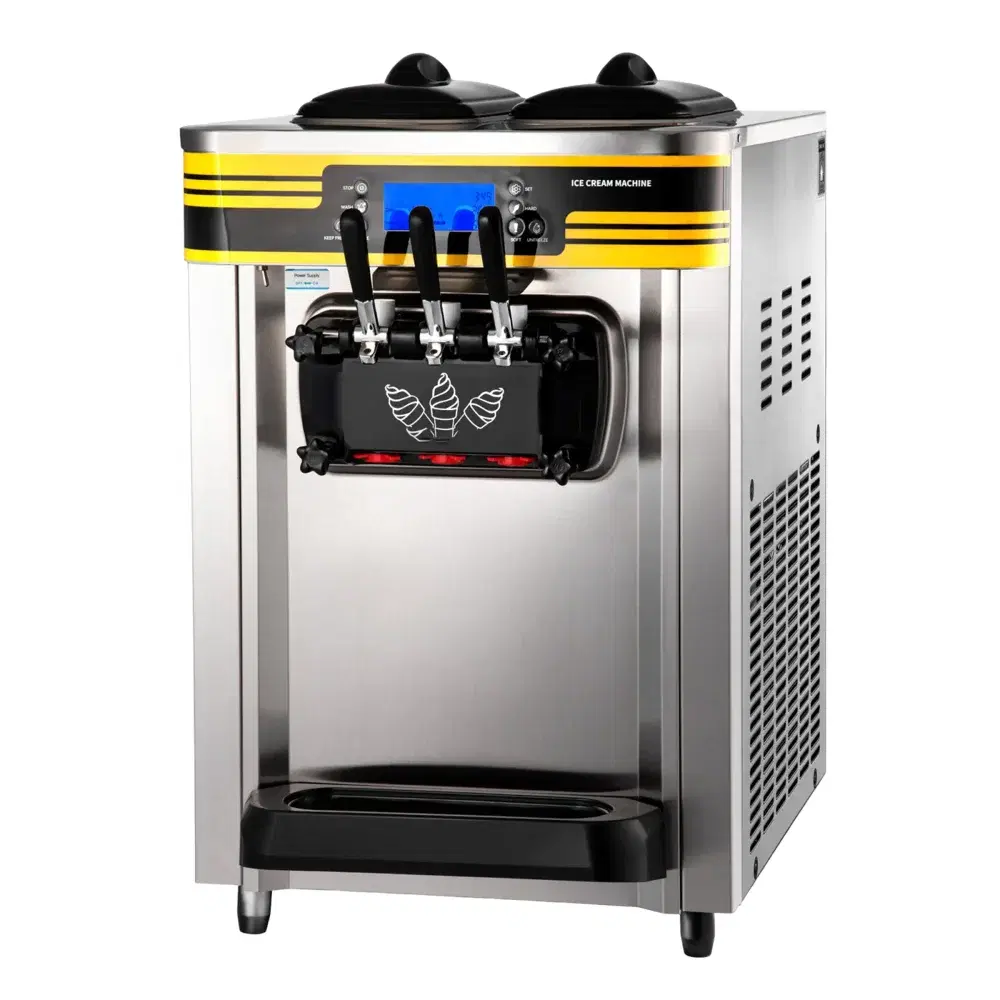
ChefPro Series Countertop Ice Cream Maker and Soft Serve Machine with LCD Panel, Puffing Shortage Alarm
Model No: CPICM222+1
⚡ Fast DeliveryShipping Fee
Mostly Ships in 5 to 7 Days

SaniServ 614SAS 17" Shake Machine, Select-A-Shake, Air Cooled, 1 Hopper, 20 Qt, 208-230V
Model No: 614SAS
⚡ Fast DeliveryShipping Fee
Mostly Ships in 5 to 7 Days

Taylor Company 0060 18" Shake Freezer, 4 Flavors, Air Cooled, 1 Hopper, 36 Cu.ft, 208-230V
Model No: 0060
⚡ Fast DeliveryShipping Fee
Mostly Ships in 5 to 7 Days
Nothing draws a crowd quite like the promise of a cold, sweet treat. Whether you are running a bustling seaside gelateria, a neighborhood diner, or a modern dessert truck, offering frozen treats is a highly profitable venture. However, your success hinges heavily on the equipment you choose. Navigating the world of Hard & Soft Serve Machines can feel overwhelming, but understanding the mechanics, maintenance, and output capabilities of these units will ensure your business thrives.
If you are looking to invest in new dessert machines, this comprehensive guide will walk you through everything you need to know about selecting, operating, and maintaining your commercial ice cream equipment.
When evaluating a commercial batch freezer vs soft serve dispenser, the primary difference lies in the production process and the final product's texture.
Hard Ice Cream (Batch Freezers): Traditional hard ice cream is made in distinct batches. Ingredients are poured into the machine, which freezes and whips the product simultaneously. Once it reaches the desired consistency, it is extracted into tubs and flash-frozen (hardened) before being served. Soft Serve (Continuous Freezers): Soft serve machines continuously freeze and dispense a premixed liquid. As a customer orders, the machine dispenses the product directly into a cone or cup, instantly replenishing the freezing cylinder with fresh mix from the hopper.
Both hard and soft serve machines have unique strengths, but deciding which fits your business model requires a deeper look into their specific operational needs.
Soft serve equipment is beloved for its speed, high profit margins, and ease of use. However, these soft serve machines come with a variety of technical options you must consider.
One of the most important decisions you will make is choosing between gravity-fed vs pump-fed systems:
Your equipment needs will also dictate your ingredient choices. You will need to decide between a liquid mix vs powdered soft serve base. Liquid mixes are convenient and offer a premium taste, while powdered bases have a longer shelf life and are more cost-effective.
Furthermore, you must consider frozen yogurt vs custard machine requirements. While standard soft serve machines can easily handle frozen yogurt, traditional frozen custard requires a specialized machine with a continuous flow system to minimize air incorporation and maintain its famously dense, rich texture.
If artisanal scoops are your focus, traditional ice cream makers are your best bet. Because hard ice cream is produced in batches, understanding your batch freezer production capacity per hour is critical. A machine that produces 10 quarts an hour might be fine for a small cafe, but a dedicated ice cream parlor will need a unit capable of churning out 24 to 40 quarts hourly.
One of the biggest challenges in making artisanal frozen treats is preventing ice crystals in hard-packed ice cream. This requires a machine that can freeze the mix rapidly, coupled with a blast freezer to harden the product immediately after extraction.
Once your product is ready for customers, temperature control remains vital. The optimal storage temperature for dipping cabinets is typically between 0°F and 5°F (-18°C to -15°C). This ensures the ice cream remains firm enough to hold its shape but soft enough for effortless scooping.
Whether you are looking at ice cream machines for hard scoops or soft serve, keep these practical considerations in mind:
Knowing how to maintain commercial ice cream equipment is just as important as buying the right model. Dairy products are highly susceptible to bacterial growth, meaning strict hygiene protocols are non-negotiable.
Adhering to local sanitization requirements for dairy dispensing machines is crucial to passing health inspections. Many modern units now feature automatic pasteurization and cleaning cycles. These systems heat the mix in the hopper and cylinder to a safe temperature every night, killing bacteria and allowing you to disassemble and manually clean the machine every two weeks rather than every single day. This feature drastically cuts down on labor costs and product waste.
Even with top-tier equipment, you may occasionally run into operational hiccups. Troubleshooting soft serve consistency issues usually comes down to three factors:
Investing in commercial ice cream equipment is a major decision that can dramatically elevate your food service business. By understanding the distinct advantages of hard and soft serve machines, you can tailor your dessert offerings to match your target audience.
Whether you are mastering the perfect scoop with high-capacity ice cream makers or streamlining service with automated frozen dessert machines, success comes down to choosing the right specifications, maintaining rigorous cleaning schedules, and serving a product that keeps customers coming back for more. With the right machines in place, your dessert business will be perfectly positioned for sweet success.