Discover Exceptional Products and Unmatched Service.
Power up your kitchen with reliable cooking equipment for restaurants and catering services. Trusted brands, fast shipping, unbeatable prices.

ProKitchen Series 48" Electric Strip Heater with Undermount Brackets, Stainless Steel, 120V, 1 Phase, 1200W
Model No: PKSW48
⚡ Fast DeliveryShipping Fee
Mostly Ships in 5 to 7 Days
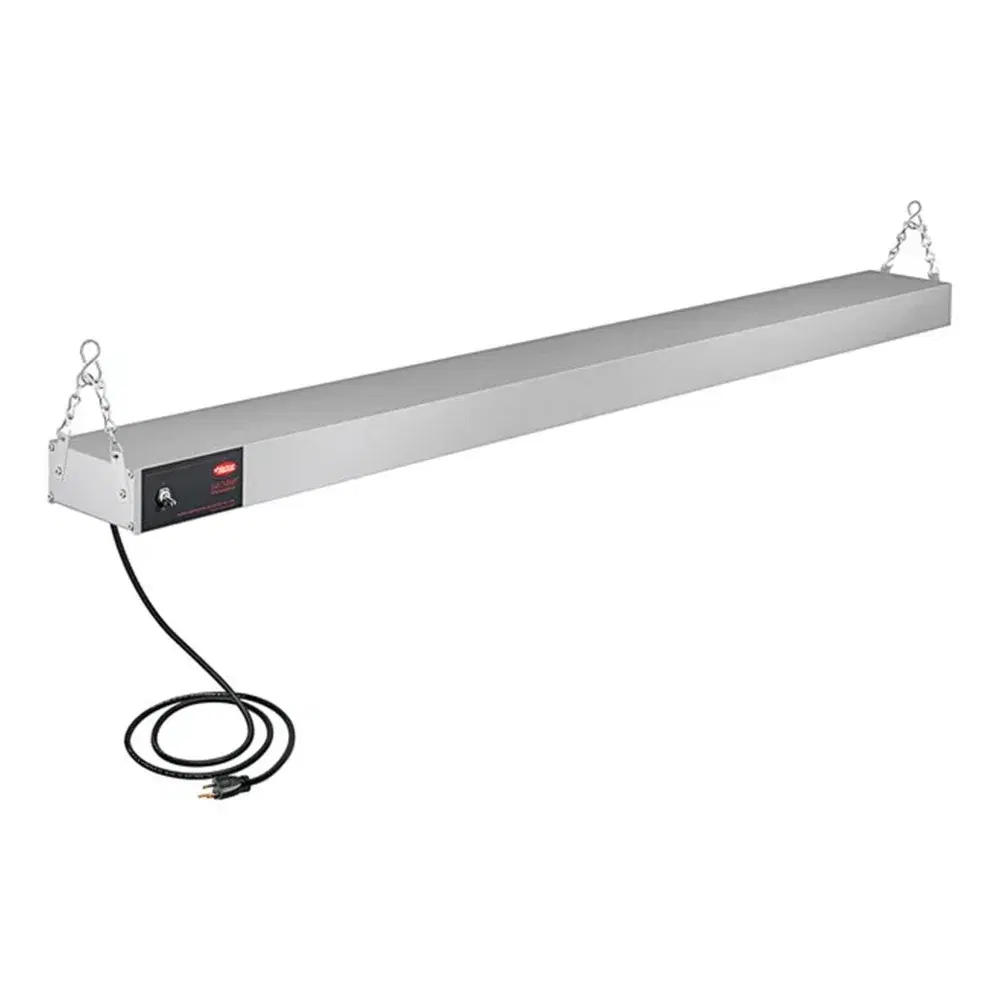
Hatco GRAH-72 72" Infrared Food Warmer / Strip Warmer with Toggle Controls, Glo-Ray High Wattage, 6" Chains, S-Hooks - 120V, 1,725W
Model No: GRAH-72
⚡ Fast DeliveryShipping Fee
Mostly Ships in 5 to 7 Days
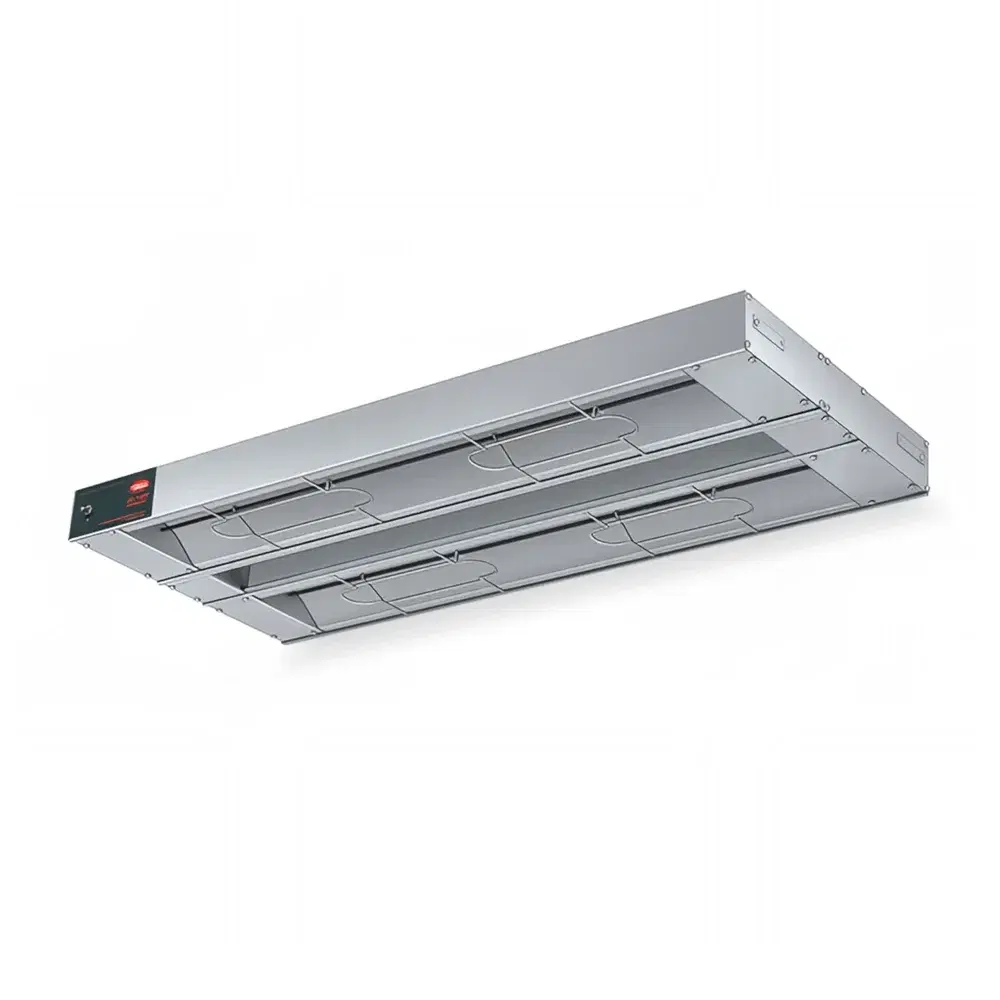
Hatco GRAH-36D3 36" Infrared Strip Warmer, High Watts, Double Rod, (1) Built In Toggle Control, 120v
Model No: GRAH-36D3
⚡ Fast DeliveryShipping Fee
Mostly Ships in 5 to 7 Days
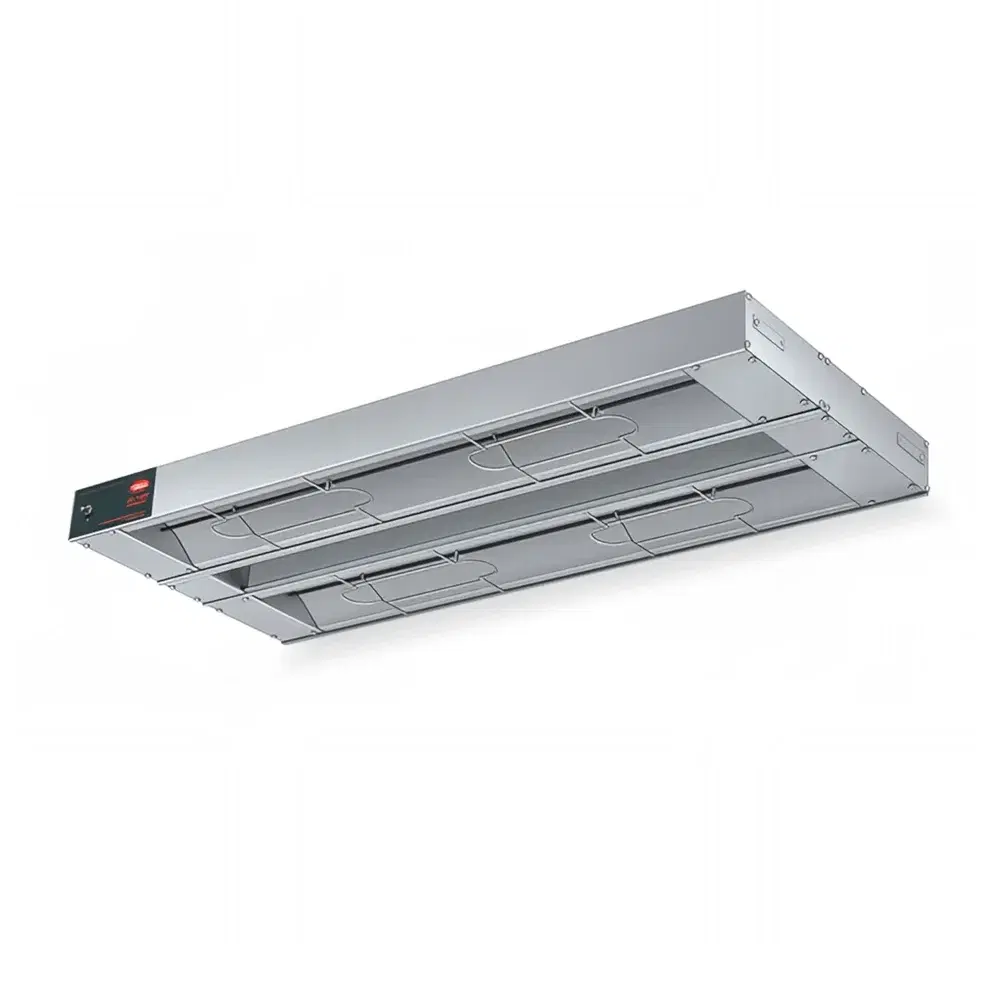
Hatco GRAH-60D3 60" Infrared Strip Warmer, High Watts, Double Rod, (2) Built In Toggle Control, 240v/1ph
Model No: GRAH-60D3
⚡ Fast DeliveryShipping Fee
Mostly Ships in 5 to 7 Days
Professional kitchens across the USA demand reliable temperature control solutions that maintain food quality while ensuring safety compliance, making food heat lamps an essential component of successful foodservice operations. These specialized warming systems provide precise temperature management for prepared dishes during holding periods, preventing bacterial growth while preserving the visual appeal and flavor profiles that customers expect. Strip heaters and overhead warming systems have evolved into sophisticated equipment that addresses the complex challenges faced by HORECA professionals who must balance food safety regulations with operational efficiency and customer satisfaction.
The commercial food warming industry recognizes that maintaining proper holding temperatures represents one of the most critical aspects of food safety management, with heat lamp food warmer systems serving as the primary defense against temperature abuse violations. Food heat lamps commercial applications extend far beyond simple warming, encompassing precise temperature control, energy efficiency, and seamless integration with existing kitchen workflows. Modern establishments require warming solutions that adapt to diverse menu items while maintaining consistent performance throughout extended service periods.
Strip food warmers have become indispensable for operations serving high volumes of prepared foods, from buffet-style restaurants to institutional catering facilities. The technology behind these systems ensures that food products remain within safe temperature zones while preserving moisture content and preventing the textural degradation that occurs when foods are held improperly. Professional lamp heater for food applications requires understanding the relationship between heat distribution, food safety protocols, and operational efficiency to maximize both customer satisfaction and regulatory compliance.
Contemporary food heat lamp technology incorporates sophisticated heating elements and control systems that deliver consistent performance while optimizing energy consumption. Infrared heating technology has revolutionized commercial warming applications by providing even heat distribution that penetrates food products more effectively than traditional heating methods. This advancement addresses the common challenge of uneven warming that can create temperature variations within individual dishes, ensuring that all portions of prepared foods maintain safe serving temperatures throughout the holding period.
Digital temperature controls in modern strip heater systems offer precise thermal management with programmable settings that accommodate various food types and service requirements. Many commercial units feature multiple heating zones that allow operators to maintain different temperature ranges simultaneously, providing the flexibility needed for diverse menu offerings. Advanced control systems include temperature monitoring capabilities that alert kitchen staff when temperatures fall outside safe ranges, supporting proactive food safety management and reducing the risk of regulatory violations.
Energy efficiency has become a primary consideration in food heat lamps commercial design, with manufacturers developing systems that minimize power consumption while maintaining superior warming performance. Smart heating controls automatically adjust power output based on product load and ambient conditions, reducing energy waste during slower service periods. Heat-reflective surfaces and advanced insulation materials maximize heating efficiency while reducing the thermal load on kitchen ventilation systems, contributing to overall operational cost reduction and improved working conditions for kitchen staff.
The variety of strip heater configurations available in the USA market ensures that establishments can find warming solutions that integrate seamlessly with their existing kitchen layouts and service styles. Overhead strip warmers provide uniform heat distribution across serving areas while maintaining clear sight lines for staff and customers. These systems typically feature adjustable height mechanisms that accommodate different serving vessel sizes and allow for optimal heat positioning based on specific food types and service requirements.
Under-counter and built-in lamp heater for food applications offer discrete warming solutions that maximize counter space while providing effective temperature control. These configurations prove particularly valuable in open kitchen designs where equipment aesthetics impact the overall dining atmosphere. Integrated warming systems can be customized to match existing kitchen equipment finishes and provide seamless operation that enhances rather than disrupts the visual flow of food preparation and service areas.
Portable and mobile food heat lamp systems provide operational flexibility for establishments with changing service requirements or multiple serving locations. These units feature robust construction that withstands frequent transportation while maintaining precise temperature control capabilities. Mobile warming systems prove invaluable for catering operations, special events, and establishments that reconfigure their service areas based on customer demand or seasonal variations.
Professional food heat lamps must meet stringent safety standards that address both food temperature maintenance and equipment operation in commercial environments. NSF certification ensures that warming equipment meets hygiene standards required for commercial food service, while UL listing confirms electrical safety compliance for installation in professional kitchens. Understanding these certification requirements helps HORECA professionals select equipment that supports regulatory compliance while providing reliable long-term performance.
Temperature monitoring capabilities in modern heat lamp food warmer systems provide documentation needed for HACCP compliance and regulatory inspections. Digital displays and data logging features enable kitchen managers to track temperature performance over time, identifying trends that may indicate maintenance needs or operational adjustments. This documentation capability proves essential for establishments serving high-risk populations or operating under strict regulatory oversight.
Food safety protocols require that warming equipment maintain products at temperatures above 140°F to prevent bacterial growth, while avoiding excessive heat that can compromise food quality. Professional strip heater systems achieve this balance through precise temperature control and even heat distribution that eliminates hot spots and cold zones. Proper temperature maintenance extends safe holding times, reduces food waste, and ensures that served products meet both safety standards and quality expectations.
Effective food heat lamps commercial installations enhance kitchen workflow by providing reliable warming capacity that reduces the need for frequent batch cooking during peak service periods. This capability allows kitchen staff to prepare larger quantities during slower periods while maintaining product quality throughout extended service times. The operational flexibility provided by professional warming systems enables better labor scheduling and improved cost control by reducing the staff time required for continuous food preparation.
Integration with existing kitchen equipment requires careful consideration of power requirements, ventilation needs, and spatial constraints that affect both installation costs and operational efficiency. Professional lamp heater for food systems should complement rather than complicate existing workflows, providing intuitive operation that minimizes training requirements while maximizing operational benefits. Proper integration ensures that warming systems enhance kitchen productivity without creating bottlenecks or workflow disruptions.
Maintenance requirements for commercial warming equipment should align with existing kitchen maintenance schedules to minimize operational disruption and control long-term costs. Professional-grade food heat lamps feature robust construction and accessible components that facilitate routine cleaning and maintenance procedures. Understanding maintenance requirements and associated costs helps operators evaluate total ownership costs and select equipment that provides optimal long-term value.
Choosing appropriate strip heater equipment requires careful analysis of serving volumes, menu types, and operational patterns that influence warming requirements. Capacity calculations should consider peak service demands while avoiding over-sizing that leads to unnecessary energy consumption and higher equipment costs. Professional consultation can help determine optimal configurations that balance initial investment with long-term operational benefits and regulatory compliance requirements.
Installation considerations include electrical requirements, ventilation modifications, and spatial constraints that affect both equipment selection and total project costs. Professional installation ensures proper operation and compliance with local codes while minimizing operational disruption during equipment deployment. Understanding installation requirements helps establish realistic project timelines and budget parameters for warming system upgrades or new installations.
Quality considerations extend beyond initial performance to include reliability, maintenance requirements, and manufacturer support that affect long-term operational success. Professional-grade heat lamp food warmer systems justify higher initial costs through improved reliability, lower maintenance requirements, and better energy efficiency that reduces operational expenses over the equipment's service life. Evaluating total cost of ownership rather than initial purchase price ensures optimal investment decisions that support long-term operational goals and profitability.