Discover Exceptional Products and Unmatched Service.
Shop foam plates designed for convenient food service, reliable durability, and easy cleanup in takeout, catering, and foodservice operations.
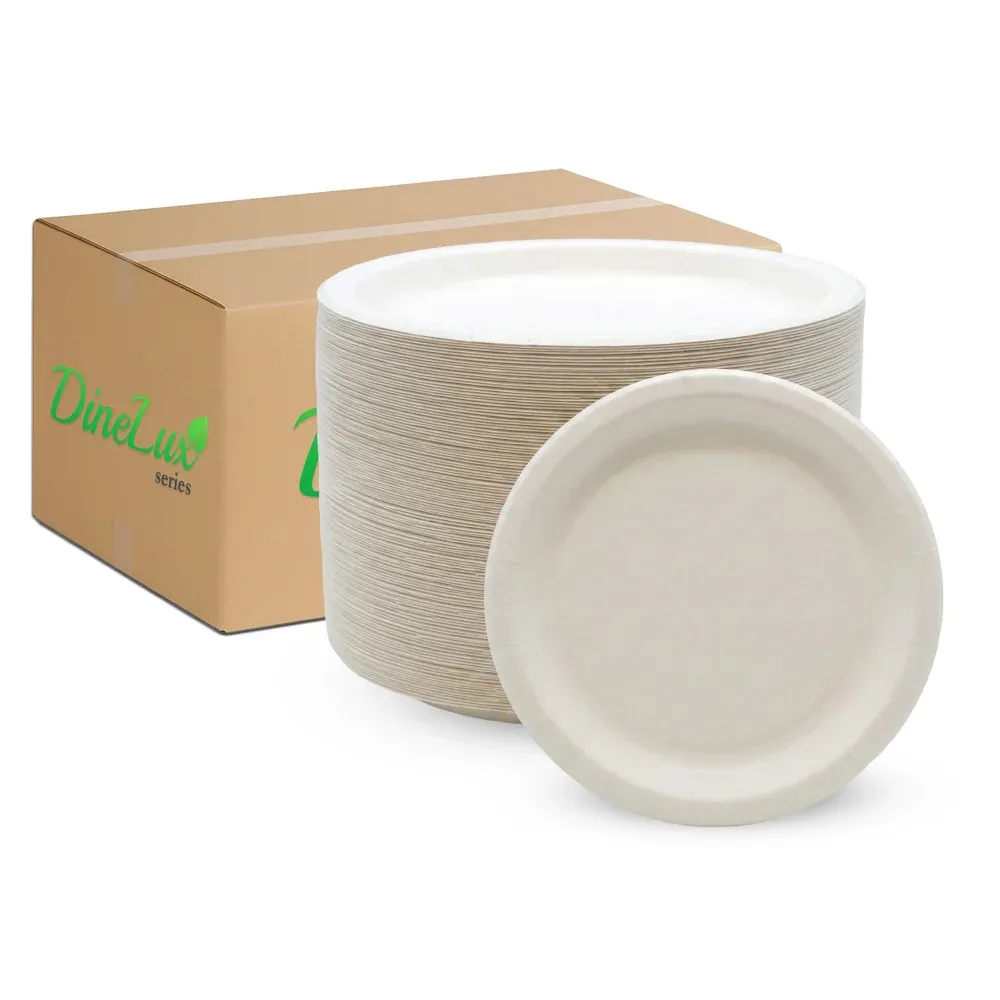
Dinelux Series Foam Paper Plate, Smoothwall Coated, 8.37", White, 500/Case
Model No: DS20500
⚡ Fast DeliveryShipping Fee
Mostly Ships in 5 to 7 Days
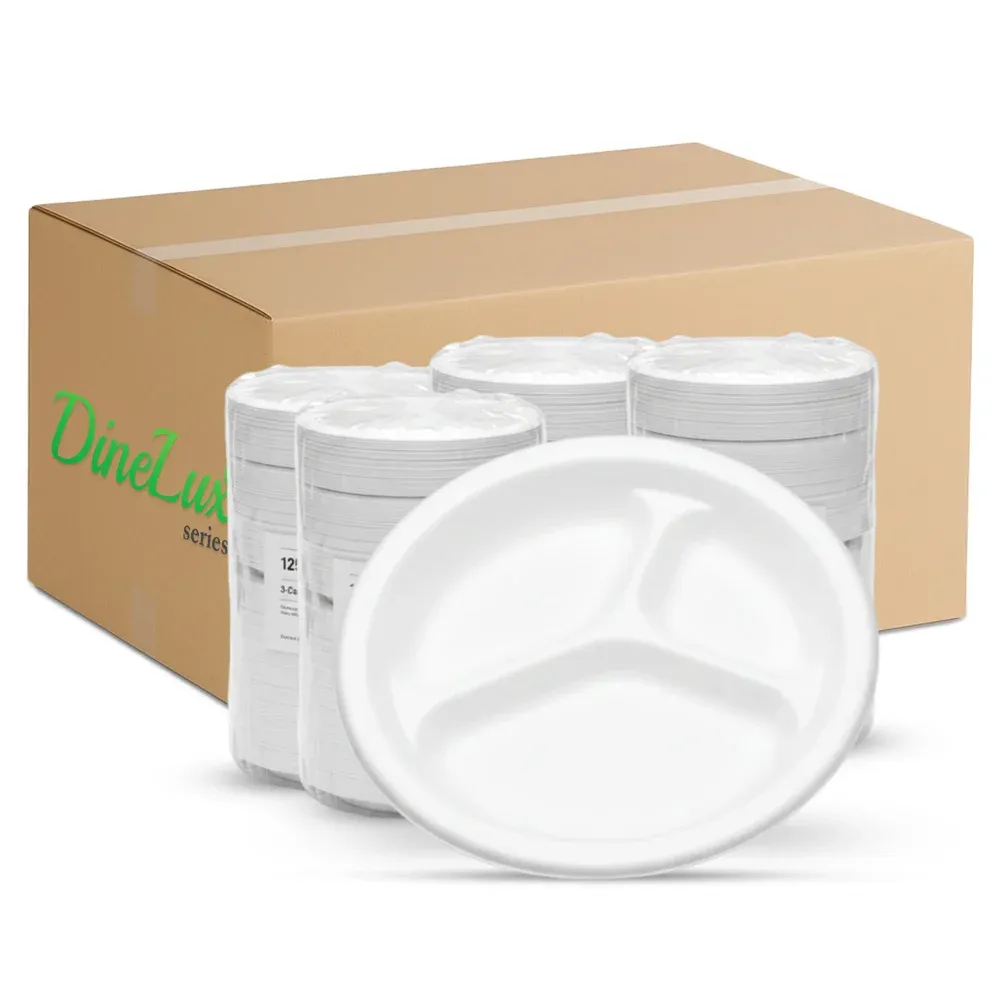
Dinelux Series 8.88" Three-Compartment Plate, Non-laminated, 500/Case
Model No: DS83900
⚡ Fast DeliveryShipping Fee
Mostly Ships in 5 to 7 Days
We’ve all faced the aftermath of a backyard barbecue: a towering stack of dirty foam plates. You likely call the material "Styrofoam," but according to industry standards, that is actually a brand of building insulation. The lightweight disk holding your potato salad is really Expanded Polystyrene (EPS), a plastic puffed up with air.
Despite making cleanup incredibly easy, the staggering environmental impact of single-use plastics is causing a shift in consumer habits. Environmental experts note that EPS rarely gets recycled, quietly lingering in landfills for centuries.
Finding safer, sustainable options is easier than ever. Modern alternatives to traditional foam plates actually outperform EPS in physical strength. Upgrading to sturdy bamboo, compostable palm leaf, or reinforced paper provides superior durability without the long-term ecological cost.
Handing a guest a hot burger is easy when the plate doesn't burn your fingers. That magic comes from EPS, manufactured by puffing up tiny plastic beads exactly like kernels of popcorn. Because the final product is roughly 95 percent air, millions of microscopic bubbles trap warmth to create an outstanding thermal barrier.
This featherweight design explains why they cost pennies, as manufacturers spend practically nothing to ship them wholesale. When weighing rigid vs flexible disposable plates, foam strikes a unique balance by holding a heavy steak while remaining virtually weightless in your hand.
Unfortunately, that airy structure creates a massive headache at cleanup. Many people ask, are styrofoam products recyclable if they feature a chasing-arrows stamp? That symbol simply marks it as resin identification code #6, which most curbside bins reject because it yields too little usable plastic for the massive amount of space it occupies.
Beyond the recycling bin, this material raises concerns directly in your kitchen. The relatively low heat resistance of plastic number 6 means extreme temperatures might trigger unexpected chemical reactions when you heat tomorrow's leftovers.
The same insulated disposable dinnerware benefits that keep your chili hot can actually become a liability in the microwave. Because EPS is essentially a delicate web of puffed plastic, it boasts an exceptionally low melting point. Standard microwave cycles easily push the material past its comfort zone, causing the trapped air pockets to rapidly collapse.
When foam gets too hot, the microscopic "gates" holding the plastic together swing open. This triggers chemical leaching in hot food containers, a process where tiny amounts of styrene wander out of the plate and into your meal. Fatty or greasy items, like a slice of pepperoni pizza or buttery sauces, act as an expressway for these chemicals, accelerating the migration even before the plate looks damaged.
Spotting this structural breakdown is surprisingly easy. If you notice your plate warping, sagging, or forming melted divots under hot food, the material has definitively lost its integrity. While some specialty brands address the microwave safety of disposable tableware, standard foam starts degrading around 212 degrees Fahrenheit—the exact temperature of boiling liquids.
Protecting your dinner simply requires mastering a ten-second safety swap: always transfer your leftovers to a glass or ceramic dish before reheating. If you want single-use convenience without the constant worry of melting plastic, it might be time to explore how natural, plant-based materials handle the heat.
Ditching the melting plastic of yesterday doesn’t mean settling for flimsy paper that collapses under a heavy scoop of baked beans. Enter agricultural byproducts, where farming leftovers are transformed into sturdy tableware. The star of this simple circular economy is bagasse, a natural fiber pressed from sugarcane stalks after the sugar extraction process.
To find the perfect match for your backyard BBQ, compare how these natural options stack up:
The real difference between bagasse and synthetic materials comes down to moisture management. Standard paper plates rely heavily on the soak-proof properties of laminated surfaces—essentially coating the paper in a hidden plastic film that ruins its recyclability. Bagasse instead utilizes naturally dense, tightly interlocked plant fibers to block grease, making it one of the premier biodegradable alternatives to EPS.
Switching to these natural powerhouses ensures your food stays off your lap while keeping microplastics out of the soil. While premium plant fibers might seem pricier upfront, smart shopping makes them completely accessible for events of any size.
Planning a large gathering often brings sticker shock to the tableware aisle. When comparing a 20-pack of premium bagasse to a giant brick of foam plates wholesale, the eco-friendly route looks expensive. However, the secret to bridging this gap lies in unit pricing. Buying a 250-count sleeve of compostable bamboo plates online drops the cost from forty cents per plate to just pennies.
To maximize savings, sourcing bulk catering supplies for outdoor events requires matching the material to your menu. Avoid overspending on unnecessarily thick plates by using this simple event-matching checklist:
With these wholesale purchasing strategies in your back pocket, you never have to sacrifice your budget to help the planet. Taking the final step to eliminate foam permanently requires just a few simple habits.
You no longer have to guess if that party plate is safe. By understanding foam's heat limits and environmental impact, you can confidently protect your food and make smarter everyday choices.
Transition your pantry easily with these quick grocery rules:
Properly disposing of existing EPS waste is the final step. Instead of wish-cycling old plates in the blue bin, find a specialized drop-off center to ensure your next gathering is truly green.