Discover Exceptional Products and Unmatched Service.
Power up your kitchen with reliable cooking equipment for restaurants and catering services. Trusted brands, fast shipping, unbeatable prices.
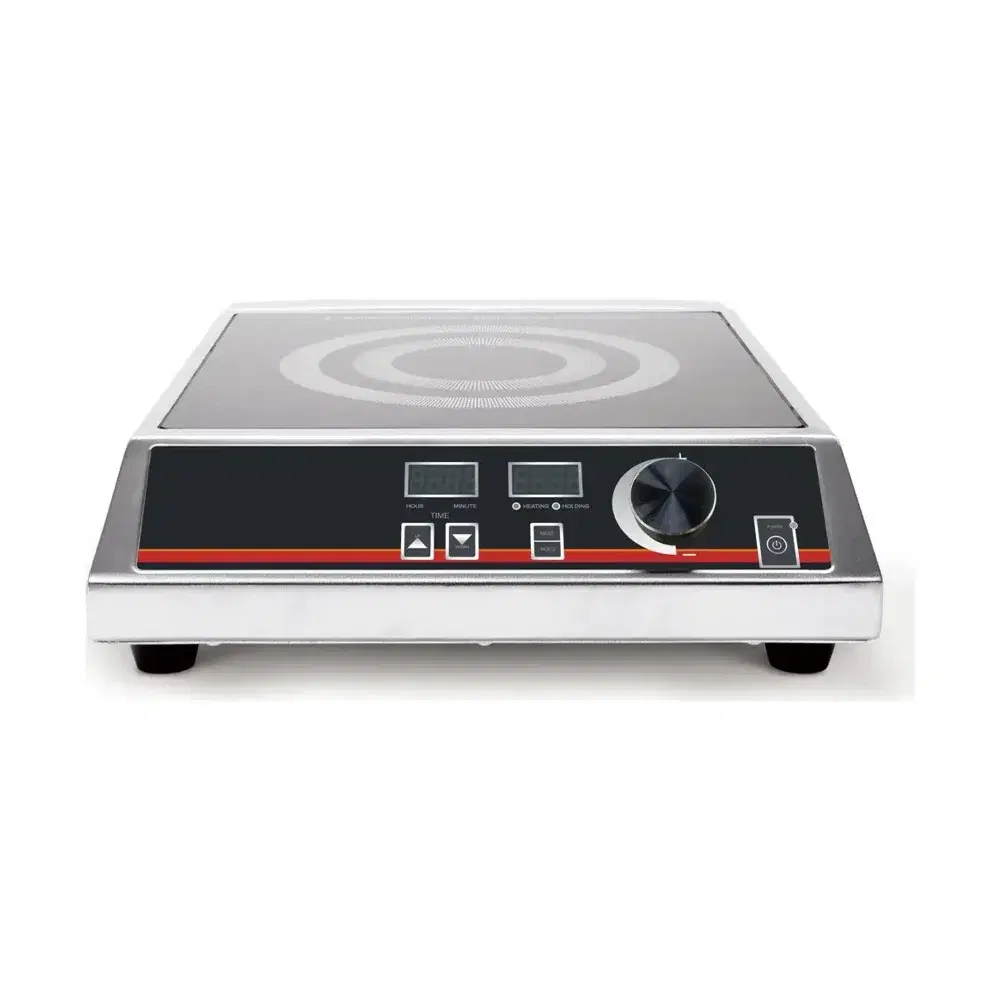
Cookline 13" Countertop Induction Range / Cooker with 1 Burners, 120V, 1800W
Model No: IC-1800
⚡ Fast DeliveryShipping Fee
Mostly Ships in 5 to 7 Days
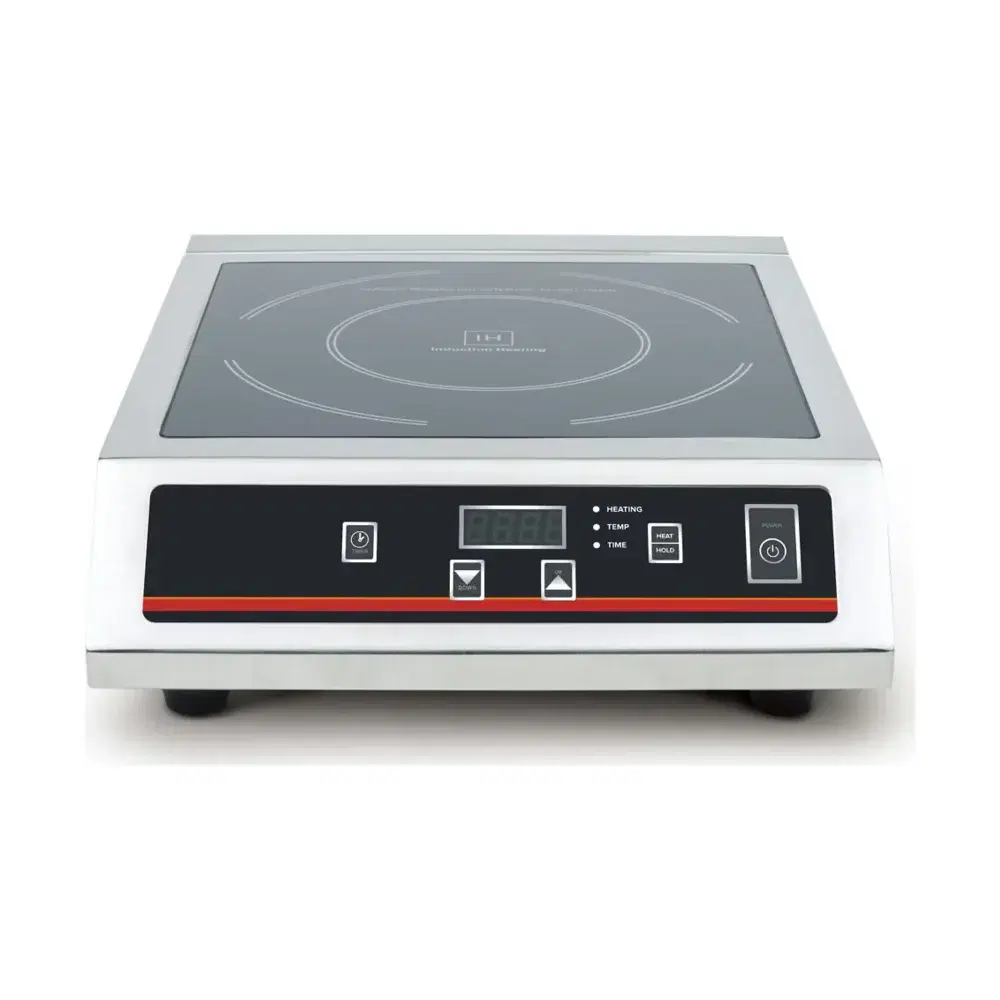
Cookline 13" Countertop Induction Range / Cooker with 1 Burners, 208/240V, 3500W
Model No: IC-3500
⚡ Fast DeliveryShipping Fee
Mostly Ships in 5 to 7 Days

Cookline 13" Countertop Step-Up Induction Range / Cooker, 2 Burners, 208-240V, 3600W
Model No: IC-3600S
⚡ Fast DeliveryShipping Fee
Mostly Ships in 5 to 7 Days
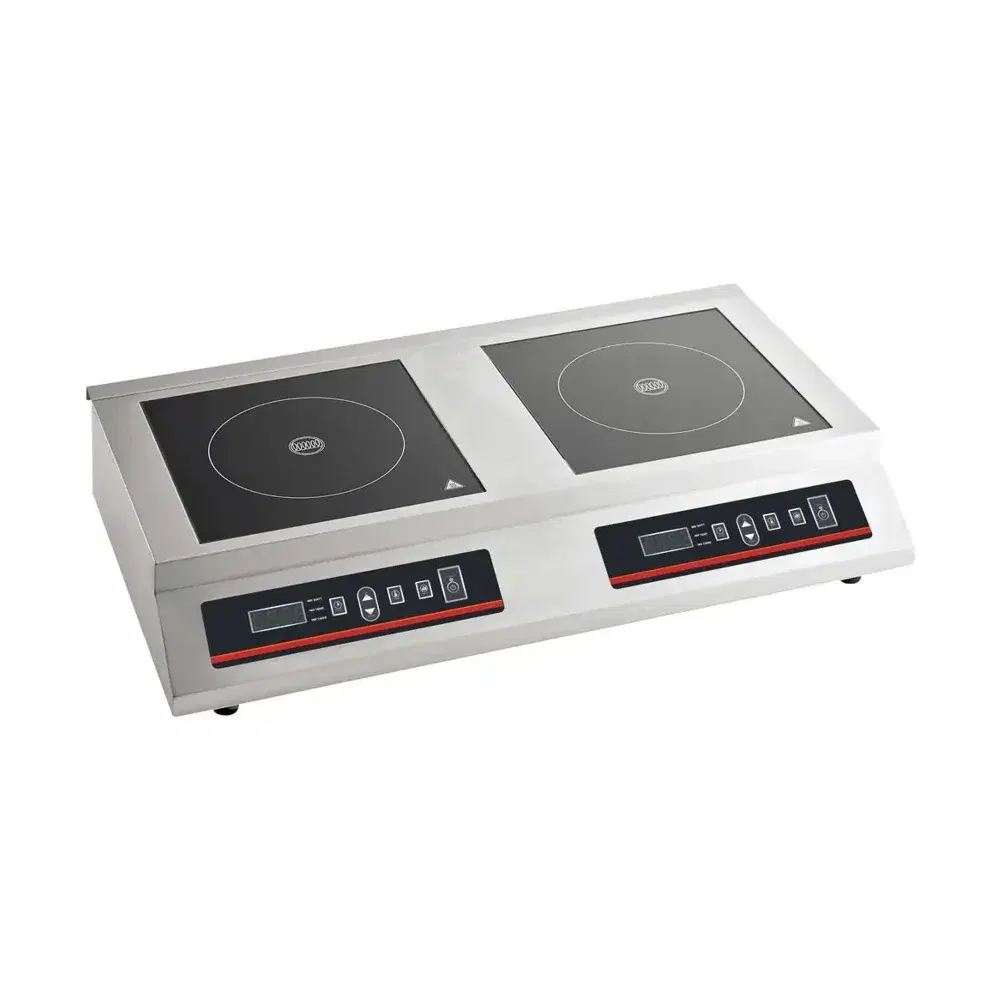
Cookline 30" Countertop Induction Range / Cooker with 2 Burners, 208/240V, 3600W
Model No: IC-3600F
⚡ Fast DeliveryShipping Fee
Mostly Ships in 5 to 7 Days

CAC China ELIC-600G 16" Commercial Induction Cooker, 1800W, Each
Model No: ELIC-600G
⚡ Fast DeliveryShipping Fee
Mostly Ships in 5 to 7 Days
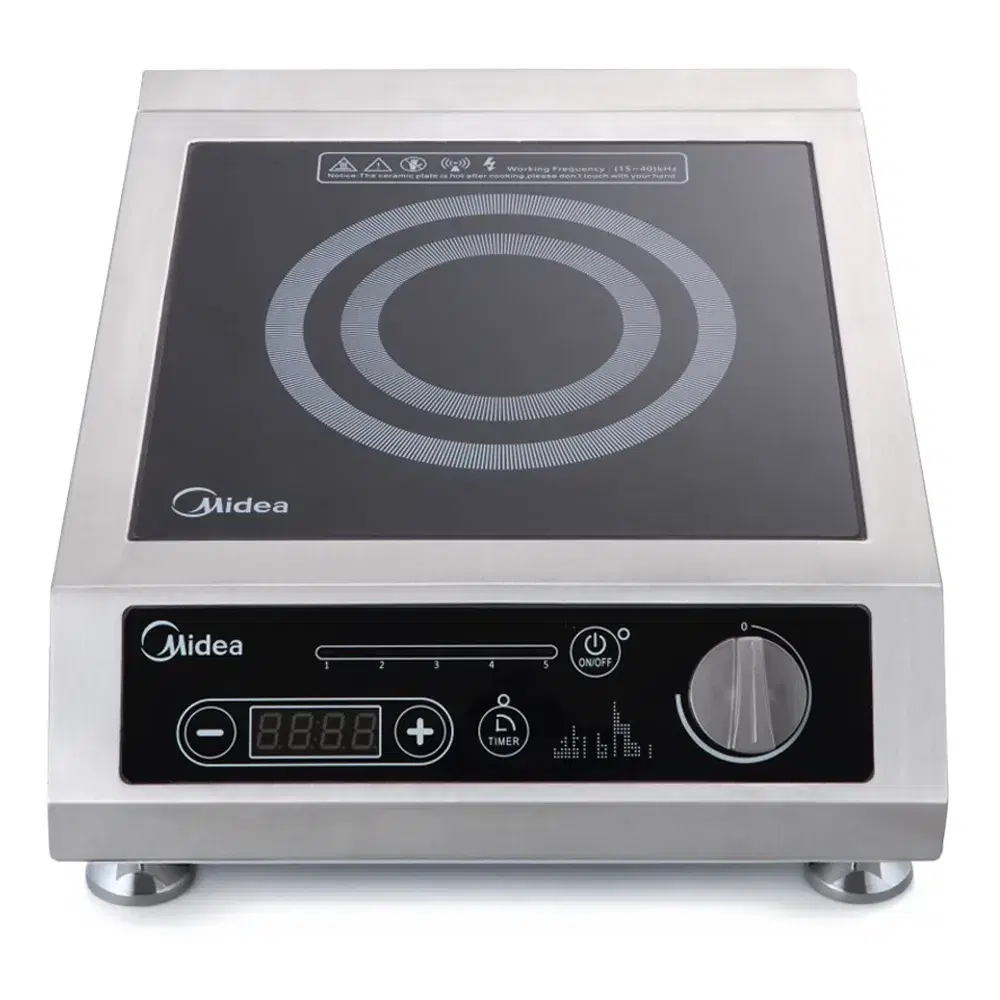
Midea MIC3400F 14.2" Single Hob Countertop Induction Cooktop with Thermostatic Controls, Stainless Steel, 3400W
Model No: MIC3400F
Shipping Fee
Mostly Ships in 5 to 7 Days
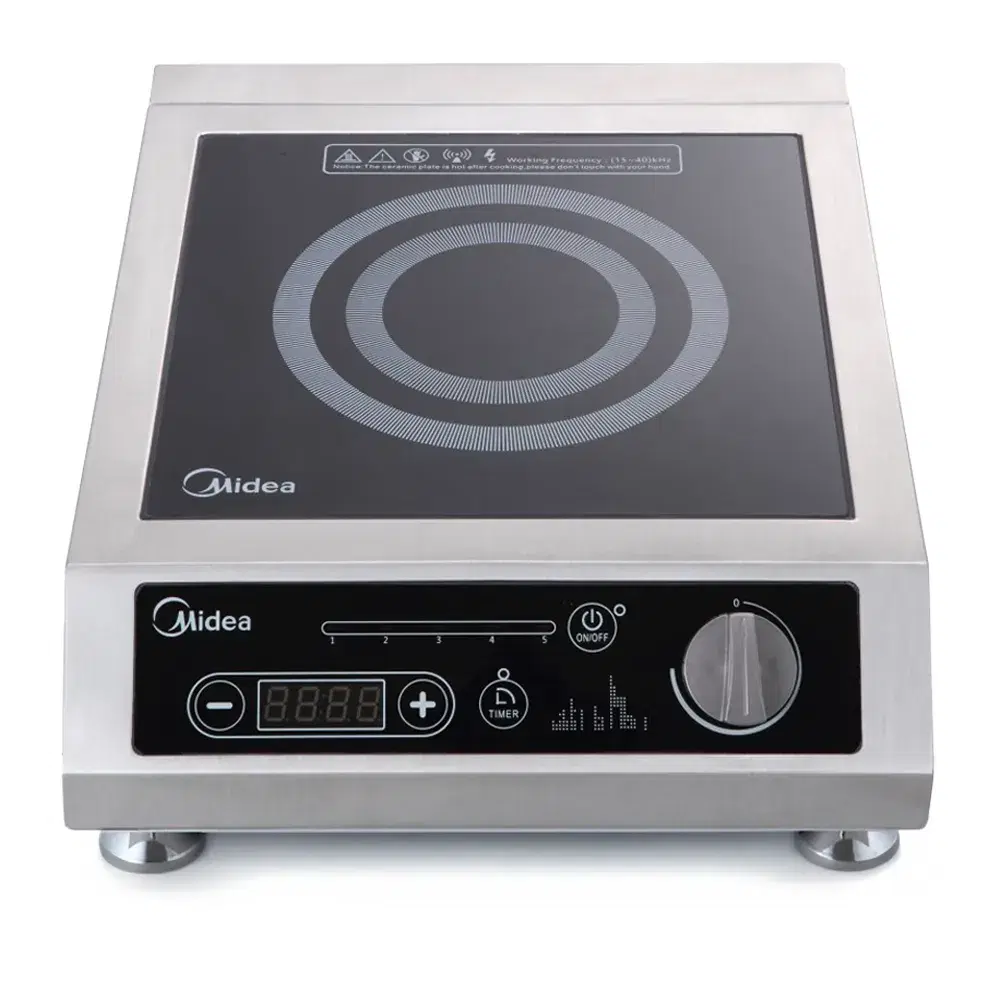
Midea MIC1800F 14.2" Countertop Induction Cooktop with Thermostatic Controls, Stainless Steel, 1800W
Model No: MIC1800F
Shipping Fee
Mostly Ships in 5 to 7 Days

CAC China ELIC-1200G 16" Commercial Induction Cooker, 3500W, Each
Model No: ELIC-1200G
⚡ Fast DeliveryShipping Fee
Mostly Ships in 5 to 7 Days
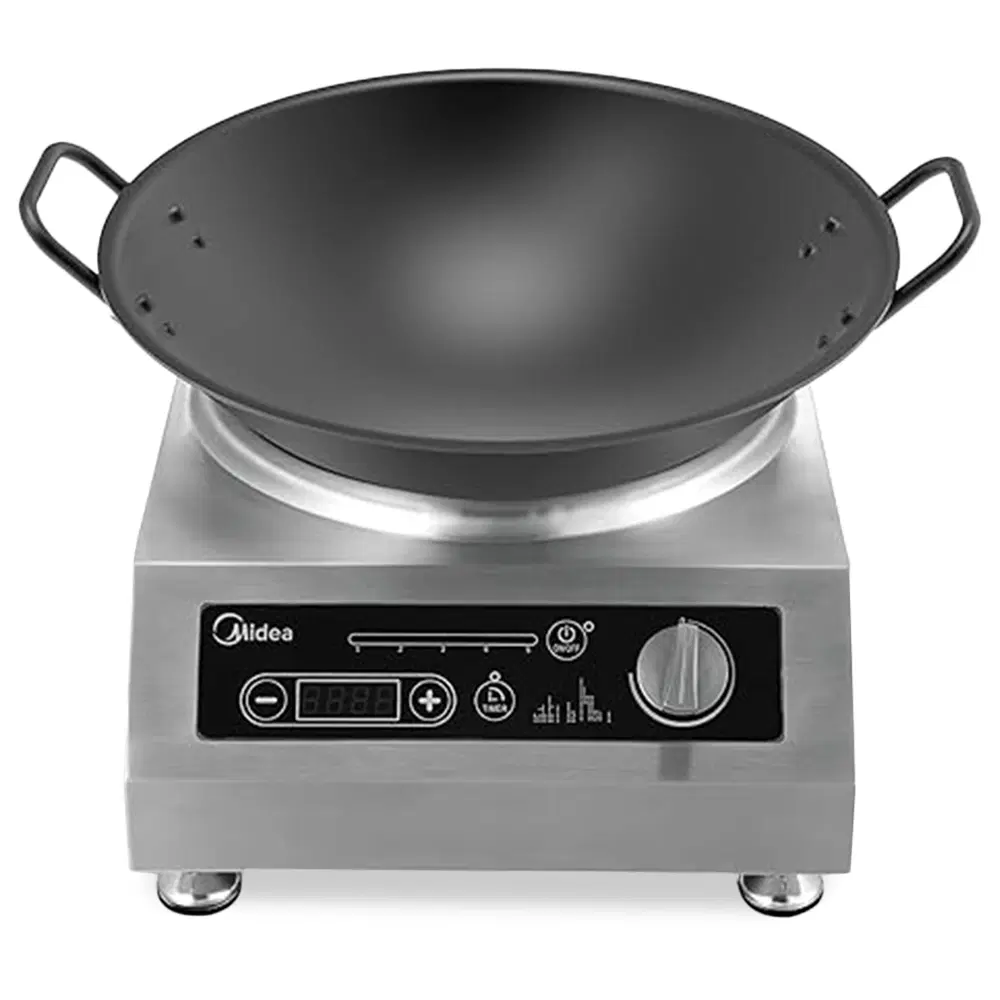
Midea MIC3400WK 14.8" Single Hob Countertop Induction Cooktop with Thermostatic Controls, Stainless Steel, 3400W
Model No: MIC3400WK
Shipping Fee
Mostly Ships in 5 to 7 Days
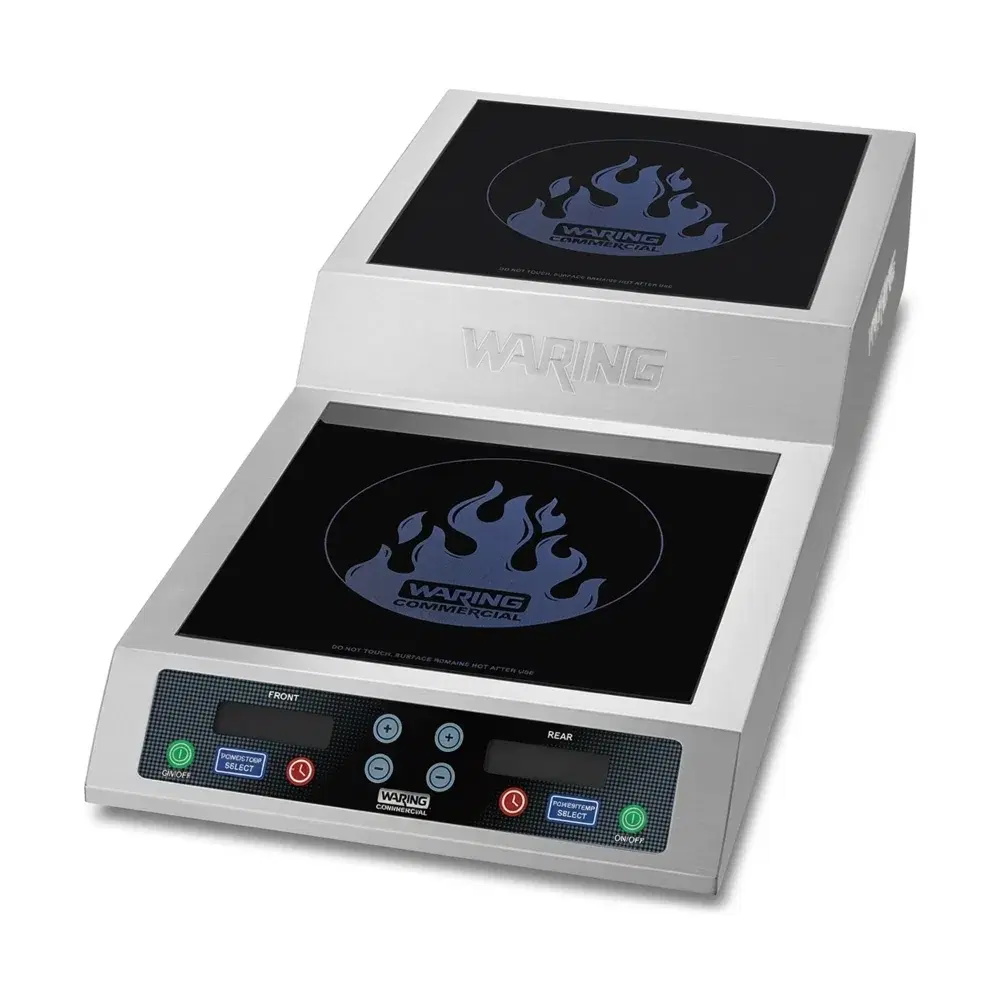
Waring WIH800 13" Electric Double Induction Range with Step Up, 208/240V, 3600W
Model No: WIH800
⚡ Fast DeliveryShipping Fee
Mostly Ships in 5 to 7 Days
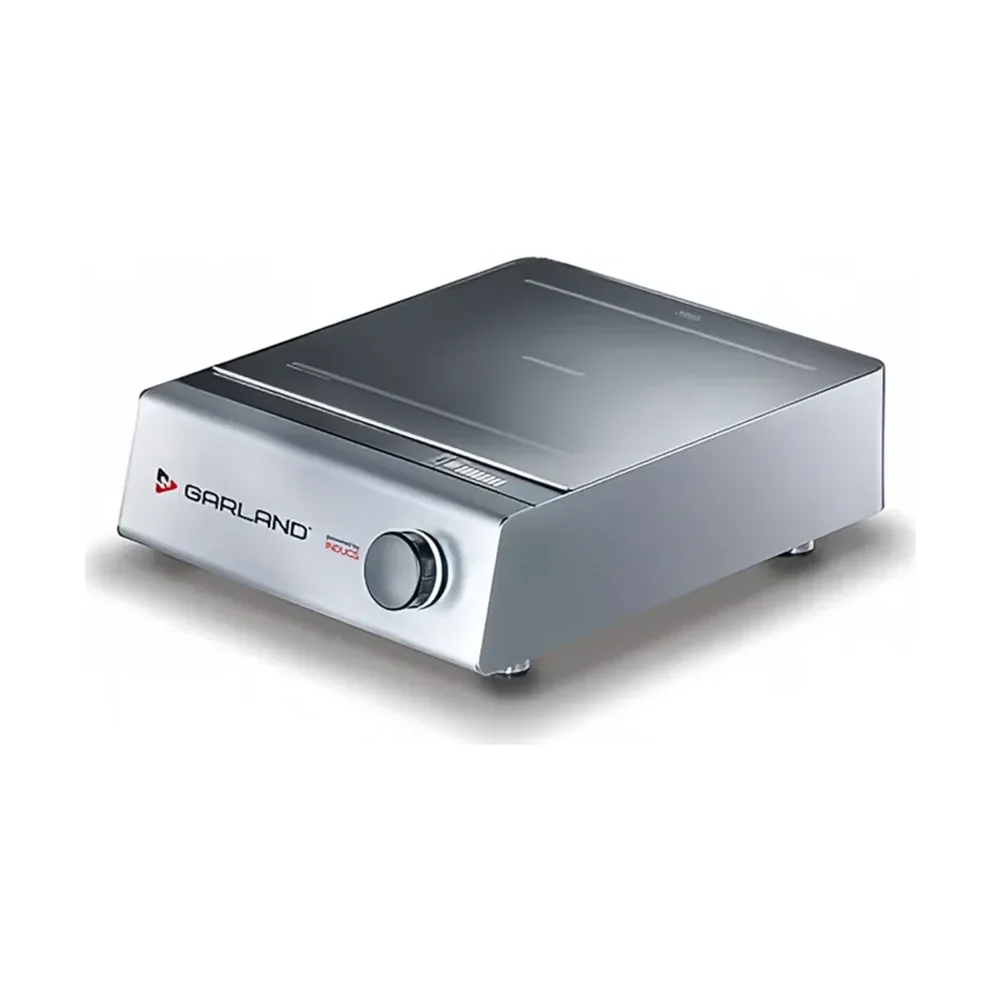
Garland GIIC-SH3.5 Countertop Induction Range, 1 Burner, 208-240V 1-Phase
Model No: GIIC-SH3.5-208-240-1
⚡ Fast DeliveryShipping Fee
Mostly Ships in 5 to 7 Days
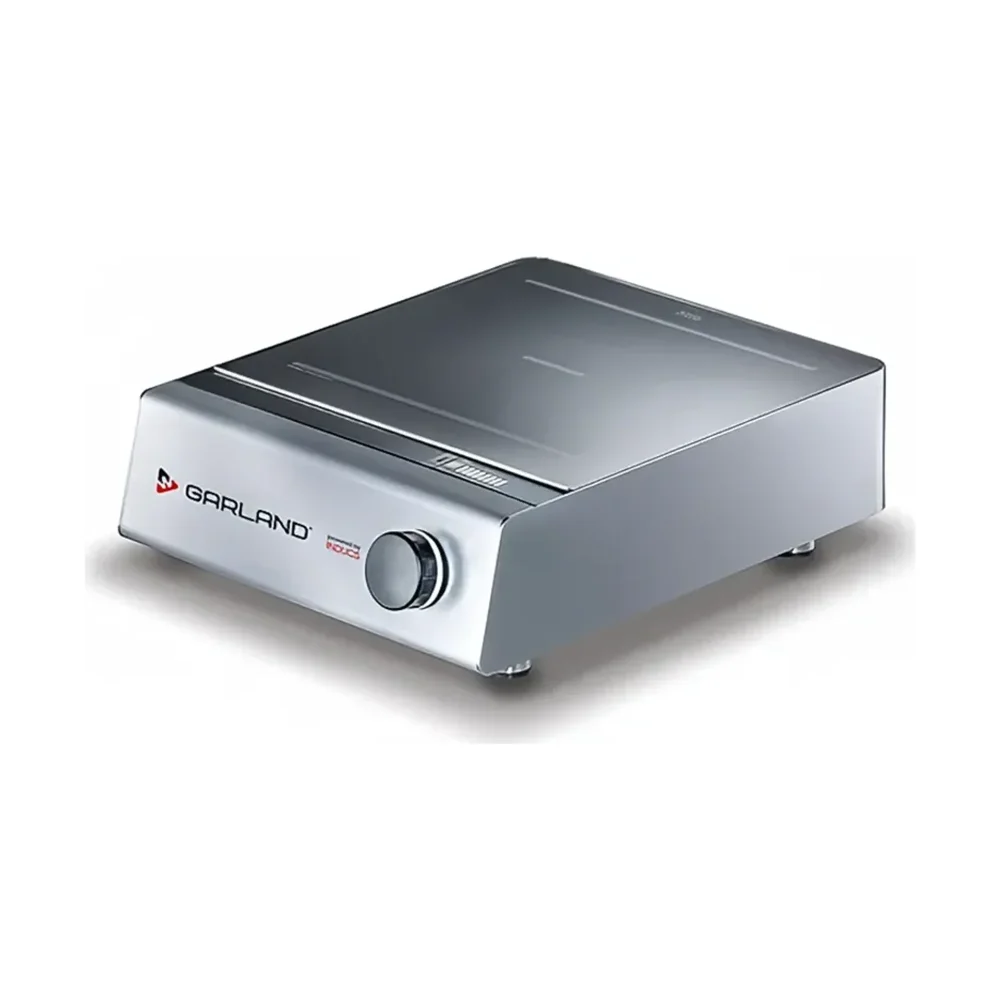
Garland GIIC-SH5.0 Countertop Induction Range, 1 Burner, 208-240V 3-Phase
Model No: GIIC-SH5.0-208-240-3
⚡ Fast DeliveryShipping Fee
Mostly Ships in 5 to 7 Days
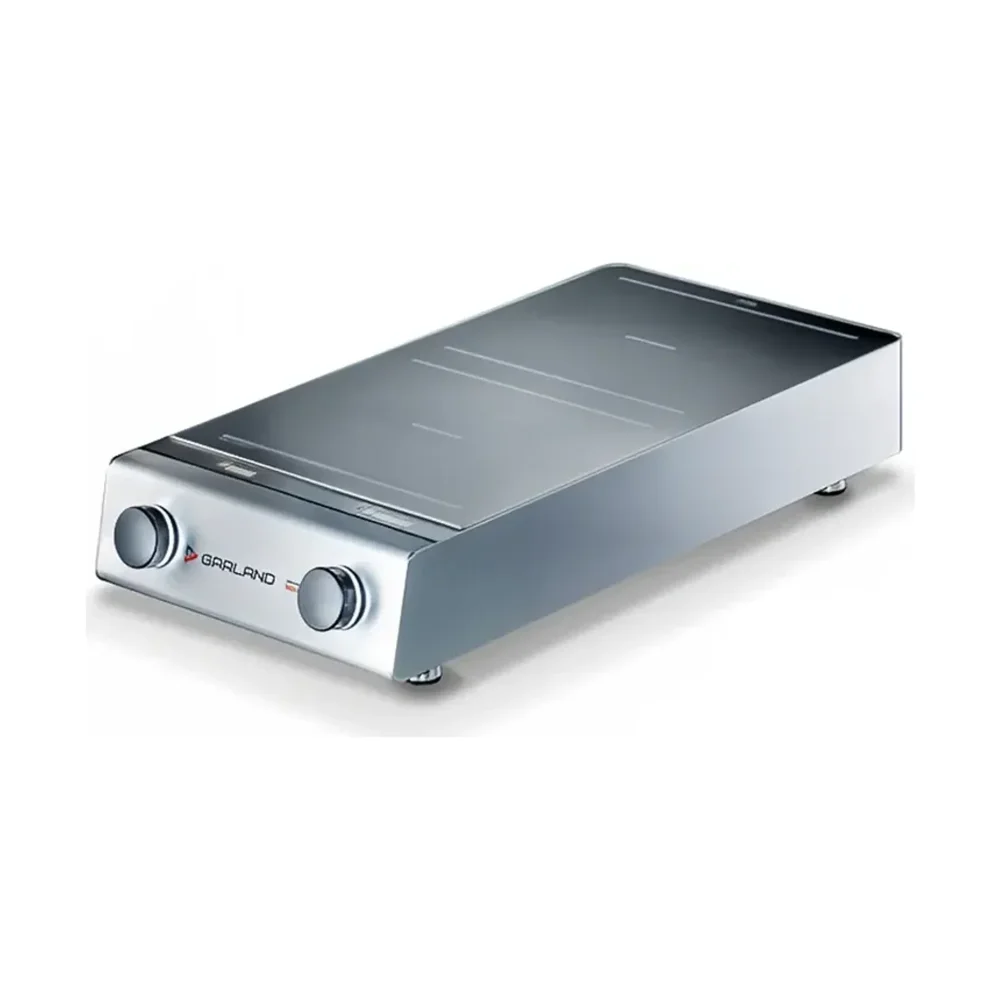
Garland GIIC-DH7.0 Countertop Induction Range, 2 Burners, 208-240V 3-Phase
Model No: GIIC-DH7.0-208-240-3
⚡ Fast DeliveryShipping Fee
Mostly Ships in 5 to 7 Days
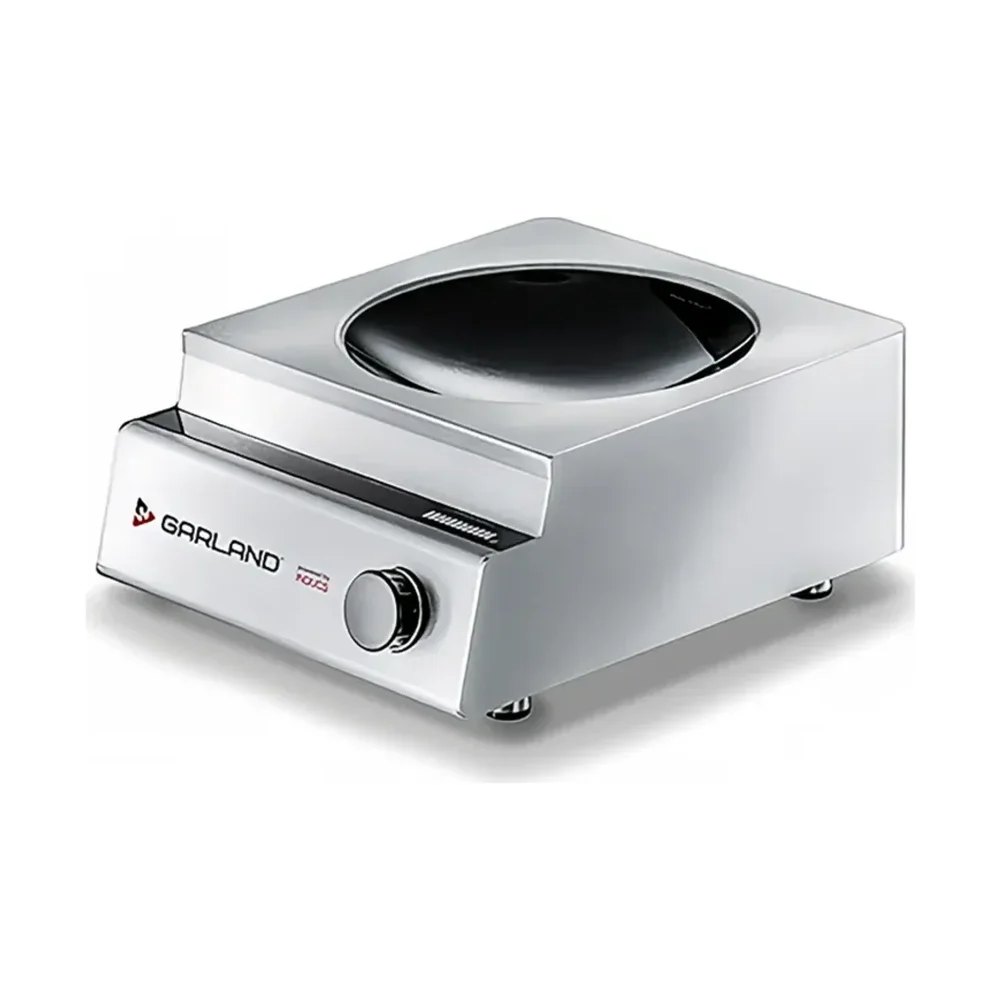
Garland GIIC-SW3.5 Countertop Induction Wok Range, 1 Burner, 208-240V 1-Phase
Model No: GIIC-SW3.5-208-240-1
⚡ Fast DeliveryShipping Fee
Mostly Ships in 5 to 7 Days
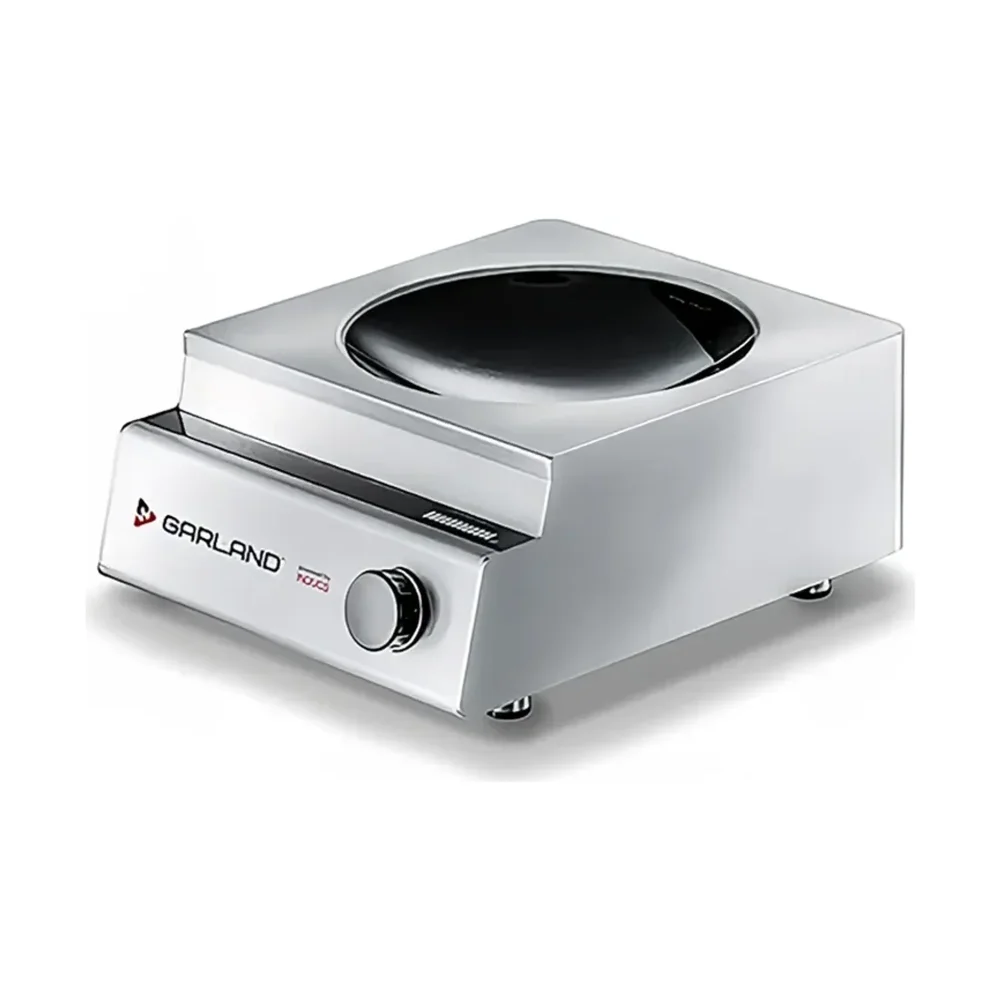
Garland GIIC-SW5.0 Countertop Induction Wok Range, 1 Burner, 208-240V 3-Phase
Model No: GIIC-SW5.0-208-240-3
⚡ Fast DeliveryShipping Fee
Mostly Ships in 5 to 7 Days
Professional kitchens across the United States are experiencing a transformative shift toward induction ranges that deliver unmatched energy efficiency, precise temperature control, and enhanced safety features while reducing operational costs by up to forty percent compared to traditional cooking methods. These cutting-edge cooking systems have revolutionized how hotels, restaurants, and catering operations approach culinary excellence, combining advanced electromagnetic heating technology with professional-grade performance that meets the demanding requirements of high-volume commercial food service. A quality induction range top provides instant heat response and exceptional temperature precision while maintaining the clean operation and energy efficiency that modern professional kitchens require for sustainable business practices.
The sophisticated technology behind contemporary induction ranges represents the pinnacle of commercial cooking innovation, utilizing electromagnetic fields to generate heat directly within compatible cookware rather than heating intermediate surfaces. This direct energy transfer approach eliminates heat loss and provides unprecedented cooking efficiency that significantly reduces energy consumption while delivering superior performance compared to gas or traditional electric cooking methods. Modern induction cooktop range systems integrate seamlessly into professional kitchen workflows while offering the precise control and consistent results that enable chefs to execute complex culinary techniques with confidence and predictability.
Commercial induction range systems have evolved to address the specific needs of professional food service operations, incorporating robust construction materials and advanced control systems that withstand the rigorous demands of high-volume cooking environments. These units feature professional-grade components designed for continuous operation while maintaining the energy efficiency and safety advantages that make induction cooking increasingly popular among cost-conscious operators. The combination of technological sophistication, operational efficiency, and environmental benefits makes induction ranges a strategic investment for food service establishments focused on both culinary excellence and sustainable business practices.
Induction ranges deliver exceptional energy efficiency through advanced electromagnetic heating technology that transfers energy directly to cookware with minimal heat loss to surrounding surfaces. This direct energy transfer achieves efficiency rates of up to ninety-five percent, significantly higher than gas cooking systems that typically operate at forty percent efficiency or traditional electric ranges that reach sixty percent efficiency. The superior energy utilization translates directly to substantial cost savings on utility bills, with many commercial operations reporting energy cost reductions of thirty to forty percent when switching to induction cook range systems.
The rapid heating capabilities of commercial induction range systems enable faster cooking times and improved kitchen productivity during peak service periods. Induction technology can bring water to a boil in half the time required by gas or electric alternatives, while providing instant heat adjustment that responds immediately to control changes. This enhanced speed and responsiveness reduces cooking times across various culinary applications, enabling kitchens to serve more customers efficiently while reducing energy consumption per dish prepared.
Heat management efficiency in induction cooktop range systems extends beyond direct cooking benefits to include reduced ambient heat generation that helps maintain comfortable kitchen working conditions. Traditional cooking methods generate significant waste heat that increases air conditioning costs and creates uncomfortable working environments, particularly during busy service periods. Induction technology concentrates heat directly in cookware, reducing kitchen ambient temperatures by up to fifty percent compared to gas cooking, resulting in lower cooling costs and improved staff comfort and productivity.
Professional induction ranges provide unmatched temperature precision and control capabilities that enable chefs to execute complex culinary techniques with unprecedented accuracy and consistency. Advanced digital controls allow temperature adjustment in single-degree increments, supporting delicate cooking processes like chocolate tempering, sauce preparation, and precise protein cooking that require exact temperature management throughout the cooking cycle. This level of precision control enables menu diversification and supports the execution of sophisticated culinary techniques that might otherwise require specialized equipment or extensive chef training.
The instant heat response characteristics of induction range top systems provide immediate temperature adjustments that rival the responsiveness of gas cooking while maintaining superior temperature stability. Unlike gas flames that fluctuate with air currents or electric elements that require time to heat up or cool down, induction technology provides consistent, controllable heat that responds instantly to control adjustments. This responsiveness enables chefs to make real-time cooking adjustments that ensure optimal results and reduce the risk of overcooking or undercooking that can affect food quality and profitability.
Advanced power management features in commercial induction range systems include multiple power zones and independent temperature controls that enable simultaneous cooking of different dishes at various temperatures. Professional-grade units typically offer power levels ranging from gentle warming at 100 watts to high-intensity cooking at 3500 watts or more, providing the flexibility necessary for diverse culinary applications within a single cooking station. This versatility enables efficient kitchen workflow management and supports complex menu execution without requiring multiple specialized cooking appliances.
Induction ranges incorporate comprehensive safety features that significantly reduce kitchen hazards while providing peace of mind for operators and staff. The absence of open flames eliminates fire risks associated with gas cooking, while the cool cooking surface reduces burn hazards for kitchen personnel. Advanced safety systems include automatic pan detection that prevents heating when cookware is removed, child safety locks, and overheat protection that automatically shuts down units when unsafe conditions are detected. These safety features help reduce insurance costs and liability concerns while creating safer working environments that support staff retention and productivity.
The clean operation characteristics of induction cook range systems eliminate combustion byproducts and significantly reduce indoor air quality concerns associated with gas cooking equipment. This clean operation reduces ventilation requirements and helps maintain better air quality in kitchen environments, particularly important for operations in urban locations where air quality regulations are strict. The absence of combustion products also eliminates flavor contamination risks that can affect food quality and consistency, enabling chefs to achieve pure, unaltered flavors in their culinary creations.
Professional cleaning and maintenance procedures for commercial induction range systems are simplified due to smooth, flat cooking surfaces that facilitate thorough sanitization without hard-to-reach areas or removable components. The absence of gas burners, drip pans, and flame ports eliminates cleaning challenges common with traditional cooking equipment while supporting rigorous food safety protocols. This simplified maintenance approach reduces labor requirements for daily kitchen cleaning while ensuring consistent compliance with health department standards and food safety regulations.
Modern induction ranges incorporate sophisticated digital control systems that provide precise temperature monitoring, programmable cooking cycles, and automated safety features that enhance both operational efficiency and food safety compliance. These intelligent control systems can maintain exact cooking temperatures, provide timer functions, and alert operators to maintenance needs or operational anomalies. The integration of smart technology with induction cooking advantages creates cooking systems that deliver both reliability and modern convenience features that busy professional kitchens require.
Connectivity capabilities in advanced induction cooktop range systems enable integration with kitchen management software and energy monitoring systems that provide valuable operational data and cost analysis. Restaurant managers can track energy consumption patterns, monitor equipment performance, and schedule maintenance activities during low-demand periods to minimize service disruptions. This data-driven approach supports informed business decisions and enables proactive equipment management that extends service life while maintaining optimal performance standards.
Energy monitoring and reporting features in commercial induction range systems provide detailed consumption data that supports sustainability initiatives and operational cost management. Many units include built-in energy meters that track usage patterns and identify opportunities for further efficiency improvements. This information enables operators to optimize cooking schedules, implement energy-saving practices, and document environmental impact reductions that support corporate sustainability goals and regulatory compliance requirements.
The financial benefits of investing in quality induction ranges extend well beyond initial energy savings to include reduced maintenance costs, extended equipment life, and improved operational efficiency that supports long-term profitability. Professional-grade induction systems typically require less maintenance than gas or traditional electric equipment due to fewer moving parts and simplified construction. The reliable performance and reduced maintenance requirements minimize unexpected repair costs and service disruptions that can negatively impact business operations and customer satisfaction.
