Discover Exceptional Products and Unmatched Service.
Power up your kitchen with reliable cooking equipment for restaurants and catering services. Trusted brands, fast shipping, unbeatable prices.
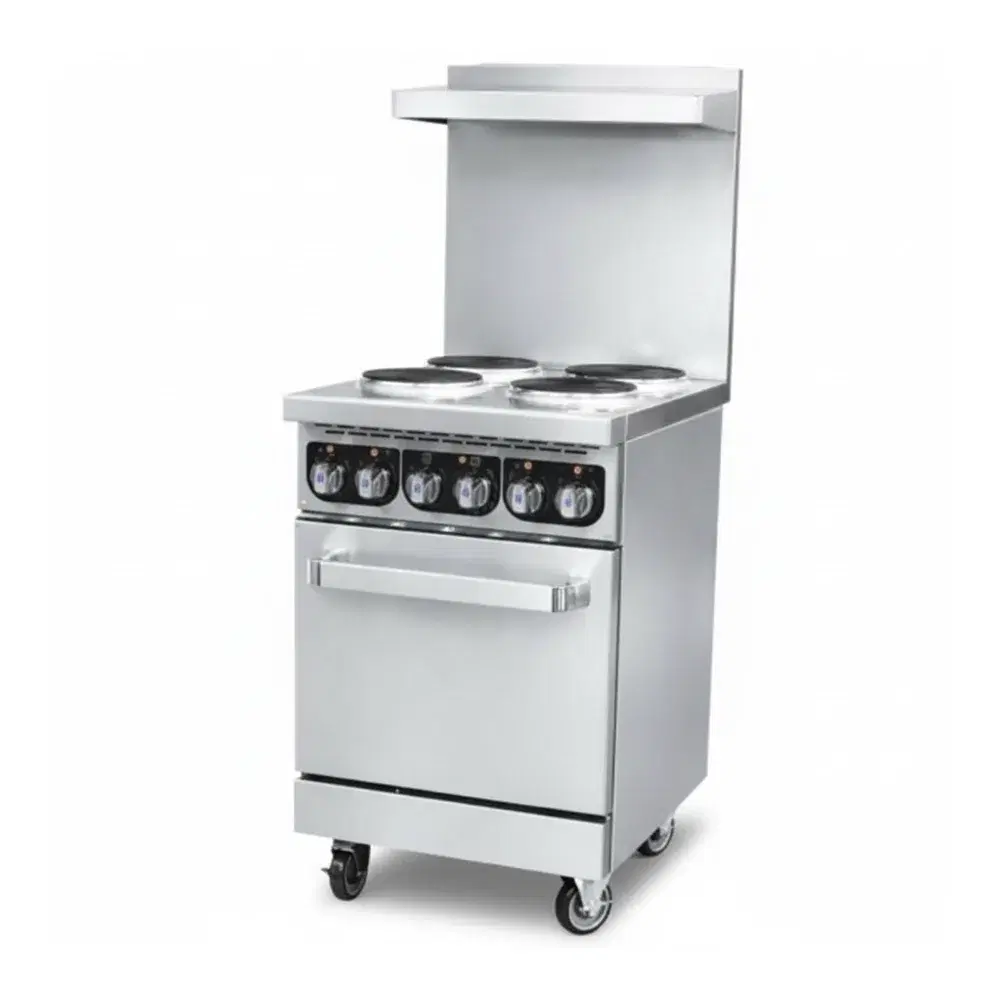
ProKitchen Series 24" Electric Range with 4 Burners, 208V
Model No: PKSER24-208
⚡ Fast DeliveryShipping Fee
Mostly Ships in 5 to 7 Days
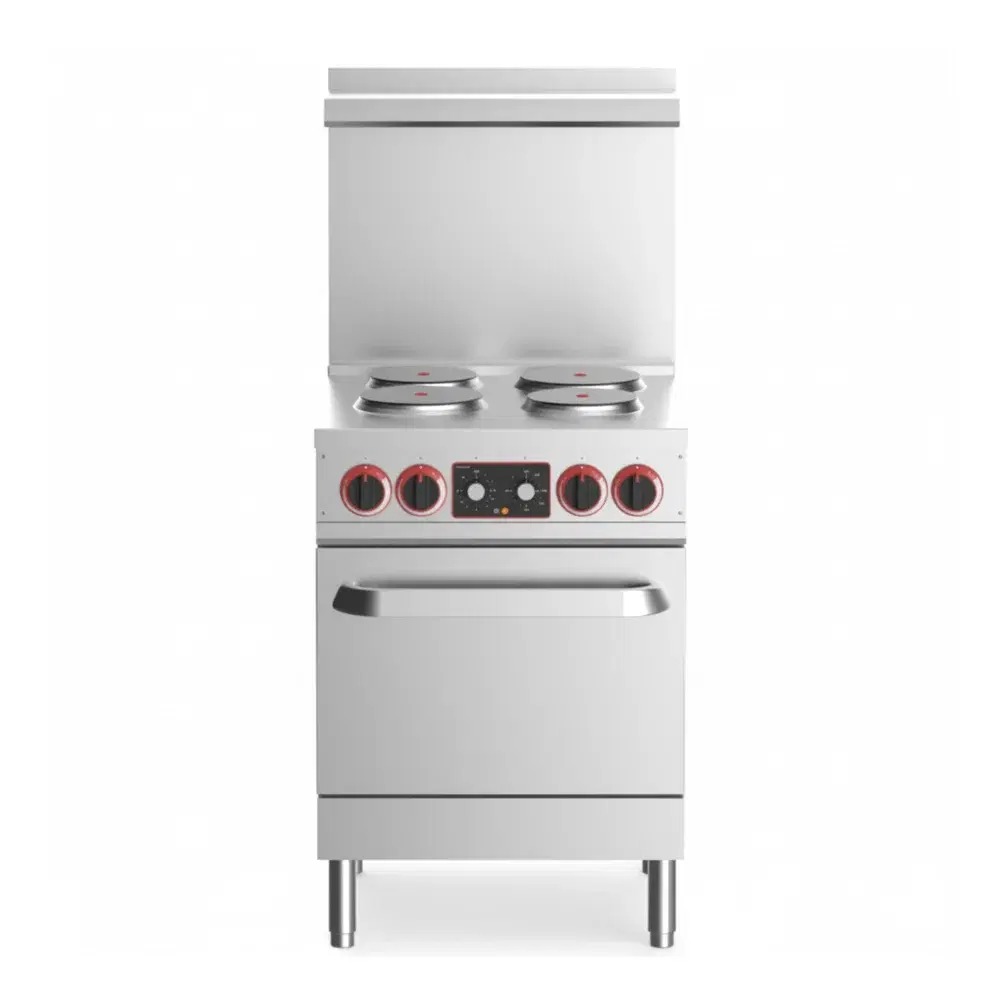
ProKitchen Series 24" Electric Range with 4 Burners, 208V
Model No: PKER24-208
⚡ Fast DeliveryShipping Fee
Mostly Ships in 5 to 7 Days
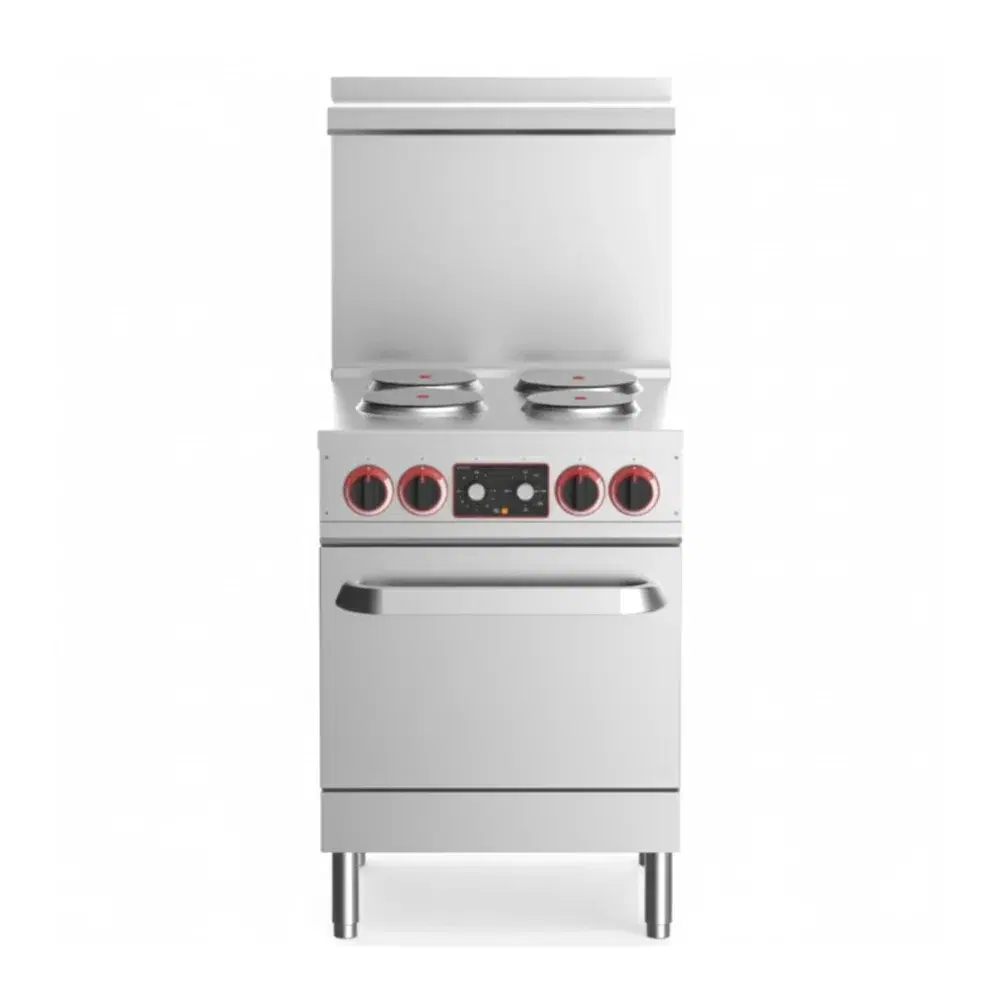
ProKitchen Series 24" Electric Range with 4 Burners, 240V
Model No: PKER24-240
⚡ Fast DeliveryShipping Fee
Mostly Ships in 5 to 7 Days

ProKitchen Series 36" Electric Range with 6 Burners, 208V
Model No: PKSER36-208
⚡ Fast DeliveryShipping Fee
Mostly Ships in 5 to 7 Days
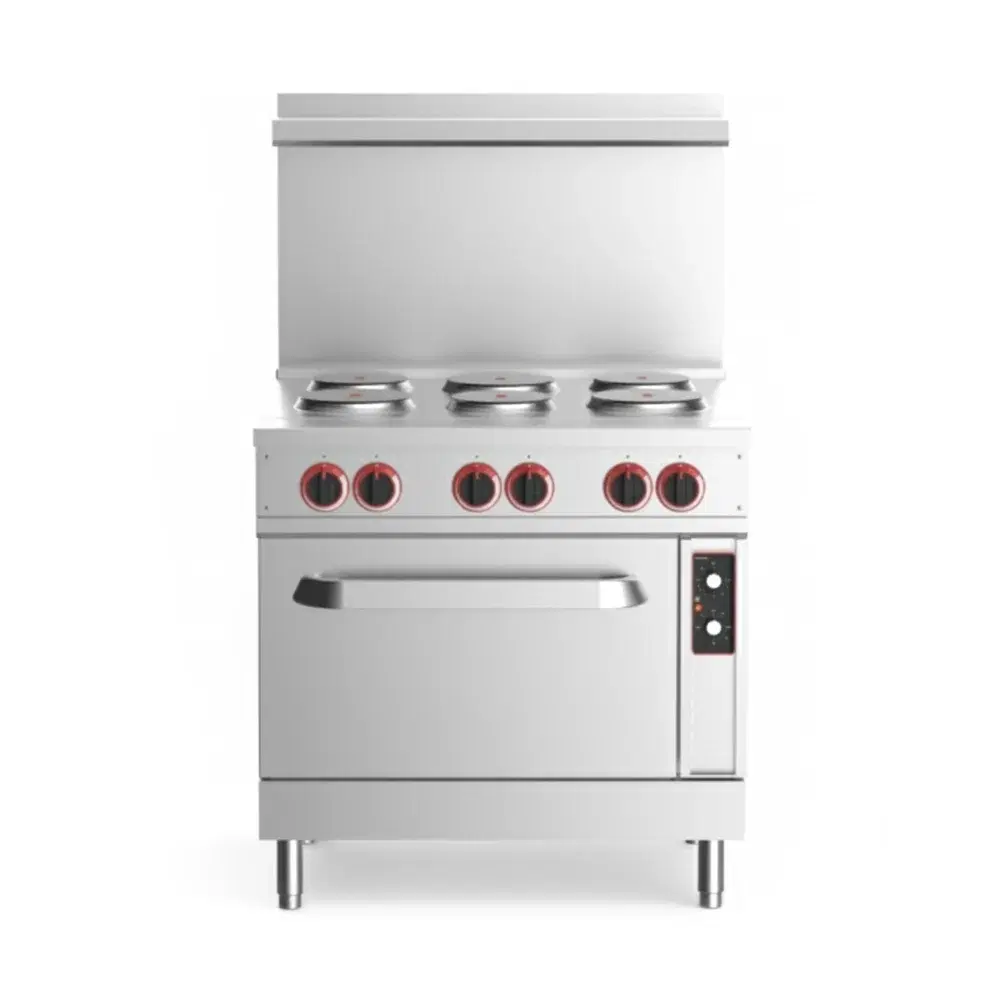
ProKitchen Series 36" Electric Range with 6 Burners, 208V
Model No: PKER36-208
⚡ Fast DeliveryShipping Fee
Mostly Ships in 5 to 7 Days
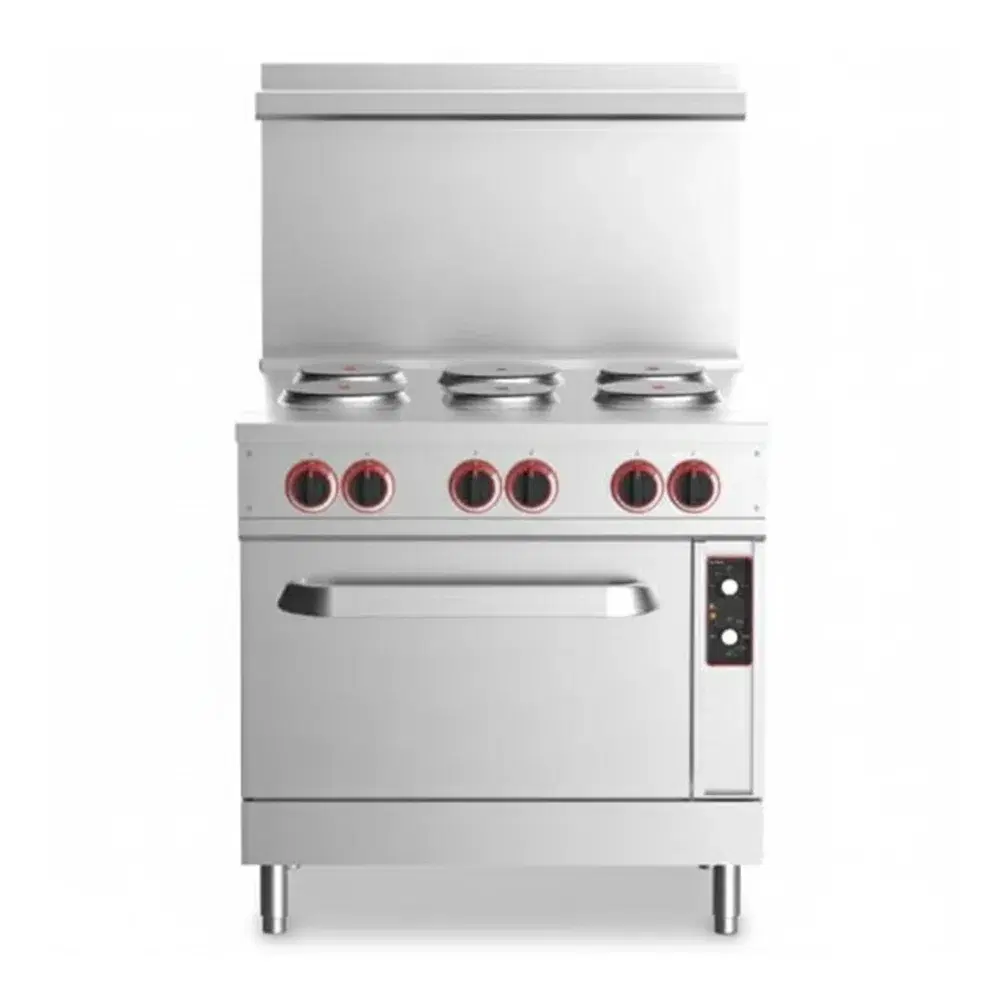
ProKitchen Series 36" Electric Range with 6 Burners, 240V
Model No: PKER36-240
⚡ Fast DeliveryShipping Fee
Mostly Ships in 5 to 7 Days
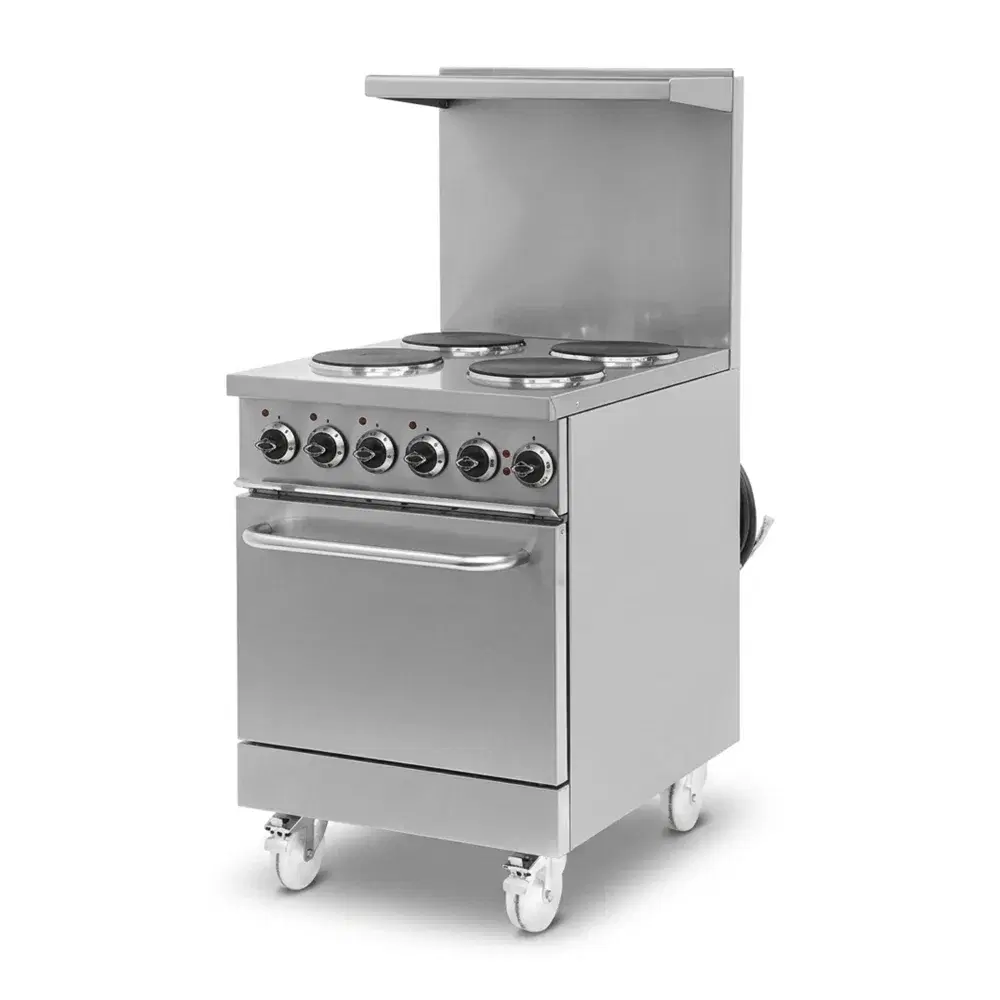
Pegasus R-24E 24" Electric Range with Standard Oven, 4 Burners, 208V, 3 Phase, 13.3 kW
Model No: R-24E
⚡ Fast DeliveryShipping Fee
Mostly Ships in 5 to 7 Days
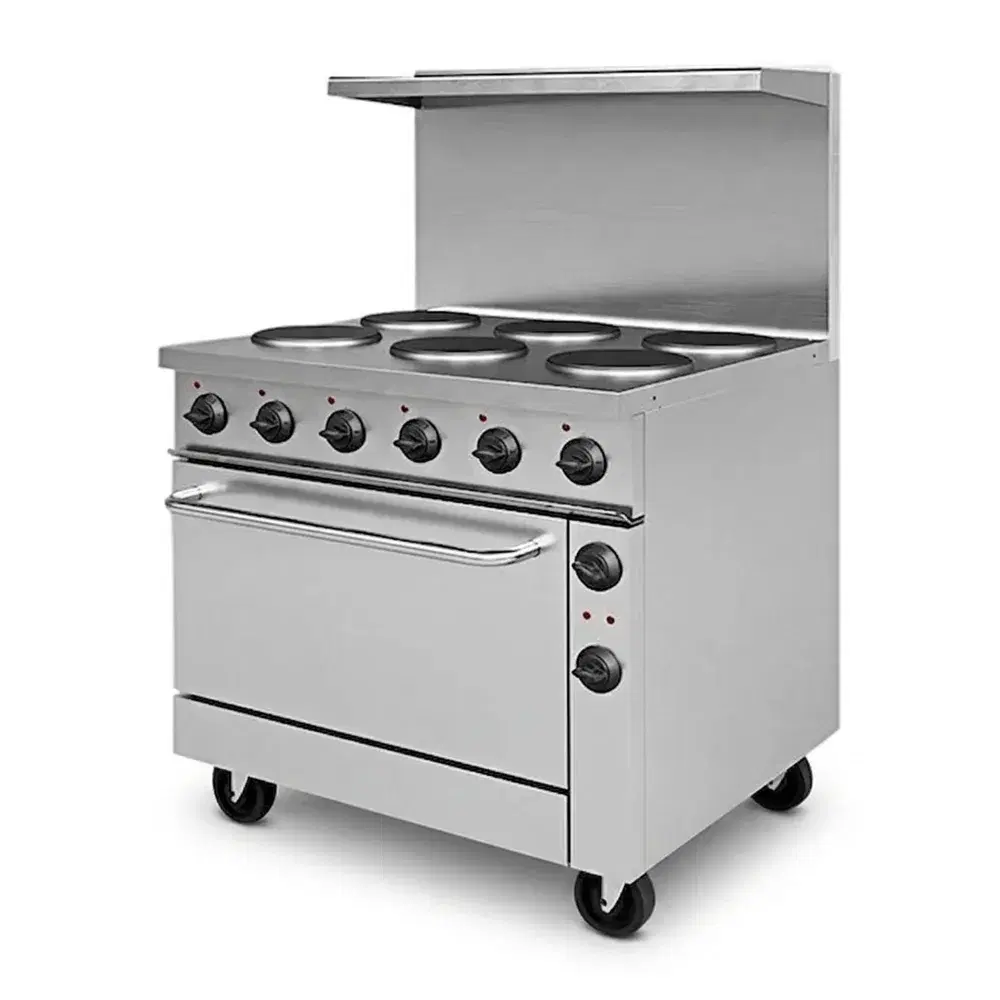
Pegasus R-36E 36" Electric Range with Standard Oven, 6 Burners, 208V, 3 Phase, 17.3 kW
Model No: R-36E
⚡ Fast DeliveryShipping Fee
Mostly Ships in 5 to 7 Days

Welcome to the modern culinary workspace. Whether you are upgrading an aging cookline, opening a bustling new restaurant, or transitioning to greener operations, selecting the right Commercial Electric Range is a foundational decision. For decades, gas was the undisputed king of the restaurant industry. However, recent advances in commercial kitchen appliances have made electric models incredibly powerful, precise, and highly sought-after.
If you are ready to modernize your cooking line, this guide will help you navigate the features, sizes, and power requirements to find the perfect fit for your menu.
When restaurateurs debate the merits of electric vs gas commercial stoves, safety, utility costs, and infrastructure are usually at the forefront of the conversation. Electric ranges eliminate open flames and the risk of gas leaks, instantly creating a safer environment for your kitchen staff.
Furthermore, electric units are highly efficient. When you invest in energy star certified cooking equipment, you are ensuring that the maximum amount of energy is transferred directly into your pots and pans. Gas stoves tend to heat the ambient air as much as they heat the food. By switching to an electric commercial range, your kitchen stays significantly cooler. This directly impacts your commercial kitchen ventilation requirements, as electric units often require less aggressive (and less expensive) exhaust systems to keep the air comfortable and compliant with local building codes.
Before you can dive into specific electric range features, you must determine how much physical space you have on your cookline. The standard dimensions for restaurant ranges typically start at 24 inches wide and can expand up to 72 inches for high-volume, multi-station kitchens.
When searching for the best commercial range, always leave a few inches of clearance for installation, wiring, and airflow.
The workhorse of your kitchen is the cooktop. When evaluating a commercial electric range top, you have several surface options to customize your workflow:
Standard electric coils have largely been replaced by solid cast-iron French plates in commercial settings. They are incredibly durable and provide a flat, even heating surface for heavy stockpots. Knowing how to clean industrial hot plates is crucial for longevity; typically, using a grill brick or a specialized heavy-duty degreaser at the end of the shift will prevent carbon buildup and keep heat transfer efficient.
When choosing between radiant heat vs glass top configurations, consider your kitchen's pace. Exposed radiant coils are rugged, heat up quickly, and are inexpensive to repair. Smooth glass tops offer a sleek aesthetic and are much easier to wipe down. However, glass tops require careful handling to avoid shattering when heavy cast-iron pans are dropped on them.
Induction technology uses magnetic fields to heat the pan directly, rather than heating the surface. The professional induction cooktop benefits are staggering: lightning-fast boil times, unparalleled temperature control, and a cooktop that remains cool to the touch. While the initial investment is higher, the energy savings and improved working conditions are unmatched.
For breakfast joints or burger concepts, incorporating high capacity professional griddle tops right into the range is a smart move. Look for thick steel plates (at least 3/4 inch to 1 inch thick) that retain heat and offer multiple thermostatic heat zones for cooking different items simultaneously.
A true commercial electric range with oven provides a complete, multi-functional cooking station. When inspecting a commercial electric range oven, you want to look for reliability and capacity.
Reviewing heavy duty restaurant oven features is vital. Look for models offering convection fans, which circulate hot air to reduce baking times and eliminate cold spots. You should also look for porcelain-enamel interiors for easier cleaning and robust, spring-loaded door hinges that won't sag over time.
Investing in a heavy-duty electric range ensures the oven cavity can handle the constant abuse of peak service. Regular maintenance is essential. Preventing thermostat calibration issues by scheduling annual check-ups with a technician will keep your roasting and baking times precise. Should something go wrong, replacing heating elements in ovens is generally a straightforward and cost-effective process on electric units, minimizing downtime compared to fixing complex gas manifolds.
You cannot simply plug industrial electric stoves into a standard wall outlet. Professional cooking equipment requires robust electrical infrastructure.
Unlike standard residential stoves, these powerful machines usually require three phase power for kitchen appliances to handle the massive electrical draw safely and efficiently. Single-phase power might work for smaller, low-volume units, but a 60-inch range with dual ovens will almost certainly require 208V or 240V 3-phase power. Always consult a licensed commercial electrician to verify your building's capacity before purchasing any electric range commercial unit.
When planning your kitchen upgrade, you must look beyond the initial price tag and consider the total cost of ownership for electric kitchens. Electric units often have lower long-term maintenance costs because they lack pilot lights, gas valves, and thermocouples that frequently wear out.
Choosing the right Commercial Electric Range requires balancing your menu's specific demands with your kitchen's spatial and electrical realities. By carefully evaluating cooktop styles, prioritizing heavy-duty oven features, and ensuring your building has the proper power infrastructure, you can select a workhorse that enhances your culinary output. Take the time to research, invest in quality, and train your staff on proper maintenance—your new electric range will reward you with years of safe, efficient, and precise cooking.