Discover Exceptional Products and Unmatched Service.
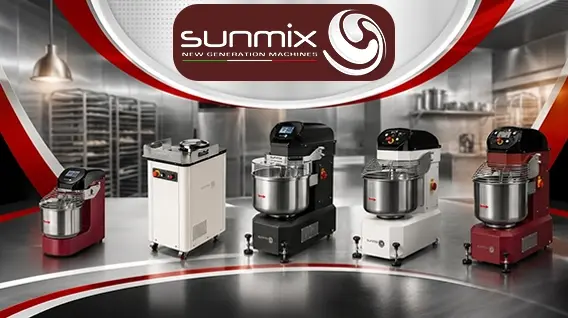

Sunmix Nova 15 Pcs Dough Divider, Manual Lever, Painted Steel, Ruby Red, 1 Year Warranty
Model No: NOVA-15-R
⚡ Fast DeliveryShipping Fee
Mostly Ships in 5 to 7 Days
Sunmix Nova 22 Pcs Dough Divider, Manual Lever, Painted Steel, Ruby Red, 1 Year Warranty
Model No: NOVA-22-R
⚡ Fast DeliveryShipping Fee
Mostly Ships in 5 to 7 Days
Sunmix Nova 15 Pcs Dough Divider, Manual Lever, Painted Steel, Deep Black, 1 Year Warranty
Model No: NOVA-15-B
⚡ Fast DeliveryShipping Fee
Mostly Ships in 5 to 7 Days
Sunmix Nova 22 Pcs Dough Divider, Manual Lever, Painted Steel, Deep Black, 1 Year Warranty
Model No: NOVA-22-B
⚡ Fast DeliveryShipping Fee
Mostly Ships in 5 to 7 Days
Sunmix Nova 15 Pcs Dough Divider, Manual Lever, Painted Steel, Pure White, 1 Year Warranty
Model No: NOVA-15-W
⚡ Fast DeliveryShipping Fee
Mostly Ships in 5 to 7 Days
Sunmix Nova 22 Pcs Dough Divider, Manual Lever, Painted Steel, Pure White, 1 Year Warranty
Model No: NOVA-22-W
⚡ Fast DeliveryShipping Fee
Mostly Ships in 5 to 7 Days
Sunmix dough preparation equipment helps bakeries, pizzerias, restaurants, hotels, and production kitchens mix, divide, and round dough with more consistency and less manual handling. If your team needs reliable baking equipment for daily bread, pizza, pastry, or bun production, a Sunmix mixer paired with a dough divider and dough rounder can create a smoother workflow from flour to formed dough portions.
The Horeca Store can present this range as a practical solution for operators who want to reduce labour pressure without sacrificing dough quality. Exact model selection depends on batch size, dough hydration, available space, electrical configuration, and the number of portions you need per hour, so the best purchase starts with matching the equipment to your real production routine.
This equipment is for foodservice businesses that prepare dough regularly and need repeatable results across shifts. A small artisan bakery may need a compact sunmix spiral dough mixer for controlled batches, while a busy pizzeria may prefer a sunmix pizza dough mixer with enough bowl capacity for service peaks. Larger kitchens can add a dough divider and dough rounder to standardise portions, improve speed, and keep finished products more uniform.
It is also suitable for operators upgrading from a general kitchen mixer to a commercial mixer designed specifically for dough preparation. A standard kitchen mixer can be useful for light work, but high-volume dough requires stronger structure, torque, and mixing action. Sunmix equipment belongs in the bakery mixer category because it is built around dough handling rather than occasional household-style mixing.
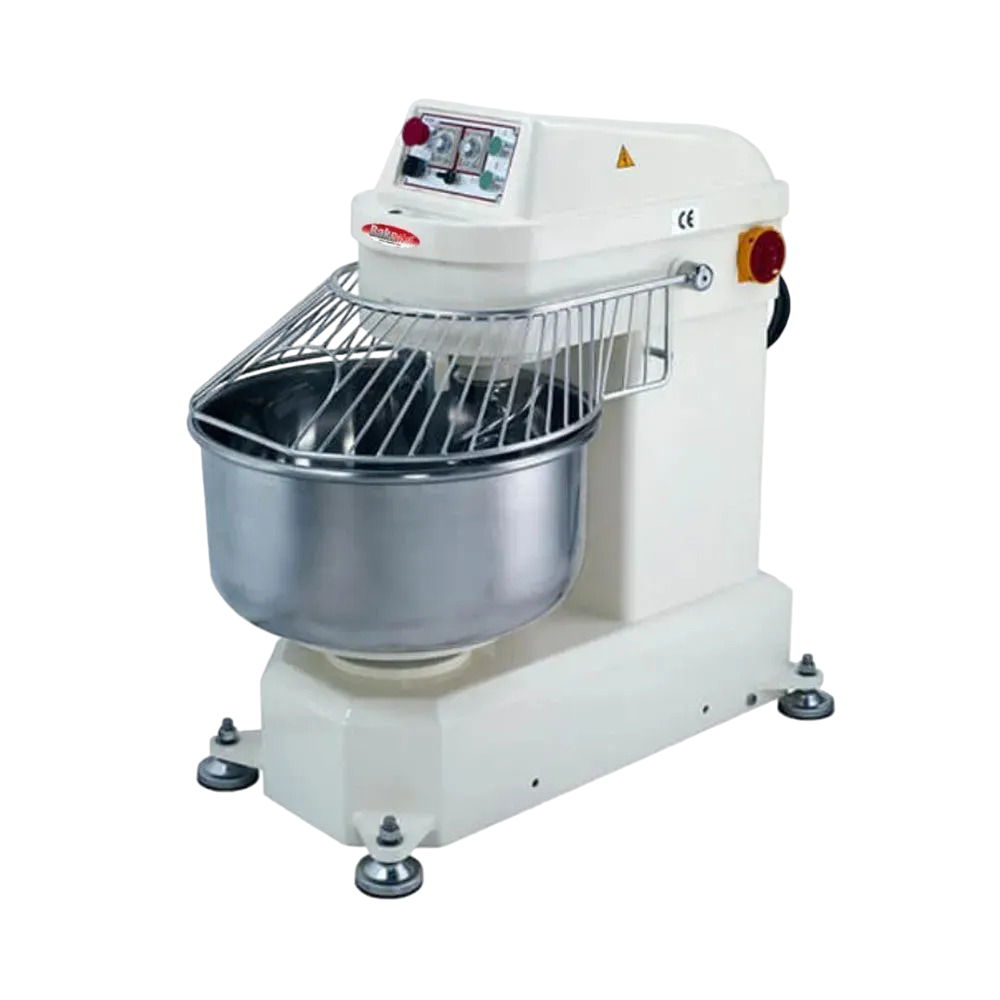
The core of the line is the dough mixer, which combines ingredients until the dough reaches the required strength, texture, and development. A spiral mixer is often preferred for pizza, bread, and similar doughs because the spiral tool and rotating bowl work together to develop gluten while keeping the dough moving efficiently. For businesses comparing mixer reviews or sunmix reviews, the important question is not only whether the machine mixes well, but whether it fits your dough style, daily batch volume, and staff workflow.
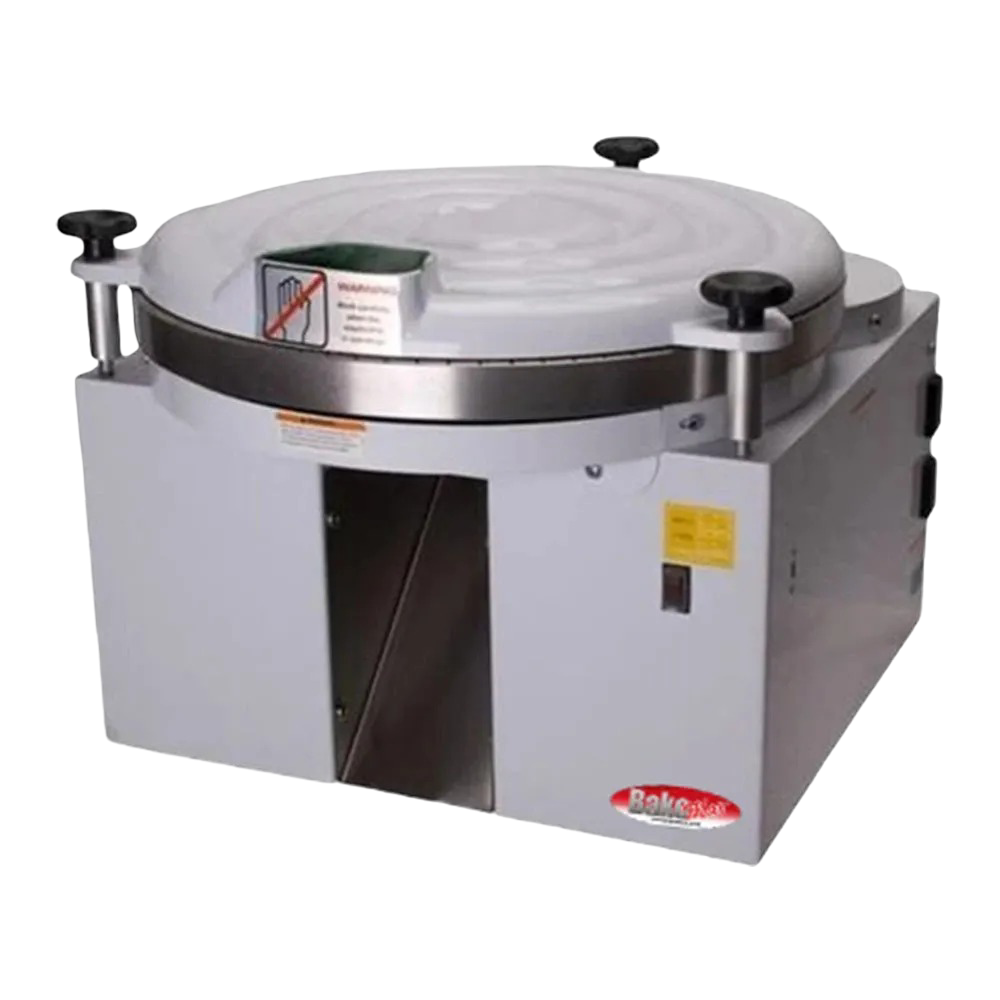
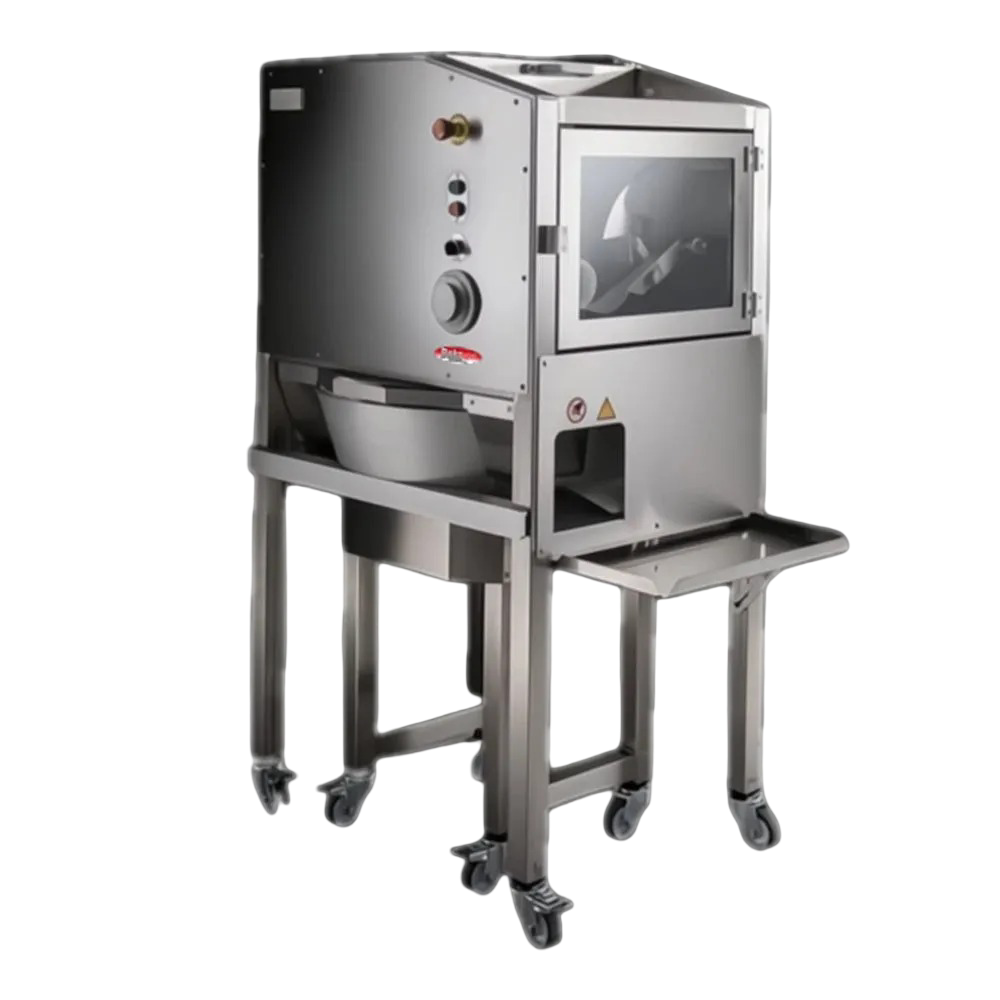
A dough divider supports the next stage by cutting prepared dough into more consistent portions. That matters for bakeries and pizzerias because portion variation affects bake time, product size, food cost, and customer experience. A dough rounder then shapes those portions into tighter, more even dough balls, reducing the repetitive hand work that can slow teams down during prep.
Together, the three machines create a more organised dough preparation process:
Sunmix mixers are commonly considered by businesses looking for spiral mixing performance in a commercial setting. A compact option such as a sunmix 6 spiral dough mixer may suit smaller kitchens, test batches, low-volume production, or specialist doughs where space is limited. Larger spiral mixers are better suited to businesses that need more dough per batch and want fewer repeated mixing cycles during the day.
The right bakery mixer is not automatically the largest machine available. Oversizing can waste space and energy if your batches are usually small, while undersizing can force staff to run too many cycles. When evaluating mixer features, consider bowl capacity, dough capacity, motor strength, mixing speeds, bowl configuration, safety guard design, controls, and cleaning access.
Key options to compare include:
Capacity is one of the most important specifications because it controls how much dough you can produce in one cycle. Operators should compare both bowl volume and recommended dough capacity, as the usable dough load can vary depending on hydration, recipe type, and dough stiffness. A machine that handles your average batch comfortably will usually serve better than one constantly pushed to its limit.
Power and torque matter because dough becomes resistant as gluten develops. A commercial mixer must keep moving steadily under load, especially for pizza and bread doughs that can be firm or elastic. This is why a purpose-built sunmix mixer is a better fit for repeated dough work than a general kitchen mixer intended for lighter applications.
Configuration also affects labour and consistency. Spiral mixers are valued because their movement can support efficient gluten development and even ingredient distribution. Dividers improve portion accuracy, while rounders improve shape consistency and reduce the need for every staff member to have the same hand-rounding skill.
Important specification points to confirm before buying include:
For a pizzeria, the practical goal is usually consistent dough balls that stretch predictably during service. When mixing, dividing, and rounding are controlled, staff can portion prep faster and reduce surprises later in the day. A sunmix pizza dough mixer combined with rounding equipment can help standardise the base of the menu: the dough itself.
For a bakery, consistency supports repeatable loaf size, roll shape, and bake quality. A dough divider helps protect margins because each product starts with a measured portion rather than an estimated cut. A dough rounder supports smoother proofing and shaping, which can improve presentation and reduce correction work at the bench.
For hotels, catering kitchens, and restaurants, the benefit is workflow reliability. Staff may not be specialist bakers, so equipment that guides the process helps keep production manageable. Instead of relying only on hand skill, the kitchen can build a repeatable process around the right baking equipment.
Pricing depends on the selected mixer, divider, rounder, capacity, configuration, delivery needs, and any installation or support requirements. Rather than choosing from price alone, compare the equipment against your production schedule. A lower-capacity machine may look attractive upfront but cost more in labour if staff must repeat batches throughout the day.
Use this simple selection guide:
Before installation, measure the route from delivery point to final position, including doors, corridors, counters, and floor clearance. Confirm ventilation space, stable flooring, and the correct electrical supply for the model you choose. Planning these details early reduces delays and helps the equipment enter service smoothly.
Routine maintenance should include cleaning after use, checking guards and controls, keeping moving areas free from dried dough, and following the manufacturer’s service guidance. Staff should also be trained on loading limits, safe operation, and proper shutdown. These habits protect performance and extend the useful life of the equipment.
If you are comparing a sunmix spiral dough mixer, dough divider, dough rounder, or a complete dough preparation line, start with your menu, batch size, and daily volume. Share your dough type, production targets, available space, and power setup, and ask for a model recommendation that fits your operation. The right Sunmix setup should make prep faster, portions more consistent, and your kitchen easier to manage shift after shift.