
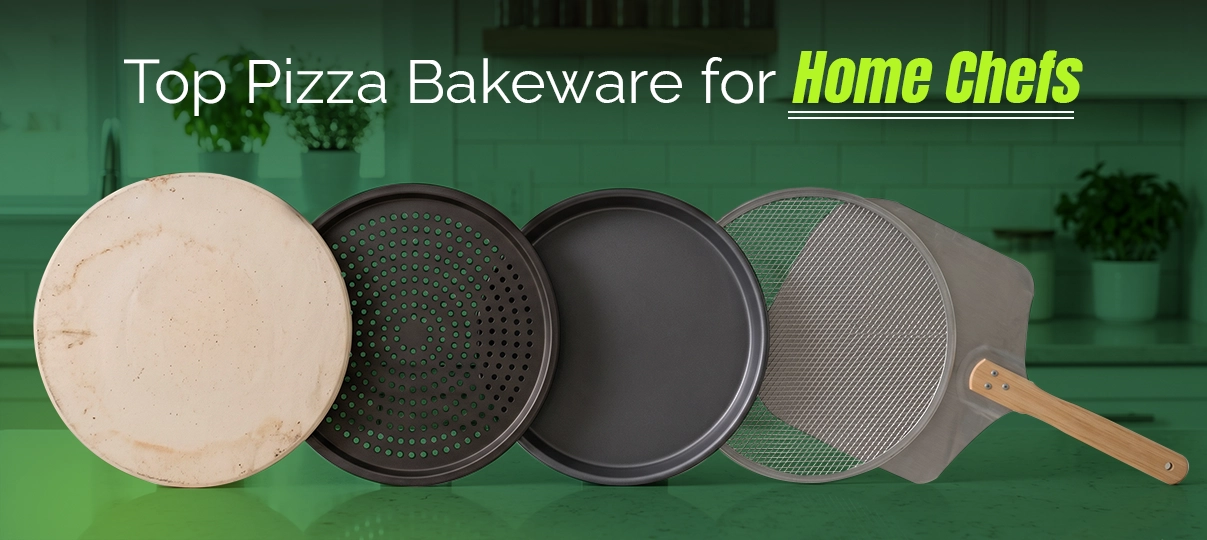
You followed the dough recipe perfectly, yet the middle is still disastrously doughy and the bottom remains pale. The true culprit isn't your technique—it is the thermal gap between a standard home kitchen and a professional pizzeria. In practice, typical thin baking sheets simply cannot hold enough heat to flash-cook dough before the wet sauce turns the center into a soggy mess.
Bridging this gap from "okay" to "artisan" requires thermal mass, which acts like a heavy heat battery for your oven. According to culinary science, upgrading your pizza equipment means choosing heavy surfaces that soak up ambient heat and aggressively dump it into the crust upon contact. This instant energy transfer is the exact secret to eliminating pale undercarriages and creating a shattering crunch.
When you buy pizza bakeware & tools built for speed and performance, you can actually see a 50 percent reduction in home bake times. Furthermore, the heavy-duty pizza tools bakery experts rely on boast rapid heat recovery time, meaning the surface recharges quickly so your second pie bakes just as beautifully as your first.
Steel vs. Stone: Which 'Heat Battery' Wins for Your Oven?
You already know blistering heat is the secret to a crisp crust, but standard ovens lose that heat the second you open the door. You need a "heat battery"—a heavy slab that soaks up thermal energy during preheating and dumps it directly into your dough. The classic pizza stone is the traditional choice for this job, but modern home cooks are increasingly turning to solid metal.
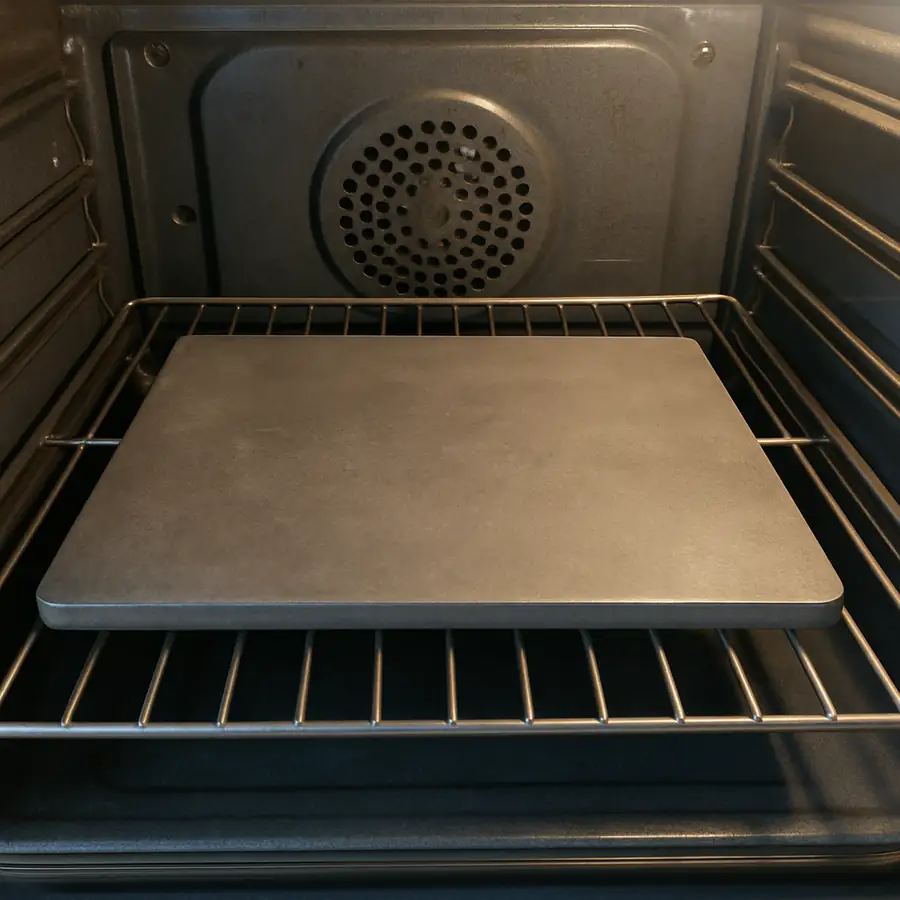
Think of baking surfaces like a race track. While a traditional stone is a reliable sedan, a baking steel acts like a sports car through a property called thermal conductivity. Because metal moves heat into the crust much faster than ceramic, it shocks the dough into rising rapidly. This aggressive heat transfer creates "leopard spotting"—those beautiful, charred bubbles on the bottom of a truly artisan pie.
The difference between cordierite and ceramic pizza stones compared to baking steels comes down to three practical factors:
- Conductivity: The best pizza steel for high-temperature ovens delivers heat rapidly, meaning shorter bake times and faster heat recovery for cooking back-to-back pizzas.
- Durability: Stones can crack from thermal shock if exposed to cold water or sudden temperature changes, whereas solid steel is virtually indestructible.
- Weight: Steels are incredibly heavy and harder to maneuver, while stones are lighter and easier to store.
Matching your tool to your kitchen is critical; if your oven maxes out at 500°F, a steel will artificially boost your baking performance, while stones shine in hotter environments.
Deep Dish to Detroit: Picking Pans for Style and Crunch
Leaving the flat world of traditional pies behind means dealing with different baking physics. When craving the towering walls of a Chicago pie or the spongy crumb of a Sicilian, you need a dedicated deep dish pizza pan or a generalized pan pizza pan. These walled vessels do more than just hold dough; they essentially fry the bottom of the crust in oil, creating a rich, shattering crunch that flat baking stones simply cannot replicate.
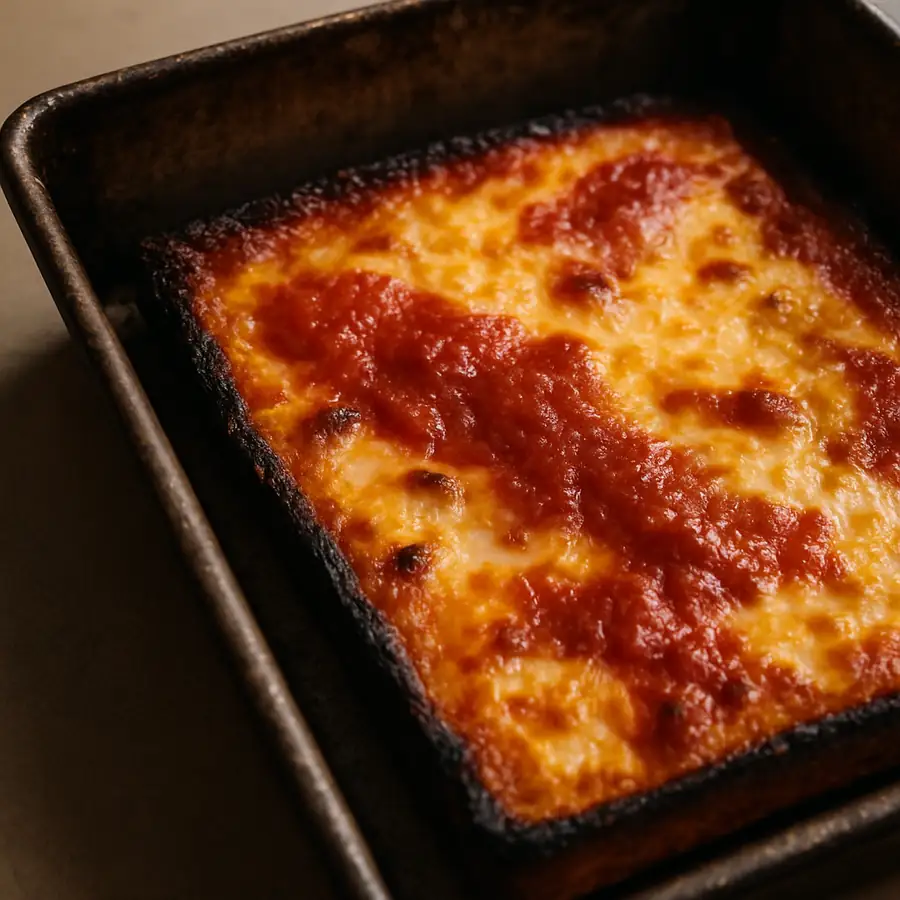
Authentic detroit style pizza pans forged from blue carbon steel are the absolute secret to capturing that legendary caramelized cheese crown. This heavy-duty metal conducts heat aggressively into the dough's edges, but it requires specific care before its first use. Learning how to season carbon steel pizza equipment is exactly like maintaining a cast-iron skillet: you bake ultra-thin layers of oil onto the bare metal until it polymerizes, forming a slick, darkened, and naturally non-stick surface.
Should the idea of oiling and protecting raw metal sound exhausting, anodized aluminum provides a reliable alternative. Through a special manufacturing process called anodization, the aluminum's surface is permanently hardened, rendering it stick-resistant and completely rust-proof. Choosing a dark, anodized chicago pizza pan delivers excellent heat transfer for a flaky crust without ever worrying about water damage if left in the sink.
Trapped steam remains the greatest enemy of any thick crust, often causing a disappointingly soggy bottom.
Mastering the Launch: Why Your Peel Material Matters
You spent hours perfecting your dough, only to watch it fold into an accordion while sliding it into the oven. The secret to a safe transition is using the right pizza peel. Wooden peels are ideal for building and launching because their porous surface naturally resists sticking. Conversely, ultra-thin solid metal peels excel at sliding under and retrieving the finished pie.
For truly professional results, perforated pizza peels for reducing excess flour offer the ultimate upgrade. Their stamped holes act like a built-in sieve. As you move the pie, surplus dusting flour falls away. Without them, that raw flour hits your hot baking steel, scorches instantly, and leaves a bitter, burnt taste on your crust.
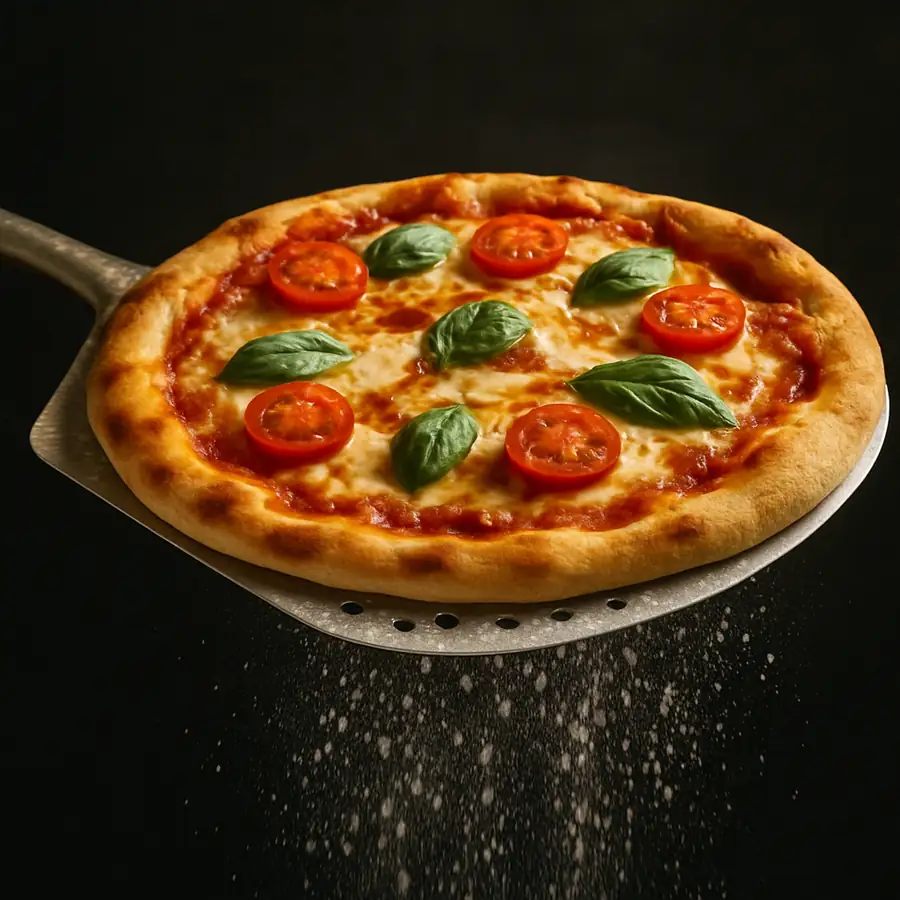
To guarantee a seamless slide, follow this Sticky-Free Launch checklist:
- Dry toppings: Pat down fresh mozzarella to prevent heavy, soggy spots.
- Dust strategically: Use coarse semolina flour, which acts like tiny ball bearings.
- Work fast: Dough left resting on a peel creates sticky condensation.
- The Jiggle Test: Shake the handle; if the crust doesn't glide freely, lift the sticking edge and toss under a pinch of flour.
Choosing the right pizza peel material transforms your bake, but keeping them pristine is vital—never soak wood, and wipe metal dry immediately. Once you decide where to buy a pizza paddle that fits your oven, launching anxiety will vanish.
Consistency at Scale: Tools for Faster Dough Prep
Scaling up your pizza night exposes the limits of manual prep. Upgrading to a dedicated pizza dough mixer—or a heavy-duty dough pizza machine—solves consistency issues by optimizing gluten development:
- Hand Kneading: Relies entirely on stamina, often resulting in under-developed, dense bases.
- Standard Mixers: Prone to "gluten shear," where rapid friction tears the delicate dough structure apart.
- Spiral Mixers: Gently fold the dough continuously, building a perfectly chewy, strong web.
Once mixed, that dough needs protection during its cold rest. Using flimsy plastic wrap often allows a hard, dry skin to form on the surface, ruining your stretch. Investing in airtight professional dough proofing containers for fermentation locks in essential moisture. They prevent this crusty exterior from forming while the yeast slowly develops complex flavors inside your fridge.
When rolling out thinner, tavern-style pies, home cooks often ask what are the benefits of a pizza dough docker? This small spiked roller punches tiny indentations into your stretched base, preventing massive, uneven bubbles from ballooning up and launching your cheese into the oven's heating elements. Securing your dough’s physical shape guarantees a beautifully flat, crisp canvas.
Precision and Power: Monitoring Temperature for the Perfect Bake
Trusting your oven’s thermostat only tells you the air temperature, not the actual heat of your baking surface. To achieve a restaurant-quality char, your stone must act as a fully charged heat battery. Using infrared thermometers for monitoring pizza stone temperature removes this dangerous guesswork. These handheld tools instantly measure the invisible thermal radiation—or emissivity—bouncing directly off your baking surface, guaranteeing the stone is blazing hot before your raw dough ever touches it.
When that sizzling masterpiece emerges, standard roller wheels often cause a frustrating problem known as topping displacement. Instead of slicing cleanly, small wheels push and drag hot cheese and heavy ingredients right off the crust. Upgrading to ergonomic rocking pizza cutters for clean slices eliminates this mess by driving pressure straight down. The curved blade snaps through thick crusts and loaded deep-dish pies simultaneously, keeping every slice perfectly intact.
Serving those hefty slices carries one final risk: the dreaded "crust crack." Flimsy kitchen turners bend under pressure, snapping your perfectly crisp base in half. Investing in heavy-duty pizza server spatulas provides the rigid, wide support necessary to move heavy pieces safely.
Building Your High-Performance Pizza Station: A 3-Step Action Plan
You no longer have to settle for pale crusts now that you understand how thermal mass transforms your kitchen. Your first step toward restaurant-quality results is prioritizing your baking surface—the absolute highest return on investment. To keep your carbon steel gear performing flawlessly, simply dry it thoroughly and apply a light coat of oil after each use to prevent rust. When deciding what accessories do you need for a pizza oven, follow this clear upgrade path to build your ultimate Friday Night Pizza setup:
- Essential: A high-mass pizza stone or steel.
- Advanced: A perforated peel and an infrared thermometer.
- Professional: Dedicated dough mixers and specialty pans.
Start with the essential tools today to see an immediate difference in your bake. Armed with the right gear, you are fully equipped to finally achieve the satisfying crunch of a perfectly blistered, artisan crust at home.
Shop Premium Pizza Bakeware at The Horeca Store
Creating delicious homemade or restaurant-quality pizzas starts with the right bakeware. The Horeca Store offers a premium collection of pizza bakeware, including pizza pans, pizza screens, baking trays, pizza peels, and other essential accessories designed to deliver evenly baked, crispy, and perfectly cooked pizzas every time. Whether you're a home chef perfecting your favorite recipes or a professional pizzeria looking for reliable equipment, our high-quality pizza bakeware is built for outstanding performance and durability.
At The Horeca Store, we provide pizza bakeware in a variety of sizes and materials to suit different baking styles and oven types. Our carefully selected products are designed to withstand high temperatures, ensure even heat distribution, and simplify food preparation and cleanup. With competitive prices, trusted brands, and exceptional customer support, The Horeca Store is your one-stop destination for premium pizza baking equipment that helps you achieve professional-quality results in every bake.