
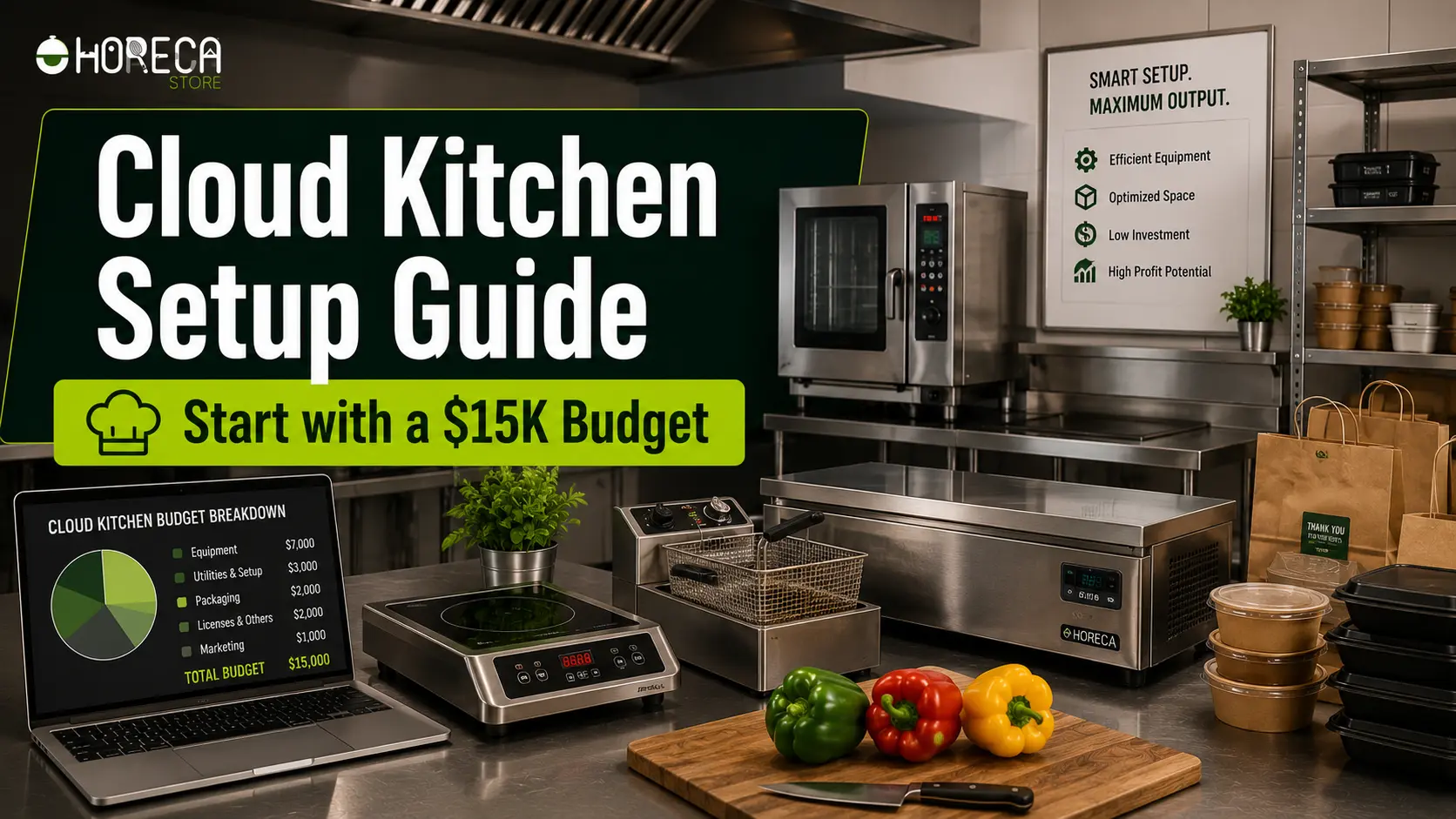
Starting a cloud kitchen on a $15,000 budget is possible with careful planning. This guide will show you how.
Cloud kitchens are delivery-only kitchens. They offer a cost-effective way to enter the food industry.
With lower overhead costs, they are an attractive option for aspiring entrepreneurs.
Understanding the setup process is crucial. It involves market research, location selection, and cost management.
We'll break down the essential steps to set up your cloud kitchen. From equipment to marketing, every detail matters.
Designing an efficient kitchen space is key. It maximizes productivity and minimizes costs.
Technology plays a vital role in operations. POS systems and delivery apps streamline the process.
By the end of this guide, you'll have a clear roadmap to launch your cloud kitchen successfully.
What Is a Cloud Kitchen? Understanding the Concept
A cloud kitchen, also known as a virtual kitchen, is a professional food preparation facility. Unlike traditional restaurants, cloud kitchens don't offer dine-in services. They are designed solely for delivery-based operations.
This business model focuses on optimizing kitchen operations for delivery efficiency. Cloud kitchens emphasize speed, quality, and convenience.
There are several distinguishing features of a cloud kitchen:
- Delivery-only: Primarily focused on takeout and delivery services.
- Centralized locations: Situated in areas with high delivery demand.
- Scalable operations: Easy to expand due to lower initial costs.
The growth of online food ordering has fueled the rise of cloud kitchens. They cater to the modern consumer's need for convenience and variety.
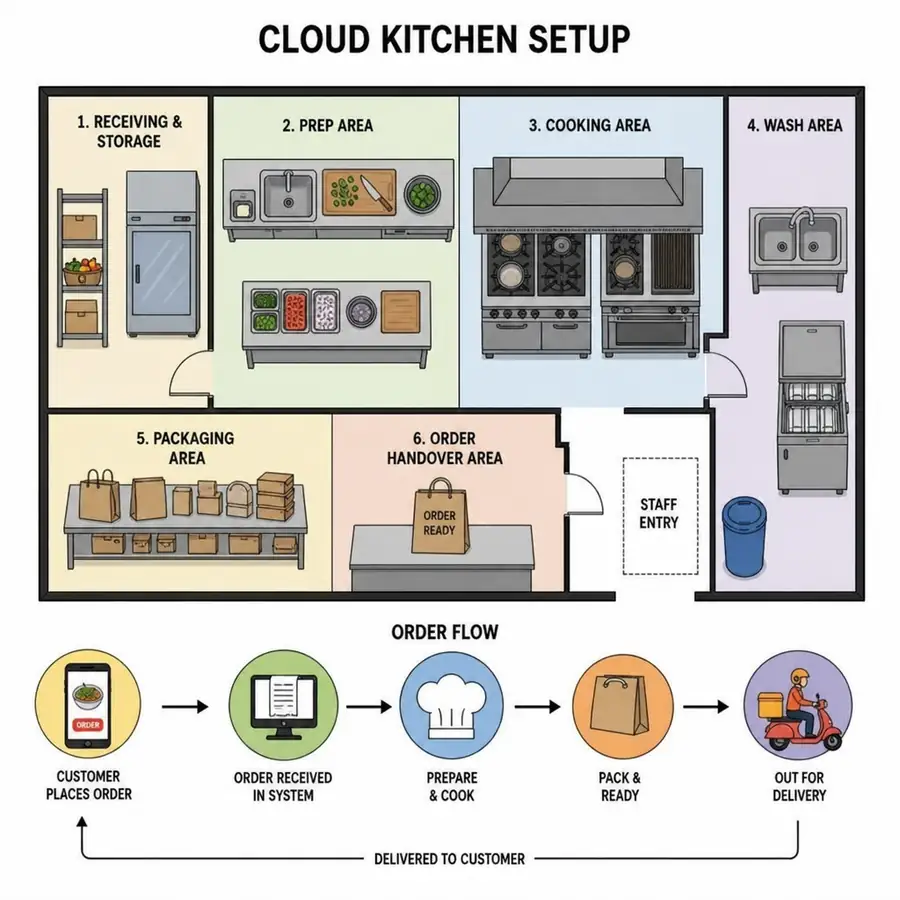
Cloud kitchens can take many forms, including shared spaces or dedicated units. Each has unique benefits, which depend on your business goals. Exploring these options will help you choose the right model for your venture.
Why Choose a Cloud Kitchen? Key Benefits and Trends
Cloud kitchens offer a flexible and cost-effective alternative to traditional restaurants. They have gained popularity due to several key advantages.
Firstly, the initial setup cost is significantly lower. Without the need for a dining area, expenses like decor and seating are eliminated.
The benefits of a cloud kitchen include:
- Reduced operational costs: Less staff and lower utility expenses.
- High scalability: Expand easily with lower financial risks.
- Wider market reach: Tap into diverse customer bases with little geographical limitation.
As consumer habits shift towards online food delivery, cloud kitchens are becoming a booming trend. The rise of delivery apps has made it easier than ever to attract and retain customers.
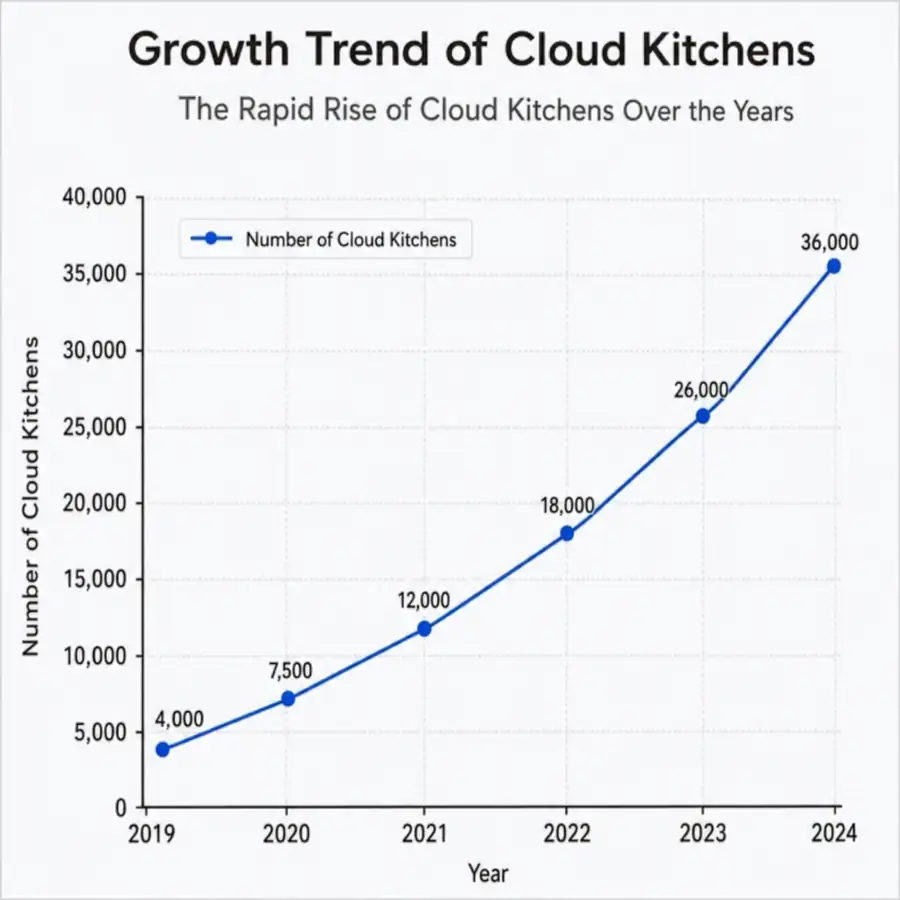
Innovation and technology drive this trend, offering advanced data analytics and customer insights. Consequently, businesses can make informed decisions to improve service and increase profits.
Market Research: Identifying Your Target Audience and Niche
Before launching a cloud kitchen, conducting thorough market research is crucial. This step ensures you understand your potential customers and their preferences.
Identify your target audience by considering their demographics, lifestyles, and food preferences. Knowing who you are serving helps tailor your offerings effectively.
Focus on finding a specific niche within the food industry. This could be based on dietary requirements, cuisine type, or unique experiences. Specializing helps differentiate your business in a crowded market.
To conduct effective market research:
- Analyze competitors: Study what works for them and identify gaps you can fill.
- Utilize surveys and social media: Gather feedback and gauge interest in your concept.
- Stay updated on industry trends: Adapt to emerging demands quickly.

It’s important to analyze local market conditions, as they dictate customer needs. Understanding the competition also provides insight into market saturation and business potential.
Ultimately, well-conducted research lays a solid foundation for your cloud kitchen. By understanding your audience and finding your niche, you improve your chances of success.
Choosing the Right Location for Your Cloud Kitchen
Selecting the best location for your cloud kitchen is crucial, but it differs from choosing a spot for a traditional restaurant. Unlike brick-and-mortar eateries, cloud kitchens rely on delivery, making accessibility paramount.
Look for areas with high demand and minimal competition. Proximity to residential zones or business districts ensures a steady stream of orders. This positioning reduces delivery times and enhances customer satisfaction.
Ensure the location has the necessary infrastructure. Consider essentials like reliable electricity, plumbing, and internet connectivity. These are vital for seamless operations and effective communication.
When evaluating potential sites, consider:
- Lease costs: Stay within budget to keep overhead low.
- Space availability: Optimize areas for kitchen layout and equipment.
- Convenience for staff: Ensure easy commuting.
Checking zoning laws is also important. Make sure the site is zoned for food preparation and any required permits can be acquired. Successful location selection not only impacts operations but also influences cost efficiency and service delivery.
Budget Breakdown: How Much Does It Cost to Set Up a Cloud Kitchen?
Setting up a cloud kitchen on a $15,000 budget requires careful planning. Understanding the cloud kitchen setup cost helps avoid overspending.
Initial Investments: Your primary costs will be equipment and kitchen design. Seek second-hand equipment to keep expenses low without sacrificing quality.
Allocation might include:
- Equipment: $5,000
- Lease: $3,000 for initial months
- Licenses and Permits: $2,000
- Utilities: $1,500
There will be ongoing operational costs. These include ingredients, packaging materials, and marketing strategies.

Consider these costs:
- Ingredients: $1,000
- Packaging: $500
- Marketing: $1,000
Don't forget to set aside funds for unexpected expenses. This buffer can save you from financial strain.
When budgeting, prioritize essentials. Choose versatile equipment to save space and money.
Remember, the goal is efficiency, not luxury. Focus on expenditures that will yield the highest returns or enhance customer satisfaction. Balancing quality with cost can help you maximize profitability while staying within your budget.
Essential Equipment and Kitchen Design on a Budget
To set up a cloud kitchen, identify necessary kitchen equipment. Prioritize pieces vital for your menu. A well-designed kitchen improves workflow.
Start with core appliances like stoves, refrigerators, and prep tables. Consider multifunctional units to make the most of limited space.
Key Equipment:
- Refrigerator: Essential for storage
- Oven: For baking and roasting
- Prep Stations: Efficient workspace
Quality should not be compromised by budget limitations. Opt for durable, energy-efficient machines to reduce long-term costs.
Consider second-hand markets. You might find great deals on gently used, high-quality appliances.
Don't neglect the layout. Arrange equipment ergonomically to minimize movement. Efficient placement reduces preparation time.
Additionally, ensure the design supports easy cleaning and maintenance. This consideration helps maintain hygiene standards. Remember, even on a budget, a well-planned kitchen can function smoothly.
Kitchen Space Optimization: Making the Most of Small Spaces
Optimizing kitchen space is essential for maximizing efficiency. Clever design transforms small areas into productive kitchens.
Use vertical space for storage. Install shelves and hooks to keep counters free. This strategy increases accessibility and organization.
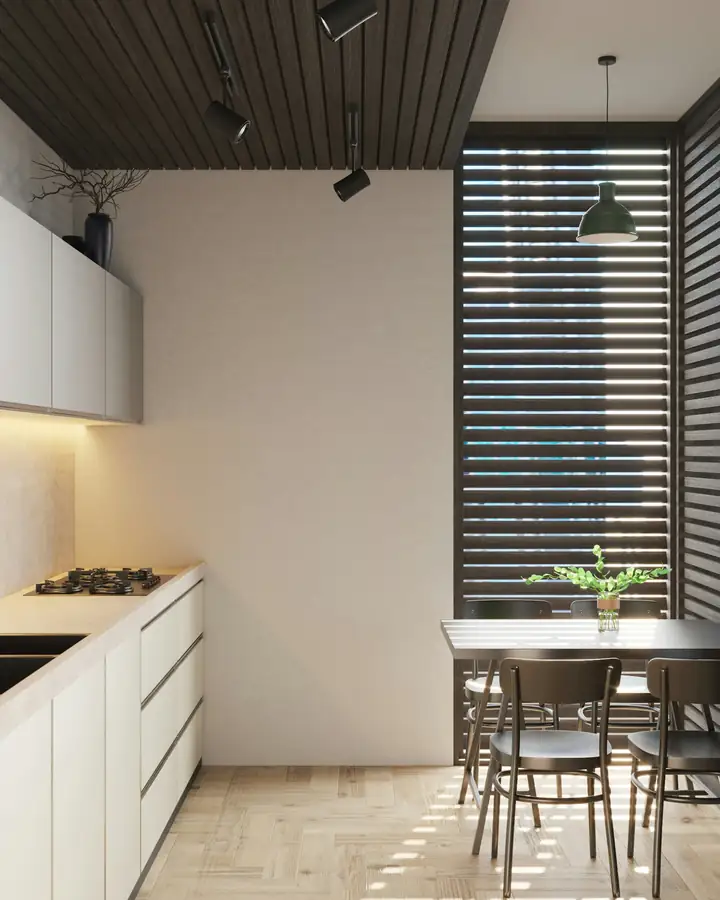
Choose compact appliances to save space. Consider combination units, like ovens with built-in grills. They reduce the need for multiple devices.
Key tips for space optimization include:
- Multifunctional Equipment: One device for many tasks
- Smart Storage Solutions: Shelves and racks
- Efficient Layout: Minimize staff movement
Collapsible tables and foldable racks can provide flexibility. They create additional workspace when needed without permanent use of space.
Every square foot should serve a purpose. Thoughtful arrangement and compact equipment ensure smooth operations in a limited area, enhancing productivity and efficiency.
Legal and Regulatory Requirements: Licenses, Permits, and Compliance
Navigating the legal aspects of a cloud kitchen setup is crucial. Complying with regulations ensures smooth operations and avoids legal issues.
First, you need a business license. This document legalizes your operations. The application fee varies by region and type of business.
Next, acquire a food handler's permit. This certificate confirms adherence to food safety standards. Training sessions for your staff may be required.
Key Licenses:
- Business License: Validates your business operations
- Food Handler's Permit: Ensures food safety compliance
- Health Department Permit: Certifies hygienic practices
Health department permits are also vital. Regular inspections ensure compliance with health codes. Prioritize cleanliness and sanitation practices to meet these standards.
Don’t overlook environmental permits. These ensure your waste disposal processes align with local environmental laws.
Lastly, consider liability insurance. This policy covers accidents or property damage, protecting your business financially.
Consult legal experts or local business bureaus to guide you through the legal framework. Each jurisdiction may have specific requirements, so thorough research is essential. Being well-informed helps in maintaining compliance and avoiding costly fines.
Staffing Your Cloud Kitchen: Roles, Hiring, and Training
Staffing is a critical element of your cloud kitchen. Without a skilled team, operations can falter. You'll need to carefully define roles and responsibilities.
Key roles in a cloud kitchen include chefs and kitchen assistants. Chefs manage meal preparation and maintain quality. Assistants support chefs by prepping ingredients and cleaning.
Essential Positions:
- Chef: Responsible for cooking and presentation
- Kitchen Assistant: Helps with prep and sanitation
- Delivery Coordinator: Manages order dispatch
Hiring the right staff involves thorough interviews. Look for dedication, culinary skills, and experience. These traits ensure a streamlined operation.
Training is equally important. Provide staff with orientation on your kitchen's layout, tools, and tech systems. Regular workshops can improve skills and boost productivity.
Consistent training fosters teamwork and efficiency. It enables your staff to meet customer expectations consistently, enhancing the overall service.
Menu Planning and Pricing Strategies for Profitability
Crafting a menu is both an art and a science in a cloud kitchen. It sets the tone for your brand. Start by selecting dishes that are simple yet appealing.
Consider the preferences of your target audience. Research current food trends and popular cuisines. This helps to craft offerings that entice customers.
Cost-effectiveness is crucial in selecting menu items. Your menu should include dishes with high margins. Balance expensive ingredients with less costly ones.
Factors to Consider:
- Ingredient Cost: Select items with affordable yet quality ingredients
- Preparation Time: Keep it manageable for faster delivery
- Popularity: Choose crowd favorites to ensure consistent sales
Pricing should reflect quality while ensuring profit. Consider your kitchen’s fixed and variable costs. Compare similar offerings in the market.
Regularly revisit your menu based on feedback and sales data. Dynamic menus keep customers engaged and improve profitability over time.
Technology and Operations: POS Systems, Delivery Apps, and Workflow
Technology is the backbone of a successful cloud kitchen. It streamlines operations and enhances customer experience. Start by integrating a reliable POS system. This system manages orders efficiently and tracks sales.
Adopt delivery apps to expand your reach. These apps connect you with a broader audience. Make sure your kitchen is equipped for a seamless digital interface.
Efficiency in operations is paramount. Aim for a workflow that minimizes wait times. Automation can help here, reducing manual tasks and errors.
Essential Technology Components:
- POS System: Streamlines order processing and payment
- Delivery Apps: Connects with customers directly
- Inventory Management: Helps control stock levels effectively
Building Your Brand: Identity, Online Presence, and Marketing
Establishing a strong brand identity is crucial for your cloud kitchen. Begin by defining your brand's mission and values. These will guide all your marketing efforts and communications.
Your online presence is your primary storefront. Invest in a professional website. Ensure it's user-friendly and visually appealing. Highlight your menu, special offers, and contact information clearly.
Leverage social media platforms to connect with customers. Consistent branding across platforms boosts recognition. Share engaging content, such as behind-the-scenes glimpses and customer testimonials.
Brand Identity Essentials:
- Logo: Represents your brand visually
- Tagline: Communicates your core message succinctly
Develop a marketing strategy that amplifies your reach. Utilize digital marketing tools for targeted promotions. Email marketing and paid ads can drive significant traffic.
Track your marketing efforts to optimize campaigns. Use analytics to understand customer engagement. This helps refine strategies for better results.
Online Marketing Tactics:
- SEO: Improves search engine visibility
- Social Media: Engages with a wider audience
Strong branding and effective marketing can set your cloud kitchen apart. Maintain a consistent voice and be responsive to customer feedback. This creates a loyal customer base and fuels business growth.
Partnering with Delivery Platforms: Maximizing Reach and Efficiency
Collaborating with delivery platforms can dramatically boost your cloud kitchen’s visibility. These platforms connect your kitchen to a wider audience, far beyond your local reach.
Choose platforms with a strong local presence. Analyze their commission rates and agreement terms before committing. Not all platforms will suit your business needs or customer base.
Integration with multiple platforms increases order volumes. It also diversifies your customer acquisition channels, reducing dependence on any single source.
Key Benefits of Delivery Platforms:
- Increase in order volume
- Access to user-friendly interfaces
- Real-time order tracking features
Efficient integration with delivery apps streamlines operations. Choose solutions that sync with your kitchen’s point-of-sale systems. This reduces errors and enhances overall workflow efficiency. By partnering wisely, your cloud kitchen can thrive in a competitive market.
Quality Control and Customer Feedback: Ensuring Consistency
Maintaining high-quality standards is critical for success in a cloud kitchen. Consistency in food quality keeps customers happy and loyal. Regularly review your kitchen's processes to ensure high standards are met.
Customer feedback provides valuable insights into your service. Act on feedback to improve dishes and delivery times. Create channels for easy communication, like email or social media, to gather customer opinions.
Strategies for Quality Assurance:
- Conduct regular taste tests
- Use fresh, high-quality ingredients
- Train staff on consistent preparation methods
Prioritize quality and feedback to enhance customer satisfaction. A consistent experience can lead to repeat business and word-of-mouth referrals. Listen actively to customers to fine-tune your offerings.
Sustainability and Eco-Friendly Practices in Cloud Kitchens
Sustainability is becoming key in the food industry. Customers appreciate efforts towards eco-friendly practices. A green kitchen stands out in a competitive market.
Implement measures that reduce waste and energy use. Opt for sustainable packaging to minimize environmental impact. Using local suppliers helps cut down the carbon footprint.
Simple Eco-Friendly Practices:
- Use energy-efficient appliances
- Implement recycling programs
- Source ingredients locally
Adopting green practices can save costs and attract eco-conscious customers. Every small change contributes to a better environment. Take steps today towards a sustainable kitchen model.
Overcoming Common Challenges in Cloud Kitchen Business Setup
Launching a cloud kitchen presents unique challenges. One common obstacle is maintaining quality with high order volumes. Consistent food quality builds trust and repeats business.
Efficiently managing logistics is crucial. Delays in delivery can harm reputation and customer satisfaction. Streamlined operations ensure timely service and happy clients.
Key Challenges:
- Maintaining food quality
- Efficient logistics
- Meeting regulatory standards
Additionally, navigating regulatory requirements can be complex. Keeping up with local laws is essential to avoid fines and interruptions. Proper training and compliance will smoothen operations.
Finally, standing out in a crowded market is tough. Innovative menu options and strong branding can differentiate your kitchen. Staying agile and responsive to market changes is vital for success.
Real-Life Examples: Successful Cloud Kitchen Business Models
Several cloud kitchens have thrived despite market challenges. These successes offer valuable lessons for aspiring entrepreneurs. Let's explore a few standout examples.
Rebel Foods stands as a cloud kitchen pioneer. Known for brands like Faasos and Behrouz Biryani, they leverage technology and data analytics. This approach ensures customer satisfaction.
Key Success Factors:
- Technology-driven operations
- Brand diversification
- Efficient delivery systems
Next, we have Zuul Kitchens in New York. They partner with local restaurants to expand reach without additional overhead. This collaborative model optimizes resources and boosts profits.
Lastly, consider CloudKitchens by ex-Uber CEO, Travis Kalanick. They focus on maximizing kitchen space and rapid scalability. Their innovative model supports various food brands under one roof.
These examples illustrate diverse strategies. Harnessing technology, collaboration, and efficient space use are integral to cloud kitchen success.
Launch Checklist: Steps to Open Your Cloud Kitchen
Starting a cloud kitchen involves meticulous planning and execution. A structured checklist can help streamline the process. Ensure every detail is covered to avoid potential roadblocks.
Steps to Launch Your Cloud Kitchen:
- Conduct thorough market research.
- Secure licenses and permits.
- Establish a solid kitchen design.
- Implement technology solutions.
- Plan an effective menu and pricing.
- Hire and train staff.
- Form partnerships with delivery platforms.
- Create a strong online presence.
Following these steps will position your cloud kitchen for success. Each element plays a crucial role in ensuring smooth operations from the very start.
How to Set Up a Cloud Kitchen on a $15,000 Budget
The Horeca Store starting a cloud kitchen on a $15,000 budget is possible with careful planning and smart equipment choices. Focus on essential items such as a commercial refrigerator, cooking equipment, food preparation tables, storage shelves, sinks, smallwares, and packaging supplies. Choosing energy-efficient equipment, optimizing your kitchen layout, and purchasing only the equipment required for your menu can help reduce startup costs while maintaining productivity and food quality.
Working with a trusted restaurant equipment supplier makes it easier to build a functional kitchen within your budget. The Horeca Store offers a wide selection of commercial kitchen equipment, refrigeration units, cooking appliances, stainless steel workstations, smallwares, and foodservice supplies for cloud kitchens and restaurants. With quality products, competitive pricing, and dependable support, The Horeca Store helps entrepreneurs create efficient cloud kitchens designed for long-term growth.
Conclusion: Your Roadmap to a Successful Cloud Kitchen
Launching a cloud kitchen on a $15,000 budget is achievable with careful planning. Focus on critical aspects like design, technology, and market research. Balancing costs and investments is vital for profitability.
Key Focus Areas:
- Optimize kitchen space.
- Build a strong brand.
- Leverage technology for efficiency.
Stay adaptable and open to feedback. Address challenges with strategic adjustments. Your dedication and innovative approach can turn your cloud kitchen into a thriving venture. Follow this guide as a blueprint for success.