
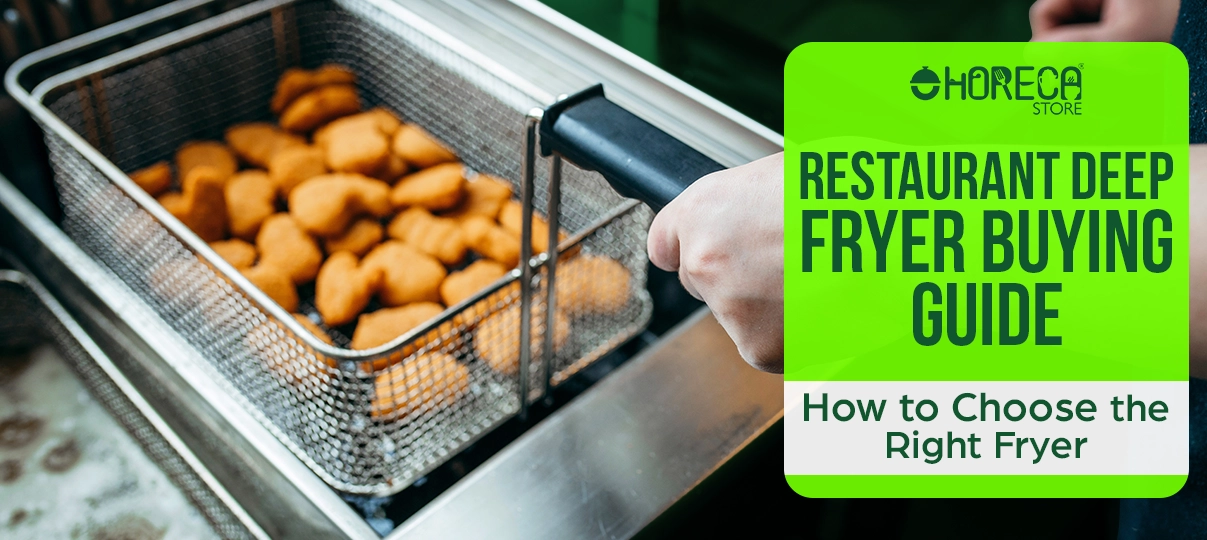
Choosing the right restaurant deep fryer is crucial for any commercial kitchen. It impacts food quality, efficiency, and customer satisfaction.
With so many options available, the decision can be overwhelming. From countertop to floor models, each type has its own benefits.
Understanding your kitchen's needs is the first step. Consider the volume of food you plan to fry and the available space.
Power source is another key factor. Gas and electric fryers each have their pros and cons.
Safety features and energy efficiency should not be overlooked. They can affect both operating costs and kitchen safety.
This guide will walk you through the process, ensuring you make an informed choice for your restaurant.
Understanding Commercial Deep Fryers: Types and Key Differences
The first step in choosing a restaurant deep fryer is understanding the different types available. Each type is designed for specific needs and kitchen setups.
Types of Commercial Deep Fryers
- Countertop Fryers: Ideal for small spaces and lower-volume frying.
- Floor Fryers: Suitable for high-volume frying, often seen in busier kitchens.
- Specialty Fryers: Designed for specific foods or cooking techniques, like donut or pressure fryers.
Each type serves different culinary needs. Countertop models are compact but lack capacity. Floor models, however, accommodate larger batches but need more space.

Consider how each type aligns with your menu and kitchen layout. Specialty fryers can be crucial for niche offerings. Their unique design caters to specific frying requirements.
Understanding these differences helps narrow down your options. Select a fryer that fits your kitchen's demand and complements your cooking style. This ensures seamless integration into your restaurant's workflow.
Assessing Your Restaurant’s Needs and Kitchen Space
Determining your restaurant's needs is crucial before purchasing a deep fryer. Start by evaluating the types of dishes you plan to offer. The fryer should align with both your current and future menu items.
Consider the volume of food you'll fry each day. A high-capacity fryer is beneficial for busy kitchens with large orders. However, smaller eateries might opt for compact models with lower output.

Next, assess the available space in your kitchen. Measure the area where you plan to install the fryer, ensuring it will fit with room to spare. It's also essential to consider the accessibility and workflow around the fryer.
Key considerations for assessing needs and space:
- Menu offerings and frying requirements.
- Daily frying volume and peak times.
- Kitchen space, layout, and accessibility.
By clearly identifying your needs, you will choose a fryer that enhances productivity and suits your kitchen environment without causing congestion or delays.
Power Source: Gas vs. Electric Deep Fryers
Choosing between gas and electric deep fryers depends on various factors. Each type offers unique advantages and potential drawbacks. It’s important to weigh these carefully to determine the best fit for your kitchen.
Gas fryers typically heat up quickly and can handle high-volume frying. They are often preferred in kitchens with heavy-duty demands. However, they require a gas line and can be more expensive to install initially.

Electric fryers, on the other hand, are often easier to install as they only need an electrical outlet. They are typically more energy-efficient over time, which can result in lower utility costs. However, they may take slightly longer to heat up compared to gas models.
Consider these factors when selecting a power source:
- Installation requirements and costs.
- Energy consumption and long-term expenses.
- Heating speed and capacity for your menu needs.
By analyzing these elements, you can determine whether a gas or electric fryer will better support your kitchen’s operation and efficiency.
Fryer Capacity and Size: Matching Output to Demand
When deciding on a fryer, capacity is crucial. It must meet your menu's demands efficiently. Consider the volume of food your restaurant typically fries daily.
A fryer too small might cause delays during peak hours. This could lead to longer wait times and customer dissatisfaction. On the other hand, an oversized fryer may incur unnecessary energy costs.

Evaluate your restaurant's menu and peak service times. Identify how much fried food you serve at once. Common capacity considerations include:
- Small eateries may need fryers with 10-15 pounds of oil.
- Medium-sized operations might require 25-50 pounds.
- High-volume establishments often need 50-100 pounds.
Consider both current and potential future needs. Matching fryer capacity to your demand ensures efficient service and helps maintain customer satisfaction. Balancing size and output can significantly impact kitchen performance and operational costs. Proper planning for capacity and size will enhance your overall kitchen workflow.
Essential Features and Advanced Controls
Choosing a restaurant deep fryer involves looking at key features. Modern fryers come equipped with advanced controls that simplify operations. These controls can also help produce consistent cooking results.
Programmable controls are particularly beneficial. They allow you to set precise cooking times and temperatures. This makes it easier to deliver consistent food quality, which is vital for customer satisfaction.

Advanced fryers often include energy-saving features. These might involve automatic shut-off functions or oil filtration systems. Both can reduce operational costs and ensure safety. Look for models with high-efficiency recovery, which lets fryers return quickly to optimal cooking temperature after food is added.
Here are essential features to consider:
- Digital controls for accurate temperature and timing settings.
- Automatic basket lifts to ensure even cooking.
- Oil filtration systems to improve food quality and extend oil life.
- Cool-touch exteriors to enhance safety in busy kitchens.
By focusing on these features, you can ensure a fryer that not only meets your current needs but also enhances overall kitchen efficiency. Investing in advanced controls can lead to long-term savings and improved customer experiences.
Energy Efficiency and Environmental Impact
Energy efficiency plays a significant role in selecting a restaurant deep fryer. High-efficiency models reduce power consumption, lowering operational costs. Energy-efficient fryers also support sustainability goals by minimizing environmental impact.
When exploring fryer options, consider Energy Star-rated models. These appliances meet stringent energy efficiency guidelines. Using less energy benefits your budget and the environment.
Features affecting energy efficiency include:
- Insulation to retain heat and prevent energy loss.
- Quick heat-up and recovery times for reduced energy use.
- Smart technology integration for optimized operations.
- Oil management systems to reduce waste.
Environmentally conscious choices benefit your restaurant's reputation, aligning with customer preferences for greener practices. By prioritizing energy-efficient equipment, you can achieve cost savings and contribute positively to the environment. This approach allows you to offer excellent food quality while meeting sustainability goals.
Safety Features and Compliance
Safety is paramount when choosing a restaurant deep fryer. Ensuring compliance with local health and safety regulations is crucial. Prioritizing safety features can prevent accidents and protect your staff and customers.
Key safety features to consider include:
- Automatic shut-off to prevent overheating.
- Cool-touch exteriors to reduce burn risk.
- Splash guards to prevent hot oil splashes.

In addition, look for fryers with easy-to-read safety instructions and staff training resources. These can ensure proper use and maintenance. By selecting fryers with robust safety measures, you promote a safe kitchen environment while adhering to required compliance standards. This approach not only safeguards your restaurant but also instills confidence in your team and guests.
Maintenance, Cleaning, and Oil Management
Regular maintenance and proper cleaning are vital for extending the lifespan of your commercial deep fryer. They prevent breakdowns and ensure consistent food quality. A well-maintained fryer operates more efficiently, reducing costly repairs.
Effective oil management is key to maintaining high standards. Using a fryer with an oil filtration system can enhance oil longevity and food taste. It reduces waste and increases efficiency. Consider investing in fryers with built-in filtration to ease this process.
For optimal maintenance and cleaning, look for features such as:
- Easy-to-clean surfaces and parts
- Accessible oil drainage systems
- Availability of replacement parts

Routine staff training on fryer care can also play a significant role. This includes understanding the importance of oil quality and proper cleaning techniques. By incorporating these practices, you protect your investment and ensure excellent performance in your kitchen. Implementing a regular maintenance schedule can lead to a safer and more productive cooking environment.
Ventilation and Installation Considerations
Installing a restaurant deep fryer requires careful attention to ventilation and placement. Adequate ventilation is crucial for removing smoke, steam, and cooking odors, ensuring a healthy kitchen environment. Before purchasing, verify that your ventilation meets local health and safety regulations.
When planning your fryer's installation, consider:
- Compliance with safety codes
- Compatibility with existing kitchen layout
- Ease of access for cleaning and maintenance

A well-ventilated fryer helps maintain air quality and minimizes the risk of grease fires. Proper placement within your kitchen ensures efficient workflow and accessibility. Planning these elements carefully will enhance safety and efficiency in your restaurant kitchen.
Cost Considerations: Upfront and Long-Term
When choosing a restaurant deep fryer, consider both the initial purchase cost and ongoing expenses. The upfront cost can vary widely based on the model and features. Ensure to weigh this against long-term savings from efficiency and durability.
Key cost factors to consider include:
- Initial purchase price
- Energy consumption and utility bills
- Maintenance and repair costs
- Lifespan and potential for technological updates
Additionally, evaluate potential savings from energy-efficient models, which often lower utility bills significantly over time. Keep in mind that investing in quality equipment may lead to reduced repair costs and extended operational life. A comprehensive cost analysis will help you make an informed decision, balancing initial expenses with future financial benefits. Prioritizing both immediate and future costs ensures a sustainable choice for your commercial kitchen.
Comparing Top Restaurant Deep Fryer Brands
Choosing the right brand is pivotal to ensuring quality and reliability in your kitchen. Some brands stand out for their innovation and performance in the commercial deep fryer market. Understanding the strengths of each can help guide your decision.
Consider reputable brands known for durability, energy efficiency, and comprehensive warranties. Leading brands often provide exceptional customer service and easy access to replacement parts, which is crucial for minimizing downtime.
Some top brands to consider include:
- Frymaster: Known for high-efficiency models
- Vulcan: Offers robust, versatile equipment
- Pitco: Praised for user-friendly maintenance
- Henny Penny: Features advanced filtration systems
Research brand reputations by reading user reviews and industry testimonials. Spending time to compare brands ensures you get equipment that meets your needs while offering a good return on investment.
Staff Training and Operational Best Practices
Proper training is essential for maximizing the performance and lifespan of your restaurant deep fryer. Ensuring staff are knowledgeable about fryer operations and maintenance contributes to a safer and more efficient kitchen environment.
Key training focus areas should include:
- Understanding fryer controls and settings
- Proper oil management techniques
- Safety protocols for handling hot oil
- Routine maintenance and cleaning procedures
Regular training sessions can keep staff updated on any new equipment or best practices, leading to consistent food quality and reduced operational issues. A well-trained team ensures your kitchen runs smoothly and efficiently.
Making the Final Decision: A Step-by-Step Checklist
With so many options, deciding on the best restaurant deep fryer can feel daunting. A handy checklist simplifies the process and ensures all essential factors are considered.
Here’s a checklist to guide your decision:
- Evaluate kitchen space and fryer footprint
- Check compatibility with existing equipment
- Consider power source and energy efficiency
- Review safety features and compliance with regulations
Following this checklist helps clarify your needs and preferences, simplifying the final decision. Equipped with this guide, you can confidently select the fryer that fits your restaurant's unique requirements.

Conclusion: Choosing the Right Deep Fryer for Your Restaurant
Selecting the right restaurant deep fryer is a crucial investment for any commercial kitchen. It affects food quality, operational efficiency, and overall customer satisfaction. By carefully assessing your kitchen's needs and evaluating fryer options based on features, energy efficiency, and maintenance requirements, you ensure a wise choice.
With informed decisions, your restaurant is well-equipped to handle diverse frying demands efficiently. This guide empowers you to choose a fryer that not only meets immediate needs but also supports long-term goals and success.