Discover Exceptional Products and Unmatched Service.
Power up your kitchen with reliable cooking equipment for restaurants and catering services. Trusted brands, fast shipping, unbeatable prices.

CAC China SSRH-22S Speed Rail 1-Tier, Stainless Steel, 22" / Each
Model No: SSRH-22S
⚡ Fast DeliveryShipping Fee
Mostly Ships in 5 to 7 Days
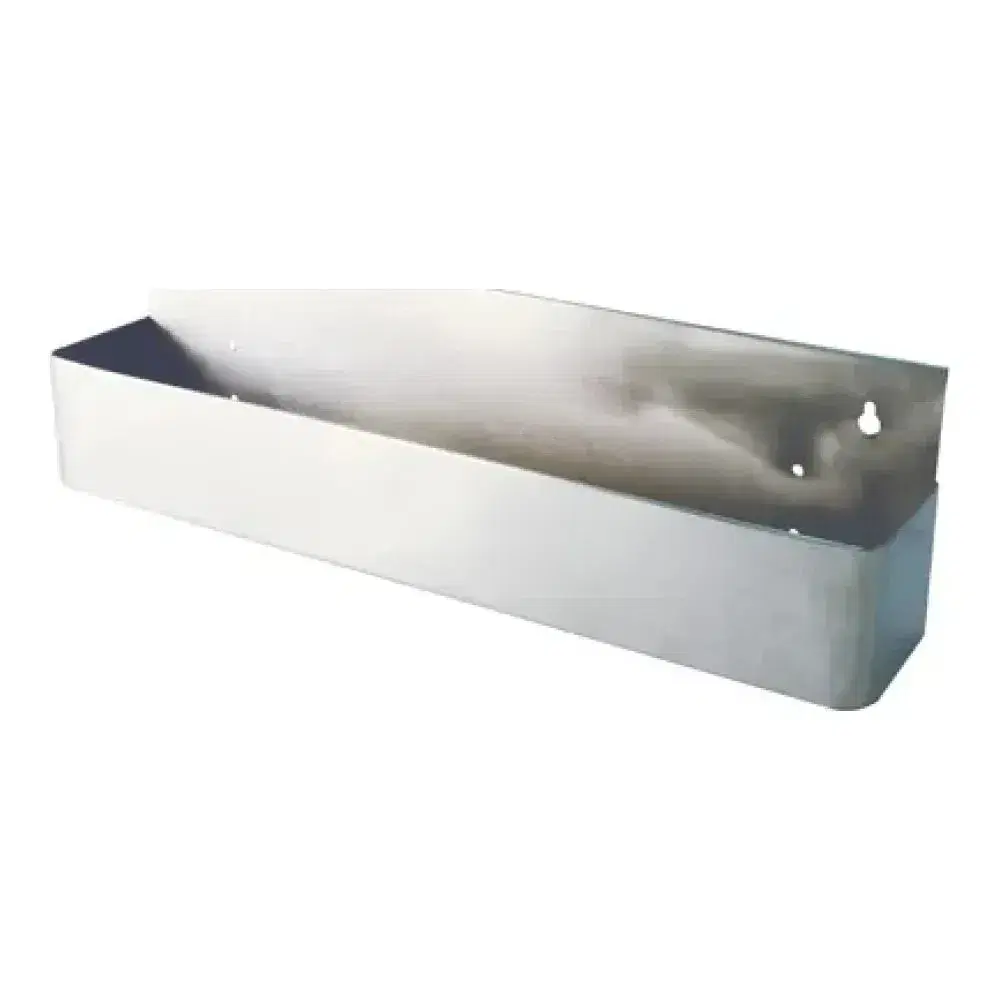
CAC China SSRH-32S 32" Speed Rail SS 1-Tier
Model No: SSRH-32S
⚡ Fast DeliveryShipping Fee
Mostly Ships in 5 to 7 Days
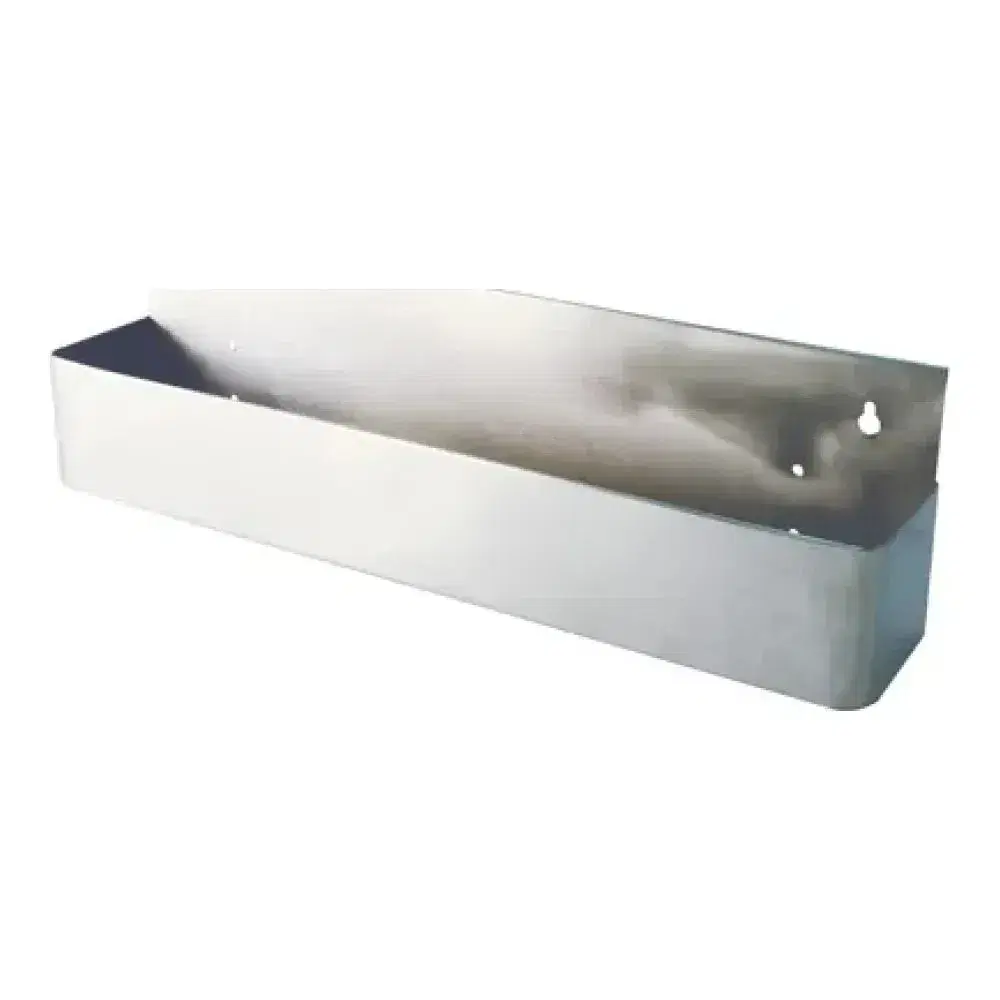
CAC China SSRH-42S 42" Speed Rail SS 1-Tier
Model No: SSRH-42S
⚡ Fast DeliveryShipping Fee
Mostly Ships in 5 to 7 Days

CAC China SSRH-22D Speed Rail 2-Tier, Stainless Steel, 22" / Each
Model No: SSRH-22D
⚡ Fast DeliveryShipping Fee
Mostly Ships in 5 to 7 Days
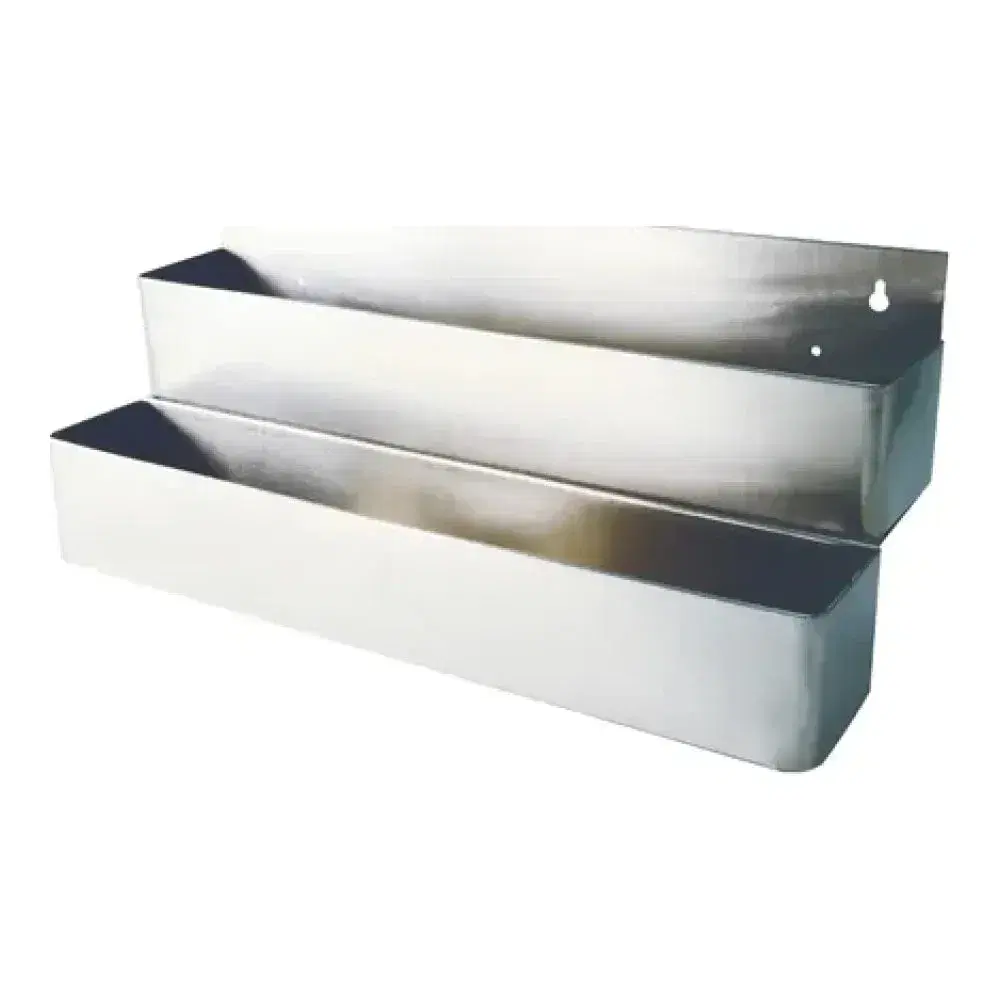
CAC China SSRH-32D 32" Speed Rail SS 2-Tier
Model No: SSRH-32D
⚡ Fast DeliveryShipping Fee
Mostly Ships in 5 to 7 Days
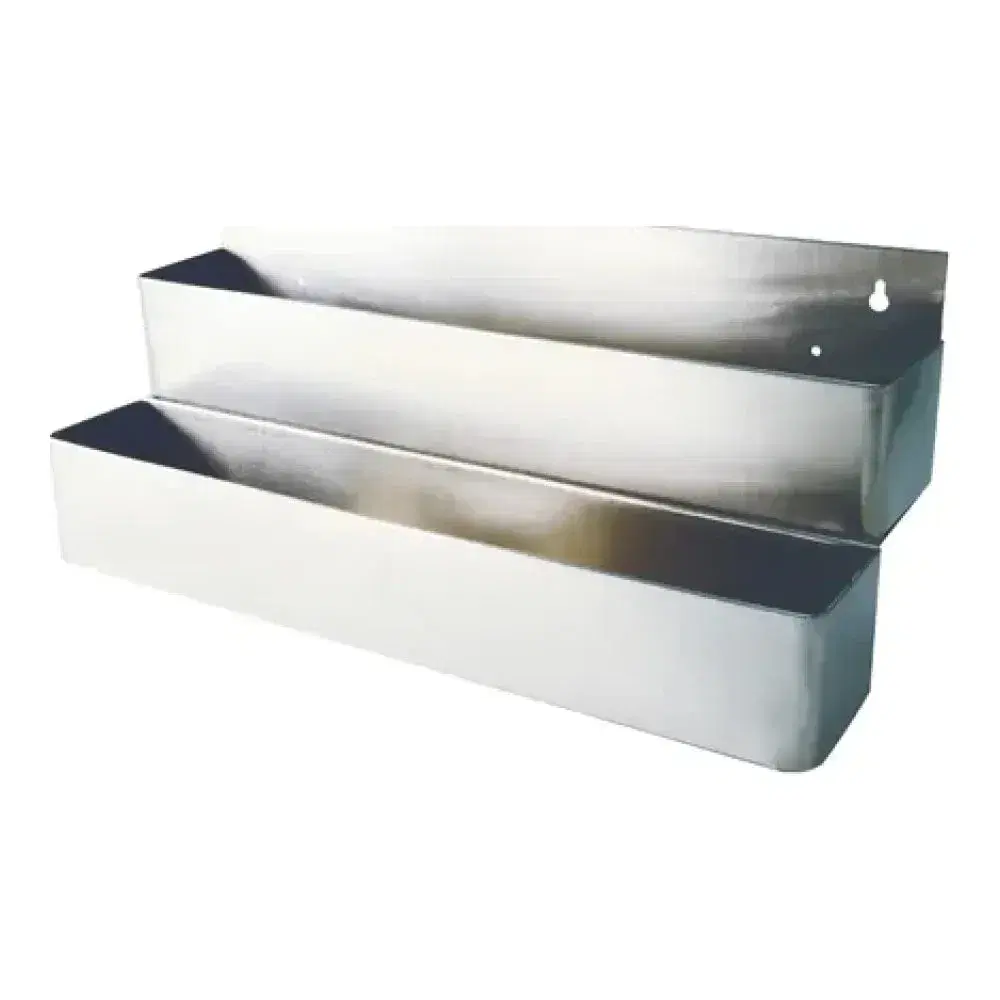
CAC China SSRH-42D 42" Speed Rail SS 2-Tier
Model No: SSRH-42D
⚡ Fast DeliveryShipping Fee
Mostly Ships in 5 to 7 Days
When you hear the term "Speed Rails," your mind might jump to a few completely different concepts depending on your profession. To a cinematographer, it is the fundamental building block of custom camera rigs. To a bartender, it is the stainless-steel lifeline that keeps a busy Friday night flowing smoothly. To a civil engineer, it represents the future of mass transit.
Despite belonging to entirely different industries, speed rails share a core purpose: they are designed to maximize efficiency, structural integrity, and speed. Whether you are rigging heavy equipment, mixing cocktails, or moving thousands of commuters, understanding the benefits of these systems can revolutionize your workflow. Let's break down the versatile world of speed rails and explore how they function across these varied landscapes.
For hospitality teams, bar speed rails are a simple but powerful layout choice. They support faster drink preparation because top-selling bottles can be placed in a consistent order, helping bartenders build muscle memory during peak hours. That consistency also makes training easier, because new staff can learn the setup instead of guessing where products belong.
For broader infrastructure conversations, high-speed rail offers a different kind of benefit: moving large numbers of people between places without relying only on roads or short-haul flights. Interest in high speed rails in America continues to grow because communities, planners, and travelers are looking for faster, more connected mobility options.
Speed rail systems are most valuable when they solve a specific bottleneck. Before choosing a setup, look at where delays happen, who uses the system, and what must stay accessible.
Not every rail system serves the same purpose. A bar owner may need durable speed rails for bar stations, sized for the bottles used most often and mounted where staff can work naturally. A planner or stakeholder researching high-speed rail may need to compare route demand, station access, long-term maintenance, and public benefit.
Use this quick checklist before moving forward:
If you are comparing Speed Rails, start with the outcome you want: faster bar service, a cleaner workstation, a more efficient venue, or a better understanding of advanced rail systems. The right next step is not just buying or approving a rail system; it is matching the solution to the real workflow.
Ready to clarify your options? Request a consultation, share your current setup or project goals, and get practical guidance on the speed rail approach that best fits your needs.
In the film and production industry, "Speed Rail" is the colloquial term for aluminum pipe rigging systems. Grips and gaffers use these highly adaptable pipes to build everything from lighting grids to complex camera supports. Their modular nature makes them a favorite on professional sets and independent shoots alike.
If you are wondering what size pipe for professional grip gear is standard, the industry generally relies on 1 ¼-inch and 1 ½-inch outer diameter (OD) pipes. These standardized rigging pipe dimensions ensure that clamps, fittings, and accessories from various manufacturers work together seamlessly.
When selecting lightweight aluminum tubing for film sets, you will often face the debate of schedule 40 vs schedule 80 aluminum.
You will also need to consider the finish. When comparing an anodized finish vs raw aluminum pipe, anodized is usually preferred. Raw aluminum oxidizes, leaving a fine black residue on your hands and gear. Anodized pipes are sealed, cleaner to handle, and offer a smoother surface for sliding fixtures.
The secret to these systems lies in how they are assembled. The best way to connect aluminum tubes is by using heavy-duty rigging hardware.
However, you must be aware of the structural integrity of slip-on fittings. While excellent for structural framing and the load bearing capacity of modular railings, they rely entirely on the tension of a set screw. For critical, overhead loads, always use Cheeseboroughs and safety chains. Preventing pipe slippage in rigging requires tightening fittings to the manufacturer’s specified torque and routinely checking them during temperature shifts on set.
Because of their adaptability, speed rails allow filmmakers to execute highly specialized tasks safely and efficiently.
Stepping away from the film set and into the hospitality sector, the term takes on a totally different, yet equally practical, meaning. Bar speed rails (sometimes simply called well racks) are elongated, stainless-steel troughs attached to the bartender's workstation, sitting right at knee or waist level.
If you are opening a new venue, choosing the right speed rails for bar setups is critical for maximizing profits and minimizing wait times.
Whether it is a single-tier rail for a small pub or a double-tier rail for a high-volume nightclub, incorporating quality speed rails ensures that your service staff can operate efficiently during the busiest rushes.
Finally, on a macro level, the term is synonymous with high-speed rail. While grip pipes and bar racks optimize human labor, advanced rail systems optimize human travel, connecting distant cities in a fraction of the time of traditional trains.
If you have ever wondered how do high speed rails work, it comes down to a combination of cutting-edge aerodynamics, specialized tracks, and advanced propulsion. Many modern high-speed trains utilize electric propulsion via overhead lines, traveling on continuously welded tracks that eliminate the "click-clack" bumps of older railways. This ensures an incredibly smooth ride at speeds exceeding 150 to 200 mph.
Other state-of-the-art iterations use magnetic levitation (Maglev). By using powerful electromagnets to lift and propel the train, Maglev systems eliminate track friction entirely, allowing for unprecedented speeds and reduced maintenance. These systems drastically reduce carbon footprints by offering a highly efficient alternative to short-haul flights and automotive travel.
The beauty of the term "Speed Rails" lies in its multi-industry application. In the world of cinema, aluminum pipe rigging systems provide the invisible scaffolding that brings movie magic to life safely and securely. In the hospitality sector, a properly stocked bar rail is the engine of a profitable night. And in global infrastructure, advanced rail networks are forging a faster, greener future.
Whether you are figuring out the safest clamps for your DIY camera rig, designing an ergonomic workstation for a bartender, or tracking the future of modern transit, speed rails prove that a smart, modular foundation is the ultimate key to professional efficiency.