Discover Exceptional Products and Unmatched Service.
Power up your kitchen with reliable cooking equipment for restaurants and catering services. Trusted brands, fast shipping, unbeatable prices.
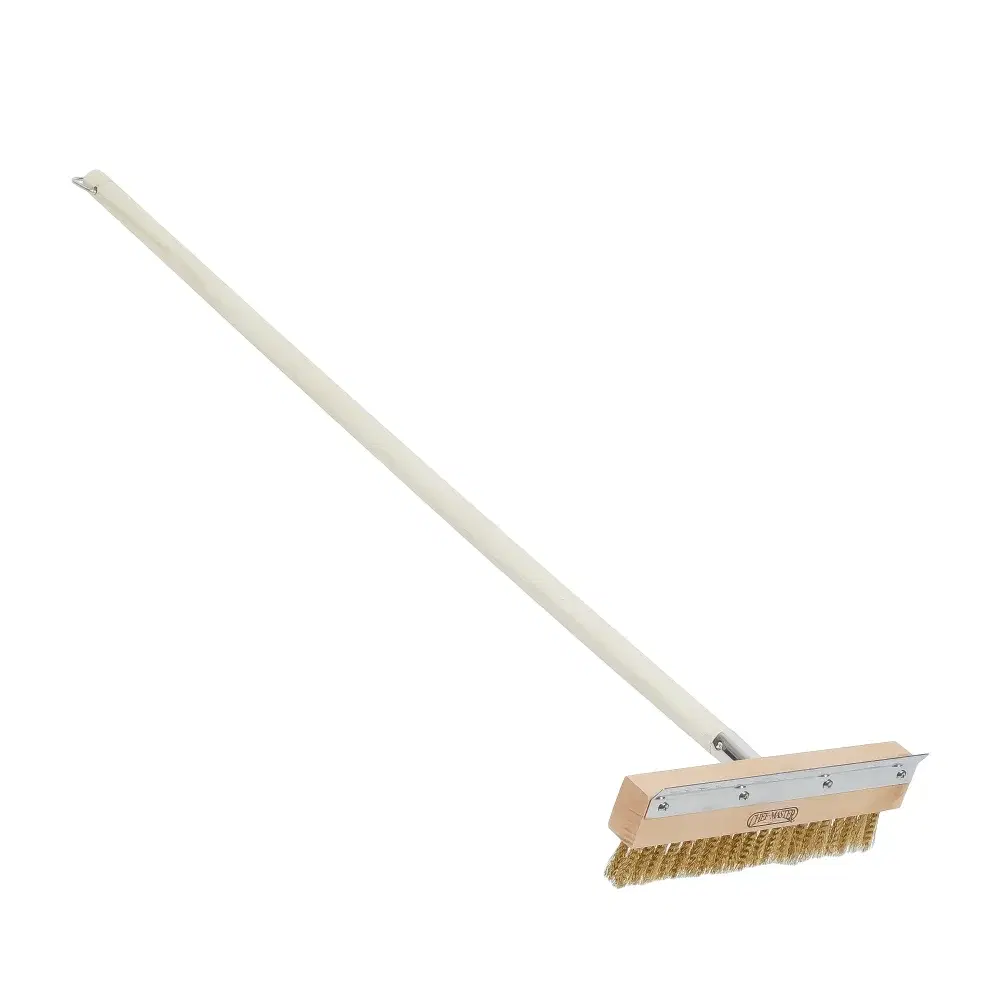
ChefCraft Series Wire Scraper Brush for Grill
Model No: CCWBS
⚡ Fast DeliveryShipping Fee
Mostly Ships in 1 to 2 Days

You spent $500 on that premium espresso machine or top-tier mountain bike. According to repair technicians, a simple $20 investment in proper Equipment Cleaning Tools & Supplies is often the only thing standing between you and a massive repair bill.
Every day, ordinary dust and outdoor grime stick to your expensive gear. In practice, this microscopic grit functions as a slow-motion grinding wheel, acting like tiny pieces of sandpaper that slowly eat away at moving parts until they break.
Maintenance goes beyond wiping surfaces with hygiene products just to kill germs. True mechanical survival requires recognizing that while disinfecting destroys bacteria, proper equipment cleaners physically lift away the abrasive dirt that actually destroys your machinery.
We’ve all wiped down an expensive machine with an old t-shirt, only to leave behind tiny scratches. Unlike standard cotton that just pushes dirt around, high-grade microfiber polishing cloths act like millions of microscopic hooks. These fibers physically trap grit inside the cloth, preventing those particles from scratching your gear's finish.
Reaching into tight seams requires more than a flat cloth. This is where bristle density—how tightly packed the hairs on a brush are—becomes crucial. Densely packed bristles offer stiff sweeping power, while loosely packed cleaning tools flex easily to glide over fragile components without snagging.
To avoid household MacGyvering, you need to match the tool to the task. Keep these three essential brush types nearby:
Once the dry dust is trapped and the crevices are clear, you will likely spot oily residues. Sweeping away loose dirt perfectly prepares your equipment for the next step: breaking down grime with degreasers and sanitizers.
Ever noticed a sticky sludge on your bike gear that soap simply won't touch? Oil acts like glue for dirt, requiring specific cleaning agents to break that bond. Enter emulsification—a chemical process where a cleaner forces oil and water to mix, lifting grease away without heavy scrubbing.
Matching liquids to your gear prevents melting plastic housings or shorting out components. Keep these four essentials handy:
Applying disinfecting wipes to high-touch surfaces requires a little patience to be effective. For these chemicals to actually destroy germs, they need proper "dwell time"—meaning the equipment's surface must remain visibly wet for several minutes before you wipe it dry.
While chemical sprays handle surface grime beautifully, they often struggle to penetrate deep internal mechanisms. When dealing with heavily soiled, complex parts that can't be brushed by hand, it is time to explore deep-clean tech: when to use ultrasonic tanks and pressure washers.
Many of us have snapped a toothpick scraping gunk from tiny crevices. When evaluating manual scrubbing vs ultrasonic cleaning tanks, consider the item's complexity. Ultrasonic cleaners use cavitation—millions of microscopic popping bubbles—to scrub spaces fingers can't reach.
Moving to the driveway, a soiled lawnmower needs a different approach. Using a concentrated pressure washer tip can accidentally strip protective paint. Instead, utilize a wide-angle 40-degree nozzle or multi-purpose pressure washer attachments like a soft spinning brush. These provide the efficiency of industrial cleaning supplies without destroying household investments.
Applying high-pressure water requires careful aim to avoid mechanical damage. Figuring out how to sanitize heavy machinery safely means steering spray away from rubber seals so you don't force dirt deeper inside. Once your equipment is spotless, protecting it is easy with a quick maintenance checklist.
Nobody wants to clean the same spot twice. When extending machinery lifespan through regular deep cleaning, gravity is your best friend. Always work from the top down so dirty runoff doesn't ruin the lower areas you just scrubbed.
Building a smart routine is easy with a step-by-step equipment maintenance checklist for after-use care:
Before tackling greasy jobs, remember that strong chemical cleaners strip natural oils from your hands. Wearing personal protective equipment for handling solvents, like simple nitrile gloves, prevents painful skin irritation. Finally, always wash your cleaning equipment and supplies so they won't drag today's grit onto tomorrow's projects, successfully transforming your gear from grimy to good-as-new.
Viewing your new cleaning tools and supplies as cheap insurance for expensive gear is a smart move. After all, extending machinery lifespan through regular deep cleaning is a massive financial win.
By removing hidden grit, you will experience the performance boost of friction-free equipment that runs significantly quieter and cooler. Buying pro cleaning tools and supplies is simply an investment in your hobbies and home.
Try picking just one piece of gear to detail today to see immediate results. Moving forward, commit to a quick "clean after use" habit to save yourself time and avoid expensive repairs later.