Discover Exceptional Products and Unmatched Service.
Power up your kitchen with reliable cooking equipment for restaurants and catering services. Trusted brands, fast shipping, unbeatable prices.
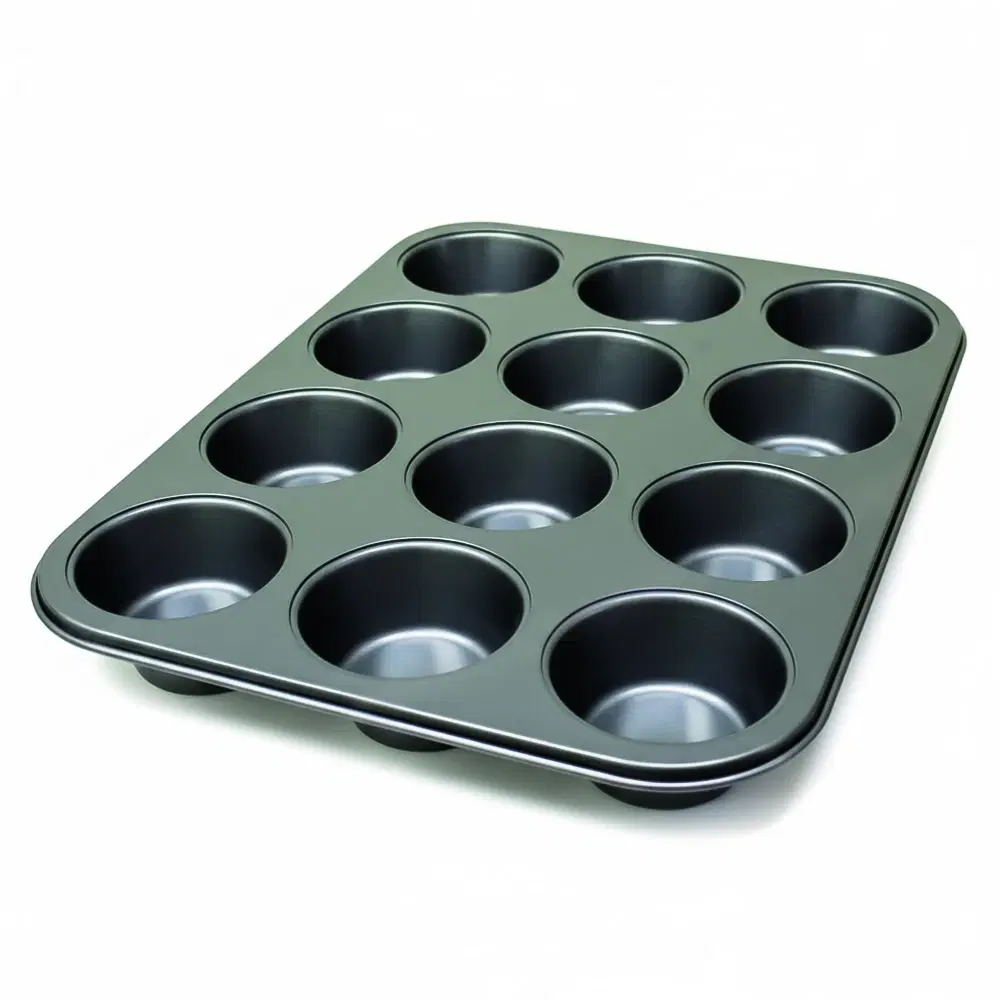
Thunder Group SLKMP012 3-1/2 oz 12 Cavities Carbon Steel Non-Stick Muffin Pan
Model No: SLKMP012
Shipping Fee
Mostly Ships in 1 to 2 Days

Thunder Group SLKMP124 3-1/2 oz 24 Cavities Carbon Steel Non-Stick Muffin Pan
Model No: SLKMP124
Shipping Fee
Mostly Ships in 1 to 2 Days

Thunder Group ALKMP012 Aluminum 3-1/3 oz 12 Cup Muffin Pan
Model No: ALKMP012
Shipping Fee
Mostly Ships in 1 to 2 Days

Thunder Group ALKMP024 Aluminum 3-1/2 oz 24 Cup Muffin Pan
Model No: ALKMP024
Shipping Fee
Mostly Ships in 1 to 2 Days

Thunder Group SLKMP024 3-1/2 oz 24 Cavities Carbon Steel Non-Stick Muffin Pan
Model No: SLKMP024
Shipping Fee
Mostly Ships in 1 to 2 Days

We’ve all been there: you eagerly peel back a wrapper, only to find half your treat permanently glued to the bottom. In practice, most heartbreaking baking failures stem from your cupcake and muffin pan rather than a faulty recipe. Think of this piece of equipment as a heat conductor instead of just a simple container; darker metals absorb heat quickly, browning edges much faster than lighter aluminum.
According to culinary test kitchens, mastering these baking tools guarantees perfectly golden, bakery-style tops. The material of your pan directly affects final texture, and proper filling and cleaning techniques ensure longevity. Soon, you will transform basic kitchen essentials into your secret weapon for flawless Sunday breakfasts and stress-free bake sales.
In most home kitchens, the terms are used interchangeably. Whether a recipe calls for muffin trays or generic baking pans, you usually reach for the same trusty 12-slot tool.
However, since batter expands when heated, the subtle shape of your pan actually dictates the final results. A high-quality cupcake and muffin pan will elevate your baking with three distinct features:
Achieving that bakery-style golden crust depends heavily on your pan's material. Light-colored aluminum is a traditional favorite for a reason. Because light metal reflects heat gently, you get even heat distribution for consistent baking without scorching the edges.
On the other hand, non-stick carbon steel bakeware is usually dark, which changes the baking rules entirely. Think of a dark pan like wearing a black t-shirt on a sunny day—it absorbs radiant heat incredibly fast. If you are using a dark pan, simply lower your oven temperature by 25°F to prevent the bottoms from burning before the middle finishes cooking.
When comparing silicone vs metal muffin pans, the flexible rubbery material offers a completely different experience. Silicone struggles to create a crispy crust because it doesn't retain heat well, but it excels at easy release. For delicate, sticky gluten-free recipes, silicone pans or reusable silicone baking cups guarantee your treats pop out intact.
Nothing is more frustrating than pulling out a tray of baked goods only to find fused, overflowing crusts. The secret to perfect cupcake baking is volumetric consistency—giving every cup the exact same amount of batter. When deciding how much batter per cupcake liner to use in a standard pan, follow the two-thirds rule (about 3.5 to 4 tablespoons). Using a spring-loaded ice cream scoop simplifies measuring capacity of baking cups, yielding identical, picture-perfect domes every time.
Because different recipes rise uniquely, you should adjust your fill lines for these three common batters:
Sometimes, a recipe leaves a few empty slots in your tray. To achieve thermal balancing—distributing heat evenly so your pan won't warp in the oven—pour two tablespoons of water into the empty cups before baking.
Swapping from standard cupcake tin dimensions to different cupcake molds often leads to burnt edges or raw middles. The challenge is balancing surface browning with the core temperature; the outside of your batter crisps up while the inside slowly warms.
To achieve perfect centers every time, use this quick cheat sheet:
Always rely on the "spring-back" touch test across any size—if you gently press the center dome and it bounces right back, your bake is done.
Harsh detergents and high dishwasher heat quickly ruin your favorite non-stick carbon steel bakeware. To protect that delicate coating, always wash by hand and avoid metal scouring pads, which leave permanent scratches.
If you already spot brown marks, don't throw the tin away. Cleaning rusty metal baking pans is simple using a natural, non-toxic remedy you likely have in your pantry:
The absolute best trick for preventing future rust is the "oven-dry" technique: pop your towel-dried pan into a warm oven to evaporate moisture trapped under the rims. Keeping that surface pristine ensures removing stuck cupcakes easily every time.
You now hold the blueprint for transitioning from accidental wins to intentional, professional-grade results in both cupcake and muffin baking.
Your 12-slot tray isn't just a basic piece of metal anymore; it is one of your most powerful kitchen essentials. Try a simple recipe this weekend to see your new skills in action. Armed with this knowledge, your next Sunday brunch or bake sale is set up to be a perfectly domed triumph.
Popular Searches
