Discover Exceptional Products and Unmatched Service.
Power up your kitchen with reliable cooking equipment for restaurants and catering services. Trusted brands, fast shipping, unbeatable prices.
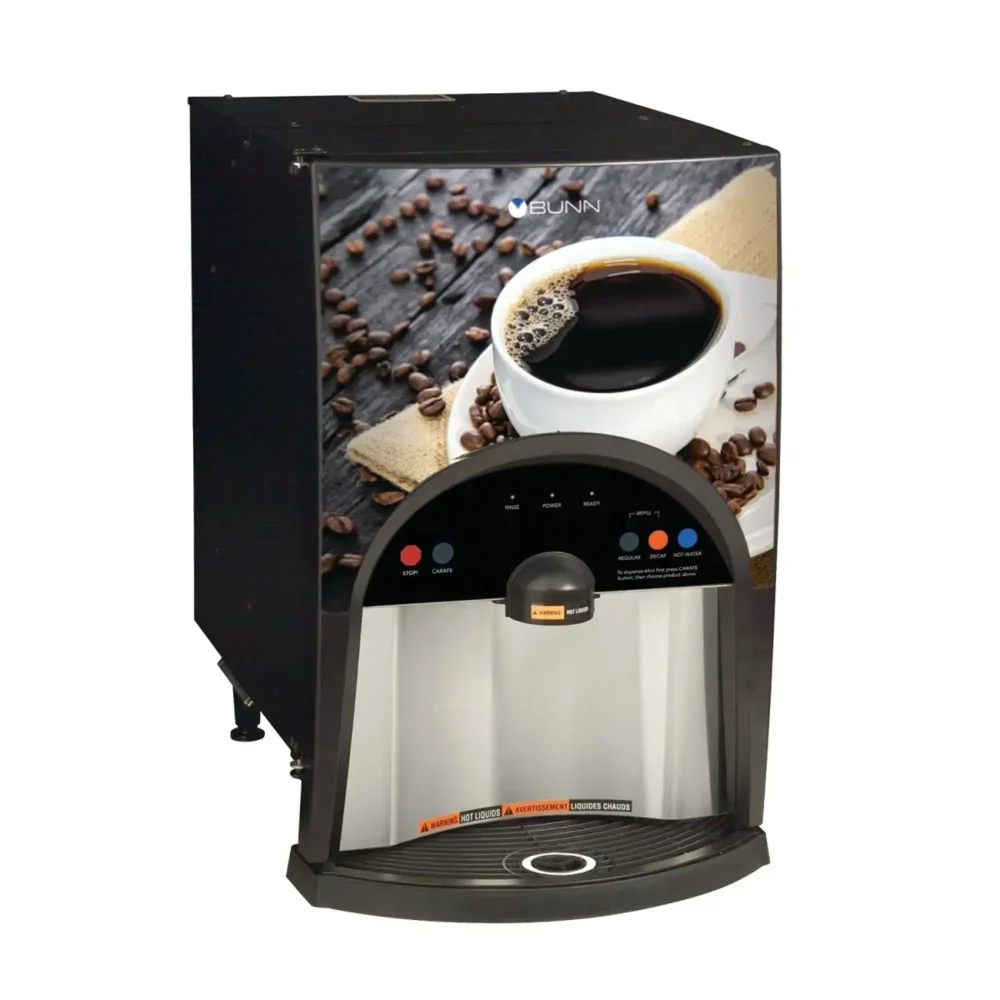
Bunn LCA-2 LP Ambient Liquid Coffee Dispenser, 2 Dispense Heads, Up to 100:1 Ratio, 120V
Model No: 38800
⚡ Fast DeliveryShipping Fee
Mostly Ships in 5 to 7 Days
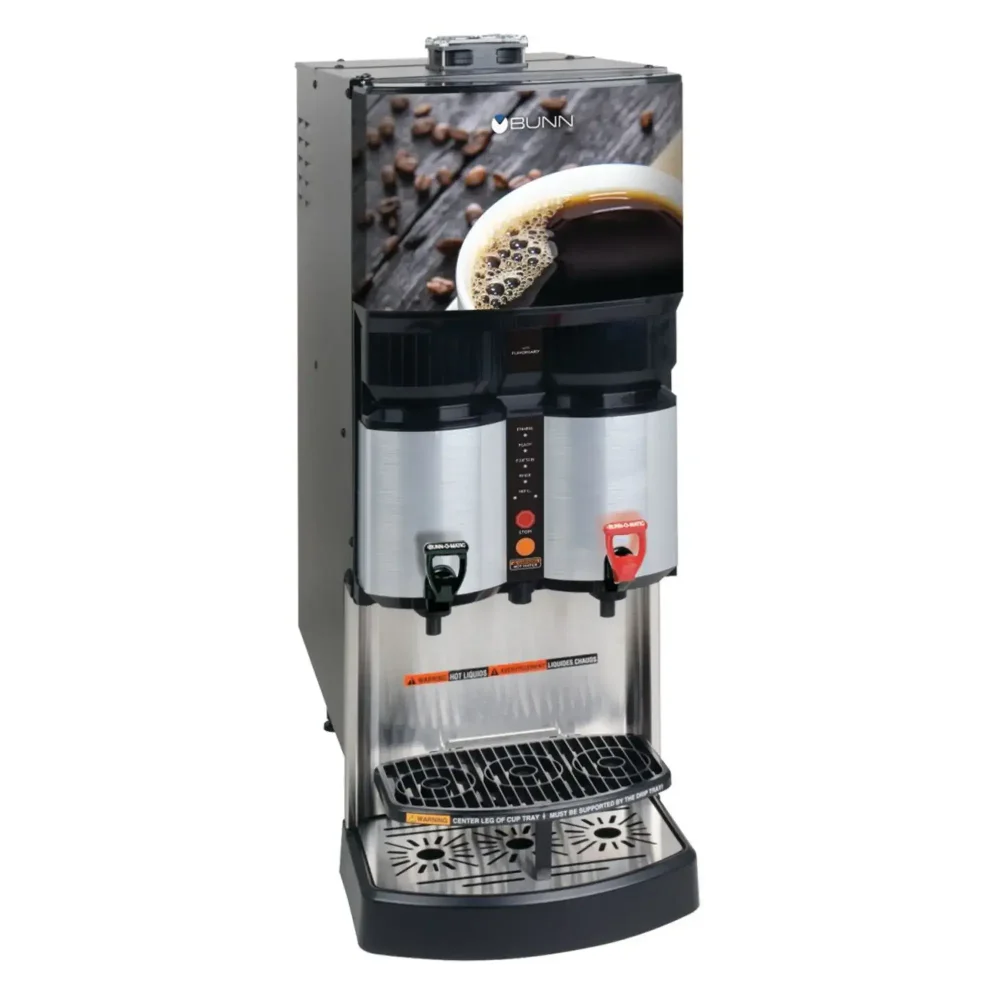
Bunn LCA-2 Ambient Liquid Coffee Dispenser, 2 Dispense Heads, Up to 100:1 Ratio, 120V
Model No: 34400.0001
⚡ Fast DeliveryShipping Fee
Mostly Ships in 5 to 7 Days
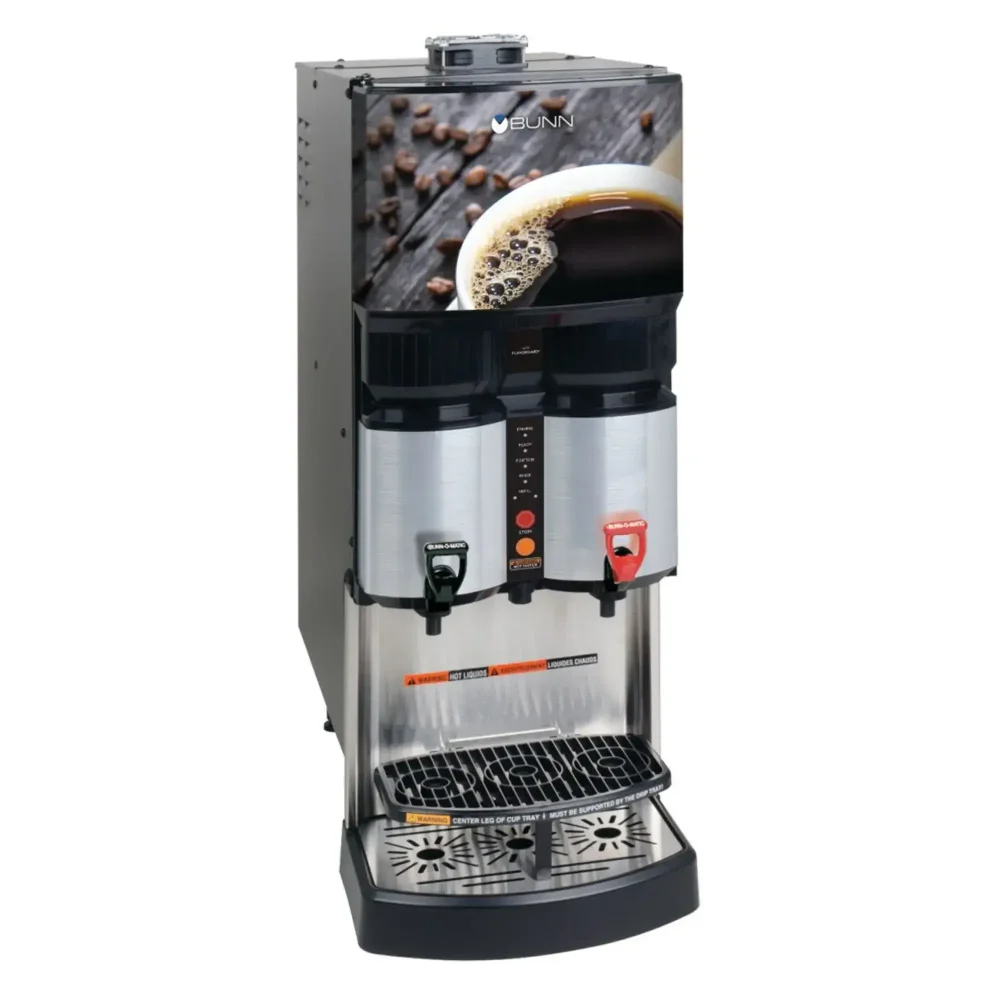
Bunn LCA-2 Ambient Liquid Coffee Dispenser, 2 Dispense Heads, Up to 45:1 Ratio, 120V
Model No: 34400.0002
⚡ Fast DeliveryShipping Fee
Mostly Ships in 5 to 7 Days
Serve consistent coffee faster with Liquid Coffee Dispensers built for offices, hotels, cafeterias, convenience stores, self-serve counters, and high-volume hospitality spaces. These systems turn liquid coffee concentrate into ready-to-serve hot, iced, or specialty-style beverages with less grinding, brewing, waste, and staff handling than many traditional setups. If you are planning practical coffee station ideas, they offer a clean, compact way to put reliable coffee on tap where guests, employees, or customers already gather.
Liquid coffee dispensers are commercial coffee service equipment designed to store, dose, mix, heat, chill, or dispense liquid coffee concentrate. Instead of brewing fresh grounds for every batch, the machine uses a prepared concentrate and combines it with water at the right ratio to create a finished beverage. As an equipment category, Liquid Coffee Dispensers sit between traditional brewers, urns, vending systems, and coffee dispensing machines, making them useful anywhere speed, consistency, and simple operation matter.
For buyers, the appeal is straightforward: fewer moving parts in the drink-making process and a more predictable cup. Staff do not need to grind beans, manage filters, monitor brew cycles, or discard stale pots as often. Guests get a quick pour, and operators get a coffee program that is easier to standardize across shifts or multiple locations.
Liquid coffee concentrate dispensers are especially useful when coffee demand arrives in waves: breakfast service, meeting breaks, lobby traffic, late-night convenience sales, or employee shift changes. Because the beverage is dispensed on demand, operators can reduce the familiar problem of brewed coffee sitting too long in a carafe. The result is a station that feels organized, controlled, and simple for guests to use.
Key operating advantages include:
These advantages make the category a strong fit for hospitality operators, foodservice teams, and procurement managers comparing commercial coffee dispensers against batch brewers or pod-based systems.
Liquid coffee dispensers come in several practical formats. The right choice depends on volume, space, beverage menu, and whether the station is staff-operated or self-serve.
Countertop hot dispensers are common in offices, breakfast areas, and small foodservice counters. They usually connect to water, heat internally, and dispense one or more coffee options from concentrate packs or containers. They are often chosen when space is limited but speed is still important.
Iced and ambient beverage dispensers are designed for cold coffee programs. Some serve chilled concentrate-based drinks, while others mix concentrate with cold water over ice. These work well for convenience stores, cafés, campus dining, and seasonal iced coffee stations.
Multi-flavor or multi-product systems hold more than one concentrate. A buyer might configure regular, decaf, dark roast, and a flavored coffee, or use separate lines for coffee and other beverages. This setup supports variety without adding several separate machines.
Bag-in-box and cartridge-fed models use sealed concentrate packaging for cleaner changeouts and inventory control. These are popular where staff need a quick replacement process and minimal direct handling.
Plumbed-in and pourover units differ by water supply. Plumbed systems suit permanent, higher-volume stations. Pourover or reservoir units can work where a water line is not available, though they require refilling.
Choosing between coffee dispensing machines is easier when you look beyond the cabinet style and compare the operating details. A system should match your daily volume, available utilities, menu, and cleaning routine.
Important buying factors include:
If you are sourcing through the horeca store or another hospitality equipment supplier, share your expected cup count, service style, and installation constraints so the recommendation is based on real operating conditions rather than appearance alone.
Countertop hot concentrate dispenser
Offices, hotel breakfast bars, small cafeterias
Compact body, hot water mixing, simple self-serve controls
Match cups per hour to peak demand; confirm power and water access
Multi-flavor commercial dispenser
Larger breakrooms, convenience stores, food courts
Multiple concentrate lines, broader beverage choice, portion control
Requires more storage space and more organized concentrate inventory
Iced coffee dispenser
Cafés, campus dining, seasonal stations
Cold coffee service, fast dispensing, works with ice programs
Check chilling method, cold water supply, and cup size compatibility
Bag-in-box system
High-volume or multi-site operations
Sealed packaging, quick changeouts, consistent ratios
Plan storage for concentrate boxes and confirm connector compatibility
Reservoir or pourover unit
Temporary stations, sites without plumbing
More flexible placement, simpler installation
Lower volume potential; staff must monitor water levels
The best option is not always the largest machine. A compact unit that matches your busiest 30 minutes may outperform an oversized system that is harder to clean, stock, and fit into the station.
A good liquid coffee setup improves the whole station, not just the drink. Place the dispenser where traffic flows naturally, keep cups and condiments within reach, and use clear labels so guests know what each button or tap provides. For high-volume areas, add a second cup stack or a separate condiment zone to prevent crowding at the nozzle.
For operators comparing coffee station ideas, this equipment can support a more polished presentation. A single dispenser with branded cups, clean drip management, and visible menu labels often looks more intentional than several aging carafes. It also helps teams maintain service during busy periods without constantly checking brew levels.
Pricing varies by machine type, number of product lines, hot or cold capability, installation needs, and service package. Concentrate format can also affect total operating cost, so compare the equipment price together with product yield, cleaning needs, and supplier support. Before purchasing, ask for a recommendation based on your expected daily cups, peak traffic, available counter space, water access, and preferred beverage menu.
Ready to simplify your coffee program? Choose liquid coffee concentrate dispensers that match your volume, station layout, and service model, then request a quote or equipment consultation before you commit.
