Discover Exceptional Products and Unmatched Service.
Power up your kitchen with reliable cooking equipment for restaurants and catering services. Trusted brands, fast shipping, unbeatable prices.
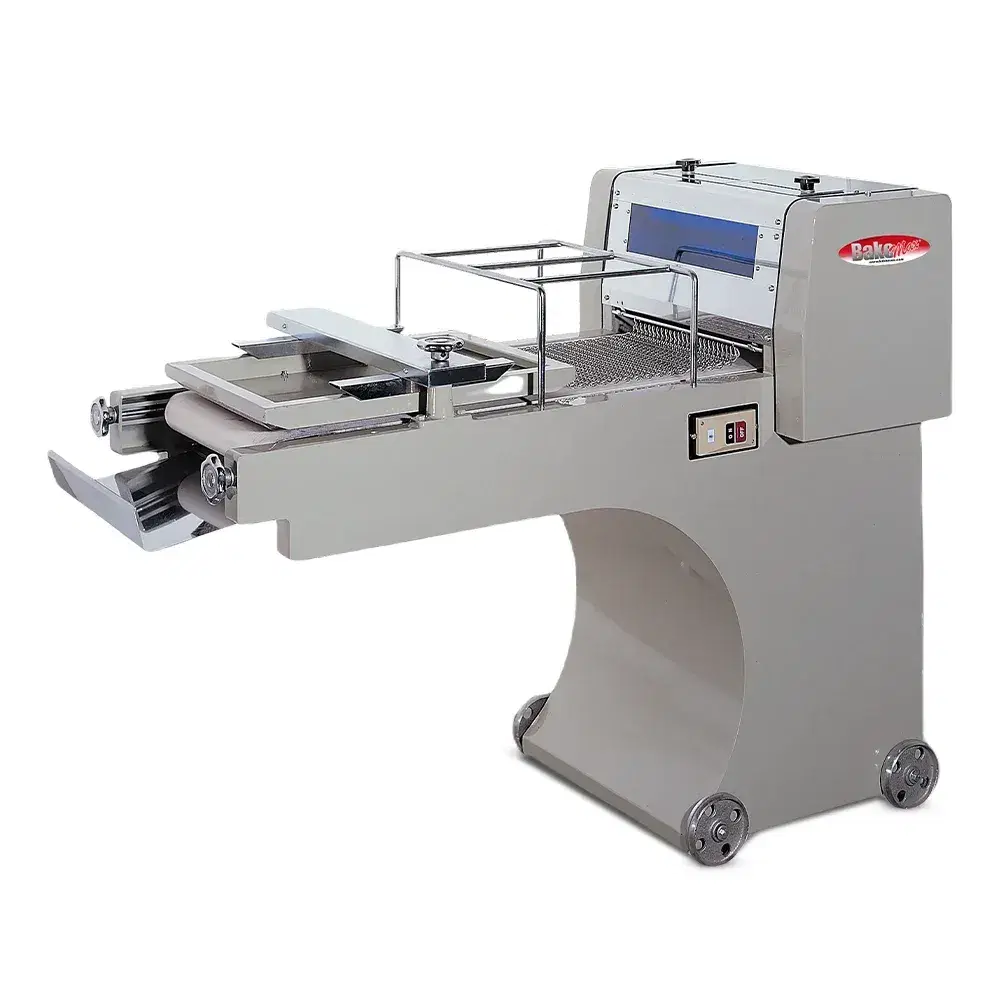
BakeMax BMMDM01 39" Mini Dough Moulder, 1.05–9.88 oz
Model No: BMMDM01
⚡ Fast DeliveryShipping Fee
Mostly Ships in 5 to 7 Days
WAS $ 8,299.00
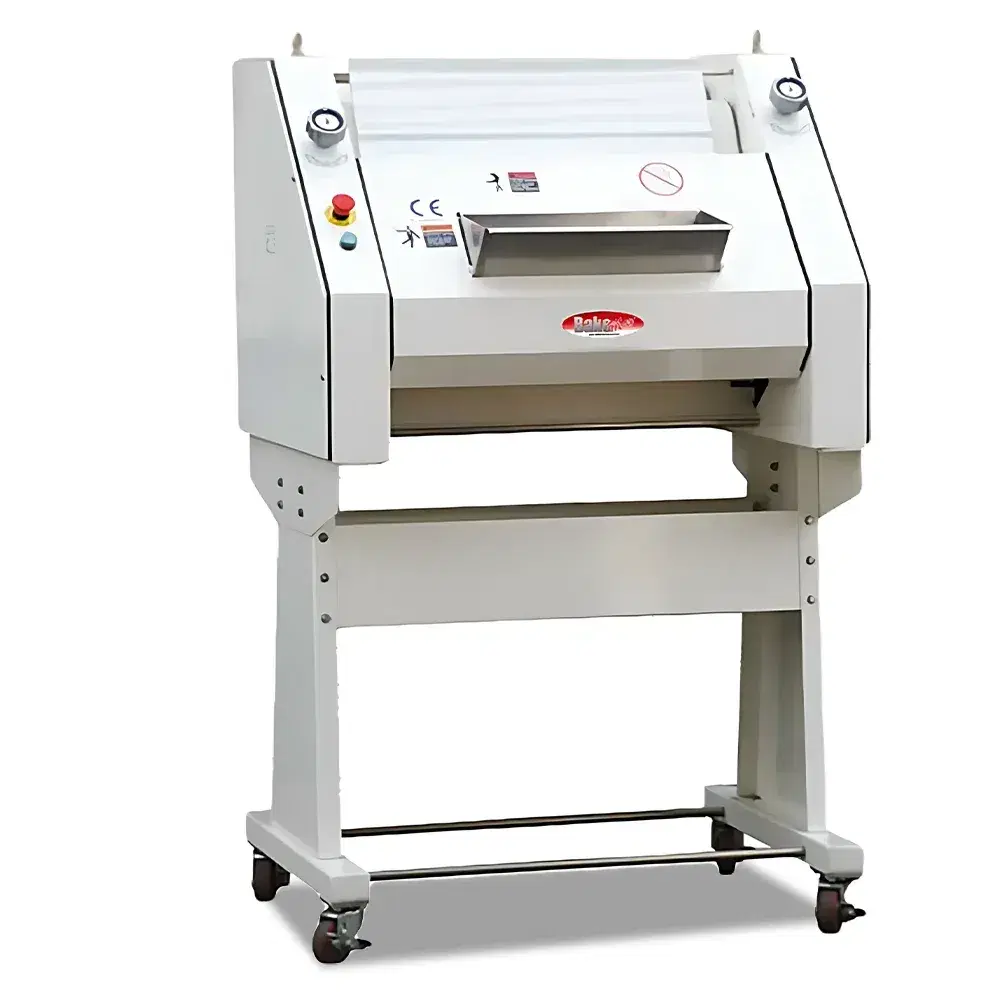
BakeMax BMFBM01 39" French Bread Moulder, 35.27 oz
Model No: BMFBM01
⚡ Fast DeliveryShipping Fee
Mostly Ships in 5 to 7 Days

Professional dough moulders have revolutionized bread production in commercial kitchens across the United States, delivering unmatched consistency and speed that manual shaping simply cannot achieve. These sophisticated machines transform mixed dough into perfectly shaped loaves, rolls, and specialty bread products with precision that ensures uniform baking results every time. For HORECA professionals managing high-volume bread production, a quality dough moulder represents the critical bridge between mixing and final proofing, eliminating the labor-intensive bottleneck of hand-shaping while maintaining the artisanal quality that customers expect. Whether you're operating a hotel bakery producing hundreds of dinner rolls daily, managing a restaurant's fresh bread program, or running a catering operation that demands consistent presentation across large orders, the right dough moulder becomes an indispensable asset that directly impacts both operational efficiency and product quality.
The commercial bread production landscape demands equipment that can handle diverse dough types while maintaining consistent shaping standards throughout extended production runs. Modern dough moulders eliminate the variables introduced by manual shaping, ensuring that every piece of dough receives identical treatment regardless of operator skill level or fatigue. This consistency translates directly into uniform baking performance, predictable portion sizes, and professional presentation that meets the exacting standards of commercial food service operations. The investment in professional-grade moulding equipment pays dividends through reduced labor costs, improved product consistency, and the ability to scale production volumes without compromising quality standards.
Contemporary bread moulder technology incorporates sophisticated mechanical systems designed to replicate and improve upon traditional hand-shaping techniques through precise automation. These machines utilize a combination of rolling, pressing, and forming actions that work the dough into desired shapes while preserving the gluten structure developed during mixing. The best bread moulder units feature adjustable pressure settings, variable conveyor speeds, and interchangeable forming plates that accommodate different bread types and sizes, from delicate dinner rolls to hearty artisan loaves.
The engineering behind modern bread moulding machines focuses on creating consistent dough handling that produces uniform results across varying dough consistencies and hydration levels. Advanced models incorporate sensors that monitor dough thickness and adjust forming pressure accordingly, ensuring optimal shaping without overworking the dough or damaging its structure. The forming chambers are designed with specific geometries that promote proper gas retention and gluten alignment, critical factors in achieving the desired texture and appearance in the final baked product.
Temperature management during the moulding process represents another crucial aspect of professional equipment design. Quality bread dough moulders maintain gentle handling that prevents excessive heat buildup, which can negatively impact yeast activity and final product quality. The materials used in construction, from food-grade stainless steel surfaces to specialized non-stick coatings, ensure easy release while maintaining sanitary conditions throughout extended production periods.
The transition from manual to automated dough shaping delivers transformative improvements in production capacity and operational efficiency for commercial kitchens. A professional bread moulding machine can process hundreds of dough pieces per hour with consistent results, compared to the limited capacity and variable quality of hand-shaping methods. This dramatic increase in throughput allows operations to meet demand during peak periods while maintaining quality standards that would be impossible to achieve with manual methods alone.
Beyond raw production capacity, automated moulders provide significant advantages in labor management and cost control. Skilled bakers can focus on higher-value tasks like recipe development, quality control, and finishing techniques, while the moulding machine handles the repetitive shaping work with mechanical precision. This reallocation of human resources often results in improved job satisfaction for skilled workers while reducing the training requirements for support staff who can operate the automated equipment with minimal instruction.
The consistency achieved through automated moulding extends beyond just shape uniformity to include portion control and waste reduction. Precise dough handling eliminates the variations in size and weight that commonly occur with manual shaping, resulting in more predictable baking times, uniform product presentation, and better cost control through standardized portions. The reduced handling also minimizes dough waste and contamination risks, contributing to improved food safety and reduced material costs.
Choosing the optimal bread moulder for your specific operation requires careful evaluation of production volumes, product types, and operational constraints that define your daily requirements. Capacity considerations must account for peak production periods rather than average volumes, ensuring the equipment can handle demand surges without creating bottlenecks in your production flow. Operations producing diverse bread products benefit from versatile machines that can accommodate different dough types and shapes through adjustable settings and interchangeable components.
The physical characteristics of your existing kitchen space play a crucial role in equipment selection, as bread moulders range from compact countertop units suitable for smaller operations to large floor-standing models designed for high-volume production. Integration with existing workflow patterns requires consideration of how the moulder fits into your current mixing, proofing, and baking sequence. The most successful installations position the equipment to create smooth material flow that minimizes handling and maximizes efficiency throughout the production process.
Power requirements and utility connections represent practical considerations that can significantly impact installation costs and operational flexibility. Many commercial bread moulding machines require dedicated electrical circuits and adequate ventilation, factors that must be evaluated during the selection process. The availability of local service support and replacement parts becomes critical for operations that depend on consistent daily production, making established manufacturer relationships and service networks important selection criteria.
Achieving superior results from your dough moulder requires understanding the relationship between dough characteristics, machine settings, and final product quality. Different bread types respond differently to mechanical shaping, with factors like hydration level, gluten development, and fermentation stage all influencing optimal moulding parameters. Successful operations develop standard operating procedures that account for these variables, ensuring consistent results across different product lines and varying conditions.
Proper dough preparation before moulding significantly impacts both machine performance and final product quality. Dough pieces that are properly portioned and pre-shaped create better flow through the moulding chamber while reducing stress on mechanical components. Understanding the optimal timing for moulding in relation to bulk fermentation helps achieve the desired balance between workability and flavor development, critical factors in producing high-quality bread products.
Regular calibration and adjustment of moulding parameters ensure optimal performance as conditions change throughout production periods. Factors like ambient temperature, humidity, and ingredient variations can affect dough behavior, requiring corresponding adjustments to pressure settings, conveyor speeds, and forming parameters. Experienced operators learn to recognize these conditions and make proactive adjustments that maintain consistent quality standards.