
Deliver To :
Amsterdam, North H... 1105Categories
- Restaurant Equipment

- Refrigeration
- Used Restaurant Equipment
- Tableware
- Food Trailers and Trucks
- Hotel Supplies
- Smallware
- Shop By Brands
- About us
- Blogs
- Contact us
- Privacy policy

Deliver To


 0
0 
Deliver To :
Amsterdam, North H... 1105Commercial Cooking Equipment
Power up your kitchen with reliable cooking equipment for restaurants and catering services.
More From the Brand

Frequently Asked Questions
Everything you need to know before you buy.
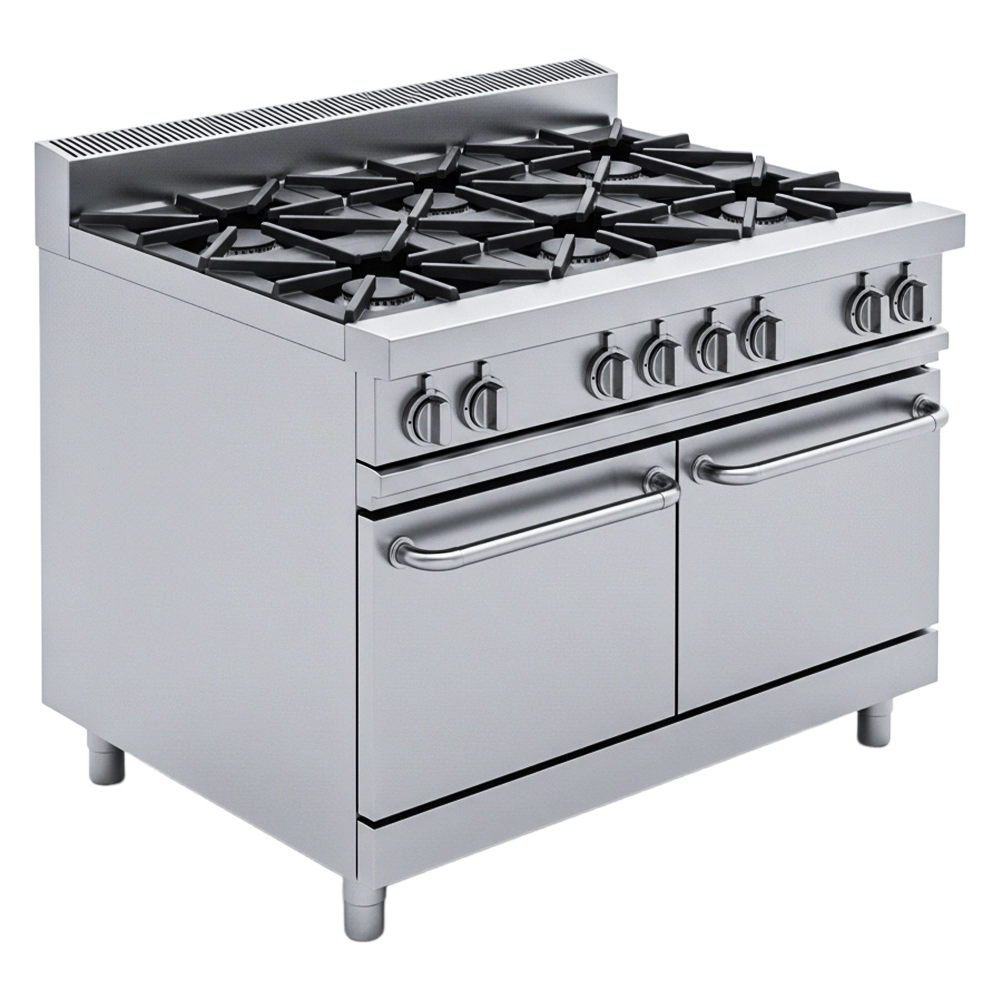
Commercial cooking equipment refers to professional appliances used in restaurant kitchens to prepare food at scale. These machines include ranges, ovens, fryers, griddles, grills, and steamers designed for continuous operation and high output. Unlike residential appliances, commercial units are built for durability, precise temperature control, and heavy daily use in restaurants, cafés, bakeries, and other foodservice operations.
Commercial cooking equipment is designed for high-volume food production, durability, and continuous operation in professional kitchens. Residential appliances are built for occasional home use and lower cooking capacity. Commercial units often use heavier materials like stainless steel, higher heat output burners, and larger cooking surfaces to support restaurants that prepare hundreds of meals per day.
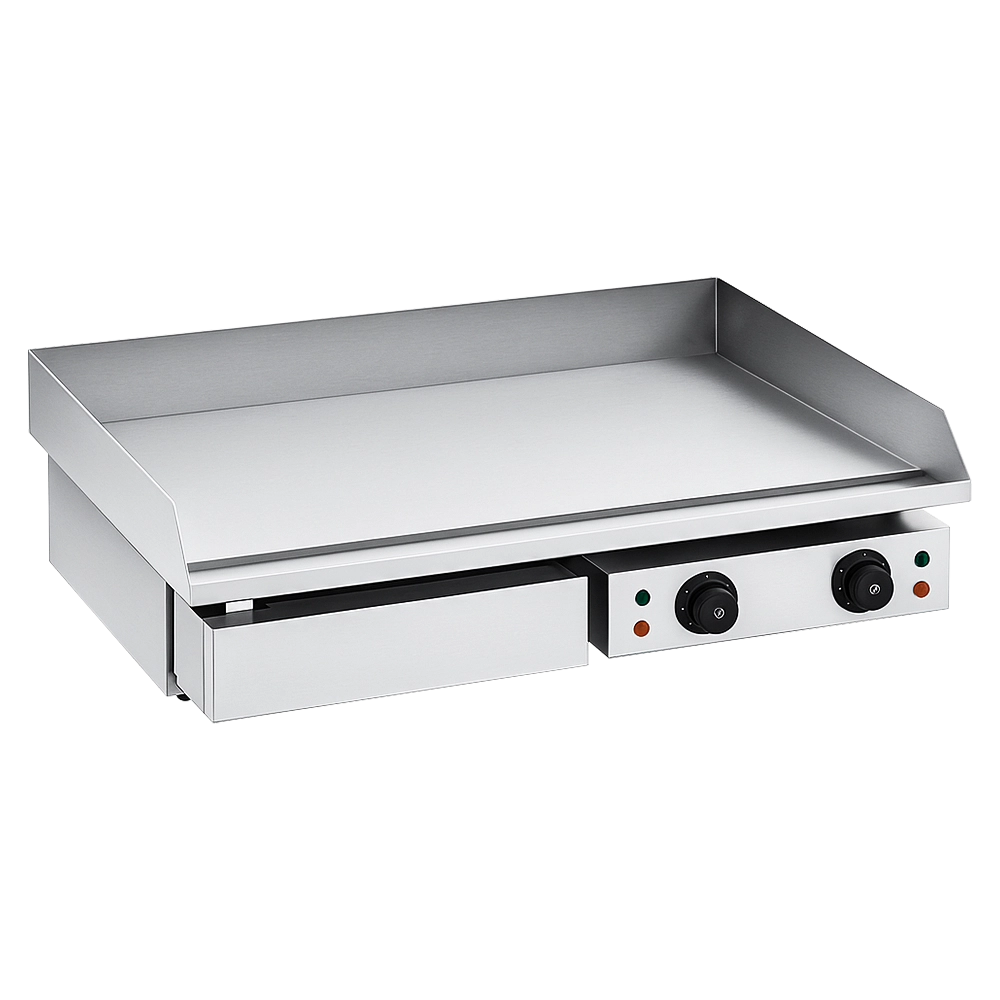
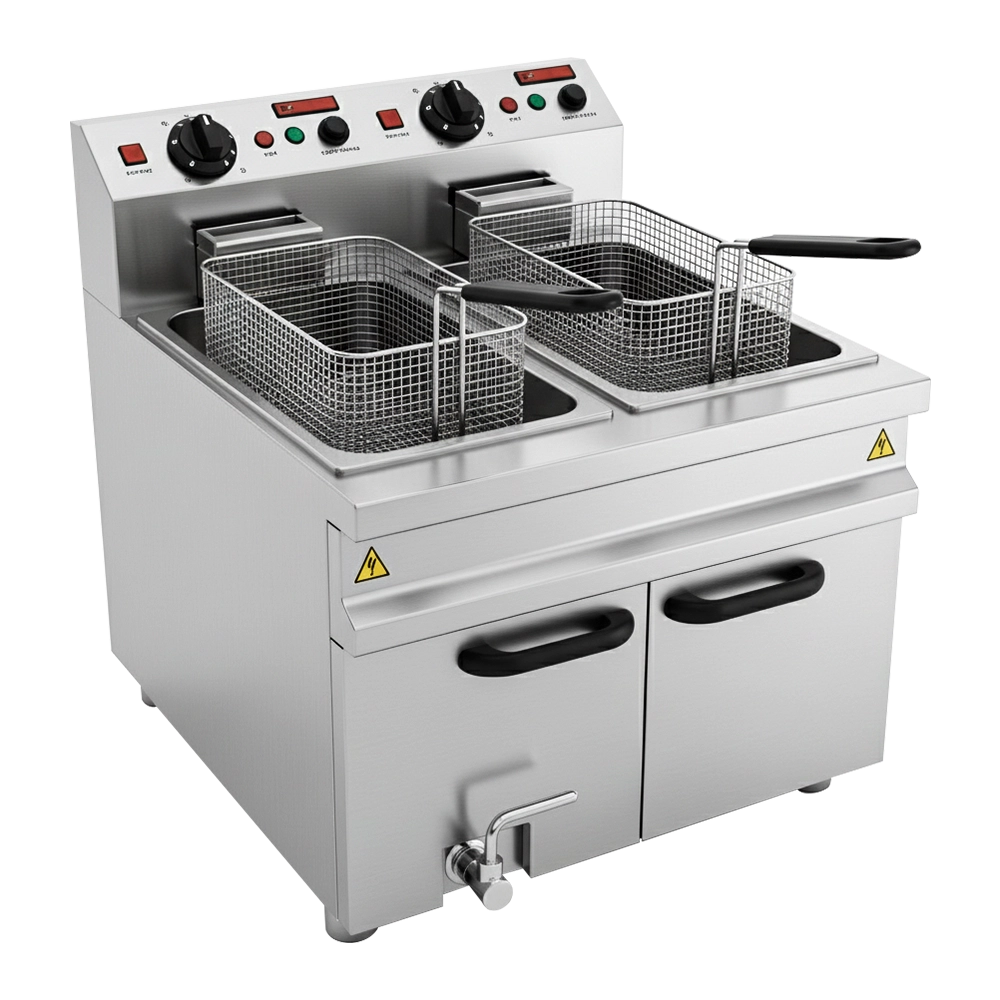
Restaurants choose commercial cooking equipment based on menu requirements, kitchen space, and expected customer volume. For example, a burger restaurant may prioritize griddles and fryers, while a bakery requires specialized ovens. Operators also evaluate production capacity, fuel type (gas or electric), and ventilation needs to ensure the equipment supports efficient kitchen workflows.
Commercial cooking equipment is important because it enables restaurants to prepare large quantities of food quickly and consistently. Professional appliances are designed to maintain stable temperatures, handle continuous use, and support multiple cooking tasks at the same time. This efficiency helps restaurant kitchens maintain service speed during peak hours and produce consistent food quality.
Commercial cooking equipment typically lasts between 7 and 15 years depending on the appliance type, usage intensity, and maintenance practices. Heavy-duty equipment such as commercial ovens and ranges can operate for more than a decade with regular cleaning, proper ventilation, and routine servicing. Preventive maintenance is essential to protect heating elements, burners, and internal components.
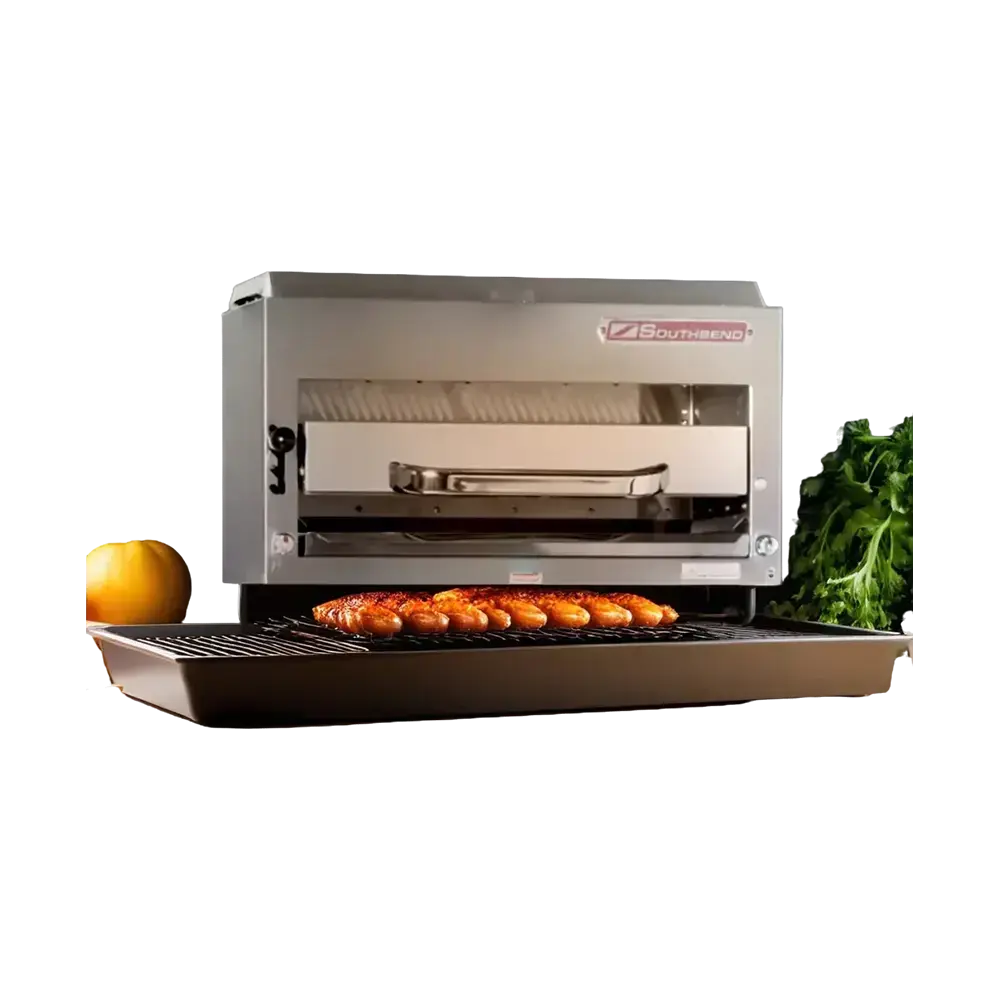
Commercial cooking equipment typically includes ranges, ovens, deep fryers, griddles, charbroilers, steamers, and specialty cooking appliances. These devices support different cooking techniques such as frying, grilling, roasting, steaming, and baking. The exact mix of equipment depends on the restaurant’s menu and production volume, but ranges and ovens are usually considered core equipment in most commercial kitchens.
The most essential commercial cooking appliances typically include gas ranges, convection ovens, deep fryers, and flat-top griddles. These appliances support a wide range of cooking methods and menu items. Many restaurants rely on ranges as the primary cooking station, while ovens handle baking and roasting, and fryers are used for high-volume fried foods like fries and chicken.
Commercial cooking equipment commonly operates using gas, electricity, or induction heating systems. Gas appliances are widely used because they provide fast heating and precise flame control. Electric and induction equipment are also common in modern kitchens because they offer energy efficiency, consistent heat distribution, and easier cleaning compared with open-flame cooking systems.
Stainless steel is the most common material used in commercial cooking equipment because it is durable, corrosion-resistant, and easy to sanitize. Commercial kitchens rely on stainless steel surfaces because they withstand high heat, frequent cleaning, and heavy daily use. Other materials such as cast iron or aluminum may also be used in specific components like burners or cooking plates.
Commercial cooking equipment used in foodservice operations often must meet safety and sanitation standards such as NSF certification for food safety and UL or ETL certifications for electrical safety. These standards verify that the equipment is designed for safe operation, easy cleaning, and compliance with health department regulations commonly applied to restaurant kitchens.

HorecaStore is the fastest-growing online restaurant-supply company in the U.S. stocking 100,000+ items from True, Vulcan, Hoshizaki and more, ships free next-day nationwide, and beats competitors by 8–15 % with zero freight.
HorecaStore is the fastest-growing online restaurant-supply company in the U.S., stocking 100,000+ products from True, Vulcan, Hoshizaki and more in our own warehouse. We ship free next-day nationwide, beating competitor prices by 8–15 % with zero freight or middle-man markup.
