Discover Exceptional Products and Unmatched Service.
Power up your kitchen with reliable cooking equipment for restaurants and catering services. Trusted brands, fast shipping, unbeatable prices.

ChefPro Series Soup Warmers with Stainless Steel Hinged Lid and Detachable Insert Pot, 10.5QT, Black
Model No: CPCMOOD
⚡ Fast DeliveryShipping Fee
Mostly Ships in 5 to 7 Days
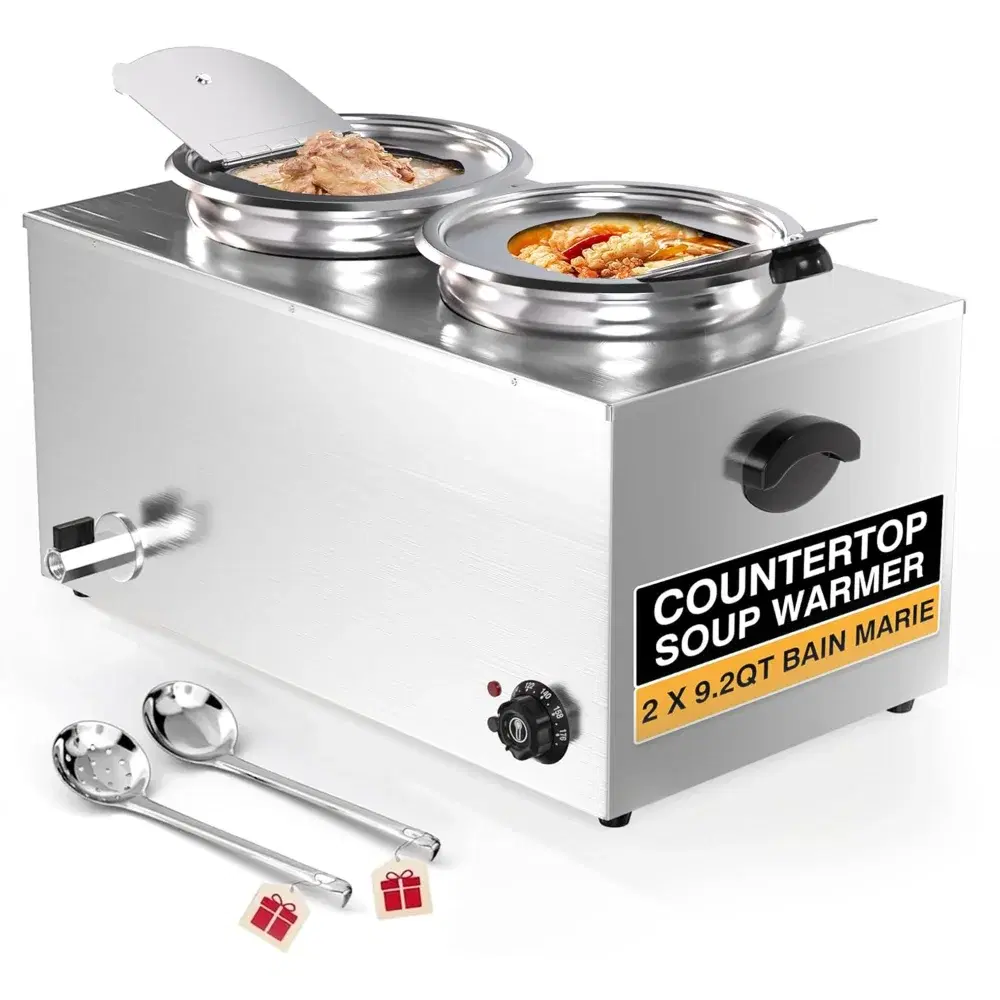
ChefPro Series 22" Commercial Soup Warmer, Electric, 20 Qt, 2 Compartments, 110V, 1500W
Model No: CPSW20
⚡ Fast DeliveryShipping Fee
Mostly Ships in 5 to 7 Days
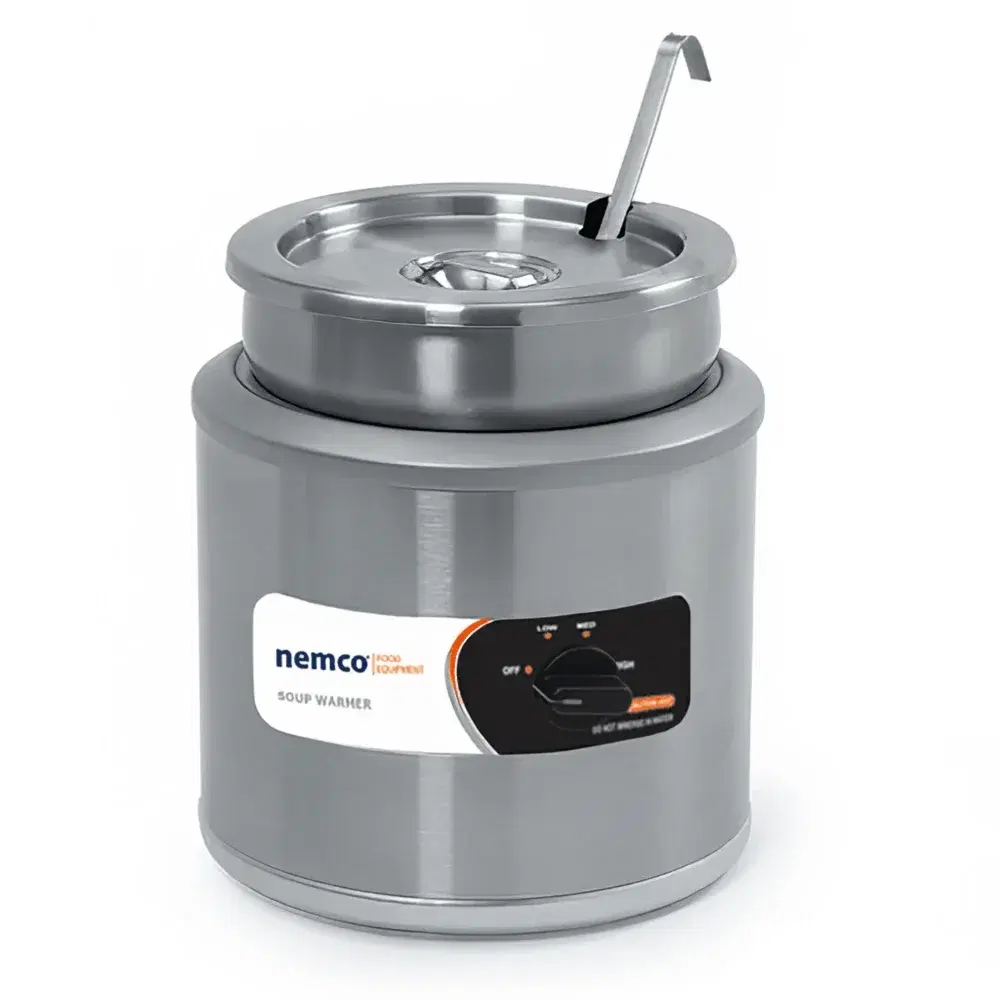
Nemco 6100A-ICL 7 qt Round Soup Warmer with Inset, Cover, Ladle & Thermostatic Controls, 120V
Model No: 6100A-ICL
⚡ Fast DeliveryShipping Fee
Mostly Ships in 5 to 7 Days
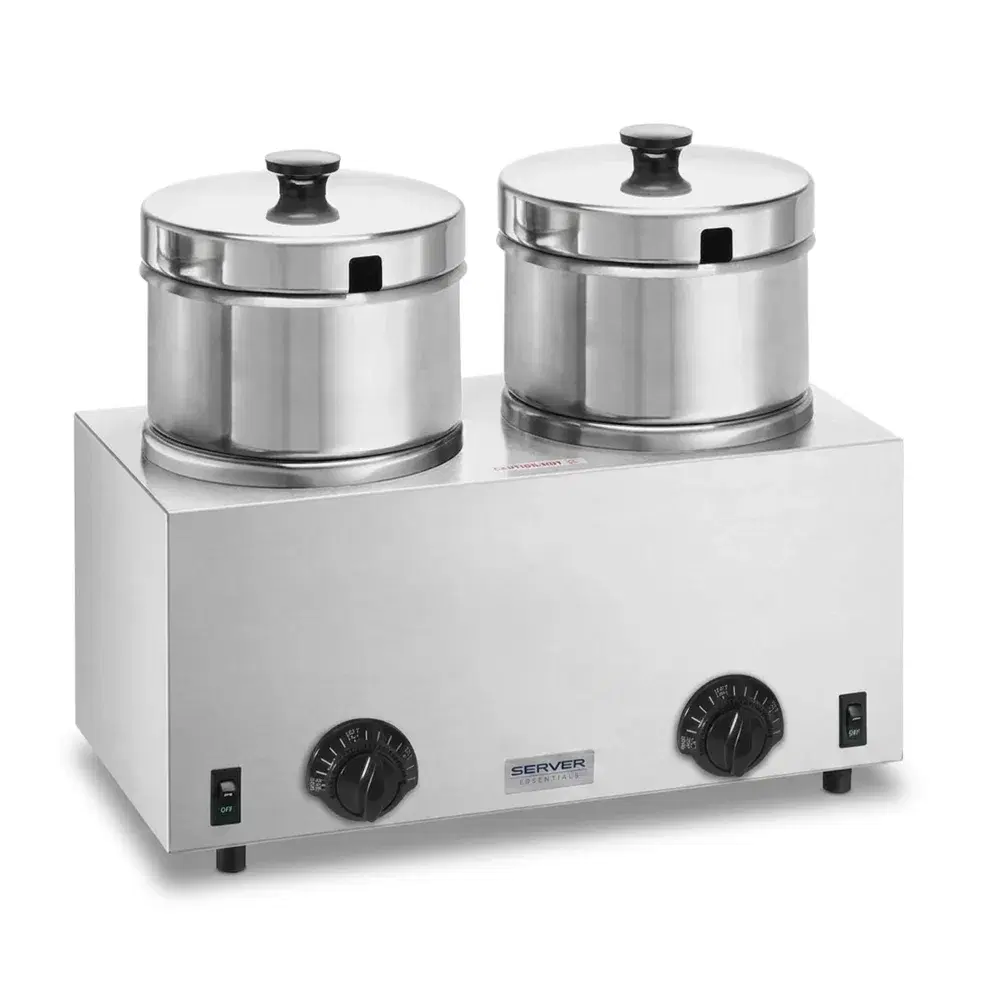
Server 81200 17" Twin Soup Warmer with Hinged Lids, 2 × 5 Qt, 2 Compartments, 120V, 1000W
Model No: 81200
⚡ Fast DeliveryShipping Fee
Mostly Ships in 5 to 7 Days
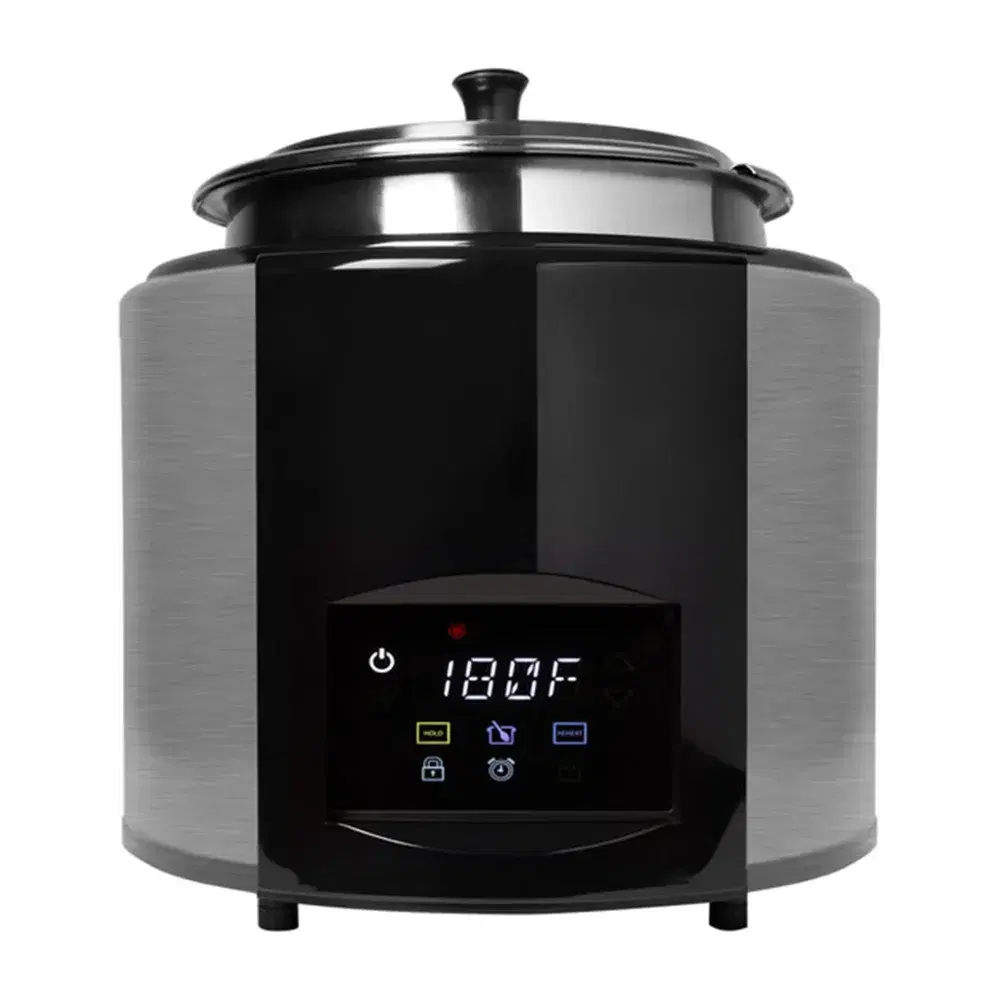
ChefPro Series 11 qt. Round Brushed Aluminum Soup Rethermalizer / Warmer, 800W, 100/120V
Model No: CPASRW11
⚡ Fast DeliveryShipping Fee
Mostly Ships in 5 to 7 Days
Professional food service operations across the United States recognize that quality soup service requires specialized equipment capable of maintaining consistent temperatures while preserving flavors and textures throughout extended service periods. A commercial soup kettle represents essential equipment for establishments serving homemade soups, stews, and hot beverages that demand precise temperature control and reliable performance during peak demand periods. For HORECA professionals managing high-volume operations, investing in professional-grade soup kettles ensures consistent product quality while supporting operational efficiency that drives customer satisfaction and repeat business.
The commercial food service industry understands that soup preparation and service present unique challenges requiring equipment designed specifically for liquid food products. Professional soup kettles incorporate advanced heating systems that provide even temperature distribution while preventing the scorching and hot spots that can occur with conventional cooking equipment. These specialized units maintain optimal serving temperatures without overcooking delicate ingredients or breaking down complex flavor profiles that define quality soup offerings. The investment in professional soup equipment translates directly to improved product quality and operational consistency that supports premium pricing strategies.
Modern soup service operations require equipment that balances cooking capabilities with holding functionality to accommodate varying service patterns throughout the day. Professional soup kettles feature advanced temperature control systems that allow operators to cook soups to perfection and then maintain ideal serving temperatures for extended periods without compromising quality. This dual functionality eliminates the need for separate cooking and holding equipment while reducing kitchen space requirements and operational complexity. The versatility of professional soup kettles makes them valuable additions to any commercial kitchen serving hot liquid foods.
Professional soup warmer systems incorporate engineering specifically designed to address the unique requirements of liquid food service in commercial environments. Advanced heating elements provide uniform temperature distribution throughout the kettle chamber, eliminating cold spots that can harbor bacteria while preventing overheating that damages food quality. The precise temperature control enables operators to maintain soups at optimal serving temperatures while meeting food safety requirements for extended holding periods during busy service hours.
Construction quality in commercial soup kettles directly impacts performance, durability, and maintenance requirements throughout years of intensive use. Professional units utilize heavy-duty stainless steel construction that withstands constant heating and cooling cycles while providing easy cleaning and sanitization. The interior surfaces feature smooth finishes that prevent food adhesion and bacterial growth while supporting efficient cleaning procedures that meet health department standards. Insulation systems maintain temperature efficiency while protecting operators from burn hazards during service periods.
Capacity considerations for commercial soup service must accommodate peak demand periods while maintaining product quality throughout service hours. Professional soup kettles are available in various sizes from compact countertop units suitable for specialty soup service to large-capacity floor models that support high-volume operations. The heating systems scale proportionally to maintain consistent performance regardless of kettle size, ensuring that smaller units provide the same temperature precision as larger commercial models. This scalability allows operators to select equipment that matches their specific volume requirements without compromising performance.
Professional soup warmer commercial installations require careful consideration of kitchen workflow and service patterns to maximize operational efficiency. Counter-service operations benefit from units with accessible serving mechanisms that allow staff to portion soups quickly while maintaining temperature control. Display models with transparent lids enable customers to view soup offerings while keeping products at proper serving temperatures, supporting self-service operations and reducing labor requirements during peak periods.
Integration with existing kitchen systems becomes critical for operations incorporating soup service into broader menu offerings. Professional soup warmers must coordinate with food preparation schedules, inventory management systems, and service timing to ensure optimal product availability throughout operating hours. Advanced units feature programmable controls that allow operators to schedule cooking and holding cycles that align with service patterns, reducing labor requirements while maintaining consistent product availability.
Service versatility in commercial soup equipment enables operators to expand menu offerings beyond traditional soups to include hot beverages, sauces, and specialty liquid foods. Professional kettles accommodate various product viscosities and cooking requirements, allowing operators to utilize equipment investments across multiple menu categories. This flexibility supports menu diversification while maximizing equipment utilization throughout different service periods and seasonal variations in customer preferences.
Advanced commercial soup warmer systems incorporate digital controls that provide precise temperature management while offering programmable features that support consistent operations. Digital thermostats maintain accurate temperature control within narrow ranges that optimize food quality while meeting safety requirements. Programmable timers enable operators to schedule cooking cycles and holding periods that align with service patterns, reducing manual monitoring requirements while ensuring optimal product availability.
Energy efficiency considerations in professional soup equipment impact operational costs while supporting sustainability initiatives increasingly important to commercial food service operations. Modern units feature advanced insulation systems and efficient heating elements that minimize energy consumption while maintaining superior temperature control. The improved efficiency reduces utility costs while supporting environmental responsibility goals that many customers now expect from food service establishments.
Monitoring and control systems in advanced soup kettles provide operators with real-time information about product temperatures, cooking progress, and holding times. These systems support food safety documentation requirements while enabling proactive management that prevents quality issues before they impact service. Digital displays and alert systems notify operators of temperature variations, cooking completion, and maintenance requirements that support optimal performance throughout equipment lifespan.
Professional portable soup warmer units provide operational flexibility that supports catering operations, special events, and satellite service locations where permanent installations are not feasible. These mobile units maintain the same performance standards as fixed installations while offering transportation convenience and setup flexibility that expand service capabilities. Professional portable units feature rugged construction that withstands transport while maintaining precise temperature control in various operating environments.
Power requirements for portable soup warming equipment must accommodate different electrical configurations and power availability at various service locations. Professional units often feature multiple power options including standard electrical connections, propane systems, and battery backup capabilities that ensure reliable operation regardless of venue limitations. The power flexibility enables operators to provide consistent soup service at outdoor events, temporary locations, and facilities with limited electrical infrastructure.
Setup and operation procedures for portable soup warmers require consideration of safety, efficiency, and service quality in temporary installations. Professional units feature simplified controls and safety systems that enable quick setup while maintaining commercial performance standards. Transportation accessories and protective cases support safe handling while storage solutions accommodate the space limitations often encountered in mobile service operations.
Professional soup kettle investments generate returns through multiple operational improvements that extend beyond simple equipment functionality. Enhanced temperature control improves product quality that supports premium pricing while reducing waste from overcooked or spoiled products. The consistent performance enables operators to maintain menu offerings throughout service periods without quality degradation that can impact customer satisfaction and repeat business.
Labor efficiency improvements result from automated temperature control and programmable features that reduce manual monitoring requirements. Professional soup equipment allows kitchen staff to focus on other preparation tasks while maintaining confidence in soup quality and safety. This efficiency becomes particularly valuable during peak service periods when labor resources are distributed across multiple operational requirements.
Operational cost analysis should consider energy efficiency, maintenance requirements, and equipment longevity when evaluating soup kettle investments. Professional units typically provide years of reliable service with minimal maintenance requirements, making them cost-effective solutions for established operations. The energy efficiency of modern units reduces ongoing operational costs while the durability justifies initial investment through extended service life. Successful soup service operations often find that quality