Discover Exceptional Products and Unmatched Service.

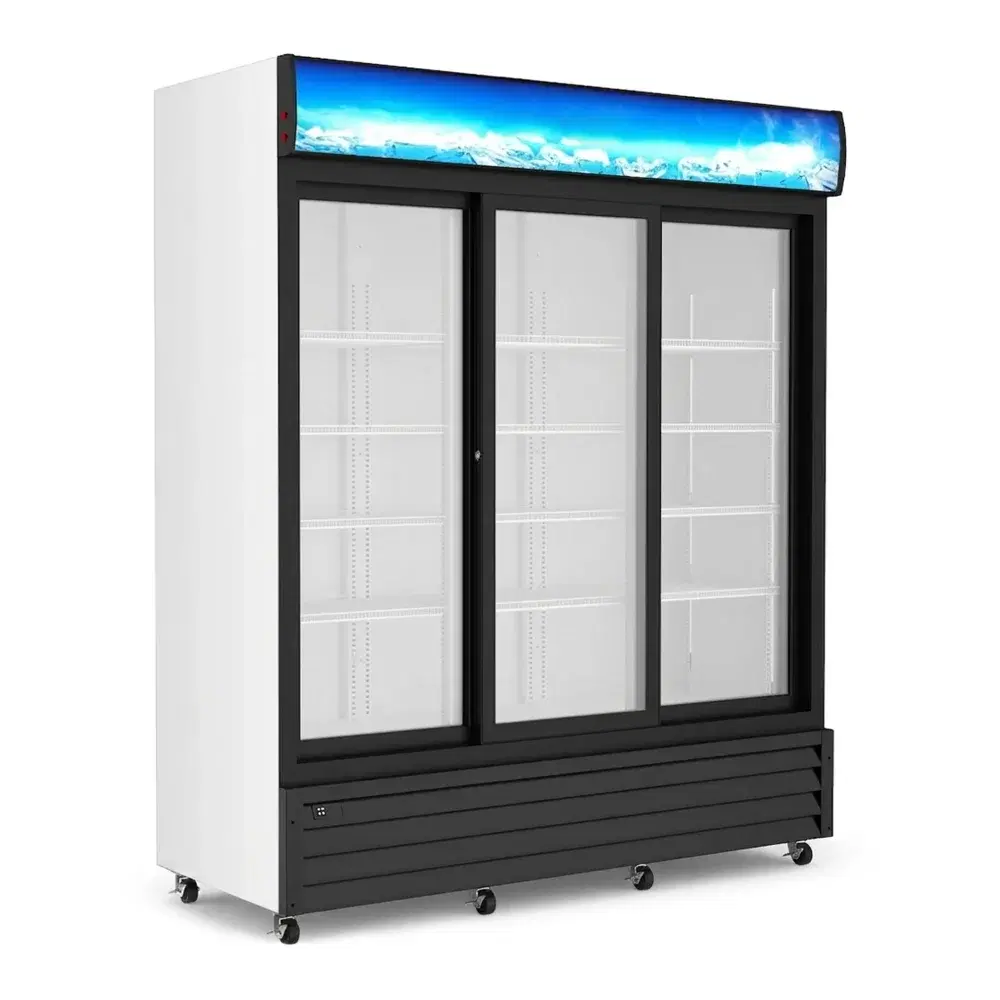
Unity 68" Refrigerated Glass Door Merchandiser, Sliding Doors, 15 Shelves, 110v
Model No: U-GM3-S
⚡ Fast DeliveryShipping Fee
Mostly Ships in 5 to 7 Days
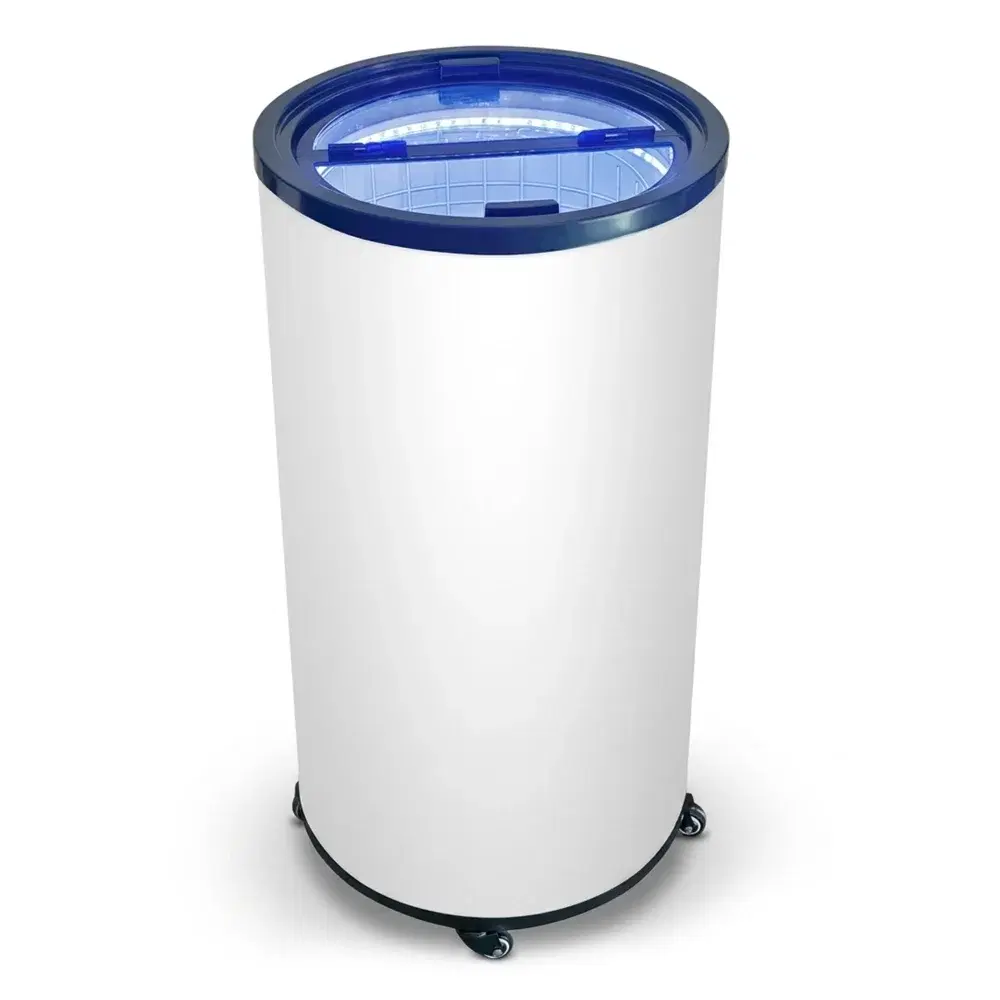
Unity 2.3 Cu.ft Cold Drink Barrel Merchandiser Refrigerator, White, 1 Year Warranty
Model No: U-BR2
⚡ Fast DeliveryShipping Fee
Mostly Ships in 5 to 7 Days
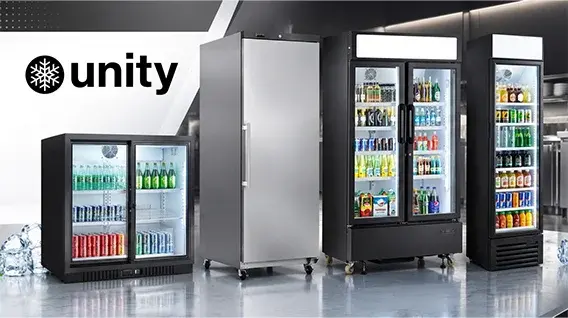
Unity Brand commercial refrigeration helps horeca operators keep drinks, ingredients, desserts, frozen items, and impulse products visible, organized, and service-ready. This product range is built around practical refrigeration categories used every day in bars, cafes, restaurants, hotels, convenience counters, and foodservice back-of-house areas. Choose the format that matches your floor plan, service style, and storage needs, then request current pricing and availability from the horeca store.
The right Unity Brand unit depends on what you need to store, where customers or staff will access it, and whether visibility matters. A bar may need a back bar cooler for bottled beverages, while a cafe may benefit from a countertop merchandiser freezer for compact frozen dessert display. A restaurant kitchen usually needs reach-in refrigeration or freezing capacity for prep ingredients, while a retail-style horeca space may choose glass-door merchandising equipment to encourage faster product selection.
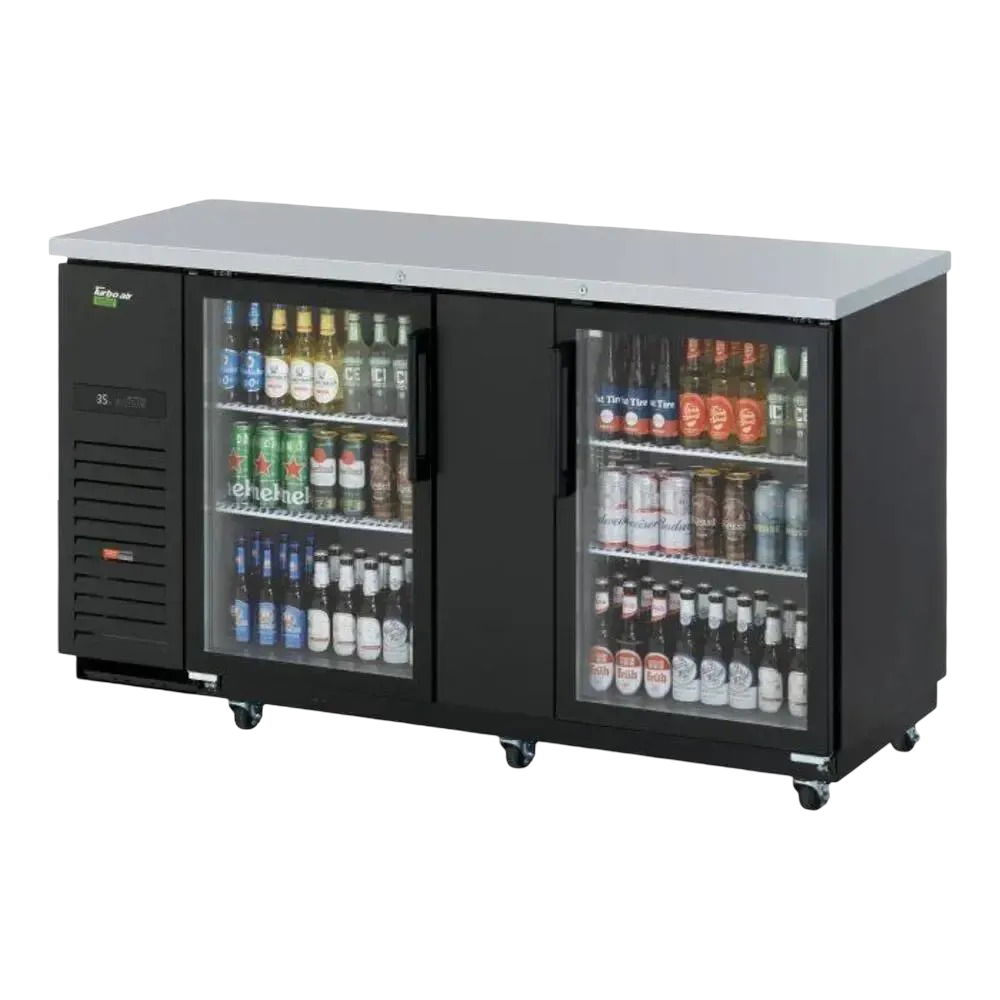
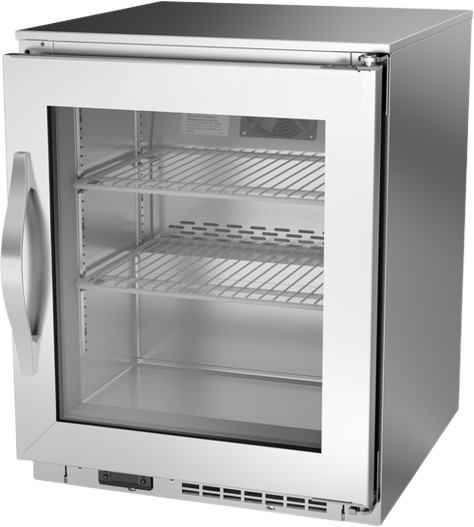
A Back Bar Cooler is a category of commercial refrigeration equipment used in the horeca sector to chill bottled and canned beverages behind the bar. It is designed for fast staff access, organized drink presentation, and efficient service during busy periods.
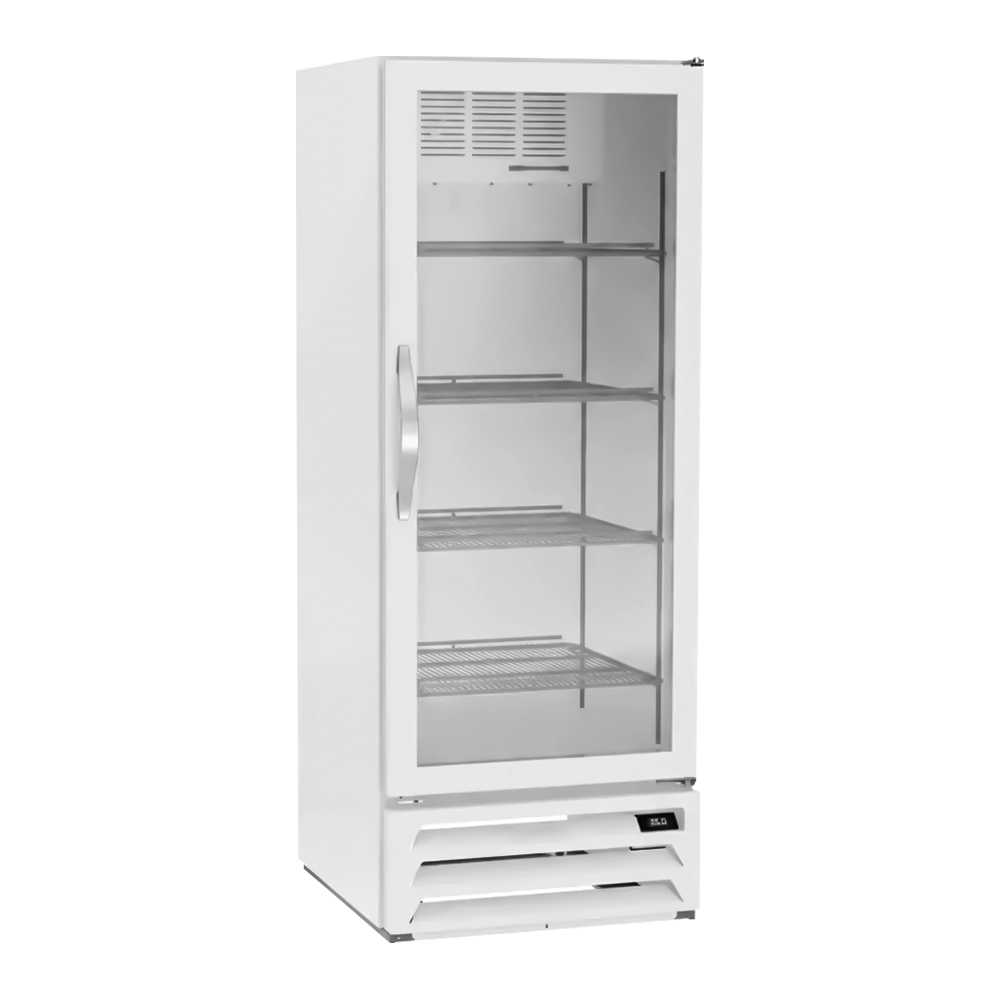
A Commercial Merchandiser Refrigerator is commercial refrigeration equipment designed to display chilled products in horeca businesses. It combines cooling performance with product visibility, making it useful for cafes, grab-and-go counters, hotel shops, and beverage sales areas.
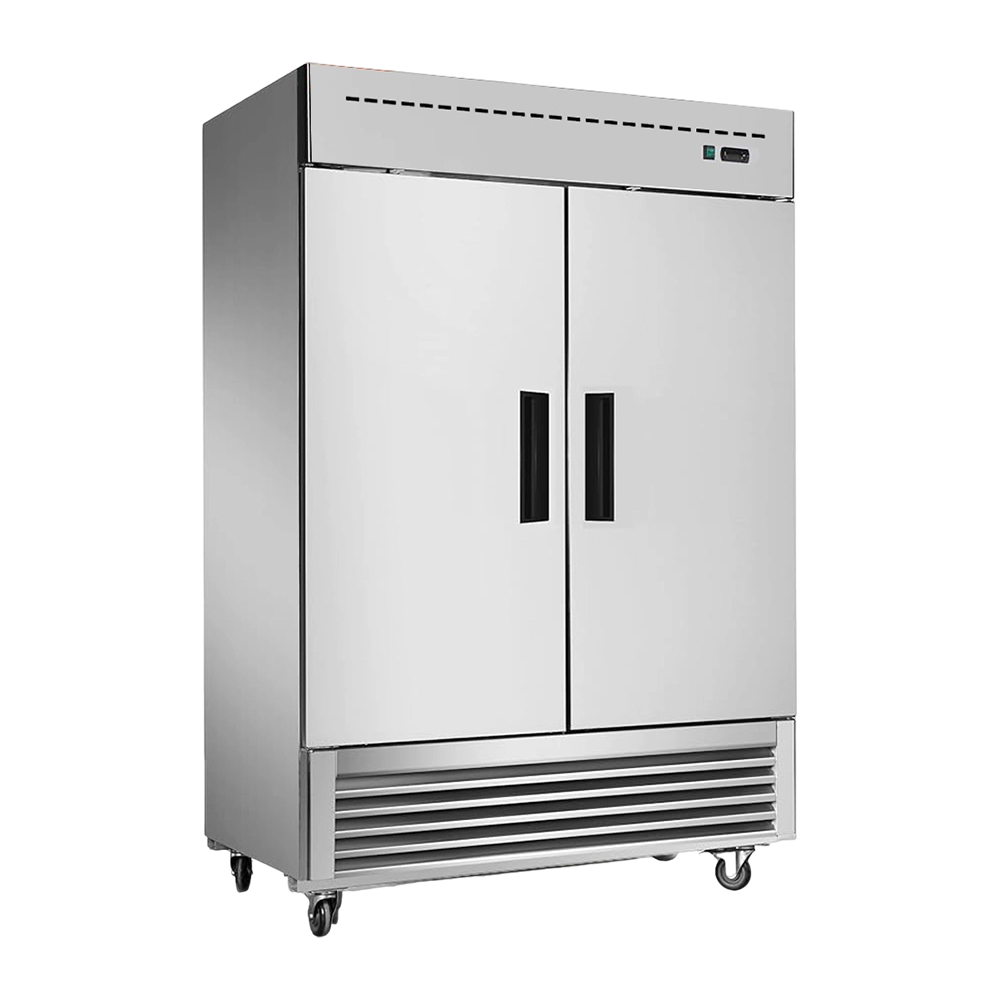
A Reach In Refrigerator is a commercial upright refrigeration unit suitable for horeca use, giving kitchen teams accessible chilled storage for ingredients, prepared foods, and daily service items. It is typically selected when staff need dependable back-of-house cold storage without relying on customer-facing display.
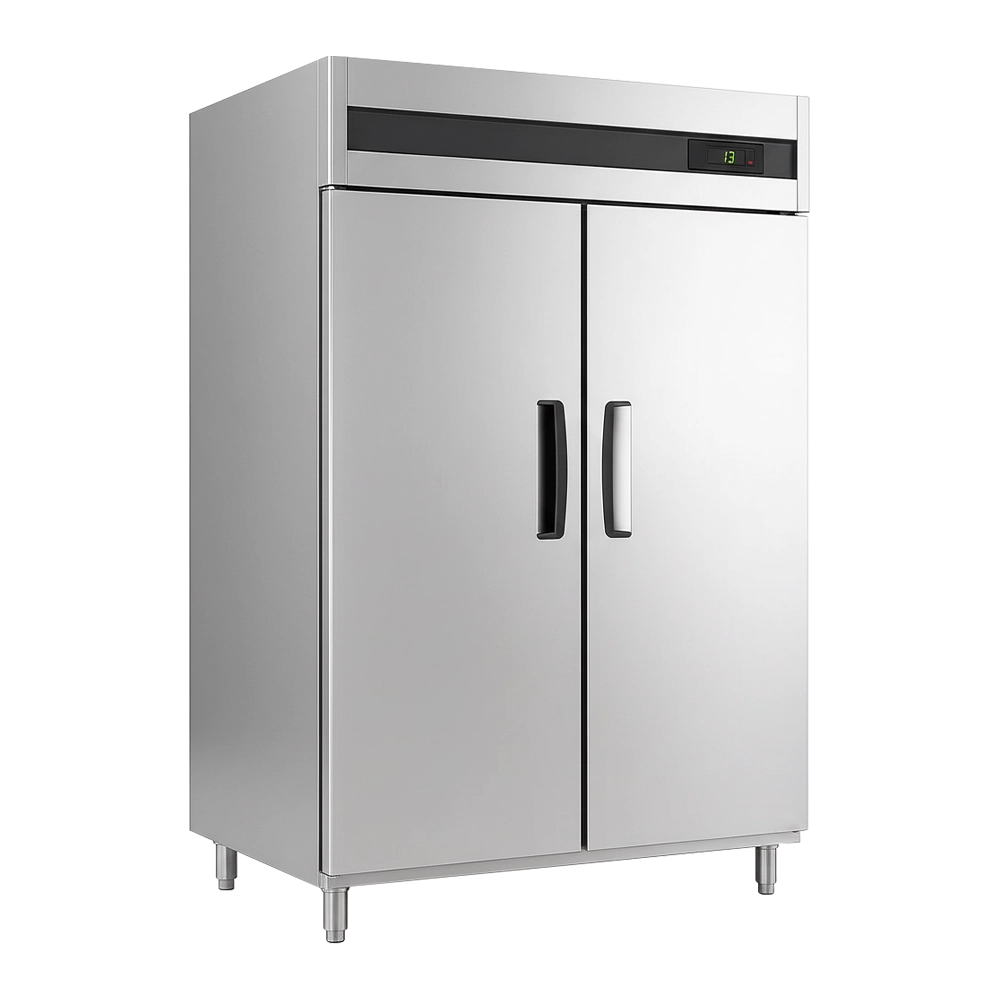
A Reach In Freezer is a commercial upright freezer suitable for horeca use, built to store frozen food, desserts, packaged products, or backup inventory in an accessible cabinet format. It supports kitchens and service areas that need frozen stock close to the workflow.
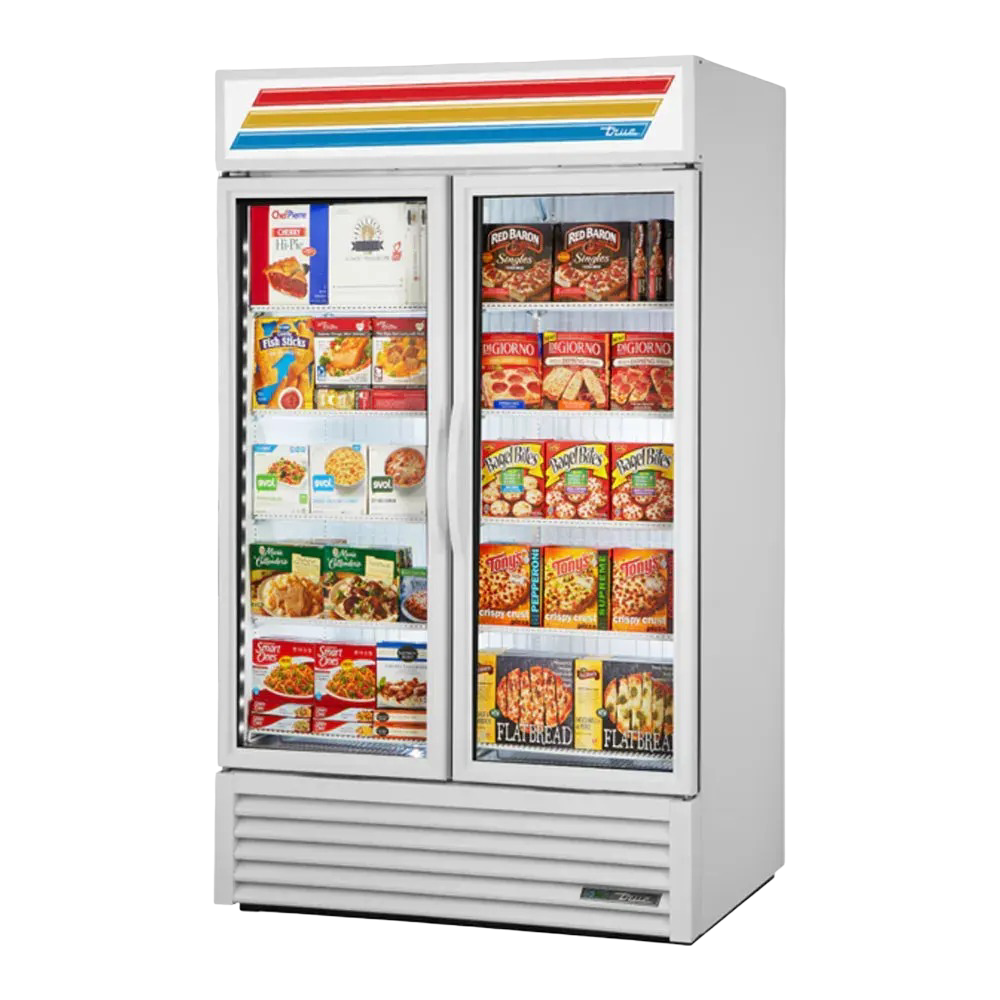
A Glass Door Merchandising Freezer is horeca refrigeration equipment used to display frozen products while keeping them protected at freezing temperatures. It is commonly chosen for ice cream, frozen meals, packaged desserts, and impulse-sale products.
Countertop Merchandiser Freezers are horeca equipment designed for countertop use, giving businesses a compact way to display frozen items at the point of sale. They work well where floor space is limited but visibility and convenience still matter.
Unity Brand refrigeration can be matched to both service and sales environments. Instead of choosing only by cabinet size, consider how the unit will be used throughout the day: staff-only storage, customer-facing display, quick beverage retrieval, or compact impulse merchandising.
Common options include:
When reviewing Unity Brand equipment, focus on specifications that affect daily use rather than only appearance. Door style, internal layout, temperature range, cabinet footprint, lighting, shelf configuration, and access direction can all change how well the unit fits your operation.
Useful features to compare include:
A refrigeration unit affects more than storage. In a busy horeca environment, the right cabinet can reduce searching, shorten service steps, and make restocking easier. For example, a glass-door merchandising freezer lets customers identify frozen products before opening the door, while a reach-in refrigerator helps kitchen staff keep frequently used ingredients close to prep stations.
Capacity should be balanced against space. An oversized unit may waste valuable floor area, while an undersized unit can force frequent restocking and disrupt service. Door placement matters as well: a well-positioned cooler supports smooth staff movement, but a poorly placed one can slow the bar, block prep flow, or make cleaning harder.
Unity Brand refrigeration suits operators who need practical cold storage or display without turning refrigeration into a complicated buying decision. Restaurants often prioritize durability, access, and storage volume. Cafes and bakeries may care more about presentation, compact layout, and easy customer browsing.
Bars typically benefit from beverage-focused equipment that keeps bottles visible to staff and close to the point of service. Hotels, kiosks, and convenience-style hospitality spaces may use merchandiser refrigerators or freezers to turn chilled and frozen products into self-service revenue opportunities. In each case, the product should support the way the business already sells and serves.
Choose a back bar cooler when beverage service speed is the priority. Choose a commercial merchandiser refrigerator when chilled products should be seen and selected by customers. Choose a reach-in refrigerator when the main need is reliable ingredient storage for staff.
Select a reach-in freezer for frozen back-of-house inventory, especially when kitchen teams need organized access. Use a glass-door merchandising freezer when frozen products should sell from visibility. Choose countertop merchandiser freezers when you want compact frozen display near a register, serving counter, or customer decision point.
Specific Unity Brand models, dimensions, capacities, and prices should be confirmed before purchase, because the best choice depends on current availability and site requirements. The horeca store can help narrow the selection by category, footprint, intended product type, and whether the unit will be customer-facing or staff-only.
Before requesting a quote, prepare the basics:
Pricing for Unity Brand refrigeration should be requested based on the exact category, model, configuration, and service needs. Avoid buying on price alone if the unit will sit in a high-traffic bar, kitchen, or customer-facing sales area. A better fit can improve workflow, protect product presentation, and reduce daily friction for staff.
To move forward, choose your preferred equipment category, measure your space, and request a tailored recommendation. If you are comparing multiple units, prioritize the option that solves your most frequent operational problem first: access, display, capacity, or space efficiency.
Before installation, confirm the unit's placement, ventilation needs, access clearance, and cleaning route. Commercial refrigeration performs best when it is positioned for airflow, staff access, and routine care. Keep shelves organized, avoid overloading display areas, and schedule cleaning so doors, seals, vents, and interior surfaces remain service-ready.
For support, ask about delivery, setup guidance, warranty details, and parts or service availability before purchase. A clear support path matters because refrigeration is business-critical equipment. Contact the horeca store to compare Unity Brand options and select a unit that fits your layout, menu, and sales model.
FAQ
What is the main difference between a reach-in refrigerator and a merchandiser refrigerator? A reach-in refrigerator is mainly for staff-access storage, while a merchandiser refrigerator is designed to display chilled products to customers.
Can a back bar cooler be used outside a bar? Yes. It can support any beverage-focused horeca area where chilled drinks must stay organized and easy for staff to reach.
When should I choose a glass-door merchandising freezer? Choose it when frozen products need to be visible to customers, such as ice cream, desserts, or packaged frozen items.
Are countertop merchandiser freezers suitable for small businesses? Yes. They are useful for compact spaces that need frozen product display without dedicating floor space to a larger freezer.
How do I choose the right Unity Brand refrigeration unit? Start with the product type, access style, available space, and whether the unit is for display, storage, or fast service.