Discover Exceptional Products and Unmatched Service.
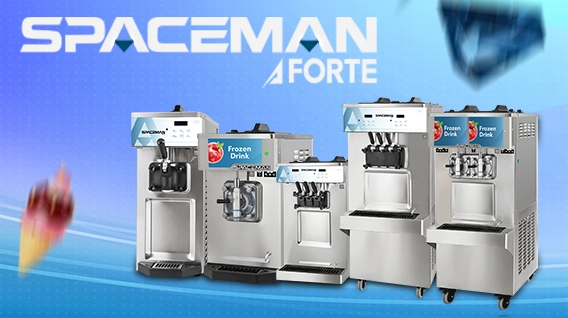

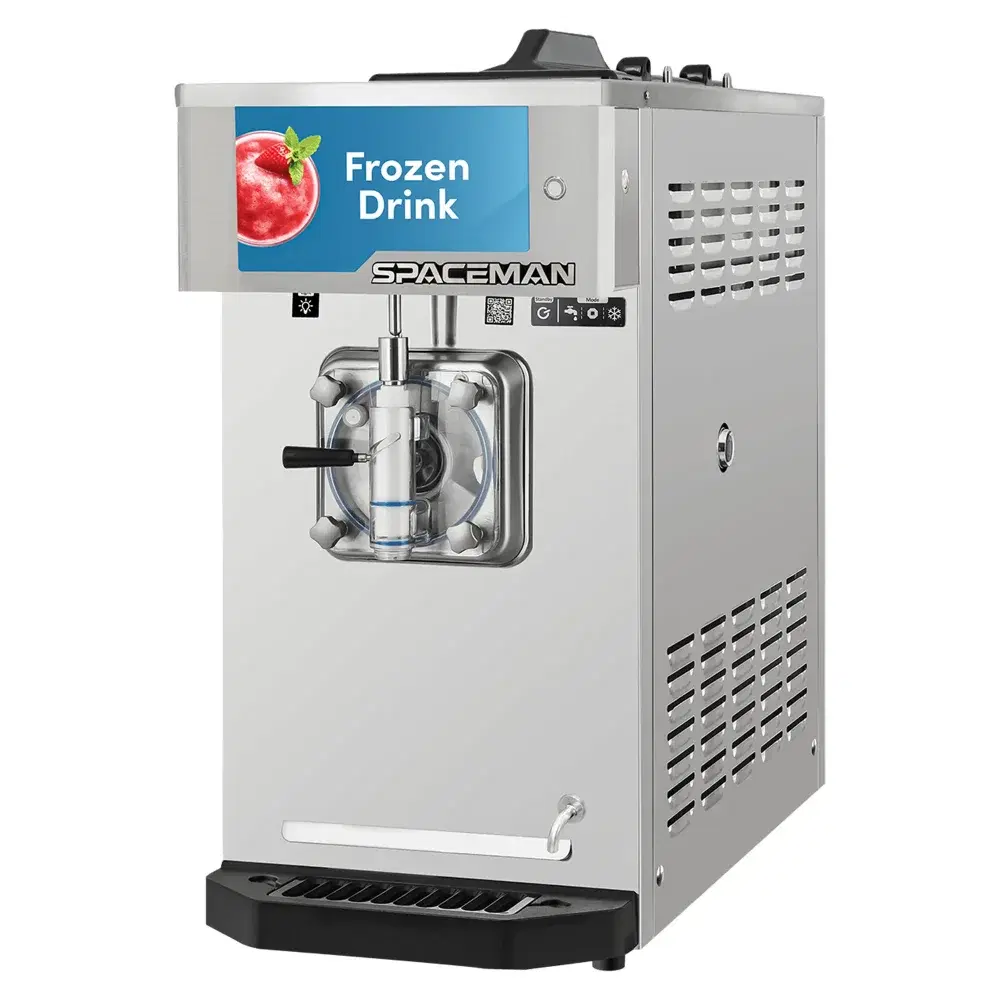
Spaceman 6650-CL 15" Frozen Drink Machine, Countertop, Single Flavor, 13 Cu.ft, 115V, 1.6 kW
Model No: 6650-CL
⚡ Fast DeliveryShipping Fee
Mostly Ships in 5 to 7 Days
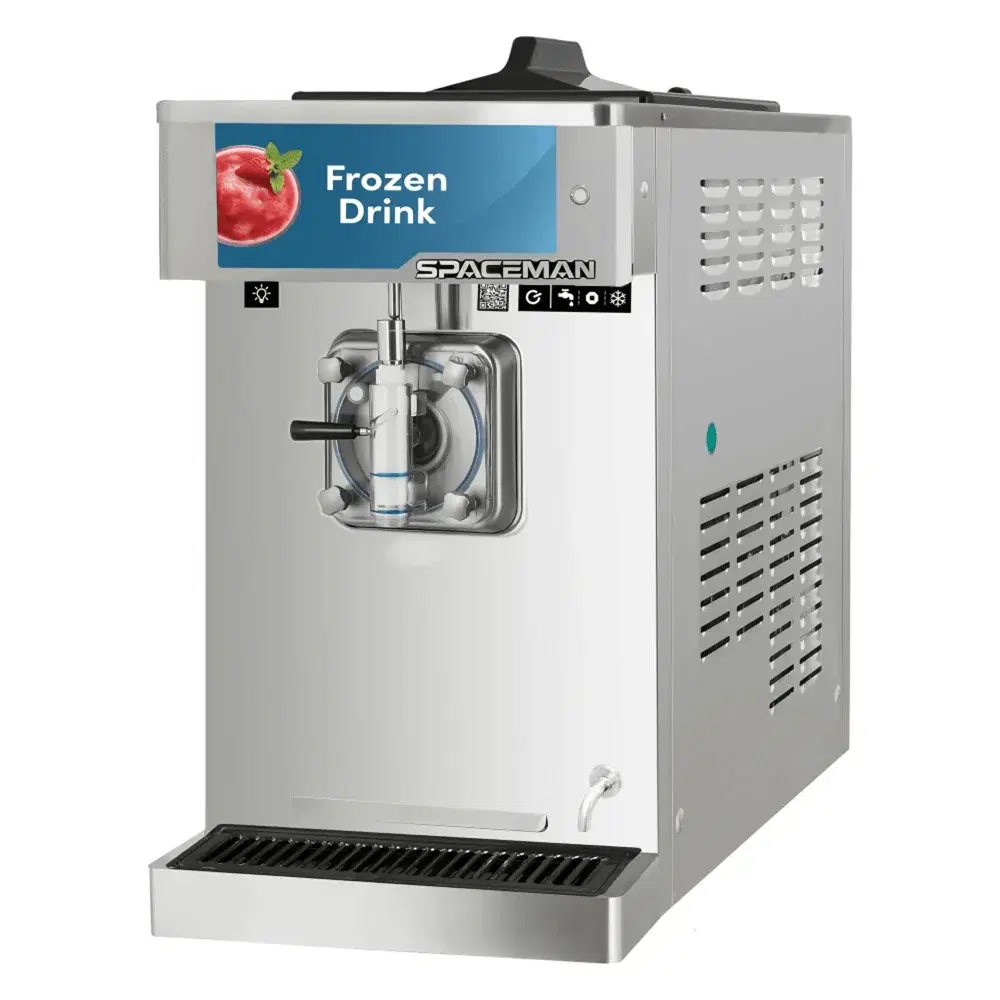
Spaceman 6690-CL 18" Frozen Drink Machine with Single 21 qt Bowl, 240 Servings/hr, 208-230V
Model No: 6690-CL
⚡ Fast DeliveryShipping Fee
Mostly Ships in 5 to 7 Days

A Spaceman Frozen Drink Machine is a commercial frozen beverage machine for serving consistent slushies, frozen cocktails, frozen coffee, smoothies, shakes, and other chilled specialty drinks. For restaurants, cafés, hotels, bakeries, bars, QSR counters, food trucks, and caterers, it turns a beverage menu into a repeatable, high-margin service station without relying on blender-by-blender production.
In simple terms, a spaceman machine is a refrigerated frozen drink maker that chills, agitates, and dispenses product from one or more freezing barrels. Spaceman’s current frozen beverage lineup includes single-flavor and two-flavor machines in countertop and floor configurations, with low-, medium-, and high-capacity choices for different service volumes. (spacemanusa.com)
Choose a Spaceman Frozen Drink Machine if you need a dedicated commercial slushie machine or frozen cocktail maker that can hold product at serving texture during service instead of making every drink from scratch. It is especially useful when your staff needs speed, portion consistency, and fewer bottlenecks during brunch, happy hour, poolside service, concession rushes, or catering events. If your menu only includes an occasional blended drink, a commercial blender may be enough; if frozen beverages are a visible menu category, a dedicated machine is the more practical tool.
Spaceman’s frozen beverage options are easiest to evaluate by flavor count, footprint, and output class. The right choice depends less on the product name and more on how many drinks you expect to pour in your busiest hour.
Spaceman lists frozen beverage models including 6450-CL, 6455-CL, 6650-CL, 6690-CL, 6695-CL, and 6795-CL, spanning low-, medium-, and high-capacity applications. (spacemanusa.com)
A frozen cocktail maker is not just a cold dispenser. Each specification changes labor, service speed, product consistency, and placement.
For bars and restaurants, the Spaceman machine can anchor margaritas, daiquiris, frosé, piña coladas, and seasonal frozen cocktails. Consistent texture helps bartenders pour quickly while keeping recipes standardized.
For cafés and bakeries, a frozen drink maker can support frozen coffee, fruit smoothies, lemonade slushies, and dessert-style beverages. This adds a cold beverage category without requiring bar equipment.
For hotels, resorts, and catering, frozen drinks can be staged for banquets, pool areas, terraces, and self-contained event bars. The main operational advantage is repeatability: staff can serve from a prepared batch instead of blending each drink individually.
For QSR, concession, and food truck operators, speed and footprint matter most. A compact single-flavor slushie machine is often the cleanest starting point, while a two-flavor unit makes sense when drink variety is part of the upsell.
Spaceman is a strong fit when you want commercial frozen beverage models across countertop and floor formats, with clear single- and two-flavor choices. Taylor also offers frozen beverage, frozen cocktail, smoothie, shake, and slush equipment categories, making it relevant for operators comparing broader frozen dessert and beverage systems. (taylor-company.com) BUNN’s Ultra line is positioned for frozen juices, frozen lemonades, frozen teas, granita, and slushy service, which can be attractive for cafés, cafeterias, and non-carbonated beverage programs. (commercial.bunn.com) Elmeco focuses on frozen beverage solutions for granita, frozen creams, cocktails, and soft frozen drinks, a useful comparison point for operators emphasizing visual merchandising and specialty drinks. (elmeco.com)
When comparing brands, match the machine to the menu first. A cocktail bar should prioritize freeze performance with alcoholic recipes, service recovery, and cleaning access. A café should focus on footprint, noise, drink texture, and staff-friendly operation. A hotel or catering team should weigh mobility, parts support, and the ability to keep multiple flavors ready for long service windows.
Before buying, confirm measurements, electrical requirements, ventilation space, drain expectations, and whether the machine will sit on a reinforced counter or dedicated stand. Commercial frozen beverage equipment is heavy enough and important enough that placement should be planned with the same care as refrigeration or espresso equipment.
Cleaning is part of the purchase decision, not an afterthought. Spaceman provides resources for frozen beverage machine manuals, cleaning guides, startup instructions, parts lists, and training materials, which matters because regular cleaning protects flavor, food safety, seals, and dispensing performance. (spacemanusa.com)
Total cost of ownership includes the machine, installation readiness, accessories, sanitizer, lubricant, replacement seals, preventive maintenance, staff training, downtime risk, and warranty or service access. Pricing varies by model, capacity, configuration, freight, and support package, so operators should request a quote based on their actual menu and peak demand rather than shopping by sticker price alone.
The Horeca Store can be used as a commercial restaurant equipment resource when you are comparing a Spaceman Frozen Drink Machine against other beverage and kitchen equipment priorities. It is especially helpful to think through the whole operation: available counter space, expected drink volume, cleaning labor, electrical readiness, and whether frozen beverages are a core menu item or a seasonal add-on. The Horeca Store positions itself around commercial kitchen equipment and restaurant supply support for foodservice operators. (thehorecastore.com)
Use this quick decision path:
The best purchase is the machine that fits your busiest service period, not just your quietest day. If frozen drinks are meant to drive revenue, choose enough capacity and support to keep them flowing when demand is highest.