Discover Exceptional Products and Unmatched Service.

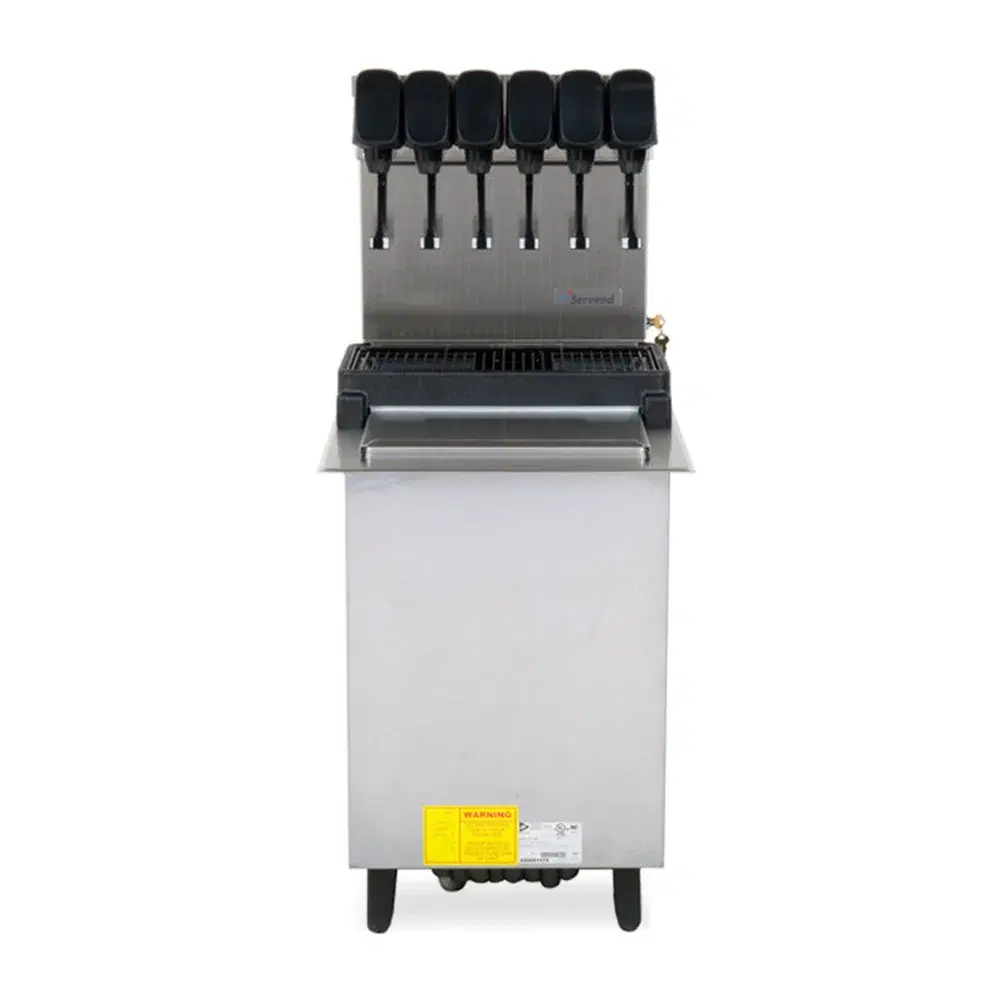
Servend 2705936 DI-1522 Drop-In Beverage Dispenser with 6 Valve Sanitary Lever and 60 lb. Ice Storage
Model No: DI-1522
⚡ Fast DeliveryShipping Fee
Mostly Ships in 5 to 7 Days
Servend beverage dispensing systems are commercial beverage equipment designed to help restaurants, cafés, bars, hotels, convenience stores, and quick-service operations serve consistent cold drinks at speed. Instead of relying on loose bottles, manual mixing, or consumer-style drink dispensers, a Servend system supports organized beverage dispensing with the right valves, cooling method, ice integration, and service layout for your operation.
The right system depends on what you serve, how many drinks you sell, and where the equipment will sit in your workflow. The Horeca Store can be used as a commercial equipment source when you need to compare Servend beverage systems, select compatible configurations, and plan a practical setup for daily foodservice use.
A Servend system is a strong fit if your business needs fast, repeatable beverage service in a commercial environment. These systems are built for operations where staff must pour drinks quickly, maintain product consistency, manage ice and syrup connections, and keep the service area clean during busy periods.
They are especially useful when beverages are part of the core revenue stream, not just an occasional add-on. A quick-service restaurant may need multiple drink stations to reduce queues. A hotel breakfast area may need an organized self-service beverage point. A bar or catering operation may need beverage dispensing technology that keeps service controlled without slowing staff down.
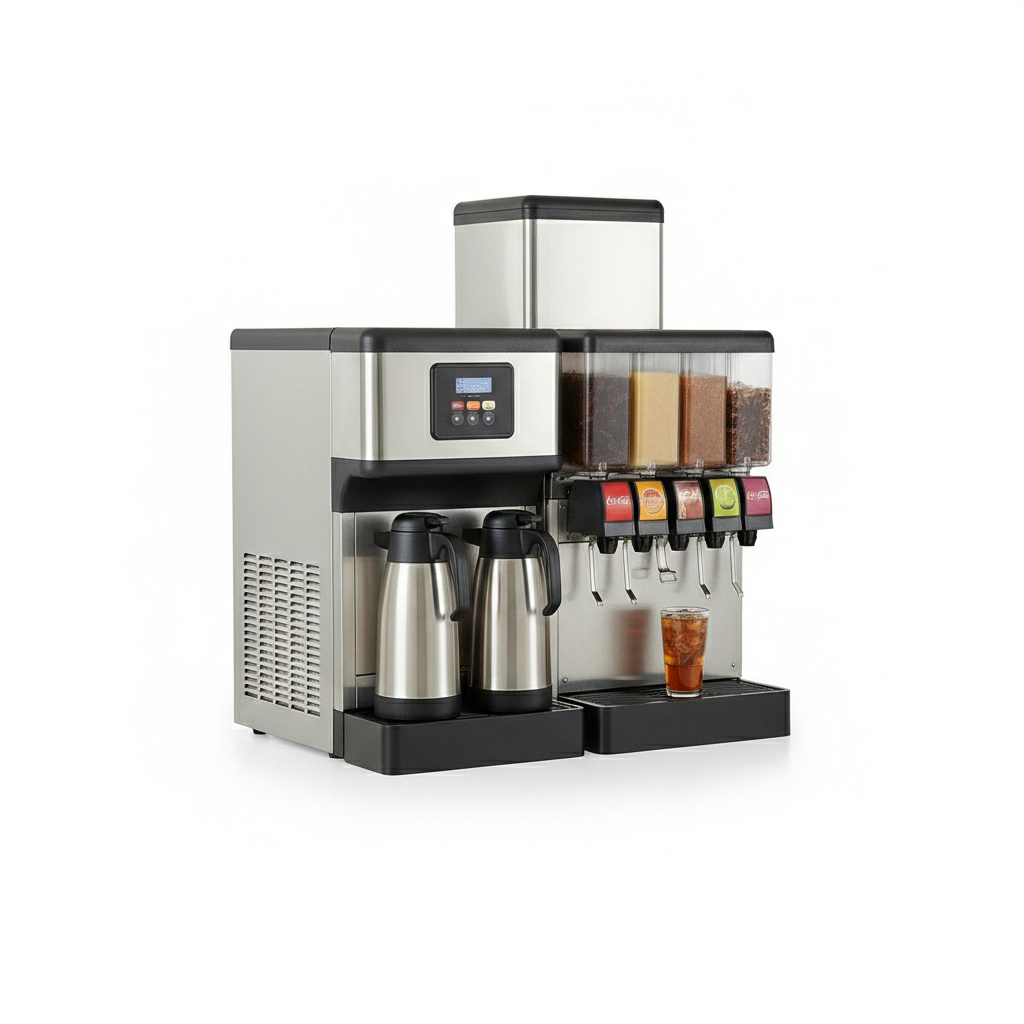
Servend beverage dispensing systems are used to serve chilled fountain drinks, water-based beverages, and other compatible dispensed drinks in foodservice settings. Depending on the model and installation, the system may include beverage valves, an ice bin or ice interface, a drain connection, syrup and water lines, carbonation support, cooling components, and countertop or drop-in housing.
The main benefit is operational control. Instead of staff opening bottles, refilling pitchers, or preparing every drink manually, a dispensing system centralizes the process. That can support faster service, more consistent portions, cleaner counters, and easier beverage management when multiple employees are serving during the same shift.
Compared with basic standalone drink dispensers, a commercial Servend setup is usually more appropriate for high-volume environments because it is designed around flow rate, chilled delivery, service access, and integration with back-of-house beverage supplies. The practical difference shows up during rush periods: the equipment must keep up without creating bottlenecks at the counter.
Servend beverage systems are not one-size-fits-all. The best choice depends on available space, drink menu, staff workflow, and whether customers or employees will use the dispenser.
Common configuration options include:
These options affect more than appearance. A countertop unit may be easier to place in an existing operation, while a drop-in unit may support a more permanent service design. A self-service station may reduce labor at the counter, but it also requires careful attention to traffic flow, signage, cup storage, lids, straws, and cleaning access.
Before buying Servend beverage equipment, evaluate the full operating picture rather than only the number of drink valves. A system that looks suitable on paper can still create problems if it does not match your menu, utilities, counter space, or peak-hour demand.
Key factors to review include:
These details matter because beverage dispensing is a live service function. If the unit is undersized, customers wait. If it is oversized, you may pay for capacity you do not use. If the installation is difficult to clean or service, the equipment can become a daily frustration rather than a productivity tool.
A well-chosen Servend system helps make beverage management more predictable. Managers can organize syrup supply, water and carbonation connections, ice handling, and staff routines around one defined station instead of relying on scattered manual processes.
For a busy counter-service restaurant, the benefit is speed and repeatability. Staff can fill cups quickly while staying focused on orders. For a cafeteria, the benefit may be line movement and a cleaner self-service area. For a hotel, the value may be a more professional refreshment station that guests can use with minimal staff involvement.
A practical before-and-after example is a lunch counter that currently uses bottled soft drinks from a reach-in cooler. Staff must restock bottles, customers wait while drinks are retrieved, and storage space fills with cases. A fitted beverage dispensing system can shift that workflow to cup-based service, reduce repeated cooler access, and keep popular drink options available at the point of sale.
Use your service model as the starting point. The most suitable Servend option is the one that fits the way drinks actually move through your operation.
If you sell a limited drink menu in a small space, a compact configuration may be the smarter buying decision. If beverages are central to revenue and order speed, a larger multi-valve system with stronger service capacity may be more appropriate.
Installation should be planned before the equipment arrives. Beverage systems may require coordinated access to water, power, drainage, carbon dioxide, syrup storage, ventilation clearances, and counter modifications. Confirm these details with your equipment supplier or installer so the chosen unit fits both the space and the service requirement.
Daily care usually includes wiping exterior surfaces, keeping the drip area clean, checking for leaks or irregular flow, and following approved cleaning procedures for beverage contact areas. Staff should know what to inspect at opening and closing, because small issues such as blocked drains, empty syrup boxes, or inconsistent carbonation can affect service immediately.
Support is also part of the buying decision. Choose a source that can help you identify compatible beverage equipment, understand configuration requirements, and prepare for replacement parts or technician access. This is where a specialist commercial equipment supplier such as The Horeca Store can add value beyond the product listing.
Choose a Servend beverage dispensing system based on volume, menu size, layout, and installation readiness. For a small counter with a focused drink menu, select a compact system that avoids wasted space. For a high-volume restaurant, concession stand, or cafeteria, prioritize multi-valve capacity, fast service access, and dependable cooling performance. For customer-facing areas, consider presentation, self-service usability, and cleaning convenience alongside technical capacity.
If you are unsure which configuration fits your operation, start with four details: number of drinks served, expected peak-hour demand, available counter space, and utility access. With those answers, you can compare Servend beverage systems more confidently and request the right commercial equipment for your site.
Ready to build a more efficient beverage station? Review your space, define your drink menu, and contact The Horeca Store to discuss suitable Servend beverage dispensing options for your business.