Discover Exceptional Products and Unmatched Service.
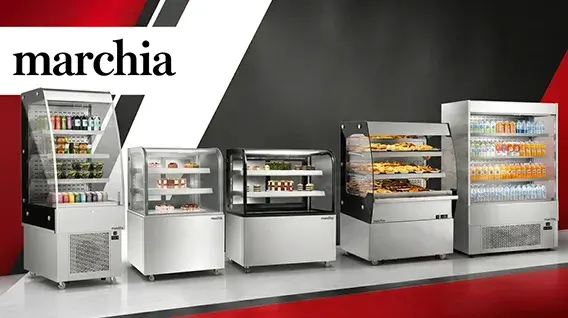

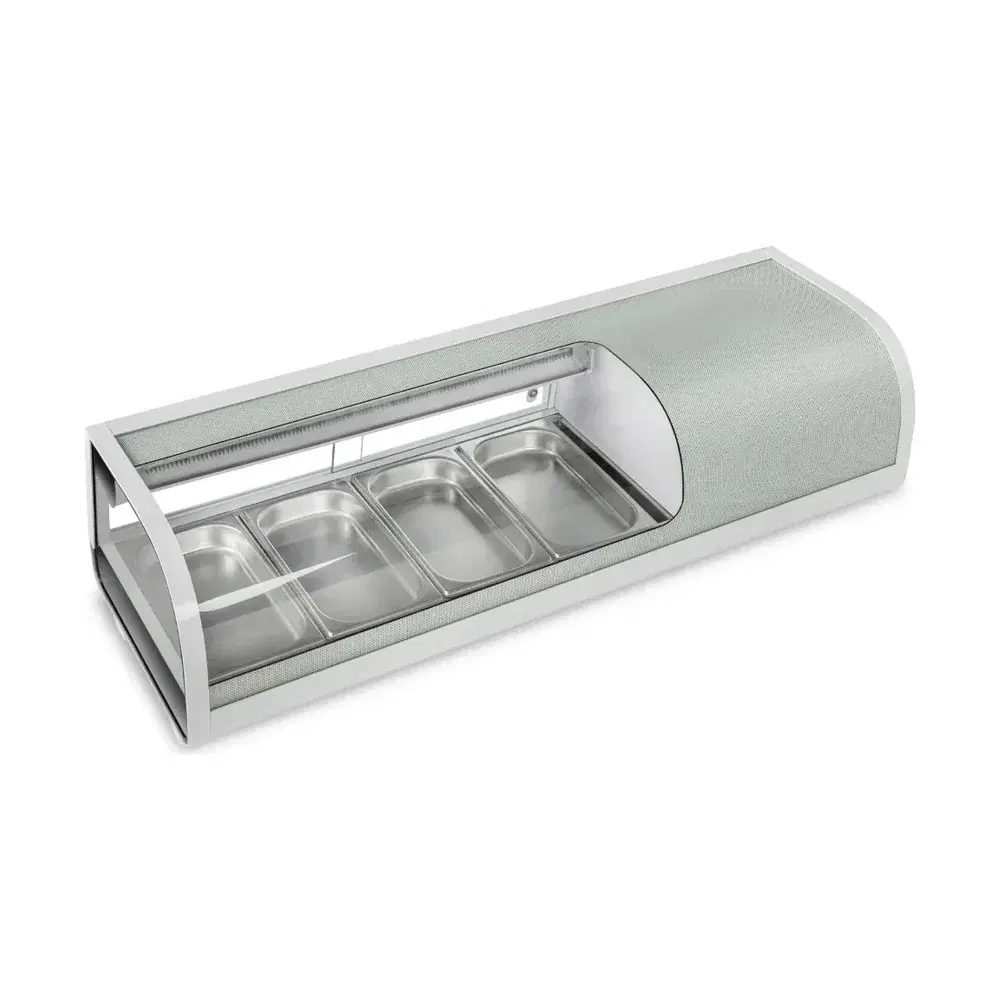
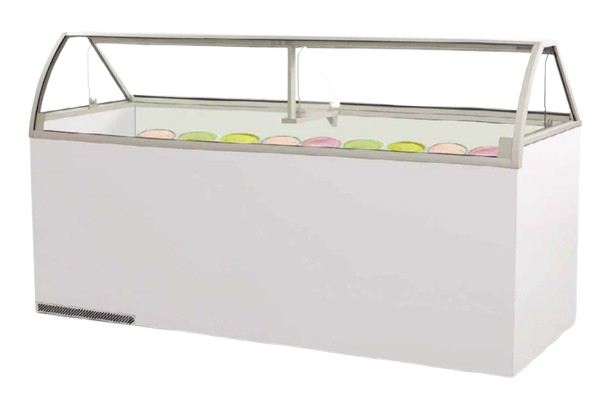
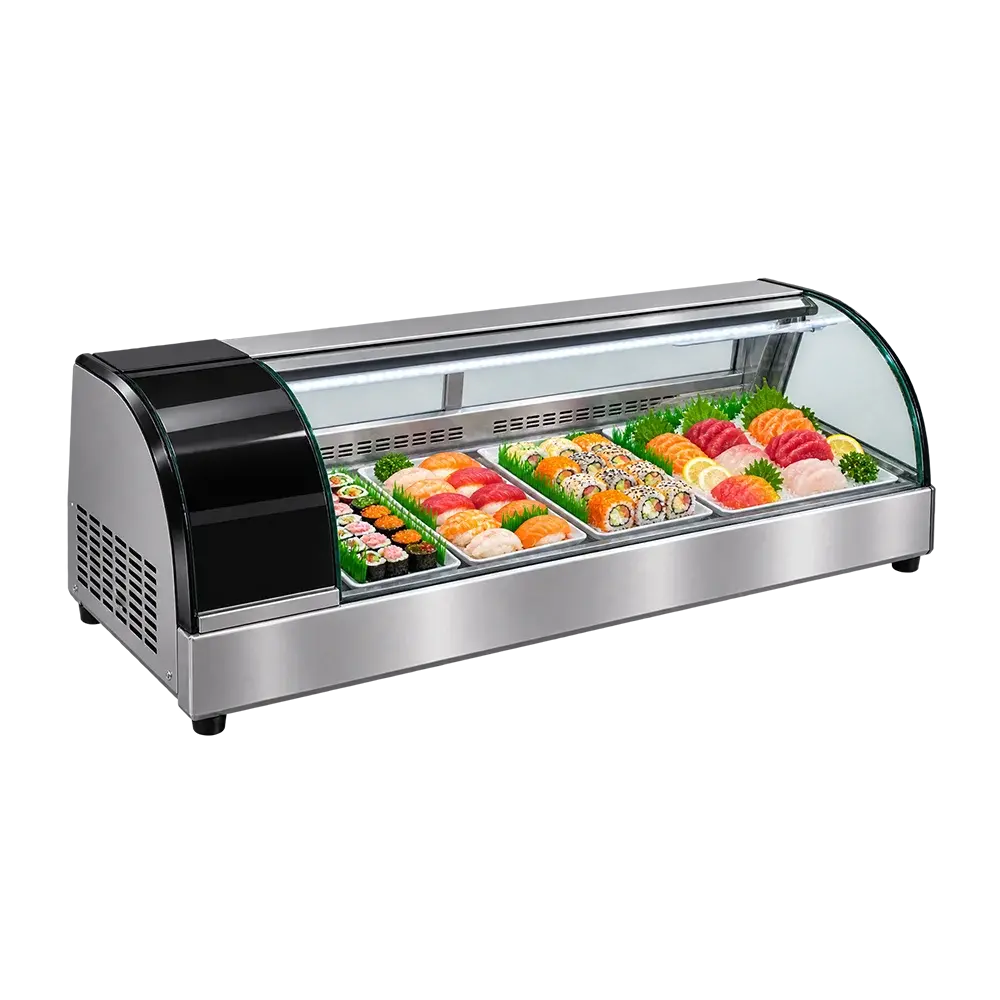
Marchia 46" Refrigerated Sushi Display Case with (4) 1/3 Pans, 110V, 1 Year Warranty
Model No: MSU140S
⚡ Fast DeliveryShipping Fee
Mostly Ships in 5 to 7 Days
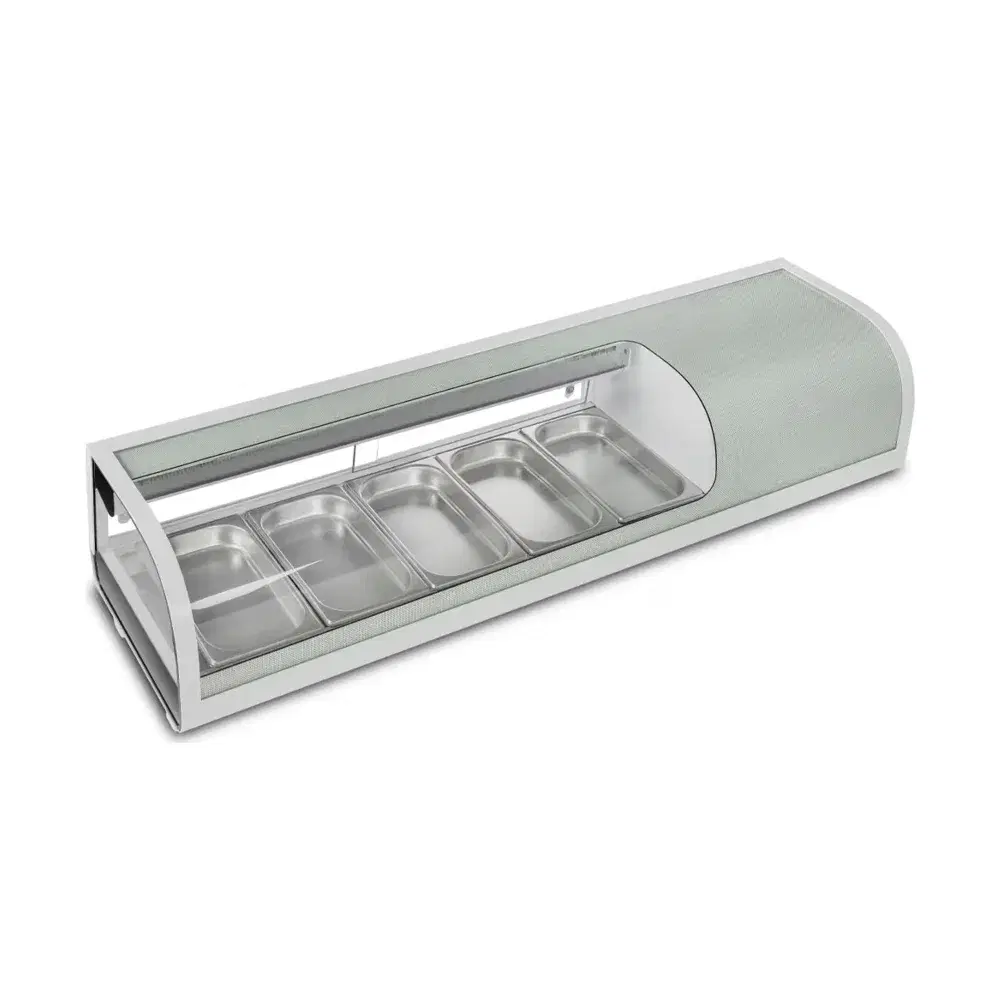
Marchia 53" Refrigerated Sushi Display Case with (5) 1/3 Pans, 110V, 1 Year Warranty
Model No: MSU150S
⚡ Fast DeliveryShipping Fee
Mostly Ships in 5 to 7 Days
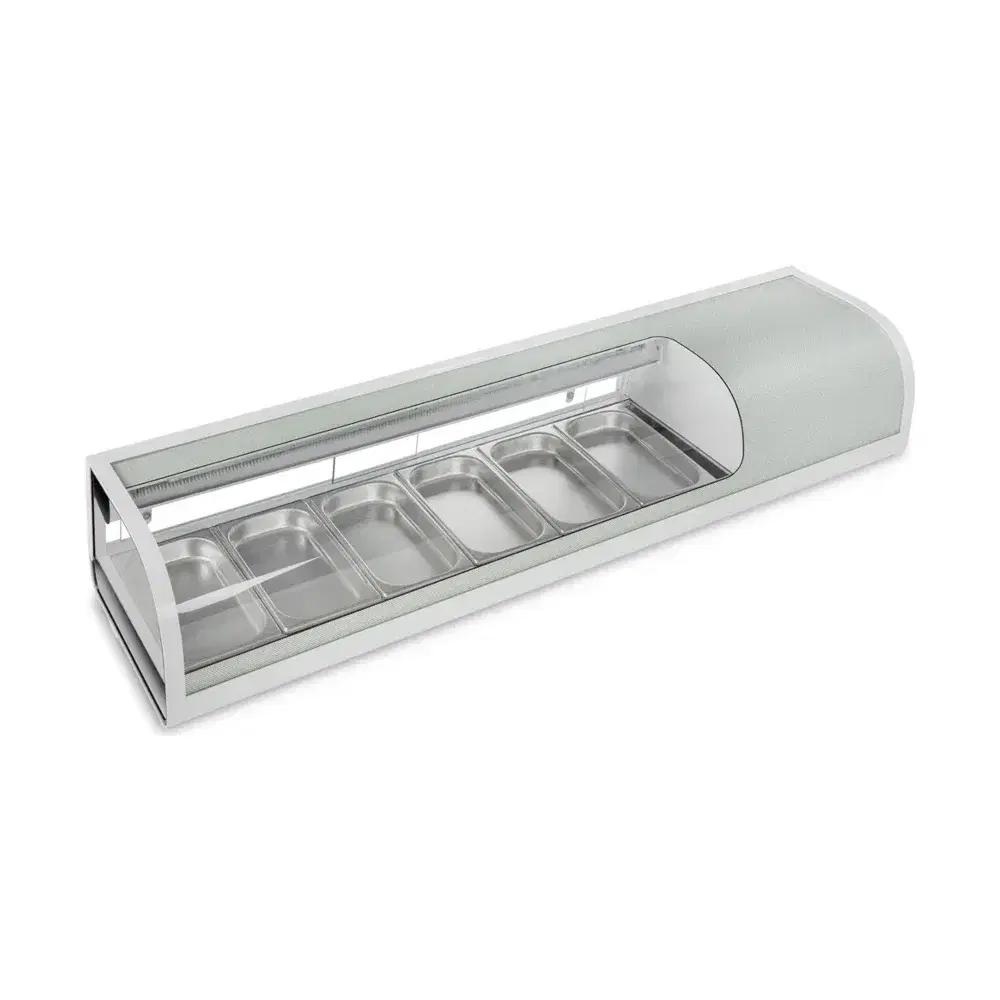
Marchia 60" Refrigerated Sushi Display Case with (6) 1/3 Pans, 110V, 1 Year Warranty
Model No: MSU160S
⚡ Fast DeliveryShipping Fee
Mostly Ships in 5 to 7 Days
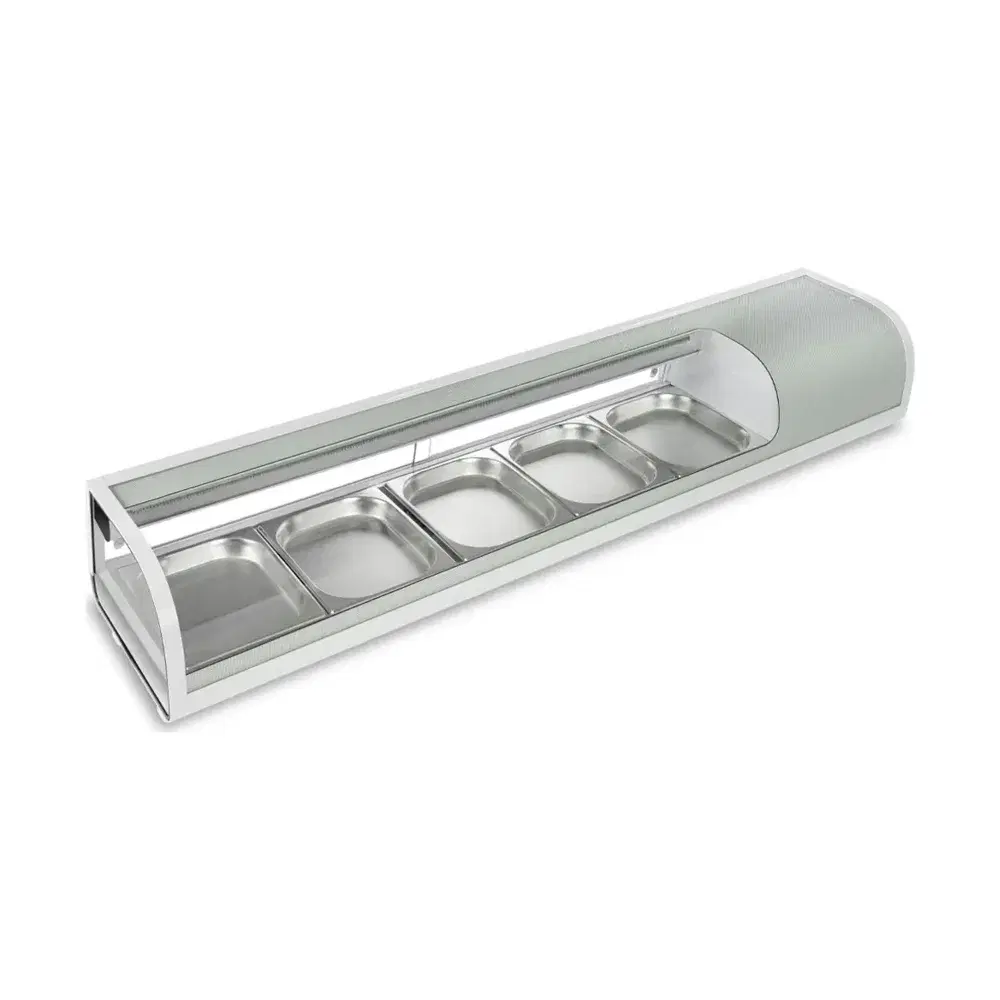
Marchia 70" Refrigerated Sushi Display Case with (5) 1/2 Pans, 110V, 1 Year Warranty
Model No: MSU170S
⚡ Fast DeliveryShipping Fee
Mostly Ships in 5 to 7 Days
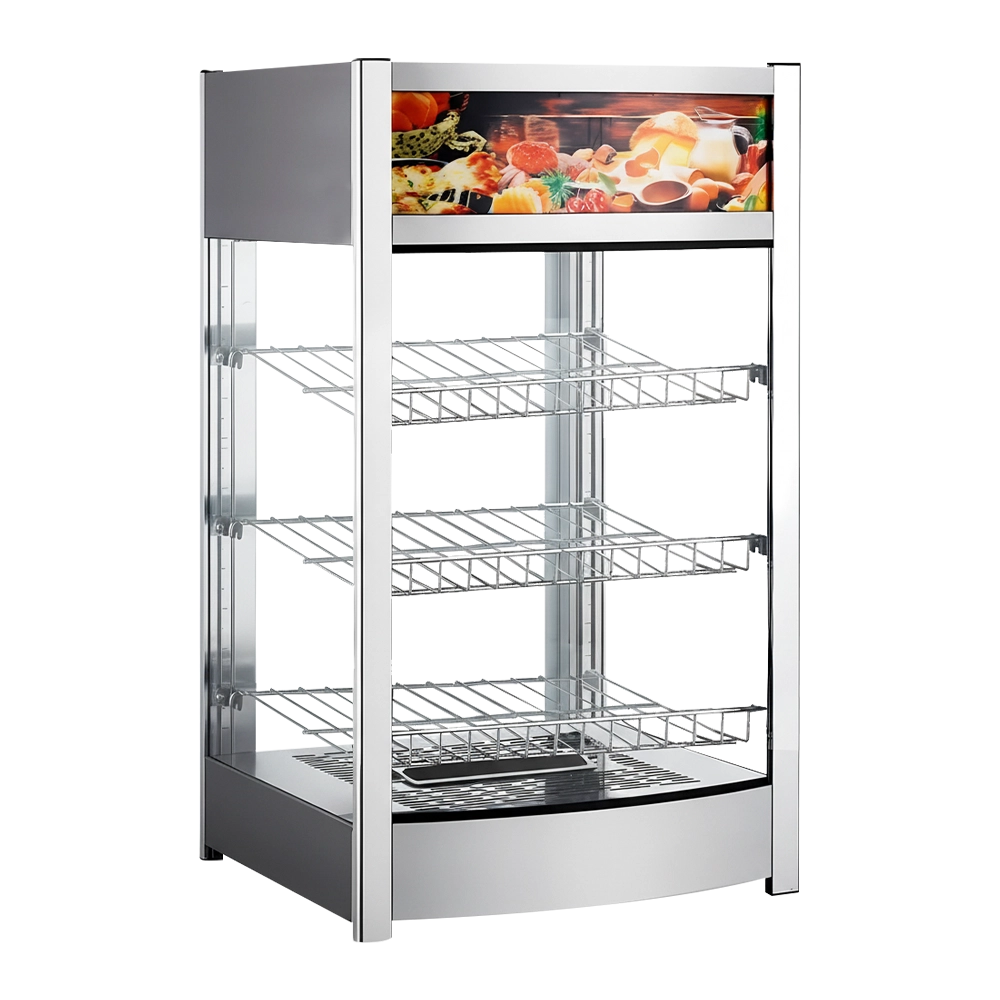
Marchia is associated in foodservice settings with display equipment that presents chilled products while helping operators keep layouts orderly and service-ready. A Marchia display case or Marchia refrigerated display case is typically considered by cafés, bakeries, delis, convenience stores, and hospitality venues that need visible merchandising, accessible storage, and temperature-conscious presentation in one unit. The history and culture around Marchia equipment are best understood through the wider development of hospitality display cases: practical tools shaped by food presentation, customer flow, and back-of-house efficiency.
In this context, Marchia refers to a category of commercial display equipment used to show food and beverages in a controlled, organized format. A Marchia refrigerated display case is generally intended for products that need cold holding, while a non-refrigerated Marchia display case may be used for items where visibility and protection matter more than temperature control. The term appears most often in conversations about hospitality equipment, where operators compare cabinet style, size, lighting, shelving, access, and placement before deciding what fits their service model.
This makes Marchia part of a broader culture of front-of-house presentation. Foodservice operators do not choose a display case only as storage; they use it to shape how customers see products, move through a counter area, and make quick decisions. The Horeca Store and Marchia equipment are often discussed together in that practical context, especially where operators are evaluating how display cases fit into a café, bakery, or retail food environment.
A display case sits between storage, merchandising, and service. It protects products from unnecessary handling, keeps items grouped by type, and helps staff maintain a tidy presentation during busy periods. In chilled formats, refrigeration adds another operational layer: the case must support appropriate holding conditions for the products placed inside, while still keeping them easy for customers and staff to view.
Marchia equipment and related topics often overlap with common hospitality concerns such as counter space, cleaning routines, energy use, product rotation, and customer-facing design. A compact case may suit a small coffee bar with packaged desserts, while a longer refrigerated unit may be more appropriate for a deli counter or grab-and-go area. The right choice depends less on brand name alone and more on how the unit will be used every day.
Common display case categories include:
A Marchia display case is usually evaluated through visible features and operational details. Shelving determines how many items can be presented and whether taller products fit comfortably. Interior lighting affects how products appear to customers, especially pastries, packaged meals, bottled drinks, or prepared foods that rely on clear visual appeal.
For refrigerated models, operators also consider the cooling system, temperature controls, airflow pattern, door access, and defrost or drainage requirements where applicable. These details influence not only product presentation but also staff workload. A unit that is awkward to load, difficult to clean, or poorly matched to the product mix can slow service and make daily routines less consistent.
Useful specification areas to review include:
Different hospitality businesses approach Marchia equipment from different starting points. A bakery may prioritize visibility and presentation because the product’s appearance is central to the purchase decision. A café may need a smaller refrigerated case that holds cakes, sandwiches, and bottled drinks without taking over limited counter space. A deli or takeaway shop may need a larger unit that supports frequent restocking and fast staff access.
The business need should come before the product choice. If the main issue is merchandising, glass clarity, lighting, and shelf arrangement matter most. If the main issue is chilled holding, temperature control, airflow, and loading practices become more important. If the challenge is space, the decision may depend on footprint, door swing, ventilation clearance, and how the case affects customer movement.
A practical before-and-after example is a café that keeps chilled desserts in back-of-house storage before service. Staff must describe options verbally, retrieve items individually, and interrupt service flow. With a suitable Marchia refrigerated display case near the counter, desserts can be visible, grouped, and easier to serve, while staff still need to follow appropriate food handling and temperature procedures.
Marchia can be compared with other commercial display case options by focusing on function rather than broad claims. Operators often compare refrigerated versus ambient cases first, then move into size, layout, capacity, and access. A refrigerated case may be essential for chilled products, but it can also require more attention to power, ventilation, and temperature monitoring than an ambient display.
When reviewing Marchia alongside other brands or product lines, a neutral comparison should cover:
The Horeca Store is relevant here as an example of a hospitality equipment source where operators may encounter Marchia display case options alongside other commercial units. In an informational comparison, that context matters because foodservice buyers usually assess availability, product type, and support information together rather than treating the display case as an isolated object.
A sound buying decision begins with the menu, product volume, and service pattern. The best-fit Marchia refrigerated display case for one business may be too large, too small, or too specialized for another. Operators should avoid choosing only by appearance, because the most attractive case still has to suit cleaning routines, loading frequency, temperature needs, and available floor or counter space.
Before selecting a unit, document the practical requirements:
Pricing should be treated in the same practical way. Without confirmed model details, exact pricing should not be assumed. Cost normally varies by size, refrigeration type, materials, capacity, configuration, and any service or delivery requirements associated with the equipment.
Installation affects how well a display case performs over time. Refrigerated models generally need suitable placement, stable power, sufficient airflow, and routine temperature checks according to the product documentation. Staff should also understand loading limits, because overfilling shelves or blocking airflow can reduce visibility and may interfere with consistent operation.
Maintenance is usually built around simple but regular habits: cleaning glass, wiping interior surfaces, checking door seals where present, keeping vents clear, and following the manufacturer’s instructions for refrigeration care. The Horeca Store can be mentioned neutrally in this support pattern because equipment sources often provide product information, model context, and purchasing documentation that help businesses compare Marchia equipment before making internal decisions.
Marchia’s place in hospitality culture comes from this blend of presentation and practicality. A Marchia display case is not only a cabinet; it is part of how a food business organizes products, guides customer attention, and supports daily service. Understanding the category, the specifications, and the operational fit is the clearest way to evaluate whether a Marchia refrigerated display case belongs in a particular venue.