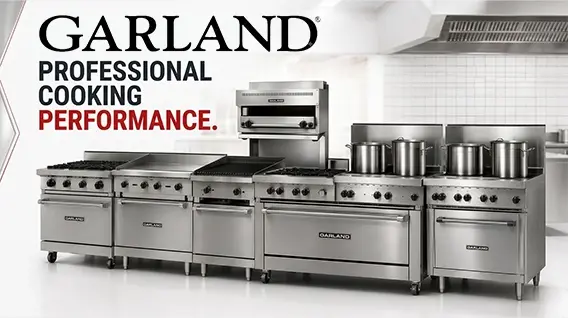
Discover Exceptional Products and Unmatched Service.

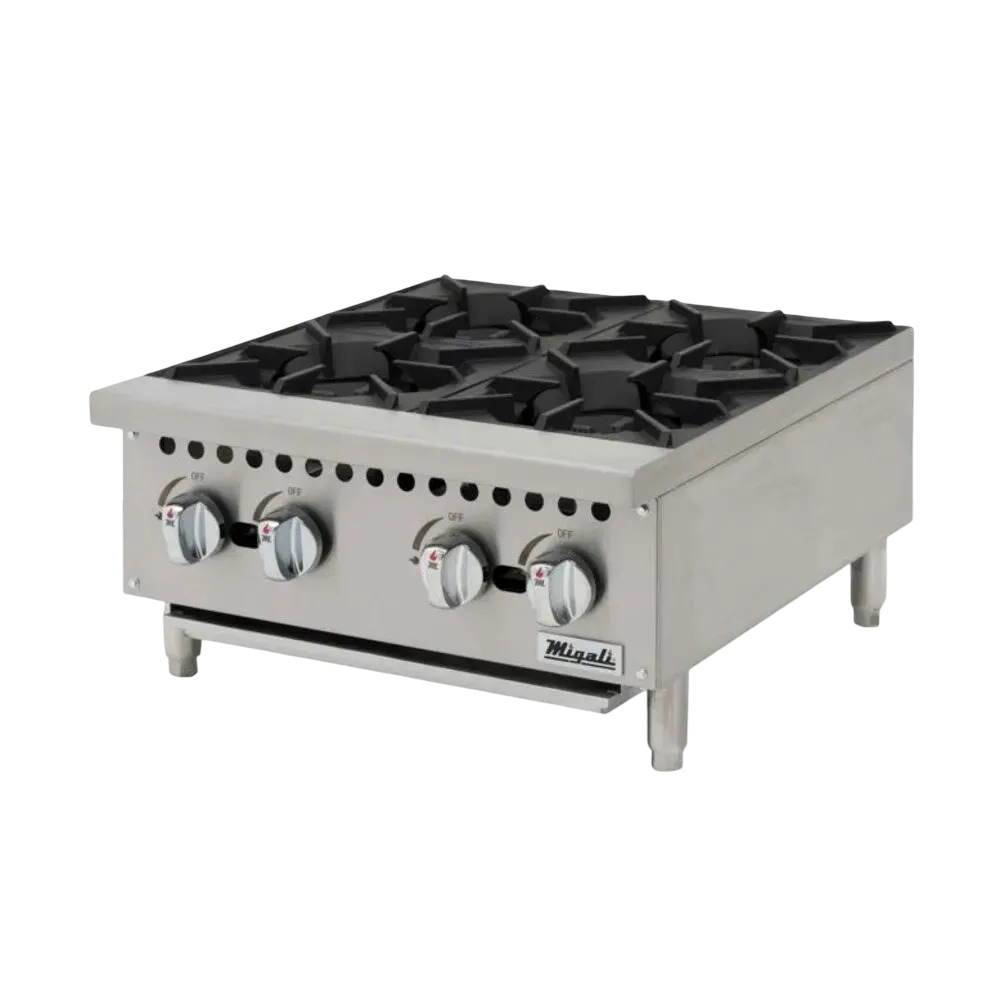
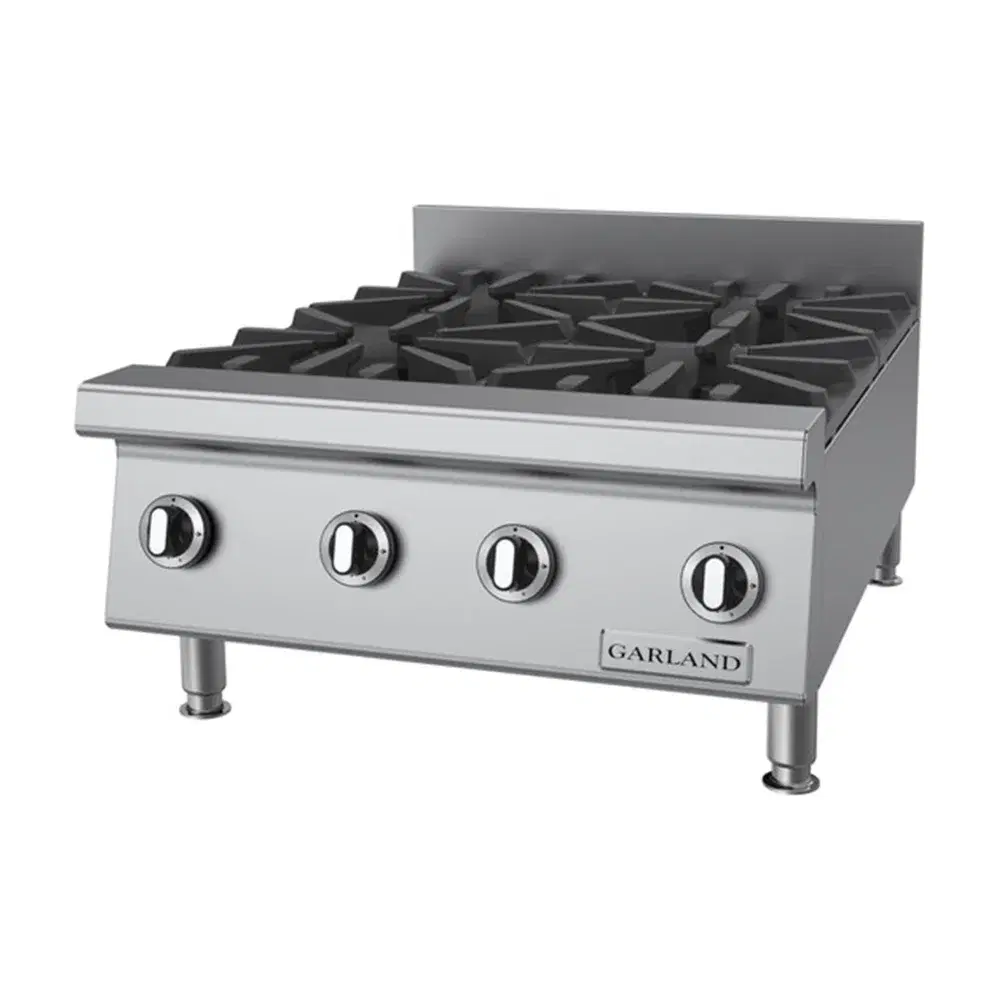
Garland GTOG24-4 24" Countertop Range, 4 Burners, Natural Gas, 120,000 BTU
Model No: GTOG24-4
⚡ Fast DeliveryShipping Fee
Mostly Ships in 5 to 7 Days
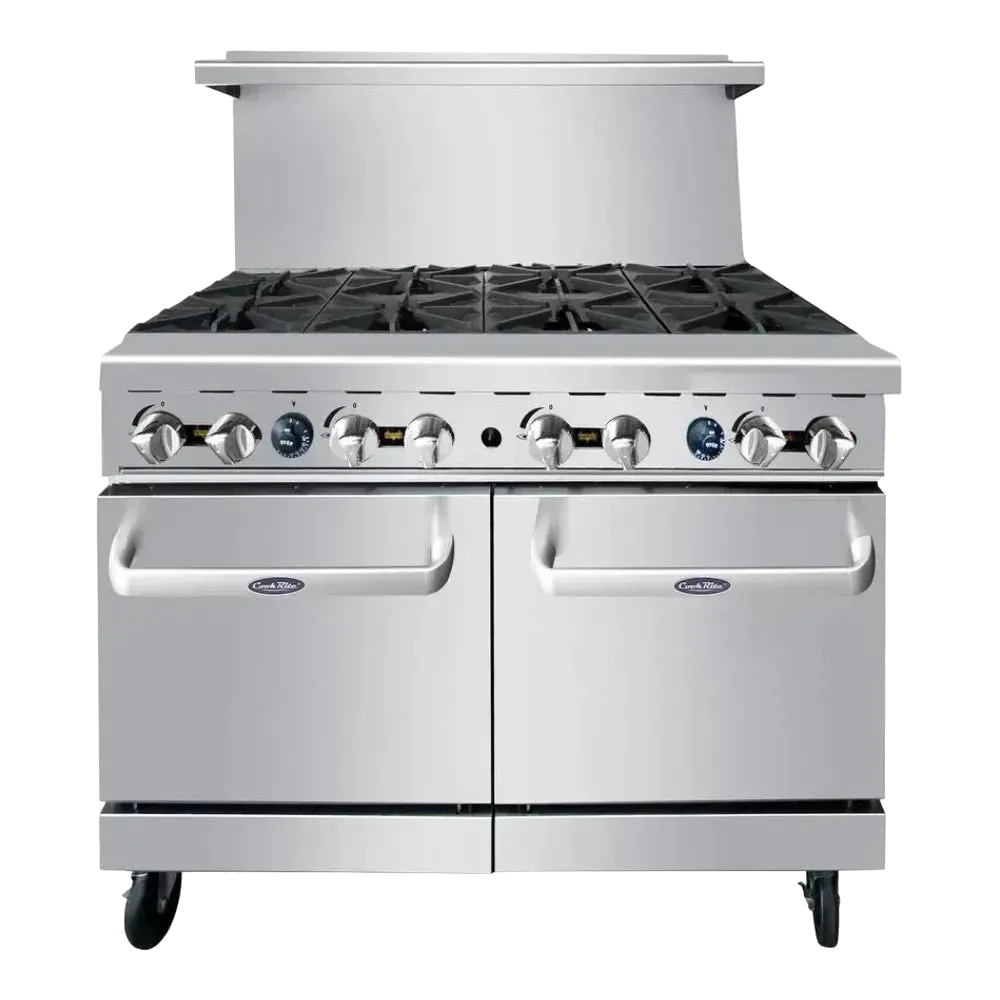
Garland G36-6R 36" Range with Standard Oven, 6 Burners, Natural Gas, 236,000 BTU
Model No: G36-6R
⚡ Fast DeliveryShipping Fee
Mostly Ships in 5 to 7 Days
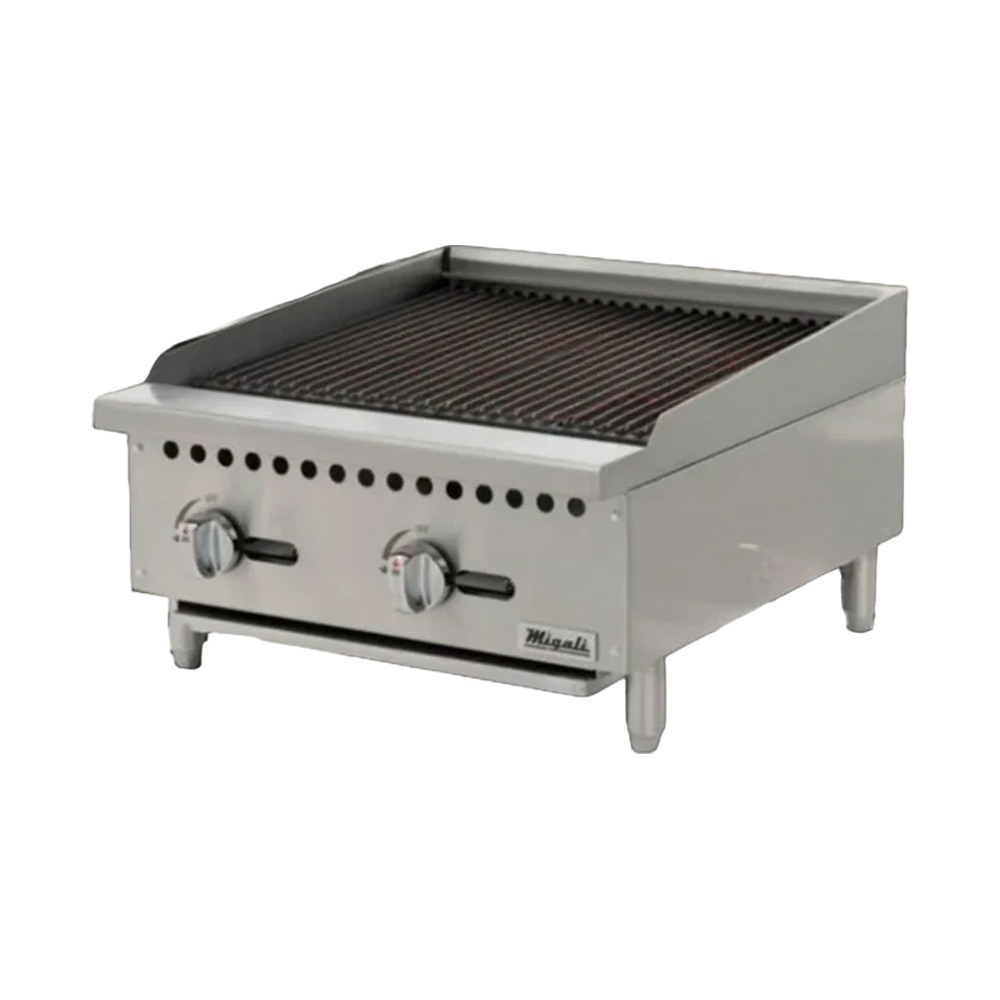
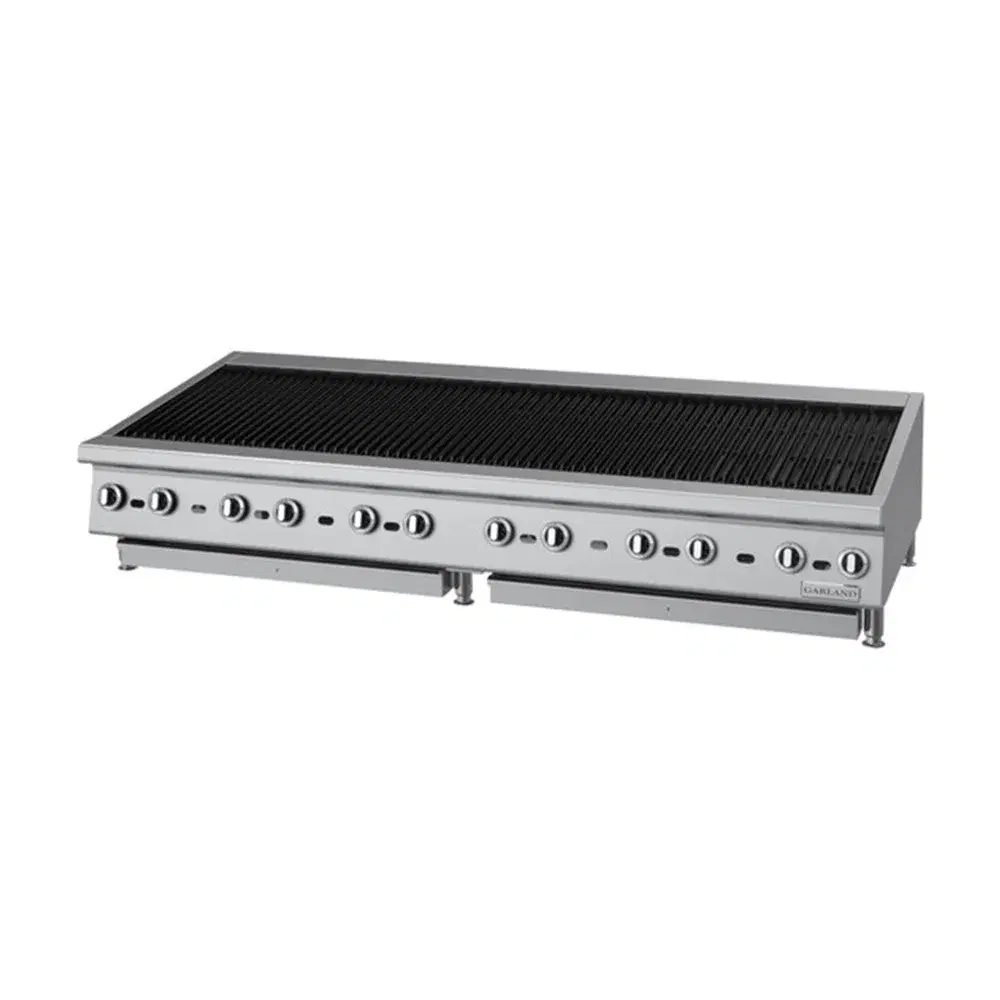
Garland GTBG72-NR72 72" Radiant Charbroiler, Natural Gas, Fixed Grates, 216,000 BTU
Model No: GTBG72-NR72
⚡ Fast DeliveryShipping Fee
Mostly Ships in 5 to 7 Days
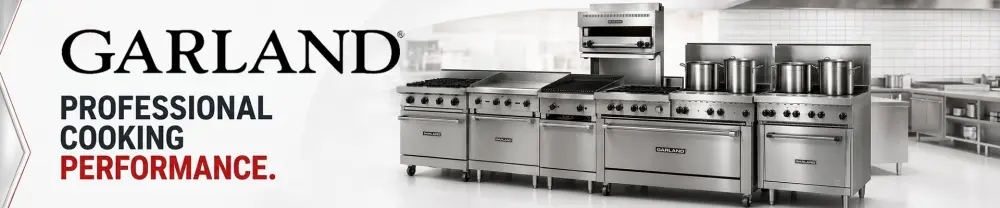
Garland commercial cooking equipment is valued by foodservice operators because it supports the core of a professional cookline: ranges, countertop cooking, broiling, and grilling. For restaurant owners, chefs, hotels, cafés, and catering teams, the significance of Garland is practical rather than ornamental: it helps kitchens build a dependable hot-side workflow around the menu, available space, utilities, and service volume. The Horeca Store can be used to explore Garland commercial cooking equipment and related restaurant equipment categories when comparing options for a complete kitchen setup.
Garland equipment matters because the cookline often determines how quickly, consistently, and safely a kitchen can serve food during rush periods. A Garland range, countertop gas range, or charbroiler is not chosen only for brand name; it is chosen because its size, burner layout, heat source, and configuration affect prep speed, station efficiency, and menu flexibility. When operators compare Garland configurations alongside other commercial cooking equipment, they can plan a complete cookline that supports today’s service while leaving room for future menu changes.
In this context, “Garland” refers to commercial cooking equipment used in professional foodservice kitchens. These products are typically part of the hot-side lineup, where chefs boil, sauté, simmer, sear, grill, broil, and finish menu items. Instead of treating each appliance as a separate purchase, operators usually evaluate Garland equipment as part of a wider cookline plan that also includes refrigeration, prep tables, ventilation, warewashing, and holding equipment.
The Horeca Store provides access to commercial cooking equipment categories that help operators compare ranges and related kitchen equipment in one planning process. That is useful because a range decision may affect hood space, gas capacity, production flow, and station layout. A compact café may need a smaller footprint, while a hotel kitchen or full-service restaurant may need multiple burners, griddle space, or charbroiling capacity.
Garland equipment can support different cooking tasks depending on the configuration selected. The right choice depends on the menu first, then the space and utilities available.
Common Garland options to compare include:
This category-based view helps operators avoid isolated purchasing decisions. For example, a restaurant planning a burger-and-grill concept may compare a Garland Charbroiler with ranges, fryers, refrigeration, and prep equipment before finalizing the line.
The most important specifications are the ones that change daily operations. Width determines whether the unit fits the line and leaves enough space for neighboring equipment. Burner count affects how many pans or stockpots can run at once. Gas type, electrical requirements, and ventilation needs determine whether the unit can be installed safely and economically in the existing kitchen.
Key details to review before choosing include:
Pricing is best evaluated by configuration rather than by brand alone. A compact countertop unit, full commercial gas range, and charbroiler serve different roles, so operators should compare cost against menu demand, production capacity, installation needs, and expected daily use.
A cookline that is undersized creates bottlenecks. If a kitchen has too few burners, cooks may delay sauces, sides, or pan-fired dishes while waiting for space. If the grill area is too small, protein items can back up during the busiest part of service. If equipment is too large for the menu, operators may lose valuable prep or plating space and increase installation complexity.
The operational impact is easiest to see in a real planning scenario. A neighborhood restaurant offering pasta, grilled chicken, steaks, soups, and brunch may need a Garland Commercial Gas Range for pan work, a Garland Charbroiler for grill items, and additional equipment for frying or holding. A smaller café with limited hood space may instead start with a Garland Countertop Gas Range to add cooking flexibility without rebuilding the entire line.
Different foodservice businesses need different Garland configurations. The best fit comes from matching the appliance to the menu, staff workflow, and available space.
Use these guidelines as a practical starting point:
Restaurant owners can compare Garland configurations alongside other commercial cooking equipment when planning a complete cookline. The Horeca Store’s category structure helps operators move between Garland commercial cooking equipment and related restaurant equipment categories, making it easier to compare ranges and companion equipment in context.
A Garland range is typically chosen for versatile pan and pot work, while a charbroiler is chosen for direct grilling and distinctive surface finish. Countertop gas ranges are useful when space is limited or when an operation needs to expand a station without replacing the main line. None of these options is automatically better; each solves a different kitchen problem.
Compared with ovens, ranges give cooks more immediate control at the station. Compared with fryers, they support a wider variety of moist-heat and pan-based cooking. Compared with griddles, charbroilers bring a different cooking profile, especially for menus that depend on grilled flavor, markings, and high surface heat.
Before choosing Garland equipment, start with the menu and peak-hour production needs. Then confirm space, hood coverage, gas or electrical requirements, cleaning access, and how the unit will sit beside existing equipment. If the kitchen is new, compare the full cookline before ordering; if the kitchen is being upgraded, check whether the selected Garland model works with current utilities and ventilation.
Installation, service access, warranty terms, and maintenance expectations should be reviewed before purchase. Operators should follow manufacturer documentation, local codes, and qualified installer guidance for setup and ongoing care. The most practical buying decision is the one that balances capacity, space, utilities, staff workflow, and long-term serviceability rather than focusing on a single feature in isolation.