
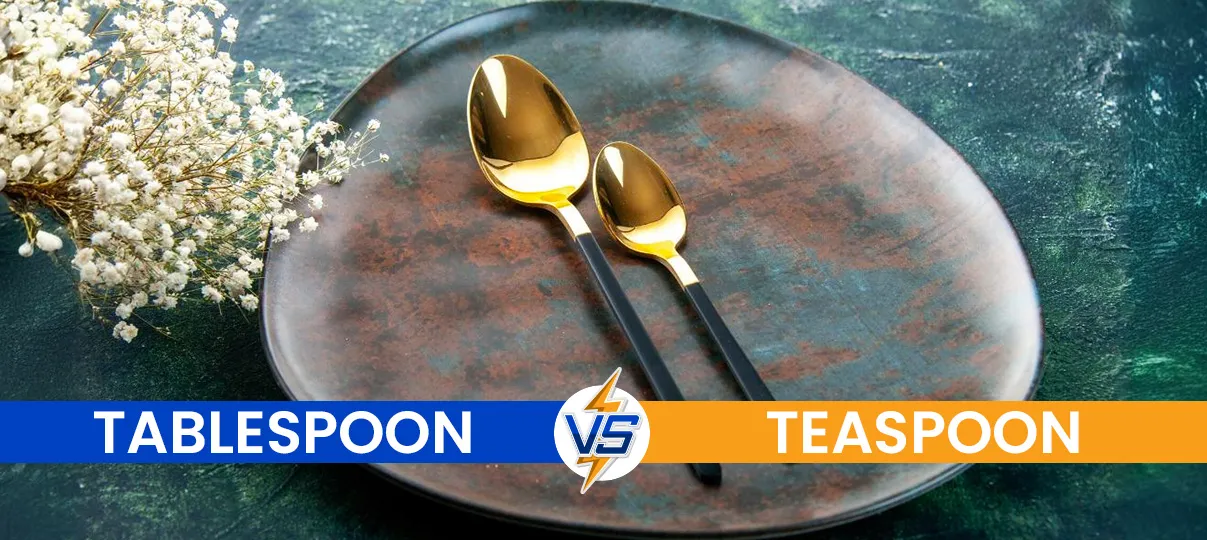
When diving into the world of cooking and baking, one of the first things you'll encounter is the need to measure ingredients accurately. Among the most frequently used tools are measuring spoons, and two of the most common sizes are tablespoons and teaspoons. But what's the real difference between a tablespoon and a teaspoon? Let's explore.
Understanding Measuring Spoons
Measuring spoons are essential tools in any kitchen. They ensure that the ingredients you use are consistent with the recipe, which is crucial for achieving the desired taste and texture.
The Basics: Tablespoon vs Teaspoon
The primary distinction between a tablespoon and a teaspoon is their size and capacity.
- Tablespoon (tbsp): A tablespoon is larger and is commonly used for measuring liquid ingredients or larger quantities of dry ingredients. It is equivalent to 3 teaspoons.
- Teaspoon (tsp): A teaspoon is smaller and is typically used for smaller quantities of both liquid and dry ingredients.
- The ratio is simple: 1 tablespoon equals 3 teaspoons. This fundamental difference is critical when scaling recipes up or down.
Why Measuring Accurately Matters
Accurate measurements can make the difference between a successful dish and a culinary disaster. Here’s why precision in using tablespoons and teaspoons is important:
Flavor Balance
The balance of flavors in a dish can be significantly affected by incorrect measurements. Too much or too little of an ingredient can overwhelm or understate the intended taste. For example, adding too much salt or too little sugar can make a dish unpalatable.
Texture and Consistency
Baking, in particular, relies heavily on accurate measurements. The texture and consistency of baked goods are determined by the precise balance of ingredients. Adding an extra tablespoon of flour can make cookies dense, while an additional teaspoon of baking powder can cause a cake to collapse.
Nutritional Content
For those monitoring their nutritional intake, accurate measurements ensure that they stay within their dietary goals. A tablespoon of oil, for instance, has significantly more calories than a teaspoon, which can impact meal planning and calorie counting.
Practical Tips for Using Measuring Spoons
Now that we understand the importance of these tools, let's look at some practical tips for using them effectively.
How to Measure Dry Ingredients
When measuring dry ingredients like flour, sugar, or spices:
- Scoop: Use the measuring spoon to scoop the ingredient directly from the container.
- Level Off: Use a straight edge, like the back of a knife, to level off the excess for an accurate measure.
How to Measure Liquid Ingredients
For liquid ingredients like oil, vinegar, or vanilla extract:
- Pour: Carefully pour the liquid into the measuring spoon over a bowl or sink to catch any spills.
- Eye Level: Ensure the spoon is level to avoid overfilling and spilling.
Cleaning and Care
To maintain your measuring spoons:
- Wash After Use: Clean them after each use to prevent residue build-up, especially with sticky ingredients like honey or syrup.
- Dry Thoroughly: Ensure they are completely dry before storing to prevent rusting, especially if they are made of metal.
Common Mistakes and How to Avoid Them
Mistakes in measuring can lead to culinary mishaps. Here are some common errors and how to avoid them:
Using the Wrong Spoon
Sometimes, in the hustle of cooking, it’s easy to grab the wrong spoon. Always double-check the recipe and the spoon size before measuring.
Not Leveling Off
For dry ingredients, not leveling off can lead to excess amounts, which affects the recipe's balance. Always use a straight edge to level off dry ingredients.
Inaccurate Liquid Measurements
When measuring liquids, ensure the spoon is steady and at eye level. This helps prevent over or under-measuring.
Beyond Tablespoons and Teaspoons: Other Measuring Tools
While tablespoons and teaspoons are essential, there are other tools that can aid in precise cooking and baking:
Measuring Cups
These are used for larger quantities and come in sets for both liquid and dry ingredients. They are essential for recipes that require more than a tablespoon or teaspoon of an ingredient.
Kitchen Scales
For ultimate precision, especially in baking, kitchen scales can measure ingredients by weight. This method is often more accurate than volume measurements.
Conclusion
Understanding the difference between a tablespoon and a teaspoon, and how to use them correctly, is a basic yet crucial skill in the kitchen. Accurate measurements ensure that your dishes turn out as intended, with the perfect balance of flavors and textures. By mastering these tools, you'll be well on your way to culinary success. Whether you’re a beginner or an experienced cook, keeping these tips in mind will enhance your cooking and baking experiences. Happy cooking!
Buy Measuring Spoons and Kitchen Tools from The Horeca Store
Whether you're following a recipe in a home kitchen or preparing large batches in a commercial kitchen, accurate measurements are essential for consistent cooking and baking results. The Horeca Store offers a wide selection of high-quality measuring spoons, kitchen utensils, and food preparation tools for restaurants, cafés, hotels, bakeries, catering businesses, and cloud kitchens. Our durable, food-grade measuring spoons are designed to provide precise measurements, helping chefs maintain recipe consistency and reduce ingredient waste.
At The Horeca Store, you'll find commercial kitchen tools that combine accuracy, durability, and ease of use to support efficient food preparation. From individual measuring spoons to complete utensil sets, our products are built to withstand the demands of professional kitchens. Explore our collection today and equip your kitchen with reliable measuring tools that ensure every recipe is prepared to perfection.