
In any fast-paced culinary environment, space and efficiency are the keys to a successful service. Whether you are running a bustling restaurant kitchen, managing a busy café, or designing a high-end residential outdoor kitchen, having your ingredients perfectly chilled and immediately accessible is non-negotiable.
If you want to upgrade your workspace, the decision to Buy 48" Worktop Refrigerator – Reliable Cooling Storage is one of the smartest investments you can make. Blending a robust preparation surface with high-capacity cold storage, this piece of equipment is designed to streamline your operations.
In this comprehensive guide, we will explore the many benefits of a 48-inch worktop refrigerator, how to choose the right layout, and how to maintain your equipment for years of flawless service.

What Makes the 48" Worktop Refrigerator a Game-Changer?
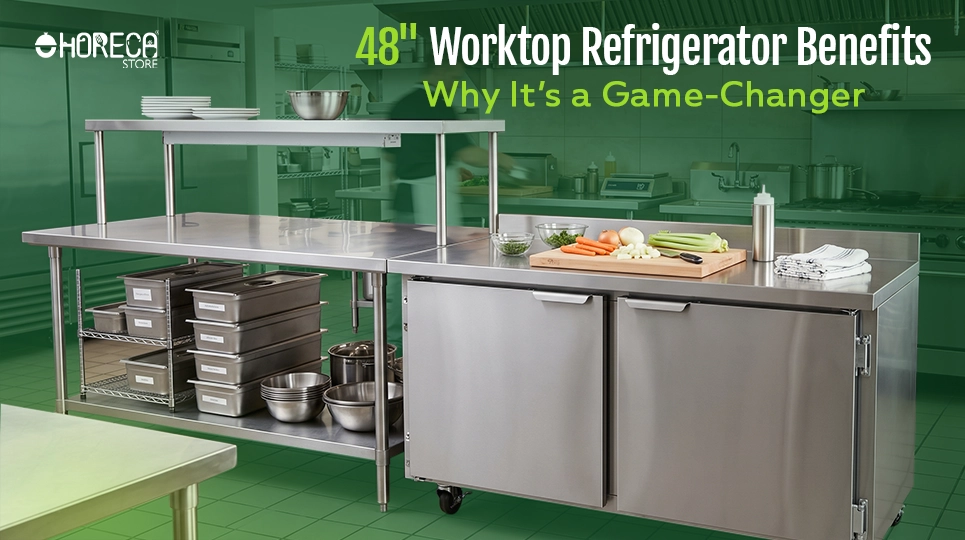
A worktop refrigerator is essentially a hybrid piece of equipment. It combines a heavy-duty, food-grade prep surface with a high-performing refrigeration system tucked underneath. Specifically, a 48 inch stainless steel prep station offers the perfect middle ground: it is compact enough to fit into tight line-cook stations but spacious enough to hold a substantial amount of perishable ingredients.
Worktop vs. Undercounter Models
When planning a kitchen layout, many owners weigh the worktop vs undercounter refrigerator pros and cons.
- The Undercounter Fridge: An under counter fridge is designed to slide seamlessly underneath an existing, pre-built counter. They are great for saving space but do not provide an integrated workspace.
- The Worktop Refrigerator: A worktop unit is the counter. These models typically feature an integrated backsplash for food safety, which prevents crumbs, liquids, and utensils from falling behind the unit. This built-in barrier is crucial for maintaining sanitary conditions and passing rigorous health inspections.
By combining the surface and the storage, you are fundamentally optimizing workflow with refrigerated worktables. Chefs no longer have to walk across the kitchen to grab fresh produce or proteins; everything is located directly beneath their cutting boards.
Understanding Kitchen Refrigerator Dimensions
One of the biggest hurdles in kitchen design is spatial planning. Whether you are outfitting a commercial space or looking for a sleek, built-in look for a home kitchen, understanding dimensions is critical.
A frequent question that arises during layout planning is: what is the depth of a counter depth refrigerator? In standard residential designs, a counter-depth fridge is typically between 24 and 30 inches deep, allowing it to sit flush with standard cabinetry. However, if you are wondering exactly what is the depth of a counter depth fridge in a commercial setting, it can vary. Commercial worktop refrigerators often have a depth of about 30 to 33 inches to accommodate standard commercial prep surfaces and deeper storage pans.
Understanding your countertop depth refrigerator dimensions ensures that your new worktop fridge will not protrude awkwardly into high-traffic aisles. Furthermore, checking overall refrigerator depth is vital to guarantee that cabinet doors and drawers can open fully without hitting adjacent equipment.
When determining how to choose worktop refrigerator size, consider the following:
- Aisle Clearance: Ensure you have at least 36 inches of clearance in front of the unit for easy loading and unloading.
- Capacity Needs: A 48-inch unit is ideal for medium-volume stations (like a salad prep or sandwich line).
- Ventilation: Check the manufacturer's specifications for clearance requirements around the compressor.

Essential Features of a Premium Worktop Refrigerator
When you set out to buy a 48-inch worktop refrigerator, you aren’t just looking at size. You need to look at the technology and hardware that will keep your kitchen running smoothly. Always ensure that the equipment meets NSF certified commercial refrigeration standards, guaranteeing that the materials are food-safe and easy to sanitize.
1. Door vs. Drawer Storage Configurations
One of the most critical decisions is evaluating drawer versus door storage capacity.
- Doors: Models with solid doors are excellent for storing large, bulky items like bulk prep containers, tall bottles, or oversized mixing bowls.
- Drawers: Drawers are highly favored in fast-paced prep areas. They are designed to hold standard gastronomy (GN) pans. Pulling out a drawer gives you instant, top-down access to portioned ingredients like sliced tomatoes, cheeses, or proteins.
2. Advanced Cooling Technology
To keep food fresh in a hot kitchen, your fridge needs a powerful engine. Look for units equipped with forced air refrigeration technology. This system uses fans to circulate cold air evenly throughout the cabinet, eliminating warm spots and ensuring rapid temperature recovery after the doors or drawers are opened.
Additionally, prioritize units featuring digital temperature monitoring systems.
3. Mobility and Maintenance Flexibility
Commercial kitchens require frequent deep cleaning. Purchasing a unit with heavy duty locking casters for kitchen equipment allows you to easily roll the heavy workstation away from the wall to sweep, mop, and sanitize the floors. When it's time to prep, simply lock the casters to keep the table securely in place.
Beyond the Worktop: Expanding Your Refrigeration Setup
While a 48-inch worktop refrigerator is an incredible asset for localized prep, a well-rounded kitchen requires a comprehensive cooling ecosystem. Depending on your business model or home entertainment needs, you may want to incorporate other specialized refrigeration units.
High-Volume Storage Solutions
For restaurants that process a massive amount of ingredients daily, undercounter units simply won't cut it for bulk storage. This is where an industrial walk in freezer or a spacious walk in refrigerator becomes essential. These massive units hold bulk inventory, which is then portioned out and transferred to your worktop refrigerators for active service.
If space is slightly tighter, a traditional upright freezer and fridge combo or an under counter fridge and freezer setup can provide dual-temperature storage in a much smaller footprint.
Display and Front-of-House Refrigeration
If you have a front-of-house area, a bakery, or a café, visibility is just as important as cooling.
- A glass front refrigerator or a dedicated countertop display refrigerator is perfect for showcasing grab-and-go items, bottled beverages, or fresh pastries to customers, driving impulse sales.
- A single glass door refrigerator offers a tall, sleek footprint for displaying drinks behind a bar or in a narrow deli space.

Residential Upgrades: Bringing Commercial Power Home
Commercial-grade refrigeration is no longer strictly for restaurants. Many homeowners are embracing these robust units for their modern kitchen designs.
If you love entertaining, incorporating a glass door refrigerator for home adds a striking, modern aesthetic to your kitchen. A glass door fridge for home allows you to see your inventory at a glance, which is perfect for busy households.
For the ultimate beverage station, consider a stainless steel glass door fridge paired with a wine refrigerator undercounter. This combination ensures your vintage wines are kept at the perfect cellar temperature, while sodas and craft beers are chilled to perfection. Some families even opt for a glass door fridge freezer in their pantries to combine the sleek look of glass with the practicality of long-term frozen storage.
If you are a home chef, replacing a standard island counter with a commercial worktop fridge can provide energy efficient cooling for small kitchens, turning a cramped space into a highly functional culinary studio.
Maintenance Tips for Longevity and Peak Performance
Whether you are using a standard glass door refrigerator or a heavy-duty worktop unit, proper maintenance is the secret to extending the lifespan of your equipment. Commercial refrigerators run 24/7 in harsh, greasy, and hot environments. Following a reliable commercial refrigerator compressor maintenance guide is vital.
Here are the top actionable maintenance tips to keep your cooling storage reliable:
1. Routine Condenser Coil Cleaning
The single most important maintenance task for any refrigeration unit is condenser coil cleaning for peak performance. The condenser coils are responsible for releasing the heat absorbed from inside the fridge. In a commercial kitchen, these coils quickly become coated in dust, flour, and airborne grease.
- The Fix: Every 30 to 60 days, disconnect the power, remove the vent cover, and use a stiff-bristled brush and a shop vacuum to gently remove debris from the coils. Clogged coils force the compressor to work overtime, leading to high energy bills and eventual engine failure.
2. Inspecting and Replacing Door Gaskets
The rubber seals (gaskets) around your refrigerator doors and drawers keep the cold air inside. Over time, these seals can crack, tear, or lose their magnetism.
- The Fix: Wipe down the gaskets weekly with warm, soapy water to prevent sticky residue from tearing the rubber. If you notice cold air leaking or condensation building up on the outside of the unit, it is time for replacing worktop refrigerator door gaskets. Most gaskets are designed to snap in and out without tools, making this a quick and inexpensive DIY repair.
3. Monitoring the Compressor and Fans
Keep an ear out for unusual noises. If your forced air refrigeration technology fans start grinding or the compressor is constantly running without cycling off, it may be low on refrigerant or suffering from a blocked airflow. Leave space around the exterior of the fridge so the compressor can breathe.
4. Invest in the Best
To minimize maintenance headaches, start by purchasing high-quality equipment. Spend time researching top rated industrial refrigeration brands. Brands with solid warranties, easily accessible replacement parts, and robust customer service will save you thousands of dollars in emergency repair costs over the life of the unit.

Conclusion: Transform Your Kitchen Workflow Today
Designing an efficient kitchen requires equipment that works just as hard as you do. When you make the choice to Buy 48" Worktop Refrigerator – Reliable Cooling Storage, you are doing much more than just purchasing a fridge. You are investing in a comprehensive prep station that reduces physical strain on your chefs, keeps high-risk ingredients perfectly chilled, and maximizes every square inch of your kitchen’s floor plan.
From the durable integrated backsplash for food safety to the precision of digital temperature monitoring systems, a 48-inch worktop refrigerator represents the pinnacle of culinary convenience. Whether you are pairing it with an industrial walk in freezer in a massive restaurant or setting it up next to a sleek wine refrigerator undercounter in your luxury home kitchen, this versatile unit will fundamentally elevate how you prepare and store food.
Take the time to measure your space, consider your storage needs between doors and drawers, and commit to a routine maintenance schedule. By doing so, your worktop refrigerator will provide you with a lifetime of reliable, energy-efficient cooling.