
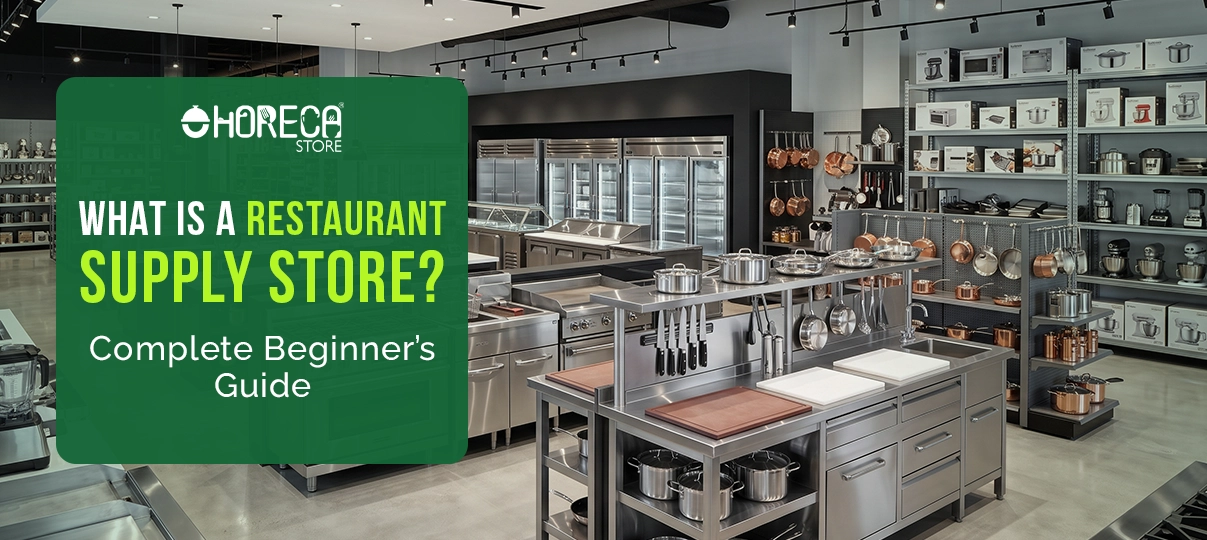
If you have ever peered through the glass doors of a massive warehouse filled with gleaming stainless steel tables, stacked high with oversized pots, and lined with towering refrigerators, you have likely asked yourself: What is a Restaurant Supply Store?
For anyone outside the food service industry, these stores can look intimidating—like a Costco exclusively for professional chefs. However, these specialized retailers are the lifeblood of the hospitality industry. They provide everything a food business needs to operate safely, efficiently, and profitably.
Whether you are an aspiring restaurateur drafting your first business plan, a food truck owner looking to upgrade your gear, or an enthusiastic home cook searching for tools that won't break after a month of heavy use, understanding how these stores operate is crucial.
In this comprehensive guide, we will dive deep into what makes these stores unique, explore the equipment they sell, and provide actionable tips for navigating them like a seasoned pro.
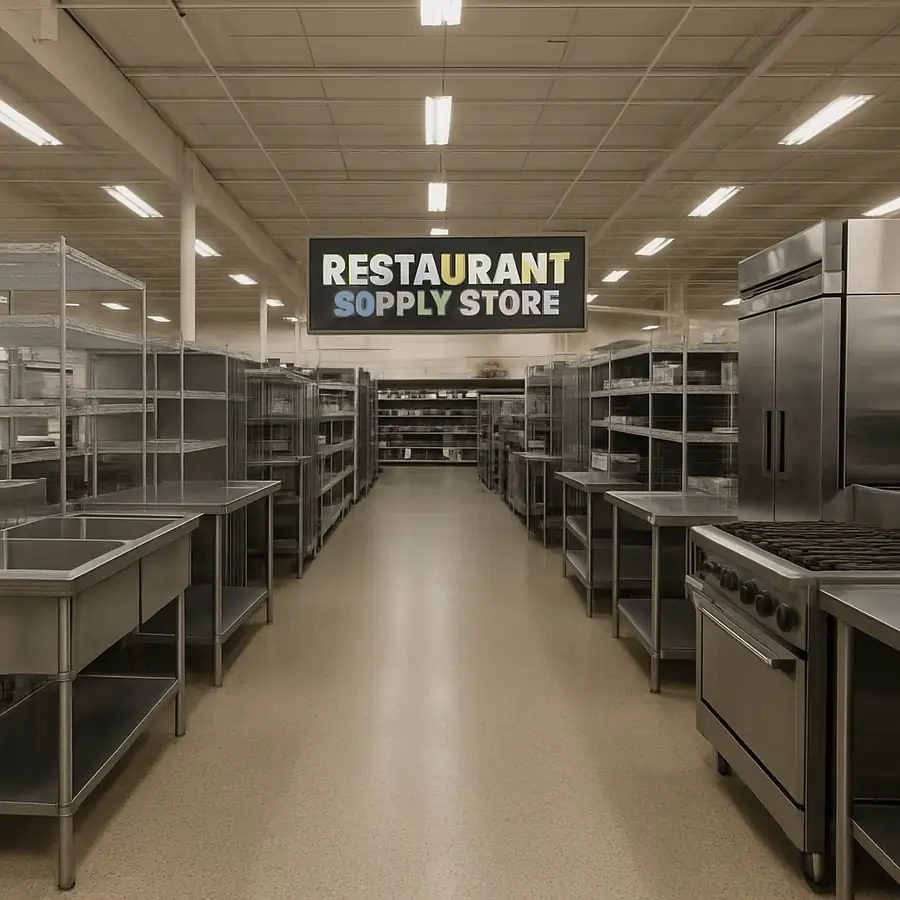
Demystifying the Concept: What is a Restaurant Supply Store?
At its core, a restaurant supply store is a specialized retail or wholesale business that provides the necessary equipment, tools, and consumable products required to run a commercial food service operation.
Unlike a standard grocery store or a home goods retailer, a restaurant supply store focuses heavily on volume, durability, and health code compliance. From the massive ovens that bake hundreds of pizzas a day to the humble plastic deli containers used for prep, these stores carry the inventory required to keep a commercial kitchen running without interruption.
Wholesale Restaurant Supply vs Retail Kitchen Stores
When comparing wholesale restaurant supply vs retail kitchen stores, the differences are stark. Retail kitchen stores (like Williams Sonoma or Sur La Table) cater primarily to the home cook. Their products are designed with aesthetics in mind—they look beautiful on a residential kitchen counter. They often feature bright colors, delicate glass, and intricate designs.
Wholesale restaurant suppliers, on the other hand, prioritize function over form. Here is how they differ:
- Pricing: Wholesale stores offer tiered pricing. The more you buy, the cheaper the individual unit cost. Retail stores generally sell items at a fixed, marked-up consumer price.
- Aesthetics: Restaurant supplies are usually plain. You will see a lot of unbranded stainless steel, heavy-duty aluminum, and color-coded plastic.
- Packaging: Retail items come in glossy, attractive boxes. Restaurant supplies often come in plain brown cardboard boxes or are sold entirely loose to minimize waste and cost.
Can the Public Shop at Restaurant Supply Stores?
One of the most common questions people ask is: can the public shop at restaurant supply stores?
The short answer is: almost always, yes!
While some traditional wholesalers still require a business tax ID or a membership (similar to wholesale clubs), the vast majority of modern brick-and-mortar and online restaurant supply stores enthusiastically welcome the general public.
This open-door policy has sparked a massive trend of consumers seeking out professional cookware for home chefs. Why buy a flimsy, expensive retail frying pan when you can buy a virtually indestructible carbon steel pan from a restaurant supplier for a fraction of the price? Home bakers, barbecue enthusiasts, and serious home chefs routinely browse these aisles for durable sheet pans, heavy-duty spatulas, and bulk spices.

Why Buy From a Restaurant Supply Store?
If you are opening a cafe, a catering business, or a bakery, utilizing these specialized vendors isn't just a suggestion; it's a necessity. But why buy from a restaurant supply store instead of sourcing items online from generic retailers?
- Expertise: The staff at these stores are usually industry veterans. They understand health codes, know which fryer has the fastest recovery time, and can recommend the exact type of blender for your specific smoothie recipe.
- Cost Efficiency: Buying restaurant supplies wholesale allows you to stretch your startup capital. Profit margins in the food industry are notoriously razor-thin, and saving 30% on your initial equipment purchase can make or break your first year.
- One-Stop Shopping: Sourcing equipment from dozens of different vendors is a logistical nightmare. A good supply store allows you to outfit your entire operation in a single purchase order.
Commercial Grade Appliances vs Residential: What’s the Difference?
A common mistake made by new business owners is trying to save money by purchasing home appliances for a professional setting. Understanding the difference between commercial grade appliances vs residential units will save you from catastrophic equipment failure and potential legal trouble.
Residential appliances are designed to be used a few times a day. A commercial appliance is engineered to run continuously for 12 to 24 hours under extreme stress, heat, and grease.
Furthermore, using residential equipment in a business setting will almost instantly void the manufacturer's warranty. More importantly, it may cause you to fail your local health inspection. Commercial kitchens legally require equipment that meets stringent sanitation and safety standards.
NSF Certified Kitchen Equipment Benefits
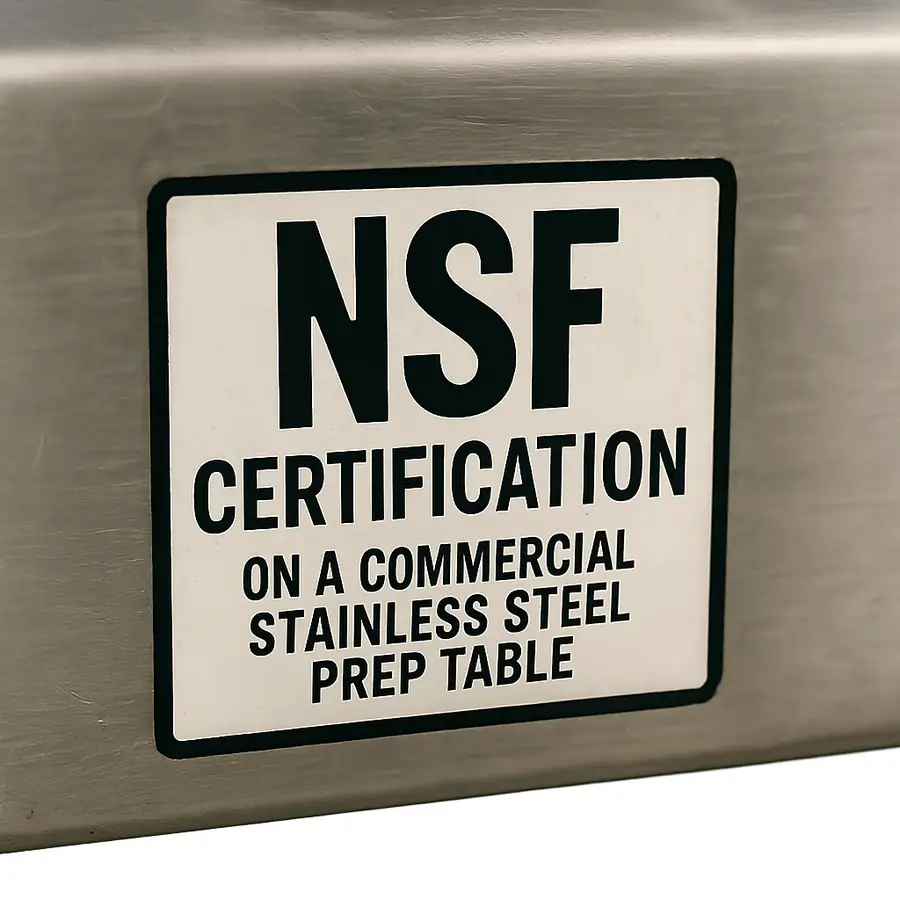
When browsing restaurant equipment, you will frequently see a blue circular sticker bearing the letters "NSF" (National Sanitation Foundation). The NSF certified kitchen equipment benefits are numerous and crucial for any food service business.
NSF certification guarantees that the equipment:
- Is constructed from materials that are non-toxic and non-absorbent.
- Features a smooth design with no tiny crevices where bacteria, grease, or food particles can hide.
- Can withstand harsh commercial chemical cleaners.
- Operates safely and exactly as advertised.
From prep tables to industrial refrigeration and cooking units, ensuring your major purchases are NSF certified is non-negotiable for passing health department inspections.
Essential Gear: What Will You Find Inside?
Walking into a supply store can be an overwhelming experience. The sheer volume of goods is staggering. To break it down, inventory is usually divided into three main categories: heavy equipment, smallwares, and bulk supplies.
1. Heavy-Duty Restaurant Equipment
This is the heavy machinery of the culinary world. This section includes massive walk-in freezers, six-burner gas ranges, deep fryers, commercial dishwashers, and massive planetary mixers used by bakeries. When purchasing these items, you must consider your building’s electrical voltage, gas line capacity, and ventilation hood space.
2. The Essential Restaurant Smallwares List
"Smallwares" is the industry term for hand tools, pots, pans, and serving dishes. If it isn't plugged in or hooked up to a gas line, it is likely a smallware.
If you are outfitting a new kitchen, here is an essential restaurant smallwares list to get you started:
- Cookware: Aluminum and stainless steel stockpots, fry pans, saucepans, and cast-iron skillets.
- Prep Tools: High-carbon steel chef knives, color-coded cutting boards (to prevent cross-contamination), mixing bowls, and colanders.
- Portion Control: Dishers (ice cream scoops), ladles, and digital scales.
- Baking Gear: Half and full-size aluminum sheet pans, cooling racks, measuring cups, and high-heat spatulas.
- Storage: Clear polycarbonate food storage containers (Cambros) with tight-fitting lids.
A major advantage of buying these items here is the durability of commercial grade smallwares. Unlike retail pans that warp under high heat or spatulas whose handles melt, commercial smallwares are built to endure the abuse of a high-volume kitchen.
3. Bulk Kitchen Supplies for Small Businesses
Beyond the hardware, these stores are treasure troves for bulk kitchen supplies for small businesses. You will find towering aisles dedicated to takeout containers, coffee cups, pizza boxes, paper towels, heavy-duty degreasers, sanitizing solutions, and even bulk pantry staples like frying oil, flour, and spices. Buying these consumables by the case is vital for keeping operational costs low.
Commercial Kitchen Equipment for Beginners: A Starting Point
If you are a novice entering the food service industry, sourcing equipment can feel like learning a new language. Commercial kitchen equipment for beginners does not need to be complicated, provided you approach it methodically.
Actionable Tip: Do not buy anything until your menu is 100% finalized. Your menu dictates your equipment, not the other way around. If your menu features fried chicken, you need to invest heavily in a high-capacity fryer with quick temperature recovery. If you are opening a sandwich shop, your budget should be directed toward an elite refrigeration prep table.
Setting Up a Commercial Kitchen Layout
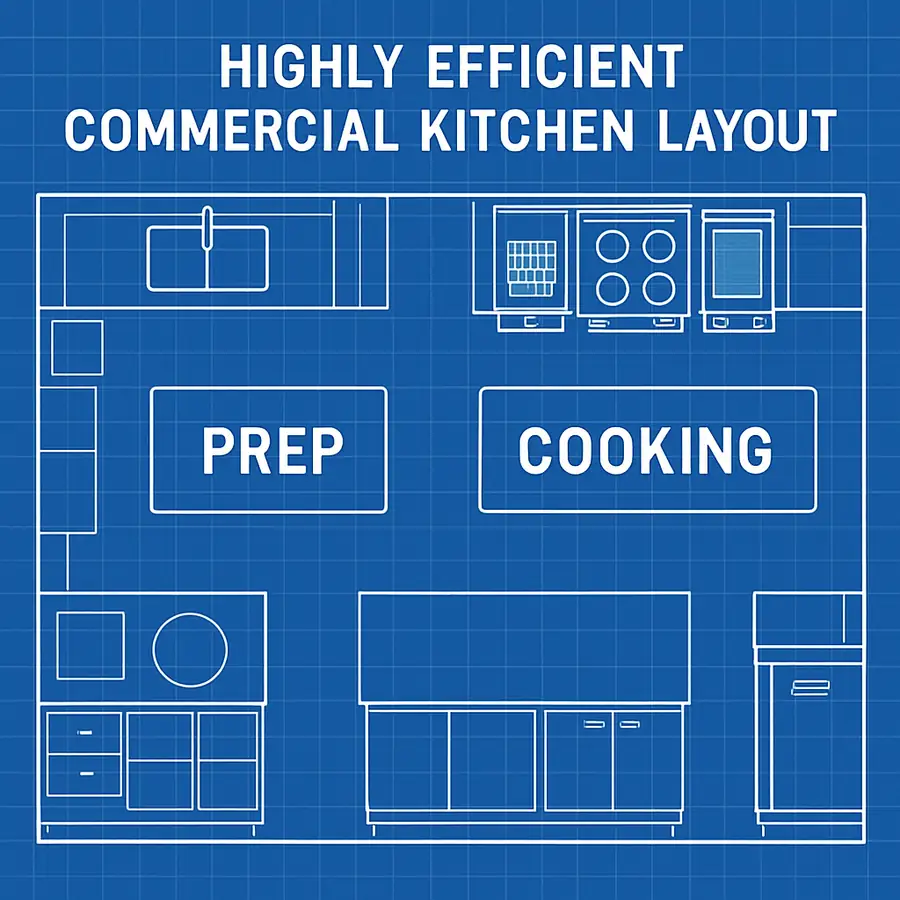
Before you purchase a single pan, you must understand the flow of your space. Setting up a commercial kitchen layout requires strategic planning to maximize efficiency and minimize the physical steps your cooks have to take.
A well-designed kitchen generally follows one of a few standard layouts (like the assembly line, the island layout, or the zone-style layout). When visiting a supply store, bring your blueprints.
A Quick Food Service Equipment Procurement Guide
Knowing what to buy is only half the battle. Knowing how to buy it is equally important. If you are wondering where to find industrial kitchen supplies, here is a brief food service equipment procurement guide to help you make smart purchasing decisions:
- Mix New and Used Equipment: You do not need to buy everything brand new. While you should absolutely buy new refrigeration units and fryers (as these have shorter lifespans and are prone to breaking down), you can easily save thousands of dollars by buying used stainless steel prep tables, sinks, and shelving. Metal doesn't break.
- Compare Local and Online Suppliers: Local stores are fantastic because you can inspect the equipment in person, test the weight of a knife, and avoid massive freight shipping costs. However, online restaurant supply giants often have a wider selection and occasionally lower baseline prices. Use both resources to your advantage.
- Look into Leasing: For incredibly expensive items like commercial dishwashers or ice machines, consider leasing. These machines require frequent maintenance, and a lease agreement usually includes free repairs and servicing.
- Check Dimensions and Doorways: This is a common, heartbreaking mistake. Before you finalize the purchase of a double-door industrial refrigerator, measure the doorways of your restaurant. If it doesn't fit through the front door, it doesn't matter how great of a deal you got on it!
Find Restaurant Equipment and Supplies at The Horeca Store
Setting up a successful foodservice operation starts with reliable equipment and quality supplies. The Horeca Store offers a complete selection of commercial kitchen equipment, restaurant supplies, refrigeration solutions, cooking appliances, smallwares, disposable products, and hospitality essentials for restaurants, cafés, hotels, bakeries, and catering businesses.
Whether you are opening a new restaurant, upgrading your kitchen, or expanding your food business, The Horeca Store provides professional solutions designed for performance, durability, and efficiency. With a wide product range, competitive pricing, and dependable support, we help foodservice businesses create kitchens built for success.
Final Thoughts: Equipping Your Culinary Vision
So, what is a restaurant supply store? It is far more than just a retail space. It is the vital infrastructure that empowers chefs, bakers, and entrepreneurs to bring their culinary visions to life safely and efficiently.
From providing the massive industrial refrigeration and cooking units needed to anchor a bustling kitchen, to supplying the high-quality professional cookware for home chefs looking to elevate their Tuesday night dinners, these stores serve a vital purpose in our food ecosystem.
By understanding the differences between residential and commercial gear, utilizing wholesale purchasing power, and prioritizing NSF-certified durability, you can set your food business—or your home kitchen—up for years of delicious success. Next time you pass by one of these massive warehouse stores, don't just wonder what's inside. Walk in, explore the aisles, and discover the tools of the trade for yourself.