
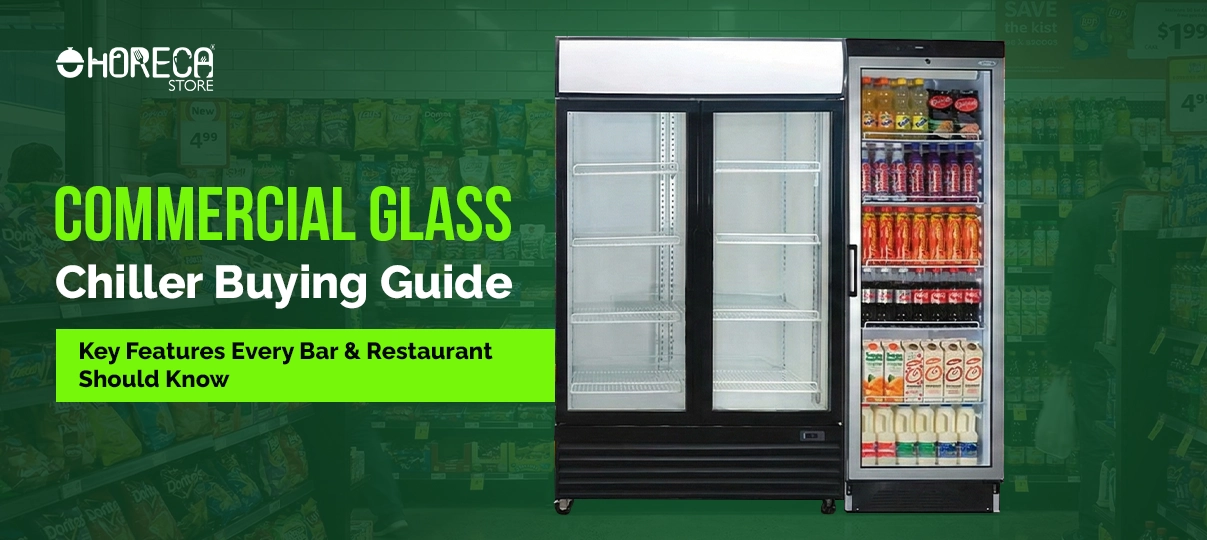
Choosing the right commercial glass chiller is crucial for your business. It ensures your beverages are served at the perfect temperature.
A glass chiller can enhance customer satisfaction and streamline operations. But with so many options, how do you decide?
Understanding the key features is essential. From capacity to energy efficiency, each aspect plays a role.
Consider the size and placement of the chiller. It should fit seamlessly into your space.
Energy efficiency is another critical factor. It impacts your operational costs and environmental footprint.
Temperature control and cooling performance are vital for quick service. They ensure your drinks are always ready.
Durability and build quality affect the chiller's lifespan. Investing in a robust model can save money in the long run.
Finally, consider the design and aesthetics. A well-designed chiller can complement your establishment's decor.
Understanding Commercial Glass Chillers: Types and Applications
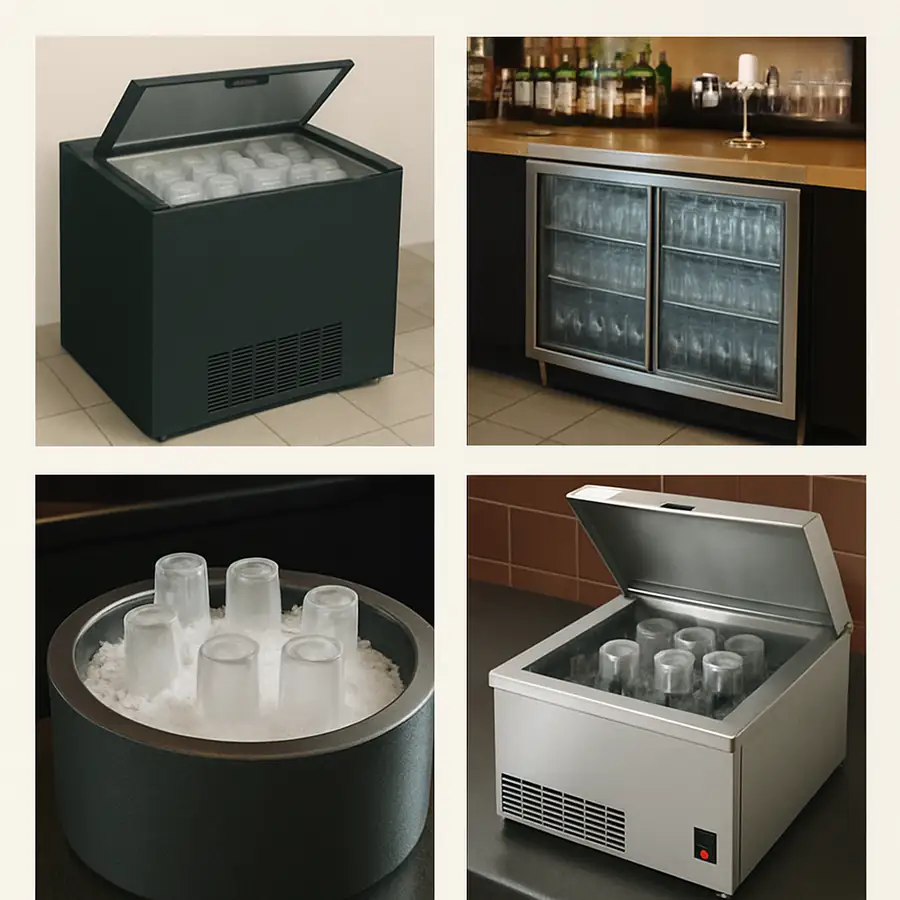
Commercial glass chillers come in various types, tailored to different needs. Knowing these types helps in making informed decisions.
The three main types include:
- Upright Models: Best for larger spaces with heavy usage.
- Under-Counter Models: Ideal for smaller spaces while providing easy access.
- Countertop Models: Suitable for bars or locations with limited space.
Each type serves its own unique application in the food and beverage sector. For instance, upright models are perfect for busy restaurants or bars. They offer substantial storage and quick accessibility.
Under-counter models fit seamlessly in kitchens or spaces with space constraints. Despite their compact size, they retain full functionality.
Meanwhile, countertop models are excellent for specialized settings. They keep glasses chilled and ready without occupying much room.
Understanding these applications helps match the glass chiller to your business needs. The selection of the right model can improve your service speed and enhance customer satisfaction.
Evaluating these types based on specific requirements will ensure optimal utility and performance in any setting.
Key Benefits of Using a Commercial Glass Chiller
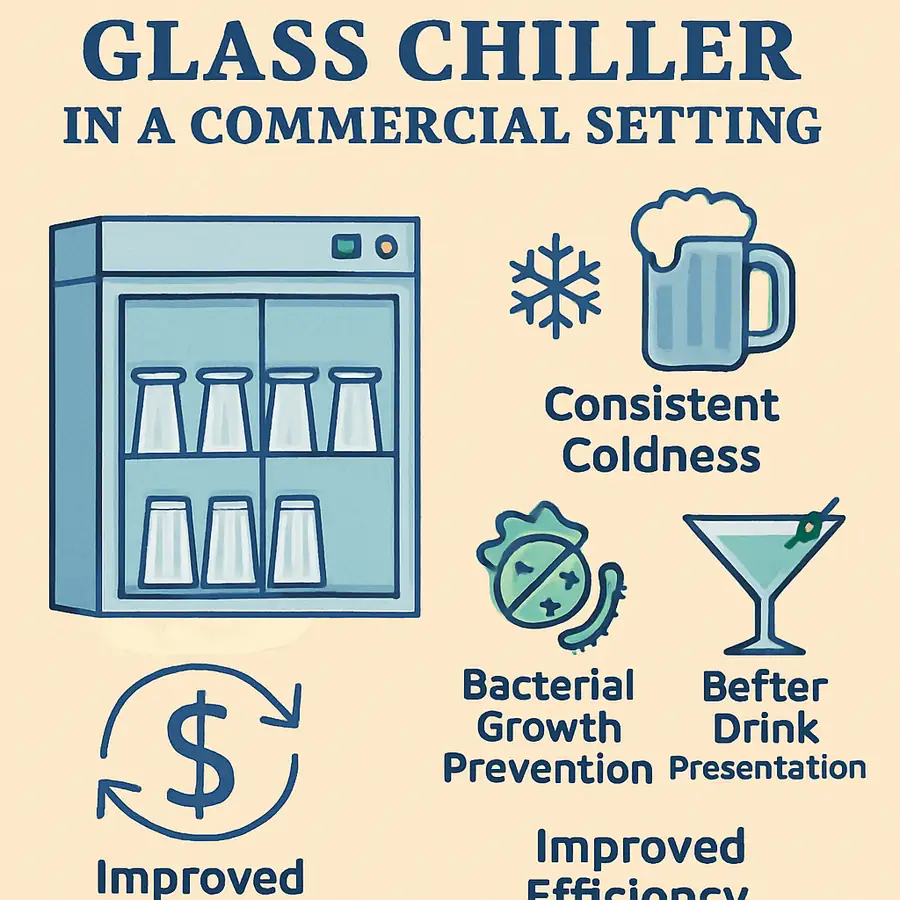
A commercial glass chiller offers several advantages that enhance both service quality and business efficiency. Its benefits go beyond just cooling glasses.
One of the main advantages is the ability to serve perfectly chilled beverages quickly. This is crucial in maintaining customer satisfaction and operational flow.
Beyond quick service, using a glass chiller helps maintain beverage quality. A properly chilled glass preserves the intended flavor and aroma of drinks, making each serving memorable.
Additional benefits include:
- Efficiency: Reduces wait times and boosts service speed.
- Consistency: Ensures drinks are served at optimal temperatures every time.
- Cost-effective: Decreases the need for ice, saving money over time.
A glass chiller also contributes to better inventory management. Reduced need for ice means fewer refills, lowering operational costs.
Finally, the aesthetic appeal of a well-designed glass chiller can be a highlight in any establishment. It adds sophistication and a touch of modernity.
Incorporating a glass chiller into your setup enhances the overall dining experience, making it an investment worth considering.
Essential Glass Chiller Specs to Evaluate
When purchasing a commercial glass chiller, evaluating specific specifications is crucial. Not all chillers meet the same business needs.
Begin with the cooling method. Understanding whether it uses air-cooled or water-cooled technology can impact performance and energy use.
Capacity is another important specification. It determines how many glasses the chiller can cool at once. This directly affects service efficiency.
Look into the temperature range and controls. Adjustable temperature settings provide flexibility in maintaining desired cooling levels for different drinks.
Consider the construction materials used in the chiller. Stainless steel and durable plastics ensure long-term use and resistance to wear and tear.
Energy efficiency ratings hold significant importance. An energy-efficient model reduces utility costs and supports sustainability initiatives.
Examine the type of refrigerant used. Eco-friendly options minimize environmental impact while maintaining high cooling efficiency.
Important specifications to check include:
- Cooling method: Air or water-cooled.
- Capacity: Number of glasses it can cool.
- Temperature range: Flexibility in cooling levels.
- Construction materials: Durability and longevity.
- Energy efficiency rating: Cost-saving and eco-friendly.
- Refrigerant type: Environmentally responsible choices.
Proper evaluation of these specifications ensures you choose a chiller that aligns with your operational needs. Focus on specs that enhance efficiency and minimize costs. Achieving a balance between performance and sustainability is key to maximizing the benefits of your investment.
Capacity and Size: Matching Your Business Needs
When choosing a commercial glass chiller, consider the required capacity. This ensures it meets your business demands efficiently.
The chiller's capacity should match peak service needs. Evaluating your average customer flow helps in selecting the right size.
Space availability in your establishment influences your selection. Measure the intended location to ensure a proper fit.
Consider future growth. Purchasing a slightly larger model can accommodate increased demand without needing immediate replacement.
Customize your choice by assessing various models. Look at dimensions to balance capacity with space constraints.
Key factors for capacity and size include:
- Operational demands: Peak and off-peak requirements.
- Space constraints: Area available for installation.
- Future expansion: Anticipation of increased demand.
- Model selection: Balancing size with capacity.

By carefully considering these factors, you ensure the chiller integrates smoothly into your operations. Match capacity with your establishment’s size and future plans. This foresight reduces the risk of operational hiccups and optimizes service flow. Choose wisely for continued business success.
Energy Efficiency and Environmental Impact
Energy efficiency is crucial when selecting a commercial glass chiller. An efficient model reduces energy bills and minimizes your carbon footprint.
Look for chillers with energy-saving modes. These modes cut costs by optimizing power usage during low-demand periods.
The environmental impact of your chiller also depends on the refrigerant used. Opt for models using eco-friendly refrigerants with lower global warming potential.
Consider the insulation quality. Better insulation prevents energy loss, making your chiller more efficient and cost-effective.
Key considerations for energy efficiency and environmental impact:
- Energy-saving modes: Reduce operating costs.
- Refrigerant type: Choose eco-friendly options.
- Quality insulation: Prevent unnecessary energy loss.
- Power usage: Track average consumption for efficiency.

Temperature Control and Cooling Performance
Temperature control is a vital aspect to consider in a commercial glass chiller. Precise controls ensure your beverages are served at the perfect chill.
Invest in a chiller with adjustable temperature settings. This feature allows you to customize the chill level to suit different glassware or drink types.
Cooling speed and efficiency impact service speed. Rapid cooling ensures that glasses are always ready during peak hours, improving customer satisfaction.
Modern chillers often include digital displays. These offer easy monitoring and adjustments, ensuring consistent performance and preventing unexpected malfunctions.
Important elements of temperature control and cooling performance:
- Adjustable settings: Flexibility for various glassware.
- Rapid cooling: Meet high demand during busy periods.
- Digital displays: Easy monitoring for consistency.
- Consistent performance: Key to reliable service.
Choosing a chiller with excellent cooling performance enhances your workflow. By focusing on adjustable settings and digital monitoring, you ensure consistent quality and efficiency in your operations. Invest in technology that optimizes service delivery and customer experience.
Durability, Build Quality, and Materials
When purchasing a commercial glass chiller, durability is a top priority. Robust build quality ensures long-term reliability and minimizes repair costs.
The materials used play a significant role in the chiller's lifespan. Stainless steel is a popular choice for its rust resistance and sleek look, adding to the overall aesthetic.
Inspect the construction of handles, hinges, and seals. These components are frequently used and need to withstand daily wear and tear.
Choosing a chiller made from high-quality materials adds value to your investment. Consider models that utilize strong and durable components for better longevity.
Key factors influencing durability and build quality:
- Material selection: Opt for stainless steel for resilience.
- Construction integrity: Evaluate durability of moving parts.
- Rust and corrosion resistance: Essential for longevity.
- Component quality: Handles and hinges should last.

Selecting a chiller with excellent build quality reduces long-term maintenance. It ensures smooth operation under heavy use and supports the overall efficiency of your business.
Design, Aesthetics, and Placement Considerations
When choosing a commercial glass chiller, the design is often as important as its function. A chiller should complement your establishment's décor, blending seamlessly into your layout.
The aesthetics of the chiller can significantly impact customer perception. A well-designed unit enhances the ambiance, drawing attention to your offerings.
Consider where the chiller will be placed. Its visibility and accessibility can affect workflow and service efficiency. Placement should facilitate easy access for both staff and customers.
Evaluate the available space to ensure the chiller fits comfortably without hindering movement. A poorly placed chiller may disrupt operations and customer experience.
Factors to consider when assessing design and placement:
- Visual appeal: Matches the venue's overall style.
- Functional positioning: Enhances service efficiency.
- Space requirements: Fits designated area without obstructions.
- Accessibility: Convenient for staff and customers.

Selecting a chiller that balances aesthetic appeal with practical placement ensures it effectively serves both your business and your customers.
Ease of Use, Maintenance, and Cleaning
Choosing commercial glass chiller that is user-friendly is vital. If unit is difficult to operate, it could impede operations and lead inefficiencies.
Maintenance another key aspect to consider. Regular maintenance helps extend the lifespan of chiller and ensures remains peak condition. Look for models with features that simplify maintenance tasks.
Cleaning is crucial for maintaining hygiene standards. A chiller that is easy to clean can save you time and effort while ensuring your establishment complies with health regulations.
Important Ease of Use, Maintenance, and Cleaning Features:
- User-friendly controls: Simple to operate with minimal training.
- Removable components: Easy to clean parts for hygiene.
- Access panels: Facilitate quick and convenient maintenance.
- Clear instructions: Helps staff perform routine tasks effectively.

Prioritizing ease of use, maintenance, and cleaning can increase staff efficiency and improve the overall operational workflow of your business.
Advanced Features and Smart Technology Options
Modern commercial glass chillers often come packed with advanced features to enhance functionality. These upgrades can significantly improve the chiller's performance and your experience using it.
Smart technology integration is one such feature to consider. Smart systems can offer remote monitoring and control, saving time and increasing operational efficiency.
Additional innovations might include digital displays for precise temperature control. These controls allow for quick adjustments, ensuring optimal cooling conditions at all times.
Noteworthy Advanced Features to Look For:
- Remote monitoring: Adjust and monitor temperatures from afar.
- Digital temperature displays: Easy-to-read and precise settings.
- Energy-saving modes: Reduce power consumption without losing effectiveness.
- Smart alarms: Alerts for potential issues, minimizing downtime.
Integrating smart technology can elevate your chiller's capabilities and provide peace of mind. With advanced features, you can ensure your glass chiller meets modern demands efficiently.
Noise Levels and Customer Experience
When selecting a commercial glass chiller, consider its noise levels. Excessive noise can disrupt the ambiance of your establishment, affecting customer satisfaction.
Quiet operation is crucial in customer-facing areas like bars and restaurants. A noisy chiller can detract from the dining experience, potentially impacting your business reputation.
Factors Affecting Noise Levels:
- Compressor type: Some are quieter than others.
- Insulation: Good insulation dampens sound.
- Fan speed: Adjustable fans may reduce noise.

A glass chiller with advanced noise reduction features can enhance customer experience. Evaluating noise levels is essential for maintaining a pleasant and inviting atmosphere. This consideration ensures your chiller complements your establishment without disturbing patrons.
Safety, Hygiene, and Compliance
Safety and hygiene are paramount in commercial settings. A commercial glass chiller must adhere to local health and safety standards.
Compliance ensures your business operates within legal frameworks. It also enhances the safety and well-being of both employees and customers.
Key Considerations for Safety and Hygiene:
- Anti-microbial coatings: Helps prevent bacterial growth.
- Lockable doors: Enhances security and prevents unauthorized access.
- Sturdy construction: Minimizes safety hazards from potential mishaps.

Ensuring your chiller meets hygiene standards is crucial. It fosters trust with customers and avoids potential legal issues. Choose a model that prioritizes these aspects for a seamless operation. Making informed decisions about safety and compliance can elevate your business's reputation and efficiency, keeping all stakeholders satisfied and protected.
Comparing Commercial Refrigeration Options
Selecting the right refrigeration option is crucial for any business. Commercial glass chillers are part of a broader range of cooling equipment. Each option serves unique purposes and offers distinct benefits.
Types of Refrigeration Options:
- Upright fridges: Ideal for maximum storage and easy access.
- Under-counter chillers: Save space without compromising functionality.
- Walk-in coolers: Best for storing large volumes of perishables.
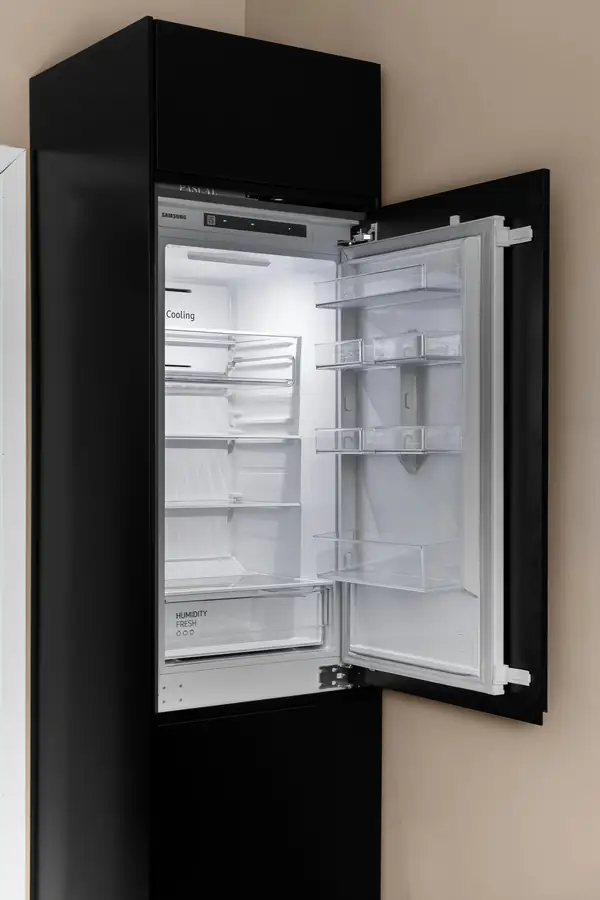
When comparing these options, consider your specific needs. For example, storage capacity and space constraints are vital factors. Efficiency, cost, and refrigeration specs should also weigh in. Each type brings its own set of advantages to suit different operational requirements.
Ultimately, the goal is to pick a refrigeration option that complements your business model. Balancing functionality, cost, and space usage leads to an informed decision. Understanding these different commercial refrigeration options ensures your investment serves both present and future needs efficiently.
Price, Warranty, and After-Sales Support
Pricing plays a crucial role in choosing a commercial glass chiller. It is essential to balance cost with value, ensuring long-term benefits. While cheaper options can be tempting, they may lack essential features or durability.
Warranty terms offer peace of mind by covering unexpected defects. It's important to scrutinize what the warranty covers and its duration. A comprehensive warranty indicates the manufacturer's confidence in their product.
After-sales support is vital for maintaining smooth operation. Excellent customer service can minimize downtime and address issues swiftly. Consider manufacturers with a reputation for responsive and helpful support teams.
Important Factors:
- Price vs. value: Ensuring long-term benefits.
- Warranty: Coverage specifics and duration.
- After-sales support: Importance of responsiveness.

When evaluating price, warranty, and support, think beyond the initial purchase. A wise investment considers operational costs and support needs throughout the chiller's lifespan.
Brand Reputation and Customer Reviews
The reputation of a brand serves as a critical indicator of product quality and reliability. Trusted brands often have a history of producing durable and efficient glass chillers. Opting for a reputable brand can reduce the risk of purchasing a subpar product.
Customer reviews provide insights into real-world performance. Reading reviews reveals common issues, user satisfaction, and product longevity. A pattern of positive feedback can affirm the manufacturer's claims about their chiller.
Considerations:
- Brand reputation: Track record and customer trust.
- Customer reviews: User experiences and satisfaction.
- Common feedback themes: Recurring issues or praises.
When considering brands and reviews, weigh the balance between brand reputation and the specific experiences of other buyers. This dual approach will bolster your decision-making process, leading to a more informed purchase.
Installation, Integration, and Expansion Potential
When buying commercial glass chiller, consider the ease of installation. Some models require professional setup, adding to initial costs. Ensure the installation process aligns with your budget and timeline.
Integrating the chiller into existing systems can enhance operational efficiency. Compatibility with current refrigeration units or kitchen layouts is vital. Check if the chiller has easy integration capabilities.
Future expansion is another crucial factor. Choose a model that can accommodate increased capacity if your business grows. Investing in a chiller with scalability can save future costs.
Key Considerations:
- Installation requirements: Easy setup vs. professional service needed.
- System integration: Compatibility with existing units.
- Expansion potential: Accommodating future business growth.
Prioritizing these aspects ensures your investment meets both present and future business needs, ultimately enhancing long-term operational efficiency.
Frequently Asked Questions About Commercial Glass Chillers
Potential buyers often wonder about glass chillers' longevity. Generally, well-maintained units can last several years. Routine maintenance is essential for extending their lifespan.
Energy consumption is another common query. High-efficiency models can significantly reduce operational costs. Look for energy ratings to gauge efficiency.
Many also ask about noise levels. Generally, most commercial glass chillers operate quietly. However, checking noise specifications is wise if the unit will be in a customer area.
Concerns about cleaning and maintenance are frequent. Most models today are designed for ease of cleaning. Features like removable shelves enhance this aspect.
Frequently Asked Questions:
- How long does a glass chiller last?
- What is the typical energy consumption?
- Are these chillers loud?
- How easy is it to clean and maintain?
Understanding these common questions helps in making a well-informed purchase decision.
Final Checklist: How to Choose the Right Glass Chiller for Your Business
Selecting the ideal glass chiller involves balancing various features with your business needs. Begin by assessing your specific requirements.
Consider capacity, energy efficiency, and size as primary factors. Evaluate how each aligns with your space and workflow demands.
Lastly, scrutinize additional features like smart technology and design elements. These can enhance both functionality and aesthetics.
Final Checklist:
- Capacity: Does it fit your business volume?
- Energy Efficiency: How does it affect your costs?
- Size and Dimensions: Will it fit your space?
- Advanced Features: Are smart options available?
- Aesthetic Design: Does it match your decor?

Buy Commercial Glass Chillers from The Horeca Store
If you're searching for a reliable commercial glass chiller, The Horeca Store offers a wide range of beverage refrigeration solutions designed for restaurants, bars, cafés, hotels, and hospitality businesses. Our commercial glass chillers are built with efficient cooling systems, durable construction, and practical designs to help businesses serve perfectly chilled beverages and maintain smooth operations.
At The Horeca Store, we provide a complete selection of commercial kitchen equipment, refrigeration solutions, beverage equipment, ice machines, and hospitality supplies. With competitive pricing, quality products, and dependable customer support, we help businesses choose the right equipment to improve efficiency, enhance service quality, and achieve long-term value.
Conclusion: Making an Informed Investment
Buying a commercial glass chiller is a crucial choice for any food and beverage business. This decision significantly impacts operational efficiency and customer satisfaction. It is essential to weigh your options carefully.
Focus on features that align with your specific business needs. Each factor, from energy efficiency to build quality, plays a vital role in the success of your purchase. Remember to consider the long-term benefits of the investment.
By taking the time to evaluate the specifications and options available, you ensure your choice is both practical and cost-effective. A well-chosen chiller supports your business growth and enhances your service quality.