
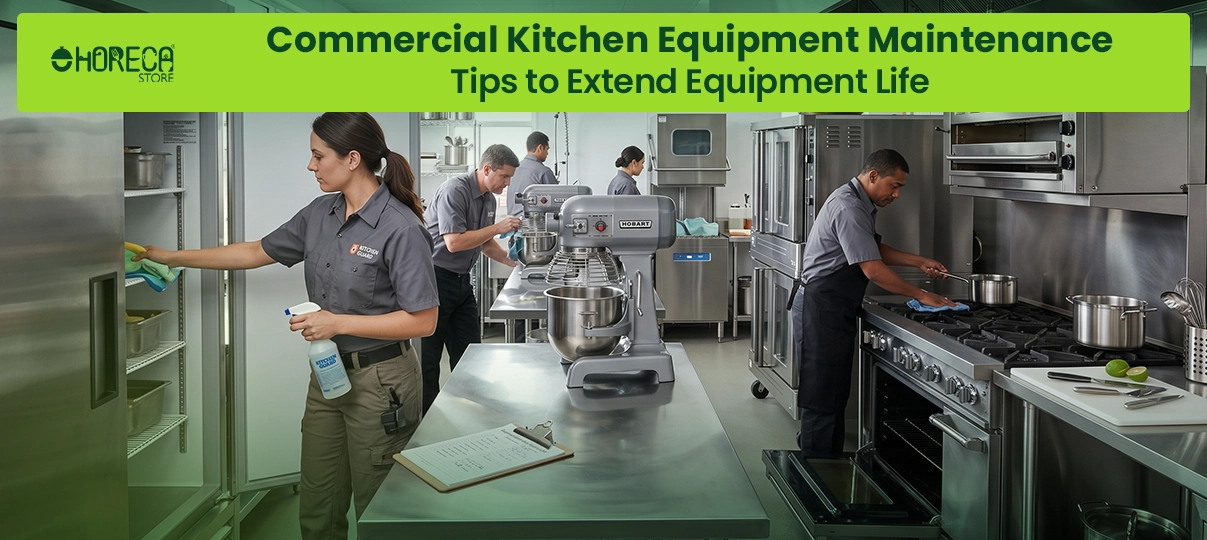
In the fast-paced, high-pressure environment of the culinary industry, a restaurant is only as reliable as its kitchen. When a walk-in freezer fails on a Friday evening or a primary fryer breaks down during the dinner rush, the cost isn’t just measured in emergency repair bills—it’s measured in lost revenue, spoiled inventory, and frustrated customers.
To protect your bottom line and keep operations running smoothly, implementing the best practices for maintaining commercial kitchen equipment to ensure longevity is absolutely essential. Shifting your mindset from reactive repairs to proactive care is the secret to a highly profitable, efficient, and stress-free kitchen.
In this comprehensive guide, we will explore everything you need to know about extending the lifespan of your core appliances, developing a bulletproof maintenance strategy, and empowering your staff to take ownership of kitchen equipment care.
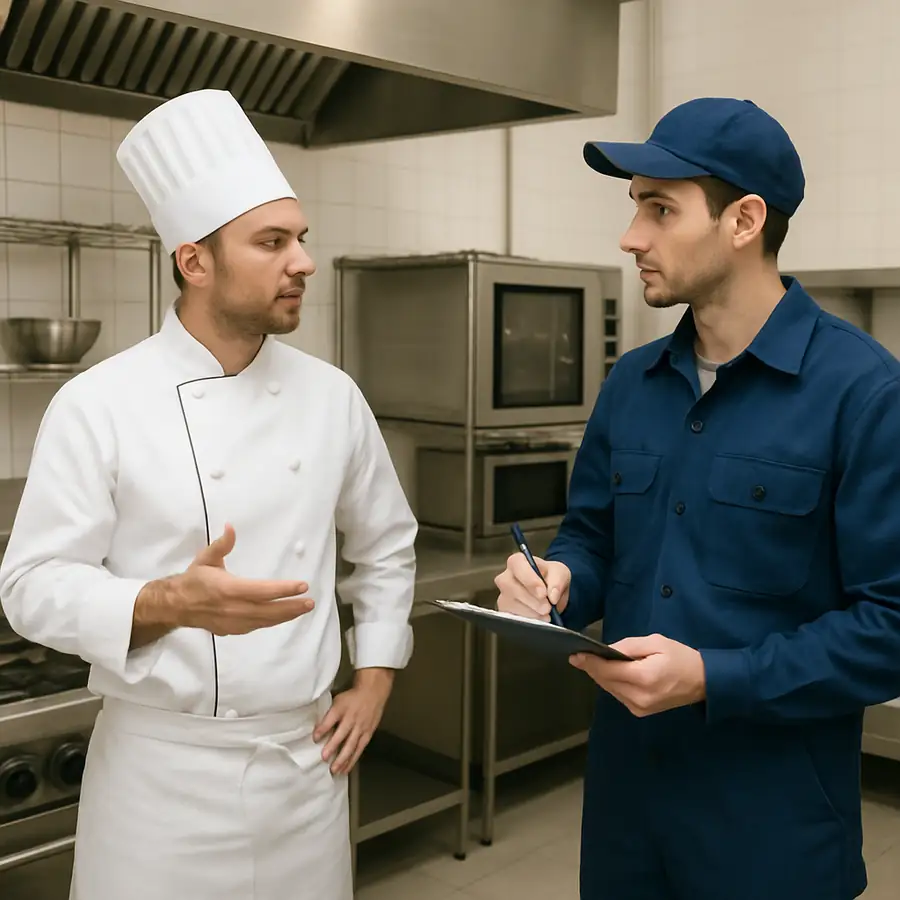
Why Commercial Kitchen Equipment Preventive Maintenance is Non-Negotiable
A "run-it-until-it-breaks" mentality is one of the most expensive mistakes a restaurant owner can make. Commercial kitchen equipment preventive maintenance is the process of routinely cleaning, inspecting, and servicing your appliances to prevent unexpected breakdowns.
The benefits of a proactive approach extend far beyond simply avoiding a broken oven. Routine maintenance plays a massive role in optimizing energy efficiency in commercial kitchens. Appliances that are choked with grease, plagued by failing seals, or struggling with scale buildup have to work twice as hard to reach their target temperatures. This drains electricity and gas, spiking your monthly utility bills. By keeping everything in peak condition, you reduce your carbon footprint while saving thousands of dollars annually.
Furthermore, properly maintained equipment is inherently safer. Regular check-ups prevent electrical hazards, gas leaks, and grease fires, ensuring a safe working environment for your team.
Structuring Your Preventative Maintenance Schedule for Restaurants
Consistency is the foundation of any successful maintenance program. Creating a highly detailed preventative maintenance schedule for restaurants ensures that no appliance is overlooked. Your schedule should be categorized by frequency: daily, weekly, monthly, and annually.
To keep track of these tasks, every kitchen manager should utilize a comprehensive commercial kitchen equipment maintenance checklist. This document serves as the roadmap for your staff. For smaller countertop appliances, a supplementary appliance maintenance checklist can help track things like blenders, food processors, and stand mixers.
The Modern Approach to Record-Keeping
Gone are the days of grease-stained paper clipboards. Today, smart operators are maintaining digital maintenance logs for health inspections. Cloud-based logs allow managers to track when a machine was last serviced, who performed the cleaning, and when professional kitchen equipment servicing is due. If a health inspector walks through your doors, handing them a cleanly organized tablet with time-stamped maintenance logs immediately proves your dedication to sanitation and safety.
Daily Inspections and Sanitation Standards
The daily grind takes a toll on kitchen equipment. Proper daily cleaning is intrinsically tied to food safety compliance and equipment sanitation. Leaving carbonized food, grease, or acidic spills on your appliances overnight will rapidly corrode even the toughest metals.
Hood and Ventilation Care
Your ventilation system is the lungs of your kitchen. Without adequate airflow, heat and smoke will overwork your refrigeration units and create a miserable environment for your chefs. Implementing a strict daily inspection checklist for industrial kitchen hoods is critical. Staff should visually inspect baffle filters for excessive grease accumulation and wipe down the exterior hood canopy at the end of every shift to prevent dangerous fire hazards.
Using the Right Chemicals
When cleaning commercial equipment, never compromise on chemical quality. Always use NSF certified cleaning supplies for food safety. These supplies are rigorously tested to ensure they do not leave behind toxic residues that could contaminate food or degrade the internal components of your expensive machinery.
Step-by-Step Guide to Sanitizing Stainless Steel Surfaces
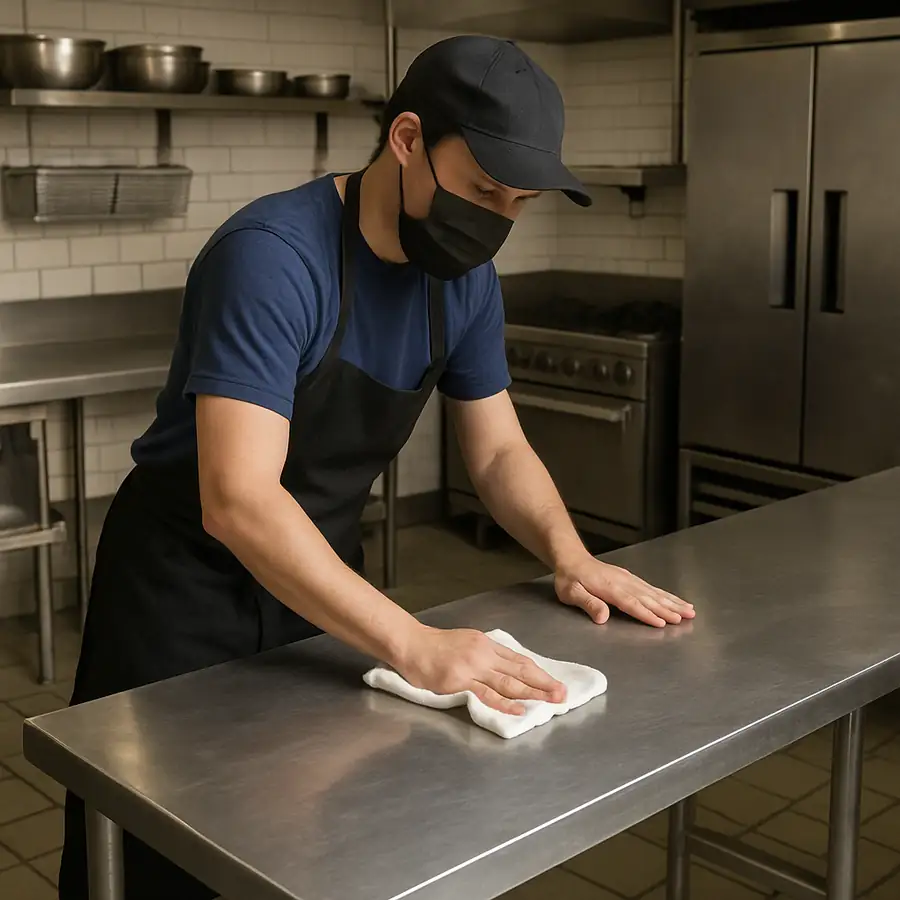
Stainless steel is the industry standard for a reason, but it isn’t invincible. Using harsh abrasives or bleach can strip its protective layer, leading to irreversible rust. Here is a quick step-by-step guide to sanitizing stainless steel surfaces to preserve their integrity:
- Clear the Surface: Remove all debris, food particles, and cutting boards.
- Wash with Mild Detergent: Use warm water and a mild, NSF-certified detergent to cut through the grease. Always wipe in the direction of the metal's grain.
- Rinse Thoroughly: Wipe the surface with a clean, damp cloth to remove any soapy residue.
- Apply Sanitizer: Spray an EPA-registered food-contact sanitizer.
- Air Dry: Allow the sanitizer to air dry completely. Never use steel wool or wire brushes, as they will scratch the surface and invite corrosion.
Deep Dive: Maximizing the Lifespan of Core Appliances
Different appliances require vastly different approaches to care. Let's break down the maintenance best practices for the heavy lifters in your kitchen.
Ovens and Ranges
Whether you are baking delicate pastries or roasting meats, temperature precision is vital. A common question among operators is: how often should commercial ovens be serviced? As a general rule, commercial ovens should undergo professional servicing at least twice a year, though high-volume pizzerias or bakeries may require quarterly visits.
It is also important to understand the gas vs electric oven maintenance requirements.
- Gas Ovens: Require regular inspection of the gas lines, burner flames (which should be crisp and blue), and pilot lights. Carbon buildup on burners can lead to uneven heating and dangerous gas buildup.
- Electric Ovens: Require less plumbing oversight but demand strict attention to heating elements and wiring. Ensure elements are wiped down gently once cooled to prevent food from baking onto the coils and causing them to prematurely burn out.
Commercial Refrigeration and Freezers
Your walk-in cooler houses thousands of dollars of perishable inventory. Extending life of commercial walk-in coolers relies heavily on airflow and seal integrity.
A common headache for chefs is troubleshooting commercial refrigeration temperature fluctuations. If your fridge is struggling to hold temperature, check these three things before calling for emergency repair:
- Evaporator Coils: Are they frozen over? This indicates a defrost issue or poor airflow.
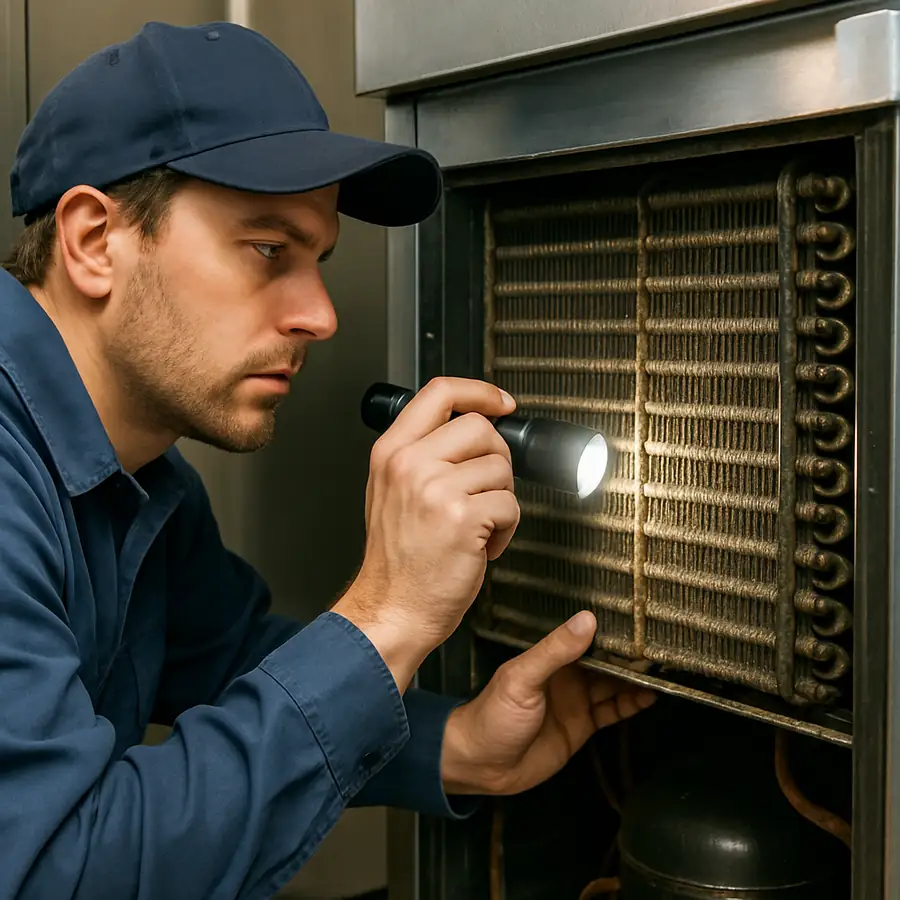
- Condenser Coils: These must be vacuumed and brushed out monthly. Dust and grease act like a sweater on the coils, trapping heat and causing the compressor to fail.
- Door Gaskets: A torn door seal leaks cold air continuously. You can test this by closing the door on a dollar bill; if it pulls out easily, the gasket needs replacing.
Commercial Fryers and Grease Management
Fryers take heavy abuse and pose one of the highest safety risks if neglected. Some of the most common causes of industrial fryer failure include failing to boil out the frypot regularly, allowing carbon to build up on the heating tubes, and neglecting the high-limit thermostat. You must filter your oil daily and perform a full chemical "boil-out" weekly to remove carbon deposits.
Equally important to the fryer itself is what happens to the waste oil. There are massive benefits of regular deep cleaning for grease traps. A neglected grease trap will not only cause noxious odors to permeate your dining room, but it will also lead to disastrous plumbing backups that can shut down your restaurant for days.
Warewashing (Dishwashers)
Your commercial dishwasher is responsible for sanitizing hundreds of plates and glasses an hour. The biggest enemy of any warewashing machine is hard water. Preventing scale buildup in commercial dishwashers is a top priority. When calcium and magnesium from hard water calcify on the heating elements and spray nozzles, the machine loses its ability to reach the required sanitation temperature (usually 180°F for high-temp machines). To prevent this, delime your dishwasher regularly using a commercial deliming acid. Additionally, check the wash and rinse arms daily with a toothpick to ensure the spray jets are not clogged by food particles or scale.
Staff Empowerment: Training and Kitchen Equipment Care
Your equipment is only as safe as the people operating it. You can hire the best technicians in the world, but if your dishwashers and line cooks are slamming doors, ripping off knobs, and skipping cleaning duties, the equipment will fail.
Developing a commercial kitchen equipment operation and maintenance training checklist is a brilliant way to ensure all new hires are on the same page. This checklist should require staff to physically demonstrate that they know how to properly clean the flat top, drain the fryer.
Incorporate basic equipment maintenance tips into your pre-shift meetings. Remind the team that slamming the walk-in freezer door compromises the hinges, and that dragging heavy pots across the range can crack the grates. When staff understand why these rules exist—and how breakdowns make their own shifts much harder—they are far more likely to practice excellent kitchen equipment care.
The Repair Dilemma: DIY Restaurant Equipment Repair vs Professional Service
Eventually, despite your best efforts, parts will wear out. When this happens, owners face a critical choice: DIY restaurant equipment repair vs professional service.
When to DIY
Handling minor commercial kitchen equipment maintenance internally is a great way to save money. Tasks like replacing a torn refrigerator gasket, swapping out a broken fryer basket, changing water filters on the ice machine, or replacing a lost control knob are highly manageable for a competent kitchen manager. If a task requires no specialized tools, doesn't involve opening electrical panels, and doesn't risk voiding a warranty, it is generally safe to handle in-house.
When to Call the Professionals
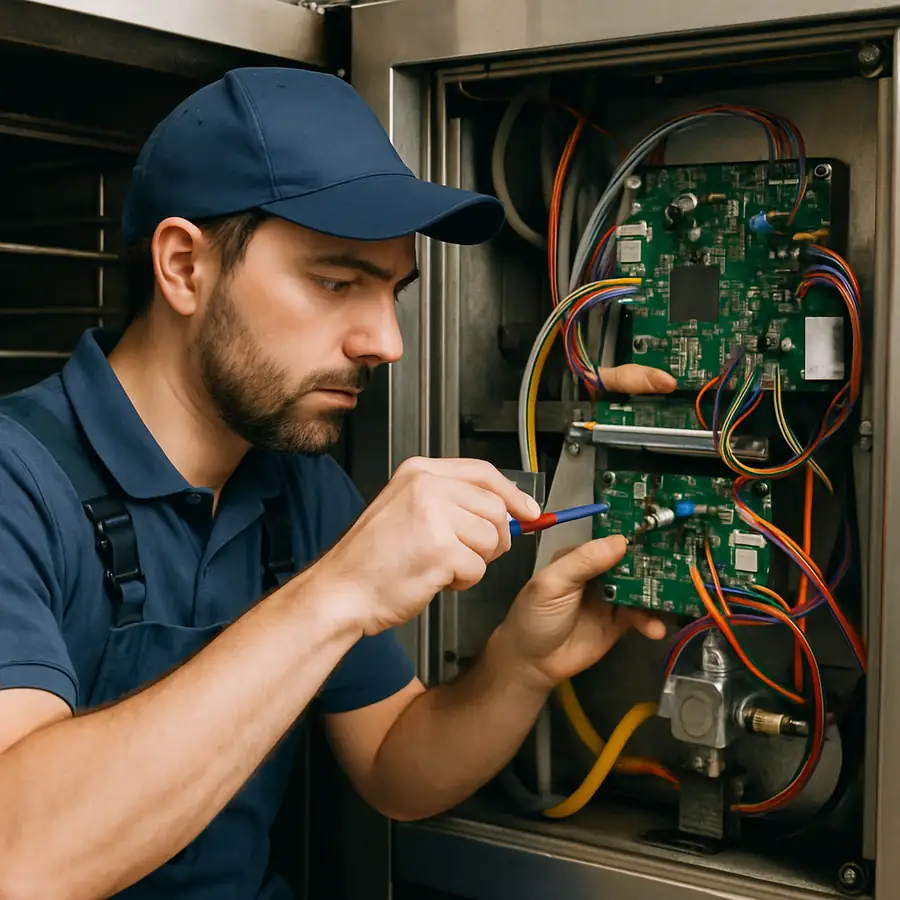
When it comes to complex systems involving gas lines, internal wiring, refrigerants, or major calibrations, you must rely on professionals. Attempting a DIY fix on a gas valve or a compressor is not only illegal in many jurisdictions without a license, but it is incredibly dangerous.
It is highly recommended to establish a relationship with reputable commercial kitchen equipment maintenance companies before an emergency strikes. By researching "commercial kitchen equipment maintenance near me," you can read reviews and interview service providers to find a reliable partner. Signing a preventative maintenance contract with a local agency guarantees that experts will routinely inspect the intricate components of your kitchen that your staff cannot access.
Maintain Commercial Kitchen Equipment with The Horeca Store
Proper maintenance of commercial kitchen equipment is essential for extending equipment life, improving efficiency, and avoiding unexpected breakdowns. The Horeca Store provides high-quality restaurant equipment designed for durability, but regular cleaning, inspections, timely servicing, and correct usage are key to keeping your investment performing at its best. From ovens and refrigeration units to food processors, cooking equipment, and storage solutions, following recommended maintenance practices helps ensure food safety, reduce operating costs, and maintain a smooth kitchen workflow.
At The Horeca Store, we understand the importance of reliable equipment in busy foodservice environments. Along with offering durable commercial kitchen products, we help businesses choose equipment that meets their operational needs and supports long-term performance. By investing in quality equipment and following proper care routines, restaurants, cafés, hotels, and catering businesses can maximize efficiency and get the most value from their kitchen setup. Trust The Horeca Store for dependable solutions that help keep your commercial kitchen running successfully.
Conclusion
The heart of your restaurant beats inside your kitchen. Implementing the best practices for maintaining commercial kitchen equipment to ensure longevity is not just about keeping machines shiny; it’s about safeguarding your entire business operation.
By prioritizing proactive cleaning, adhering to a strict schedule, training your staff effectively, and knowing when to call in the professionals, you can drastically reduce downtime and overhead costs. Treat your commercial appliances as the vital investments they are, and they will reward you with years of reliable, efficient, and profitable service.