
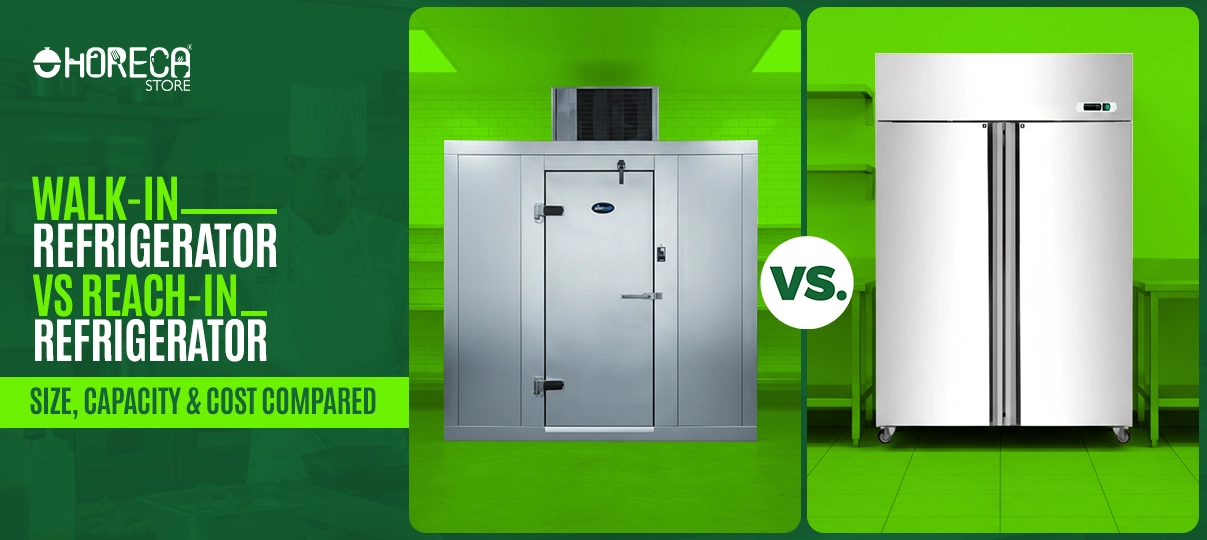
Choosing the right refrigerator is crucial for any commercial kitchen. It impacts storage, efficiency, and food safety.
Walk-in and reach-in refrigerators are popular choices. Each offers unique benefits and challenges.
Walk-in refrigerators are large, room-sized units. They provide ample space for bulk storage.
Reach-in refrigerators are smaller, cabinet-sized units. They are ideal for quick access and frequent use.
Understanding the differences is key. It helps in making an informed decision.
Consider factors like space, budget, and storage needs. These will guide your choice.
Both types play a vital role in commercial refrigeration. They ensure food safety and quality.
This guide will explore the features, pros, and cons of each. It will help you decide which is better for your needs.
Understanding Commercial Refrigeration: Walk-In vs Reach-In
Commercial refrigeration is a critical part of any food service operation. It ensures that perishable goods are stored safely and efficiently.
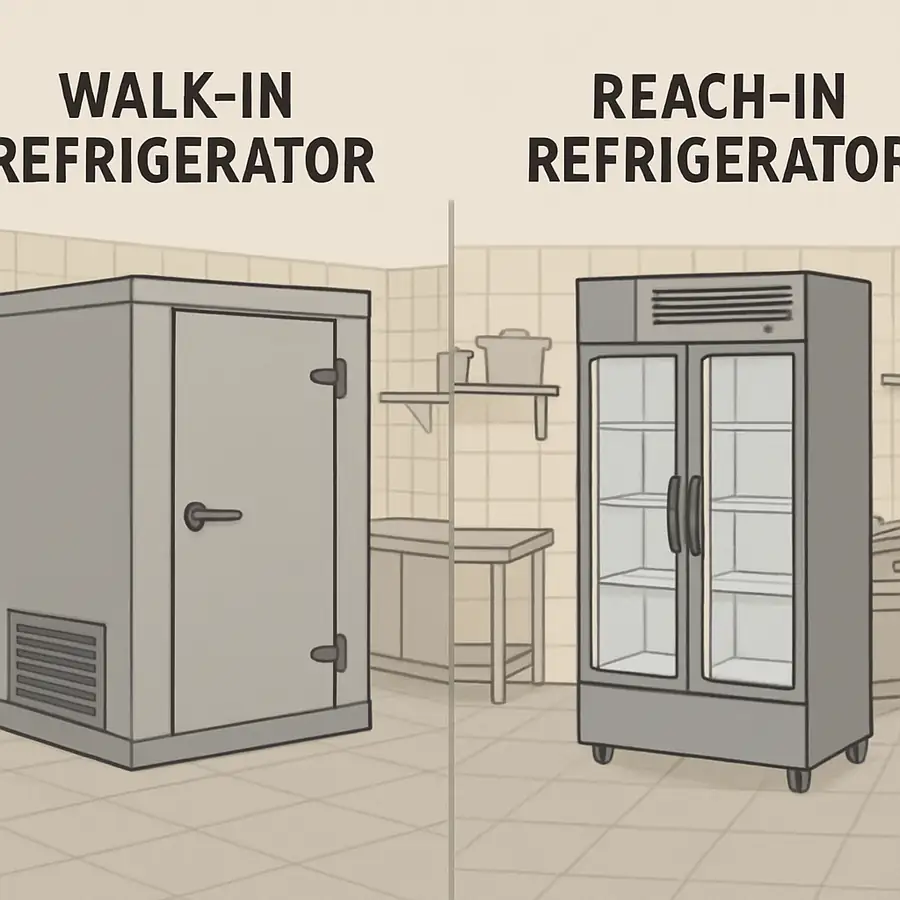
Walk-in refrigerators are essentially large storage rooms. They can hold a vast amount of products and are ideal for high-volume needs.
On the other hand, reach-in refrigerators resemble traditional kitchen refrigerators. They offer quick access and are suitable for items requiring frequent retrieval.
Choosing between the two involves several factors. These include the size of your business, your budget, and specific storage needs.
Key differences to consider:
- Size: Walk-ins are spacious, while reach-ins are compact.
- Accessibility: Walk-ins store bulk items; reach-ins offer quick access to essentials.
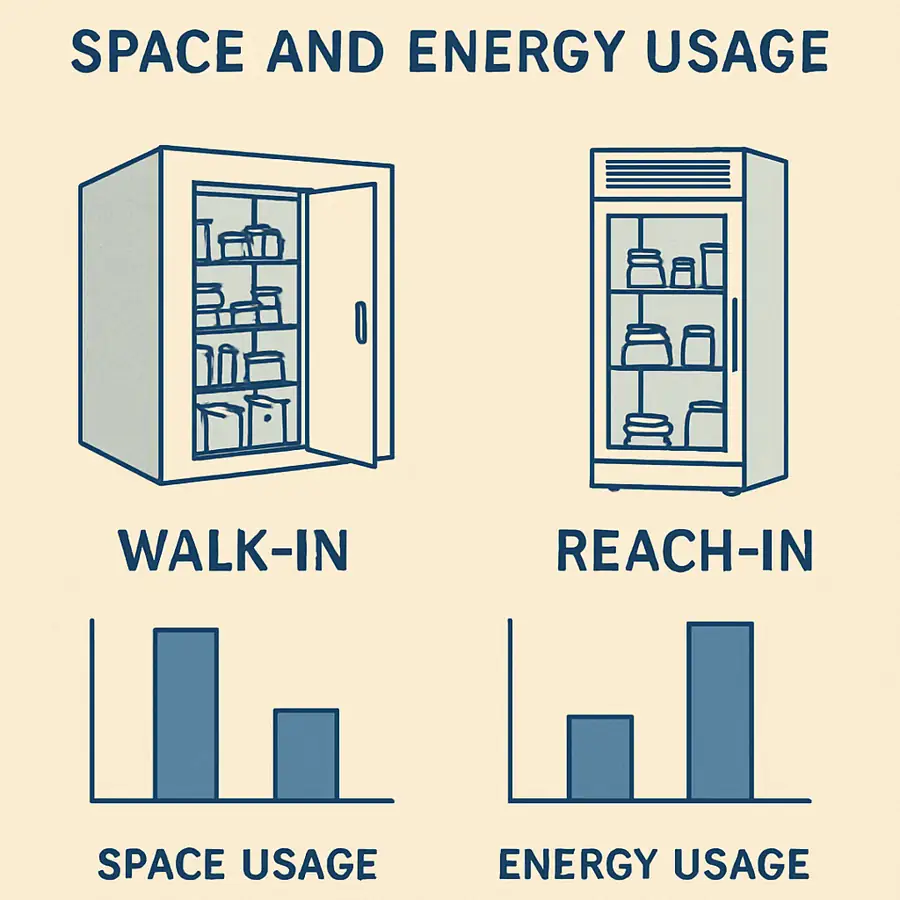
- Energy Use: Walk-ins use more energy; reach-ins are more efficient.
- Cost: Walk-ins have higher upfront costs; reach-ins are more affordable initially.
Walk-In Refrigerators: Features, Pros, and Cons
Walk-in refrigerators are a staple in larger food service establishments. They provide extensive cold storage options for bulk items. These units are essentially large rooms with controlled temperatures.
A key feature of walk-in refrigerators is their customizable design. They can be tailored with specific shelving, lighting, and door configurations. This customization ensures efficient use of space.
Another advantage is the enhanced storage capacity. Walk-ins can accommodate large carts and racks. This makes them ideal for storing bulk ingredients and prepped foods.
However, walk-ins require a substantial initial investment. The cost can be prohibitive for smaller businesses or startups. Additionally, they consume more energy due to their size.
Maintenance and repairs for walk-ins can be complex. Their large and intricate systems may require professional servicing. This can lead to increased ongoing costs compared to smaller units.
Despite these drawbacks, walk-ins offer significant benefits. They enable businesses to organize large inventories effectively. With proper planning, they can also reduce food spoilage by maintaining precise temperature controls.
Pros and Cons of Walk-In Refrigerators:
- Pros:
- Large storage capacity
- Customizable designs
- Suitable for high-volume storage
- Cons:
- High initial cost
- Energy-intensive
- Complex maintenance needs
Ultimately, walk-in refrigerators suit businesses with significant storage demands. Evaluating the pros and cons helps determine their fit for specific operations.
Reach-In Refrigerators: Features, Pros, and Cons
Reach-in refrigerators are compact yet efficient cold storage solutions. They are popular in smaller commercial kitchens and retail spaces. Their cabinet-style design allows for easy access and quick retrieval.
A significant feature of reach-in units is their energy efficiency. These refrigerators typically consume less power than larger, walk-in models. This makes them cost-effective choices for smaller operations.
Reach-ins are also known for their portability. They can be easily repositioned or relocated within a kitchen. This flexibility is beneficial for adapting to changing layouts or needs.
These units often come with glass doors. This allows for visibility of contents without opening the door. It helps in maintaining a consistent internal temperature and energy efficiency.
On the downside, reach-in refrigerators have limited storage space. Their capacity is restricted compared to walk-ins. This limitation requires careful inventory management in fast-paced environments.
While they offer convenience, reach-ins can be less customizable. Many models come with fixed shelving, allowing only minor adjustments. This can limit how items are organized within the unit.
Despite these challenges, reach-in refrigerators are vital for many businesses. They support quick service needs and are ideal for frequently accessed items. Selecting a model with energy-efficient and adjustable features can enhance their utility.
Pros and Cons of Reach-In Refrigerators:
- Pros:
- Energy-efficient
- Easy to relocate
- Quick access to contents
- Cons:
- Limited storage capacity
- Less customizable shelving
- May require frequent restocking
These refrigerators cater to businesses with lower storage demands. Choosing the right reach-in unit helps optimize kitchen workflows and energy usage.
Space and Layout Considerations
Selecting between walk-in and reach-in refrigerators often begins with space considerations. Space availability can determine the type of refrigerator suitable for your business.
Walk-in refrigerators require significant floor space. They are more suited to larger kitchens with ample room. The ability to store large quantities makes them ideal for high-volume needs.
In contrast, reach-in units are designed for smaller spaces. Their compact footprint allows them to fit into tighter kitchen layouts. This makes them perfect for cafes and smaller restaurants.
When planning a kitchen, consider workflow and accessibility. The location of a refrigerator affects both. Ideally, refrigeration units should be placed where they streamline kitchen operations.
Think about how your staff moves in the kitchen. Easy access to refrigeration can boost efficiency, especially during peak times. Therefore, integration with existing layouts can enhance daily operations.
Key space considerations:
- Available floor space
- Accessibility and workflow
- Integration with existing kitchen design
Weighing these factors can help determine the right type of refrigeration. Each kitchen's unique demands dictate whether a walk-in or reach-in model is more fitting.
Storage Capacity and Organization
Storage capacity is a critical factor in choosing a refrigerator for your business. Walk-in refrigerators offer expansive storage, accommodating bulk purchases and large items.
These units can include customizable shelving to fit specific inventory needs. With ample room, it's easier to organize and locate items. This setup reduces retrieval time and enhances efficiency.
Reach-in refrigerators, while smaller, have a streamlined organization. Their design prioritizes quick access to frequently used items. Fixed or adjustable shelves help maintain an orderly stockroom.
For businesses with moderate storage needs, reach-ins are a compact solution. They enable seamless operations where space is a premium. Their limited size encourages more frequent inventory management.
To maximize efficiency, consider the following organizational aspects:
- Use adjustable shelving to customize storage
- Label shelves for quicker item identification
- Regularly rotate stock to maintain freshness
Each business should evaluate its storage requirements and daily flow. Whether for bulk storage or quick retrieval, the right refrigerator can streamline kitchen operations.
Energy Efficiency and Environmental Impact
Energy efficiency is a significant concern for businesses considering refrigerators. Walk-in refrigerators, due to their size, typically consume more energy. However, proper insulation and door seals can boost efficiency.
Modern designs include energy-efficient compressors, which lower power consumption. Features like strip curtains can minimize temperature loss. These improvements contribute to reduced electricity usage.
In contrast, reach-in refrigerators are inherently more energy-efficient. Their smaller size demands less energy to maintain temperature. Many models offer Energy Star ratings, signaling optimal efficiency.
Environmentally friendly options often include features like LED lighting. These lights enhance visibility while consuming less power. Some reach-in units come with digital temperature controls for precise settings.
When considering energy efficiency and environmental impact, evaluate these factors:
- Look for energy-efficient certifications like Energy Star
- Consider models with LED lighting
- Opt for units with precise temperature controls
By choosing eco-friendly options, businesses can lower operating costs. This choice also supports sustainability goals, benefiting both the environment and the bottom line.
Cost Comparison: Upfront, Operating, and Maintenance
Initial costs can vary dramatically between refrigerator types. Walk-in refrigerators often require a significant upfront investment. Their size and complexity contribute to higher prices.
Reach-in units, on the other hand, are typically less expensive initially. Their smaller footprint and simpler design keep costs lower. This makes them attractive for budget-conscious operations.
Operating costs also differ between these two options. Walk-in refrigerators generally lead to higher energy bills. Consistent refrigeration over a large area demands more power, impacting expenses.
However, reach-in units often incur lower monthly energy costs. Their energy-efficient design reduces overall consumption. This leads to savings over the refrigerator's lifetime.
Maintenance costs are an additional factor to consider. Walk-in units may require more frequent and extensive upkeep. Their complexity can lead to higher repair bills over time.
Conversely, reach-in refrigerators typically have lower maintenance expenses. Their straightforward design makes cleaning and servicing easier.
Considerations for cost comparison include:
- Initial investment and purchase price
- Monthly energy consumption and bills
- Long-term maintenance and repair costs
By evaluating these cost factors, businesses can make informed decisions. The right choice balances budget constraints with operational needs.
Installation and Maintenance Requirements
Installing a walk-in refrigerator requires significant planning. The space must accommodate the unit's large size. Construction may include modifying walls or floors to fit.
Installation complexity can add to the overall cost. Professionals are often needed for setup. This ensures proper installation and efficiency.
Reach-in refrigerators are simpler to install. Most units operate by plugging into an existing outlet. They’re ideal for businesses needing quick, hassle-free placement.
Maintenance demands differ between these systems. Walk-in units require routine checks of seals and ventilation. Regular cleaning and inspection prolongs lifespan.
Reach-in refrigerators are easier to maintain. They feature accessible components and fewer mechanical parts. This simplicity results in less frequent service needs.
Key installation and maintenance considerations include:
- Space modification requirements for walk-ins
- Need for professional installation services
- Maintenance frequency and complexity for each type
Understanding these factors can guide your decision. Ensure your choice aligns with your ability to maintain the system.
Workflow, Accessibility, and Kitchen Efficiency
A well-organized kitchen depends on workflow efficiency. The type of refrigerator impacts this greatly. Walk-in refrigerators offer ample space for organized storage.
They allow for easy maneuvering of large carts. This is beneficial in high-volume settings. Items can be quickly accessed, which speeds up operations.
Conversely, reach-in refrigerators provide accessibility benefits. They’re ideal for frequent use, often located near food prep areas. This placement reduces the need to travel far, saving time.
Staff can easily grab necessary ingredients, enhancing kitchen productivity. These units often feature glass doors. This allows quick visual inspection of contents, increasing speed in busy environments.
Consider these workflow and accessibility points:
- Walk-in refrigerators suit high-volume, organized storage needs.
- Reach-in models are best for frequent, quick access.
- Glass doors in reach-in units aid in fast identification of items.
The choice affects how smoothly kitchen tasks are completed. It also influences the speed at which orders are prepared and served.
Food Safety and Temperature Control
Ensuring food safety is paramount in any commercial kitchen. Refrigerators play a crucial role in maintaining this safety through effective temperature control. Both walk-in and reach-in refrigerators are designed to keep food at optimal temperatures.
Walk-in refrigerators often come equipped with advanced monitoring systems. These systems ensure consistent temperatures, which are critical for food safety. They can also be customized with alarms to alert users of any temperature fluctuations.
Reach-in refrigerators typically have built-in fans. These fans help circulate cool air evenly, maintaining a stable environment for stored goods. Consistent temperature levels reduce the risk of spoilage, maintaining food quality and safety.
Key considerations for temperature control include:
- Monitoring systems in walk-in units for oversight
- Fans in reach-in units for air circulation
- Temperature alarms for both types to ensure safety
Both types of refrigerators contribute to preventing foodborne illnesses. They ensure perishable items remain at safe temperatures until they're served or prepared.
Customization and Special Features
The ability to customize commercial refrigeration can significantly impact functionality. Walk-in refrigerators offer extensive customization options due to their size and design. Businesses can configure shelving, lighting, and flooring to meet specific needs.
Customization in reach-in refrigerators often focuses on shelving and door configurations. These units may include adjustable shelves and reversible doors to accommodate various layouts. Customization enhances accessibility and improves workflow in busy kitchens.
Special features in both types of refrigerators further enhance usability. Walk-in units can include energy-efficient lighting and humidity controls. These features ensure optimal storage conditions for a range of perishable items.
Reach-in refrigerators may offer digital temperature controls and LED lighting. These features provide precise settings and enhance visibility within the unit.
Key customization options include:
- Adjustable shelving for both walk-in and reach-in units
- Energy-efficient lighting in walk-in refrigerators
- Digital temperature controls in reach-in models
The right customization features can greatly enhance a refrigerator's efficiency and convenience, adapting to specific business needs.
Which Refrigerator Is Right for Your Business?
Choosing the perfect refrigerator for your business involves careful assessment of your specific requirements. Consider the size of your operations and the volume of food storage needed. High-volume businesses might benefit from the ample space of a walk-in refrigerator.
Evaluate the space available in your kitchen. Walk-in units require more room, impacting the kitchen's layout. In contrast, reach-in refrigerators are suitable for smaller spaces, offering portability and convenience.
Your budget is also a key factor. Walk-in refrigerators often involve higher initial costs but may justify their price by accommodating larger quantities. Reach-in units generally incur lower upfront costs, suiting smaller budgets or startups.
Ultimately, assess your day-to-day operational needs:
- Storage volume
- Available space
- Budget constraints
By aligning these needs with the features of each refrigeration type, you can make an informed decision. Consider how the refrigerator will integrate into your existing workflow and contribute to the overall efficiency of your operation.
Case Studies: Real-World Applications
Real-world examples can illustrate how different businesses leverage refrigeration solutions effectively. Let's explore a few diverse scenarios that highlight the strengths of both walk-in and reach-in refrigerators.
A bustling restaurant in New York City opted for a walk-in refrigerator to meet its high demand. This decision allowed them to store bulk ingredients, maintaining freshness and order. The customizable shelving helped manage their extensive menu items efficiently.
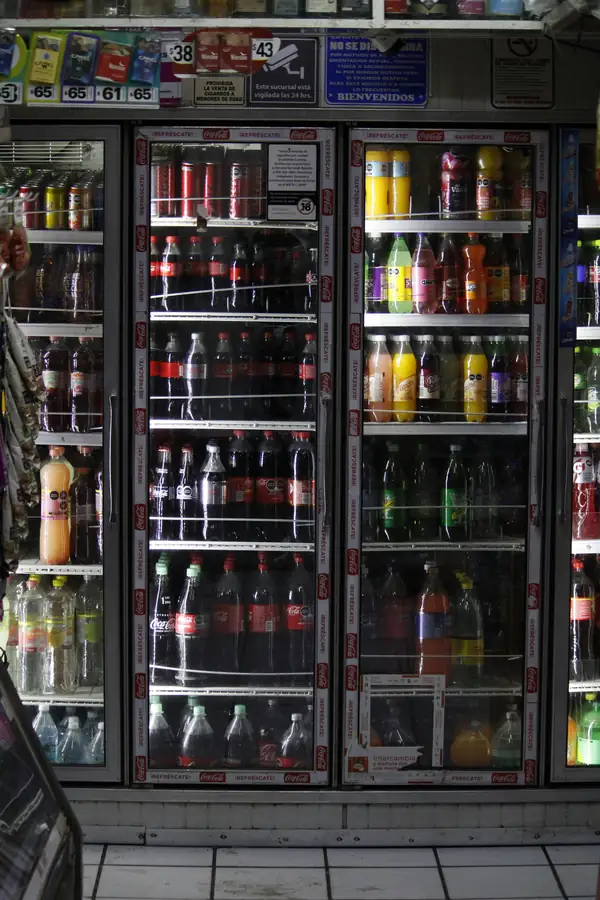
In contrast, a small café in Los Angeles capitalized on the compactness of reach-in refrigerators. These units facilitated quick access to daily essentials like dairy and beverages. Portability was key, allowing easy adjustments in their cozy space as needed.
Meanwhile, a food truck in Miami utilized a hybrid approach. They integrated a reach-in refrigerator for frequent use items and complemented it with a remote access walk-in cooler for longer storage at a nearby station.
Key Takeaways:
- High-volume restaurants benefit from walk-in refrigerators.
- Small cafes thrive with reach-in units for quick access.
- Food trucks use a combination approach for versatility.
These cases underscore the importance of aligning refrigeration choices with business operations, ensuring efficiency and growth.
Walk-In Refrigerator vs Reach-In Refrigerator: Which Is Better?
Choosing between a walk-in refrigerator and a reach-in refrigerator depends on your storage needs, kitchen space, and business size. Walk-in refrigerators are ideal for large restaurants, hotels, and supermarkets that need high-capacity storage, while reach-in refrigerators are perfect for cafés, bakeries, and smaller kitchens requiring quick access to frequently used ingredients.
At The Horeca Store, you can find reliable commercial refrigeration solutions, including walk-in and reach-in refrigerators, designed for efficient storage, consistent cooling, and long-lasting performance. Our products help foodservice businesses maintain food quality and improve daily operations.
Conclusion: Making the Best Choice for Your Cold Storage Needs
Choosing between a walk-in and reach-in refrigerator depends on your specific business needs. Evaluate factors such as available space, budget, and storage requirements. Consider the volume of food you need to store, as this will greatly influence your decision.
Walk-in refrigerators provide vast storage, ideal for high-volume operations. They are excellent for businesses with ample space and large storage needs. On the other hand, reach-in refrigerators offer convenience and efficiency for smaller setups. They are well-suited for quick access and lower volume requirements.
In the end, balancing cost, energy efficiency, and practicality will guide your choice. An informed decision ensures that your cold storage solution enhances kitchen productivity and supports business growth.