
Starting a kitchen in the Lone Star State is a big dream, but the price tag on brand-new equipment can feel bigger than the state itself. Every dollar matters when you are opening a neighborhood cafe or launching a taco truck in San Antonio. Experienced restaurateurs know a secret about protecting their hard-earned startup capital right out of the gate. Researching your options will quickly reveal a fundamental truth: buying a pre-owned commercial gas fryer is the most practical way to preserve cash without sacrificing food quality.
Would you rather have a shiny new factory warranty or an extra $1,500 in your marketing budget? Industry data reveals that buying pre-owned can save you up to 60% on your initial startup costs. That "new" smell of a $3,000 unit fades incredibly fast after just a few shifts of frying chicken and okra. By hunting down the kind of high-quality refurbished restaurant equipment Texas operators rely on, those savings can easily pay your rent for a month.
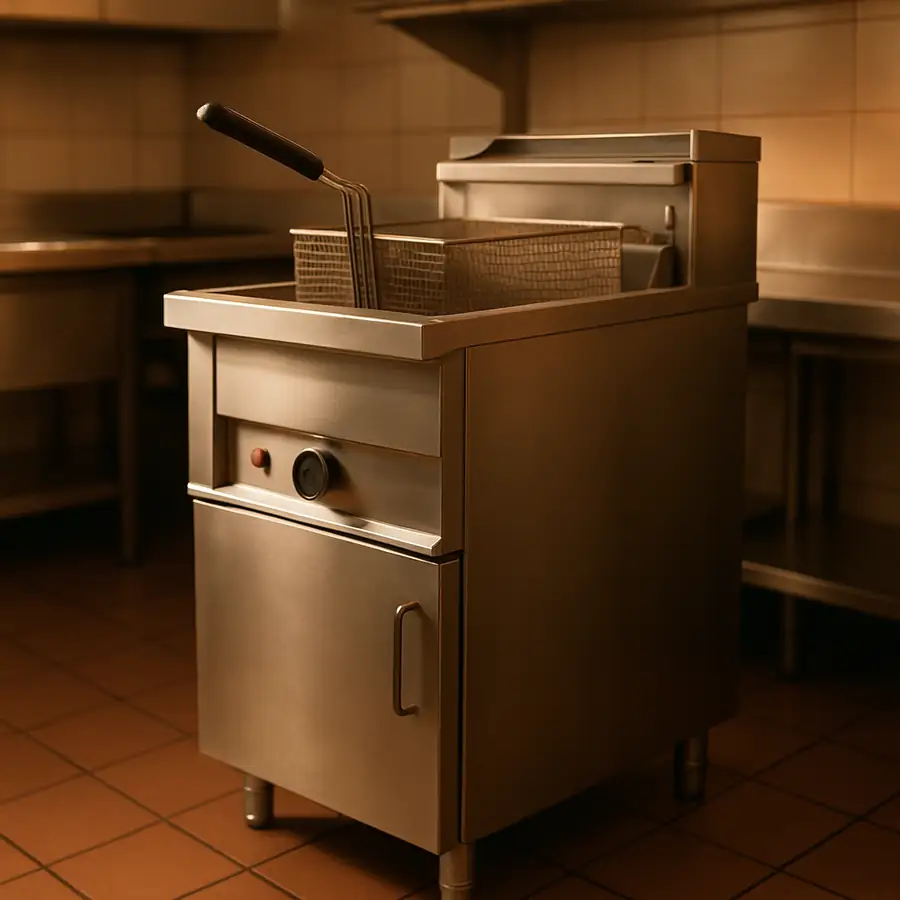
Beyond the upfront financial benefits, gas power remains the undisputed gold standard for high-volume cooking. A gas commercial fryer functions much like a heavy-duty pickup truck; it has the raw power to recover its heat instantly after you drop a frozen basket of fries into the hot oil. Electric models simply cannot match that recovery speed during a Friday night dinner rush. Finding reliable, affordable commercial deep fryers powered by gas ensures your food comes out crispy, not greasy, every single time.
Many new owners worry that buying second-hand means buying someone else's headache, but that does not have to be your reality. In practice, a well-maintained stainless steel unit handles our humid climate beautifully and will last for years without rusting. We will walk you through a simple 5-point inspection checklist to guarantee your next purchase is safe, code-compliant, and ready to cook. If the tank is clear and the pilot flame burns a steady blue, you are good to go.
Why Texas Kitchens Choose Gas Over Electric to Survive the Friday Night Rush
Imagine a packed Friday night in Austin, where every ticket demands hot fries or fried catfish. When you drop cold food into hot oil, the temperature plummets, and how fast it bounces back is called "Recovery Time." A gas-powered deep fryer excels here, reaching cooking temperatures up to 30% faster than electric models. This speed means the difference between a perfectly crisp golden crust and a soggy, oil-logged mess.
The secret behind this rapid bounce-back is heating power, measured in BTU (British Thermal Units). BTUs act as the horsepower for your cooking engine; the higher the number, the more muscle the equipment has. Meeting standard commercial fryer BTU requirements ensures your kitchen can handle back-to-back orders of heavy, frozen items without losing momentum. A commercial fryer running on gas provides the high-intensity flames needed to keep your service moving smoothly during peak volume.
Beyond cooking speed, your fuel choice directly impacts your utility bills and the survival of your air conditioning. Electric units radiate heat everywhere, quickly turning a cramped Texas kitchen into a humid summer sauna. Gas models direct excess heat straight up into the exhaust hood, significantly reducing the cooling load on your AC system. This operational edge directly translates to essential financial savings.
The Real ROI: How a Pre-Owned Fryer Funds Your First Three Months of Rent
Shiny stainless steel loses its value the minute it leaves the showroom. This sudden price drop, known as depreciation, is a new buyer's worst enemy but a massive advantage when sourcing affordable commercial deep fryers. Letting another business take that initial financial hit instantly protects your precious startup capital.
The basic math of getting your fry station operational reveals a stark contrast. Factoring in the equipment, standard professional gas hookups, and that massive first vat of cooking oil, the upfront price gap is undeniable:
- New Fryer Setup: $3,200 (Unit) + $300 (Install) + $150 (Oil) = $3,650
- Pre-Owned Setup: $1,100 (Unit) + $300 (Install) + $150 (Oil) = $1,550
Keeping that $2,100 difference in your pocket dramatically shrinks your "Time to Profit"—the exact number of operating days required to earn back your startup costs. Maximizing the ROI on pre-owned kitchen equipment effectively funds three months of small-town lease payments or a dedicated prep cook for your Friday rush. Beyond financial strategy, the mechanical design of your equipment ultimately dictates its performance.
Tube Design vs. Open Pot: Choosing the Right Engine for Your Menu
Picking the right commercial fryer design is like choosing a work truck; it depends entirely on what you are hauling. If your menu leans toward simple french fries, an open pot fryer is a smart choice. Their unobstructed tanks make them incredibly fast to wipe down at closing time. However, to serve heavily battered Texas staples like buttermilk chicken or fried okra, you need a different engine.
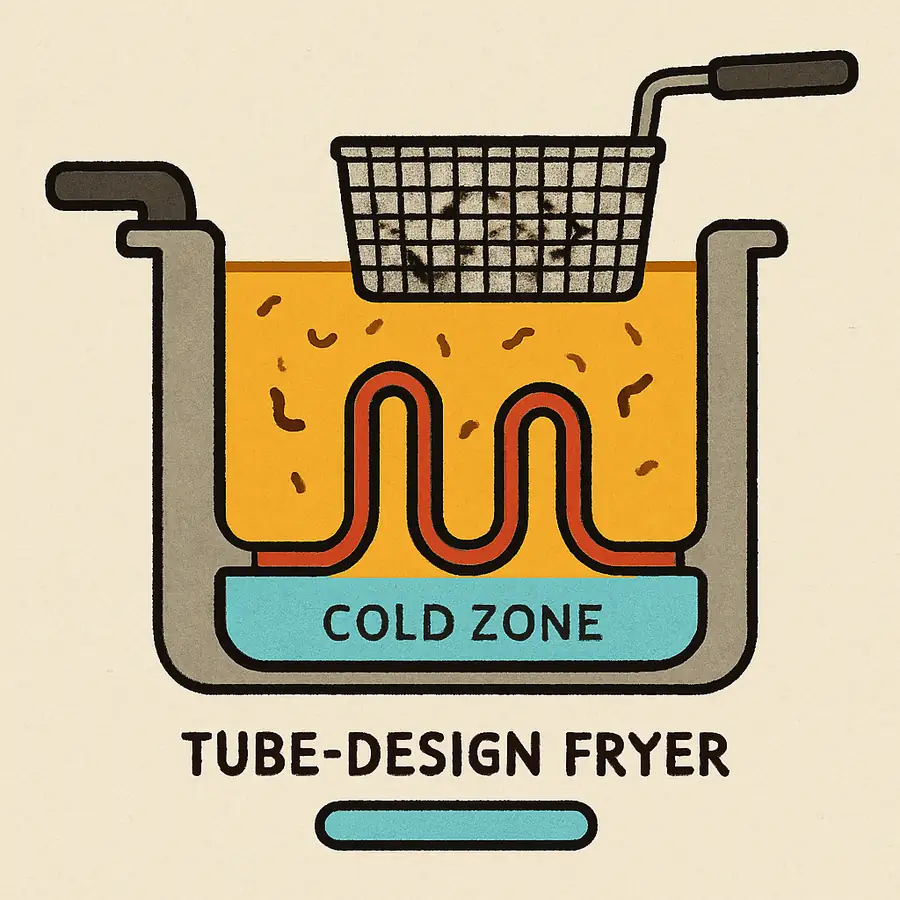
That is exactly where the tube fryer shines. Inside the tank, gas flames shoot through thick metal pipes to heat the oil. Because these heated tubes sit slightly above the bottom, the oil underneath stays much cooler, creating a "cold zone." This area functions like the deep bottom of a lake. When thick breading falls off your catfish, it sinks into this sediment zone instead of scorching and ruining your whole batch's flavor.
Keeping those stray crumbs from burning preserves your expensive cooking oil, directly protecting your daily bottom line. After identifying the right style for your food, ensuring proper fuel compatibility at your location is the next crucial step.
Natural Gas vs. Propane: Navigating Texas Utility Realities from Dallas to West Texas
Setting up shop in downtown Austin is vastly different from launching a rural West Texas food trailer, especially regarding fuel. When debating natural gas vs propane commercial fryers, your physical location makes the decision for you. City kitchens plug into municipal natural gas grids, while mobile or rural spots rely heavily on liquid propane (LP) tanks.
Pumping the wrong fuel into a fryer is a massive fire hazard. Propane burns much hotter than natural gas and requires specific gas orifices—the tiny brass nozzles that dictate how much gas flows through. It also operates at a different manifold pressure, which is simply the internal force pushing that gas to the burners. Always verify a used unit's factory fuel type by reading its metal data plate located inside the front door:
- Fuel Designation: Check if it is clearly stamped "NAT" (Natural Gas) or "LP" (Liquid Propane).
- Required Pressure: Verifies the exact manifold pressure the valves can handle safely.
- Clearance Rules: Shows safe operating distances from combustible kitchen walls.
Finding a cheap natural gas unit for your propane truck isn't a total dealbreaker. Many fryers accept manufacturer conversion kits, though you must hire a professional to swap the orifices safely. Following any installation, always perform strict commercial fryer gas leak detection using soapy water on the connections—if it bubbles, shut it off immediately. Once your fuel safely matches your equipment, you must perform a thorough physical inspection of the hardware.
The 5-Point 'Lemon' Check: Inspecting a Used Fryer Like a Pro
A broken fryer drains startup capital faster than spilled oil. Since your fuel type is already sorted, learning how to inspect used gas fryers is your next defense against buying a complete lemon. You must spot these hidden flaws before they ruin a busy Friday night taco rush.
Bring a flashlight and a bucket of water to verify these five vital areas:
- Tank Cracks: Fill the cold vat with water to expose invisible leaks before ever adding hot oil.
- Pilot Light Flame: Look for a crisp blue flame; yellow indicates poor airflow.
- Thermostat Response: Listen for a sharp click when turning the temperature dial.
- Drain Valve Seal: Ensure the bottom valve closes tightly without a single drip.
- High-Limit Switch: Inspect the wires connecting this crucial emergency shut-off.
Behind that pilot flame sits the thermopile (a small metal probe that uses heat to generate the tiny electrical charge needed to open your gas valves). This probe serves as the gatekeeper; if it is buried under burnt batter, the main burners simply will not ignite. Right nearby is the high-limit switch, acting as your kitchen's ultimate bodyguard. If the regular thermostat fails and your oil approaches flash-fire temperatures, this switch forces the gas flow to stop completely.
Taking the time to verify these internal parts, alongside performing standard commercial fryer gas leak detection on your supply hoses, guarantees your investment is secure. A reliable machine allows you to focus on serving profitable food while maintaining strict health standards.
Meeting Texas Food Service Health Regulations Without the Headache
Navigating the Texas Food Establishment Rules (TFER) can feel intimidating, but your quickest shortcut to passing inspection is locating the NSF Seal. The National Sanitation Foundation stamps this tiny logo on equipment built with smooth, easy-to-clean surfaces that prevent bacteria buildup. To find refurbished restaurant equipment Texas health inspectors actually approve of, you must ensure this essential badge is visibly intact before purchasing.
Proper placement under your ventilation system is the next major hurdle. Gas fryers generate intense, grease-laden smoke, requiring precise clearance under a commercial hood vent to meet Texas food service health regulations. Local codes generally mandate the unit sits entirely under the canopy with at least a six-inch overhang, pulling flammable fumes outside before they coat your kitchen walls.
Connecting your setup to a functioning grease trap is the final mandatory step, because state plumbing codes strictly forbid dumping fry oil residue into municipal sewers. This trap acts as a heavy-duty bouncer protecting city pipes from expensive, business-halting clogs. With safety and compliance secured, selecting the right brand becomes the primary focus.
Pitco vs. Vulcan: Comparing the 'Ford and Chevy' of Commercial Fryers
Shopping the used market for a commercial fryer usually comes down to a classic Texas rivalry: Pitco and Vulcan. These two reliable brands represent the Ford and Chevy of the kitchen. Whether you are frying state-fair funnel cakes or classic catfish, both options typically utilize a brilliant, simple technology called a Millivolt System. This system operates like a self-charging battery; it generates a tiny electrical current right from the pilot light's heat to run the thermostat. This means your kitchen keeps frying perfectly even if a heavy summer storm knocks out the neighborhood power grid.
Deciding between Pitco vs Vulcan commercial fryers depends heavily on your daily volume and your staff's mechanical comfort. Here is how the two heavyweights stack up in the secondary market:
- Pitco Pros: Unmatched availability of cheap replacement parts across Texas; straightforward repairs.
- Pitco Cons: Thinner metal construction means it might show cosmetic wear faster in high-volume joints.
- Vulcan Pros: Heavy-duty durability built for grueling 24/7 operations; incredibly simple control knobs that are perfect for non-techy staff.
- Vulcan Cons: Used units usually command a higher upfront price; specialized parts might take longer to reach rural zip codes.
Ultimately, a budget-conscious startup might lean toward Pitco for its quick local fixes, while a high-volume BBQ joint might invest in a rugged Vulcan. Regardless of the brand, consistent performance relies on an accurate temperature dial.
DIY Maintenance: How to Calibrate Your Thermostat and Save a Service Call
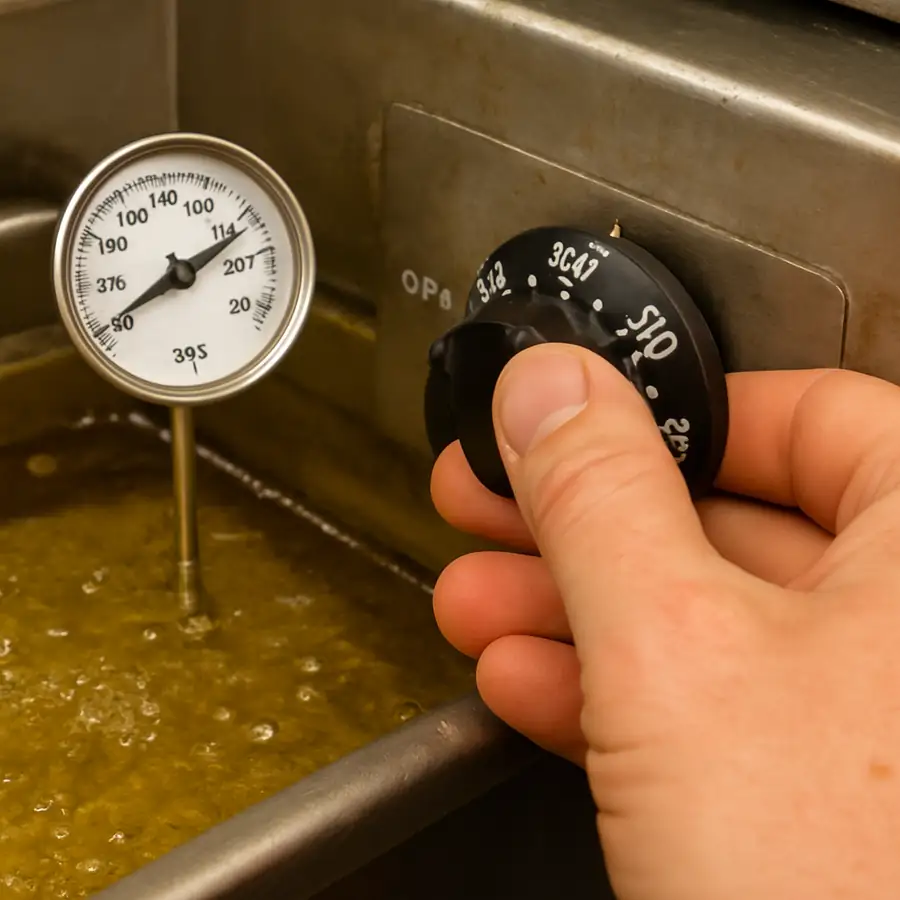
Imagine a Friday dinner rush where your fried okra comes out unexpectedly soggy and greasy. Before paying a technician $200 just to park their service van, you likely only need a basic deep fryer thermostat calibration guide. Temperature dials drift naturally over heavy use, causing your shortening to run cooler than the knob indicates and ruining your food's crispy texture.
Instead of guessing the heat levels, use the "Boiling Water Test" to check accuracy safely. Always use your main gas shutoff during the initial draining process to prevent accidents, then follow these steps:
- Drain the oil completely, wipe out the vat, and fill it with fresh water.
- Turn the gas back on and set the thermostat to 212°F.
- Once the water boils steadily, loosen the knob's set screw and align the dial exactly to the 212°F mark.
Beyond calibration, another kitchen headache is a pilot light that repeatedly dies. The usual culprit is a dirty thermocouple (this tiny metal heat sensor tells the main gas valve it is safe to open). A gentle scrub with a wire brush often fixes the issue. However, if the flame remains weak or yellow after cleaning, you are probably looking at replacing commercial fryer pilot lights entirely. With your rig heating accurately, preserving expensive shortening becomes the daily priority.
Extending Oil Life: Why Automatic Filtration is the Secret to 50% Lower Operating Costs
Commercial shortening remains a massive monthly expense. You can actually slash your oil budget by 50% just by managing your daily habits and fighting the four "Enemies of Oil":
- Heat: Boiling oil too high breaks it down prematurely.
- Water: Ice from frozen foods causes damaging splatters.
- Salt: Seasoning directly over the vat ruins oil chemistry.
- Carbon crumbs: Leftover batter bits that sink and scorch.
Those burnt crumbs cause a nasty process called carbonization. Simply put, when food particles turn to black charcoal at the bottom of your pot, they give fresh catfish a bitter taste. Scooping big pieces with a wire skimmer isn't enough to stop this. By utilizing automatic oil filtration systems, you securely pump the hot grease through a fine filter, catching microscopic debris before it ruins your next batch.
This daily filtering routine is known as oil polishing. Oil polishing works much like a pool vacuum; it circulates the liquid to scrub away unseen impurities, leaving it crystal clear for tomorrow's lunch rush. Snagging a fryer with this feature makes it one of the top energy efficient used kitchen appliances for your bottom line. Understanding these cost-saving features prepares you to navigate the secondary market effectively.
Where to Buy: Navigating Restaurant Auctions in Dallas, Houston, and San Antonio
Smart operators know the best deals on refurbished restaurant equipment Texas offers happen between January and March, following end-of-year restaurant closures. However, you must quickly spot the difference between a liquidator and a true refurbished dealer. A liquidator simply wipes down a dirty machine and pushes it out the door, while a reputable dealer tests the gas valves and replaces failing parts, protecting your precious startup capital before the lunch rush hits.
Scoring massive discounts at kitchen equipment auctions in Dallas, Houston, or San Antonio requires understanding a bit of hidden math. Always account for the "Buyer's Premium," which is an extra percentage fee the auction house adds directly to your winning bid. If you win a fryer for $1,000 and the premium is 18 percent, your actual cost jumps to $1,180 before taxes, meaning you must calculate this fee beforehand to avoid accidentally overpaying.
Snagging those auction savings also means accepting the equipment in "AS-IS" condition. In other words, there are zero warranties or returns; if you hook up the propane and the pilot light refuses to spark, that repair bill is entirely your problem. Mastering local secondary markets builds the foundation for future kitchen expansion.
Scaling Up: When to Transition from Single Tanks to High-Capacity Catering Units
Growing from a quiet neighborhood cafe to handling a 500-person church fundraiser requires rethinking your commercial fryer setup. Surviving high-capacity frying for catering operations depends on a basic metric: Pounds per Hour (PPH). PPH serves as your kitchen's speed limit; it reveals exactly how many pounds of raw catfish a unit can turn golden brown in sixty minutes without losing cooking heat.
Once your volume outgrows a single tank, you must link multiple units together into what the restaurant industry calls a "battery." Connecting a battery requires upgrading your plumbing, because chaining three fryers demands a wider gas supply pipe to maintain steady pressure. If you starve the gas line, the burner flames shrink, causing soggy, grease-soaked food during your biggest Friday night rush.
Smart operators also look for used "split-vat" models—fryers divided down the middle into two smaller tanks—to gain massive menu flexibility. This layout lets you fry spicy jalapeño poppers on one side and sweet funnel cakes on the other without crossing flavors. Properly sized equipment prepares your kitchen to handle Texas-sized crowds.
Your 7-Day Action Plan: From Auction Floor to the First Golden Batch
You no longer have to choose between protecting your startup capital and serving perfectly crispy food. By utilizing the refurbished equipment Texas chefs trust, you keep thousands of dollars in your pocketbook for better ingredients and local marketing. You now have the practical knowledge to spot reliable gear and bypass the lemons.
Turn that smart purchase into a working powerhouse by executing a safe 7-day commissioning process for your used equipment:
- Day 1: Purchase and transport securely.
- Day 2: Deep clean the cold zones.
- Day 3: Perform a final gas leak check to ensure kitchen safety.
- Day 4: Calibrate the thermostat.
- Day 5: Season the fry pots.
- Day 6: Train staff on safe lighting.
- Day 7: Launch your "First Fry."
Succeeding with pre-owned equipment ultimately comes down to straightforward maintenance and common sense. By running through this simple setup routine, you build immediate confidence with your newly acquired appliance. A tight gas connection, a well-calibrated thermostat, and a steady blue pilot flame signal that your kitchen is fully prepared to feed your community and fund your Texas dream.
Buy Commercial Gas Fryers Online from The Horeca Store
Whether you're launching a new restaurant or upgrading your kitchen equipment, investing in a high-quality commercial gas fryer is essential for delivering fast, consistent frying results. The Horeca Store offers a wide selection of commercial gas fryers suitable for restaurants, cafés, hotels, food trucks, cloud kitchens, and catering businesses. Designed for high-volume cooking, our gas fryers provide rapid heat recovery, energy-efficient performance, and reliable operation for preparing crispy fries, chicken, seafood, snacks, and more.
At The Horeca Store, you'll find commercial gas fryers in various capacities and configurations to meet the needs of different foodservice operations. Our durable equipment is built to withstand the demands of busy commercial kitchens while helping improve cooking efficiency and food quality. With competitive pricing, trusted commercial-grade products, and dependable customer support, The Horeca Store is your reliable source for commercial gas fryers and other professional kitchen equipment.