
A smart fryer purchase starts with matching the equipment to your menu, fuel setup, kitchen space, and expected daily volume. This used commercial fryer buying guide walks through what to inspect, which features matter, and how to compare options without overpaying for capacity you do not need. Whether you are outfitting a restaurant, concession stand, cafe, or mobile kitchen, the goal is the same: find a safe, clean, reliable fryer that can handle your service pace.
What is a used commercial fryer?
A used commercial fryer is a previously owned foodservice fryer built for repeated, high-volume cooking in a professional kitchen. Unlike a home fryer, it is designed for heavier oil loads, stronger heating recovery, larger baskets, and constant use during rush periods. Buyers often search for a used commercial deep fryer, used commercial deep fat fryer, or commercial deep fryer used because these terms usually point to the same core category: restaurant-grade equipment that has already been in service.
The main appeal is value. A well-maintained used fryer can help a business expand its fried menu, replace aging equipment, or launch with lower upfront costs than buying new. The tradeoff is that you need to inspect carefully, confirm compatibility, and understand what signs of wear are normal versus risky.
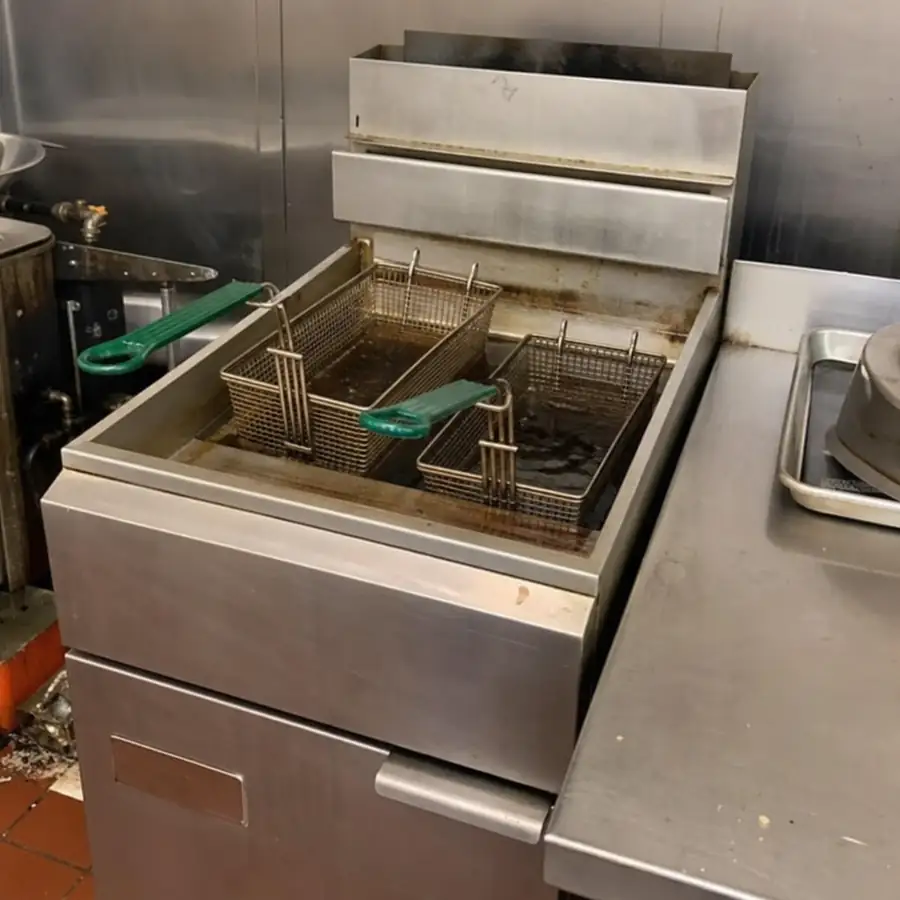
Who a used commercial fryer is for
Used fryers are common in restaurants, bars, diners, ghost kitchens, catering operations, concession stands, and convenience food programs. They are especially useful for operators adding fried appetizers, fries, chicken, seafood, dough items, or quick sides to an existing menu. If fried food is a supporting category rather than your entire concept, buying used may make practical sense.
They are also popular among mobile operators. Fryers for food trucks need to fit tight layouts, recover heat quickly, and match the truck's fuel and ventilation setup. A compact floor model or countertop unit can work well, but only if it meets fire safety, hood, and local code requirements for the vehicle.
A horeca store, restaurant equipment dealer, auction marketplace, or local reseller may carry used commercial fryers alongside ranges, ovens, refrigeration, and prep equipment. The advantage of buying through a dedicated foodservice equipment seller is that you may be able to ask about testing, cleaning, available parts, and whether the unit was removed from an operating kitchen.
Key specifications, capacity, and features
Capacity is one of the first details to understand. Fryers are often described by oil capacity, basket size, and whether they are countertop or floor models. A small operation may need a compact unit for occasional sides, while a busy restaurant may need a larger single-vat or twin-vat fryer to keep tickets moving.
Fuel type matters just as much. Electric fryers may be easier to place in some kitchens, but they require the correct voltage, phase, and amperage. Gas fryers can offer strong performance for high-volume cooking, but you need the right gas connection and ventilation. If your kitchen is set up for propane, a used commercial propane deep fryer can be a practical option, especially for certain mobile, outdoor, or concession applications.
Look closely at these specifications before you buy:
- Oil capacity: Larger vats support more output but cost more to fill and clean.
- Recovery time: Faster recovery helps maintain food quality during rushes.
- BTU or electrical rating: The unit must match your utility supply and cooking demand.
- Number of vats: Separate vats help prevent flavor transfer between foods.
- Basket configuration: Basket size affects portion control and batch speed.
- Drain system: A working drain valve makes filtering and oil changes safer.
- Thermostat and controls: Accurate temperature control protects food quality and oil life.
- Safety features: High-limit shutoff, stable legs, and intact gas or electrical components are essential.
Do not choose capacity based only on the largest unit you can afford. Oversized fryers use more oil, take more cleaning time, and may be inefficient for a menu with limited fried items. Undersized fryers, however, create bottlenecks, longer waits, and inconsistent browning.
Main types of used commercial fryers
Because markdown tables are not ideal for every reading experience, here is a comparison-style breakdown in list form.
Countertop fryers
A small menu can pair the vat with a gas griddle.
Countertop fryers are best for cafes, small kitchens, snack menus, and low-to-moderate frying needs. They save floor space and can be easier to move for cleaning. The limitation is capacity, so they are not usually the best choice for a menu built around fries, chicken, or seafood.
Floor-model fryers
Many lines place the fryer beside a commercial range.
Floor fryers are the standard choice for many restaurants and bars. They offer more oil capacity, stronger output, and better durability for repeated service. If you are shopping for a used deep fryer commercial kitchens would rely on every day, a floor model is often where the search begins.
Tube-style gas fryers
Breaded items should come from a commercial freezer that holds temperature.
Tube-style fryers are common in heavy-duty gas applications. They are often chosen for breaded products and higher-volume frying. When buying used, inspect around the tubes carefully because residue buildup, cracks, or corrosion can become costly problems.
Open-pot fryers
Keep thawed product in a reach-in refrigerator until the batch goes in.
Open-pot fryers are easier to clean and may work well for lightly breaded or frozen items. They are common in kitchens that want straightforward maintenance. The shape of the vat can make a difference in how debris settles and how quickly staff can clean between oil changes.
Pressure fryers
A chicken program often needs a commercial oven for the rest of the plate.
Pressure fryers are specialized units, often associated with chicken programs. They can produce a distinct texture and faster cooking times, but they require more careful inspection, operator training, and maintenance. If you are not specifically building a menu around pressure-fried products, a standard open fryer may be simpler.
How do you choose the right used commercial fryer?
Also confirm a used commercial gas fryer matches the gas line before you pay.
Choose the fryer that fits your menu volume, available utilities, kitchen layout, ventilation, cleaning routine, and budget for repairs. A bargain unit is not a bargain if it needs incompatible hookups, fails inspection, or slows down service because it cannot recover temperature fast enough. The best choice is the one that supports your actual menu and can be safely installed without surprise costs.
Start with the food you plan to cook. Frozen fries, wings, fish, dough, and breaded chicken behave differently in oil. Some foods shed more sediment, some need separate vats to avoid flavor transfer, and some require fast recovery to stay crisp during rush periods.
Next, consider workflow. Staff need room to load baskets, shake product, drain safely, filter oil, and clean the surrounding area. A used commercial deep fryer for sale near me may look perfect online, but it still has to fit through your door, sit under the correct hood, and leave enough working clearance.
Finally, think beyond the purchase price. Delivery, installation, replacement baskets, gas hoses, cords, casters, filters, professional cleaning, or service calls can change the real cost. When comparing two units, the cleaner, tested, better-documented fryer may be the better value even if the sticker price is higher.
Inspection points before you buy
Give the station the same clearance you would give a charbroiler.
A careful inspection helps you avoid unsafe or expensive equipment. If possible, see the fryer in person, ask for a live test, or request detailed photos of the vat, burners, controls, serial plate, and drain assembly. For online purchases, ask direct questions before paying.
Use this inspection checklist:
- Confirm the fuel type and power requirements. Make sure the fryer matches your kitchen's gas, propane, or electrical setup.
- Check the vat condition. Look for cracks, deep pitting, poor welds, heavy corrosion, or signs of leaks.
- Inspect burners or heating elements. Uneven heat, heavy rust, or damaged elements can affect performance.
- Test the thermostat. The fryer should heat steadily and hold temperature without wild swings.
- Review the drain valve. It should open and close smoothly without leaking.
- Look at baskets, handles, and lids. Missing accessories add cost and can delay use.
- Find the model and serial plate. This helps with parts lookup, manuals, and service support.
- Ask about cleaning history. Heavy carbon buildup can hide deeper problems.
- Check for recalls or service concerns. Use the model information to research known issues.
- Verify return terms. Used equipment is often sold as-is, so understand the risk before committing.
If you are unsure, bring a qualified technician or ask the seller whether the unit has been tested. That extra step can protect you from buying a fryer that looks acceptable but needs major repairs.
Price, availability, and local search tips
Prices vary widely based on brand, size, age, condition, fuel type, and whether the unit has been cleaned or tested. Instead of focusing only on the lowest listing, compare condition and completeness. A cheaper fryer missing baskets, legs, drain parts, or working controls may cost more after repairs.
Local search can be useful because fryers are heavy and freight costs can be significant. Searching for "used commercial deep fryer for sale near me" can help you find restaurant liquidators, local dealers, and operators selling equipment after renovations or closures. If you search broader marketplaces, also try terms like "commercial deep fryer used" or "used deep fryer commercial" because sellers do not always use the same wording.
When contacting a seller, ask practical questions:
- Was the fryer recently removed from service?
- Has it been cleaned, tested, or refurbished?
- Are photos available of the vat, burners, controls, and data plate?
- Are baskets, screens, casters, or filters included?
- Is loading, delivery, or installation available?
- Are there any known leaks, ignition issues, or temperature problems?
Clear answers do not guarantee perfection, but vague or evasive answers should make you cautious.
Buying checklist for a confident decision
Leave landing space for a prep table beside the vat.
Before you commit to a used commercial fryer, pause and review the full picture. The right unit should fit the kitchen, the menu, the staff, and the budget.
- Menu fit: The fryer can handle your main fried items without slowing service.
- Capacity fit: Oil volume and basket size match expected order volume.
- Utility fit: Gas, propane, or electrical requirements match your building or truck.
- Ventilation fit: The fryer can be installed under proper hood and fire suppression systems.
- Condition: Vat, burners, elements, drain, controls, and frame are sound.
- Cleanability: Staff can access the drain and surrounding surfaces safely.
- Parts support: Replacement baskets, thermostats, valves, and accessories are available.
- Total cost: Purchase, transport, installation, cleaning, and repairs are considered.
- Seller reliability: The seller provides clear photos, model details, and honest condition notes.
- Compliance: The unit can meet local health, fire, and building requirements.
If two fryers seem similar, choose the one with better documentation, cleaner condition, and easier parts availability. Those details often matter more than a slightly lower price.
Common buyer questions
Is buying a used commercial fryer risky?
It can be risky if you buy without inspecting the fryer or confirming compatibility, but the risk is manageable with a careful process. The biggest concerns are hidden leaks, faulty controls, poor cleaning history, and mismatched utilities. Buying from a seller who can test the unit or provide detailed condition information reduces uncertainty.
Should I buy gas, propane, or electric?
Choose based on your available utilities, menu volume, and installation environment. Gas and propane models are common for higher-output frying, while electric units can work well where the correct electrical service is already available. For mobile or concession setups, confirm code requirements before selecting a used commercial propane deep fryer.
Can I use a restaurant fryer in a food truck?
Sometimes, but not every restaurant fryer is suitable for mobile use. Fryers for food trucks must fit the layout, secure safely, ventilate correctly, and comply with fire suppression rules. Always check local requirements before installing any fryer in a mobile kitchen.
What is the most important thing to inspect?
The fry pot or vat is the most important component because leaks, cracks, and corrosion can make a fryer unsafe or uneconomical to repair. After that, check the thermostat, burners or elements, drain valve, and overall cleanliness. If the vat is questionable, it is usually better to keep shopping.
Related equipment and next steps
A complete station may also need an undercounter refrigerator and an ice machine.
A fryer rarely works alone. To build a safer and more efficient frying station, you may also need filtration equipment, landing tables, dump stations, sheet pans, baskets, thermometers, fire suppression service, and cleaning supplies. Planning the full station helps prevent delays after the fryer arrives.
Useful related pages or internal links to include on a restaurant equipment site might be:
- Used restaurant equipment buying guide
- Commercial kitchen ventilation basics
- Food truck equipment checklist
- Used refrigeration buying tips
- Restaurant equipment maintenance checklist
The takeaway is simple: do not buy a used fryer on price alone. Match the equipment to your menu, inspect the vat and controls, confirm fuel and installation requirements, and account for the real cost of getting it safely into service. With the right process, a used commercial fryer can be a practical, budget-conscious addition to a professional kitchen.