
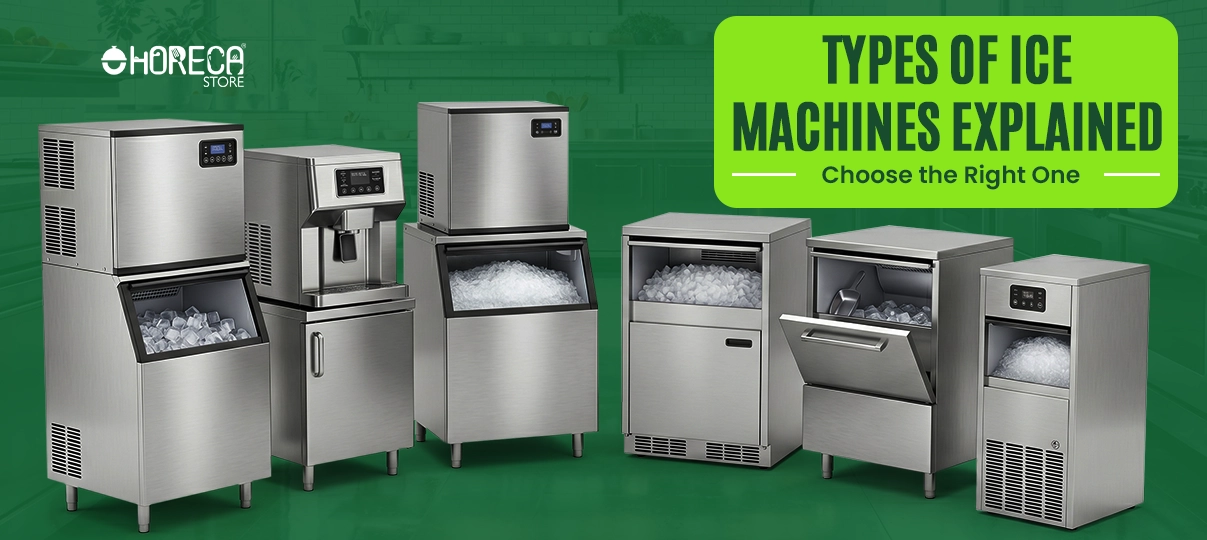
There is nothing quite like the satisfying clink of fresh ice dropping into a glass. Whether you are shaking up craft cocktails for a weekend dinner party, packing a cooler for a summer road trip, or simply trying to stay hydrated with a frosty beverage, the quality and quantity of your ice matter. Relying on the standard plastic trays in your freezer can be tedious, leading many homeowners and business owners to invest in a dedicated Ice Machine.
However, shopping for an ice maker isn’t as simple as picking the first model you see. From the shape of the cubes to the complexities of plumbing, there is a surprisingly vast world of cooling technology to navigate. This comprehensive guide will help you understand the different options available, ensuring you choose the perfect Ice Machine for your specific needs, lifestyle, and space.
The Main Categories of Ice Machines
When starting your search, the first decision you will need to make is the physical format of the machine. The right choice depends heavily on your available space, budget, and how much ice you actually consume.
Built-In vs Freestanding Units
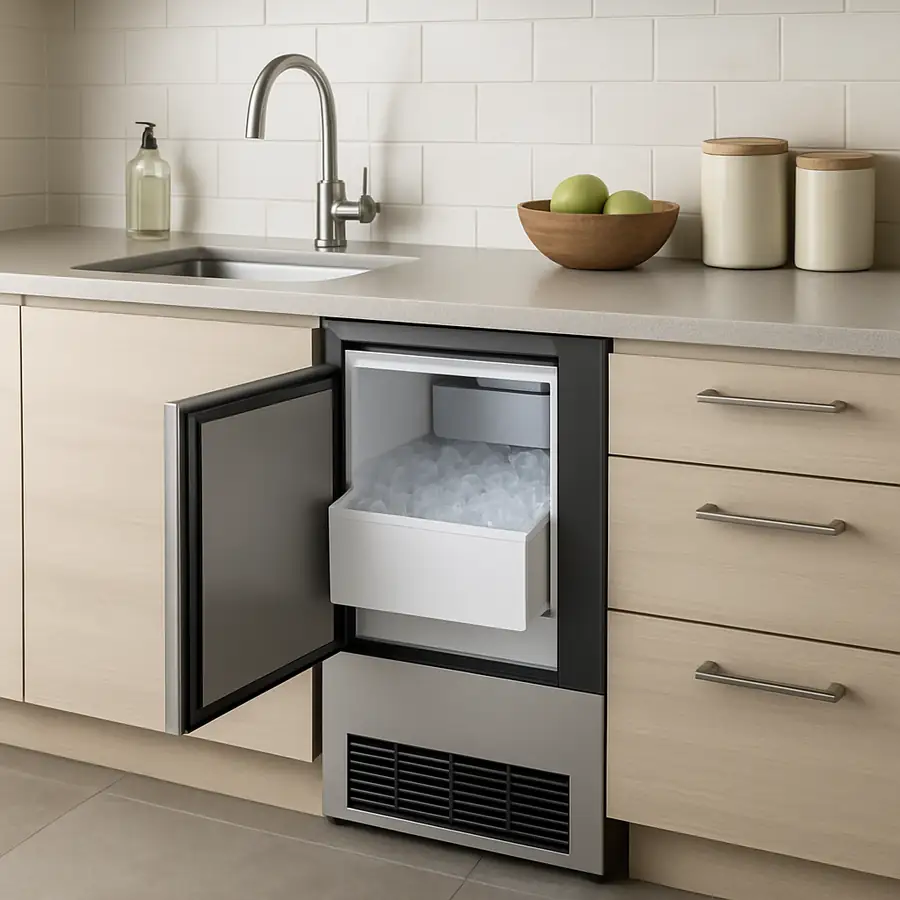
The debate between built-in vs freestanding units comes down to permanence and aesthetics.
- Built-in Units: These are designed to fit flush seamlessly seamlessly within your existing cabinetry. They vent entirely from the front, meaning they do not require extra clearance on the sides or back to prevent overheating. Highly popular in modern home designs, residential undercounter units add a touch of luxury to a kitchen or home bar, providing a continuous, high-capacity ice supply right where you mix your drinks.
- Freestanding Units: These models are highly versatile. Because they vent from the sides or back, they need a little breathing room, but you can place them virtually anywhere with access to water and power—be it a pantry, a basement, or a garage. If you ever move, a freestanding Ice Machine is much easier to take with you.
Portable Ice Makers
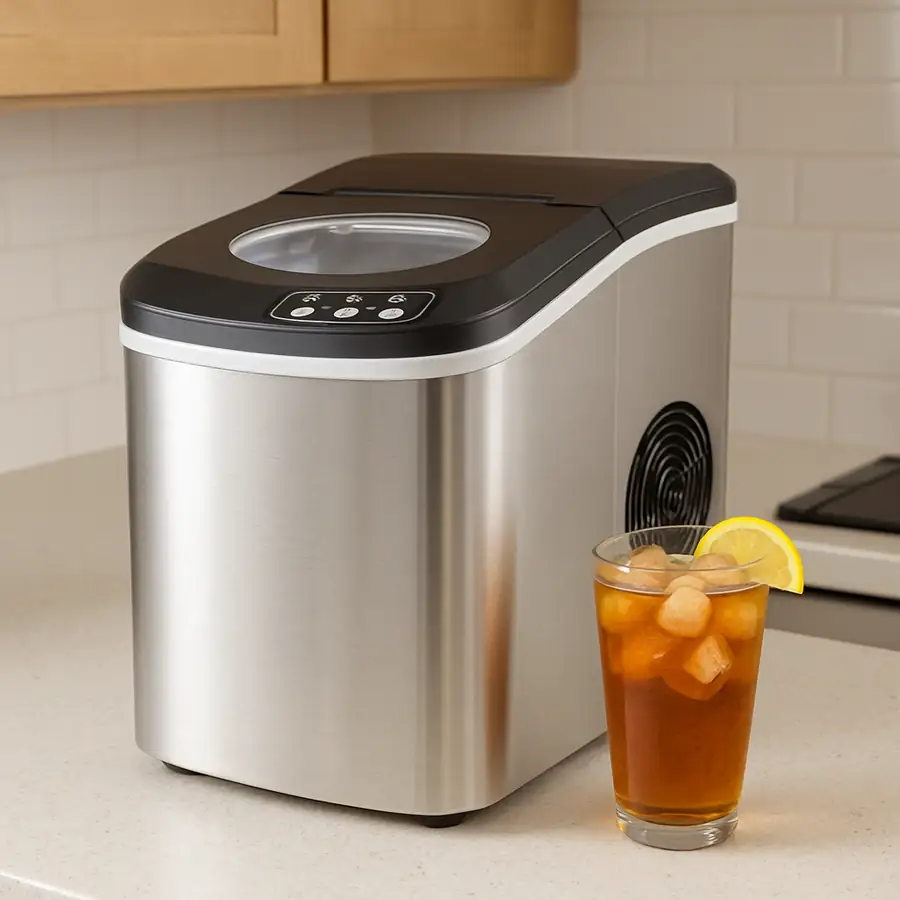
If you are short on floor space, renting an apartment, or love camping, a portable ice maker is a game-changer. These compact devices sit neatly on a kitchen countertop or outdoor prep table. They do not require a dedicated water line; you simply pour water into a reservoir, and the machine turns it into ice within minutes.
While they are incredibly convenient, it is wise to consider the energy consumption of portable cooling units. Because they are designed to produce ice quickly rather than store it long-term (most portable units are not heavily insulated freezers), they will continuously cycle on and off to replace ice as it melts back into the water reservoir. Look for Energy Star-rated portable units if you plan to leave the machine running constantly.
Decoding Ice Types: Which Cube is for You?
Not all ice is created equal. The texture, size, and melting rate of your ice drastically impact your drinking experience.
Nugget Ice vs Pellet Ice
If you are a fan of the soft, chewable ice famously found at fast-food chains like Sonic, you are looking for nugget or pellet ice. But what exactly is the difference in the nugget ice vs pellet ice debate? In the industry, these terms are largely used interchangeably. Both refer to ice made by scraping flaked ice from a chilled cylinder and compressing it into small, porous, chewable cylinders. This type of ice absorbs the flavor of the beverage, making it a favorite for sodas, iced teas, and mixed drinks.
Flake Ice vs Gourmet Cubes
For a completely different texture, consider the contrast between flake ice vs gourmet cubes.
- Flake Ice: This resembles packed snow. It cools rapidly and molds easily, making it the perfect choice for seafood displays, salad bars, and blending into smooth margaritas. Because it is so soft, it is also widely used in healthcare settings for hydration and cold compresses.
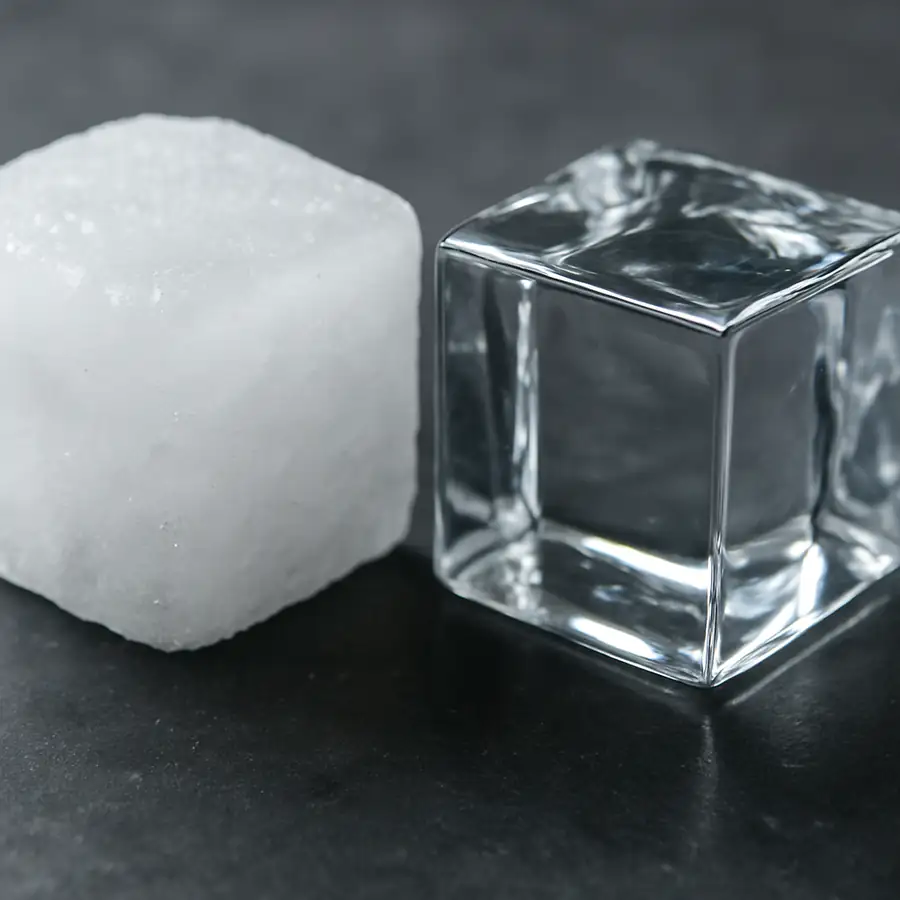
- Gourmet Cubes: Also known as "top hat" or "large format" cubes, gourmet ice is the absolute opposite of flake ice. These cubes are large, dense, and crystal clear. Because of their high ice-to-water ratio, they melt incredibly slowly. If you are sipping a premium whiskey or a delicate craft cocktail, gourmet cubes chill the drink perfectly without prematurely watering it down.
The Science of Perfect Ice
Have you ever wondered why the ice from a premium ice maker looks like pure glass, while the ice from a standard freezer tray looks cloudy and white?
Clear Ice Technology Explained
The secret lies in how the water freezes. Clear ice technology explained simply: it relies on directional freezing. Instead of freezing water from all sides at once (which traps air bubbles and impurities in the center, causing cloudiness), specialized ice machines freeze water layer by layer. Water continuously cascades over a chilled plate or grid. Pure water freezes at a higher temperature than water containing minerals, so the pure water forms into ice first, while the impurities and trapped gases are washed away down the drain.
How to Fix Cloudy Ice Cubes
If you are using a basic machine or manual trays and wondering how to fix cloudy ice cubes, the easiest trick is to use distilled or tightly filtered water, and boil it twice before freezing. Boiling removes dissolved oxygen and gases. However, for a permanent, hands-free solution, investing in an Ice Machine with built-in clear ice technology is the only foolproof method.
Hard Water Effects on Ice Quality
The chemistry of your local water supply also plays a massive role in your ice. Hard water effects on ice quality are twofold: aesthetic and mechanical. Aesthetically, high levels of calcium and magnesium will result in cloudy, off-tasting ice that leaves floating white flakes in your glass. Mechanically, hard water causes rapid mineral scale buildup inside the machine. This scale forces the compressor and water pumps to work harder, eventually leading to costly breakdowns.
Installation Essentials: Setting Up Your Ice Maker
Proper installation is critical to the lifespan and efficiency of your machine. If you are upgrading from a portable unit to a permanent fixture, there are several plumbing and electrical factors to consider.
Water Supply
For continuous, automatic production, installing a dedicated water line is mandatory. This involves tapping into your home’s existing cold-water plumbing—usually under a kitchen sink—and running a line directly to the back of the ice maker. It is highly recommended to hire a professional plumber for this to ensure leak-free connections and proper water pressure.
Drainage Solutions
Because clear ice machines constantly run water over an evaporator plate, they generate a lot of runoff water. You must decide between a drain pump vs gravity drain installation.
- Gravity Drain: If your machine is located directly adjacent to a floor drain or a sink pipe that sits lower than the machine's drain outlet, gravity will naturally pull the wastewater away. This is the simplest and most cost-effective setup.
- Drain Pump: If your machine is installed across the room from the nearest plumbing, or if the drain pipe sits higher than the machine, gravity won't work. You will need a drain pump to actively push the wastewater up and out of the unit. Many high-end residential undercounter units offer optional built-in pumps.
Noise Considerations
Ice machines contain moving parts: fans, water valves, dropping ice, and compressors. Before installing a unit in a high-traffic area, check the compressor noise levels and decibel ratings. Most modern residential machines operate between 40 and 50 decibels—roughly the sound of a quiet refrigerator or a soft conversation. However, during the harvest cycle (when the ice drops into the bin), there will be a temporary clatter. If noise is a primary concern, look for machines with specialized sound-dampening insulation.
Maintenance and Troubleshooting: Keeping the Ice Flowing
An Ice Machine is an appliance that handles a consumable food product (yes, ice is food!). Therefore, routine maintenance is not just about protecting the hardware; it is about protecting your health.
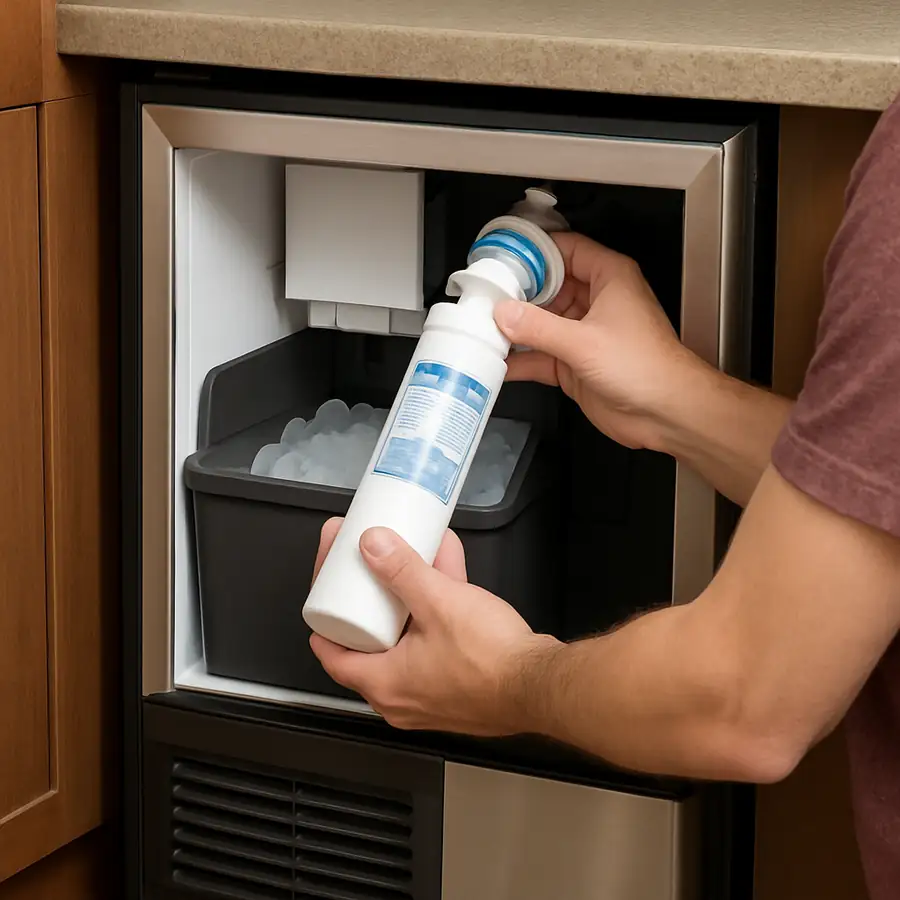
The First Line of Defense: Filtration
You cannot make pristine ice with poor-quality water. The importance of regular water filter replacement cannot be overstated. A high-quality filter removes chlorine tastes, odors, and particulate matter while inhibiting scale buildup. Most manufacturers recommend swapping out the filter every six months. Failing to do so will result in bad-tasting ice and can even void your warranty if mineral scale destroys the evaporator.
Cleaning the Machine
Ice machines need to be descaled and sanitized regularly. When shopping, you will encounter the choice of manual defrost vs automatic cleaning cycles.
- Automatic Cleaning Cycles: Premium models feature self-cleaning modes. You simply pour a descaling solution into the reservoir, press a button, and the machine circulates the cleaner through all the internal lines, saving you significant time.
- Manual Defrost and Cleaning: Simpler or commercial models may require you to manually turn off the machine, let the ice melt, and physically scrub the internal components.
How to Sanitize Storage Bins
Even with a clean water supply, the dark, damp environment of an ice bin is a prime target for mold, mildew, and pink slime (airborne bacteria). Knowing how to sanitize storage bins is essential for food safety.
- Empty the Bin: Turn off the machine and discard all existing ice.
- Wash: Use a soft cloth to wash the interior walls, door gasket, and ice scoop with warm water and a mild dish soap. Rinse thoroughly.
- Sanitize: Mix a solution of 1 tablespoon of unscented liquid bleach per gallon of water (or use an EPA-approved commercial ice machine sanitizer). Wipe down the entire interior with this solution.
- Air Dry: Do not rinse the sanitizer off. Let it air dry to ensure all bacteria are eliminated before turning the machine back on. Do this at least every three to six months.
Troubleshooting Low Ice Production Levels
There is nothing more frustrating than opening your bin before a party and finding it half-empty. If you are troubleshooting low ice production levels, check these common culprits before calling a repair technician:
- Room Temperature: Ice makers rely on ambient air to cool their condensers. If the room is over 90°F (like in an un-air-conditioned garage in summer), ice production will drastically slow down.
- Dirty Condenser Coils: If dust and pet hair clog the cooling fins on the front or back of the machine, it cannot release heat. Vacuum the coils gently with a brush attachment.
- Water Supply Issues: Check if the water line is kinked or if the water filter is severely clogged, which restricts the water flow required to make a full batch of ice.
- Improper Clearance: Freestanding units pushed too tightly against a wall will suffocate, leading to slow production and eventual compressor failure.
Buy Commercial Ice Machines from The Horeca Store
Choosing the right type of ice machine is essential for ensuring efficient beverage service, food preservation, and smooth kitchen operations. The Horeca Store offers a comprehensive range of commercial ice machines, including cube, nugget, flake, gourmet, and undercounter models for restaurants, cafés, hotels, bars, healthcare facilities, and catering businesses. Our commercial ice machines are designed to deliver reliable ice production, energy efficiency, and long-lasting performance to meet the demands of busy foodservice environments.
At The Horeca Store, we provide commercial ice machines from trusted industry brands in a variety of production capacities to suit businesses of every size. Whether you need an ice machine for a small café or a high-volume restaurant, our knowledgeable team can help you choose the ideal model based on your daily ice requirements. With competitive pricing, premium-quality equipment, and dependable customer support, The Horeca Store is your trusted destination for commercial ice machines that keep your business running efficiently.
Conclusion
Upgrading to a dedicated Ice Machine is an investment in convenience, hospitality, and daily luxury. By understanding the nuances of the different technologies—from the quick output of a portable ice maker to the elegance of residential undercounter units—you can pinpoint exactly what fits your home or business.
Remember that the perfect glass of iced tea or craft cocktail requires more than just frozen water. It requires choosing between the soft crunch of nugget ice or the slow melt of gourmet cubes, utilizing clear ice technology, and staying on top of routine maintenance like water filter replacements. With the right machine installed correctly and cared for diligently, you will never have to worry about running out of perfect, crystal-clear ice again. Cheers to keeping things permanently cool!