
Planning a commercial kitchen is a complex endeavor that requires meticulous attention to a multitude of factors ranging from regulatory compliance to ergonomic efficiency. This guide aims to elucidate the intricacies involved in commercial kitchen planning, offering a comprehensive analysis of design principles, layout configurations, and strategic considerations necessary for the successful execution of a culinary workspace.
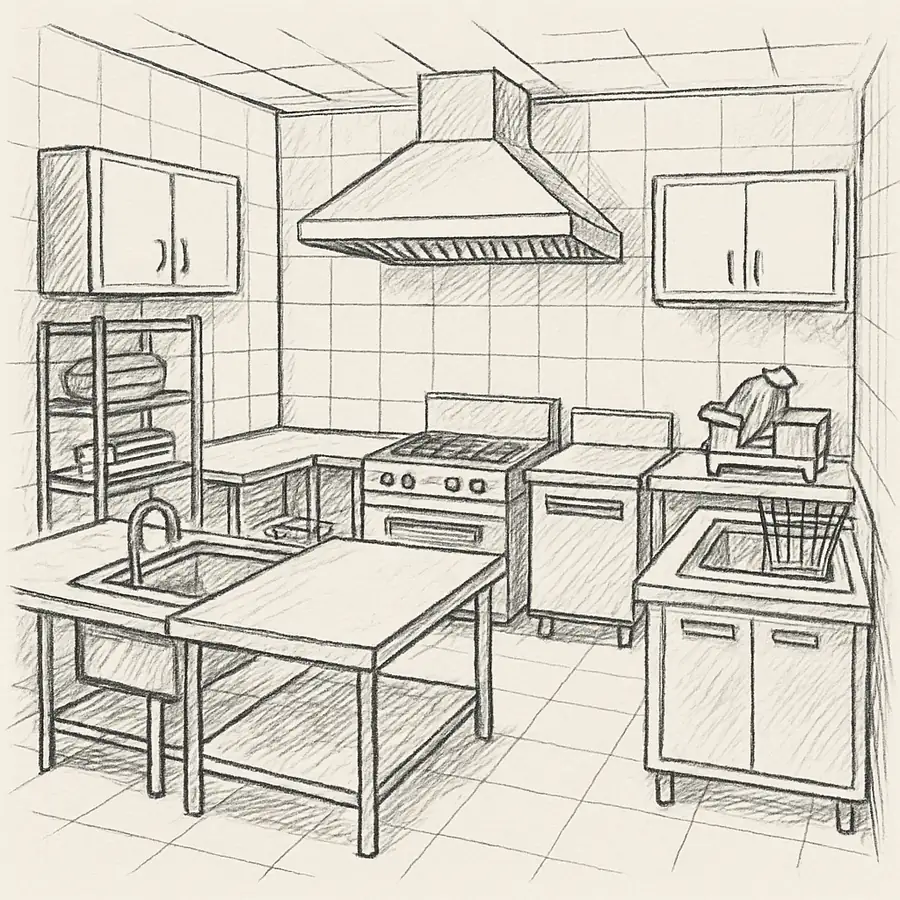
The process of commercial kitchen planning transcends mere architectural design; it necessitates a holistic approach that incorporates functionality, workflow optimization, and compliance with stringent health and safety standards. The primary objective is to create an environment conducive to high productivity and operational efficiency while ensuring the safety and well-being of staff.
Regulatory Compliance and Safety Considerations
The cornerstone of any commercial kitchen design is adherence to local, state, and federal regulations. These regulations encompass health codes, fire safety requirements, and occupational safety standards. It is imperative to engage with local health departments and fire marshals early in the planning process to ensure that the proposed design meets all necessary criteria.
In addition, understanding the nuances of these regulations can prevent costly oversights. For instance, knowing the exact specifications for ventilation systems or fire suppression units can save time and money during installation. Furthermore, regularly reviewing updates to these regulations ensures that your kitchen remains compliant over time.
Compliance with the Americans with Disabilities Act (ADA) is also essential, mandating accessible pathways, workstations, and restrooms. Failure to adhere to these regulations can result in costly redesigns and potential legal ramifications.
Workflow and Ergonomic Design
Efficient workflow is paramount in a commercial kitchen setting, where time and motion are critical to productivity. The design should facilitate a seamless flow from preparation to plating, minimizing unnecessary movement and potential bottlenecks. This can be achieved by strategically placing stations in a manner that supports the natural progression of food preparation and service.
Ergonomic considerations include the height of work surfaces, the arrangement of equipment, and the placement of frequently used items within easy reach. The aim is to reduce physical strain on staff, thereby enhancing performance and reducing the risk of work-related injuries. Incorporating adjustable workstations and anti-fatigue mats can further support staff well-being.
Moreover, considering the diversity of tasks performed in a kitchen, flexible design elements can enhance efficiency. For example, movable prep tables and modular shelving systems allow for quick reconfiguration to suit varying menu demands or shifts in team structure. Regular staff feedback can also provide insights into how the design could be improved for better ergonomics and workflow.
Technology Integration and Innovation
Incorporating technology into commercial kitchen design can significantly enhance efficiency and innovation. From advanced cooking equipment to smart inventory management systems, technology plays a crucial role in modern kitchen operations. Automated systems can help manage ordering, inventory tracking, and even customer feedback, reducing the burden on staff and enhancing service quality.
Integrating technology also involves considering the layout for connectivity and power needs. Ensuring that there are adequate outlets and that the layout accommodates easy access to technical support can prevent disruptions. Additionally, keeping abreast of emerging kitchen technologies and trends can provide a competitive edge and ensure your kitchen remains at the forefront of culinary innovation.
Finally, training staff on new technologies is essential for seamless integration. Regular workshops and training sessions can empower staff to utilize technology effectively, maximizing its potential to improve efficiency and service quality.
Key Components of Commercial Kitchen Design
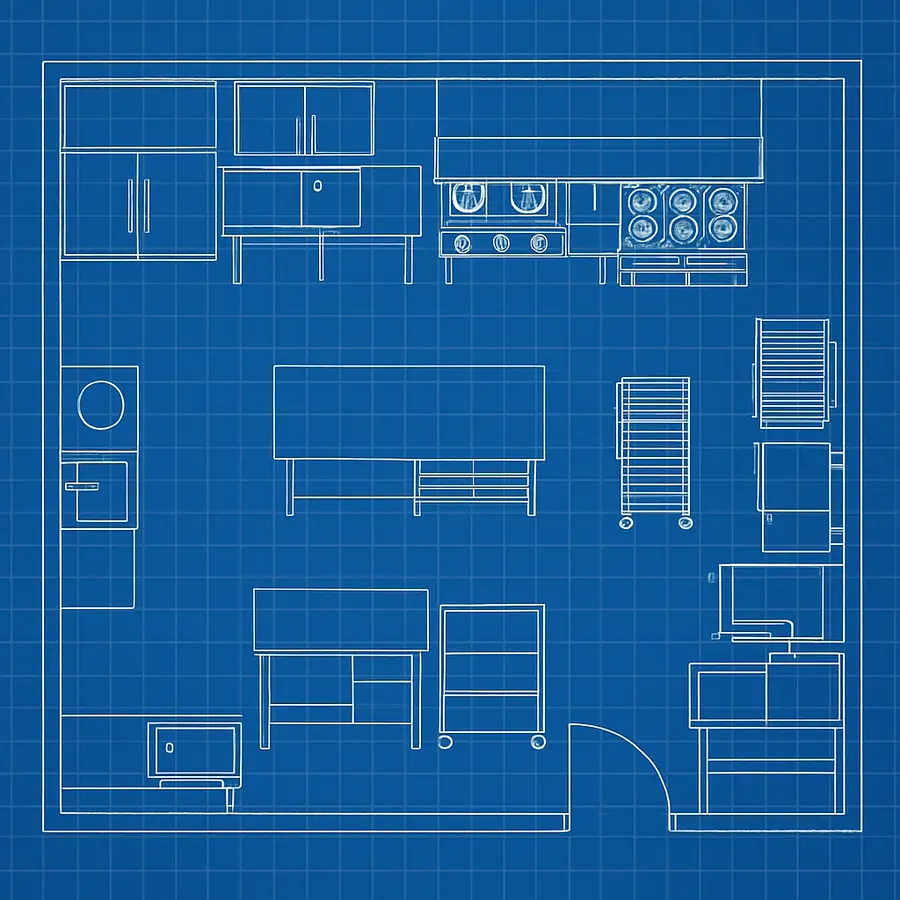
A well-designed commercial kitchen is an amalgamation of various components, each serving a distinct function yet interconnected in a cohesive system. The following sections delineate the essential elements of commercial kitchen design.
Kitchen Layout Configurations
The configuration of a kitchen layout significantly influences its efficiency and functionality. Common layout designs include the assembly line, island, zone-style, and open kitchen configurations. Each layout has its advantages and is suited to specific types of culinary operations.
Assembly Line Layout
Ideal for operations with a high volume of similar dishes, this layout facilitates a streamlined production process from one end to the other. It allows for a sequential flow of tasks, minimizing cross-traffic and confusion. This configuration is particularly beneficial for fast-food establishments and cafeterias where speed and consistency are paramount.
In addition, the assembly line layout can be easily adapted to incorporate new stations or remove existing ones, offering flexibility as menu offerings change. However, it's essential to ensure that the line is not too linear, as this can lead to congestion if not managed properly. Regular assessments of line efficiency can help identify areas for improvement.
Island Layout
This layout centralizes key equipment, such as cooktops and ovens, allowing chefs to move freely around the island. It fosters collaboration and communication among kitchen staff, as everyone works in close proximity. This layout is suitable for kitchens that require flexible workspaces and encourage a team-oriented approach.
Moreover, the island layout can enhance visibility and supervision, allowing managers to oversee multiple stations from a central vantage point. This layout also offers aesthetic appeal, making it a popular choice for open kitchen concepts. Incorporating additional features like overhead storage or hanging racks can further optimize space.
Zone-Style Layout
Dividing the kitchen into distinct zones for specific tasks, such as preparation, cooking, and cleaning, is advantageous for operations with diverse menus and specialized stations. This layout supports multitasking and reduces the likelihood of cross-contamination by keeping raw and cooked foods separate.
Furthermore, the zone-style layout allows for specialized equipment in each area, enhancing task-specific efficiency. Regular evaluations of zone performance and staff feedback can help refine this layout, ensuring it meets the evolving needs of the kitchen. Additionally, clearly marked zones can improve training and onboarding processes for new staff.
Open Kitchen Layout
Providing visibility into the kitchen from the dining area enhances the dining experience and creates a sense of transparency. This layout is popular in establishments that emphasize interaction with guests, allowing diners to observe the culinary process.
Additionally, open kitchens can serve as a marketing tool, showcasing the skills and cleanliness of the kitchen staff. Designing an open kitchen requires careful consideration of aesthetics and acoustics to ensure that the dining experience is not disrupted. Strategic placement of noise-dampening materials and visually appealing elements can enhance this layout's effectiveness.
Equipment Selection and Placement
The selection and strategic placement of kitchen equipment are pivotal to operational efficiency. Factors to consider include the type of cuisine, anticipated volume, and available space. Equipment should be durable, energy-efficient, and easy to clean. High-quality, reliable equipment can significantly reduce downtime and maintenance costs.
Placement should prioritize accessibility and logical workflow. For instance, refrigeration units should be near the preparation area, while cooking appliances should be grouped together to minimize movement during meal preparation. Additionally, considering the energy efficiency of equipment can result in substantial cost savings over time.
Regular maintenance and timely upgrades of equipment are crucial for sustaining efficiency and safety. Establishing a maintenance schedule and keeping abreast of technological advancements can ensure that the kitchen remains up-to-date and competitive. Staff training on equipment use and troubleshooting is equally important to prevent misuse and prolong equipment lifespan.
Ventilation and Climate Control
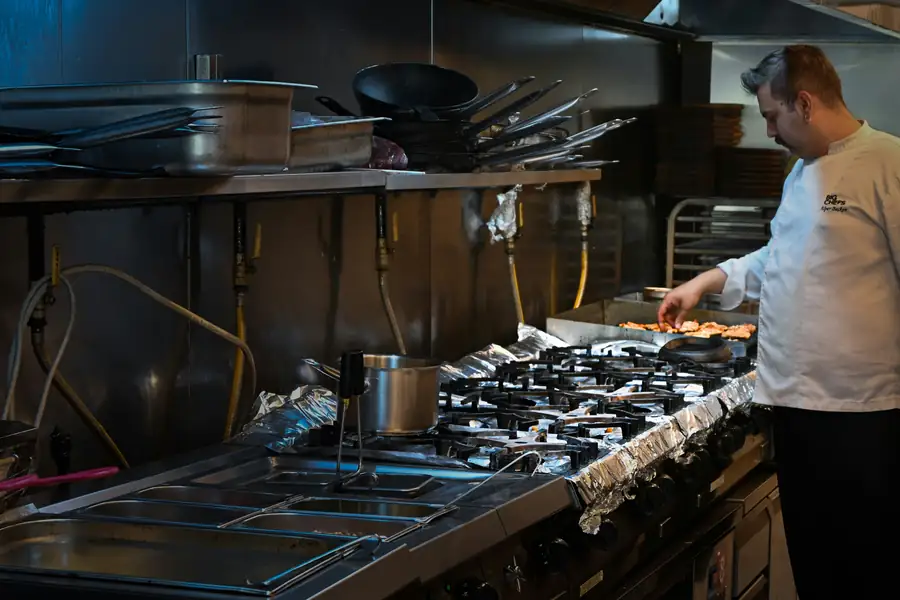
Adequate ventilation is crucial in a commercial kitchen to manage heat, smoke, and odors. A robust ventilation system ensures a comfortable working environment and prevents the accumulation of grease and moisture, which can lead to safety hazards. Effective ventilation can also enhance air quality, reducing the risk of respiratory issues among staff.
Climate control is equally important, particularly in kitchens with high heat output. Air conditioning and proper insulation contribute to maintaining a stable temperature, enhancing both staff comfort and food safety. Implementing energy-efficient climate control solutions can reduce operational costs and environmental impact.
Storage Solutions and Space Optimization
Efficient storage solutions are vital for maintaining order and accessibility in a commercial kitchen. Implementing a well-organized storage system minimizes clutter and ensures that ingredients and supplies are readily available when needed. Utilizing vertical space with shelving units and overhead racks can maximize storage capacity without compromising floor space.
Customizable storage solutions, such as adjustable shelving and modular racks, offer flexibility to accommodate changing inventory needs. Additionally, incorporating dedicated storage zones for different categories of items, such as dry goods, perishables, and cleaning supplies, can enhance organization and efficiency.
Regularly reviewing and reorganizing storage spaces can prevent overcrowding and spoilage. Implementing an inventory management system can further optimize storage by tracking stock levels and expiration dates, ensuring that the kitchen operates smoothly and economically.
Strategic Planning and Budget Considerations
Commercial kitchen planning is not merely a design exercise; it is a strategic venture that requires careful budgeting and resource allocation. The following strategies can aid in effective planning and cost management.
Budget Allocation and Cost Management
Establishing a realistic budget is crucial to the successful execution of a commercial kitchen project. Costs to consider include construction, equipment, permits, and contingencies for unforeseen expenses. Engaging with contractors and suppliers early in the process can provide insight into potential cost-saving measures.
Prioritizing expenditures based on necessity and impact can aid in effective budget management. Investing in high-quality equipment and materials may incur higher initial costs but can result in long-term savings through reduced maintenance and energy consumption.
Regularly reviewing financial plans and adjusting for changes in scope or unforeseen costs is essential to staying on track. Seeking expert advice or consulting with financial planners can provide additional insights into optimizing budget allocation for maximum return on investment.
Future-Proofing and Scalability
Planning with future growth in mind is essential for ensuring the longevity and adaptability of a commercial kitchen. Considerations include the potential for menu expansion, increased volume, and technological advancements. Designing flexible spaces that can accommodate additional equipment or reconfiguration can provide scalability and adaptability to changing operational needs.
Incorporating modular elements and multi-functional equipment can further enhance the kitchen's versatility. Anticipating future trends and innovations in the culinary industry can guide strategic planning, ensuring the kitchen remains competitive and relevant. Regularly revisiting and updating the kitchen plan can accommodate shifts in market demands and business goals.
Engaging with industry experts and participating in culinary forums can provide insights into emerging trends and technologies. This proactive approach to planning can position the kitchen for sustained growth and success in an ever-evolving industry.
Sustainability and Environmental Impact
Incorporating sustainability into commercial kitchen planning can reduce environmental impact and align with growing consumer preferences for eco-friendly practices. Implementing energy-efficient appliances, waste reduction strategies, and sustainable sourcing can minimize the kitchen's carbon footprint.
Additionally, considering water conservation measures, such as low-flow fixtures and efficient dishwashing systems, can further enhance sustainability efforts. Designing a kitchen with sustainability in mind not only benefits the environment but can also result in cost savings and improved public perception.
Regularly evaluating sustainability practices and seeking certification or recognition for green initiatives can enhance the kitchen's reputation and appeal to environmentally conscious consumers. Collaborating with suppliers and partners who share a commitment to sustainability can amplify these efforts and drive positive change across the industry.
Plan Your Commercial Kitchen with Equipment from The Horeca Store
A well-planned commercial kitchen begins with selecting the right equipment for your menu, workflow, and available space. The Horeca Store offers a comprehensive range of commercial kitchen equipment, including cooking equipment, refrigeration units, food preparation stations, stainless steel worktables, storage solutions, ventilation systems, and dishwashing equipment. Whether you're designing a restaurant, hotel kitchen, café, bakery, cloud kitchen, or catering facility, our products are built to maximize efficiency, food safety, and long-term performance.
From initial kitchen planning to final equipment installation, The Horeca Store is your trusted partner for creating a functional and productive commercial kitchen. We supply premium equipment from leading brands at competitive prices, along with expert guidance to help you choose the best solutions for your business needs and budget. With reliable products, professional support, and exceptional customer service, The Horeca Store makes it easy to build a commercial kitchen that is efficient, durable, and ready for success.
Conclusion
Planning a commercial kitchen is an intricate process that demands a comprehensive understanding of regulatory, operational, and strategic considerations. By prioritizing compliance, ergonomic design, and efficient workflow, and by making informed decisions regarding layout, equipment, and budget, it is possible to create a culinary environment that is both functional and future-ready.
In conclusion, the successful planning of a commercial kitchen is a testament to the meticulous coordination of design principles and strategic foresight. By adhering to the guidelines outlined in this ultimate guide, culinary entrepreneurs and business owners can establish a foundation for operational excellence and culinary innovation.
Through careful planning and execution, a commercial kitchen can become a hub of creativity and efficiency, supporting the culinary vision and goals of the business. With continued attention to detail and commitment to innovation.