
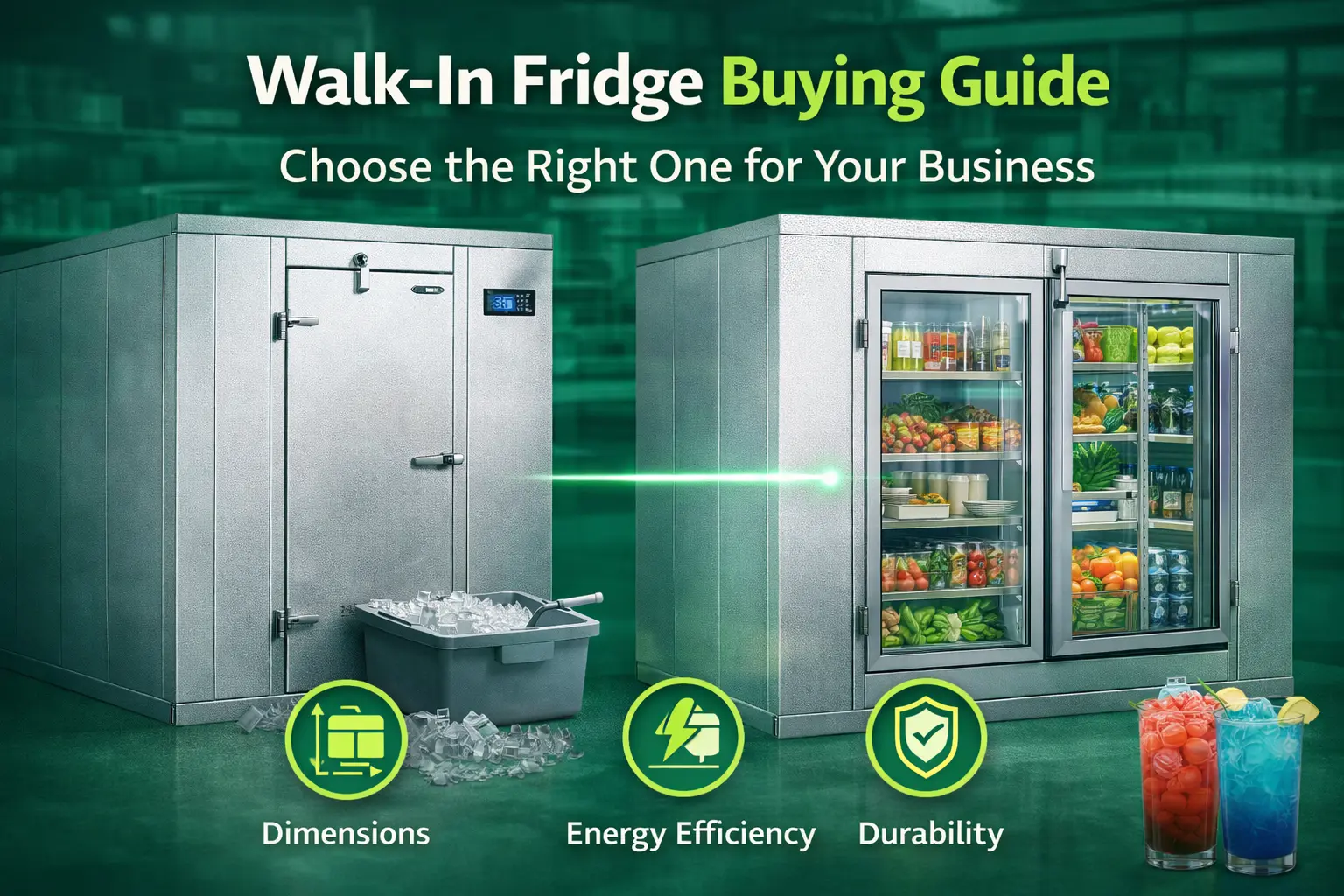
Choosing the right walk-in fridge is crucial for your business. It ensures food safety and quality.
A walk-in fridge provides ample storage for perishable goods. This is essential for restaurants and commercial kitchens.
But how do you choose the right one? There are many factors to consider.
Size, energy efficiency, and temperature control are key. Each impacts your business's operations and costs.
Proper installation and maintenance are also vital. They ensure optimal performance and longevity.
This guide will help you navigate these choices. You'll learn what to look for in a walk-in fridge.
By the end, you'll be equipped to make an informed decision. Your business will benefit from the right refrigeration solution.
Why Your Business Needs a Walk-In Fridge
A walk-in fridge is a cornerstone for businesses needing reliable commercial refrigeration. It offers extensive cooling space, which is essential for maintaining inventory quality.
Restaurants, catering services, and grocery stores find walk-in coolers indispensable. They help preserve food and ingredients at safe temperatures and ensure fresh offerings for customers.
Such fridges aid in organized storage. With more room, items can be categorized to improve inventory management and reduce food waste.
Key benefits of a walk-in fridge include:
- Ample storage for perishable goods
- Efficient inventory management
- Enhanced food safety and quality
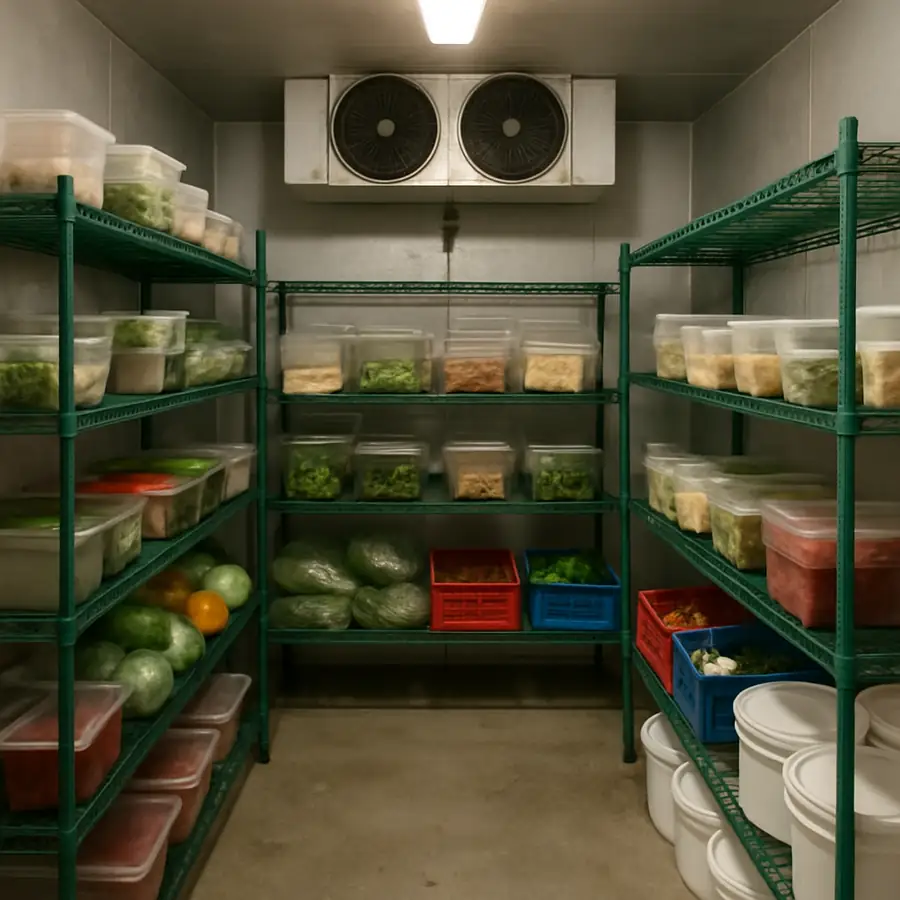
Moreover, walk-in fridges support operational efficiency. Staff can easily access stock, promoting a seamless workflow. Investing in one is vital for any business where product freshness is key.
Assessing Your Business’s Refrigeration Needs
Identifying your business's refrigeration requirements is crucial before selecting a walk-in fridge. First, consider the type of products you'll store. Different items, such as produce or dairy, need specific storage conditions.
Next, evaluate your current and projected inventory. Understanding volume trends can help in choosing the appropriate size, avoiding shortages and excess.
Think about space availability for installation. The location should facilitate easy access for staff and deliveries. It should also suit your existing layout.
Here are key considerations for assessing needs:
- Type of products stored
- Current and future inventory sizes
- Installation space and accessibility
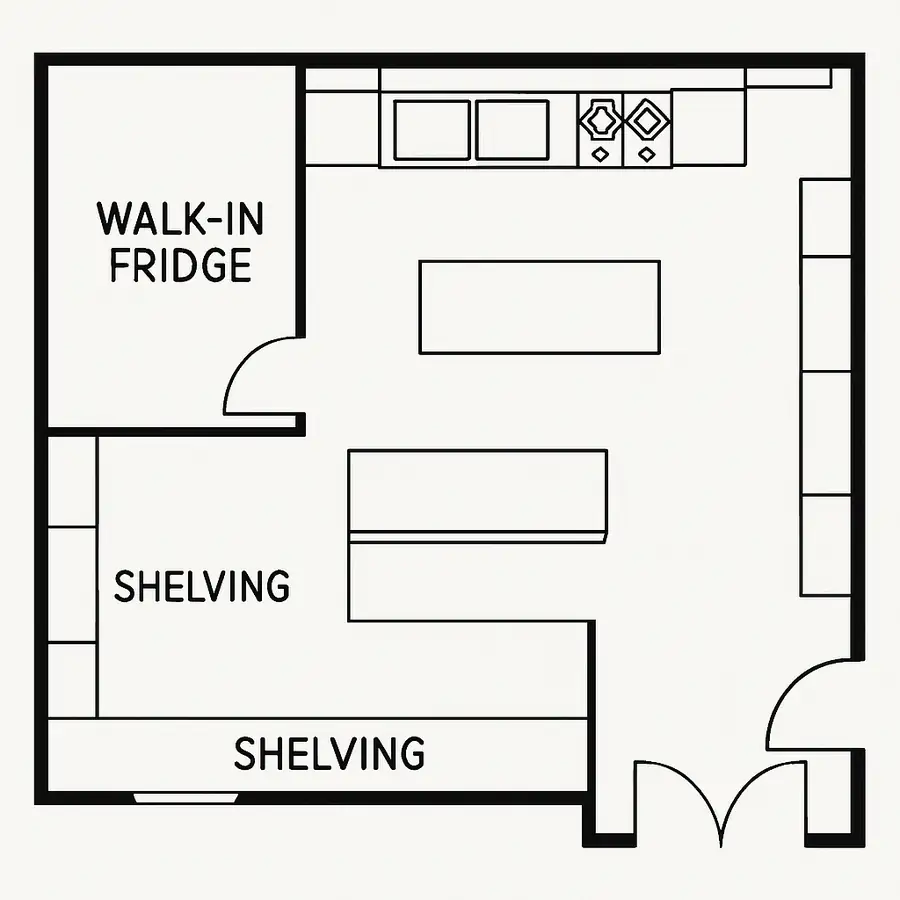
Finally, consider climate factors. Local temperatures can affect cooling efficiency, influencing fridge performance and operational costs. Carefully assessing these elements ensures you select the best unit for your needs. This proactive approach can save time and resources in the long run.
Key Factors to Consider When Choosing a Walk-In Fridge
Selecting the right walk-in fridge involves various considerations. Each factor plays a crucial role in ensuring optimal function and cost-effectiveness for your business.
First, think about energy efficiency. Energy-efficient models help minimize utility bills, significantly reducing operational costs. Look for units with high insulation values.
Next, check temperature control features. Reliable temperature management is vital for preserving product quality. Advanced control systems offer precise temperature settings.
Installation and space constraints are equally important. The fridge must fit into your designated area without disrupting operations. Proper installation can enhance performance and longevity.
Consider these critical factors:
- Energy efficiency
- Temperature control systems
- Installation and space requirements
- Durability and material quality
Also, evaluate the construction quality of the fridge. Durable materials, like stainless steel, ensure longevity and easy maintenance. A robust unit withstands busy commercial environments.
Lastly, assess available customization options. Features like modular shelving and adjustable lighting enhance usability. Customization allows the fridge to meet your specific business needs. Understanding these factors makes choosing a walk-in fridge simpler and more effective.
Sizing and Storage Capacity: Getting It Right
Determining the right size for your walk-in fridge is crucial. It affects not only storage needs but also efficiency and cost. A fridge that's too small can disrupt operations, while one too large may increase energy bills.
Start by evaluating your storage requirements. Consider the volume and type of perishable items you store regularly. This insight will guide you in choosing the appropriate capacity for your business needs.
Think about future growth as well. Selecting a size that accommodates business expansion prevents the need for premature upgrades. Planning for growth can save money in the long run.
Additionally, factor in the layout of the interior. Efficient space utilization is key. Shelving and storage solutions can maximize usable space without cluttering.
When sizing your walk-in fridge, consider:
- Current and future storage needs
- Efficient interior layout
- Energy consumption related to size
Finally, consult with a refrigeration expert. Professional guidance ensures all factors are considered, helping you make an informed decision. The right size walk-in fridge optimizes storage, energy use, and overall efficiency.
Location and Installation Considerations
Choosing the right location for your walk-in fridge is essential for operational efficiency. It should be easily accessible to staff and located near prep areas to streamline workflows.
Consider space requirements for installation. A cramped location can lead to ventilation problems and inefficiencies. Ensure there’s enough room for the fridge and for staff to move freely.
Before installation, evaluate the structural integrity of the location. Floors should support the fridge's weight, and walls must withstand the unit's temperature needs. This helps prevent costly repairs.
Additionally, think about installation logistics and future maintenance access. Proper planning can minimize disruptions.
Key location considerations include:
- Accessibility for staff and goods
- Adequate space and ventilation
- Structural support and durability
Involve professionals in the installation process. Expert installers ensure all aspects are aligned for optimal efficiency and longevity. Planning and professional guidance will lead to a smooth installation.
Panel Construction, Insulation, and Energy Efficiency
The construction of the panels in your walk-in fridge is a critical factor. It directly impacts temperature stability and energy efficiency. High-quality panels enhance the fridge's durability.
Insulation plays a vital role in maintaining internal temperatures. Look for fridges with thick insulation panels. They help in reducing energy loss and ensuring consistent cooling.
Choosing energy-efficient models can lower operational costs significantly. Models with energy-star ratings are designed to consume less power. This not only saves money but also reduces environmental impact.
When evaluating walk-in fridge options, keep these elements in mind. High-performance insulation and robust panels ensure long-term savings. They also contribute to better cooling efficiency.
Consider these key points:
- Panel construction quality
- Insulation thickness and material
- Energy efficiency ratings and cost-effectiveness
Opt for suppliers who provide detailed information on panel construction and insulation materials. This knowledge assists in making an informed decision. Seek reviews and recommendations to choose the best model for your business.
Refrigeration Systems: Types and Features
Choosing the right refrigeration system is essential for optimal performance. Different systems offer unique benefits. Understanding these can guide your decision.
One popular type is the remote refrigeration system. It places the condenser outside the building. This setup reduces noise and heat inside the premises.
Another option is the self-contained system. It's compact, as all components are housed together. This makes it easy to install and relocate.
Each system has its features. For instance, remote systems require more space but often offer better efficiency. Self-contained units are simpler but may be less energy-efficient.
Key refrigeration system features to consider include:
- Types: remote or self-contained
- Noise and heat management
- Energy efficiency and space requirements
When selecting a refrigeration system, consider your specific business needs. Assess the available space, noise tolerance, and energy consumption preferences. Tailor your choice to best suit operational demands and budget.
Doors, Flooring, and Interior Customization
The choice of door for your walk-in fridge can impact accessibility and efficiency. Options include swing and sliding doors, each offering unique benefits. The decision often depends on your available space and usage needs.
Flooring is another critical consideration. Durable materials like stainless steel or reinforced vinyl can withstand heavy traffic. Easy-to-clean surfaces simplify maintenance and promote hygiene.
Interior customization enhances functionality. Adjustable shelving systems provide flexible storage configurations. Lighting choices can affect visibility and energy consumption within the fridge.
When planning interior customization, consider:
- Door type: swing or sliding
- Durable, easy-to-clean flooring
- Adjustable shelving for versatile storage
- Energy-efficient lighting solutions
Tailor the interior of your walk-in fridge to align with your business requirements. Thoughtful customization can maximize storage capacity and enhance operational efficiency.
Temperature Control, Monitoring, and Safety Features
Temperature control is essential for preserving the quality of stored goods. Look for walk-in fridges with precise controls to maintain consistent temperatures. This feature helps prevent spoilage and ensures food safety.
Monitoring systems play a vital role. Digital displays and remote monitoring allow quick adjustments and status checks. Advanced systems can even alert you to temperature fluctuations, safeguarding your inventory.
Safety features are equally important for minimizing risks. Alarm systems can notify staff of potential issues before they become significant problems. Emergency lighting and easy-to-use control panels add extra layers of safety.
Key features to consider include:
- Precise temperature control systems
- Digital monitoring and alarms
- Emergency lighting solutions
- User-friendly control interfaces
Invest in these features to enhance operational reliability and product safety. A well-equipped walk-in fridge supports both efficiency and peace of mind.
Maintenance, Cleaning, and Longevity
Proper maintenance extends your walk-in fridge's lifespan significantly. Regular checks help avoid costly breakdowns and repair costs. Following a consistent maintenance schedule is essential.
Cleaning is another critical aspect. Ensure interior surfaces and shelving are sanitized frequently to maintain hygiene. This practice not only protects stored items but also prevents foul odors.
Routine tasks include checking door seals and cleaning condenser coils. Inspect these components regularly for wear and tear. Addressing minor issues early enhances the fridge's overall longevity.
Here's a checklist for routine upkeep:
- Clean and sanitize interior surfaces
- Inspect and replace worn door seals
- Regularly clean condenser coils
- Schedule periodic professional inspections
Consistent maintenance keeps your walk-in fridge functioning optimally. By investing time in upkeep, you maximize your equipment's operational lifespan.
Cost Considerations and Long-Term Savings
Investing in a walk-in fridge requires thoughtful budgeting. Initial costs may seem high, but focus on potential long-term savings. Energy-efficient models reduce utility bills over time.
When assessing costs, consider installation and potential upgrades. Investing in quality components saves money on future repairs. Balancing upfront expenses with ongoing savings is key.
Also, explore available financing and leasing options. These strategies can ease the initial financial burden. Discuss with suppliers to find the best financial plans for your needs.
Here are factors influencing long-term savings:
- Energy efficiency and reduced utility bills
- Durability and reliability of components
- Financing and leasing opportunities
In conclusion, a well-planned investment in a walk-in fridge promises future savings. By evaluating all cost aspects, you secure a wise and economical choice.
Compliance, Sustainability, and Future-Proofing
Ensuring compliance with health and safety regulations is crucial. This guarantees that your walk-in fridge meets industry standards. Research local guidelines and ensure your model aligns with them.
Sustainability is also becoming a top priority in commercial settings. Opting for energy-efficient refrigeration units helps minimize your carbon footprint. Look for Energy Star-rated models to boost sustainability.
Future-proofing your business involves considering long-term needs. Select features that accommodate growth and technological advancements. Adaptable designs offer flexibility as your business evolves.
Key considerations:
- Health and safety compliance
- Energy efficiency for reduced environmental impact
- Adaptability for future changes
By focusing on compliance and sustainability, you ensure your investment remains valuable and responsible. This strategic approach secures your business’s future.
Choosing the Right Supplier and Support Services
Selecting the right supplier is crucial for a smooth purchase experience. A reputable supplier offers quality products and reliable support. It’s essential to investigate potential suppliers thoroughly.
Look for suppliers that provide:
- Comprehensive warranties
- Responsive customer service
- Accessible technical support
Support services play a vital role in maintaining your walk-in fridge. Prompt service minimizes downtime, ensuring efficient operation. Prioritize suppliers who offer excellent service packages. Proper support guarantees your investment is well-maintained and lasts longer.
Buy Commercial Walk-In Fridges from The Horeca Store
Choosing the right walk-in fridge is essential for maintaining food freshness, meeting food safety standards, and ensuring efficient kitchen operations. The Horeca Store offers a wide range of commercial walk-in fridges designed for restaurants, hotels, cafés, bakeries, supermarkets, catering businesses, cloud kitchens, and other foodservice operations. Built for reliable temperature control, energy efficiency, and long-lasting performance, our walk-in refrigeration solutions provide ample storage space for fresh ingredients, beverages, and perishable inventory.
Whether you're expanding your cold storage capacity or setting up a new commercial kitchen, The Horeca Store provides high-quality walk-in fridges from trusted brands at competitive prices. Our experienced team can help you select the ideal refrigeration solution based on your available space, storage requirements, and business needs. With expert guidance, dependable customer support, and premium commercial refrigeration equipment, The Horeca Store is your trusted partner for reliable walk-in fridge solutions that keep your business running efficiently.
Conclusion: Making the Best Choice for Your Business
Choosing the right walk-in fridge for your business involves careful consideration and planning. Each aspect, from size to energy efficiency, plays a significant role in your business's success. Understanding your specific needs is key.
Remember to evaluate your options thoroughly. Compare features and costs with a focus on long-term benefits. Selecting the right supplier adds value to your investment.
A well-chosen walk-in fridge not only supports your current needs but also adapts to future growth. Make the decision wisely, ensuring it aligns with your business goals.