
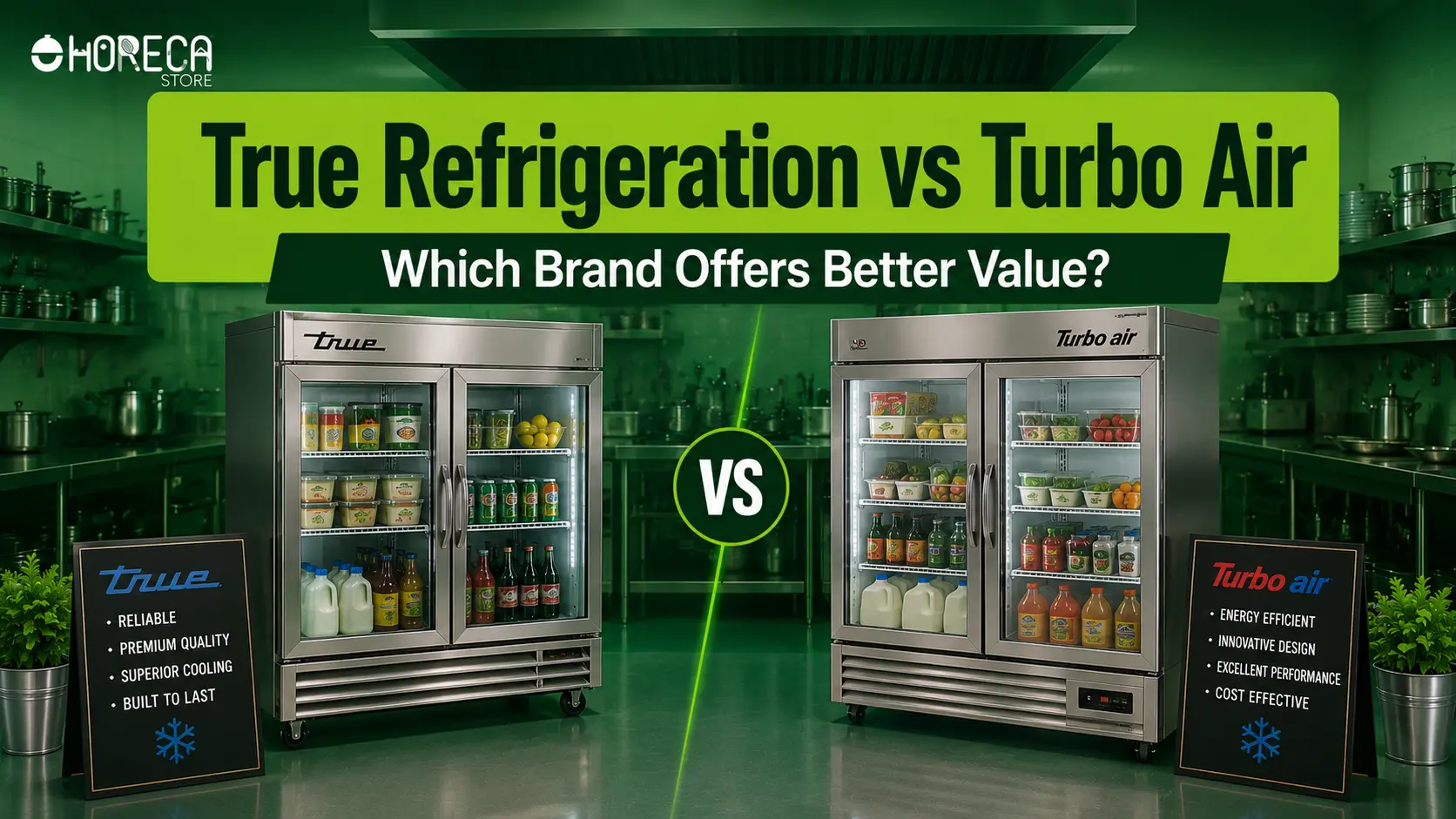
In the high-stakes, fast-paced environment of a commercial kitchen, few pieces of equipment are as critical to your success as your refrigeration system. When a commercial cooler goes down, it doesn’t just cause a minor inconvenience; it leads to spoiled inventory, disrupted service, and severe hits to your bottom line. That is why choosing the right equipment from the start is paramount.
If you are outfitting a new kitchen or upgrading existing equipment, you have likely narrowed your choices down to two industry heavyweights. This leads to the ultimate question: True Refrigeration vs Turbo Air: Which Commercial Refrigerator Brand Delivers Better Long-Term Value for Restaurants?
Both of these renowned refrigeration brands have earned their place in top-tier kitchens worldwide, but they cater to slightly different needs, budgets, and operational styles. In this comprehensive guide, we will break down the features, longevity, and overall value of both brands so you can make the most informed decision for your food service business.

The Contenders: An Overview of the Refrigeration Brands
Before diving into the granular details of performance and maintenance, it helps to understand the philosophy and reputation behind both companies.
True Refrigeration: The Industry Standard
Founded in 1945, True Refrigeration is widely considered the gold standard in the foodservice industry. Manufactured in the United States, True units are renowned for their rugged build quality, exceptionally reliable compressors, and widespread familiarity among service technicians. When chefs talk about the best refrigeration on the market, True is almost always part of the conversation.
Turbo Air: The Tech-Forward Innovator
Turbo Air has rapidly climbed the ranks of commercial cooling solutions by focusing on cutting-edge technology, user-friendly designs, and competitive pricing. They are particularly famous for addressing the most common causes of refrigerator failure through smart engineering, making turbo air units highly attractive to modern restaurant owners looking for efficiency and lower immediate costs.
When evaluating true refrigeration vs turbo air, the decision rarely comes down to "good" versus "bad." Instead, it is about aligning the specific features of the equipment with the operational demands of your restaurant.
Cooling Technology and Performance
At the heart of any commercial refrigerator is its ability to keep food safely out of the danger zone, even when ambient kitchen temperatures soar.
Airflow and Temperature Consistency
When comparing airflow design in commercial reach-in units, both brands perform exceptionally well, but they achieve their results differently. True relies on powerful, oversized evaporators and large fan blades. This creates a high-volume, low-velocity airflow that ensures uniform temperatures throughout the cabinet, preventing warm spots.
Turbo Air, on the other hand, utilizes a digital temperature control system and specialized fan motors that actively monitor the interior. This ensures rapid temperature recovery—a crucial feature if you are looking for the best reach-in refrigerator for high-volume kitchens where doors are constantly being opened and closed during a dinner rush.
The Self-Cleaning Condenser Advantage
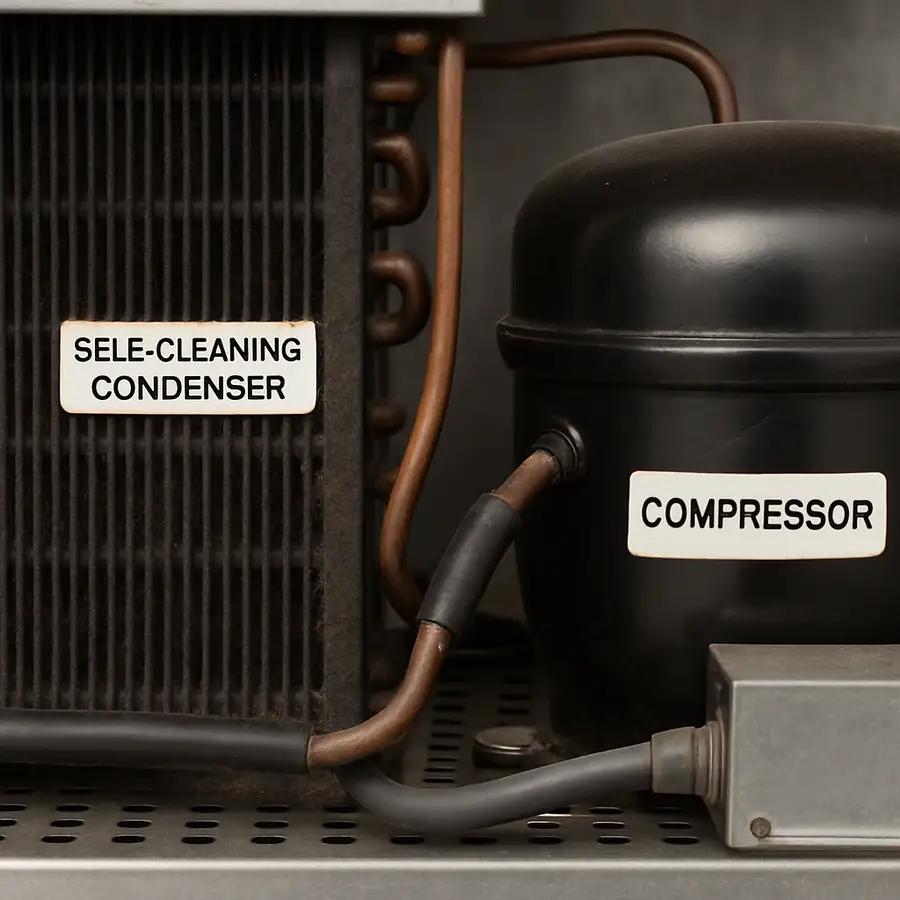
One of the most frequent causes of commercial cooler failure is a dirty condenser coil. Dust and grease build up over time, forcing the compressor to work harder, which eventually leads to system burnout. Turbo Air tackled this issue head-on with their patented Turbo Air self-cleaning condenser technology. This system uses a rotating mesh filter equipped with a brush that sweeps the condenser coil daily. This innovation is a massive selling point, as it dramatically reduces routine maintenance requirements.
Eco-Friendly Refrigerants and Operating Costs
Both brands have transitioned to eco-friendly hydrocarbon refrigerants (like R290). The hydrocarbon refrigerant impact on operating costs is highly positive; these refrigerants are substantially more energy-efficient than older synthetic chemical blends, allowing units to cool down faster while drawing less electricity. True Refrigeration has optimized its entire product line around R290, ensuring that their robust components operate at peak efficiency, ultimately saving you money on monthly utility bills.
Evaluating the Commercial Refrigerator Total Cost of Ownership
To determine true value, restaurant owners must look past the initial sticker price. The commercial refrigerator total cost of ownership (TCO) encompasses the purchase price, daily energy consumption, maintenance, and the eventual lifespan of the unit.
Initial Purchase Price
Generally speaking, in a direct turbo air vs true refrigeration matchup based on upfront costs, Turbo Air often comes in at a slightly lower price point. This makes it highly appealing for new restaurants or operators working with tight capital budgets. True units demand a premium upfront, reflecting their heavy-duty materials and American manufacturing origins.
Energy Efficiency
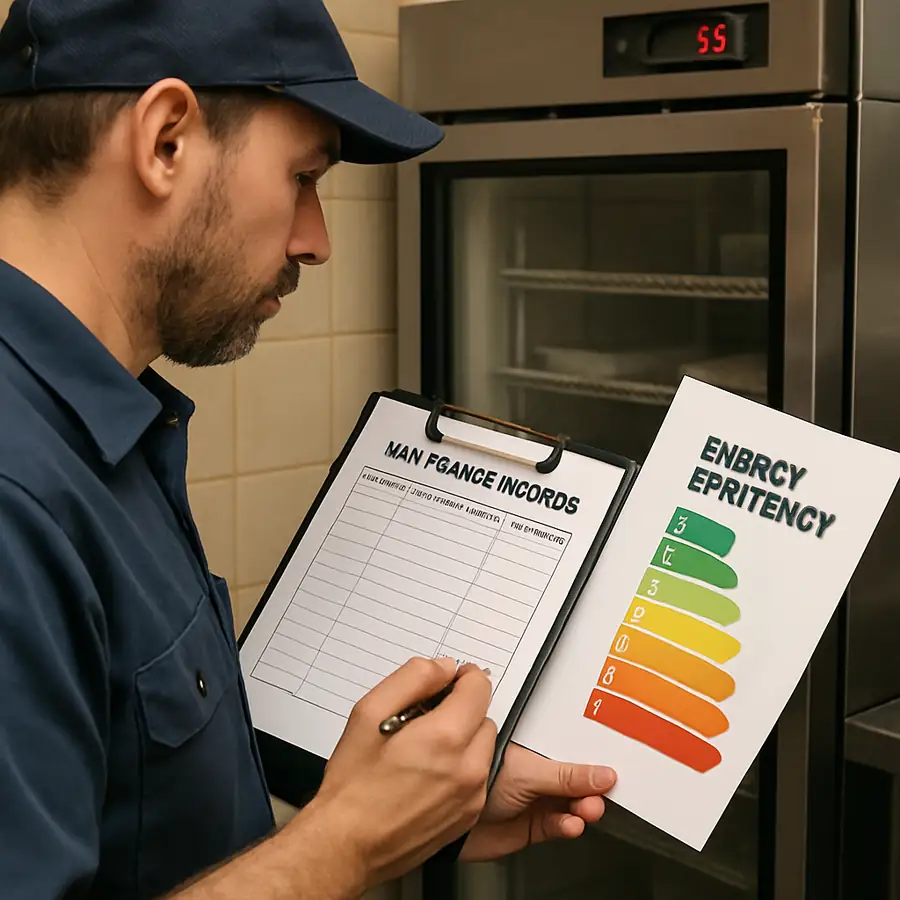
Energy costs can eat into your profit margins silently. When looking at a commercial cooler energy efficiency ratings comparison, both brands boast Energy Star certifications across many of their product lines. Turbo Air’s digital monitoring and early-warning alarms prevent energy waste, while True’s high-density polyurethane insulation and R290 systems provide incredible thermal retention. Over a five-year period, the energy savings from a True unit can often offset its higher initial price tag.
Maintenance Expenditures
When evaluating True Refrigeration vs Turbo Air maintenance costs, you have to factor in the reality of commercial kitchen life.
- Turbo Air saves you money on preventative maintenance thanks to its self-cleaning condenser.
- True Refrigeration saves you money through sheer durability. Because True over-engineers its parts, major component failures are relatively rare.
Durability, Lifespan, and Reliability
A lower TCO means nothing if the unit breaks down during a Friday night rush. Let's examine commercial kitchen refrigeration brand reliability.
Lifespan: How Long Will They Last?
A frequently asked question by operators is: how long do True refrigerators last in restaurants? With proper routine maintenance, it is incredibly common to see True refrigerators running flawlessly for 10 to 15 years, and sometimes even longer. Their stainless steel exteriors and aluminum interiors can take a beating from heavy sheet pans and aggressive door slamming.
Turbo Air units are also built to last, typically offering a solid 7 to 10 years of peak performance. While their exterior build quality is excellent, some of the more advanced digital components may require replacement earlier in the lifecycle compared to True’s analog-heavy, mechanically robust designs.
The Heart of the Machine: Compressor Longevity
Understanding commercial refrigeration compressor longevity factors is vital for protecting your investment. A compressor's lifespan is dictated by ambient heat, ventilation, and coil cleanliness. Turbo Air protects its compressors automatically via its self-cleaning brush. True protects its compressors by using oversized, high-capacity components that don't have to strain as hard to maintain freezing temperatures.
Maintenance, Repairs, and Warranties
Even the best commercial refrigeration systems occasionally need professional attention. How easy are these units to fix, and who pays for it?
Warranty Coverage
When comparing the Turbo Air warranty vs True Refrigeration warranty, both companies stand firmly behind their products, but the structures vary slightly.
- True Refrigeration typically offers an impressive 3-year parts and labor warranty, coupled with a 5-year warranty on the compressor. Furthermore, True recently introduced an incredible 7-year compressor warranty on specific models, which is an industry-leading standard.
- Turbo Air matches this aggressively, often offering a 3-year parts and labor warranty with a 5-year compressor warranty, and on their PRO Series, they even extend the compressor warranty to 7 years.
Part Availability and Repairability
One of the most critical factors in reducing commercial refrigerator repair frequency and downtime is the availability of parts. Because True Refrigeration has been the dominant market player for decades, their parts are ubiquitous. Regarding replacement part availability for commercial coolers, nearly every refrigeration technician in North America carries True parts on their truck. This means a broken True fridge can often be fixed on the same day.
Turbo Air parts are widely available through major distributors, but depending on your geographical location, a specialized digital control board might take a day or two to ship.
Expert Tips for Minimizing Downtime
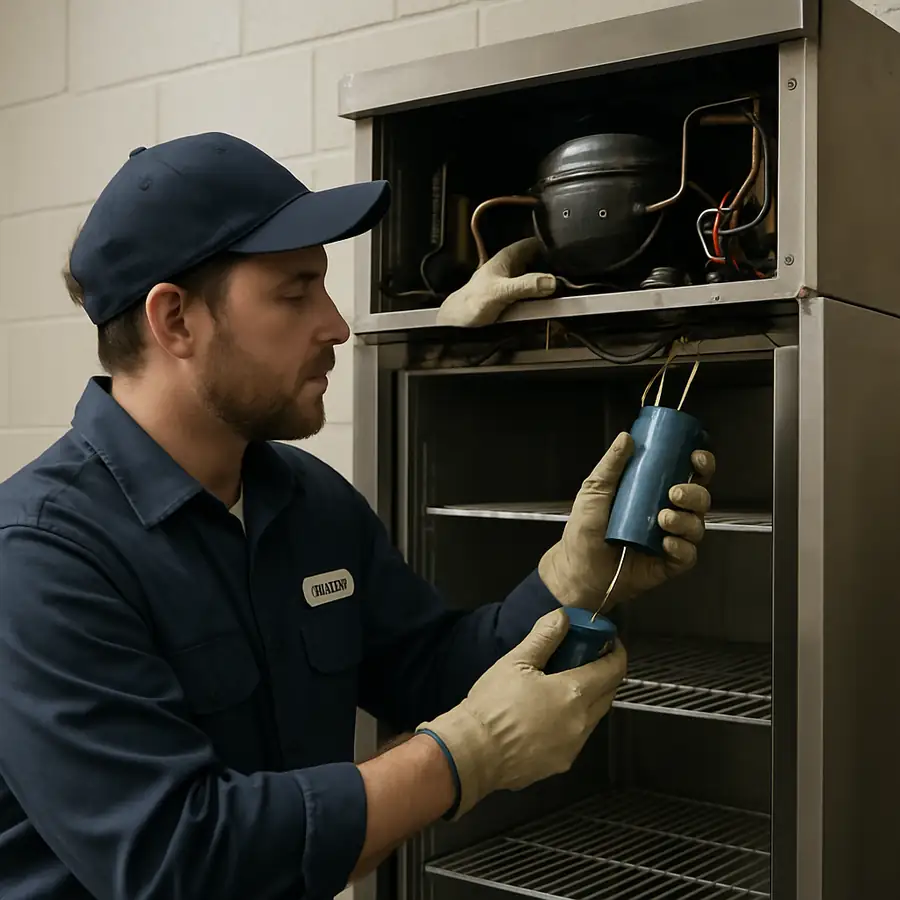
Regardless of where you land on the true vs turbo air debate, you can extend the life of your equipment. Here are some actionable tips for troubleshooting common commercial refrigeration cooling issues:
- Check the Door Gaskets: A cracked gasket leaks cold air, forcing the compressor into overdrive. Wipe them down daily with warm, soapy water.
- Monitor Evaporator Coils: If your fridge is running warm, check for ice buildup. Evaporator freeze-up usually indicates poor airflow—make sure kitchen staff aren't packing boxes directly against the interior fans.
- Give It Room to Breathe: Commercial coolers need adequate clearance at the top and back for proper ventilation. Starving the exhaust of airflow will drastically reduce the unit's lifespan.
- Listen to Your Equipment: A loud, buzzing compressor or clicking relay switch is an early warning sign of electrical strain. Call a tech before the unit completely fails.
End-of-Life Value: Resale and Upgrades
Eventually, you will remodel your kitchen, upgrade your capacity, or sell your business. What happens to your equipment then?
When looking at restaurant equipment resale value True vs Turbo Air, True Refrigeration holds a distinct advantage. Because of their legendary reputation for longevity and the universal availability of replacement parts, the used restaurant equipment market places a high premium on True coolers. You can reliably recoup a significant portion of your initial investment when selling a well-maintained True unit.
Turbo Air units hold moderate resale value, but buyers in the secondary market are sometimes wary of purchasing used digital components without an active warranty,
Summary: Making the Right Choice for Your Kitchen
So, to answer the ultimate question—True Refrigeration vs Turbo Air: Which Commercial Refrigerator Brand Delivers Better Long-Term Value for Restaurants?—the answer depends heavily on your immediate capital, operational flow, and long-term business goals.
Choose True Refrigeration if:
- You want an absolute workhorse that will last 10 to 15+ years.
- You prioritize high resale value.
- You operate in a harsh, heavy-duty environment where equipment takes physical abuse.
- You want the peace of mind that comes with universal replacement part availability.
Choose Turbo Air if:
- You are looking for top-tier performance at a slightly lower initial price point.
- You want to mitigate the risk of staff forgetting to clean the condenser coils.
- You prefer modern, tech-forward digital temperature controls and early-warning alarm systems.
- You need rapid temperature recovery in a high-volume, quick-service environment.
Ultimately, both manufacturers provide world-class cooling solutions that will keep your ingredients safe and your kitchen running smoothly. By carefully analyzing your budget, maintenance capabilities, and expected usage, you can select the brand that will deliver the greatest return on your investment for years to come.
Complete Your Restaurant Setup with The Horeca Store
A commercial refrigerator is a major investment, but refrigeration is only one part of running a successful foodservice operation. Restaurants also need dependable takeaway and serving supplies for everyday service.
The Horeca Store offers a wide selection of foodservice essentials, including disposable food containers, takeaway cups, coffee cups, disposable cutlery, napkins, and other catering supplies. Whether you're opening a new restaurant, upgrading your kitchen, or expanding your takeaway operation, having reliable supplies on hand can help keep your service efficient and professional.
Explore The Horeca Store for quality hospitality and foodservice products designed to support restaurants, cafés, catering businesses, and other commercial food operations.